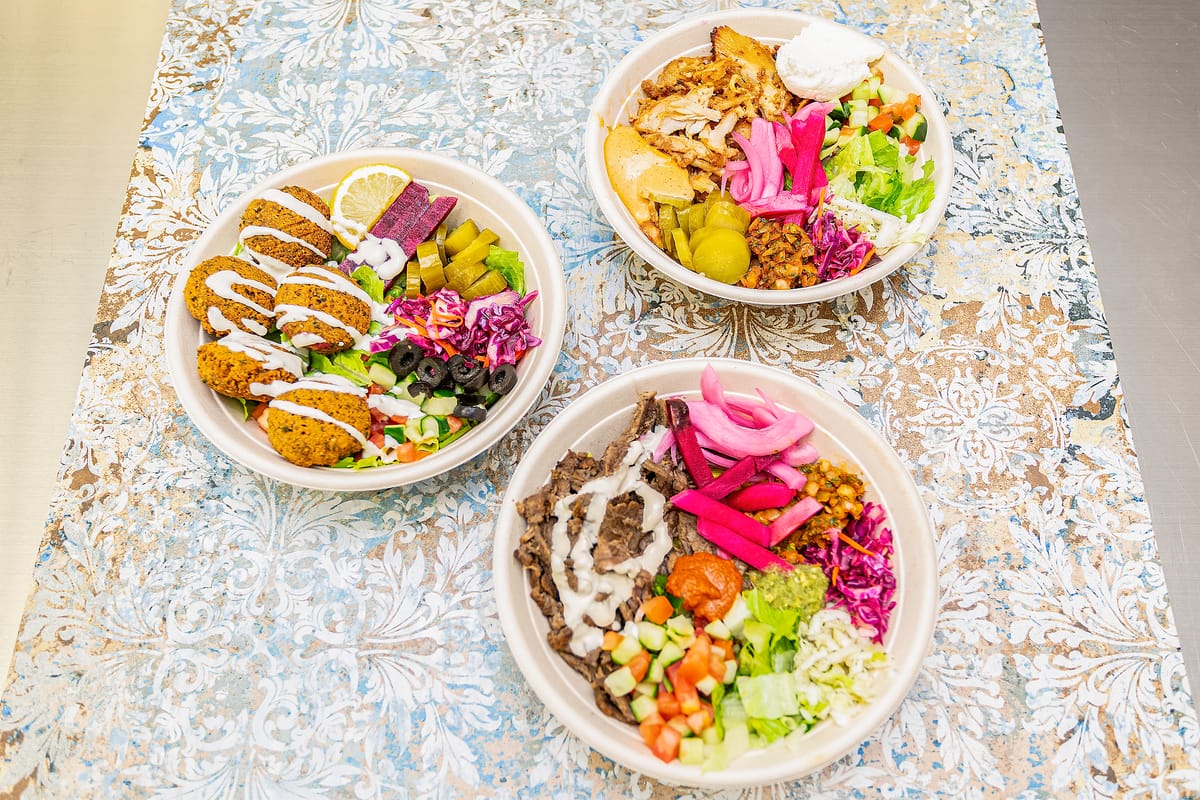
The Complete Guide to Lebanese Food
Four thousand years of culinary heritage distilled into one meal: shared plates, aromatic spices, grilled meats, and the freshest ingredients the Mediterranean has to offer. This is everything you need to know about Lebanese food.
4.8 stars on Yelp (92 reviews) -- Open 11:00 AM - 12:00 AM
What Is Lebanese Food?
A cuisine shaped by geography, history, and the art of gathering around a shared table.
Lebanese food is the cuisine of Lebanon, a small country on the eastern shore of the Mediterranean Sea. Despite its modest size -- roughly the area of Connecticut -- Lebanon has produced one of the most influential and widely loved food traditions on earth. The cuisine is built on a foundation of olive oil, fresh vegetables, grains, legumes, herbs, and aromatic spices. Meats are grilled, roasted on vertical spits, or slow-cooked in stews. Bread appears at every meal. Garlic, lemon, and tahini tie almost everything together.
What sets Lebanese food apart from other Mediterranean traditions is not any single ingredient but rather a philosophy of eating. The Lebanese meal is communal by design. A table is never set with one large plate per person. Instead, a procession of small shared dishes called mezze fills the center of the table: bowls of hummus, plates of tabbouleh, scoops of baba ghanoush, stacks of warm bread, and platters of grilled meat all arrive together. Everyone reaches in. Everyone shares. The act of eating is inseparable from the act of gathering.
This communal tradition has roots stretching back thousands of years. The ancient Phoenicians, who inhabited the same coastal strip that is modern-day Lebanon, were the Mediterranean's first great traders of olive oil, wine, and spices. Centuries of Phoenician, Roman, Arab, Ottoman, and French influence layered flavors and techniques on top of one another. The result is a cuisine that feels both ancient and modern -- a bowl of hummus drizzled with olive oil tastes the same today as it did a thousand years ago, yet it fits perfectly on a contemporary table anywhere in the world.
Lebanese food is also part of the broader Mediterranean diet, which UNESCO inscribed on its Representative List of the Intangible Cultural Heritage of Humanity in 2013. The health benefits are well-documented: lower rates of heart disease, reduced inflammation, and sustained energy from whole grains, legumes, and healthy fats. At Taza Shawarma & Falafel in Falls Church, VA, we bring this tradition to Northern Virginia every day with authentic recipes, fresh ingredients, and the same commitment to quality that defines Lebanese cooking at its best.
The Mezze Tradition: Where Every Lebanese Meal Begins
Small plates, big flavors -- the heart of Lebanese dining.
Mezze is not an appetizer course. It is the organizing principle of Lebanese dining. A proper mezze spread can include anywhere from five to forty individual dishes, each served in small portions designed to be eaten communally with torn pieces of bread. Cold mezze arrives first -- dips, salads, and pickled vegetables -- followed by warm mezze like fried kibbeh, cheese rolls, and meat pies. The main course of grilled meats or fish comes last, but by then the table is already covered in flavor.
The word "mezze" comes from the Arabic verb meaning "to taste" or "to savor," and that is exactly the point. You do not fill up on any one dish. You taste broadly, combine freely, and let the conversation guide the pace of the meal. Below are the essential mezze dishes that define Lebanese cooking.
Chickpeas blended with tahini, lemon juice, garlic, and olive oil into a smooth, creamy dip. The foundation of every Lebanese table. Hummus is served room temperature, drizzled with extra-virgin olive oil and a dash of paprika, always accompanied by warm bread. At Taza, a generous portion of our house-made hummus is $4.95.
Whole eggplant roasted directly over flame until the skin chars and the flesh collapses into a smoky pulp. The flesh is then mashed with tahini, lemon, and garlic. The result is earthy, smoky, and silky. Baba ghanoush provides a deeper, more complex flavor than hummus and is best eaten with thin, crispy pita. Priced at $4.95 at Taza.
Yogurt strained overnight until it reaches a thick, spreadable consistency somewhere between Greek yogurt and cream cheese. Drizzled with olive oil and sprinkled with dried mint, labneh is tangy, cool, and refreshing. It balances the richness of grilled meats and acts as a palate cleanser between bites. $4.95 at Taza.
A salad of finely chopped fresh parsley, mint, tomato, onion, and fine bulgur wheat, dressed in lemon juice and olive oil. Tabbouleh is more herb salad than grain salad -- in authentic Lebanese tabbouleh, parsley is the main ingredient by volume, not the bulgur. It provides a bright, acidic counterpoint to the richer dips on the table.
A chopped salad of romaine lettuce, tomatoes, cucumbers, radishes, and fresh herbs, topped with pieces of fried or toasted pita bread and dressed with a sumac-lemon vinaigrette. The fried pita adds crunch and substance. Fattoush was originally a way to use day-old bread -- resourceful cooking that became a culinary tradition in its own right.
Tender grape leaves stuffed with a mixture of rice, tomato, onion, parsley, and lemon juice, then rolled tightly and simmered until the leaves are silky and the filling is fragrant. Vegetarian versions are the norm; meat-stuffed grape leaves also exist. They are eaten cold or at room temperature, often drizzled with olive oil, and represent some of the most labor-intensive hand work in Lebanese cooking.
Lebanese Breads: The Foundation of Every Meal
No Lebanese meal begins -- or ends -- without bread on the table.
Bread in Lebanese cooking is not a side dish. It is a utensil, a vessel, and a course in itself. Torn pieces of pita are used to scoop hummus, wrap around pieces of grilled meat, and mop up the olive oil pooled at the bottom of a baba ghanoush bowl. Without bread, a Lebanese meal is incomplete. Three breads dominate the tradition.
Pita Bread (Khubz Arabi)
$0.95The round, pocketed flatbread that most people picture when they think of Middle Eastern bread. Lebanese pita is thinner and softer than the grocery-store versions common in the United States. It puffs dramatically in the oven, creating a natural pocket that can be split open and stuffed with shawarma, falafel, and toppings. At Taza, our pita is baked fresh daily and available for $0.95 per piece. It accompanies every dip order automatically.
Read the full guideShrak Bread (Markook)
Used in wrapsA paper-thin, unleavened flatbread traditionally baked on a convex metal dome called a saj. Shrak is translucent when held to the light -- it is the thinnest bread in Lebanese cooking. Because it is so pliable, shrak is the preferred bread for wrapping shawarma and falafel into large, tightly rolled wraps. The texture is slightly chewy with a subtle charred flavor from the dome. At Taza, our shrak wraps start at from $11.45 for chicken shawarma.
Read the full guideManaeesh (Lebanese Flatbread)
from $6.95A round flatbread pressed thin and topped before baking -- zaatar and olive oil, melted cheese, seasoned ground meat, or spinach. Manaeesh is the quintessential Lebanese breakfast food, eaten folded or rolled, often with fresh vegetables and olives on the side. It occupies the same cultural role that a bagel or croissant holds in other traditions: the daily bread that people eat on their way to work. Our zaatar manaeesh starts at $6.95 and our cheese manaeesh at $7.95.
Read the full guideLebanese Proteins: Shawarma, Falafel, Kibbeh, and Kafta
From the vertical spit to the deep fryer -- how Lebanon prepares its centerpiece dishes.
While mezze fills the table, the proteins anchor the meal. Lebanese cooking treats meat with respect -- marinated for hours, cooked slowly over open flame or on a rotating spit, and served in portions that complement rather than overwhelm the other dishes. Vegetarian protein options are equally revered, with falafel holding a status in Lebanon that rivals any grilled meat.
The King of Lebanese Street Food
Thinly sliced marinated meat -- chicken or beef -- stacked on a vertical rotisserie and slow-roasted for hours. The outer layer caramelizes and crisps while the interior stays juicy and tender. The cook shaves thin strips directly from the spit to order. Shawarma is served in pita, wrapped in shrak, or over rice in a bowl. The marinade varies by restaurant but typically includes garlic, lemon, vinegar, and a blend of cumin, turmeric, paprika, cinnamon, and cardamom. At Taza, chicken shawarma pita starts at from $9.95 and beef shawarma pita at from $9.95.
The Vegetarian Cornerstone
Balls or patties made from raw, soaked chickpeas ground with fresh parsley, cilantro, onion, garlic, cumin, and coriander, then deep-fried until the exterior is golden and crunchy and the interior is bright green and moist. Falafel is never made from canned chickpeas or cooked chickpeas -- the raw soak-and-grind method is what creates the proper texture. It is served in pita with tahini, pickled turnips, and fresh vegetables. Falafel pita at Taza starts at from $8.95, or try a falafel bowl from from $10.45.
The National Dish of Lebanon
Ground meat -- usually lamb or beef -- mixed with fine bulgur wheat, onion, cinnamon, and allspice, then shaped into torpedo-like shells filled with sauteed ground meat, toasted pine nuts, and caramelized onions. Fried kibbeh has a crispy exterior that gives way to a soft, aromatic filling. Kibbeh can also be baked in a tray, simmered in yogurt sauce, or served raw as kibbeh nayyeh. It is the single dish most commonly identified as Lebanon's national preparation.
The Grilled Spiced Meat
Ground lamb or beef mixed with finely minced onion, fresh parsley, and spices -- allspice, cinnamon, black pepper -- then formed onto flat metal skewers and grilled over charcoal. Kafta has a coarser, more rustic texture than kibbeh and a pronounced char-grilled flavor. It is served with flatbread, tahini, grilled tomatoes, and onion. Kafta also appears baked in a tray with tomato sauce and potatoes (kafta bil sanieh), one of Lebanon's most popular home-cooked dishes.
Lebanese Food Categories at a Glance
The seven pillars of a complete Lebanese meal.
| Category | Key Dishes | Role in the Meal |
|---|---|---|
| Mezze (Cold Starters) | Hummus, baba ghanoush, labneh, tabbouleh, fattoush, grape leaves | Shared small plates served before the main meal; eaten with bread |
| Mezze (Warm Starters) | Kibbeh, sfiha, cheese rolls, falafel, manaeesh | Hot appetizers served alongside cold mezze for contrast |
| Breads | Pita, shrak, manaeesh (zaatar, cheese, meat) | Foundation of every meal; used for scooping, wrapping, and dipping |
| Grilled Proteins | Shawarma (chicken, beef), kafta, shish taouk, kebabs | Marinated meats cooked on vertical spits, grills, or open flame |
| Sauces & Condiments | Tahini, toum (garlic), hummus, pickled turnips, amba | Accompany every protein; layered into wraps and drizzled on bowls |
| Spices & Herbs | Zaatar, sumac, allspice, cinnamon, cumin, dried mint | Define the Lebanese flavor profile; warm, aromatic, never overly hot |
| Desserts | Baklava, harissa (semolina cake), rice pudding, knafeh, maamoul | Sweet endings featuring nuts, rose water, orange blossom, and syrup |
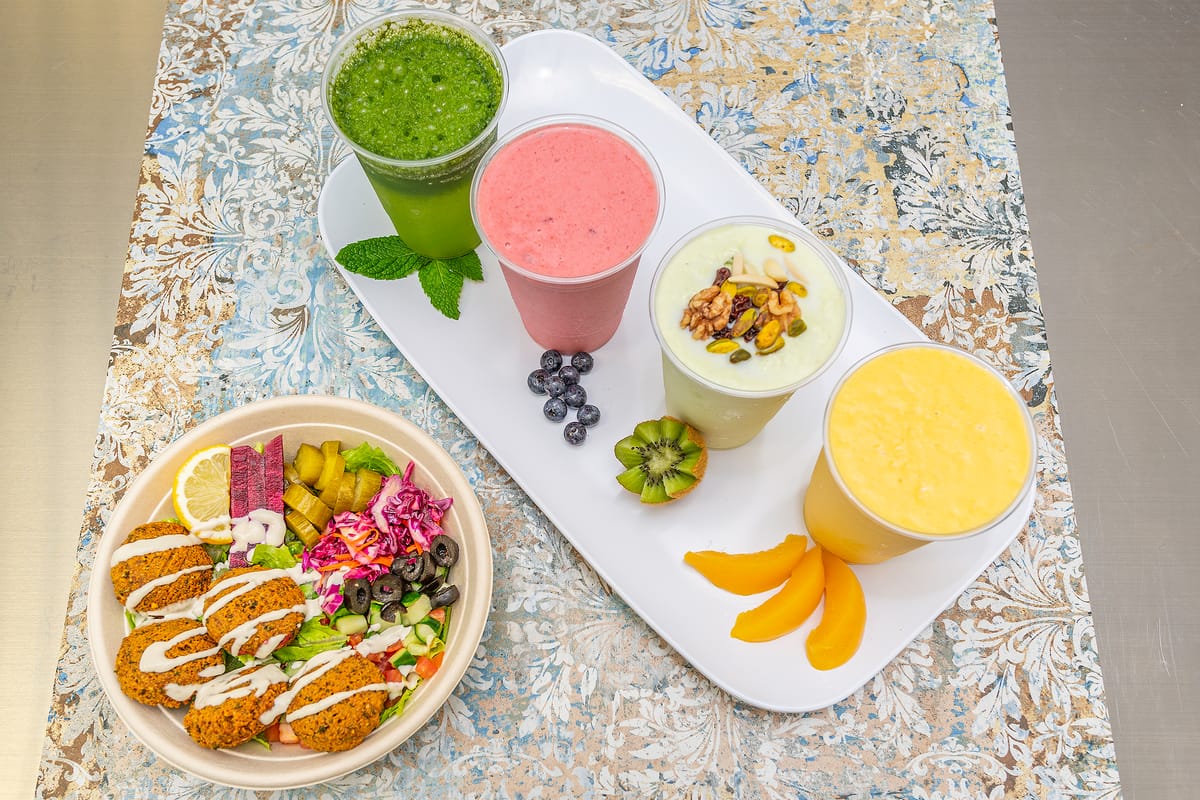
From the Spit to the Plate
Slow-roasted shawarma, hand-rolled falafel, and stone-baked bread -- prepared fresh every day at Taza.
Lebanese Sauces and Condiments
The finishing touches that make every bite complete.
Lebanese sauces are not afterthoughts. They are structural components of the meal. A shawarma wrap without tahini is incomplete. A falafel pita without pickled turnips is unfinished. The sauces provide the acid, fat, and freshness that tie all the other elements together. Three sauces dominate.
A paste made from ground, toasted sesame seeds. In its pure form, tahini is thick, nutty, and slightly bitter. Mixed with lemon juice, water, and garlic, it becomes a pourable sauce that appears on nearly every Lebanese plate. Tahini is the base of hummus, the dressing for falafel, and the drizzle on baked kibbeh. It provides healthy fats, calcium, and a rich umami depth that no other single ingredient can replicate. At Taza, tahini sauce accompanies every pita and wrap.
A fluffy, snow-white emulsion of raw garlic, lemon juice, salt, and vegetable oil, whipped until it reaches the consistency of mayonnaise. Toum is intensely garlicky and sharp -- a tablespoon transforms a chicken shawarma wrap. Making toum by hand is notoriously difficult because the emulsion can break easily. The key is patience and the slow addition of oil while continuously pounding or blending. Toum is the preferred sauce for chicken shawarma specifically.
While hummus is primarily a dip, thinned-out hummus is also used as a base layer inside wraps and at the bottom of bowls. At Taza, you can choose hummus as the base of any bowl, replacing rice or greens. The chickpea spread adds protein, creaminess, and body to a dish that might otherwise rely solely on meat and vegetables for substance.
The Lebanese Spice Cabinet
Warm, aromatic, and never overpowering -- the spices that define the cuisine.
Lebanese food gets its character from a specific family of spices that are warm, earthy, and aromatic rather than fiery. If you learn five seasonings, you can approximate the Lebanese flavor profile at home. For a detailed breakdown, read our complete guide to Middle Eastern spices.
Zaatar
A blend of dried thyme, toasted sesame seeds, sumac, and salt. Zaatar is Lebanon's signature seasoning -- sprinkled on eggs, mixed with olive oil to top bread, and stirred into labneh. The flavor is herbaceous, slightly tart from the sumac, and nutty from the sesame. Every Lebanese household has zaatar in the pantry.
Sumac
A deep red-purple powder ground from dried sumac berries. Sumac tastes tart and citrusy, similar to lemon zest but without the bitterness. It is sprinkled on fattoush, grilled meats, and rice dishes to provide acidity without liquid. Sumac is also a key component of the zaatar blend and is used as a finishing spice rather than a cooking spice.
Allspice (Bahar Helu)
A single berry that tastes like a combination of cinnamon, cloves, and nutmeg. Allspice is the backbone of Lebanese meat seasoning -- it appears in kibbeh, kafta, stuffed grape leaves, and meat pies. A pinch of allspice in ground meat immediately gives it a Lebanese character that no other spice can replicate.
Cinnamon (Qirfeh)
Used in both savory and sweet dishes. Lebanese cinnamon is typically Ceylon cinnamon -- milder and more complex than the cassia cinnamon common in American baking. It appears in rice pilafs, meat stews, kibbeh, and desserts like rice pudding. The savory use of cinnamon is one of the most distinctive features of Lebanese cooking for Western palates.
Cumin (Kammun)
An earthy, warm spice used in falafel, hummus, shawarma marinades, and lentil soups. Cumin provides depth and a slightly smoky undertone. In Lebanese cooking, cumin is used with restraint -- enough to contribute warmth without dominating. It pairs particularly well with chickpeas and is one of the reasons falafel has its characteristic flavor.
Seven Spice (Sabaa Baharat)
A pre-mixed blend of allspice, black pepper, cinnamon, cloves, nutmeg, coriander, and ginger. Seven spice is the Lebanese equivalent of garam masala or herbes de Provence -- a single blend that captures the cuisine's entire flavor profile. It is used in stews, stuffings, and whenever a recipe calls for a complex, warm spice note without specifying individual spices.
Lebanese Desserts: Sweet Endings
Nuts, syrup, rose water, and centuries of pastry tradition.
Lebanese desserts occupy a category of their own. They are not the heavy, butter-and-cream confections of French pastry or the sugar-bomb creations of American baking. Instead, they rely on nuts -- pistachios, walnuts, cashews, pine nuts -- layered with paper-thin dough, soaked in a light sugar syrup perfumed with rose water or orange blossom water. The result is sweet but grounded, aromatic, and texturally complex. For a deeper exploration, read our complete guide to Middle Eastern desserts.
Baklava
Layers of phyllo dough, each brushed with clarified butter, filled with chopped pistachios or walnuts, baked until golden and crispy, then drenched in a rose-water or orange-blossom sugar syrup. Lebanese baklava is lighter and less sweet than Turkish or Greek versions. The emphasis is on the nut filling rather than the syrup. A good baklava shatters when you bite it, then dissolves into a buttery, nutty sweetness.
Learn moreHarissa (Semolina Cake)
$1.99A dense, moist cake made from semolina flour, yogurt, and sugar, soaked in a light syrup after baking. Harissa has a grainy, satisfying texture unlike any Western cake. It is often scored into diamond shapes before baking, with a blanched almond placed in the center of each piece. The name is unrelated to the North African chili paste of the same name. At Taza, two pieces are $1.99.
Learn moreRice Pudding (Riz bi Haleeb)
$2.95Short-grain rice cooked slowly in whole milk with sugar, then perfumed with rose water and a dusting of cinnamon. Lebanese rice pudding is served cold and has a thicker, more set texture than its Western counterpart. It is comfort food in the purest sense -- the dessert that Lebanese grandmothers make on cold nights. At Taza, a portion is $2.95.
Learn moreLebanese Food at Taza Shawarma & Falafel
How our menu in Falls Church, VA represents thousands of years of culinary tradition.
Taza -- which means "fresh" in Arabic -- was built on the principle that Lebanese food should be made the same way here in Northern Virginia as it is in Beirut: with fresh ingredients, traditional techniques, and no shortcuts. Our shawarma rotates on the spit all day. Our falafel is ground and fried to order. Our pita comes out of the oven warm. Our hummus, baba ghanoush, and labneh are prepared daily in-house.
The menu at Taza covers the essential categories of Lebanese food. You can build a complete Lebanese meal from start to finish: begin with mezze sides like hummus ($4.95), baba ghanoush ($4.95), and labneh ($4.95). Add bread -- a fresh pita ($0.95) or a zaatar manaeesh ($6.95). Choose a protein: chicken shawarma pita (from from $9.95), beef shawarma pita (from from $9.95), or falafel pita (from from $8.95). Or go with a bowl if you prefer everything deconstructed over rice or greens (from from $12.45). End with rice pudding ($2.95) or harissa ($1.99).
We also serve Lebanese specialties that are harder to find at typical Mediterranean restaurants: lahm bil ajin ($8.95) -- the thin, crispy meat flatbread often called Lebanese pizza; sfiha meat pies ($2.95) -- hand-folded savory pastries filled with spiced ground meat; and zaatar manaeesh ($6.95) -- the breakfast flatbread that every Lebanese person grows up eating. These are the dishes that differentiate an authentically Lebanese menu from a generic Mediterranean one.
Chicken Shawarma Pita
Most Popular
Beef Shawarma Pita
Signature
Falafel Pita
Vegetarian
Hummus
Essential Mezze
Baba Ghanoush
Smoky Dip
Zaatar Manaeesh
Lebanese Breakfast
Lahm Bil Ajin
Meat Flatbread
Sfiha Pie
Meat Pie
Labneh
Strained Yogurt
Chicken Shawarma Bowl
Bowl
Rice Pudding
Dessert
Fresh Pita Bread
Bread
Your First Lebanese Meal: What to Order
A step-by-step guide for anyone trying Lebanese food for the first time.
Walking into a Lebanese restaurant for the first time can feel overwhelming. The menu has unfamiliar names, unfamiliar formats, and a structure that does not follow the typical American appetizer-entree-dessert sequence. Here is a practical guide to ordering your first meal at Taza, whether you are dining solo or with a group.
Start with a Dip and Bread
Order hummus or baba ghanoush with a fresh pita. This is the universal Lebanese starting point. Tear the pita into pieces, scoop generously, and eat. If you want to try both dips, go for it -- they are meant to be shared. The hummus is creamy and mild; the baba ghanoush is smoky and slightly more complex.
Choose Your Protein Format
Lebanese proteins come in three formats: in a pita (a stuffed sandwich), in a shrak wrap (a thin flatbread rolled tight), or in a bowl (over rice or greens). Pita is the most traditional. A shrak wrap holds more filling. A bowl is the best option if you want to taste everything separately. All three formats use the same proteins and toppings.
Pick Chicken Shawarma or Falafel
For your first visit, chicken shawarma is the safest entry point -- it is tender, mildly spiced, and universally appealing. If you are vegetarian or want something crunchier, falafel is the classic alternative. Both come loaded with fresh vegetables, pickled turnips, and sauce. Beef shawarma is bolder and richer; save it for your second visit once you know the basics.
Add the Right Sauce
Chicken shawarma pairs best with toum (garlic sauce) or garlic mayo. Falafel pairs best with tahini sauce. Beef shawarma works with either tahini or a combination of both. If you are unsure, tahini is the safe all-purpose option. It is nutty, slightly tangy, and works with everything.
Try a Specialty Item
If you want to go beyond the core items, order a zaatar manaeesh ($6.95). It is a thin flatbread baked with an herbal olive oil mixture that tastes like nothing else. Or try a sfiha meat pie ($2.95) -- a small, hand-folded pastry with spiced ground meat. Both are unique to Lebanese cuisine and give you a sense of flavors you will not find at other restaurants.
End with Something Sweet
Rice pudding ($2.95) is the gentlest Lebanese dessert -- creamy, lightly sweet, and perfumed with rose water. Harissa ($1.99), the semolina cake, is denser and more textured. Both are traditional, affordable, and a good introduction to Middle Eastern sweets.
The First-Timer's Order at Taza
If you want us to choose for you, here is what we recommend for a first visit: a chicken shawarma pita (from from $9.95) with a side of hummus ($4.95) and a fresh pita for dipping ($0.95). Total: under $20 for a filling, authentic Lebanese meal. Add a zaatar manaeesh ($6.95) if you want to explore further.
Order this meal online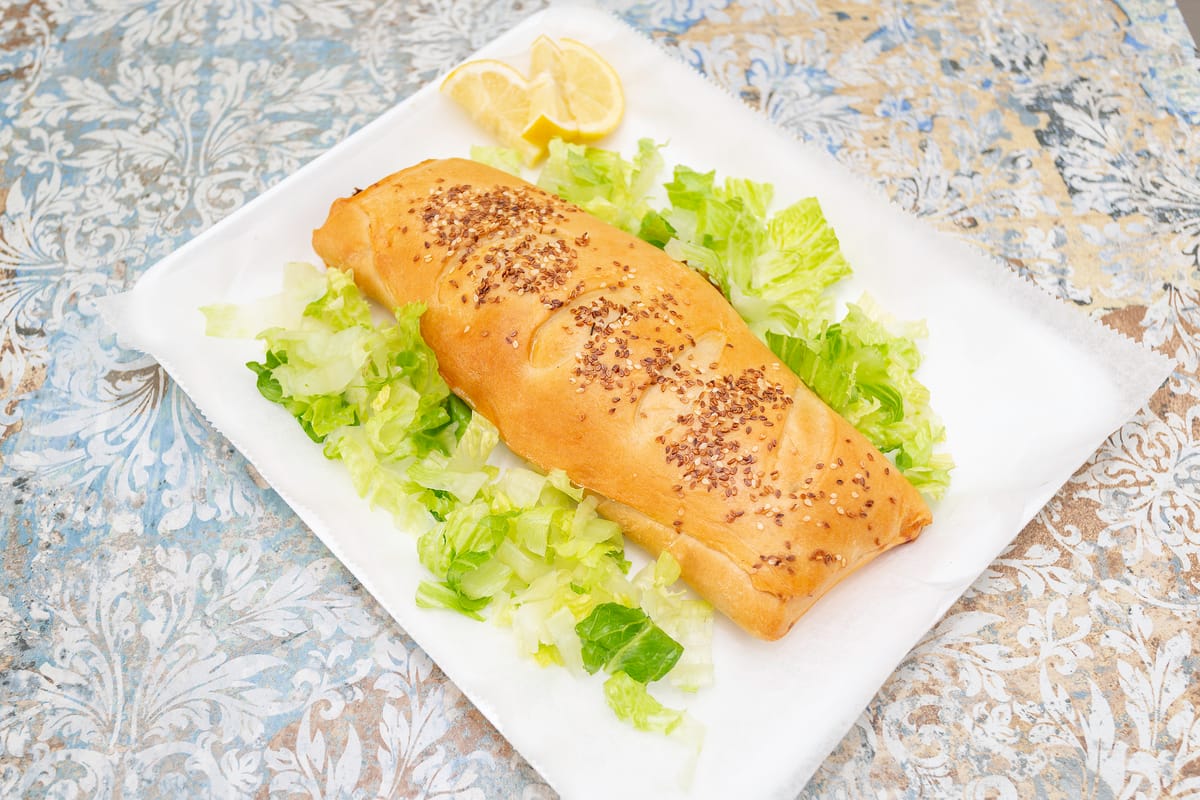
A Cuisine Built for Sharing
Lebanese food is at its best when the table is full of people and the plates are full of variety.
Core Lebanese Cooking Methods
The six techniques that shape every dish on a Lebanese table.
Vertical Spit Roasting
Stacked layers of marinated meat rotate slowly on a vertical spit next to a heat source. As the outer layer crisps and caramelizes, the cook shaves thin strips directly onto the plate. This is the method behind shawarma -- and the reason the texture is simultaneously crispy on the edges and tender throughout. The spit rotates for hours, basting the meat in its own juices.
Stone Oven Baking
Flatbreads like pita, manaeesh, and shrak are baked at extremely high temperatures on stone surfaces. The intense heat causes pita to puff into a pocket in seconds. Manaeesh bakes in under five minutes, developing a crisp bottom and soft top. Stone ovens produce flavors and textures that conventional ovens cannot replicate.
Deep Frying
Falafel and fried kibbeh are cooked by submerging in hot oil until the exterior forms a crispy, golden shell. The key is temperature control -- too low and the food absorbs oil; too high and the outside burns before the inside cooks. Properly fried falafel is crunchy outside and moist inside, with no greasiness.
Charcoal Grilling
Kafta, shish taouk, and kebabs are grilled over natural charcoal, which imparts a smoky flavor that gas grills cannot match. Baba ghanoush gets its signature smokiness from whole eggplants placed directly on hot coals until the skin blackens and the flesh steams inside its own shell.
Slow Simmering
Stews like fasoulia (white bean stew), bamia (okra stew), and kibbeh labanieh (kibbeh in yogurt sauce) cook slowly over low heat, allowing spices to meld and proteins to become fall-apart tender. Time is the essential ingredient in these preparations -- most Lebanese stews cook for at least an hour, some for two or three.
Raw Preparation
Kibbeh nayyeh (raw kibbeh) and tabbouleh represent the raw end of Lebanese cooking. Both rely on the absolute freshness of ingredients rather than heat to develop flavor. Tabbouleh is dressed moments before serving so the herbs stay bright. Raw kibbeh requires same-day ground meat from a trusted butcher.
Lebanese Food: Common Questions Answered
Lebanese food is a cuisine from the eastern Mediterranean country of Lebanon. It is built around fresh vegetables, olive oil, grains, legumes, herbs, and grilled or roasted meats. Meals center on a tradition called mezze -- a collection of small shared dishes served before or alongside the main course. Common dishes include hummus, tabbouleh, baba ghanoush, falafel, shawarma, kibbeh, and manaeesh. Lebanese cooking is part of the broader Levantine culinary tradition and has been shaped by Phoenician, Ottoman, and French influences over thousands of years.
Lebanese food is considered one of the healthiest cuisines in the world. It forms a core part of the Mediterranean diet, which UNESCO recognized as an Intangible Cultural Heritage of Humanity in 2013. The cuisine emphasizes olive oil over butter, fresh vegetables and herbs over processed ingredients, legumes like chickpeas and lentils for protein, and whole grains like bulgur wheat. Many traditional Lebanese dishes -- hummus, tabbouleh, fattoush, baba ghanoush, and labneh -- are naturally rich in fiber, healthy fats, and antioxidants. Portions tend toward moderation because the mezze format encourages variety over volume.
No. Lebanese food is aromatic and flavorful but almost never spicy-hot. The spice profile relies on warm spices like cinnamon, allspice, cumin, and sumac rather than chili peppers. Zaatar, the signature herb blend, is earthy and herbal. Garlic is used generously but cooked or emulsified rather than raw and sharp. The only heat you might encounter is from fresh radishes served as a garnish or from optional hot sauce on the side. This makes Lebanese food accessible to people who are sensitive to spicy food, including children.
Lebanese food is a specific cuisine within the broader category of Mediterranean food. Mediterranean food encompasses cuisines from every country bordering the Mediterranean Sea -- Greek, Italian, Spanish, Moroccan, Turkish, and many others. What makes Lebanese food distinct within this group is its emphasis on mezze-style shared eating, specific ingredients like zaatar and sumac, the use of tahini as a primary condiment, dishes like kibbeh and shawarma that are unique to the Levant, and a particular balance of lemon, garlic, and olive oil that defines the Lebanese palate. While all Mediterranean cuisines share olive oil and fresh produce, Lebanese food has its own identity, techniques, and flavor signatures.
Start with a classic combination: chicken shawarma in a pita or wrap, a side of hummus with fresh pita bread for dipping, and a piece of falafel. This gives you the three cornerstones of Lebanese street food in one meal. If you want to go further, add a side of baba ghanoush or labneh. For something lighter, a falafel bowl over rice with tahini sauce is a satisfying introduction. At Taza, our chicken shawarma pita starts at from $9.95, hummus is $4.95, and falafel pita starts at from $8.95. Every item on our menu is a genuine Lebanese or Levantine preparation.
Most traditional Lebanese food is halal because Lebanon has a large Muslim population and halal preparation is the default in the majority of Lebanese restaurants and butchers. All meat at Taza Shawarma & Falafel is certified halal. Vegetarian Lebanese dishes -- hummus, baba ghanoush, falafel, tabbouleh, fattoush, and labneh -- are inherently halal as they contain no animal products that require halal certification. When dining at any Lebanese restaurant outside of Lebanon, you can ask about halal certification, but the practice is standard across the cuisine.
Lebanese and Syrian cuisines share the same Levantine foundation and many identical dishes, but there are meaningful differences. Aleppo pepper (a fruity, moderately hot chili) is central to Syrian cooking but rare in Lebanese food. Syrian cuisine features dishes like muhammara (roasted red pepper and walnut dip) and cherry kebab that are not part of the Lebanese canon. Lebanese food tends to use more raw preparations (kibbeh nayyeh, raw meat) and relies more heavily on lemon juice as a finishing acid. Syrian bread tends to be thicker than Lebanese pita. In practice, the two cuisines overlap perhaps 70% and diverge on regional specialties.
Taza Shawarma & Falafel at 5820 Seminary Rd Ste O, Falls Church, VA 22041 serves authentic Lebanese and Levantine cuisine every day. Our menu includes shawarma (chicken from from $9.95, beef from from $9.95), falafel (from from $8.95), hummus ($4.95), baba ghanoush ($4.95), labneh ($4.95), zaatar manaeesh ($6.95), lahm bil ajin ($8.95), and sfiha meat pies ($2.95). We are open 11:00 AM - 12:00 AM, Open 7 Days a Week. Call (703) 340-1014 or order online for pickup.
Authentic Lebanese Food at Taza
Open 11:00 AM - 12:00 AM, Open 7 Days a Week at 5820 Seminary Rd Ste O, Falls Church, VA 22041.
Taza Shawarma & Falafel serves authentic Lebanese and Levantine cuisine every day at 5820 Seminary Rd Ste O, Falls Church, VA 22041. Our menu features shawarma carved fresh from the spit, falafel fried to order, house-made hummus and baba ghanoush, stone-baked manaeesh, and traditional Lebanese desserts. Whether you are trying Lebanese food for the first time or you grew up eating it, you will find the flavors and quality you are looking for. We are open 11:00 AM - 12:00 AM, Open 7 Days a Week. Order online for pickup or call us at (703) 340-1014.
Address
5820 Seminary Rd Ste O, Falls Church, VA 22041
Hours
11:00 AM - 12:00 AM -- Open 7 Days a Week
Phone
Explore More Lebanese Cuisine Guides
Order Authentic Lebanese Food at Taza
Shawarma, falafel, hummus, manaeesh, and more -- prepared fresh daily in Falls Church, VA. Experience the flavors of Lebanon today.