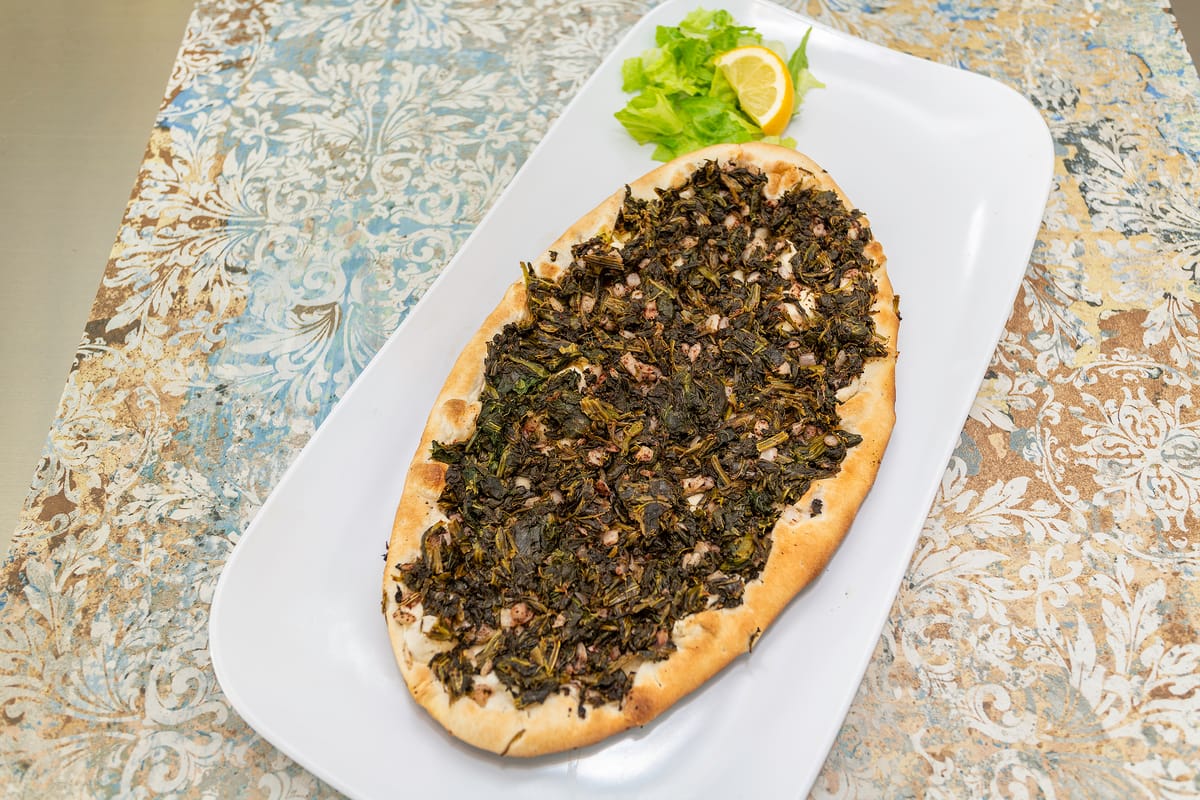
What Is Tahini? Everything You Need to Know
One ingredient. Thousands of years of history. Tahini is the backbone of hummus, the drizzle on falafel, and one of the most nutritious condiments in the Mediterranean pantry. Here is everything about it.
4.8 stars on Yelp (92 reviews) -- Open 11:00 AM - 12:00 AM
What Is Tahini?
The one-ingredient sauce that runs through all of Mediterranean and Middle Eastern cooking.
Tahini is a paste made from ground toasted sesame seeds. It is one of the oldest condiments in the world, with evidence of sesame cultivation dating back over 3,500 years in the Indus Valley and Mesopotamia. Today, tahini is a staple ingredient across Middle Eastern, Mediterranean, and North African cuisines. At its simplest, tahini is just one ingredient -- sesame seeds -- ground until smooth and creamy. The seeds are first toasted (or sometimes left raw, producing a lighter flavor), then milled under stone or steel rollers until the natural oils release and the mixture turns into a thick, pourable paste.
Tahini is the backbone of hummus, the classic drizzle on falafel, and the secret to great baba ghanouj. Without tahini, none of these dishes would taste right. It shows up in salad dressings, baked goods, smoothies, and as a standalone dipping sauce thinned with water, lemon juice, and garlic. In the Middle East, tahini is as common as ketchup is in America -- you will find a jar in almost every kitchen.
At Taza Shawarma & Falafel in Falls Church, VA, tahini is included free on every order. It is part of our 14-item toppings selection, drizzled on bowls and wraps, blended into our hummus and baba ghanouj, and available as a standalone sauce. No upcharge. If you have never tried tahini, any order at Taza is a good introduction.
One Ingredient. Infinite Uses.
Sesame seeds ground to a smooth paste -- tahini has been a pantry staple across the Middle East for millennia.
How Is Tahini Made?
Four steps from raw sesame seeds to finished paste. Simple in theory, but technique determines quality.
Harvest the Sesame Seeds
Sesame plants produce pods that split open when ripe, releasing tiny flat seeds. Most commercial sesame comes from Ethiopia, Tanzania, India, Sudan, and Myanmar. The seeds can be white, brown, black, or golden -- white sesame is standard for tahini because it produces the lightest, smoothest paste.
Hull and Toast
The outer hull of the sesame seed is removed (hulled tahini is smoother and milder). Then the seeds are toasted in an oven or dry pan at around 300-350 degrees F until golden brown. Toasting deepens the flavor and releases the oils that make grinding possible. Under-toasted tahini is bland; over-toasted tahini turns bitter.
Grind to a Paste
The toasted seeds are fed through stone mills or steel grinders that crush them into a fine paste. The friction releases the sesame oil naturally -- no additional oil is needed. Traditional stone-ground tahini has a slightly grainier texture. Machine-ground tahini is smoother. Both are good; it is a matter of preference.
Blend and Rest
The ground paste is blended until uniform and left to settle. Over time, the oil separates and rises to the top -- this is completely normal and does not mean the tahini has gone bad. A quick stir reincorporates the oil. Quality tahini flows like thick honey when stirred. Grainy, dry, or chalky texture means the seeds were not ground long enough.
What Does Tahini Taste Like?
If you have never tasted it, here is what to expect.
Tahini tastes nutty, earthy, and slightly bitter -- similar to peanut butter but more savory and less sweet. The bitterness is mild and pleasant, closer to dark chocolate than to raw greens. Good tahini has a roasted, toasted quality that comes from the sesame seeds being heated before grinding. The texture is thick and creamy straight from the jar, but it thins dramatically when you add water, turning into a pourable sauce.
There is an important distinction between tahini paste (straight from the jar) and tahini sauce (thinned with water, lemon, and garlic). The paste is concentrated, thick, and intensely flavored -- you would not eat it by the spoonful any more than you would eat tomato paste straight. The sauce is lighter, tangier, and designed to be drizzled or used as a dip. When people say "tahini" at a restaurant, they almost always mean the sauce.
Compared to peanut butter, tahini is less sweet, less sticky, and more fluid. It does not coat the roof of your mouth the way peanut butter does. Compared to almond butter, tahini is less expensive, more savory, and has a stronger roasted flavor. Compared to any of these, tahini is far more versatile in savory cooking -- it belongs on grilled meat, in soup, and on roasted vegetables in a way that peanut butter does not.
At Taza, the tahini sauce is mixed fresh and used on falafel, shawarma bowls, wraps, and as part of the toppings selection. If you are tasting tahini for the first time, order a falafel pita -- the combination of crispy falafel and creamy tahini sauce is the best introduction to what this ingredient can do.
Tahini Nutrition: How Healthy Is It?
Tahini is calorie-dense but packed with protein, calcium, iron, and healthy fats. Here is the breakdown.
Two tablespoons of tahini contain approximately 180 calories, 16 grams of fat (most of which is monounsaturated and polyunsaturated), 8 grams of protein, and 3 grams of fiber. It is also a significant source of calcium (130mg, 10% of the daily value), iron (2.7mg, 15% DV), and several B vitamins including thiamine. For vegans and vegetarians, tahini is one of the best plant-based sources of calcium outside of fortified foods -- one serving provides more calcium than a half-cup of cooked kale.
The fat in tahini is predominantly unsaturated, which research consistently links to improved cardiovascular health when consumed in place of saturated fats. Sesame seeds also contain lignans (sesamin and sesamolin), plant compounds studied for their antioxidant and anti-inflammatory properties. The main consideration is calorie density: tahini adds up quickly if used as a snack rather than a condiment. As a sauce or dressing component, it is an efficient way to add protein, healthy fat, and minerals to a meal.
Tahini vs Peanut Butter vs Almond Butter
| Nutrient (2 tbsp) | Tahini | Peanut Butter |
|---|---|---|
| Calories (2 tbsp) | 180 | 190 |
| Total Fat | 16g (mostly unsaturated) | 16g (mix of saturated/unsaturated) |
| Protein | 8g | 7g |
| Calcium | 130mg (10% DV) | 14mg (1% DV) |
| Iron | 2.7mg (15% DV) | 0.6mg (3% DV) |
| Fiber | 3g | 2g |
| Key Vitamins | Thiamine (B1), Phosphorus, Copper | Vitamin E, Niacin, Manganese |
| Allergen | Sesame (not a tree nut) | Peanut (legume) |
Heart-Healthy Fats
Over 80% of tahini's fat is unsaturated -- linked to lower cholesterol and reduced cardiovascular risk.
Plant-Based Protein
8g of protein per serving makes tahini a strong addition to vegetarian and vegan diets.
Mineral-Rich
Tahini provides 10% DV calcium and 15% DV iron per serving -- more than most nut butters.
Types of Tahini: Hulled, Unhulled, and Raw
Not all tahini is the same. The processing method changes the flavor, texture, and nutrition.
Most Common
Hulled Tahini
Made from sesame seeds with the outer hull removed. This produces the lightest-colored, smoothest, and mildest tahini. Hulled tahini is what you find in most grocery stores and what restaurants (including Taza) typically use. It blends more easily into sauces and dressings, and its flavor is the most approachable for first-time tahini eaters. Slightly lower in calcium than unhulled because the hull contains some minerals.
Highest Nutrition
Unhulled Tahini
Made from whole sesame seeds with the hull intact. The hull adds a slightly bitter, more intense flavor and a grittier texture. Unhulled tahini is darker in color (tan to brown) and significantly higher in calcium, fiber, and iron than hulled varieties. It is popular in health food circles but less common in restaurant kitchens because its stronger flavor can overpower delicate dishes.
Mildest Flavor
Raw Tahini
Made from sesame seeds that are not toasted before grinding. Raw tahini has a lighter, more neutral flavor compared to roasted versions. It is paler in color and tastes less nutty. Some raw food advocates prefer it, but most chefs and home cooks find roasted tahini more flavorful. Raw tahini works well in sweet applications like smoothies and desserts where you want creaminess without a strong sesame taste.
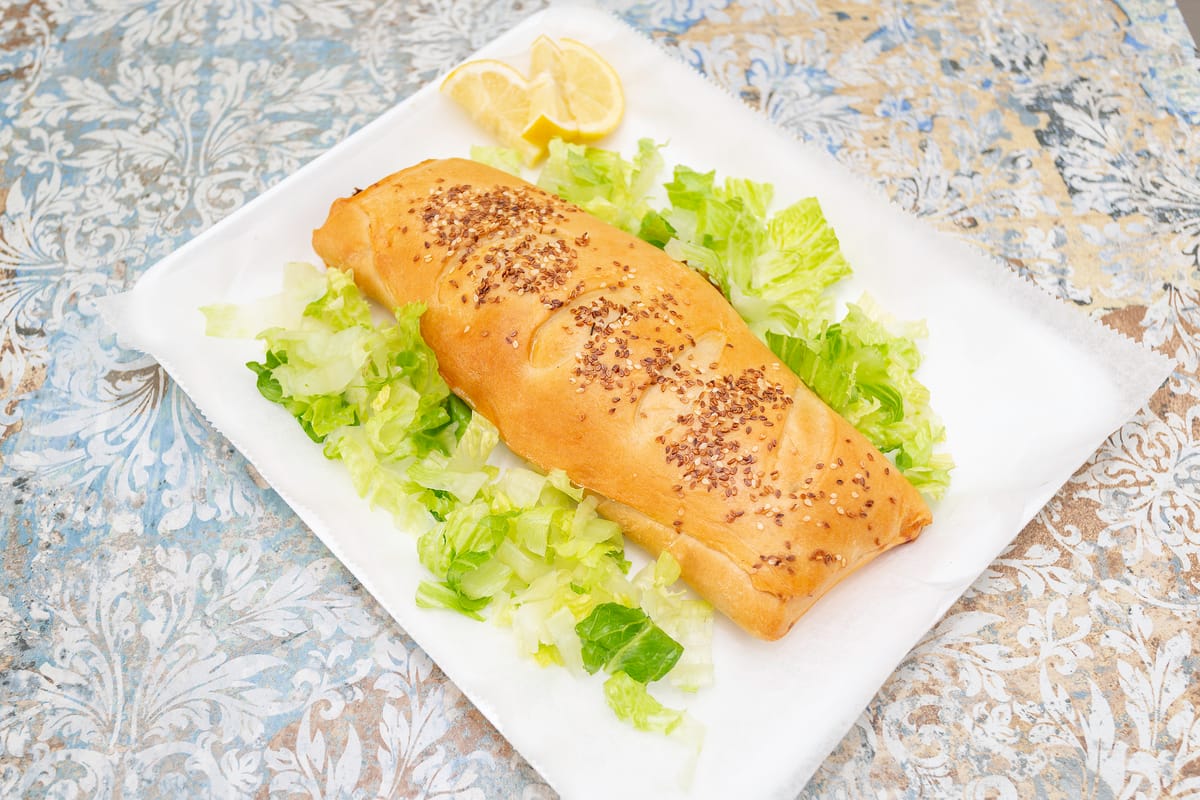
Hummus Without Tahini Is Just Mashed Chickpeas
Tahini gives hummus its smooth texture, nutty depth, and the protein that makes it a real food -- not just a dip.
How Is Tahini Used in Mediterranean Cooking?
Six ways tahini shows up on a Mediterranean menu -- and all six are available at Taza.
Hummus Base -- $4.95
Tahini is the second most important ingredient in hummus after chickpeas. Without tahini, hummus is just mashed beans. Taza's hummus uses a generous ratio of tahini for a smooth, rich texture.
Falafel Sauce -- from $8.95
The classic falafel condiment. Tahini sauce (tahini thinned with water, lemon juice, and garlic) is drizzled inside every falafel pita and bowl at Taza. It cuts through the crispy exterior and adds creaminess.
Bowl Drizzle -- from $12.45
Every bowl at Taza gets a generous drizzle of tahini across the top. It ties together the rice, protein, and vegetables into a cohesive dish. Works equally well on chicken, beef, and falafel bowls.
Shawarma Wraps -- from $11.45
Tahini inside a shawarma wrap adds richness and balances the acidity of pickled turnips. At Taza, you can get tahini on any wrap or pita sandwich -- just ask from our toppings selection.
Baba Ghanouj Key Ingredient -- $4.95
Baba ghanouj gets its creaminess from tahini blended with fire-roasted eggplant. Without tahini, baba ghanouj would be thin and watery. Taza's version uses enough tahini to make it thick and scoopable.
Salad Dressing -- Free
Thin tahini with olive oil, lemon juice, garlic, and a pinch of salt for a Middle Eastern salad dressing. It replaces ranch or vinaigrette on any Taza bowl. Richer in protein than most dressings.
Tahini at Taza Shawarma & Falafel
How we use tahini and why it is included free on every order.
At Taza, tahini sauce is one of the 14 toppings available on every order at no extra charge. It is prepared fresh by thinning quality tahini paste with water, fresh lemon juice, and minced garlic until it reaches the right drizzling consistency. The result is a smooth, tangy, slightly nutty sauce that complements everything on our menu.
Tahini is also a core ingredient in two of our most popular sides: our hummus ($4.95) and our baba ghanouj ($4.95). Both use a generous amount of tahini to achieve their characteristic smooth, creamy texture. Without it, they would be significantly thinner and less flavorful.
The best way to taste tahini at Taza is on a falafel pita (from $8.95) or a chicken shawarma bowl (from $12.45). Both get a generous drizzle of tahini sauce. You can also ask for extra tahini on any order -- there is no upcharge for sauce at Taza.
If you prefer a different sauce, our garlic sauce is the other house favorite. Many customers get both -- tahini on one half, garlic sauce on the other. The full toppings list: Lettuce, Tomatoes, Cucumbers, Onions, Mint, Parsley, Pickles, Black Olives, Tahini Sauce, Garlic Mayo, Olive Oil Dressing, Hummus, Baba Ghanoush, Turnips. All included free.
Tahini vs Garlic Sauce: Which Should You Get?
Both are free at Taza. Here is how they differ so you can pick the right one -- or get both.
| Feature | Tahini Sauce | Garlic Sauce |
|---|---|---|
| Calories (2 tbsp) | 180 | 100 |
| Base Ingredient | Ground sesame seeds | Emulsified oil, garlic, egg/no-egg |
| Origin | Middle East / Mediterranean | Lebanon / Levant |
| Flavor | Nutty, earthy, slightly bitter | Pungent, sharp, creamy |
| Texture | Thick paste, thins with water | Smooth emulsion, fluffy |
| Best On | Falafel, hummus, bowls, baba ghanouj | Shawarma, wraps, fries, platters |
| Vegan | Yes | Varies (some use egg) |
| At Taza | Free on every order | Free on every order |
The short answer: tahini is the traditional sauce for falafel, hummus, and bowls. Garlic sauce is the go-to for shawarma wraps and pitas. At Taza, both are free on every order, so you do not have to choose. Ask for both and drizzle each on different bites.
Where Does Tahini Come From?
From ancient Mesopotamia to your local Mediterranean restaurant.
Sesame (Sesamum indicum) is one of the oldest oil crops ever cultivated. Archaeological evidence places sesame cultivation in the Indus Valley around 3500 BCE, and ancient Babylonian and Assyrian texts reference sesame paste as a food and a medicine. The word "tahini" itself comes from the Arabic "tahana," meaning "to grind." In ancient Egypt, sesame was listed in the Ebers Papyrus (circa 1550 BCE) as a medicinal food.
By the medieval period, tahini was well established across the Islamic world. The 13th-century cookbook "Kitab al-Tabikh" (The Book of Dishes), written in Baghdad, includes recipes calling for tahini in sauces and stews. From the Levant, tahini spread to North Africa, Turkey, and eventually to Greece, where it became an important food during Lent (since it is plant-based and allowed during fasting periods).
In the United States, tahini was largely unknown outside of Middle Eastern and Greek communities until the health food movement of the 1970s introduced it to natural food stores. The hummus boom of the 2000s and 2010s brought tahini into mainstream American supermarkets. Today, tahini is sold at Whole Foods, Trader Joe's, Costco, and most major grocery chains. Global tahini production is estimated at over 1.5 million metric tons of sesame per year.
In Northern Virginia, tahini is a daily ingredient in the kitchens of dozens of Mediterranean and Middle Eastern restaurants. At Taza in Falls Church, it is fundamental to our menu -- present in hummus, baba ghanouj, the sauce bar, and drizzled on nearly every bowl and wrap we serve.
The diversity of the Northern Virginia population has made tahini more available here than in most American cities. Middle Eastern, Ethiopian, Indian, and Greek grocery stores throughout the Falls Church and Arlington corridors all stock tahini from multiple brands. But if you want to taste tahini prepared properly -- thinned to the right consistency, seasoned with fresh lemon and garlic, drizzled at exactly the right amount -- eating it at a restaurant like Taza is the best introduction.
How to Buy Quality Tahini
Not all tahini is equal. Here is what to look for in the store.
Good tahini has one ingredient on the label: sesame seeds. Some brands add sesame oil for consistency, which is acceptable. Avoid tahini that lists soybean oil, canola oil, sugar, or preservatives -- these are signs of a low-quality product. The ingredient list should be short. If it has more than two items, put it back.
Texture matters. Quality tahini should be smooth and pourable when stirred, similar to natural peanut butter. If the tahini is dry, crumbly, or chalky, the sesame seeds were either poorly sourced or under-processed. Taste a small amount: it should be nutty with mild bitterness, not rancid or cardboard-flavored. Rancidity is the most common quality issue with tahini and happens when the product sits on a shelf too long or is stored in warm conditions.
Brands worth trying include Soom (Middle Eastern-style, very smooth), Al Arz (Lebanese, widely used in restaurants), Seed + Mill (New York-based, organic), and Trader Joe's Organic Tahini (affordable, consistent quality). Middle Eastern grocery stores in Northern Virginia typically carry Al Arz, Al Kanater, and Cortas -- all solid choices at lower prices than specialty brands.
How to Use Tahini at Home
Beyond hummus: practical ways to use tahini in your own kitchen.
If you buy a jar of tahini and only use it for hummus, you are leaving most of its potential on the shelf. Tahini works in both savory and sweet applications. Mix it into salad dressings in place of mayo or ranch for a lighter, nuttier flavor. Drizzle it over roasted cauliflower, sweet potatoes, or eggplant. Stir it into noodles with soy sauce and chili oil for a quick sesame noodle sauce. Blend it into smoothies for extra protein and creaminess.
For baking, tahini replaces nut butters in cookies, brownies, and banana bread. Tahini cookies (made with tahini, sugar, an egg, and a pinch of salt) are a three-ingredient recipe that produces a shortbread-like result with a distinct sesame flavor. Tahini swirled into brownie batter creates marbled patterns and adds nuttiness without any tree nuts -- useful for nut-free baking.
The key to working with tahini at home: always stir the jar thoroughly before using, since the oil separates naturally. Store it at room temperature if you use it weekly, or refrigerate for longer storage. Start with 1-2 tablespoons per recipe -- tahini is concentrated, and a little goes a long way. And if you want to skip the cooking and just taste it done right, Taza is open 11:00 AM - 12:00 AM, Open 7 Days a Week.
Tahini: Common Questions Answered
No. Tahini is made from sesame seeds, which are seeds, not tree nuts. However, sesame is now recognized as a major allergen in the United States -- the FASTER Act of 2021 added sesame as the 9th major food allergen. People with tree nut allergies can often eat tahini safely, but those with a specific sesame allergy should avoid it. If you have concerns, check with your allergist. At Taza, tahini is used in hummus, baba ghanouj, and as a standalone sauce, so it is present in many dishes.
Yes. Tahini is 100% plant-based -- it contains nothing but ground sesame seeds (and sometimes a small amount of sesame oil for consistency). This makes it one of the most versatile vegan condiments available. It provides protein, calcium, and iron that vegans often need from non-dairy sources. At Taza, tahini is a key ingredient in our hummus, baba ghanouj, and falafel sauce -- all of which are vegan-friendly.
Unopened tahini can be stored at room temperature in a cool, dark place for up to a year. Once opened, refrigeration is recommended to slow rancidity, though it will last 4-6 months in the pantry. Refrigerated tahini firms up and becomes harder to stir, so many people keep it at room temperature and use it within a few weeks. If you see oil separation at the top, that is normal -- just stir it back in. Discard tahini if it smells off or tastes extremely bitter.
Tahini is nutrient-dense. Two tablespoons provide 8g of protein, 130mg of calcium (10% of your daily value), 2.7mg of iron (15% DV), and significant amounts of thiamine, phosphorus, and copper. The fat content is high (16g per serving), but the majority is unsaturated fat -- the kind associated with heart health. Tahini also contains lignans, plant compounds with antioxidant properties. The main downside is calorie density: at 180 calories per 2 tablespoons, it adds up if you eat large amounts. As a condiment or sauce, it is a solid nutritional addition to any meal.
Yes. Sesame allergy is real and increasingly common. The FDA now requires sesame to be listed as an allergen on food labels in the United States. Symptoms of sesame allergy range from mild (hives, itching) to severe (anaphylaxis). If you have a sesame allergy, you cannot eat tahini, hummus, baba ghanouj, or any dish containing sesame. At Taza, our staff can guide you to sesame-free options on the menu. Our garlic sauce does not contain sesame and can be substituted for tahini on any order.
For cooking and recipes, the closest substitute is sunflower seed butter, which has a similar texture and neutral flavor. Cashew butter works in hummus but adds sweetness. Peanut butter changes the flavor significantly -- it works in some Asian-style dressings but does not taste like tahini. Greek yogurt can replace tahini in dressings for a lighter, tangier result. No substitute perfectly replicates tahini's unique combination of nuttiness, bitterness, and creaminess. For the real thing, Taza includes tahini sauce at no extra charge on every order.
Try Tahini at Taza
Open 11:00 AM - 12:00 AM, Open 7 Days a Week at 5820 Seminary Rd Ste O, Falls Church, VA 22041.
Address
5820 Seminary Rd Ste O, Falls Church, VA 22041
Hours
11:00 AM - 12:00 AM -- Open 7 Days a Week
Phone
Taste Real Tahini at Taza
Drizzled on bowls, inside wraps, blended into hummus. Tahini is free on every order at Taza -- no upcharge, no limits. Order online for pickup or dine in.