What Is Falafel? Everything You Need to Know
Falafel is a deep-fried ball or patty made from ground chickpeas, fresh herbs, and spices. It's one of the oldest and most popular plant-based street foods on earth. Here's the full story.
4.8 stars on Yelp (92 reviews) -- Open 11:00 AM - 12:00 AM
What Is Falafel?
The short answer, then the deep dive.
Falafel is a deep-fried ball or patty made from ground chickpeas (or fava beans in Egypt), mixed with fresh parsley, cilantro, onion, garlic, cumin, and coriander. The mixture is shaped by hand or with a mold and fried in vegetable oil until the outside is golden-brown and crispy while the inside stays bright green, moist, and herb-packed. Falafel originated in the Middle East thousands of years ago and has become one of the world's most widely eaten plant-based protein sources. It is naturally vegan, high in fiber and protein, and served across the Middle East, North Africa, Europe, and the Americas in pita sandwiches, wraps, bowls, and platters.
At Taza Shawarma & Falafel in Falls Church, VA, falafel is made fresh daily from raw soaked chickpeas -- never from canned beans, never from a pre-made mix. Each batch uses six fresh herbs and spices, and every ball is fried to order so it arrives at your table hot and crunchy. You can get it in a pita or shrak wrap, in a bowl over rice or greens, or as individual pieces starting at $0.85 each.
Made Fresh Every Day
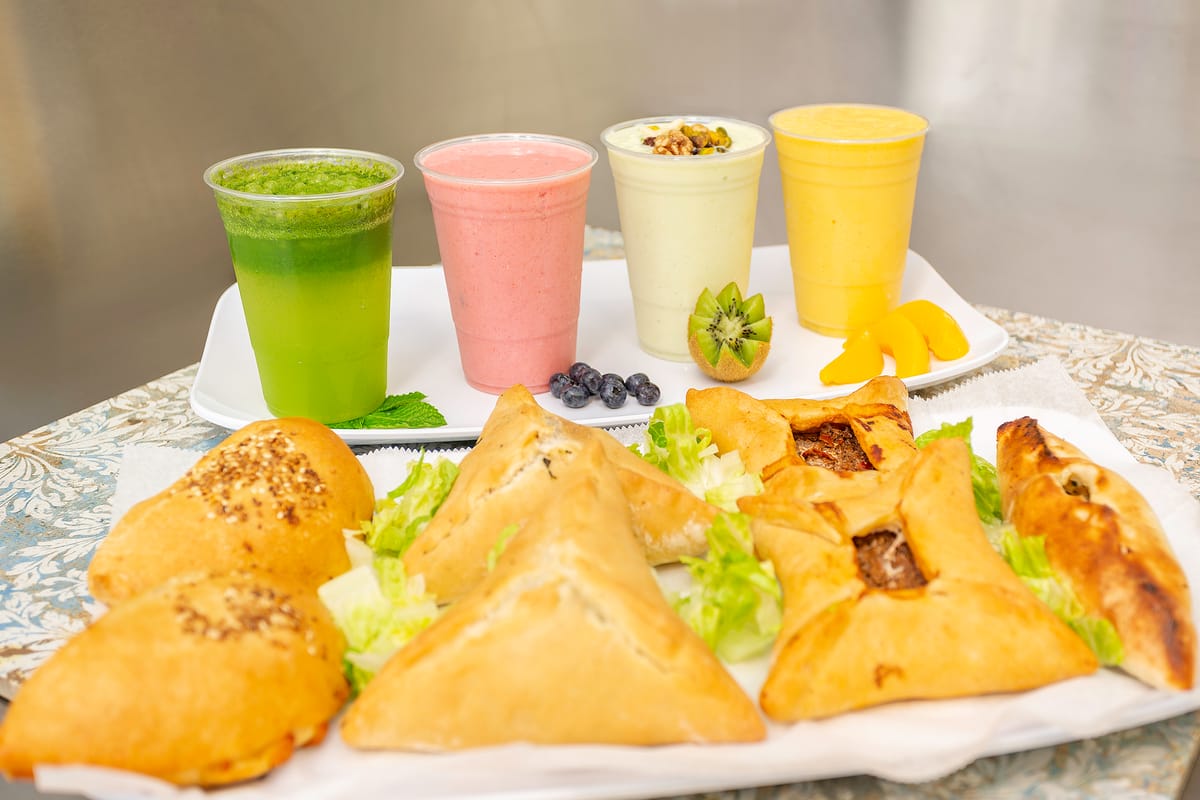
Taza's falafel is ground, shaped, and fried in-house daily -- never frozen, never pre-made.
A Brief History of Falafel
From ancient Egypt to every major city on earth.
The earliest version of falafel almost certainly came from Egypt, where it was made from fava beans (broad beans) rather than chickpeas. This version, called ta'ameya, is still the standard in Egypt today. The most widely accepted theory is that Coptic Christians in Egypt created ta'ameya as a protein-rich food for Lent, when meat was forbidden. The fava bean version has a smoother, creamier interior and a lighter green color than chickpea falafel.
As the dish spread north and east into the Levant — modern-day Lebanon, Syria, and Jordan — cooks substituted chickpeas for fava beans. Chickpeas were more abundant in the region and produced a heartier, coarser texture that held up better to frying. The chickpea version became the dominant form across the eastern Mediterranean and is what most of the world now recognizes as falafel.
The origin of falafel is a matter of national pride. Egyptians claim it as their invention (ta'ameya), while Lebanese and Syrian cooks point to centuries of chickpea falafel tradition in their own cuisines. What is not debatable is that falafel has been eaten across the Middle East for at least a thousand years and possibly much longer.
By the late 20th century, Middle Eastern immigration carried falafel to Europe, North America, South America, and beyond. Today, falafel is available in fast-food chains, fine dining restaurants, food trucks, and grocery stores worldwide. In Northern Virginia, the large Lebanese and Arab community has made authentic falafel widely accessible, and Falls Church is one of the best areas in the DC metro region to find it made fresh.
What's Inside Falafel?
Seven core ingredients, zero animal products.
Chickpeas (Raw, Soaked)
The foundation. Raw dried chickpeas are soaked overnight (12-24 hours) until soft enough to grind. This is the critical distinction between real falafel and shortcuts: canned chickpeas are already cooked and too wet, which makes the falafel fall apart during frying. Taza always uses raw soaked chickpeas.
Fresh Parsley & Cilantro
These two herbs give falafel its signature bright green interior. The parsley adds a clean, grassy flavor, while cilantro adds citrusy depth. Both are added raw and ground into the chickpea mixture. The ratio matters -- too much cilantro overpowers, too little makes the falafel taste flat.
Onion & Garlic
Raw onion and garlic are ground into the mixture for pungent, savory depth. The onion also adds moisture that helps bind the falafel. Some recipes use scallions instead of yellow onion for a milder flavor, but the traditional Levantine version uses regular onion.
Cumin & Coriander
The two essential spices. Cumin gives falafel its earthy, warm backbone. Coriander (ground coriander seed) adds a subtle citrus note that brightens the overall flavor. Most recipes also include a small amount of cayenne or black pepper for mild heat.
The biggest quality indicator: Real falafel uses raw soaked chickpeas that are ground while still uncooked. Many fast-food chains and lower-quality restaurants use canned chickpeas (already cooked) or pre-made powder mixes. The result is mushy, dense falafel that falls apart or tastes bland. At Taza, every batch starts with dry chickpeas soaked overnight and ground fresh that morning.
How Falafel Is Made
Five steps from dry chickpeas to crispy golden falafel.
Soak
Dry chickpeas are covered in cold water and soaked for 12-24 hours. They absorb water, double in size, and soften enough to grind without cooking. No heat is applied.
Grind
Soaked chickpeas are drained and ground in a food processor with parsley, cilantro, onion, and garlic until the mixture is coarse but cohesive. Not a paste -- you want texture.
Season
Cumin, coriander, salt, pepper, and a pinch of baking soda (for lift) are folded into the ground mixture. The dough rests in the refrigerator for 30-60 minutes to firm up.
Shape
The mixture is scooped and pressed into balls or patties using a falafel mold or by hand. Each ball weighs about 30-35 grams. Consistency is key for even frying.
Fry
Balls are deep-fried in 350-375F vegetable oil for 3-4 minutes until the outside is dark golden-brown and crispy. The inside stays green, moist, and tender.
At Taza, this entire process happens in our kitchen every day. We do not use frozen falafel, pre-made mixes, or factory-produced patties. The chickpeas are soaked the night before, ground each morning, and fried to order throughout the day.
From Our Kitchen to Your Table
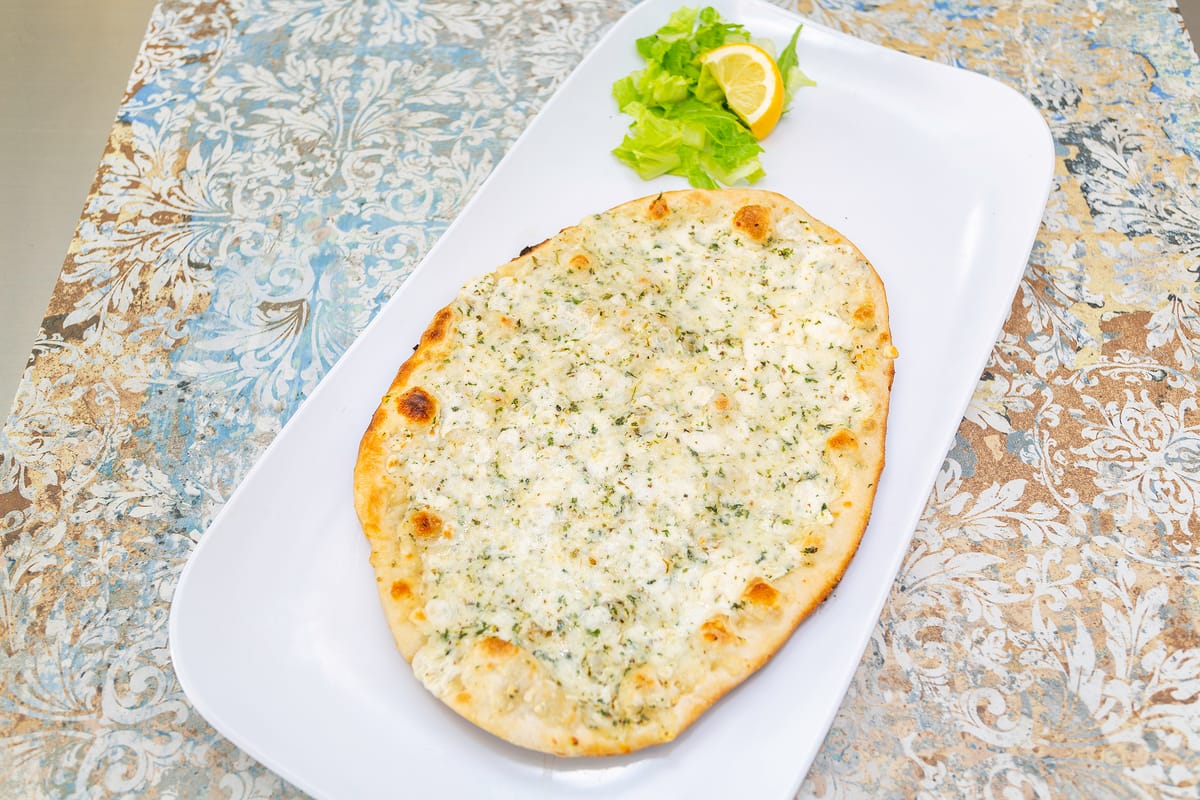
Every falafel ball at Taza is shaped by hand and fried to order -- crispy outside, green and herby inside.
Ways to Eat Falafel at Taza
Four formats, same fresh falafel, each with your choice of 14 toppings.
Falafel Pita -- from $8.95
Crispy chickpea falafel tucked into warm, fresh-baked pita with lettuce, tomatoes, cucumbers, pickles, and tahini sauce. The classic street food format.
Falafel Shrak Wrap -- from $9.95
Falafel rolled in traditional thin shrak flatbread with hummus, fresh Arabic salad, pickles, and tahini. A larger, chewier format with more surface area.
Falafel Bowl -- from $10.45
Falafel over your choice of rice, mixed greens, or hummus base. Topped with Arabic salad, tahini, and olive oil. The low-carb, high-protein option.
Falafel Piece -- $0.85
Individual falafel balls made from ground chickpeas and fresh herbs, fried to order. Add them to any bowl, platter, or eat them as a snack.
Every format includes your choice from Taza's 14-item toppings selection: Lettuce, Tomatoes, Cucumbers, Onions, Mint, Parsley, Pickles, Black Olives, Tahini Sauce, Garlic Mayo, Olive Oil Dressing, Hummus, Baba Ghanoush, Turnips.
Find Taza's falafel near youFalafel Pita vs Wrap vs Bowl vs Platter
Which format is right for your meal? Here's a side-by-side comparison.
| Pita Sandwich | Shrak Wrap | |
|---|---|---|
| Format | Falafel Pita | Falafel Wrap |
| Best For | Quick lunch, classic street food experience | Bigger appetite, more bread and fillings |
| Price at Taza | from $8.95 | from $9.95 |
| Calories (Est.) | 450-550 cal | 550-650 cal |
| Falafel Bowl | A La Carte | |
|---|---|---|
| Format | Falafel Bowl | Falafel Platter |
| Best For | Low-carb, customizable, knife-and-fork meal | Sharing, sampling multiple dips and sides |
| Price at Taza | from $10.45 | $0.85 per piece |
| Calories (Est.) | 400-500 cal | Varies by selection |
First time? Start with the falafel pita at from $8.95. It's the most popular order and the best way to experience falafel as street food. Want a bigger meal? Go for the bowl at from $10.45.
Is Falafel Healthy?
A detailed breakdown of falafel nutrition and how it stacks up against other proteins.
Falafel is one of the most nutrient-dense plant-based foods available. A 100-gram serving (roughly 3 balls) provides approximately 330 calories, 13 grams of protein, 18 grams of fat, 31 grams of carbohydrates, and 5 grams of dietary fiber. It also delivers significant amounts of iron (about 3.4mg, or 19% of the daily value), folate (about 59mcg), and magnesium.
The protein in falafel comes from chickpeas, which contain all nine essential amino acids (though in lower amounts of methionine compared to animal proteins). Pairing falafel with tahini -- which is rich in methionine from sesame seeds -- creates a more complete amino acid profile. This is why the traditional combination of falafel and tahini is not just a flavor pairing but a nutritional one.
The fiber content is particularly notable. A falafel pita sandwich at Taza delivers roughly 8-12 grams of fiber depending on toppings -- about 30-40% of the recommended daily intake. This fiber comes from both the chickpeas and the fresh vegetables. High-fiber meals promote gut health, stable blood sugar, and prolonged satiety.
Falafel (100g)
330 cal
13g protein
5g fiber
18g fat
Grilled Chicken (100g)
165 cal
31g protein
0g fiber
3.6g fat
Beef Patty (100g)
250 cal
26g protein
0g fiber
15g fat
Falafel trades some protein for fiber and iron compared to lean meats. If you are vegetarian or vegan, falafel is one of the most satisfying and protein-rich options you will find. It is also naturally vegan and can be gluten-free when ordered as a bowl.
Falafel Around the World
Same concept, different traditions -- how falafel changes from country to country.
Egypt
Ta'ameya
Made from fava beans instead of chickpeas. Lighter, creamier interior with a pale green color. Often shaped into flat patties rather than balls. Served with a sesame seed coating and eaten for breakfast with pita and pickled vegetables.
Lebanon & Syria
Falafel Wrap
Chickpea falafel rolled in thin markouk or shrak bread with hummus, pickled turnips (the bright pink ones), mint, and tahini. Smaller balls, packed tighter in the wrap. This is the style Taza follows -- traditional Lebanese preparation.
Germany (Berlin)
Falafel im Brot
Served doner-kebab style in thick Turkish bread with a heavy dose of garlic sauce, cabbage, and hot sauce. Berlin has one of the largest falafel scenes outside the Middle East, driven by the city's large Turkish and Arab communities.
What Makes Taza's Falafel Different?
Four things that separate our falafel from the average falafel shop.
Fresh Daily, Never Frozen
Every batch of falafel at Taza is made from scratch each morning. Chickpeas soaked overnight, ground with fresh herbs, and fried to order. We do not use frozen falafel patties or reconstituted mixes. You can taste the difference -- the interior is moist and bright green, not gray and dry.
14 Toppings, Your Choice
Every falafel order comes with access to our full toppings selection: Lettuce, Tomatoes, Cucumbers, Onions, Mint, Parsley, Pickles, Black Olives, Tahini Sauce, Garlic Mayo, Olive Oil Dressing, Hummus, Baba Ghanoush, Turnips. You control exactly what goes in your pita, wrap, or bowl. No extra charge for toppings.
100% Halal
While falafel itself is plant-based, our entire kitchen is halal-certified. This matters if you are ordering falafel alongside shawarma or other meat dishes. Everything at Taza meets halal standards -- sourcing, preparation, and service.
Traditional Lebanese Recipe
Taza's falafel follows a traditional Lebanese recipe: chickpeas, parsley, cilantro, onion, garlic, cumin, coriander, and a touch of baking soda for lift. No flour fillers, no breadcrumbs, no egg. The same recipe used in Beirut and Tripoli for generations.
Common Falafel Mistakes to Avoid
Why some falafel is great and some is terrible -- it comes down to technique.
Using canned chickpeas
Canned chickpeas are already cooked and too wet. When ground, they produce a paste instead of a coarse dough. The falafel will be mushy inside and will fall apart in the fryer. Authentic falafel always uses raw soaked chickpeas -- dried chickpeas soaked in cold water for 12-24 hours, then drained and ground while still uncooked.
Not resting the dough
After grinding and seasoning, the falafel mixture needs at least 30 minutes in the refrigerator before shaping. This firms up the dough, develops the flavors, and helps the falafel hold together during frying. Skipping this step is the most common reason homemade falafel crumbles apart.
Oil temperature too low
Falafel must be fried at 350-375F (175-190C). If the oil is too cool, the falafel absorbs excess oil, becomes greasy, and does not form a crispy shell. If the oil is too hot, the outside burns before the inside cooks through. The correct temperature creates the signature contrast: crunchy shell, soft interior.
Adding too much flour or binder
Some recipes call for flour, breadcrumbs, or egg to help the falafel hold its shape. These fillers dilute the chickpea flavor, change the texture from light and herby to dense and bready, and make the falafel no longer vegan or gluten-free. A properly made falafel mixture binds on its own. A small pinch of baking soda is the only addition needed -- it creates tiny air pockets for a lighter interior.
Over-processing the mixture
The chickpeas should be ground to a coarse, crumbly texture -- not a smooth paste. If the mixture is over-processed, the falafel will be dense and gummy instead of light and fluffy. You want visible bits of chickpea, herb, and onion throughout the mixture. Think couscous texture, not hummus texture.
At Taza, none of these mistakes happen. Our kitchen staff follows the same traditional Lebanese method every day: raw soaked chickpeas, proper resting time, calibrated fry temperature, and zero fillers. The result is consistent, crispy, bright-green falafel -- every single batch.
Best Toppings and Sauces for Falafel
What goes with falafel -- and why the toppings matter as much as the falafel itself.
Falafel is rarely eaten alone. The toppings and sauces are essential to the complete experience. In Lebanon, a falafel wrap without tahini and pickled turnips would be considered incomplete. At Taza, every falafel order comes with access to our 14-item toppings selection, so you can build your perfect combination.
Tahini Sauce (Essential)
Ground sesame seeds thinned with lemon juice, garlic, and water. Tahini is the default sauce for falafel across the entire Middle East. It is nutty, tangy, and creamy without any dairy. At Taza, our tahini is made fresh and available from our toppings selection.
Garlic Mayo
A creamy garlic sauce (toum-inspired) that adds richness and a garlic punch. Popular in Lebanese-American restaurants. Works well as a secondary sauce alongside tahini.
Pickled Turnips
Bright pink pickled turnips are a traditional Lebanese accompaniment. They add crunch, acidity, and a slight beet-like sweetness (the pink color comes from being pickled with beet). They cut through the richness of fried falafel.
Fresh Vegetables
Lettuce, tomatoes, cucumbers, onions, and fresh herbs. These add crunch, freshness, and volume to a falafel pita or wrap. At Taza, all fresh toppings are included at no extra charge.
Hummus
A spread of hummus inside the pita or as a bowl base adds creaminess and extra protein. Falafel and hummus are both chickpea-based -- the combination is a chickpea double-down that is deeply satisfying. Hummus at Taza: $4.95.
Hot Sauce / Pickles
Pickled jalapeños, hot sauce, or Middle Eastern shatta (chili paste) add heat that contrasts the earthy, herbaceous falafel. If you like spice, ask for hot sauce at the counter.
Frequently Asked Questions About Falafel
Yes, traditional falafel is 100% vegan. It is made from ground chickpeas (or fava beans in Egypt), fresh herbs like parsley and cilantro, garlic, onion, and spices. There are no eggs, dairy, or animal products in authentic falafel. At Taza Shawarma & Falafel in Falls Church, our falafel is made fresh daily from raw soaked chickpeas and contains no animal-derived ingredients. The tahini sauce we serve with it is also vegan -- it is just ground sesame seeds, lemon juice, and garlic. Be aware that some restaurants add egg as a binder, which would make it vegetarian but not vegan. Always ask if you need to confirm.
Traditional falafel made only from chickpeas, herbs, and spices is naturally gluten-free. The chickpea base contains no wheat, barley, or rye. However, some restaurants add flour or breadcrumbs as a binder to help the falafel hold its shape during frying. At Taza, our falafel recipe does not include flour fillers. That said, if you have celiac disease or a serious gluten allergy, be aware that falafel is typically fried in shared oil and served in pita bread, which does contain gluten. Ask about cross-contamination if this is a concern for you. You can order a falafel bowl over rice or greens to avoid bread entirely.
A single falafel ball (about 35 grams) contains approximately 55-60 calories, 3 grams of protein, 3 grams of fat, and 5 grams of carbohydrates. A typical serving of 4-6 falafel balls runs 220-360 calories before toppings and sauces. A complete falafel pita sandwich with tahini, vegetables, and pickles at Taza is roughly 450-550 calories total. A falafel bowl over greens or rice is around 400-500 calories depending on toppings. For comparison, a chicken shawarma pita is about 500-600 calories. Falafel is a relatively calorie-efficient source of plant protein and fiber.
Falafel has a crispy, golden-brown exterior and a soft, herb-green interior. The outside is crunchy from deep frying, while the inside is moist and fluffy -- similar in texture to a dense herb biscuit. The flavor is earthy and savory from the chickpeas, bright and herbaceous from fresh parsley and cilantro, and warmly spiced from cumin and coriander. It is not spicy-hot. The overall taste is rich, nutty, and satisfying. When served with tahini sauce, the sesame flavor adds creaminess and depth. Most people who try falafel for the first time are surprised by how flavorful and filling it is for a plant-based food.
You can bake falafel at home at 375F for about 25-30 minutes, flipping halfway through. Baked falafel is lower in fat (about 2g per ball vs 3g fried) but has a drier texture and does not develop the same crispy shell that defines traditional falafel. Restaurant falafel, including the falafel at Taza, is always deep-fried because the quick high-heat frying is what creates the signature contrast between the crunchy exterior and the soft, moist interior. If you are watching oil intake, a falafel bowl with extra vegetables is a good compromise -- you still get the fried falafel but in smaller portions with more fresh ingredients.
Falafel can be part of a weight-loss diet because it is high in protein (about 3g per ball) and fiber (about 2g per ball), both of which promote fullness. A falafel bowl over greens at Taza (from from $10.45) is one of the more filling, lower-calorie options on any Mediterranean menu -- roughly 400-500 calories for a complete meal with about 18-22g of protein and 10-14g of fiber. The key is portion control and watching sauces. Tahini adds about 90 calories per tablespoon. Compared to fried chicken or a burger, falafel is a lighter protein source with more fiber and less saturated fat. Skip the pita bread and go for a bowl if you want the lowest-calorie option.
Try Taza's Fresh Falafel in Falls Church
Open 11:00 AM - 12:00 AM, 7 days a week at 5820 Seminary Rd Ste O, Falls Church, VA 22041.
Address
5820 Seminary Rd Ste O, Falls Church, VA 22041
Hours
11:00 AM - 12:00 AM -- Open 7 Days a Week
Phone
Order Taza's Fresh Falafel Now
Falafel pita from from $8.95, falafel bowl from from $10.45. Made fresh daily from raw soaked chickpeas at 5820 Seminary Rd Ste O, Falls Church, VA 22041. Order online or call (703) 340-1014.