What Is Hummus? The Complete Guide
Hummus is a creamy dip made from chickpeas, tahini, lemon juice, and garlic. It has been a staple of Middle Eastern cuisine for thousands of years. Here is everything you need to know.
4.8 stars on Yelp (92 reviews) -- Open 11:00 AM - 12:00 AM
What Is Hummus?
Four ingredients, thousands of years of tradition.
Hummus is a creamy dip or spread made from cooked chickpeas blended with tahini (sesame paste), fresh lemon juice, and garlic. The word "hummus" literally means "chickpeas" in Arabic. It is a staple of Lebanese, Levantine, Syrian, and broader Mediterranean cuisine, eaten daily by millions of people across the Middle East and increasingly around the world. A standard serving of hummus (about 100 grams) provides 7 grams of protein, 6 grams of fiber, and significant amounts of iron, folate, and B vitamins.
The dish is deceptively simple. The quality of hummus depends almost entirely on technique and ingredient quality. The chickpeas must be cooked until very soft -- undercooked chickpeas produce grainy hummus. The tahini must be fresh and well-stirred. The ratio of lemon juice to garlic determines whether the hummus is bright and punchy or mellow and nutty. A drizzle of good olive oil on top finishes the dish.
At Taza Shawarma & Falafel in Falls Church, VA, hummus is made fresh daily using a traditional Lebanese recipe. We serve it as a dip with warm pita bread ($4.95), as a side or topping for any bowl or wrap, and as part of platters. Our hummus is vegan, gluten-free, and pairs with everything on the menu -- from falafel to chicken shawarma.
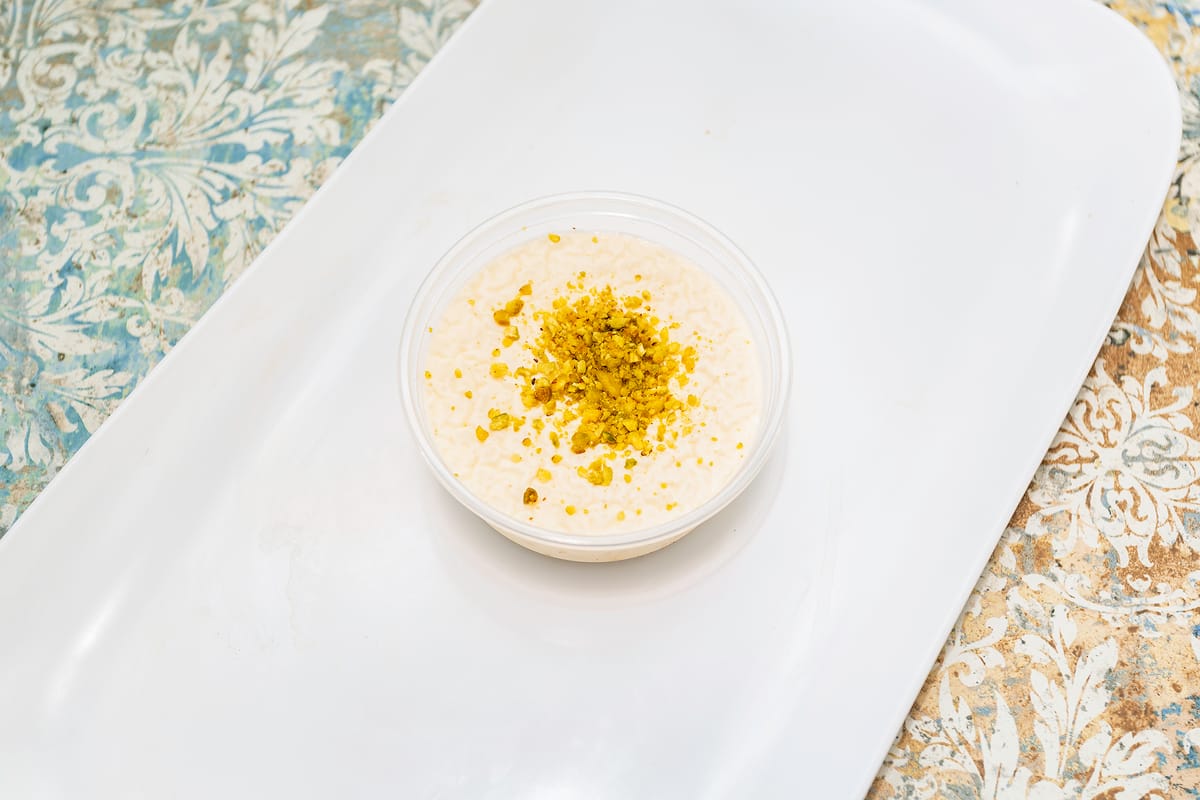
Made Fresh Every Morning
Taza's hummus is blended from scratch each day -- chickpeas, tahini, lemon, garlic, olive oil.
The 4 Core Ingredients of Hummus
Every great hummus starts with these four elements. Quality and proportion are everything.
Chickpeas (Garbanzo Beans)
The base and body
Dried chickpeas are soaked overnight, then boiled until very tender -- soft enough to crush between two fingers. Some recipes also remove the skins for an ultra-smooth texture. Chickpeas contribute the bulk, the earthy flavor, the protein (about 15g per cup cooked), and the fiber (about 12g per cup). Canned chickpeas work in a pinch, but dried ones cooked from scratch produce creamier hummus with better flavor. At Taza, we cook our chickpeas from dried beans daily.
Tahini (Sesame Paste)
The richness and creaminess
Tahini is ground sesame seeds -- similar in concept to peanut butter but made from sesame. It gives hummus its signature silky texture and nutty depth. Good tahini is pourable and smooth, not thick and bitter. The ratio of tahini to chickpeas is one of the biggest variables in hummus quality. A generous amount of tahini (about 1/3 cup per can of chickpeas) is what separates rich, restaurant-quality hummus from the thin, chalky grocery store versions.
Fresh Lemon Juice
The brightness and acidity
Lemon juice provides the acid that balances the richness of the tahini and the earthiness of the chickpeas. Always fresh-squeezed, never bottled. The acidity cuts through the fat and makes the hummus taste clean and vibrant rather than heavy. Too little lemon and the hummus tastes flat. Too much and it overwhelms the other flavors. The right amount is 2-3 tablespoons per can of chickpeas.
Raw Garlic
The punch and depth
Raw garlic cloves are blended directly into the chickpea mixture. The garlic is raw, not roasted, which gives hummus its sharp, pungent kick. One to two cloves per batch is standard -- enough to taste without overpowering. Some Lebanese recipes add the garlic to the lemon juice first and let it sit for a few minutes, which mellows the raw edge slightly while preserving the flavor.
The finishing touch: A generous drizzle of extra-virgin olive oil and a sprinkle of paprika on top. Some recipes add a pinch of cumin or a few whole chickpeas for garnish. The olive oil is not optional -- it seals the surface, adds fruity richness, and gives hummus its characteristic glossy appearance.
The History of Hummus
From ancient chickpea cultivation to modern-day hummus wars.
Chickpeas are one of the oldest cultivated crops on earth. Archaeological evidence shows chickpea cultivation in southeastern Turkey dating back to approximately 7,500 BCE. The Fertile Crescent -- spanning modern-day Iraq, Syria, Lebanon, Jordan, and Turkey -- was the heartland of early chickpea farming. Ancient Egyptians, Romans, and Greeks all ate chickpeas, though not necessarily in the blended form we call hummus today.
The earliest known recipe for something closely resembling modern hummus appears in 13th-century Arabic cookbooks from Cairo and Damascus. These medieval recipes describe mashed chickpeas combined with vinegar, herbs, and spices -- tahini was added later. By the time of Saladin (12th century), the combination of chickpeas and tahini was well established in Levantine cuisine. The dish was cheap, nutritious, shelf-stable, and could feed large groups -- all qualities that made it a staple of everyday cooking.
In the modern era, hummus has become a flashpoint of national identity. In 2008, Lebanon filed a petition with the EU to recognize hummus as a distinctly Lebanese product. In 2010, Lebanon set a Guinness World Record for the largest plate of hummus (23,520 pounds). The record was broken and reclaimed multiple times by different countries. These "hummus wars" are tongue-in-cheek but reflect the real cultural significance of the dish across the region.
Today, hummus is sold in grocery stores across 70+ countries. The US hummus market alone exceeds $800 million annually. But the best hummus is still made fresh in small batches, following the same basic recipe that has been used in Beirut, Damascus, and Jerusalem for centuries. That is the approach at Taza in Falls Church: fresh chickpeas, fresh tahini, fresh lemon, fresh garlic, every day.
Hummus Nutrition Facts
How hummus stacks up nutritionally -- and why it beats most other dips.
A 100-gram serving of hummus (about 1/3 cup) provides approximately 166 calories, 7.9 grams of protein, 9.6 grams of fat (mostly unsaturated from tahini and olive oil), 14.3 grams of carbohydrates, and 6 grams of dietary fiber. It also delivers 15% of your daily iron, 18% of your daily folate, 12% of your daily phosphorus, and meaningful amounts of magnesium, zinc, and B6.
The nutrition profile of hummus is unusually well-rounded for a dip. The chickpeas provide slow-digesting complex carbohydrates and plant protein. The tahini adds calcium (about 130mg per tablespoon) and monounsaturated fats. The combination of protein, fiber, and fat makes hummus more satiating per calorie than most snack foods. Studies have shown that people who regularly eat hummus tend to consume more fiber, polyunsaturated fatty acids, and key micronutrients compared to non-consumers.
Hummus vs Ranch Dressing
Side-by-side nutritional comparison per 2-tablespoon serving.
| Nutrient | Hummus | Ranch Dressing |
|---|---|---|
| Calories (2 tbsp) | 70 cal | 130 cal |
| Protein | 2g | 0.4g |
| Fiber | 1g | 0g |
| Total Fat | 4g | 14g |
| Saturated Fat | 0.5g | 2.5g |
| Plant-Based | Yes | No (contains dairy) |
| Gluten-Free | Yes | Varies |
Hummus has nearly half the calories of ranch, 5 times the protein, more fiber, and less than a third of the saturated fat. It is one of the few dips that is both indulgent-tasting and genuinely nutritious.
How Hummus Is Made
The five-step process from dry chickpeas to finished hummus.
1. Soak the Chickpeas
Dried chickpeas are covered in cold water with a pinch of baking soda and soaked for 12-24 hours. The baking soda softens the skins and helps the chickpeas cook more evenly. They absorb water, roughly doubling in size. This step cannot be skipped if you want smooth hummus.
2. Cook Until Very Soft
The soaked chickpeas are boiled for 45-60 minutes until they are extremely tender -- you should be able to crush one between your thumb and finger with almost no resistance. Undercooked chickpeas produce grainy, chalky hummus. Some cooks add more baking soda to the cooking water to accelerate softening. Drain, but save some cooking liquid.
3. Remove the Skins (Optional)
For ultra-smooth hummus, pinch off the thin transparent skin from each cooked chickpea. This is tedious but produces a noticeably creamier result. Restaurant-quality hummus often includes this step. A quick method: rub the cooked chickpeas between two towels and the skins slip off. At Taza, our blending process achieves smoothness without manual skin removal.
4. Blend with Tahini First
The key technique most home cooks miss: blend the tahini with lemon juice and garlic first, before adding the chickpeas. This emulsifies the tahini and creates a lighter, fluffier base. Then add the chickpeas gradually, along with ice water or reserved cooking liquid, and blend for 3-5 minutes until completely smooth.
5. Season and Finish
Salt to taste, then transfer to a shallow bowl. Create a swirl pattern with the back of a spoon, drizzle generously with extra-virgin olive oil, and dust with paprika. Some recipes add a sprinkle of cumin or whole chickpeas for garnish. Serve at room temperature with warm pita bread.
The biggest quality indicator: Smooth texture. If hummus is grainy, the chickpeas were either undercooked or the blending time was too short. Professional hummus -- like what Taza serves -- should be as smooth as heavy cream, with no visible chickpea bits. The tahini should be fully integrated, not separated. And it should taste bright from the lemon, not flat or one-dimensional.
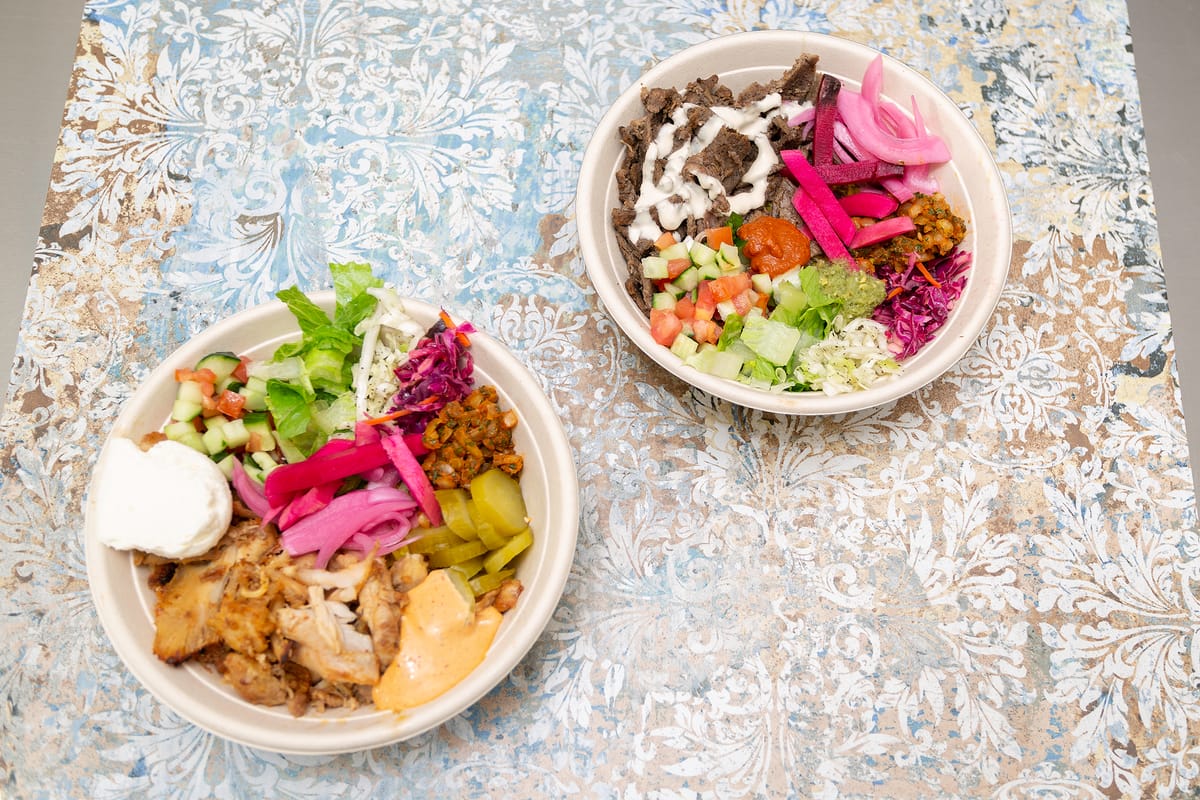
The Perfect Pairing
Warm pita bread and fresh hummus -- a combination that has sustained the Middle East for millennia.
5 Ways to Eat Hummus
From the traditional pita-and-dip to using it as a bowl base.
With Fresh Pita Bread
The classic. Tear off a piece of warm pita and scoop. At Taza, pita is baked fresh and served warm -- $0.95 per order. This is how hummus has been eaten for centuries across Lebanon, Syria, and Jordan.
As a Bowl Base
Replace rice or greens with a bed of hummus in any Taza bowl. The hummus base adds creaminess and protein under your falafel or shawarma. Falafel bowl from from $10.45, chicken shawarma bowl from from $12.45.
As a Spread in Wraps
A layer of hummus inside a pita or shrak wrap adds creaminess and holds the other ingredients together. It replaces mayonnaise in Mediterranean cooking. Available on any Taza sandwich at no extra charge.
On a Platter with Falafel
Order hummus as a dip alongside falafel pieces and pita bread for a shareable appetizer or light meal. Hummus $4.95 plus individual falafel pieces at $0.85 each.
Bonus: Hummus as a Vegetable Dip
Cut carrots, cucumbers, bell peppers, or celery into sticks and dip them directly into hummus. This is one of the most popular ways to eat hummus in the United States -- simple, healthy, and no bread required. The fiber from the vegetables plus the protein from the hummus makes a genuinely filling snack at under 200 calories.
Hummus at Taza Shawarma & Falafel
Fresh-made daily at 5820 Seminary Rd Ste O, Falls Church, VA 22041. Available as a dip, bowl base, or wrap spread.
Taza's hummus follows a traditional Lebanese recipe: dried chickpeas cooked until very soft, blended with tahini, fresh lemon juice, raw garlic, and finished with extra-virgin olive oil and a dusting of paprika. We make it fresh every morning in small batches. There are no preservatives, no stabilizers, and no added sugar.
You can order hummus at Taza in several ways:
- Hummus dip with warm pita bread -- $4.95
- As a bowl base under falafel, chicken shawarma, or beef shawarma
- As a spread inside any pita sandwich or shrak wrap (no extra charge)
- As part of a dip platter alongside baba ghanouj ($4.95) and labneh ($4.95)
Common Hummus Variations
The classic recipe has inspired dozens of flavored versions worldwide.
Classic (Original)
At TazaChickpeas, tahini, lemon, garlic, olive oil, paprika. The original and still the most popular. This is the version Taza serves -- no flavored additions, just the traditional recipe executed well. Clean, creamy, balanced.
Roasted Red Pepper
Classic hummus blended with charred red bell peppers. Adds a sweet, slightly smoky flavor and turns the hummus orange-red. One of the most common flavored versions in American grocery stores.
Roasted Garlic
Uses roasted garlic cloves instead of raw. The roasting mellows the garlic's sharpness into a sweet, caramelized flavor. Less pungent than traditional hummus, with a deeper sweetness.
Spicy / Sriracha
Classic hummus with chili flakes, sriracha, or harissa paste folded in. Adds heat ranging from mild to fiery depending on the preparation. Popular in the US and North Africa.
Avocado
Ripe avocado blended with the chickpea-tahini base. Adds creaminess and a mild, buttery flavor. Higher in fat than classic hummus but also higher in potassium and healthy monounsaturated fats.
Msabbaha (Chunky)
Warm whole chickpeas served in a pool of tahini sauce with lemon, garlic, and olive oil. Technically not blended hummus -- the chickpeas are left whole or lightly crushed. Common in Lebanon and Jordan for breakfast.
Taza serves classic hummus only -- the traditional recipe without flavored additions. When the base recipe is this good, you do not need to mask it with add-ins. If you want variety, pair the hummus with our baba ghanouj ($4.95) or labneh ($4.95) for a three-dip spread.
How Different Countries Serve Hummus
The same basic recipe, adapted to local tastes and traditions.
Lebanon
Hummus bi Tahini
The purist version. Ultra-smooth chickpea dip with a high ratio of tahini, finished with olive oil, a dash of paprika, and a few whole chickpeas on top. Served at room temperature with warm pita bread, often for breakfast alongside ful (fava beans), pickles, and fresh mint. Lebanese hummus is what most people picture when they hear the word.
Levant
Hummus Msabbaha / Hummus Ful
Served warm with whole chickpeas swimming in tahini sauce. Msabbaha (or masabacha) is a chunkier, looser version where the chickpeas are only partially blended. Hummus ful tops the dip with stewed fava beans. Both are eaten for breakfast, scooped with fresh pita, and ordered at specialized hummus shops (a hummusia) that serve nothing else.
Turkey
Humus
The Turkish version tends to be drier and denser, with less tahini than Lebanese hummus. It is often served as part of a meze spread alongside ezme (spicy tomato paste), haydari (thick yogurt dip), and babaganoush. Cumin is more prominent in Turkish hummus, and it is sometimes topped with pastirma (cured beef).
United States
Grocery Store to Gourmet
Hummus exploded in the US market in the 2000s. Brands like Sabra and Tribe sell flavored varieties (roasted red pepper, pine nut, everything bagel). The restaurant scene offers both authentic Middle Eastern versions and creative interpretations. At Taza, we stick to the traditional Lebanese recipe -- the version that started it all.
Frequently Asked Questions About Hummus
Yes, hummus is one of the healthiest dips available. A 2-tablespoon serving contains about 70 calories, 2 grams of protein, 1 gram of fiber, and 4 grams of mostly unsaturated fat from the tahini and olive oil. Chickpeas provide plant-based protein, dietary fiber, iron, folate, and manganese. The tahini contributes calcium, magnesium, and healthy fats. Research published in the Journal of Nutrition & Food Sciences found that regular hummus consumption is associated with higher diet quality, higher nutrient intake, and lower body weight. Compared to ranch dressing (130 calories per 2 tbsp, mostly from saturated fat), hummus is significantly lower in calories and higher in nutrients.
Traditional hummus is 100% vegan. The four core ingredients -- chickpeas, tahini (ground sesame seeds), lemon juice, and garlic -- are all plant-based. There are no eggs, dairy, or animal products in authentic hummus. At Taza Shawarma & Falafel, our hummus is made from these four ingredients plus olive oil and is fully vegan. Some commercial brands or restaurant variations may add yogurt or other dairy products for creaminess, so always check if you are strictly vegan. Taza's hummus contains no dairy.
Homemade hummus lasts 4-7 days in a sealed container in the refrigerator. Store-bought hummus with preservatives lasts 7-10 days after opening, or until the printed expiration date if unopened. At Taza, our hummus is made fresh daily and served the same day, so freshness is never a concern when you eat here. If you are storing hummus at home, press plastic wrap directly onto the surface to prevent a skin from forming, drizzle a thin layer of olive oil on top, and keep it at 40F or below. Do not freeze hummus -- the texture breaks down when thawed.
Yes. Hummus is safe and nutritionally beneficial to eat daily in moderate portions. Most nutritionists recommend 2-4 tablespoons per serving. The chickpeas provide a steady source of plant protein and fiber, the tahini delivers calcium and healthy fats, and the garlic has well-documented anti-inflammatory properties. In Lebanon, Syria, and Jordan, hummus is eaten daily as a staple part of the diet -- often for breakfast with olive oil and pita bread. The main consideration is calorie density: hummus has about 70 calories per 2 tablespoons, so eating a full cup (560 calories) in one sitting would be excessive. Stick to reasonable portions.
Hummus contains moderate protein -- about 7-8 grams per 100-gram serving (roughly 1/3 cup). This is higher than most dips but lower than concentrated protein sources like chicken (31g per 100g) or Greek yogurt (10g per 100g). Where hummus excels is as a combination of protein, fiber, and healthy fats in one food. The protein comes from chickpeas, which contain all nine essential amino acids. Pairing hummus with pita bread or falafel increases the total protein of the meal. A falafel pita with hummus at Taza delivers approximately 18-22 grams of protein total.
The most traditional way to eat hummus is scooped with warm pita bread (pita bread at Taza: $0.95). Tear off a piece of pita, drag it through the hummus, and eat. Beyond that, hummus works as a spread in wraps and sandwiches, as a base for bowls (instead of rice or greens), as a dip for raw vegetables like carrots and cucumbers, or as a topping drizzled with olive oil and paprika. At Taza, you can order hummus as a side dip ($4.95), add it to any bowl or wrap, or get it as part of a platter with pita bread. For the full experience, order a hummus platter with warm pita and a side of falafel.
Try Taza's Fresh Hummus in Falls Church
Open 11:00 AM - 12:00 AM, 7 days a week at 5820 Seminary Rd Ste O, Falls Church, VA 22041.
Address
5820 Seminary Rd Ste O, Falls Church, VA 22041
Hours
11:00 AM - 12:00 AM -- Open 7 Days a Week
Phone
Order Taza's Fresh Hummus Now
Hummus with pita bread at $4.95. Made fresh daily from chickpeas, tahini, lemon, and garlic at 5820 Seminary Rd Ste O, Falls Church, VA 22041. Order online or call (703) 340-1014.