The Art of Mediterranean Dips: Why Freshness Changes Everything
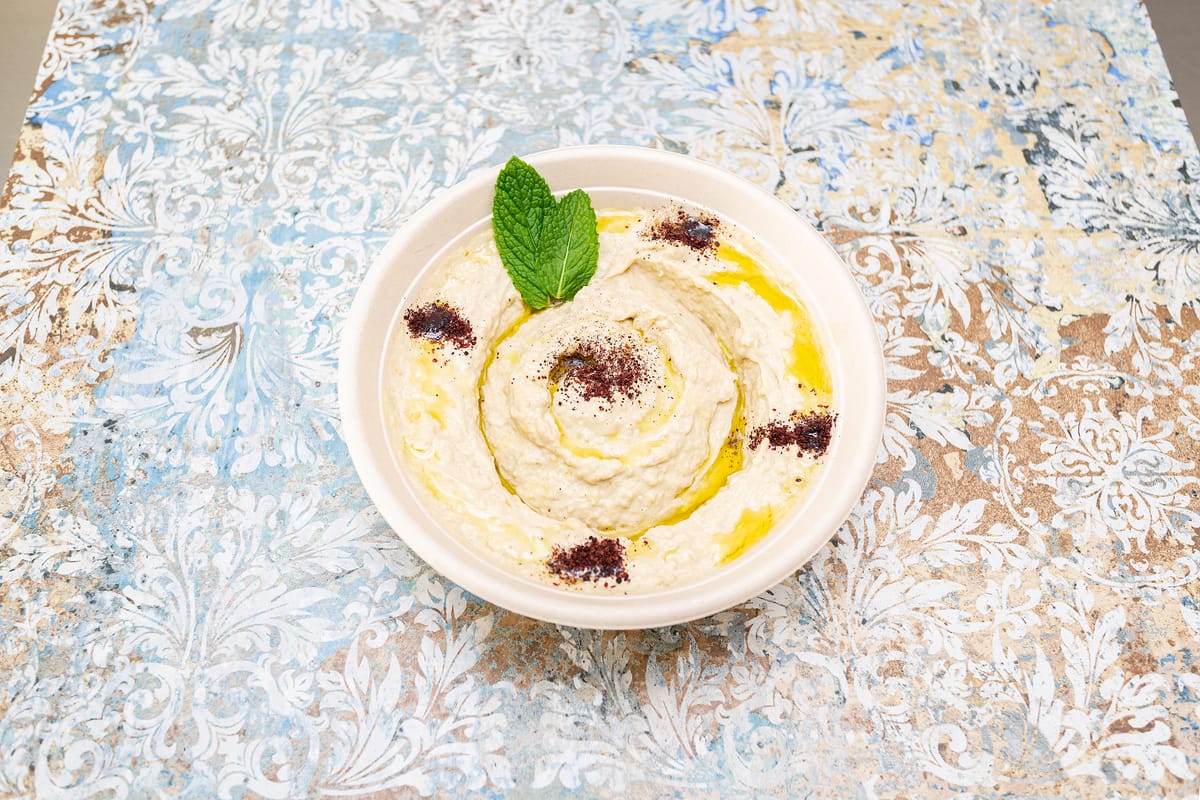
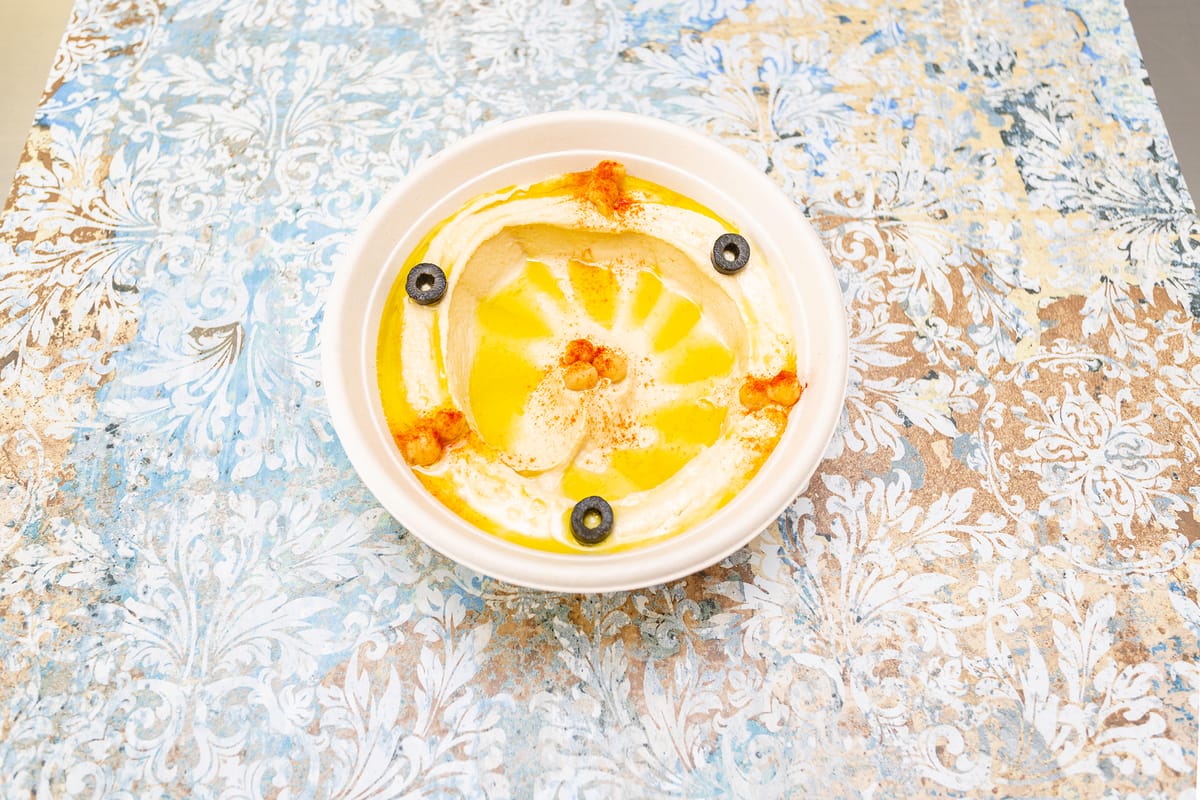
Mediterranean dips are among the most recognizable and beloved foods in the world. Hummus alone has gone from a niche ethnic food to a staple found in virtually every American grocery store. But the hummus you scoop from a plastic tub bears little resemblance to the hummus served in a Lebanese kitchen where chickpeas were cooked that morning, tahini was poured from a freshly opened jar, and garlic was peeled and pressed minutes before blending. The gap between store-bought and fresh-made is not a minor quality difference -- it is a fundamentally different food experience.
At Taza, we make our dips the way they are made in the homes and restaurants of Beirut, Amman, and Damascus. Chickpeas are soaked overnight, cooked until tender, and blended while still warm. Eggplants are charred over an open flame until the skin is black and the flesh is smoky and soft. Yogurt is strained slowly through cheesecloth for hours until it thickens into proper labneh. Garlic is fresh, lemons are hand-squeezed, and olive oil is extra-virgin. There are no shortcuts in this process because there is no way to shortcut the flavors that these methods produce.