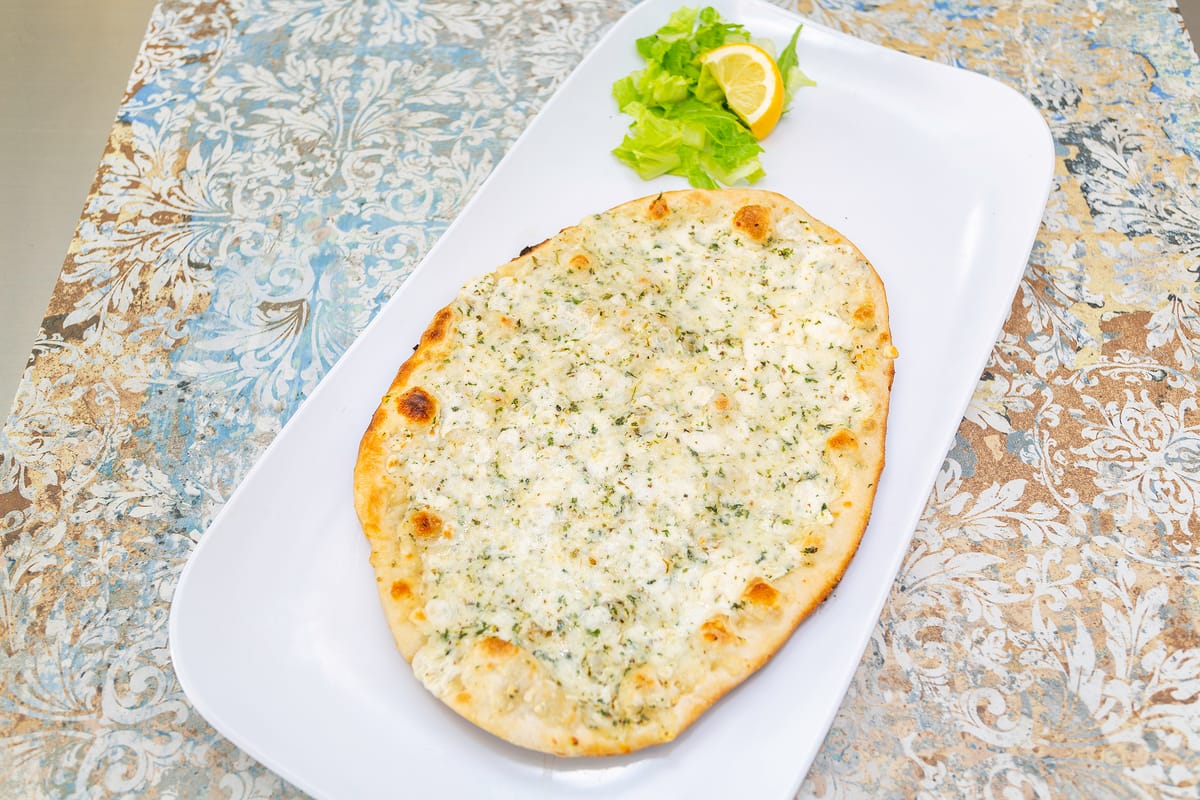
What Is Toum? The Lebanese Garlic Sauce
Toum is a fluffy white garlic emulsion made from just three ingredients -- garlic, oil, and lemon juice -- and it is the condiment that defines Lebanese street food.
4.8 stars on Yelp (92 reviews) -- Open 11:00 AM - 12:00 AM
The Lebanese Garlic Sauce That Goes on Everything
Three ingredients. Infinite applications.
If you have eaten chicken shawarma at a Lebanese restaurant, you have almost certainly tasted toum. It is the bright white garlic sauce drizzled across the meat, tucked into the pita, and smeared along the inside of every wrap that comes off the line. Toum is as essential to Lebanese street food as ketchup is to American burgers or salsa verde is to Mexican tacos. The name comes from the Arabic word for garlic, and the sauce earns that name honestly. Unlike diluted garlic dressings that use dairy or mayonnaise as a base, toum is built almost entirely from raw garlic. The result is a condiment so potent, so creamy, and so addictive that it has developed a devoted following far beyond Lebanon. In Northern Virginia, the garlic sauce at Taza Shawarma and Falafel in Falls Church is one of the details that keeps customers coming back.
Toum belongs to a category of foods that punch far above their ingredient count. Made from garlic, neutral oil, and lemon juice alone, it achieves a texture and flavor that most people assume requires eggs or cream. The secret is emulsification -- the same physics that makes mayonnaise thick and opaque. When oil is forced into microscopic droplets and suspended in the liquid released by crushed garlic and lemon, the mixture transforms from a loose slurry into a stiff, snow-white spread that holds its shape on a spoon. Home cooks across Arlington, Bailey's Crossroads, and Seven Corners have attempted toum in their own kitchens, and the process is both simpler and more demanding than it first appears. The margin for error is narrow, but the payoff is a sauce that elevates grilled meat, roasted vegetables, and flatbread to another level entirely.
This guide covers everything you need to know about toum: what it is, how it is made, why it differs from aioli and other garlic sauces, which foods pair best with it, and where to find authentic toum in the Falls Church and Northern Virginia area. Whether you are a longtime shawarma enthusiast or discovering Lebanese cuisine for the first time, understanding toum is understanding one of the foundational flavors of Levantine cooking.
What Is Toum?
A garlic-forward emulsion with ancient roots.
Toum is a traditional Lebanese garlic sauce made by emulsifying raw garlic cloves with neutral oil and fresh lemon juice. The word "toum" translates directly to "garlic" in Arabic, and the sauce lives up to that name. A single batch of toum can contain an entire head of garlic or more, crushed into a paste and then slowly combined with oil until it forms a thick, fluffy, snow-white spread. The lemon juice serves two purposes: it provides the acidity needed to stabilize the emulsion, and it adds a bright, citrus note that tempers the raw garlic heat. The finished product looks similar to whipped cream cheese but tastes nothing like it. Toum is sharp, pungent, and intensely savory on the first bite, then smooths out into a rich coating that lingers on the palate for minutes afterward.
In Lebanon, toum is a household staple found in nearly every refrigerator. It is served alongside grilled chicken, spooned over kebabs, spread inside pita sandwiches, and used as a dipping sauce for raw vegetables. The sauce has no fixed recipe in the way that Western sauces are standardized -- each family and each restaurant adjusts the ratio of garlic to oil to lemon based on preference. Some versions are milder, with more oil to dilute the garlic. Others are punishingly strong, meant to be used sparingly as a condiment rather than eaten by the spoonful. Across Falls Church and the broader Northern Virginia corridor, Lebanese restaurants serve their own house versions, and diners develop fierce loyalty to their preferred garlic sauce. At Taza, our toum strikes a balance between bold garlic presence and smooth, spreadable texture.
The cultural significance of toum extends beyond flavor. In Levantine cooking, garlic is considered both a seasoning and a functional ingredient with centuries of use in traditional wellness practices. Families in Lebanon pass down their toum technique the way Italian families pass down pasta-making methods -- through demonstration, repetition, and gentle correction. The sauce represents a broader Levantine philosophy of building bold flavor from minimal, high-quality ingredients. Where French cooking reaches for butter and cream, Lebanese cooks reach for garlic, olive oil, and lemon. Toum is the purest expression of that approach.
How Toum Is Made
Patience, emulsification, and a lot of garlic.
Making toum is a test of patience and technique. The process begins with peeling a large quantity of fresh garlic -- typically one full head or more for a single batch. The cloves are placed in a food processor or mortar and crushed into a smooth, wet paste. Salt is added at this stage, both for flavor and because it helps break down the garlic cell walls, releasing more moisture and natural starches. Those starches are critical. They are the emulsifying agents that will hold the sauce together without the aid of egg yolk or any other binder. Once the garlic is a uniform paste, the oil addition begins. This is where most failed batches go wrong. The oil must be added in the thinnest possible stream -- a few drops at a time at the start, then a pencil-thin drizzle as the emulsion begins to build. The food processor runs continuously throughout this process.
After the first quarter cup of oil is incorporated, the mixture begins to stiffen and turn white. This is the emulsion forming. The oil is being broken into microscopic droplets, each one surrounded by a thin film of garlic moisture and starch that prevents the droplets from merging back together. At regular intervals -- typically every quarter cup of oil -- a tablespoon of lemon juice is added. The acid in the lemon serves a dual purpose: it strengthens the emulsion by changing the pH of the mixture, and it loosens the texture just enough to allow more oil to be incorporated. Without the lemon additions, the toum would seize up and become too thick to process. The cycle continues -- oil, lemon, oil, lemon -- for 15 to 20 minutes until the desired volume and consistency are reached. A properly made batch of toum should be glossy, pure white, and stiff enough to hold a peak when you lift a spoon from the surface.
The traditional method uses a wooden mortar and pestle called a jorn. This was the standard tool in Lebanese kitchens for generations before electric food processors became common. Making toum by hand in a jorn is physically demanding -- it requires a rhythmic pounding motion with one hand while the other hand drizzles oil in a controlled stream. The process takes 25 to 35 minutes by hand and produces a slightly different texture than the machine-made version. Hand-pounded toum tends to be denser and grainier, with a more aggressive garlic bite because the garlic is not processed as finely. Many Lebanese cooks consider the jorn method superior for flavor and texture, even as most commercial kitchens have adopted food processors for speed and consistency. Restaurants in Falls Church and across NoVA typically use commercial-grade processors to keep up with demand during busy lunch and dinner rushes.
Temperature matters throughout the process. Cold garlic and cold lemon juice create a more stable emulsion. Some cooks refrigerate their garlic for an hour before starting, and a few even add an ice cube during processing to keep the friction heat from destabilizing the sauce. The oil should be at room temperature or slightly cool, but never warm. If the ingredients are too warm, the emulsion forms less readily and is more prone to splitting. A split toum -- where the oil separates back out and the mixture turns thin and greasy -- is the most common failure mode for beginners. The rescue method is to start a fresh garlic paste and drizzle the broken toum into it slowly, which re-forms the emulsion around the new garlic base.
Why Toum Is Different from Other Garlic Sauces
Toum vs aioli, garlic butter, and other common sauces.
Walk into any grocery store in Arlington or Falls Church and you will find shelves stocked with garlic-flavored sauces: garlic aioli, garlic butter, garlic ranch, garlic mayo, and roasted garlic spreads. None of these are toum, and the differences matter. Toum is distinguished from every other garlic sauce by three characteristics: the absence of eggs and dairy, the sheer concentration of raw garlic, and the emulsification method that relies on garlic starch rather than egg lecithin. These distinctions produce a sauce that is lighter in body, stronger in flavor, and suitable for a wider range of dietary restrictions. The table below breaks down the most common confusion point -- toum versus aioli -- and a second comparison covers toum against garlic butter.
The aioli comparison is the one that generates the most debate online. In French cooking, aioli (or aoli) is a Provencal sauce made by emulsifying garlic into a base of egg yolk and olive oil. It is, in essence, garlic mayonnaise. Modern American restaurants have further diluted the term by applying "aioli" to any flavored mayonnaise, whether or not it contains garlic at all. Toum predates the Provencal aioli tradition by centuries and achieves its emulsion without any animal product. For diners in the Falls Church and Seven Corners area who follow vegan or egg-free diets, this distinction is not academic -- it determines what they can actually eat. Toum is one of the few rich, creamy condiments that is completely plant-based.
Toum vs Aioli
| Feature | Toum (Lebanese Garlic Sauce) | Aioli (French Garlic Mayo) |
|---|---|---|
| Base Ingredients | Garlic, oil, lemon juice -- no eggs, no dairy | Egg yolk, garlic, oil -- essentially garlic mayonnaise |
| Texture | Light, fluffy, whipped -- holds stiff peaks like meringue | Creamy and dense -- heavier mouthfeel, similar to mayo |
| Garlic Intensity | Extremely strong -- garlic is the primary ingredient by volume | Moderate -- garlic is a flavoring, not the base of the sauce |
| Dairy Content | None -- completely dairy-free and vegan | None, but contains egg -- not vegan |
| Shelf Life | Refrigerated 3-4 weeks; garlic and lemon act as preservatives | Refrigerated 1-2 weeks; egg content limits shelf life |
| Origin | Lebanon and the Levant -- centuries-old condiment tradition | Provence, France -- variation on classic Provencal mayo |
| Serving Temperature | Chilled or room temperature -- best cold on hot meats | Room temperature -- often served alongside seafood |
Toum vs Garlic Butter
| Feature | Toum (Lebanese Garlic Sauce) | Garlic Butter (European) |
|---|---|---|
| Ingredients | Garlic, neutral oil, lemon juice | Garlic, butter (dairy) |
| Dairy-Free | Yes -- fully vegan | No -- butter is the base |
| Garlic Flavor | Raw, potent, pungent -- dominates the palate | Mellow, roasted or sauteed -- gentle garlic background |
| Texture | Fluffy whipped emulsion, cloud-like consistency | Soft solid that melts on contact with hot food |
| Best Pairing | Shawarma, grilled chicken, kebabs, flatbreads | Bread, steak, pasta, shrimp |
| Calorie Density | High (oil-based) -- about 90-100 cal per tablespoon | High (butter-based) -- about 100-110 cal per tablespoon |
| Cultural Origin | Lebanese and Levantine cuisine | French and broader European cooking |
The Three Ingredients in Toum
Garlic, oil, lemon juice -- and nothing else.
Garlic: The Foundation
Fresh garlic is the heart of toum. Not garlic powder, not granulated garlic, not pre-minced garlic from a jar -- fresh, firm, unpeeled heads of garlic that you crack open and peel by hand. The quality of the garlic determines the quality of the toum. Fresh garlic has higher moisture content and more natural starch, both of which are essential for a stable emulsion. Old garlic or garlic that has started to sprout has less moisture and produces a weaker, grainier sauce. The green germ inside older cloves can also add bitterness. Most cooks remove the germ before processing. A standard home batch uses one full head of garlic (10 to 14 cloves) for roughly one cup of finished toum. Restaurant batches at places like Taza use proportionally larger quantities to keep up with daily demand from shawarma orders across Falls Church and the surrounding neighborhoods.
Oil: The Body
The oil in toum provides volume, richness, and the smooth mouthfeel that makes the sauce so satisfying. A neutral oil with a mild flavor profile is preferred because the garlic should dominate the taste. Canola oil, sunflower oil, and grapeseed oil are the most common choices. Extra-virgin olive oil, while traditional in some regional variations, can overpower the garlic and sometimes causes the emulsion to taste bitter when processed at high speed. Light olive oil or a blend of olive and canola works as a middle ground. The ratio of oil to garlic is typically three to four parts oil by volume to one part garlic. This sounds like a lot of oil, but the emulsification process transforms it into a light, airy texture that does not feel heavy on the palate. The oil molecules are so finely dispersed that toum actually feels lighter than butter or cream cheese despite being calorie-dense.
Lemon Juice: The Stabilizer
Fresh lemon juice is the third and final ingredient, and it plays a more important role than most people realize. The citric acid in lemon juice strengthens the emulsion by lowering the pH of the mixture, which helps the garlic proteins hold onto the oil droplets more tightly. Lemon juice also adds a bright, clean acidity that balances the raw garlic's intensity. Without it, toum would taste one-dimensional and almost aggressive. The lemon juice is added in small increments throughout the emulsification process, alternating with oil. Using bottled lemon juice is acceptable but produces a slightly different flavor than fresh-squeezed. Most Lebanese cooks in the Arlington and Falls Church area insist on fresh lemons, squeezed and strained just before use. The acidity level of fresh lemons varies by season and variety, which is why experienced toum makers taste and adjust as they go rather than following a rigid measurement.
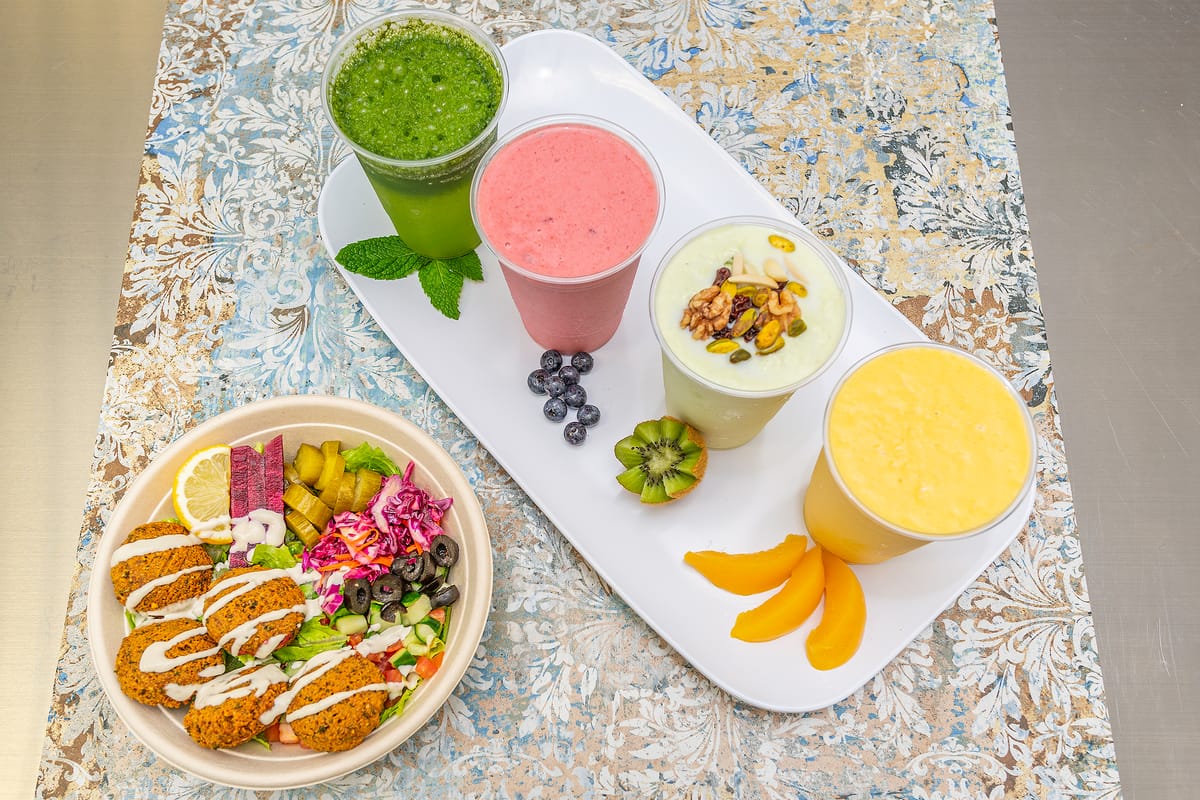
Three Ingredients. Infinite Flavor.
What to Eat with Toum
The classic pairings and a few unexpected ones.
Shawarma: The Classic Pairing
Toum and shawarma are inseparable in Lebanese cuisine. The combination works because the rich, fatty garlic sauce cuts through the caramelized exterior of the roasted meat while amplifying the savory spice blend underneath. Chicken shawarma is the most traditional pairing -- the mild flavor of the chicken allows the toum to take center stage, and the contrast between the warm, spiced meat and the cold, pungent sauce creates a sensory experience that no single condiment can match. Beef shawarma pairs equally well, though the stronger flavor of the beef competes more directly with the garlic. Many diners at Taza order both chicken and beef to see which version they prefer with the garlic sauce. The answer is often both.
Falafel
Falafel is traditionally served with tahini, but toum is an increasingly popular alternative. The crispy, herb-packed chickpea fritters have a dry, crunchy exterior that absorbs the garlic sauce beautifully. Where tahini adds a nutty, sesame-forward flavor, toum adds a sharp garlic punch that contrasts with the earthy chickpea base. Some diners request both sauces -- tahini and toum together on the same falafel pita -- and the combination is genuinely greater than the sum of its parts. At Taza, our falafel pita starts at from $8.95 and pairs with our house-made garlic sauce on request.
Grilled Chicken
Outside the shawarma context, toum is the default dipping sauce for any grilled chicken in Lebanon. Whole roasted chicken with toum is a weekend staple in Lebanese households -- the chicken is roasted until the skin is golden and crisp, then served with a generous bowl of toum on the side. The combination has become so iconic that several fast-casual chains across the DMV area built their entire menu around charcoal chicken and garlic sauce. The reason is straightforward: garlic and chicken have a natural affinity, and toum delivers garlic flavor in a form that is more concentrated and more texturally interesting than any garlic powder rub or roasted garlic clove. Families in Bailey's Crossroads and the Seven Corners corridor who cook Lebanese food at home often keep a batch of toum in the refrigerator specifically for weeknight grilled chicken dinners.
Manaeesh and Flatbreads
Toum spread on warm flatbread is one of the simplest and most satisfying snacks in Lebanese cooking. A fresh piece of pita or shrak bread torn from the oven, still steaming, with a thick layer of cold toum across the surface -- the temperature contrast between the hot bread and the chilled sauce is part of the appeal. Manaeesh, the Lebanese flatbreads topped with zaatar or cheese, also benefit from a side of toum. The herbal, olive-oil-dressed zaatar manaeesh gains a garlic dimension when dipped, and cheese manaeesh with toum becomes something close to a Lebanese garlic bread. At Taza in Falls Church, our fresh pita bread at $0.95 is baked throughout the day and pairs with our garlic sauce.
Rice Bowls and Grain Plates
Toum stirred into a rice bowl transforms a simple grain base into a rich, garlicky foundation for grilled meat and vegetables. The sauce melts slightly into the warm rice, coating each grain with a thin layer of garlic flavor. This application is especially popular in the shawarma bowl format, where chicken or beef shawarma is served over seasoned rice with pickled vegetables and salad. A generous spoonful of toum on top ties the entire bowl together. At Taza, our shawarma bowls -- chicken at from $12.45 and beef at from $12.45 -- come with rice and fresh toppings, and the garlic sauce takes them from satisfying to memorable.
Toum at Taza Shawarma & Falafel
House-made garlic sauce on our shawarma, wraps, and bowls.
At Taza Shawarma and Falafel on Seminary Road in Falls Church, our garlic sauce is made fresh in-house following the traditional Lebanese method. We use fresh garlic, neutral oil, lemon juice, and a pinch of salt -- nothing else. No preservatives, no fillers, no shortcuts. The result is a sauce that is thick, fluffy, and assertively garlicky in the way that toum is supposed to be. Our garlic sauce appears on our chicken shawarma pita at from $9.95, beef shawarma pita at from $9.95, chicken shawarma wrap at from $11.45, and beef shawarma wrap at from $11.45. It is the default sauce on all our shawarma sandwiches and wraps because it complements the roasted meat better than any other condiment we have tested.
Our shawarma bowls also come with toum. The chicken shawarma bowl at from $12.45 and beef shawarma bowl at from $12.45 layer the garlic sauce over seasoned rice, pickled vegetables, fresh salad, and thinly sliced shawarma. The bowl format gives you more control over each bite -- you can mix the toum into the rice, use it as a dip for the meat, or combine it with tahini for a double-sauce experience. Regulars who order from our Falls Church location know to ask for extra garlic sauce on the side, and we are happy to accommodate. It is one of the most requested additions to any order.
For diners who prefer a milder experience, our tahini and hummus provide gentler alternatives. But for garlic lovers -- and there are many of them in the Arlington, Bailey's Crossroads, and Falls Church area -- toum is non-negotiable. It is the condiment that turns a good shawarma into a great one, and it is the flavor that lingers in your memory long after the meal is finished. Order online for pickup or visit us at 5820 Seminary Rd Ste O, Falls Church, VA 22041. We are open 11:00 AM - 12:00 AM, Open 7 Days a Week.
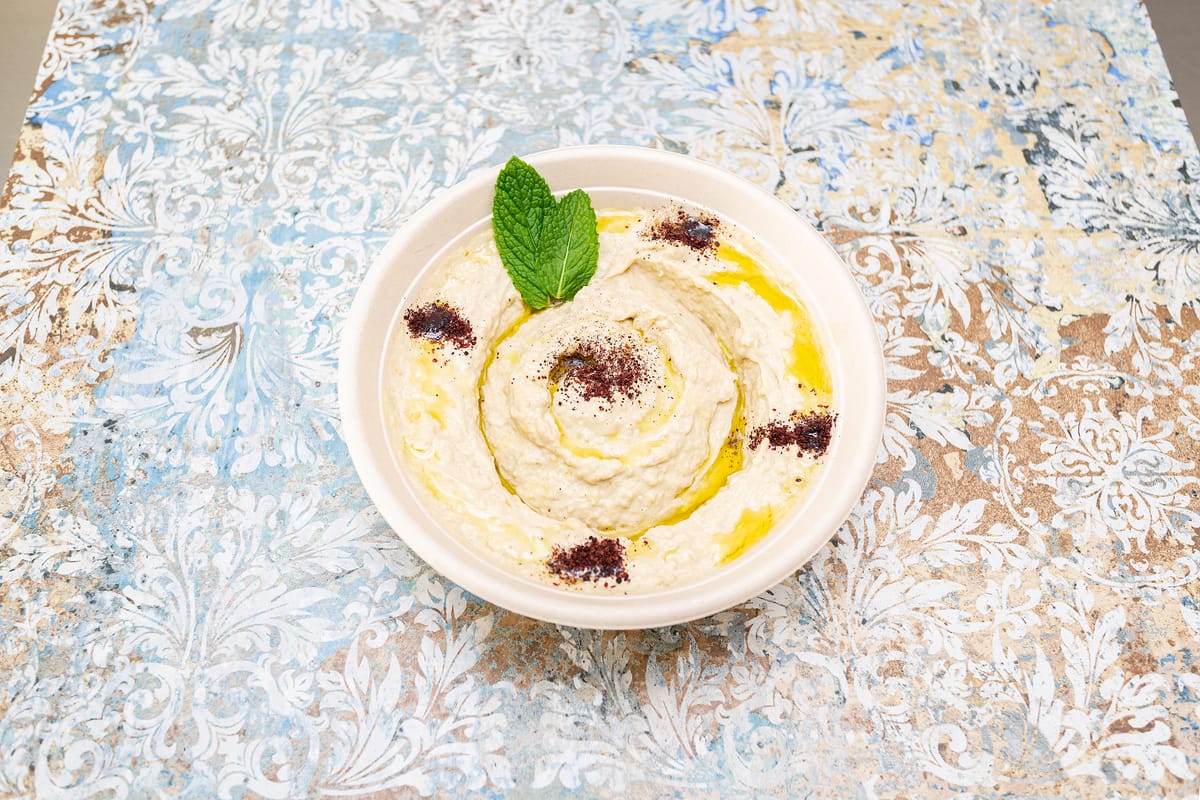
House-Made Garlic Sauce on Every Shawarma
Health Considerations for Toum
Garlic benefits, dietary compatibility, and calorie context.
Garlic and Immune Support
Raw garlic contains allicin, a sulfur compound that forms when garlic cloves are crushed or chopped. Allicin has been studied for its antimicrobial and antioxidant properties. While cooking destroys most allicin, toum uses raw garlic, which preserves a higher concentration of this compound than cooked garlic preparations. Historical traditional-medicine systems across the Mediterranean and Middle East have used raw garlic for respiratory health, digestive support, and general immune function for centuries. Modern nutritional research has explored garlic's role in supporting cardiovascular health, including its potential effects on blood pressure and cholesterol levels. Toum delivers a concentrated dose of raw garlic in a format that is palatable and easy to incorporate into everyday meals.
Heart Health and Circulation
Garlic consumption has been associated with cardiovascular benefits in multiple observational studies. The allicin and other organosulfur compounds in raw garlic may support healthy blood vessel function and circulation. Some research suggests that regular garlic intake is correlated with modest reductions in blood pressure among individuals with elevated levels. Toum provides these compounds in a bioavailable form because the garlic is raw and finely processed, which maximizes the release of allicin from the garlic cells. The lemon juice in toum adds vitamin C, another nutrient associated with cardiovascular and immune support. Of course, toum is also an oil-based sauce, so portion size matters from a caloric standpoint.
Dietary Compatibility
Toum is one of the most allergen-friendly condiments available. It is dairy-free, egg-free, vegan, gluten-free, nut-free, and soy-free. The only ingredients are garlic, oil, lemon juice, and salt. This makes toum suitable for individuals following vegan diets, Whole30 protocols, paleo frameworks, and most elimination diets. It is also halal and kosher. For diners in the Falls Church and NoVA area who navigate food allergies or dietary restrictions, toum provides a rich, flavorful sauce option that does not require compromise. Compare this to ranch dressing (dairy, eggs, soy), aioli (eggs), or garlic butter (dairy), and the accessibility advantage of toum becomes clear.
Calorie and Macronutrient Profile
Toum is calorie-dense because oil is its primary ingredient by volume. A tablespoon of toum contains approximately 90 to 100 calories, with nearly all of those calories coming from fat. The fat is predominantly unsaturated if a canola or sunflower oil base is used. There is minimal protein (a fraction of a gram from the garlic) and minimal carbohydrate (a gram or two from the garlic and lemon). The practical implication is that toum should be used as a condiment, not consumed in large quantities. A tablespoon or two is enough to flavor an entire shawarma pita or bowl. For calorie-conscious diners, the trade-off is worthwhile -- a small amount of toum delivers enormous flavor, which means you need less sauce overall than you would with a milder dressing.
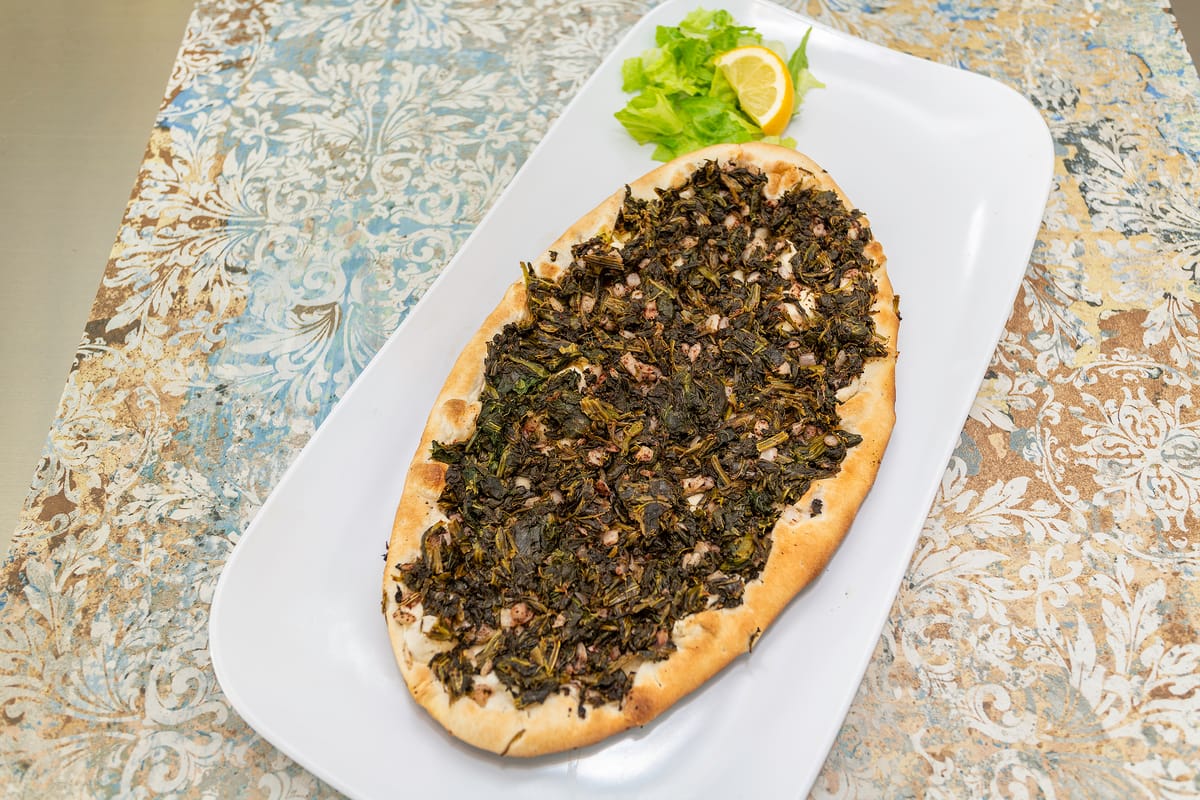
Fresh Garlic. Real Lemon. No Shortcuts.
Common Toum Questions Explained
Why it is white, how long it keeps, and why the flavor is so intense.
Why Is Toum White?
Toum's white color is a product of physics, not ingredients. When oil is emulsified -- broken into millions of tiny droplets suspended in a water-based liquid -- light bounces off the surface of each droplet instead of passing through. This scattering of light in all directions is what makes the mixture appear opaque and white, the same principle that makes clouds white even though water vapor is colorless. The garlic paste itself is pale, and the lemon juice is nearly clear, so there is no pigment competing with the white appearance. The more thoroughly you process the toum, the finer the oil droplets become, and the whiter and more opaque the sauce appears. Under-processed toum may have a slight yellow or translucent quality because the oil droplets are larger and allow some light through.
How Long Does Toum Last?
Homemade toum stored in a clean, sealed glass jar in the refrigerator will last three to four weeks. The high concentration of raw garlic and the acidity of the lemon juice create an environment that is inhospitable to most bacteria, which extends the shelf life beyond what you might expect for a fresh, preservative-free sauce. Over the course of its refrigerator life, toum undergoes subtle changes. In the first few days, the garlic flavor is at its most potent and pungent. After a week, the flavor mellows slightly as the allicin compounds continue to break down. By the third or fourth week, the sauce may taste milder and the texture may have thickened slightly. If the toum develops an off smell, a yellow or green discoloration, or any visible mold, it should be discarded. Commercial toum products with citric acid or potassium sorbate added can last six to eight weeks or longer.
Why Is Toum So Strong?
Toum is strong because garlic is not merely a flavoring -- it is the structural foundation of the sauce. A typical batch uses an entire head of garlic (10 to 14 cloves) for about one cup of finished product. Compare that to a recipe for garlic bread, which might use two or three cloves for an entire loaf, or garlic butter, which typically uses four to six cloves per stick of butter. Toum is concentrated garlic in a way that no other common condiment matches. The raw preparation amplifies this further. Cooking garlic converts the sharp, sulfurous allicin compounds into sweeter, milder compounds through the Maillard reaction. Raw garlic retains all of its aggressive, nose-clearing intensity. When you eat toum, you are consuming a large quantity of raw garlic in every bite, dispersed in oil that coats your palate and prolongs the flavor experience. This is why toum devotees in Falls Church and across NoVA describe the sauce as addictive -- it delivers a sensory intensity that is hard to replicate with any other condiment.
Toum: Frequently Asked Questions
Toum tastes like pure, concentrated garlic with a bright citrus finish from the lemon juice. The flavor is sharp and pungent on the front of the palate, then smooths out into a rich, creamy texture that coats your mouth. It is far more intense than garlic bread or garlic butter because the garlic is raw and uncooked. The lemon juice cuts through the richness and adds acidity that balances the fat from the oil. Most people describe the experience as bold, addictive, and unlike any garlic sauce they have tried before. A little goes a long way, but once you develop a taste for it, toum becomes a condiment you reach for constantly.
No. Toum and aioli are different sauces with different ingredient lists and different origins. Toum is a Lebanese emulsion made from garlic, oil, and lemon juice -- no eggs, no dairy. Aioli is a French Provencal sauce that uses egg yolk as the emulsifier, along with garlic and oil. Modern restaurant menus often use the word aioli loosely to mean any garlic-flavored mayonnaise, which adds to the confusion. The key distinction is that toum achieves its emulsion through the natural starches and moisture in raw garlic, while aioli relies on the lecithin in egg yolk. Toum is vegan; traditional aioli is not.
Toum breaks when the emulsion fails, usually for one of three reasons. First, you may have added oil too quickly. The oil must go in drop by drop at the start, then in a very thin stream once the emulsion begins to form. Second, your garlic may not have been fresh enough. Old garlic has less moisture and starch, which are the emulsifying agents in toum. Third, your ingredients may not have been at the same temperature. Cold garlic and room-temperature oil do not emulsify as easily. If your toum breaks, you can sometimes rescue it by starting a new batch with a few fresh garlic cloves and slowly drizzling the broken toum into the new garlic paste.
Properly made toum stored in a sealed glass jar in the refrigerator lasts three to four weeks. The high garlic concentration and the acidity from the lemon juice act as natural preservatives. Over time the garlic flavor mellows slightly and the texture may thicken. If the toum develops a yellow tint, a sour smell beyond the normal garlic tang, or visible mold, discard it. Commercial toum with added preservatives can last longer, but fresh homemade toum has a finite window. At Taza, we make our garlic sauce in small batches to maintain peak freshness and flavor.
Yes. Traditional toum contains exactly three ingredients: garlic, neutral oil (usually canola or sunflower), and lemon juice. There is no egg, no dairy, no butter, and no animal product of any kind. This makes toum naturally vegan, dairy-free, egg-free, and suitable for anyone following a plant-based diet. It is also gluten-free and nut-free. The only allergen concern would be for individuals with a sensitivity to raw garlic, which is uncommon but possible. At Taza in Falls Church, our garlic sauce follows this traditional preparation.
Toum is white for the same reason mayonnaise is white: emulsification. When oil is broken into microscopic droplets and suspended in a water-based liquid (in this case, the moisture from garlic and lemon juice), light scatters off those tiny droplets in all directions instead of passing through. This scattering makes the mixture appear opaque and white, even though the oil itself is clear or pale yellow. The more thoroughly you blend the toum, the smaller the droplets and the whiter and fluffier it becomes. The garlic itself is pale, which helps. There is no dairy, cream, or egg white involved.
Traditionally, toum was made by hand using a large wooden mortar and pestle. This is the original method and it still works, but it requires significant arm strength and patience -- expect 20 to 30 minutes of continuous pounding and drizzling. The process involves crushing peeled garlic cloves into a smooth paste, then alternating between tiny additions of oil and lemon juice while pounding constantly. A food processor or high-powered blender speeds this up to about 10 to 15 minutes. If using a blender, use the smallest jar attachment for better emulsion contact. A whisk or hand mixer will not generate enough force.
Taza Shawarma & Falafel at 5820 Seminary Rd Ste O, Falls Church, VA 22041 serves our house-made garlic sauce on chicken shawarma, beef shawarma, wraps, and bowls. Chicken shawarma pita starts at from $9.95 and beef shawarma pita at from $9.95. We also offer shawarma bowls over rice and wraps in shrak bread. We are open 11:00 AM - 12:00 AM, Open 7 Days a Week. Call (703) 340-1014 or order online for pickup.
Get Shawarma with Toum at Taza
Open 11:00 AM - 12:00 AM, Open 7 Days a Week at 5820 Seminary Rd Ste O, Falls Church, VA 22041.
Taza Shawarma and Falafel serves house-made garlic toum on our shawarma, wraps, and bowls every day. We are located at 5820 Seminary Rd Ste O, Falls Church, VA 22041, open 11:00 AM - 12:00 AM, Open 7 Days a Week. Our Falls Church location is convenient to Arlington, Bailey's Crossroads, Seven Corners, Annandale, and the broader NoVA corridor. Whether you are grabbing a quick chicken shawarma pita for lunch or ordering a family-sized spread for dinner, our garlic sauce is made fresh and ready to go. Order online for pickup or call us at (703) 340-1014.
Address
5820 Seminary Rd Ste O, Falls Church, VA 22041
Hours
11:00 AM - 12:00 AM -- Open 7 Days a Week
Phone
Order Shawarma with Toum at Taza
Chicken shawarma, beef shawarma, falafel, wraps, and bowls -- all served with our house-made Lebanese garlic sauce. Open seven days a week in Falls Church.