Best Falafel Toppings & Sauces
14 fresh toppings. 3 signature sauces. 4 falafel formats. Every topping included free with your order at Taza. Here is how to build the perfect falafel.
4.8 stars on Yelp (92 reviews) -- Open 11:00 AM - 12:00 AM
Building the Perfect Falafel
The falafel is the foundation. What you put on top determines the meal.
A falafel ball on its own is a remarkable thing -- a crispy, golden shell giving way to a soft, herb-green interior packed with cumin, coriander, parsley, and garlic. But falafel was never meant to be eaten alone. The Levantine street food tradition built falafel as one component of a larger system: bread, sauce, fresh vegetables, pickled items, and herbs all working together to create a meal that is greater than the sum of its parts. The toppings add crunch where the falafel is soft, moisture where it is dry, acidity where it is rich, and creaminess where it is craggy. Without them, falafel is incomplete. With them, it becomes one of the most satisfying meals in all of Mediterranean and Middle Eastern cooking.
At Taza Shawarma & Falafel in Falls Church, VA, every falafel order comes with access to all 14 toppings at no extra charge. That includes four sauces and spreads (tahini, garlic sauce, hot sauce, hummus), pickled items (pickles, pickled turnips), fresh vegetables (lettuce, tomatoes, cucumbers, onions), a pre-mixed Arabic salad, herbs (parsley), and finishing touches like sumac and olive oil. You choose what goes on your falafel. There is no limit, no upcharge, and no judgment if you want everything.
This guide covers every topping in detail -- what it tastes like, what texture it adds, and how it interacts with the other components in a falafel sandwich, wrap, or bowl. Then we break down the best topping combinations by name, compare classic versus creative builds, and explain how the format you choose (pita, shrak wrap, or bowl) changes the way toppings perform. Whether you are visiting our Seminary Road location for the first time or you have been ordering from Taza for years, this is the reference for building a better falafel.
What Sauces Go Best on Falafel?
Four options that change the entire character of the meal -- each one made fresh at Taza.
Tahini Sauce
The Classic Choice
Nutty, earthy, faintly bitter
Smooth, pourable, coats the falafel evenly
Tahini is the original falafel sauce and the one most closely associated with Levantine street food. It is made from ground toasted sesame seeds thinned with lemon juice, water, and a pinch of salt. The flavor is subtle on the first bite -- a toasted, earthy richness that deepens as you eat. Tahini clings to the craggy surface of a falafel ball, filling every crack and crevice with a creamy, nutty glaze. At Taza, our tahini is mixed fresh each morning and drizzled generously on every falafel order. It is the default sauce for a reason.
Garlic Sauce
The Creamy Kick
Pungent raw garlic, tangy, rich
Thick, emulsified, clings to bread and falafel
Our garlic sauce is inspired by toum, the Lebanese garlic emulsion made by whipping raw garlic with oil and lemon juice until it becomes a thick, snow-white cream. The garlic flavor is immediate and assertive -- it hits hard and lingers. On falafel, garlic sauce adds a richness and punch that tahini alone does not deliver. It works especially well in pita sandwiches where the sauce is trapped between the falafel and the bread, concentrating the flavor with each bite. Many of our Falls Church regulars ask for both tahini and garlic sauce on the same order.
Hot Sauce
For Heat Lovers
Chili-forward heat with a slow build
Thin to medium, drizzles easily
Our hot sauce adds a clean, direct heat that amplifies the warm spices already present in the falafel batter. The heat does not mask other flavors -- it sits on top of them, adding intensity without drowning out the herbs and chickpea base. A small drizzle transforms a mild falafel sandwich into something with real bite. Hot sauce pairs well with pickled turnips and onions, which provide acidity and sharpness that complement the heat rather than competing with it. Start with a light drizzle and build up -- you can always add more, but you cannot take it away.
Hummus
The Protein Boost
Garlicky, smooth, earthy chickpea
Thick, spreadable, acts as a base layer
Adding hummus to a falafel order doubles down on chickpeas in the best possible way. The falafel provides the crunch and the spice; the hummus provides a smooth, creamy foundation that catches dripping sauces and holds the build together. Hummus works best as a base layer in bowls and shrak wraps, where it can spread across a wide surface. In a pita, a thin smear on the inside of the bread creates a moisture barrier that keeps the pita from getting soggy. At Taza, our hummus ($4.95 as a side) is made from whole chickpeas, tahini, lemon, and garlic -- no shortcuts.
You are not limited to one sauce. Combining tahini and garlic sauce on the same falafel is one of the most popular moves at Taza -- the tahini provides the nutty, traditional base while the garlic sauce adds a sharp, creamy punch. Adding hot sauce on top of either creates a third layer of flavor. All sauces are made fresh in our kitchen on Seminary Road, and extra sauce is always free. Just tell us what you want when you order. Customers across Falls Church, Arlington, and the broader Northern Virginia area consistently tell us our sauces are what bring them back.
What Fresh Toppings Should You Put on Falafel?
14 toppings with descriptions and flavor pairings -- what each one brings to your falafel.
Lettuce
GreensCrisp shredded lettuce creates a cool, crunchy base layer that separates the hot falafel from the bread. It adds a neutral freshness that lets the herbs in the falafel come through without competition. Lettuce also absorbs excess sauce, preventing the bottom of your pita from turning into a soggy mess. Always add it first.
Tomatoes
Fresh VegetablesDiced ripe tomatoes bring natural sweetness and acidity that cuts through the richness of fried falafel. The juice mixes with tahini to create an impromptu dressing at the bottom of the sandwich. Tomatoes also add moisture and a soft texture that contrasts with the crispy exterior of the falafel balls. Fresh and ripe, never mealy.
Cucumbers
Fresh VegetablesSliced cucumbers provide a cool, firm crunch that mirrors the crispness of the falafel itself. The mild, slightly sweet flavor does not interfere with the herb-forward falafel batter, but the texture is noticeable in every bite. Cucumbers carry water content that keeps the overall build hydrated without heaviness. A staple in traditional Levantine falafel sandwiches.
Onions
Fresh VegetablesRaw sliced onions deliver a sharp, pungent bite that cuts through the earthy chickpea flavor of falafel. That sharpness is intentional -- it prevents the mild falafel from becoming monotonous by adding a burst of heat and crunch in alternating bites. Onions hold their texture even in a warm, saucy sandwich. They pair especially well with hot sauce for those who want a more assertive flavor profile.
Pickles
PickledTangy, crunchy pickles provide a vinegar-forward acidity that resets your palate between bites of rich, fried falafel. Each pickle slice brings a sharp tang that prevents flavor fatigue, making the last bite taste as fresh as the first. The firm crunch holds up inside a warm sandwich, and the brine permeates surrounding ingredients. Pickles are a non-negotiable in many traditional falafel builds.
Pickled Turnips
PickledPickled turnips are the signature pink condiment in authentic Lebanese falafel. Turnips are brined with beet juice, vinegar, and salt until they turn a deep magenta and develop a sharp, tangy crunch. The flavor is assertive -- sour, slightly earthy, with a firmness that contrasts the soft interior of the falafel. At Taza, we pickle them in-house using our own recipe. They are the single most traditional falafel topping after tahini.
Arabic Salad
Fresh MixArabic salad is a finely diced combination of tomatoes, cucumbers, onions, and parsley dressed with lemon juice and olive oil. Rather than adding these vegetables individually, Arabic salad delivers them as a unified, pre-dressed mixture that distributes evenly throughout the sandwich or bowl. The lemon dressing adds a bright acidity that pairs naturally with tahini-drizzled falafel.
Sumac
SpiceGround sumac is a deep red spice with a tart, lemony flavor that adds brightness without liquid. A light sprinkle over falafel and vegetables provides an acidic note similar to lemon juice, but in dry form -- which means it does not make the sandwich wet. Sumac is used across Lebanese and Middle Eastern cooking as a finishing spice. It pairs beautifully with onions and parsley, creating a flavor combination reminiscent of fattoush dressing.
Parsley
Fresh HerbsFlat-leaf parsley adds a mild, grassy freshness that complements the herbs already present in the falafel batter. Unlike a stronger herb like mint, parsley works quietly in the background, rounding out the spice-heavy flavors with a clean, slightly peppery note. It is a foundational herb in Middle Eastern cooking and bridges the gap between raw vegetables and fried falafel in every bite.
Olive Oil
DressingA drizzle of extra-virgin olive oil adds a fruity, peppery richness that enhances falafel without heaviness. Olive oil soaks into the bread slightly and carries the flavors of the other toppings into every corner of the sandwich. It works especially well in bowls, where it acts as a light dressing over the entire build. Combined with sumac and a squeeze of lemon, olive oil creates a traditional fattoush-style finish for a falafel bowl.
Tahini
SauceBeyond its role as a drizzled sauce, tahini can also serve as a spread or base layer. A thick smear of tahini on the inside of a pita creates a flavor-rich barrier that prevents the bread from absorbing too much moisture from the vegetables. In bowls, tahini pooled at the bottom mixes with the other ingredients as you eat, creating a self-dressing effect that makes the last few bites as saucy as the first.
Garlic Sauce
SauceOur garlic sauce clings to the rough, craggy exterior of each falafel ball more effectively than thinner sauces. That means every bite delivers a hit of pungent garlic cream along with the crispy chickpea shell. In a pita, garlic sauce concentrates between the falafel and bread, creating pockets of intense flavor. It is the preferred sauce for customers who find tahini too subtle.
Hummus
SpreadHummus as a topping rather than a side adds a thick, protein-rich layer that deepens the chickpea flavor of the entire build. It acts as structural glue in wraps, holding vegetables and falafel together while adding a smooth, garlicky creaminess. In bowls, hummus alongside rice creates a dual base that catches every drip of tahini and every crumble of falafel.
Hot Sauce
SauceA drizzle of hot sauce transforms a mild falafel sandwich into something with real backbone. The heat builds gradually, complementing the cumin and coriander in the falafel batter rather than masking them. Hot sauce works best when paired with cooling toppings like lettuce and cucumbers, which temper the heat between bites. Start light -- a little goes a long way.
Classic vs Creative Falafel Builds
How a traditional falafel compares to a fully loaded, creative build -- same falafel, different experience.
| Component | Classic Build | Creative Build |
|---|---|---|
| Sauce | Tahini only | Tahini + garlic sauce + hot sauce |
| Vegetables | Lettuce, tomatoes, cucumbers | Arabic salad, onions, pickled turnips |
| Pickled Items | Pickles only | Pickles + pickled turnips + sumac |
| Herbs / Spice | Parsley | Parsley + sumac + olive oil drizzle |
| Spreads | None | Hummus base layer |
| Flavor Profile | Clean, traditional, balanced | Layered, bold, multi-textured |
| Best Format | Pita pocket | Falafel bowl or shrak wrap |
| Ideal For | First-time falafel eaters | Regulars who want maximum flavor |
Neither build is better than the other -- they serve different purposes. The classic build is clean and traditional, letting the falafel itself remain the focal point. The creative build turns the falafel into one component of a larger, more complex meal. Most Taza regulars alternate between the two depending on their mood, the format they choose, and how hungry they are. The classic works best in a pita; the creative works best in a bowl or shrak wrap where there is room for everything to spread out. Both are included at the same price -- toppings are free regardless of how many you add.
What Are the Best Falafel Topping Combinations?
Five signature builds that cover the range from minimalist to maximalist.
The Classic Lebanese
Best with: Falafel PitaThis is the falafel sandwich you would receive at a street stand in Beirut, Tripoli, or Sidon if you ordered with no customization. Tahini is the only sauce. Pickled turnips provide the acidity. Lettuce and tomatoes add freshness and moisture. There are no competing flavors -- every component supports the falafel rather than fighting for attention. The Classic Lebanese is a masterclass in restraint. It works because each ingredient has a specific role, and none of them overlap. If you are eating falafel for the first time, this is the build to start with. It is simple, balanced, and honest. At Taza on Seminary Road in Falls Church, this is the most frequently ordered falafel combination for customers who grew up eating falafel in the Levant.
The Garden Bowl
Best with: Falafel BowlThe Garden Bowl skips the heavy sauces and leans into fresh vegetables, herbs, and a light olive oil dressing finished with sumac. Hummus serves as the creamy base, and the Arabic salad provides a pre-dressed mixture of tomatoes, cucumbers, onions, and parsley that distributes evenly across the bowl. The result is closer to a composed salad with falafel on top than a traditional sandwich. This build is popular with customers in the Arlington and Bailey's Crossroads area who want a lighter, more vegetable-forward meal without sacrificing flavor. The sumac adds a tart, lemony brightness that ties everything together without any additional liquid dressing.
The Spicy
Best with: Falafel Pita or Shrak WrapThe Spicy build pairs hot sauce with raw onions and garlic sauce for a triple-threat of heat and pungency. Pickled turnips add a sharp acidity that amplifies the heat rather than calming it. Lettuce provides the only cooling element, and it is barely enough to offset the intensity. This is not a subtle sandwich. Each bite delivers garlic, chili heat, and the sharp tang of fermented turnips in rapid succession. The falafel itself -- with its cumin and coriander -- becomes the mildest component. This build is for people who like bold food and are not afraid of a sandwich that bites back. It is the second most popular build among Taza regulars who order falafel more than twice a week.
The Loaded
Best with: Falafel Shrak Wrap or BowlThe Loaded is for maximalists. It includes almost every topping on the bar, layered in a specific order: hummus spread on the bread first, then lettuce, then falafel, then the remaining vegetables, then both tahini and garlic sauce drizzled on top. The shrak wrap handles this build best because the thin, pliable bread can stretch to accommodate the volume without tearing. In a bowl, the Loaded becomes a composed platter where each section of the bowl features different toppings. Either way, every bite tastes slightly different depending on which toppings your fork or teeth hit first. The Loaded is messy, overstuffed, and exactly what you want when you are very hungry after a long day in Northern Virginia.
The Light
Best with: Falafel PitaThe Light strips the falafel build down to its essentials. Cucumbers provide crunch, parsley adds a gentle herbal note, sumac delivers tartness without liquid, and a thin drizzle of tahini ties it together. There are no pickled items, no onions, no heavy sauces. The falafel itself is the star, and the toppings exist only to support it. This build works best in a pita, where the minimal toppings mean the bread-to-falafel ratio stays high and every bite is dominated by the crispy chickpea shell and soft, herb-green interior. Customers who order The Light often tell us they want to taste the falafel first and the toppings second. It is the purist's choice, and it is especially popular with customers from the Seven Corners and Bailey's Crossroads neighborhoods who stop in for a quick lunch.
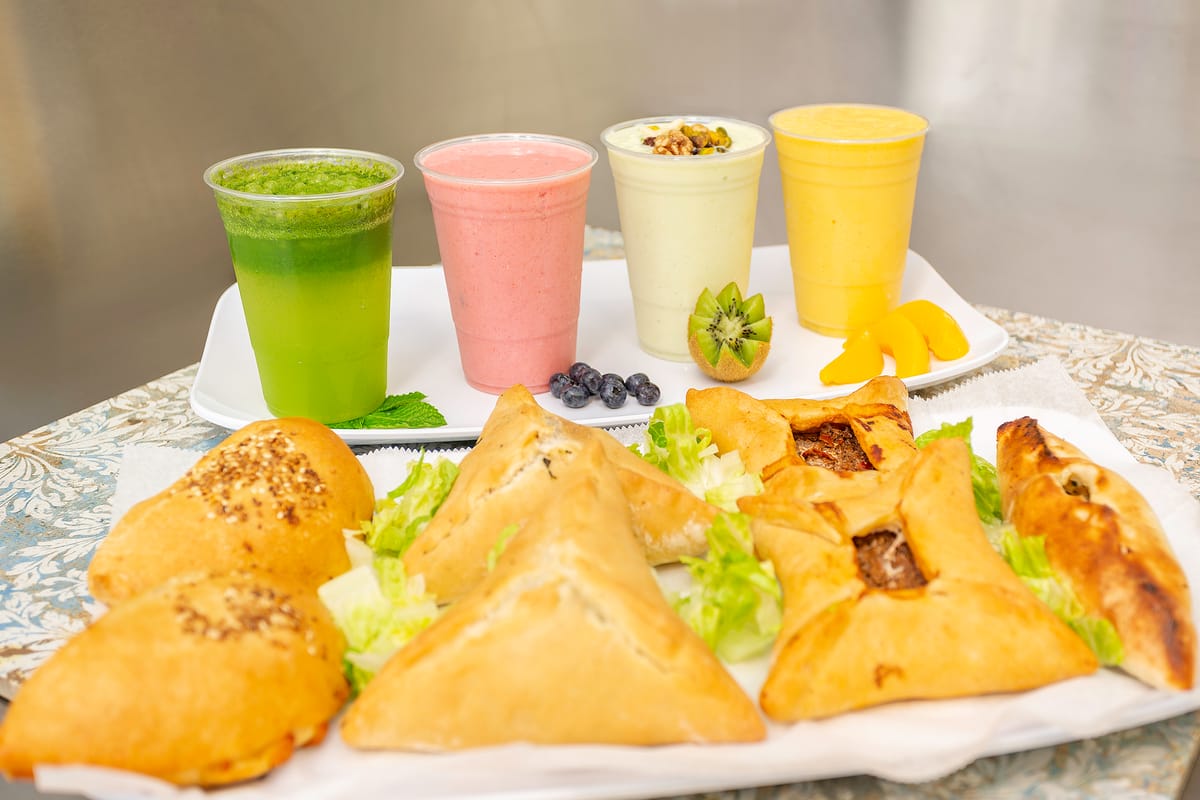
Crispy Outside. Herb-Green Inside.
Our falafel is made from ground chickpeas, fresh herbs, and aromatic spices -- fried to order so it is always hot and crunchy.
How Does the Format Affect Your Falafel Toppings?
Pita, shrak wrap, and bowl each handle toppings differently -- here is what works best in each.
Falafel Pita
From from $8.95
Capacity: 4-6 toppings
- The pita pocket is compact -- choose toppings carefully to avoid overstuffing
- Start with lettuce as the first layer to prevent the bread from getting soggy
- Choose one primary sauce (tahini or garlic sauce), not both -- too much liquid breaks the pita
- Pickles and pickled turnips add crunch and acidity without taking up much space
- Skip hummus in a pita -- it makes the pocket too thick to close and eat cleanly
On-the-go meals, lunch breaks near Seminary Road, and first-time falafel eaters who want the classic handheld experience.
Falafel Shrak Wrap
From from $9.95
Capacity: 6-8 toppings
- Shrak bread is thin and pliable -- it handles more toppings than a pita without tearing
- Spread hummus across the bread before adding falafel and vegetables for a creamy base
- Both tahini and garlic sauce fit -- the wrap is large enough to absorb two sauces
- Arabic salad distributes more evenly in a rolled format than individual diced vegetables
- Best build: Hummus base, falafel, lettuce, pickled turnips, tahini, garlic sauce
Bigger appetites, customers who want hummus or baba ghanoush inside the wrap, and those ordering for takeout in the Falls Church area.
Falafel Bowl
From from $10.45
Capacity: All toppings
- Bowls have the most surface area -- pile everything on without worrying about structural limits
- Use hummus as a base layer alongside rice or greens for extra protein and creaminess
- Drizzle multiple sauces in sections so each forkful tastes slightly different
- Sumac and olive oil work best in bowls where they can dress the entire surface
- Best build: All toppings -- the bowl format handles the Loaded build perfectly
Low-carb eaters on a greens base, maximalists who want every topping, and sit-down meals at our Falls Church location.
Not sure which format to choose? Our wrap vs bowl guide and build your bowl guide cover the differences in detail. All three formats are available for falafel as well as chicken and beef shawarma. The falafel itself is the same across all formats -- crispy, herb-packed, and fried to order. The only thing that changes is how the toppings interact with the container.
Why Are Pickled Toppings So Important for Falafel?
Pickled turnips and pickles are not just garnish -- they are the acid that makes the entire build work.
Falafel is fried. Tahini is rich. Garlic sauce is creamy. Hummus is thick. Without an acidic counterpoint, the entire build becomes heavy and one-dimensional after a few bites. That is where pickled toppings come in. Pickles and pickled turnips provide a sharp, vinegar-forward tang that cuts through the richness of the sauces and the oil from the fried chickpea patties. Each bite of pickle resets your palate, making the next bite of falafel taste as fresh and satisfying as the first. This is the same principle that makes sauerkraut work on a heavy sandwich or kimchi work alongside fried food -- acid balances fat, and crunch balances softness.
Pickled turnips deserve special attention. They are turnips that have been brined with beet juice, vinegar, and salt for several days until they turn a distinctive magenta color and develop a sharp, earthy tang that regular pickles do not have. The crunch is firmer than a cucumber pickle, and the flavor is more assertive -- sour, mineral, with a slight bitterness from the turnip itself. Pickled turnips are the single most traditional falafel condiment after tahini in Lebanese cuisine. At Taza, we brine them in-house using our own recipe. When you see that bright pink color on your plate, you know you are eating at a restaurant that follows the Levantine tradition. Customers from Seven Corners to Bailey's Crossroads to Arlington tell us our pickled turnips are some of the best in Northern Virginia.
The key is balance. Too many pickled items and the sandwich becomes overwhelmingly sour. Too few and it becomes heavy. The Classic Lebanese build uses both pickles and pickled turnips alongside tahini, lettuce, and tomatoes -- the acid from the pickled items counterbalances the richness of the tahini and the oil from the falafel, while the fresh vegetables provide a neutral bridge between the two extremes. If you have been making falafel at home or ordering it elsewhere and it feels like something is missing, the answer is almost always more acid. Add pickled turnips. Your falafel will immediately improve.
What Falafel Topping Mistakes Should You Avoid?
Five common errors that undermine a good falafel -- and how to fix them.
Too Many Wet Toppings in a Pita
A pita pocket has limited capacity and no drainage. If you add tahini, garlic sauce, hummus, and tomatoes all at once, the bottom of the pita becomes saturated and tears before you finish eating. The fix: choose one sauce (tahini or garlic), skip the hummus in a pita format, and keep the wet toppings to a minimum. Save the multi-sauce builds for bowls and wraps, where there is more room and the container can handle the moisture. This is the most common mistake we see at our Falls Church location, and it is the easiest to fix.
Skipping All Acid
Falafel without pickles or pickled turnips is flat. The fried chickpea exterior and the creamy sauces need a sharp, tangy counterpoint to stay interesting over the course of the sandwich. Without acid, every bite tastes the same -- rich, dense, and eventually monotonous. Even if you do not like pickles, add a few slices of pickled turnips or ask for extra lemon juice squeezed on top. The acid resets your palate between bites and keeps the falafel tasting fresh from first bite to last.
No Sauce at All
Falafel is dry on the outside by design -- the crispy shell is the whole point. But inside a pita or wrap, that dryness needs moisture to create a cohesive bite. Tahini is the minimum. It coats the falafel, the vegetables, and the bread, tying everything together into a unified mouthful. Without sauce, the components feel disconnected -- you taste bread, then falafel, then a vegetable, all as separate elements rather than a single harmonious bite. At Taza, sauce is always free and always generous.
Ignoring Texture Contrast
A common beginner mistake is loading up on soft toppings -- hummus, tahini, tomatoes -- without adding anything crunchy. The result is a build where every component has the same texture, and the characteristic crunch of the falafel gets lost in the softness. Fix this by always including at least one firm, crunchy topping: pickles, pickled turnips, cucumbers, or onions. These toppings provide a textural counterpoint that makes the falafel crunch more noticeable and the overall bite more dynamic.
Treating Every Format the Same
The toppings that work in a bowl do not always work in a pita, and vice versa. A bowl can handle all toppings because there is unlimited surface area. A pita can hold 4-6 toppings before it overflows. A shrak wrap falls in between. If you use the same topping selection across all three formats, you will overstuff your pita and underload your bowl. Match the number and type of toppings to the format. At Taza, our team is happy to suggest the best build for whatever format you order.
The good news is that all of these mistakes are easy to fix, and at Taza, our staff can help you build the right combination for your format and your taste preferences. If you are not sure what to order, start with the Classic Lebanese build (lettuce, tomatoes, pickles, pickled turnips, tahini) in a falafel pita from from $8.95. It is the most balanced build on the menu and the best starting point for learning what you like. From there, add or subtract toppings until you find your personal combination.
Falafel Toppings: Common Questions Answered
Every falafel order at Taza comes with access to all 14 toppings at no extra charge. The selection includes fresh vegetables (lettuce, tomatoes, cucumbers, onions), herbs (parsley), pickled items (pickles, pickled turnips), sauces (tahini, garlic sauce, hot sauce), spreads (hummus), and finishing touches (Arabic salad, sumac, olive oil). You choose what goes on your falafel -- there is no limit and no upcharge. Whether you want two toppings or twelve, the price stays the same.
Tahini is the most traditional falafel sauce and the one used across Lebanon, Syria, Jordan, and the broader Levant. Its nutty, earthy flavor pairs naturally with the chickpea base of falafel. However, garlic sauce is increasingly popular -- especially at Taza, where many regulars order both tahini and garlic sauce on the same falafel sandwich. Hot sauce is a good addition if you want heat. There is no single correct answer -- the best sauce depends on whether you prefer subtle (tahini), bold (garlic sauce), or spicy (hot sauce).
Pickled turnips are white turnips that have been brined with beet juice, vinegar, and salt until they turn a distinctive bright pink or magenta. The flavor is sharp, tangy, and slightly earthy -- similar to pickles but with a firmer crunch and a deeper sourness. They are a traditional condiment in Lebanese falafel sandwiches because their acidity cuts through the richness of the fried chickpea patties and the creaminess of the tahini sauce. At Taza, we pickle our turnips in-house. They are one of the most-requested toppings.
Yes. Extra tahini, extra garlic sauce, and extra hot sauce are all free at Taza. We drizzle sauces generously by default, but if you want more, just ask when you order. You can also request sauce on the side -- this is common with bowls, where customers like to control the ratio as they eat. There is never an upcharge for extra sauce or extra toppings of any kind.
The falafel bowl holds the most toppings because there is no bread limiting the volume. You can add all 14 toppings to a bowl without worrying about structural integrity. The shrak wrap is second -- the thin, pliable bread stretches to accommodate 6-8 toppings plus sauces and spreads. The pita pocket is the most compact and works best with 4-6 toppings. If you want maximum variety, go with the bowl (from from $10.45). If you want a handheld meal with classic proportions, the pita (from from $8.95) is the way to go.
Yes. Our falafel is 100% plant-based -- made from ground chickpeas, fresh herbs (parsley, cilantro), onions, garlic, cumin, coriander, and a small amount of flour to bind the batter. There are no eggs, dairy, or animal products in the falafel itself. Most of the toppings are also vegan, including tahini, hummus, hot sauce, all fresh vegetables, pickles, pickled turnips, Arabic salad, sumac, olive oil, and parsley. The garlic sauce contains oil and lemon but no dairy. Ask our staff if you have specific dietary questions.
A falafel pita (from from $8.95) is a pocket-style sandwich -- compact, handheld, and best with 4-6 toppings. A falafel shrak wrap (from from $9.95) uses traditional thin flatbread that rolls around the fillings -- it holds more toppings and has a chewier bread-to-falafel ratio. A falafel bowl (from from $10.45) is served over rice or greens with toppings spread across the surface -- no bread, maximum topping capacity, and a fork-and-knife eating experience. All three use the same fresh falafel and the same topping selection.
Our falafel pita, shrak wrap, and bowl orders each come with a generous portion of falafel balls -- enough to ensure falafel in every bite. The exact number depends on the format and how the kitchen portions that day, but you will never feel short-changed. If you want extra falafel on the side, individual falafel pieces are available for $0.85 each. They are fried to order, so they arrive hot and crispy whether you are adding them to an existing order or eating them as a snack.
Build Your Perfect Falafel at Taza
Open 11:00 AM - 12:00 AM, Open 7 Days a Week at 5820 Seminary Rd Ste O, Falls Church, VA 22041.
Address
5820 Seminary Rd Ste O, Falls Church, VA 22041
Hours
11:00 AM - 12:00 AM -- Open 7 Days a Week
Phone
Build Your Perfect Falafel
Crispy chickpea falafel, fried to order from fresh herbs and spices. All toppings and sauces included free. Pita, wrap, or bowl. Order online or visit us on Seminary Road in Falls Church.