How Is Falafel Made? From Chickpeas to Crispy Perfection
Every falafel ball at Taza starts with dried chickpeas soaked overnight, fresh herbs picked that morning, and a blend of aromatic spices ground in-house. No shortcuts, no canned beans, no pre-made mixes. Here is the complete process.
4.8 stars on Yelp (92 reviews) -- Open 11:00 AM - 12:00 AM
What Goes Into Every Falafel Ball
A 4,000-year-old recipe that uses nothing but plants, herbs, and spices to produce one of the most satisfying foods on the planet.
Falafel is a deep-fried ball or patty made from ground raw chickpeas combined with fresh parsley, fresh cilantro, onion, garlic, and a blend of cumin, coriander, and other warm spices. The chickpeas are never cooked before grinding -- they are soaked overnight in cold water until softened, then processed into a coarse, slightly grainy batter that holds together when shaped and dropped into hot oil. This distinction between soaked-raw and cooked chickpeas is the single most important factor in authentic falafel preparation. The raw starch in the soaked chickpeas acts as a natural binder, creating the crispy golden shell and the moist, herb-green interior that defines properly made falafel.
The origins of falafel trace back thousands of years across the eastern Mediterranean and the broader Middle East, where chickpeas have been a dietary staple since ancient times. In Egypt, a variation called ta'ameya uses fava beans instead of chickpeas. In Lebanon, Syria, and Jordan, the chickpea version dominates, with each region adjusting the herb-to-spice ratio to suit local tastes. What every authentic version shares is the same foundational technique: raw legumes, fresh herbs, aromatic spices, and hot oil. No flour binders, no egg, no breadcrumbs. The simplicity of the ingredient list is what makes the technique so important -- there is nowhere to hide a shortcut.
At Taza Shawarma & Falafel in Falls Church, VA, our falafel follows the traditional Levantine chickpea method. We soak dried chickpeas from scratch every evening, grind them with fresh herbs and spices each morning, and fry every batch to order throughout the day. There is no warming tray, no pre-fried reserve, and no shortcut with canned beans. Falafel pita starts at from $8.95, the shrak wrap at from $9.95, and the bowl at from $10.45. Residents across Falls Church, Arlington, Bailey's Crossroads, and Seven Corners rely on Taza for falafel made the right way, every single day.
What Is Falafel Made Of? The Essential Ingredients
Six core ingredients, each playing a specific role in the final texture and flavor.
The foundation of every falafel ball is dried chickpeas, also called garbanzo beans. These are not the soft, ready-to-eat chickpeas you find in a can. Dried chickpeas are hard, pale, and need 12 to 24 hours of soaking in cold water before they can be used. During soaking, the chickpeas absorb water, roughly doubling in size, and soften enough to be ground into a coarse batter. The raw starch inside the soaked chickpea is the natural glue that holds the falafel together during frying. Canned chickpeas have already had their starch cooked out, which is why they produce mushy, falling-apart falafel. Every serious falafel kitchen -- including Taza on Seminary Road in Falls Church -- starts with dried chickpeas soaked overnight.
Fresh herbs are the second essential component, and they are responsible for the bright green color visible when you break open a properly made falafel. Flat-leaf parsley and cilantro are the two primary herbs, used in roughly equal proportions. The parsley contributes a clean, slightly peppery flavor and the deep green pigment. The cilantro adds a citrusy, aromatic note that balances the earthiness of the chickpeas. Dried herbs are not an acceptable substitute -- they lack the moisture content needed to integrate into the batter, and they produce a dull, brownish-green interior instead of the bright emerald color that fresh herbs create. At Taza, our parsley and cilantro are delivered fresh multiple times per week to our kitchen near Annandale and Bailey's Crossroads.
The aromatic base consists of raw onion and fresh garlic, both of which are ground directly into the chickpea mixture. The onion provides moisture, natural sweetness, and a savory depth that rounds out the flavor. The garlic adds pungency and a sharp bite that mellows significantly during frying, transforming into a warm, toasted garlic flavor in the finished product. Together, the onion and garlic serve as the bridge between the mild chickpea base and the bold spice blend, creating a cohesive flavor profile that tastes complete rather than like a list of individual ingredients. Families from Tysons Corner to Annandale recognize this balanced flavor when they bite into a Taza falafel.
The spice blend is where each falafel kitchen develops its own identity. The two essential spices are cumin and ground coriander, which form the warm, earthy backbone of the flavor. Cumin brings a smoky, slightly nutty warmth. Coriander adds a floral, almost citrusy note that complements the fresh cilantro leaves. Beyond these two, recipes diverge: some add cayenne for heat, some use black pepper, some include a pinch of cardamom or allspice. A small amount of baking soda is mixed into the batter just before frying -- this creates tiny gas bubbles during the fry, giving the interior its characteristic light, airy texture rather than a dense, heavy center. Without baking soda, the falafel would be solid and heavy. With too much, it would puff up and crack apart in the oil.
Dried Chickpeas
Soaked 12-24 hours from dry. Raw starch acts as the natural binder. Never canned, never pre-cooked. The foundation of every authentic falafel.
Fresh Parsley & Cilantro
Equal parts flat-leaf parsley and cilantro, picked fresh. Responsible for the bright green interior color and the clean, herbal aroma.
Onion & Garlic
Raw onion adds moisture and sweetness. Fresh garlic contributes pungency that mellows into warm, toasted flavor during frying.
Cumin & Coriander
The core spice duo. Cumin brings smoky warmth. Coriander adds floral citrus notes. Ground fresh for maximum aroma and potency.
Baking Soda
A small amount added just before frying. Creates gas bubbles that give the interior its light, airy texture instead of dense heaviness.
Salt & Black Pepper
Seasoning that brings all the other flavors into balance. Salt enhances the chickpea sweetness. Pepper adds a quiet background heat.
How Is Falafel Prepared? The Complete Process
From dry chickpea to golden, crispy ball: four stages that cannot be rushed or skipped.
Stage 1: Soaking the Chickpeas Overnight
The process begins the evening before the falafel will be served. Dried chickpeas are measured into large containers and covered with cold water, at least three inches above the surface of the beans. This extra water is necessary because the chickpeas will absorb a significant amount during the soak, roughly doubling their original volume. The water should be changed at least once during the soaking period to prevent any off-flavors from developing. After 12 to 24 hours, the chickpeas are fully hydrated: they should feel firm but easily breakable between two fingers, and the interior should be uniformly white with no hard, dry core remaining. At Taza in Falls Church, this soaking cycle runs every single evening year-round.
Stage 2: Grinding in a Food Processor
The soaked, drained chickpeas go into a food processor along with the fresh parsley, cilantro, onion, garlic, cumin, coriander, salt, and black pepper. The processor is pulsed -- not run continuously -- to produce a coarse, pebbly texture. This is a critical distinction. Running the processor continuously turns the mixture into a smooth paste, which makes the falafel dense and heavy. Pulsing preserves small, irregular pieces of chickpea that create pockets of air and texture in the finished ball. The batter should stick together when pressed in your hand but still feel slightly crumbly, not smooth like hummus. A blender is not an acceptable substitute because it processes from the bottom up and cannot produce the even, coarse grind that a food processor achieves. Northern Virginia home cooks who try a blender often end up with falafel soup instead of falafel.
Stage 3: Shaping and Resting
Once the batter is ground to the right consistency, a small amount of baking soda is folded in by hand. The mixture is then refrigerated for at least 30 minutes to an hour. This rest period serves two purposes: it firms up the batter so the balls hold their shape during frying, and it allows the baking soda to distribute evenly through the mixture. Shaping is done either by hand or with a falafel scoop -- a specialized spring-loaded tool that portions and compresses the mixture into uniform balls or patties. The shape affects cooking time and texture. Balls take slightly longer to cook through and have a higher ratio of crispy exterior to soft interior. Patties cook faster and have more surface area for crust formation. At Taza, we shape our falafel into balls for that classic round presentation that customers from Arlington to Seminary Road expect.
Stage 4: Deep Frying at 350-375 Degrees
The shaped falafel balls are lowered into oil heated to 350 to 375 degrees Fahrenheit. The moment the raw batter contacts the hot oil, the exterior begins to set and crisp. The moisture inside the ball turns to steam, which cooks the interior gently while the outside develops a deep golden-brown crust. This dual cooking action -- external crisping from the oil and internal steaming from the trapped moisture -- is what produces the signature falafel contrast of crunchy outside and soft, moist inside. The balls need 3 to 4 minutes in the oil, turned once halfway through for even browning. They are done when the surface is uniformly golden and the ball feels firm when gently pressed with a slotted spoon. Overcooking dries out the interior. Undercooking leaves the center raw and dense. At Taza, our commercial fryers maintain precise temperature throughout the day, and every order from Seven Corners to Tysons Corner gets falafel fried fresh at the moment it is requested.
Evening Before
Dried chickpeas measured and covered in cold water. Soaked 12-24 hours in refrigeration. Water changed once during the soak.
Morning Prep
Soaked chickpeas drained and ground with fresh herbs, onion, garlic, and spices in a food processor. Pulsed to a coarse texture, never pureed.
Shape & Rest
Baking soda folded in. Batter refrigerated 30-60 minutes. Shaped into uniform balls using a falafel scoop for consistent sizing.
Fry to Order
Balls dropped into 350-375°F oil at the moment you order. Fried 3-4 minutes to golden brown. Served immediately, never held under a heat lamp.
Deep-Fried vs Baked vs Air-Fried Falafel
Three cooking methods compared side by side. The right method depends on your priorities.
| Preparation Detail | Deep-Fried (Traditional) | Oven-Baked | Air-Fried |
|---|---|---|---|
| Cooking Medium | Neutral oil heated to 350-375°F in a deep pot or commercial fryer | Dry heat in an oven at 375-400°F on a parchment-lined baking sheet | Rapid hot air circulation at 375°F in a compact countertop unit |
| Cooking Time | 3-4 minutes per batch until golden brown on all sides | 20-25 minutes with one flip halfway through the bake | 12-15 minutes with shaking the basket once at the midpoint |
| Exterior Texture | Uniformly crispy, deep golden crust with an audible crunch | Lightly browned surface, firmer shell but less crunch overall | Moderately crispy with some dry spots and uneven browning |
| Interior Texture | Moist, herb-green center with a creamy, soft consistency | Drier interior, slightly crumbly, can taste chalky if over-baked | Decent moisture retention but not as tender as deep-fried |
| Flavor Profile | Full, rich flavor with caramelized spice notes on the crust | Milder taste, spices less pronounced without the oil sear | Closer to fried than baked, but missing the depth from oil contact |
| Oil Content | Absorbs approximately 10-15% oil by weight during frying | Requires a light brush of oil before baking, minimal absorption | Uses 1-2 teaspoons of oil spray, very low total fat added |
| Batch Consistency | Highly consistent when oil temperature is properly maintained | Varies by oven, hot spots can cause uneven browning across the tray | Small basket size limits batch volume, results depend on unit quality |
| Restaurant Suitability | Industry standard for high-volume restaurants like Taza | Common in cafeterias and health-focused meal prep kitchens | Best for home use, not practical for restaurant-scale production |
At Taza in Falls Church, we use the traditional deep-fry method because it produces the best texture, flavor, and consistency at restaurant scale. Our falafel pita starts at from $8.95. See how falafel compares to other plant-based options.
Why Is Taza's Falafel Different?
Four practices that separate made-to-order falafel from the pre-fried kind sitting under a heat lamp.
The most common complaint about falafel from fast-casual restaurants is that it is dry, dense, or tastes stale. In nearly every case, the problem is the same: the falafel was fried hours before you ordered it and has been sitting in a warming tray or under a heat lamp, losing moisture and crispness by the minute. A freshly fried falafel has an audible crunch when you bite through the exterior, steam escaping from the bright green interior, and a creamy, almost custard-like texture in the center. A falafel that has been sitting for even 20 minutes has already lost that crunch, and by an hour it has become rubbery on the outside and dry on the inside. Taza solves this problem by frying every batch to order.
Fresh herbs make a visible and measurable difference. When you break open a Taza falafel, the interior is a bright, almost electric green. This color comes from the chlorophyll in the fresh parsley and cilantro that are ground into the batter each morning. Restaurants that use dried herbs produce falafel with a brownish-green or olive-drab interior. The flavor difference is equally stark: fresh herbs contribute a clean, grassy brightness that lifts the earthy chickpea base, while dried herbs add a muted, slightly dusty flavor that blends into the background. Customers from across Northern Virginia -- from Annandale to Tysons Corner -- notice this difference immediately.
Starting from dried chickpeas every day is the foundation that makes everything else possible. Many restaurants, particularly higher-volume operations, use canned chickpeas or pre-made falafel mixes to save time. The result is a denser, wetter batter that produces heavy falafel without the proper crispy shell. Dried chickpeas soaked in-house retain their raw starch, which is the natural binding agent that creates the signature texture. There is no shortcut that produces the same result. At Taza, the evening soak is as much a part of our daily routine as opening the doors at 11 AM on Seminary Road.
Finally, oil temperature control is essential for consistent results across hundreds of orders per day. Our commercial fryers maintain 350 to 375 degrees Fahrenheit throughout service, with automatic temperature recovery between batches. Home cooks and restaurants without proper equipment often experience temperature drops when falafel enters the oil, which leads to greasy, soggy results. Consistent oil temperature means consistent falafel, whether you order at 11 AM or 11 PM. Customers driving from Bailey's Crossroads or Seven Corners for a late-night falafel get the same quality as the lunch crowd.
Fried to Order
Raw batter is shaped and fried at the moment you order. No warming trays, no heat lamps, no pre-cooked reserve. Every falafel is served within 60 seconds of leaving the fryer.
Fresh Herbs Daily
Flat-leaf parsley and cilantro ground into the batter each morning. Produces the bright green interior and clean herbal flavor that dried herbs cannot match.
Dried Chickpeas Only
Soaked from dry every evening, never from a can. Raw starch in soaked chickpeas is the natural binder that creates the crispy exterior and creamy interior.
Precise Oil Temperature
Commercial fryers hold 350-375°F consistently across hundreds of orders. Automatic temperature recovery between batches ensures uniform results all day.
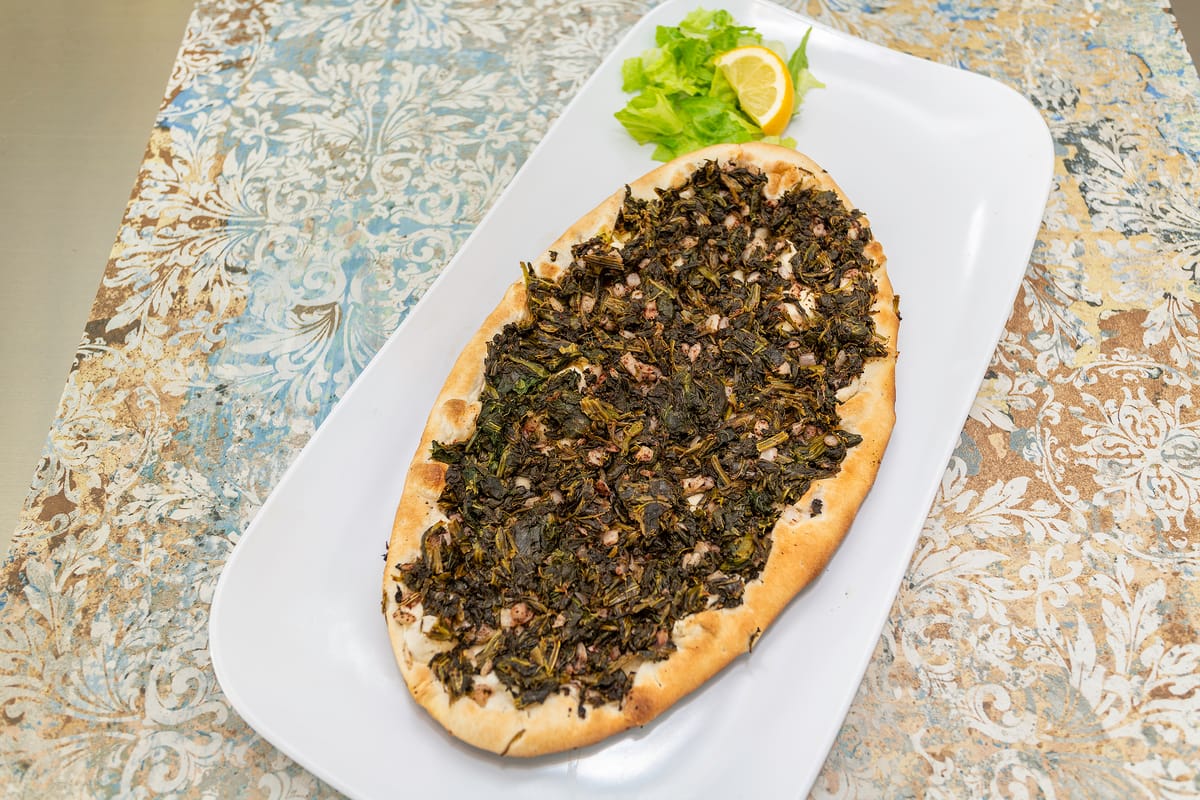
Fresh Toppings. Every Order.
Crispy falafel is only the beginning. Every falafel pita, wrap, and bowl includes your choice from our full toppings selection at no extra charge.
What Are the Most Common Falafel Mistakes?
Why most home falafel attempts fail, and how to fix them if you try it yourself.
The number one mistake in falafel preparation is using canned chickpeas instead of dried chickpeas soaked overnight. This single error accounts for the majority of falafel failures among home cooks across Falls Church, Arlington, and Northern Virginia. Canned chickpeas are already fully cooked, which means the starch that normally acts as a natural binder has been gelatinized. The resulting batter is too wet, too smooth, and has no structural integrity. Falafel made from canned chickpeas will either disintegrate in the fryer, producing a cloud of chickpea debris in your oil, or hold together but come out dense, mushy, and completely lacking the crispy exterior that defines authentic falafel. Always start with dried chickpeas.
The second most common mistake is over-processing the batter. A food processor should be pulsed in short bursts to produce a coarse, pebbly texture with visible small pieces of chickpea. Running the processor continuously -- even for 30 seconds too long -- turns the mixture into a smooth paste similar to hummus. This smooth paste traps no air, produces no texture contrast, and results in falafel that is dense and heavy throughout. The goal is a batter that holds together when squeezed but still feels slightly rough and grainy, not smooth and creamy. If your batter looks like hummus, it has been processed too far. The only fix is to add more coarsely chopped soaked chickpeas and pulse briefly to incorporate them.
Incorrect oil temperature is the third major failure point. Oil that is too cool (below 340 degrees) allows the falafel to absorb excessive amounts of oil before the exterior sets, producing a greasy, heavy result that tastes more of oil than chickpea. Oil that is too hot (above 385 degrees) chars the exterior before the interior cooks through, leaving a burnt shell around a raw, dense center. The sweet spot is 350 to 375 degrees Fahrenheit. A thermometer is not optional -- guessing oil temperature by visual cues or "feel" leads to inconsistent results. At Taza, our commercial fryers eliminate this variable entirely with digital temperature control.
The fourth mistake is crowding the fryer. When too many falafel balls are dropped into the oil at once, the oil temperature plummets. Each ball of cold batter absorbs heat from the oil, and if the fryer cannot recover fast enough, the batch cooks in oil that is 50 to 75 degrees below the target temperature. The result is greasy, unevenly browned falafel with soft, pale exteriors. The solution is simple: fry in small batches of 4 to 6 balls at a time, allowing the oil to return to full temperature between batches. Commercial kitchens like Taza use high-recovery fryers that can handle larger batches without significant temperature drops, which is one reason restaurant falafel consistently outperforms home attempts.
Using Canned Chickpeas
Fix: Always use dried chickpeas soaked 12-24 hours. The raw starch is the natural binder.
Over-Processing the Batter
Fix: Pulse the food processor in short bursts. Stop when the texture is coarse and pebbly, not smooth.
Wrong Oil Temperature
Fix: Maintain 350-375°F with a thermometer. Too low equals greasy. Too high equals burnt outside, raw inside.
Crowding the Fryer
Fix: Fry 4-6 balls at a time. Let oil recover to full temperature between batches for even browning.
How Does Falafel Differ Across the Middle East?
The same concept, different ingredients and techniques across four major traditions.
Lebanese falafel is the style most familiar to diners in Falls Church and Northern Virginia, and it is the tradition that Taza follows. The Lebanese approach uses chickpeas exclusively, with a generous proportion of fresh herbs -- typically more parsley and cilantro than other regional versions. The result is a falafel with a notably green interior, a lighter texture, and a fresher, more herbaceous flavor profile. Lebanese falafel is usually shaped into balls and served in pita bread with tahini, pickled turnips, tomatoes, and fresh vegetables. The herb-forward flavor makes Lebanese falafel particularly well-suited to pairing with tahini sauce, which provides a creamy, nutty counterpoint to the bright, grassy herbs.
Egyptian falafel, called ta'ameya, takes a fundamentally different approach by using fava beans instead of chickpeas as the primary legume. Some Egyptian recipes use a blend of fava beans and chickpeas, but the pure ta'ameya tradition is all fava. The result is a darker green interior, a slightly softer texture, and a more pronounced earthy, bean-forward flavor compared to the lighter chickpea version. Egyptian falafel is typically shaped into flatter patties rather than round balls, and is often coated in sesame seeds before frying, which adds a nutty crunch to the exterior. Ta'ameya is usually served in Egyptian baladi bread with pickled vegetables and a spicy tomato-based sauce rather than tahini.
Syrian falafel tends to be smaller in diameter than Lebanese or Egyptian versions, often the size of a large marble rather than a golf ball. The smaller size increases the ratio of crispy exterior to soft interior, which some people prefer. Syrian recipes often include a higher proportion of spices relative to herbs, with additions like allspice, cinnamon, or dried red pepper that give the falafel a warmer, spicier flavor profile. Some Syrian preparations add a small amount of bulgur wheat to the mixture, which adds a subtle grainy texture and helps bind the batter. Syrian falafel is commonly served with garlic sauce alongside tahini.
Jordanian falafel shares the chickpea base with the Lebanese version but often incorporates a broader range of dried spices, including sumac, dried mint, and sometimes za'atar. Jordanian preparations tend to produce a slightly drier, more firmly textured falafel that holds up well in sandwiches and wraps without becoming soggy. The broader spice profile gives Jordanian falafel a more complex, layered flavor that some diners in the Arlington, Annandale, and Falls Church communities particularly enjoy. At Taza, our recipe draws primarily from the Lebanese tradition, emphasizing fresh herbs, pure chickpeas, and a clean spice blend that lets the quality of each ingredient come through clearly.
Lebanese
Chickpeas
Heavy fresh herbs, bright green interior, ball shape
Pita with tahini and pickled turnips
Egyptian (Ta'ameya)
Fava beans
Flat patties, sesame seed coating, darker green
Baladi bread with spicy tomato sauce
Syrian
Chickpeas
Smaller size, more spices, sometimes bulgur added
With garlic sauce and tahini
Jordanian
Chickpeas
Broader spice range, sumac, za'atar, drier texture
Wraps with pickles and fresh vegetables
How Should You Eat Falafel at Taza?
Three formats, same freshly fried falafel. Every option includes your choice of toppings at no extra charge.
Falafel Pita
From from $8.95The classic format. Warm, fresh-baked pita bread stuffed with freshly fried falafel balls, your choice of toppings, and a generous drizzle of tahini sauce. Compact, portable, and the most popular way to eat falafel at Taza. The pita's natural pocket holds everything together for a clean, handheld meal that works for lunch on the go or a quick dinner on Seminary Road.
Order NowFalafel Shrak Wrap
From from $9.95Thin, traditional shrak flatbread rolled tightly around falafel, hummus, Arabic salad, pickles, and tahini sauce. The shrak wrap is larger than the pita and has a softer, more pliable texture. The bread-to-filling ratio is higher, making it a more substantial meal. A favorite among customers coming from Arlington and Bailey's Crossroads who want a bigger portion without ordering two sandwiches.
Order NowFalafel Bowl
From from $10.45No bread at all. Freshly fried falafel over your choice of basmati rice, mixed greens, or a bed of hummus. All toppings layered on top with tahini dressing and olive oil. The bowl is the best option for anyone eating low-carb, keto, or gluten-free. It is also the highest-protein format because the falafel portion is slightly larger without the bread. Popular with the health-conscious crowd from Tysons Corner and Annandale.
Order NowNot sure which to pick? The falafel pita at from $8.95 is the best starting point -- it is the most popular falafel order at Taza and the format that showcases the contrast between the crispy exterior and the warm, herby interior. For a bigger meal, upgrade to the shrak wrap. For a lighter, bread-free option, go with the bowl. See our complete guide to building the perfect bowl.
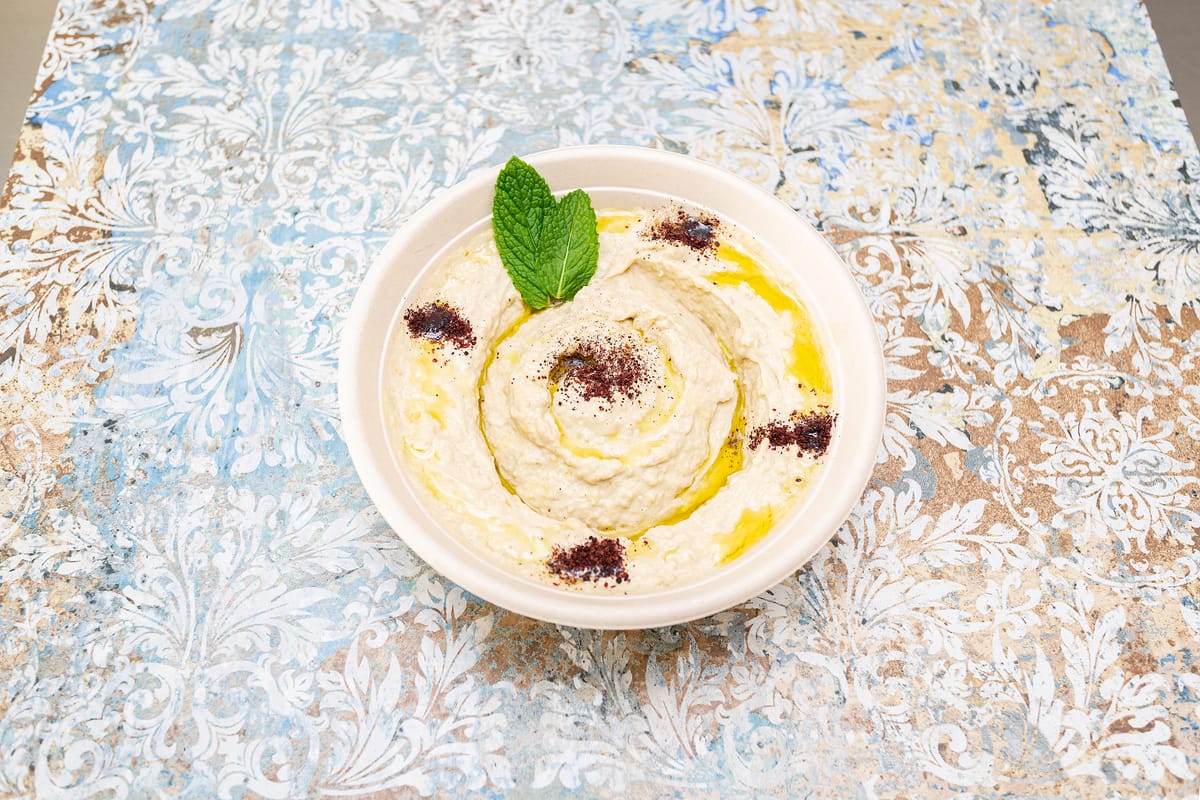
Made Fresh. Served Fast.
From dried chickpeas soaked overnight to golden, crispy falafel in your hands. That is the Taza process, available seven days a week on Seminary Road.
How Falafel Is Made: Common Questions
Traditional falafel is made from dried chickpeas that have been soaked overnight, then ground with fresh parsley, fresh cilantro, onion, garlic, cumin, coriander, salt, black pepper, and a small amount of baking soda for lift. The chickpeas are never cooked before grinding -- they go into the food processor raw after soaking. This is the key difference between authentic falafel and failed home attempts that use canned (pre-cooked) chickpeas. The raw, soaked chickpea mixture holds together naturally during frying and produces the characteristic crispy exterior and moist green interior. At Taza Shawarma & Falafel in Falls Church, VA, we follow this traditional method every day.
Canned chickpeas are already fully cooked, which means the starches have been gelatinized and the structure of the bean has softened. When you grind canned chickpeas, the result is a smooth paste similar to hummus rather than the coarse, slightly gritty texture that authentic falafel batter requires. This paste has too much moisture and not enough structural integrity to hold its shape during frying. The balls will either fall apart in the oil or turn into dense, mushy spheres with no crunch. Dried chickpeas soaked overnight retain their raw starch granules, which bind the mixture naturally and create the signature crispy crust when they hit the hot oil. Every falafel at Taza starts with dried chickpeas soaked from scratch.
Dried chickpeas need a minimum of 12 hours of soaking in cold water for falafel. During this time the chickpeas absorb water and roughly double in size, going from hard and dense to firm but easily breakable between your fingers. Some recipes call for 24 hours of soaking, which produces an even softer texture and a slightly lighter falafel. Under-soaked chickpeas produce gritty, dense falafel with a raw taste in the center. Over-soaked chickpeas (beyond 48 hours) can begin to ferment and develop off-flavors. At Taza in Falls Church, we start our chickpea soak every evening so they are ready for the next day's production. The water is changed once during the soak to prevent any fermentation.
The ideal oil temperature for frying falafel is between 350 and 375 degrees Fahrenheit. Below 340 degrees, the falafel absorbs too much oil and becomes greasy. Above 385 degrees, the exterior browns too quickly while the interior stays raw and dense. At 350-375 degrees, the exterior seizes immediately upon contact with the oil, forming a thin, crispy shell that prevents excessive oil absorption while the interior steams gently to a fully cooked, moist consistency. This process takes approximately 3-4 minutes per batch. At Taza, our commercial fryers maintain precise temperature control throughout service so every falafel comes out uniformly golden and crispy.
Falafel is one of the more nutritious fast-food options available. The base is chickpeas, which are high in plant protein (roughly 7 grams per 3-ball serving), dietary fiber, folate, iron, and manganese. The fresh herbs -- parsley and cilantro -- add vitamins A, C, and K. The spices cumin and coriander contribute antioxidants and have documented anti-inflammatory properties. Falafel is naturally vegan, gluten-free (when served without bread), and contains zero cholesterol. The deep-frying does add some fat from oil absorption, but a typical three-ball serving adds only about 5-7 grams of fat depending on frying technique. At Taza in Falls Church, our falafel bowl served over greens with tahini is a popular high-protein, plant-based meal starting at from $10.45.
Three things set Taza's falafel apart from what you find at most restaurants in the Falls Church and Northern Virginia area. First, we fry every batch to order. There is no warming tray of pre-fried falafel sitting under a heat lamp. When you order, the raw falafel mixture is portioned, shaped, and dropped into the fryer at that moment. Second, our herb blend uses fresh parsley and fresh cilantro, not dried herbs. Fresh herbs produce the bright green interior color and the clean, grassy aroma that dried herbs cannot replicate. Third, our chickpeas are soaked from dry every single day -- never from a can, never from a pre-made mix. Visit us at 5820 Seminary Rd Ste O, Falls Church, VA 22041 to taste the difference.
Yes, you can make falafel at home using a heavy-bottomed pot filled with 2-3 inches of neutral oil. A Dutch oven or cast-iron pot works well because the thick walls hold heat steady. Use a thermometer to monitor the oil temperature and keep it between 350 and 375 degrees Fahrenheit. Fry in small batches of 4-5 balls at a time to avoid dropping the oil temperature. Each batch needs about 3-4 minutes, turning the balls once or twice for even browning. Let them drain on a wire rack rather than paper towels to keep the bottom from getting soggy. The key to success is starting with dried chickpeas soaked overnight, not canned. For the best falafel in Falls Church without the kitchen cleanup, visit Taza on Seminary Road.
A single falafel ball (approximately 1.5 inches in diameter) contains roughly 55-60 calories, 3 grams of protein, 2-3 grams of fat, and 7-8 grams of carbohydrates. A typical three-ball serving in a pita with tahini and vegetables runs about 450-550 calories total, making it one of the lighter sandwich options compared to most fast-food alternatives. A falafel bowl over greens without bread runs lower, approximately 350-400 calories with tahini dressing. The calorie count varies by preparation method -- baked falafel is slightly lower in fat, but the difference per ball is only about 15-20 calories. At Taza in Falls Church, you can build your falafel meal as a pita from from $8.95, a shrak wrap from from $9.95, or a bowl from from $10.45.
Taste Freshly Made Falafel for Yourself
Open 11:00 AM - 12:00 AM, Open 7 Days a Week at 5820 Seminary Rd Ste O, Falls Church, VA 22041.
Address
5820 Seminary Rd Ste O, Falls Church, VA 22041
Hours
11:00 AM - 12:00 AM -- Open 7 Days a Week
Phone
Ready for the Crunch?
Soaked overnight. Ground fresh each morning. Fried to order. Served in seconds. Falafel pita from from $8.95, shrak wrap from from $9.95, bowl from from $10.45. Order online or visit us on Seminary Road in Falls Church.