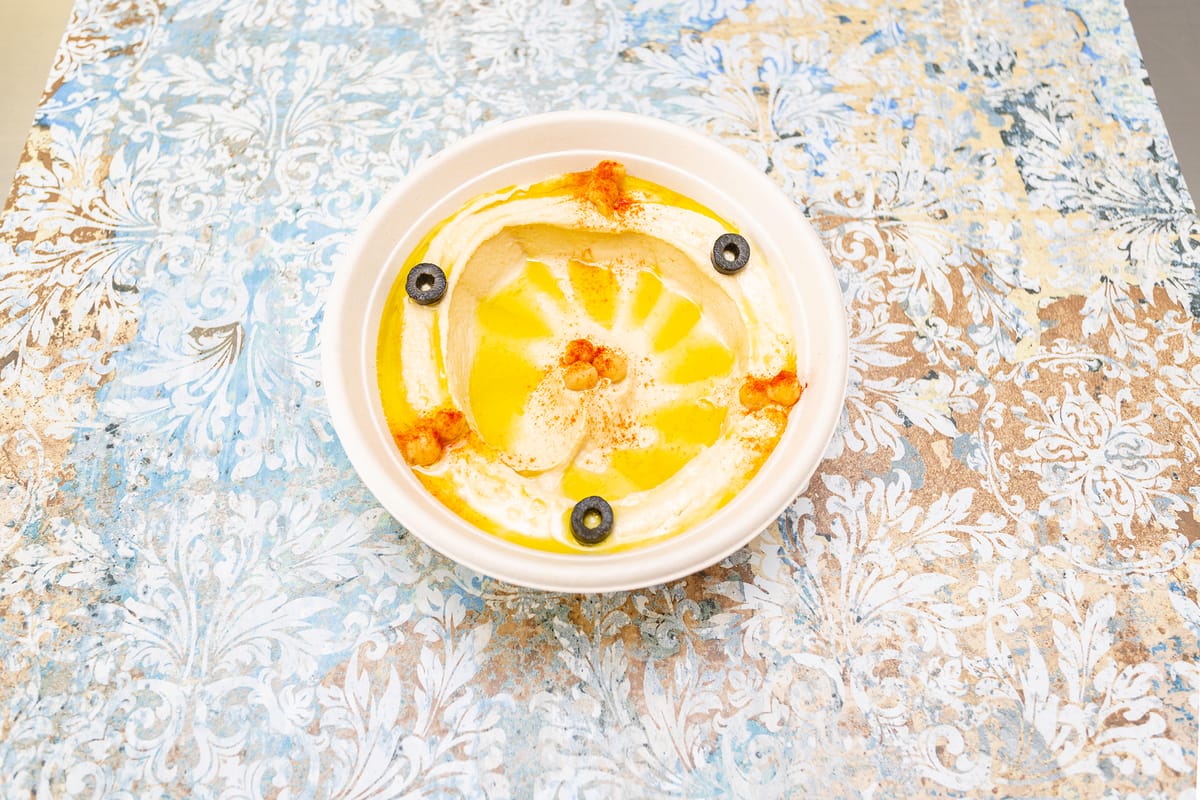
What Is Kibbeh? The Lebanese National Dish
Kibbeh is the cornerstone of Lebanese cooking -- a centuries-old preparation of ground meat and fine bulgur wheat shaped, spiced, and cooked in dozens of ways across the Middle East.
4.8 stars on Yelp (92 reviews) -- Open 11:00 AM - 12:00 AM
What Is Kibbeh?
The national dish of Lebanon, in plain terms.
Kibbeh is a traditional Lebanese and Levantine dish made from finely ground meat -- usually lamb or beef -- mixed with fine-grade bulgur wheat, minced onion, and a warm spice blend anchored by cinnamon and allspice. The mixture is pounded or processed into a smooth, dense paste that serves as an outer shell. This shell is then stuffed with a filling of sauteed ground meat, toasted pine nuts, and onions. Kibbeh can be shaped into oval torpedoes and deep-fried, spread into a baking tray and oven-baked, formed into balls and simmered in yogurt sauce, or served completely raw as kibbeh nayyeh. The word "kibbeh" comes from the Arabic root meaning "to form into a ball."
Unlike many Middle Eastern dishes that have spread globally under a single format, kibbeh exists in over a dozen distinct preparations. Each region of Lebanon, Syria, Iraq, and Jordan has its own signature version. What unites them all is the fundamental combination of raw meat and bulgur wheat -- a pairing that dates back at least six centuries and remains central to Levantine home cooking and celebration meals today.
At Taza Shawarma & Falafel in Falls Church, VA, we serve many of the traditional Lebanese dishes that appear alongside kibbeh on a typical Levantine table: hummus at $4.95, baba ghanouj at $4.95, labneh at $4.95, and fresh pita bread at $0.95. Our menu provides the full spread that complements kibbeh when you make it at home.
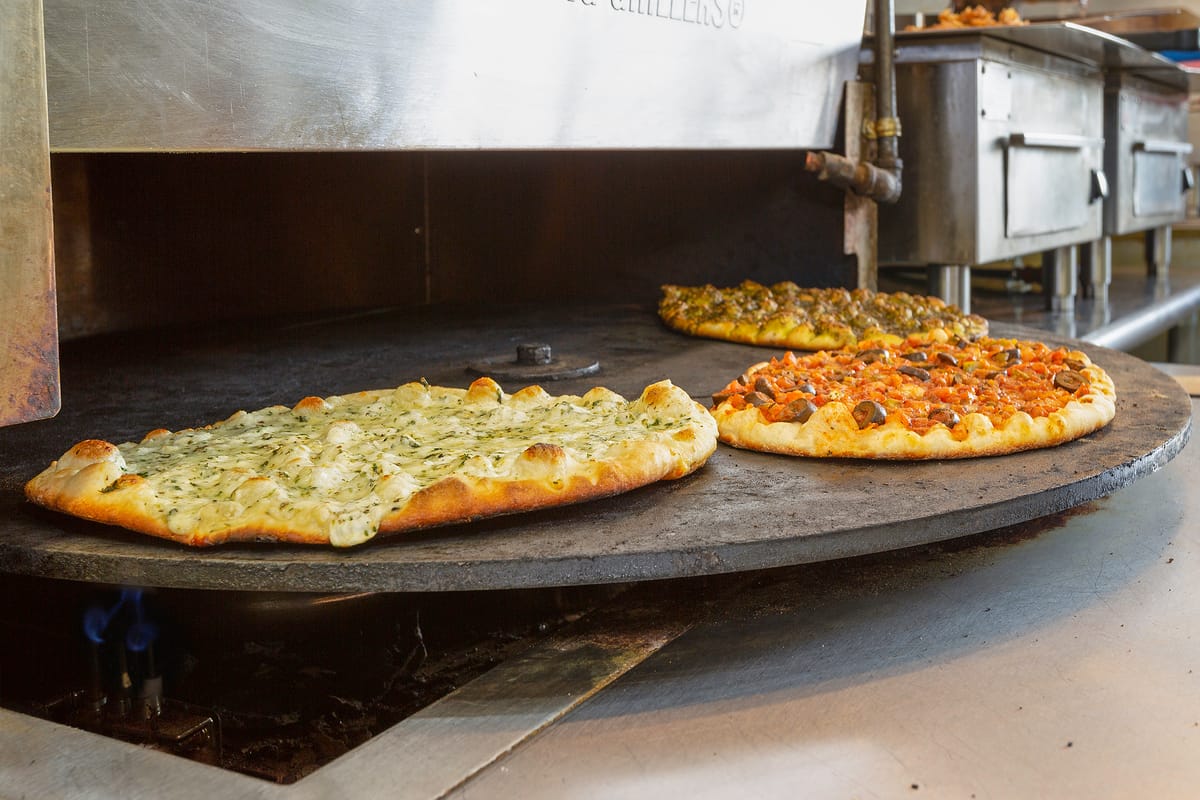
Ancient Ingredients, Timeless Technique
Bulgur wheat, ground lamb, cinnamon, allspice, and pine nuts -- the five pillars of kibbeh.
What Are the Different Types of Kibbeh?
Four major preparations, each with its own shape, cooking method, and occasion.
Kibbeh Bil Sanieh (Baked)
The most common home-style kibbeh. A flat baking tray is lined with a layer of the bulgur-meat mixture, topped with a filling of sauteed ground lamb, toasted pine nuts, and caramelized onions, then covered with a second layer of the bulgur-meat shell. The tray is scored into diamond shapes, brushed with olive oil, and baked at high heat until the top is golden and crispy while the interior stays moist. Served at room temperature or warm, cut into portions like a casserole. This is the version most often served at large family gatherings and holiday meals.
Kibbeh Balls (Fried)
The most recognizable kibbeh format outside the Middle East. The bulgur-meat shell is shaped into oval or football-shaped torpedoes around a core of the pine nut and meat filling, then deep-fried until the exterior is dark golden and crackingly crisp. The contrast between the crunchy shell and the soft, aromatic filling is the defining characteristic. Fried kibbeh is a staple mezze item, served as an appetizer with tahini sauce, yogurt, or a squeeze of lemon. Each piece is about the size of a large egg.
Kibbeh Nayyeh (Raw)
The most traditional and revered preparation. Extra-lean lamb or beef is ground multiple times until silky smooth, mixed with fine bulgur wheat that has been soaked and drained, then seasoned with salt, cinnamon, and a small amount of onion. The mixture is spread on a plate, drizzled with high-quality olive oil, and served immediately with fresh mint leaves, sliced onion, and warm pita for scooping. Comparable to steak tartare, kibbeh nayyeh requires the freshest possible meat and is typically reserved for special occasions and trusted home kitchens.
Kibbeh Labanieh (Yogurt Stew)
Kibbeh balls are formed without frying and instead simmered in a cooked yogurt sauce (laban) that has been stabilized with egg or cornstarch to prevent curdling. The yogurt sauce is seasoned with garlic and dried mint. The result is a warm, tangy, comforting stew where the kibbeh balls absorb the yogurt flavor as they cook. Kibbeh labanieh is a popular winter dish in Lebanon and Syria, typically served over rice with a garnish of fried garlic chips and dried mint.
What Goes Into Kibbeh?
Five core ingredients that define the dish, plus the aromatic spice blend.
Ground Lamb or Beef
The primary protein. Traditionally lamb (specifically leg of lamb) is preferred for its fat content and flavor. Beef round or sirloin works as a substitute. The meat must be ground very finely -- ideally passed through the grinder two or three times -- to achieve the smooth, paste-like consistency required for the outer shell.
Fine Bulgur Wheat (#1 Grade)
The grain component that makes kibbeh unique. Number-one grade (extra fine) bulgur is soaked briefly in cold water, drained thoroughly, and mixed into the meat. The bulgur binds the shell, adds a nutty flavor and chewy texture, and absorbs the spices. It typically makes up 30-40% of the shell mixture by weight.
Toasted Pine Nuts
The signature ingredient of the filling. Whole pine nuts are toasted in butter or oil until golden, then mixed with the cooked ground meat and onion filling. They provide a rich, buttery crunch that contrasts with the smooth shell. Pine nuts are expensive, which is one reason kibbeh is considered a special-occasion dish.
Cinnamon & Allspice Blend
The warm-spice profile that defines kibbeh. Ground cinnamon and allspice are the dominant spices, with supporting roles from black pepper, cumin, and sometimes a touch of dried mint or nutmeg. This spice blend gives kibbeh its distinctive warm, aromatic character that distinguishes it from other ground-meat preparations.
Yellow Onion
Onion appears in both the shell and the filling. In the shell, raw onion is finely minced or grated and mixed directly into the meat-bulgur paste, adding moisture and a mild sweetness. In the filling, onion is diced and sauteed until soft and golden before being combined with the cooked meat and pine nuts.
Extra-Virgin Olive Oil
Used throughout the preparation. Olive oil is drizzled over baked kibbeh before it goes in the oven, brushed over kibbeh nayyeh before serving, and used to saute the filling ingredients. High-quality olive oil is essential for kibbeh nayyeh, where its flavor is front and center against the raw meat and bulgur.
How Is Kibbeh Made? Step by Step
The traditional method for making kibbeh at home, from raw ingredients to finished dish.
Prepare the Bulgur
Rinse extra-fine (#1 grade) bulgur wheat in cold water, then soak it for 15-20 minutes. Drain thoroughly and squeeze out excess water with your hands. The bulgur should be damp but not wet -- excess moisture will make the shell too soft to hold its shape. Set it aside while you prepare the meat.
Grind the Shell Meat
Pass lean lamb or beef through a meat grinder on the finest setting two to three times. Traditional preparation uses a large stone mortar called a jorn, where the meat is pounded with a heavy wooden pestle until it reaches a smooth, paste-like consistency. The goal is a completely homogeneous mixture with no visible grain or texture.
Mix the Shell
Combine the ground meat with the soaked bulgur, finely grated onion, and the spice blend (cinnamon, allspice, salt, black pepper). Knead the mixture by hand for 10-15 minutes, dipping your hands in ice water periodically to keep the mixture cold and workable. The finished shell should be smooth, pliable, and easy to shape without cracking.
Prepare the Filling
In a skillet, saute diced onion in olive oil or butter until soft and golden. Add coarsely ground lamb or beef and cook until browned, breaking it into small pieces. Season with cinnamon, allspice, and salt. Stir in toasted pine nuts. Allow the filling to cool before assembly -- hot filling will soften the raw shell.
Shape or Layer
For fried kibbeh: take a portion of shell, form it into an oval, make a pocket with your finger, fill it with the meat-pine nut mixture, seal, and shape into a torpedo. For baked kibbeh: press half the shell into an oiled tray, spread the filling evenly, top with the remaining shell, score into diamonds, and brush with olive oil.
Cook and Serve
Deep-fry the torpedoes at 350 F (175 C) for 4-5 minutes until dark golden. For baked kibbeh, bake at 400 F (200 C) for 25-30 minutes until the top is golden and crispy. Serve fried kibbeh hot with tahini sauce, lemon wedges, and fresh mint. Serve baked kibbeh at room temperature with a side salad and yogurt.
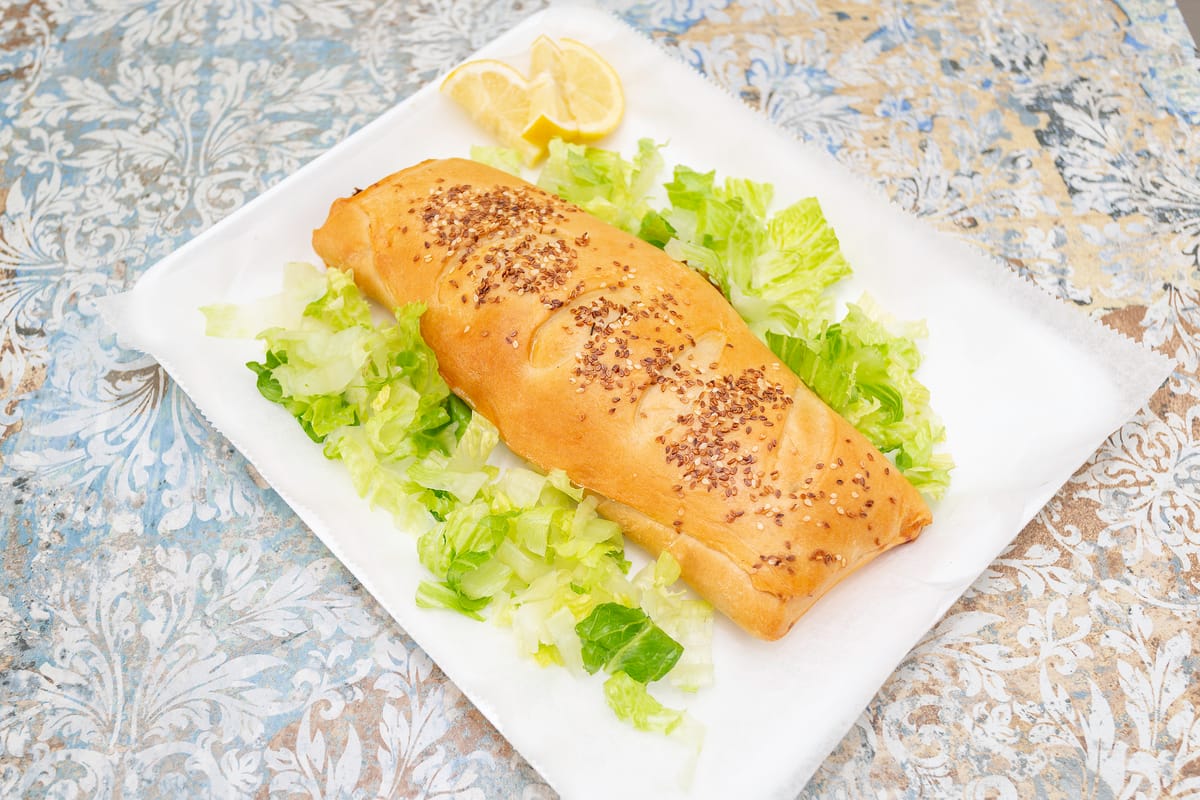
A Mezze Table Is Incomplete Without Kibbeh
Kibbeh sits at the center of a Lebanese spread alongside hummus, baba ghanouj, tabbouleh, and warm pita.
Where Does Kibbeh Come From?
Tracing kibbeh from medieval Levantine kitchens to tables across three continents.
Kibbeh's origins trace back to the mountainous regions of Lebanon and Syria, where shepherds and farming communities developed the technique of pounding raw lamb with soaked bulgur wheat in large stone mortars called jorns. The earliest written references to kibbeh appear in medieval Arabic cookbooks from the 13th and 14th centuries, though the dish is almost certainly older. The jorn -- a heavy stone bowl with a wooden pestle -- was a centerpiece of every Lebanese household kitchen, and the rhythmic pounding of kibbeh was a sound associated with home, family, and celebration.
The tradition of making kibbeh was closely tied to communal life. In rural Lebanon, women would gather to prepare large quantities of kibbeh for weddings, religious festivals, and Sunday family meals. The quality of a cook's kibbeh shell -- how smooth, how well-seasoned, how thin -- was a point of pride and a measure of skill. A bride's kibbeh-making ability was genuinely considered during courtship in some traditional communities.
Lebanese and Syrian emigration in the late 19th and early 20th centuries carried kibbeh to South America, West Africa, and the Americas. In Brazil, kibbeh (spelled quibe or kibe) became one of the most popular street foods in Sao Paulo, where the large Lebanese diaspora established restaurants and bakeries. Brazilian kibe is typically fried and sold individually as a snack, similar to a coxinha or empanada. In the United States, kibbeh remains most common in communities with significant Lebanese and Syrian populations -- including the Northern Virginia and Falls Church area.
Modern food processors have replaced the jorn in most home kitchens, but the recipe itself has changed remarkably little. The five core ingredients -- ground lamb, fine bulgur, onion, cinnamon, and allspice -- remain the same. The filling of pine nuts and sauteed meat is unchanged. The three primary preparations (baked, fried, raw) continue exactly as described in those medieval cookbooks. Kibbeh is one of the oldest continuously prepared dishes in the Mediterranean culinary tradition.
Kibbeh vs Kofta: What Is the Difference?
Both use ground meat and spices, but the preparation, ingredients, and texture are completely different.
Kibbeh and kofta (also spelled kafta or kefta) are both ground-meat dishes from the Middle East, and people frequently confuse them. The critical difference is bulgur wheat. Kibbeh always contains fine bulgur wheat mixed into the meat, creating a smooth, dense shell with a distinctly different texture from pure meat. Kofta is ground meat mixed only with herbs, spices, and onion -- no grain -- and has a coarser, looser texture similar to a seasoned meatball or sausage patty. The cooking methods also differ: kibbeh is fried, baked, or served raw, while kofta is almost always grilled on skewers or pan-fried.
| Feature | Kibbeh | Kofta |
|---|---|---|
| Main Ingredient | Ground lamb or beef mixed with fine bulgur wheat | Ground meat (lamb, beef, or chicken) only -- no grain |
| Texture | Smooth, dense paste; outer shell is firm and compact | Coarser, looser texture similar to a meatball or patty |
| Cooking Methods | Baked, fried, boiled in yogurt, or served raw | Grilled on skewers, pan-fried, or baked |
| Spice Profile | Cinnamon, allspice, cumin, black pepper, dried mint | Cumin, coriander, parsley, onion, sometimes chili |
| Shape | Oval torpedo, flat tray, or sphere with hollow center | Cylinder on a skewer, flat patty, or round ball |
| Grain Content | Bulgur wheat is essential -- typically 30-40% by weight | No grain -- 100% meat with herbs and spices |
| Serving Style | Mezze appetizer, main course bake, or raw delicacy | Grilled main course, sandwich filling, or kebab platter |
Is Kibbeh Healthy? Nutritional Profile
How kibbeh stacks up nutritionally, and what makes it more balanced than you might expect.
Kibbeh is more nutritionally balanced than many people expect. The combination of lean ground meat and whole-grain bulgur wheat delivers a strong ratio of protein to complex carbohydrates, with the bulgur contributing fiber that most pure-meat dishes lack entirely. The warm-spice blend (cinnamon, allspice, cumin) adds antioxidants without calories. Pine nuts contribute healthy monounsaturated fats and additional protein.
Fried Kibbeh (1 piece)
Baked Kibbeh (1 serving)
Kibbeh Nayyeh (1 serving)
Baked kibbeh is the healthiest preparation because it avoids the added fat from deep frying. Kibbeh nayyeh has the lowest calorie count because no cooking oil is used at all. All preparations provide complete protein from the lamb or beef, plus whole-grain fiber from the bulgur wheat.
How Does Kibbeh Vary Across the Middle East?
Four countries, four distinct approaches to the same fundamental dish.
Lebanon
The BirthplaceLebanese kibbeh sets the standard. The emphasis is on the smoothness of the shell -- Lebanese cooks traditionally pound the meat in a stone mortar for up to an hour to achieve a silk-like texture. Pine nuts are always present in the filling. Kibbeh nayyeh is considered a delicacy served at Sunday lunches and celebrations. Lebanon claims over 17 regional kibbeh variations, including kibbeh with pumpkin shell (kibbeh lakteen) from the north.
Syria
The Aleppo TraditionSyrian kibbeh, particularly from Aleppo, is known for its smaller, more refined shapes and heavier spicing. Aleppo pepper (a mild, fruity chili) often replaces black pepper. Some Syrian versions include pomegranate molasses in the filling or a sour cherry sauce for serving. The Aleppine version of fried kibbeh tends to be smaller and more torpedo-shaped than the Lebanese version, with a thinner shell and more filling.
Iraq
Kubba VariationsIraqi kubbah (the local spelling) includes several unique preparations not found in Lebanon. Kubbah hamouth is kibbeh balls simmered in a tangy tomato and tamarind broth. Kubbah burghul uses a thicker bulgur shell. Kubbah mosul from the northern city of Mosul features a rice-based shell instead of bulgur, making it naturally gluten-free. Iraqi versions tend to be served in brothy stews rather than fried or baked.
Jordan
Bedouin InfluenceJordanian kibbeh reflects both Levantine and Bedouin food traditions. The most distinctive version is kibbeh rashta, where kibbeh balls are cooked in a broth with lentils and homemade noodles. Jordanian cooks also make a larger, flatter version baked in a round tray and served with jameed (dried fermented yogurt reconstituted into a sauce), connecting kibbeh to mansaf, Jordan's national rice-and-lamb dish.
What to Serve with Kibbeh
Build a complete Lebanese mezze spread with Taza's menu items alongside your homemade kibbeh.
Kibbeh is traditionally served as part of a larger spread rather than as a standalone dish. A proper Lebanese table features kibbeh alongside cold mezze (hummus, baba ghanouj, labneh, tabbouleh), warm mezze (sfiha pies, lahm bil ajin), and fresh bread for scooping. At Taza, you can pick up the side dishes while you make the kibbeh at home -- giving you an authentic spread without having to prepare everything from scratch.
Hummus
$4.95The essential kibbeh companion. Creamy chickpea dip with tahini and olive oil. Spread it on pita and eat between bites of kibbeh for contrast. The cool creaminess of hummus balances the warm spices of the kibbeh.
Learn MoreBaba Ghanouj
$4.95Smoky fire-roasted eggplant dip that adds a charred, earthy element to the table. The smokiness pairs particularly well with baked kibbeh. Scoop with pita or use as a side sauce.
Labneh
$4.95Thick strained yogurt drizzled with olive oil and dried mint. The tangy coolness of labneh provides a refreshing counterpoint to rich fried kibbeh. Traditional and always present on a Lebanese table.
Pita Bread
$0.95Fresh-baked pita bread for tearing and scooping. Warm pita is used to scoop kibbeh nayyeh, dip into hummus between bites, or wrap around pieces of baked kibbeh. No Lebanese table is complete without bread.
Lahm Bi Ajin Manaeesh
$8.95Lebanese flatbread topped with seasoned ground beef and parsley. Sometimes called Lebanese pizza. Lahm bil ajin serves as a warm appetizer alongside kibbeh -- both feature spiced ground meat but in completely different formats.
Rice
$2.95Fluffy basmati rice served as a base for kibbeh labanieh (yogurt stew) or as a side to baked kibbeh. Spiced rice with vermicelli is the traditional pairing for kibbeh bil sanieh at family dinners.
Kibbeh: Common Questions Answered
Kibbeh has a warm, earthy flavor dominated by cinnamon, allspice, and toasted pine nuts. The bulgur wheat gives the shell a nutty, slightly chewy quality that contrasts with the rich, spiced meat filling. Fried kibbeh has a crispy golden exterior that breaks into the soft interior, creating a textural contrast similar to a croquette. Baked kibbeh (bil sanieh) tastes more like a savory casserole with a firm top layer and a soft, aromatic filling. The overall flavor is deeply savory with warm-spice sweetness -- no heat or chili.
No. Traditional kibbeh contains bulgur wheat, which is a whole wheat grain and contains gluten. Bulgur is a core ingredient -- it makes up roughly 30-40% of the kibbeh shell by weight. There is no widely accepted gluten-free substitute that replicates the exact texture and binding properties of bulgur in kibbeh. Some modern recipes experiment with rice or quinoa, but these produce a noticeably different texture. If you need a gluten-free alternative at Taza, consider our hummus ($4.95), baba ghanouj ($4.95), or a shawarma bowl over rice -- all naturally gluten-free.
Yes. Kibbeh nayyeh is a traditional raw kibbeh preparation eaten across Lebanon and parts of Syria and Jordan. It consists of very finely ground raw lamb or beef mixed with fine bulgur, onion, and spices, then shaped and served immediately with olive oil, fresh mint, and onion. It is comparable to steak tartare in French cuisine. The meat must be extremely fresh, ground the same day, and sourced from a trusted butcher. Kibbeh nayyeh is typically served at family gatherings and special occasions rather than in restaurants due to food safety requirements.
Kibbeh and kibbe are the same dish -- the spelling difference reflects different transliterations of the Arabic word. The Arabic is kubbah or kubbeh, and in English it appears as kibbeh, kibbe, kibbi, kubbeh, kubbah, or koubba depending on the dialect and the writer. Lebanese and Syrian spellings tend toward kibbeh or kibbe. Iraqi versions often spell it kubbah or kubba. Brazilian Lebanese communities spell it quibe or kibe. Regardless of spelling, the core concept is the same: a mixture of ground meat, bulgur wheat, and spices.
A single fried kibbeh ball (about 80-100 grams) contains approximately 180-240 calories, with 10-14 grams of protein, 12-18 grams of fat (due to frying), and 10-15 grams of carbohydrates from the bulgur shell. Baked kibbeh is lower in fat -- a serving of kibbeh bil sanieh (about 150 grams) runs 200-280 calories because no oil is used for frying. The protein content comes from the lamb or beef filling, while the bulgur contributes fiber (about 3-5 grams per serving) and B vitamins. Kibbeh is calorie-dense but also nutrient-dense compared to processed snack foods.
Taza Shawarma & Falafel at 5820 Seminary Rd Ste O, Falls Church, VA 22041 serves authentic Lebanese and Levantine food daily. While we do not serve kibbeh on our regular menu, our menu includes many traditional dishes that pair well with kibbeh at home: hummus ($4.95), baba ghanouj ($4.95), labneh ($4.95), fresh pita bread ($0.95), and lahm bil ajin ($8.95). We are open 11:00 AM - 12:00 AM, Open 7 Days a Week. Call (703) 340-1014 or order online.
Get Lebanese Sides and Spreads at Taza
Open 11:00 AM - 12:00 AM, Open 7 Days a Week at 5820 Seminary Rd Ste O, Falls Church, VA 22041.
While Taza does not serve kibbeh on our regular menu, we provide all the traditional sides and dips that complete a Lebanese kibbeh spread. Pick up fresh hummus, baba ghanouj, labneh, pita bread, and rice to pair with your homemade kibbeh. Or come in for a full meal of authentic shawarma, falafel, and Lebanese flatbreads. We are located at 5820 Seminary Rd Ste O, Falls Church, VA 22041, open 11:00 AM - 12:00 AM, Open 7 Days a Week. Order online for pickup or call us at (703) 340-1014.
Address
5820 Seminary Rd Ste O, Falls Church, VA 22041
Hours
11:00 AM - 12:00 AM -- Open 7 Days a Week
Phone
Pick Up Sides and Dips at Taza
Hummus, baba ghanouj, labneh, fresh pita, and more. Everything you need to complete your kibbeh table, ready for pickup.