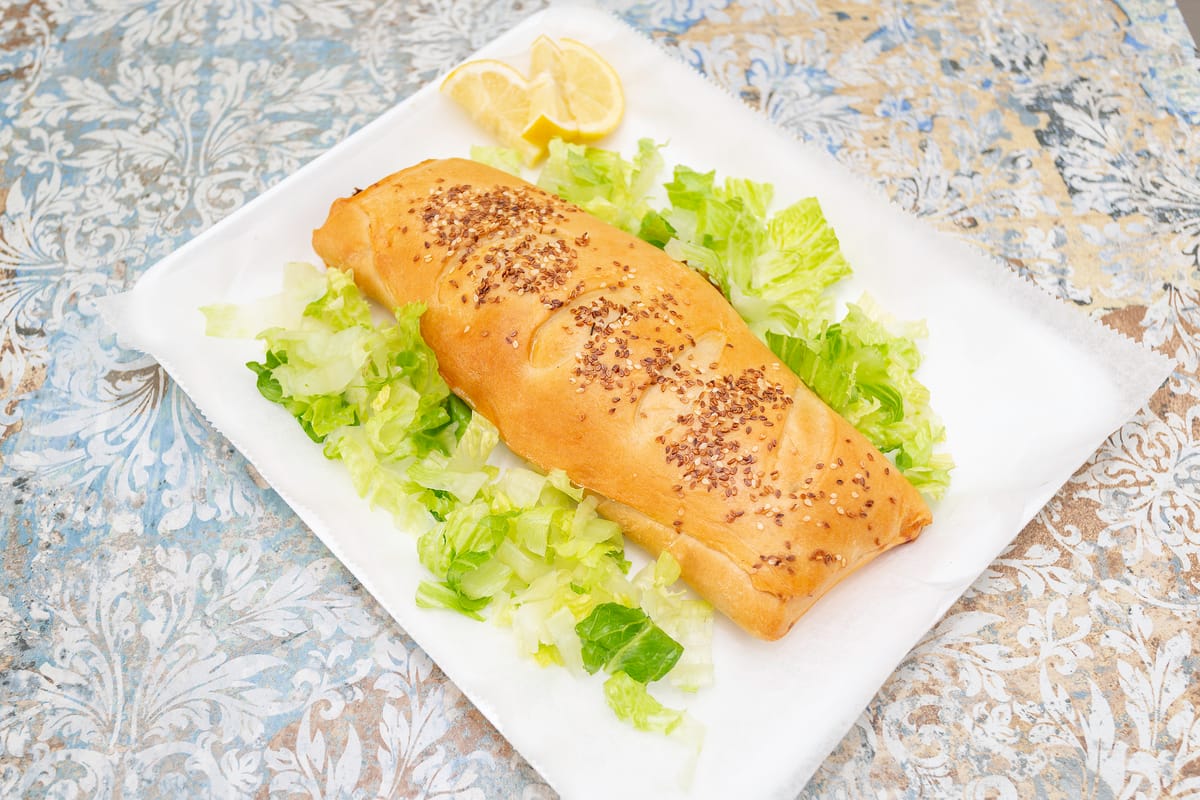
What Is Tabbouleh? The Complete Guide
Tabbouleh is the most famous salad in Middle Eastern cuisine -- a bright mix of parsley, bulgur wheat, tomatoes, mint, lemon, and olive oil. Here is everything you need to know about this Lebanese staple.
4.8 stars on Yelp (92 reviews) -- Open 11:00 AM - 12:00 AM
What Is Tabbouleh?
The parsley-forward salad that defines Lebanese home cooking.
Tabbouleh is a cold Lebanese salad made primarily from finely chopped flat-leaf parsley, mixed with small amounts of bulgur wheat, diced tomatoes, fresh mint, lemon juice, and extra-virgin olive oil. Unlike grain-based salads where the grain is the main component, authentic Lebanese tabbouleh treats parsley as the star ingredient -- the salad should be overwhelmingly green, with the bulgur playing a supporting role for texture. The name comes from the Arabic word "tabbala," meaning "to season" or "to dip." Tabbouleh has been a daily household staple across Lebanon, Syria, and Jordan for centuries, served at nearly every family meal as a side dish alongside grilled meats, flatbreads, hummus, and other mezze.
The defining characteristic of real tabbouleh is the ratio of parsley to grain. In authentic Lebanese preparation, parsley accounts for roughly 80% of the salad by volume, with bulgur making up just 10-15%. This ratio is important because it determines the texture and flavor balance: too much bulgur and the salad becomes heavy and starchy; the right amount of parsley keeps it light, fresh, and herbaceous. The dressing is simple -- just lemon juice and olive oil, with no vinegar or added sugar. This simplicity is deliberate: the ingredients are so fresh and flavorful that they need nothing else.
At Taza Shawarma & Falafel in Falls Church, VA, Mediterranean salads are a core part of the menu. Fresh herbs, chopped vegetables, and house-made dressings are prepared daily to accompany our shawarma bowls (from from $12.45) and falafel bowls (from from $10.45). Every bowl starts with your choice of base and is topped with fresh greens, herbs, and your selection of sauces.
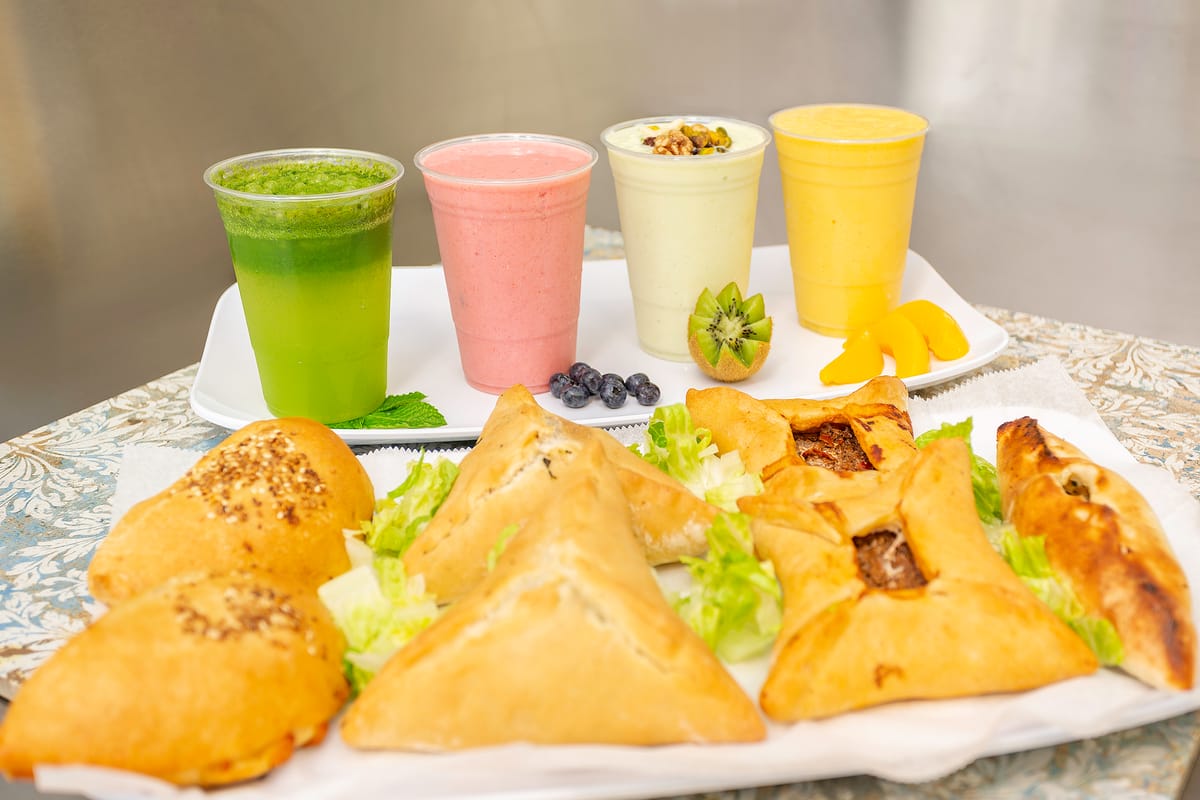
Fresh Herbs, Cut Daily
At Taza, our salads, herbs, and vegetables are prepared fresh every morning. No pre-packaged ingredients.
What Goes Into Tabbouleh?
Six core ingredients, each with a specific role. No fillers, no shortcuts.
Flat-Leaf Parsley
The base (80% of the salad)
Fresh flat-leaf (Italian) parsley is the foundation of tabbouleh. It must be flat-leaf, not curly -- flat-leaf parsley has a stronger, cleaner flavor and a more tender texture. The parsley is washed, dried thoroughly, and chopped very finely by hand (never in a food processor, which bruises the leaves). Each leaf should be cut into pieces no larger than a grain of rice. This fine chop is what gives tabbouleh its characteristic dense, herbaceous texture.
Bulgur Wheat
Grain for texture (10-15%)
Fine (#1) bulgur wheat -- parboiled, dried, and cracked whole wheat kernels. The bulgur is not cooked for tabbouleh; instead, it is soaked in water or lemon juice for 15-20 minutes until it softens and expands. This cold-soak method keeps the grains firm and slightly chewy. The bulgur absorbs the dressing and provides a nutty, wheaty base note. In authentic tabbouleh, the bulgur should be barely visible among the parsley.
Tomatoes
Sweetness and moisture
Ripe, firm tomatoes -- Roma or vine-ripened -- are diced small to match the size of the chopped parsley. The tomatoes are seeded to prevent the salad from becoming watery. They contribute a subtle sweetness, acidity, and juiciness that balances the herbaceous parsley. Some cooks salt the diced tomatoes separately and drain them before adding, which concentrates their flavor.
Fresh Mint
Cooling accent
Fresh spearmint leaves are finely chopped and mixed through the salad in smaller quantities than the parsley -- typically at a ratio of about 1 part mint to 4-5 parts parsley. The mint adds a cooling, aromatic layer that lifts the overall flavor and prevents the salad from tasting flat. Dried mint is never used in authentic tabbouleh; only fresh leaves produce the right flavor.
Lemon Juice
Acidity and brightness
Freshly squeezed lemon juice -- never bottled, never from concentrate -- is the primary acid in tabbouleh. It provides the sharp, clean acidity that makes the salad taste bright and alive. The lemon juice also prevents the chopped parsley from oxidizing and turning brown. A generous amount is used: typically the juice of 2-3 lemons for a standard batch. No vinegar is added in traditional tabbouleh.
Extra-Virgin Olive Oil
Richness and body
Good quality extra-virgin olive oil ties all the flavors together and gives the salad body. The oil coats the finely chopped herbs and prevents them from drying out, while adding a fruity, slightly peppery richness. Lebanese cooks tend to be generous with the olive oil -- the salad should glisten, not be dry. The oil also helps your body absorb the fat-soluble vitamins (A, K, E) in the parsley and mint.
How Is Tabbouleh Made?
A straightforward six-step process. No cooking, no special equipment -- just sharp knife skills and fresh ingredients.
Soak the Bulgur
Place fine (#1) bulgur wheat in a bowl and cover with cold water or fresh lemon juice. Let it sit for 15-20 minutes until the grains swell and soften. Then drain thoroughly and squeeze out any excess moisture using a clean kitchen towel or cheesecloth. The bulgur should be damp but not wet -- excess water will make the finished salad soggy.
Wash and Dry the Parsley
Wash 3-4 large bunches of flat-leaf parsley in several changes of cold water to remove all dirt and grit. Dry the parsley completely -- this is critical. Wet parsley dilutes the dressing and makes the salad watery. Use a salad spinner, then spread the parsley on clean towels and pat dry. Remove the thick stems; use only the leaves and thin upper stems.
Chop the Herbs Finely
Using a sharp chef's knife, chop the parsley very finely. The pieces should be tiny -- roughly the size of a grain of rice. This fine chop is what gives tabbouleh its dense, cohesive texture. Chop the fresh mint separately, even finer than the parsley. Never use a food processor: the spinning blade bruises the herbs and turns them into paste instead of maintaining clean cuts.
Dice the Tomatoes
Cut ripe tomatoes in half and remove the seeds and excess juice. Dice the flesh into small cubes that match the size of the chopped parsley. Some cooks salt the diced tomatoes for 10 minutes and drain the released liquid to prevent the salad from becoming watery. Use 2-3 medium tomatoes for a standard batch.
Combine and Dress
In a large mixing bowl, combine the soaked bulgur, chopped parsley, chopped mint, and diced tomatoes. Finely dice a small white or green onion (optional in some regional versions) and add it to the bowl. Pour freshly squeezed lemon juice and extra-virgin olive oil over the salad. Season with salt and a pinch of allspice. Toss gently but thoroughly so the dressing coats every ingredient.
Rest and Serve
Let the finished tabbouleh rest for 15-30 minutes at room temperature before serving. This resting period allows the bulgur to absorb the lemon-oil dressing and the flavors to meld together. Serve the tabbouleh on a flat plate or shallow bowl, traditionally lined with romaine lettuce leaves. The lettuce leaves serve as edible scoops for eating the salad by hand.
How Does Tabbouleh Compare to Fattoush?
Two Lebanese salads, completely different textures and flavor profiles.
Tabbouleh and fattoush are both Lebanese salads, but they have almost nothing in common besides their country of origin. Tabbouleh is a finely chopped herb salad dominated by parsley, dressed with lemon and olive oil, and softened by a small amount of soaked bulgur wheat. Fattoush is a chunky chopped vegetable salad with a sumac-based dressing and crispy pieces of toasted or fried pita bread mixed in. The textures are opposite: tabbouleh is dense, moist, and herb-forward; fattoush is airy, crunchy, and bread-forward. Both are served as side dishes with grilled meats, but they pair differently -- tabbouleh cuts through rich, fatty meats with its acidity, while fattoush adds crunch and bulk to a lighter meal.
| Feature | Tabbouleh | Fattoush |
|---|---|---|
| Primary Green | Parsley (80% of the salad) | Mixed greens and romaine lettuce |
| Grain / Bread | Fine bulgur wheat | Toasted or fried pita chips |
| Dressing | Lemon juice + olive oil (no vinegar) | Sumac-lemon-olive oil vinaigrette with pomegranate molasses |
| Crunch Factor | Soft and herbaceous, no crunch | Significant crunch from pita chips |
| Best Season | Spring and summer (peak parsley season) | Year-round (pita chips are always available) |
| Texture Profile | Fine-chopped, moist, dense | Chunky, crispy, light |
Want to learn more about fattoush? Read our complete guide to fattoush, covering ingredients, preparation, and how it differs from other Mediterranean salads.
Is Tabbouleh Good for You?
A breakdown of what makes tabbouleh one of the most nutrient-dense salads available.
Tabbouleh is remarkably nutrient-dense for its calorie count. A one-cup serving typically contains 120-160 calories, 4-6 grams of fiber, and significant amounts of vitamins K, C, A, and iron. The nutritional power comes primarily from the parsley: cup for cup, fresh parsley contains more vitamin K than any other common food, more vitamin C than oranges, and more iron than spinach. The olive oil provides monounsaturated fatty acids, and the bulgur wheat contributes B vitamins and additional fiber.
The Mediterranean diet, in which tabbouleh is a daily fixture, has been studied extensively and consistently ranks as one of the healthiest dietary patterns worldwide. Research published in the New England Journal of Medicine and the British Medical Journal has linked this eating pattern to reduced risk of heart disease, stroke, type 2 diabetes, and certain cancers. Tabbouleh represents the core principles of the Mediterranean diet in a single dish: fresh herbs, whole grains, olive oil, vegetables, and minimal processing.
What Role Does Tabbouleh Play in the Mediterranean Diet?
Tabbouleh is not just a recipe. It represents an entire philosophy about food, health, and daily eating.
The Mediterranean diet has been recognized by UNESCO as an Intangible Cultural Heritage of Humanity, and tabbouleh is one of its most representative dishes. In Lebanese households, tabbouleh is not a special-occasion food -- it appears at the table several times per week, sometimes daily. It is made from ingredients that are always available: parsley from the garden, lemons from the tree, olive oil from the pantry, and tomatoes from the market. The dish requires no cooking, no expensive equipment, and no rare ingredients. This accessibility is central to its importance.
Nutritionally, tabbouleh embodies the Mediterranean diet's core principles. It is plant-forward -- the main ingredient is a leafy green herb, not a grain or a protein. It uses olive oil as its primary fat. It contains whole grains (bulgur) rather than refined carbohydrates. It is seasoned with lemon juice and herbs rather than salt and sugar. And it is eaten as part of a larger spread of dishes -- mezze -- rather than as a standalone meal, encouraging variety and portion control.
Research on the Mediterranean diet consistently shows that populations eating this way have lower rates of cardiovascular disease, type 2 diabetes, obesity, and certain cancers. While no single food drives these outcomes, tabbouleh represents the dietary pattern at its most concentrated: fresh herbs, olive oil, whole grains, vegetables, and minimal processing. A bowl of tabbouleh is, in a very real sense, the Mediterranean diet in miniature.
At Taza, the Mediterranean dietary philosophy extends across the entire menu. Fresh herbs and vegetables are central to every bowl and plate. Olive oil is used in cooking and finishing. Proteins are grilled or spit-roasted rather than fried. The toppings selection offers 14 fresh, unprocessed options. This is not a coincidence -- it is the same food philosophy that produced tabbouleh, applied to a modern restaurant menu.
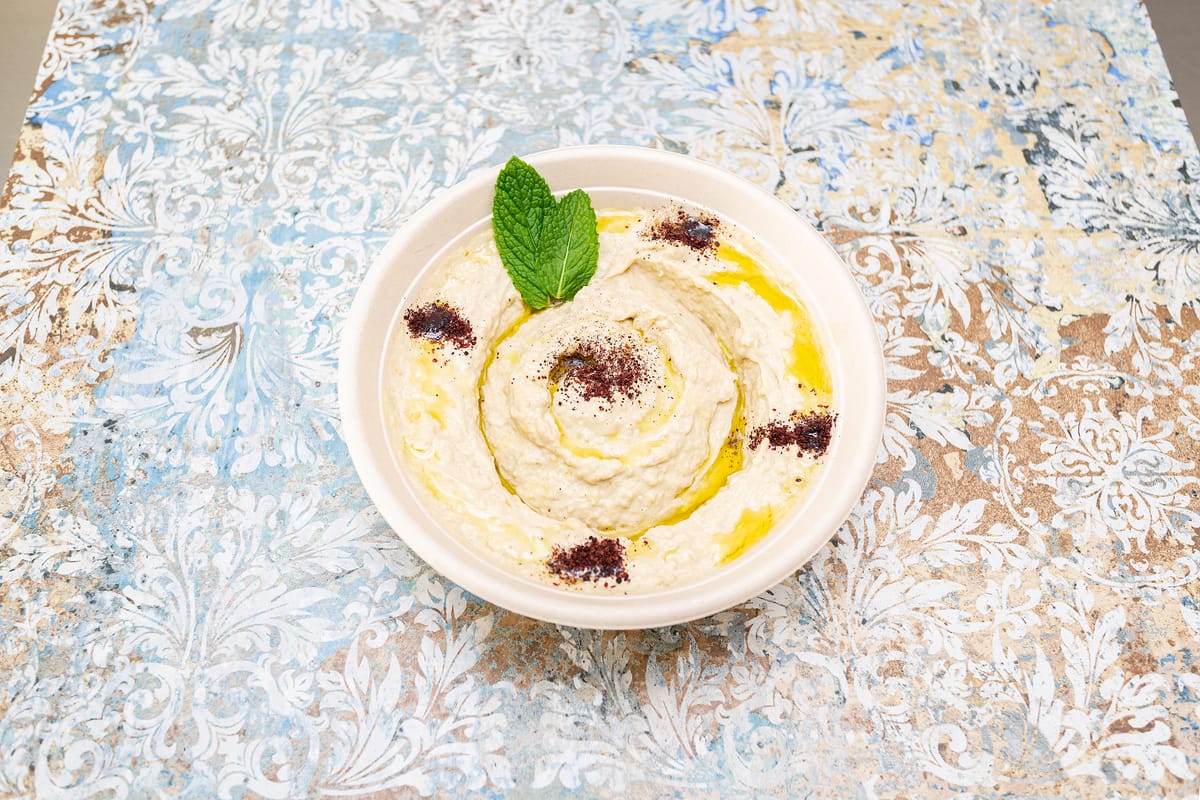
Fresh. Simple. Real.
Tabbouleh embodies the Mediterranean approach to food: start with the best ingredients, then get out of the way.
What Is the Best Way to Eat Tabbouleh?
Four ways to serve and eat this salad, from traditional to modern.
As a Side with Grilled Protein
The most traditional way to eat tabbouleh is as a cold side dish alongside grilled or spit-roasted meat. The bright acidity of the lemon-parsley salad cuts through the richness of shawarma, kebab, or grilled chicken. At Taza, a shawarma bowl (from from $12.45) with fresh greens and herbs gives you this exact combination -- spit-roasted meat over a bed of salad with our house dressings.
Order a Shawarma BowlScooped with Lettuce Leaves
In Lebanon, tabbouleh is traditionally served on a platter lined with romaine lettuce leaves. Diners tear off a leaf, scoop a mound of tabbouleh onto it, and eat it by hand -- no fork needed. The crisp lettuce leaf adds a satisfying crunch that complements the soft, herb-packed salad. This is the way tabbouleh has been eaten at family meals for generations.
Inside a Wrap or Pita
Tabbouleh works well as a filling inside a pita sandwich or shrak wrap, where it adds freshness and acidity to balance heavier ingredients. A falafel pita (from from $8.95) with extra herbs and fresh vegetables gives a similar bright, herby effect. The lemon and parsley flavors complement the crispy falafel and creamy tahini sauce.
Order a Falafel PitaOn Its Own as a Light Meal
A generous bowl of tabbouleh with a side of hummus ($4.95) and warm pita bread makes a satisfying light lunch that is entirely plant-based. The combination covers protein (chickpeas in the hummus), healthy fats (olive oil and tahini), whole grains (bulgur wheat and pita), and a full spectrum of vitamins and minerals from the parsley and vegetables.
View Full MenuHow Does Tabbouleh Vary Across the Middle East?
Same name, different ratios and additions depending on the country.
Tabbouleh originated in the mountains of Lebanon and has been part of Levantine cuisine for centuries. As it spread to neighboring countries and then to diaspora communities worldwide, the recipe adapted to local tastes and ingredient availability. The core ingredients remain the same -- parsley, bulgur, tomato, lemon, olive oil -- but the proportions and additions vary significantly.
Lebanon (The Original)
The Lebanese version is the standard against which all others are measured. Parsley dominates -- 80% or more of the salad by volume. Bulgur is minimal, used only for textural contrast. The dressing is exclusively lemon juice and olive oil, with no vinegar. Mint is fresh and used sparingly. Tomatoes are ripe, seeded, and finely diced. Some families add a small amount of finely minced white onion or green onion. The salad is served on a flat plate lined with tender inner romaine leaves, which double as edible scoops.
Syria
Syrian tabbouleh is very close to Lebanese but tends to use slightly more bulgur -- sometimes up to 20-25% of the total volume. Syrian versions may include a pinch of cinnamon or allspice in the dressing, reflecting the broader Syrian love of warm spices in everything. Green onions (scallions) are standard rather than optional. Some Syrian cooks add a squeeze of pomegranate molasses to the dressing for a sweet-tart depth that the Lebanese version lacks.
Turkey
In Turkey, the dish is called 'kisir' and represents a major departure from the Lebanese original. Turkish kisir inverts the parsley-to-grain ratio entirely: fine bulgur is the primary ingredient, making up 60-70% of the salad. Tomato paste and pepper paste (biber salcasi) are mixed into the bulgur, giving it a red color. Fresh herbs are present but secondary. Pomegranate molasses and sometimes walnut pieces are added. The result is heavier, more grain-forward, and spicier -- essentially a different dish that shares a common ancestor.
Diaspora / American Adaptations
In the United States, many restaurants and delis sell a version of tabbouleh that uses couscous or quinoa instead of bulgur, or that increases the grain proportion to 50% or more. These adaptations are often driven by customer preference for a heartier salad and by the wider availability of couscous. While these versions can be tasty, they are not traditional tabbouleh. The original Lebanese recipe remains the gold standard for flavor and nutritional density.
Where Can You Try Fresh Mediterranean Salads in Falls Church?
Taza Shawarma & Falafel serves fresh salads, herbs, and greens with every bowl and plate.
At Taza Shawarma & Falafel on Seminary Road in Falls Church, fresh herbs and Mediterranean salads are central to the menu. Every shawarma bowl and falafel bowl starts with your choice of base -- basmati rice, mixed greens, or hummus -- and is topped with fresh vegetables, herbs, and your selection from our topping selection.
Whether you want a chicken shawarma bowl (from from $12.45) loaded with greens and fresh herbs, a falafel bowl (from from $10.45) with hummus and vegetables, or a side of hummus ($4.95) or baba ghanouj ($4.95) with warm pita, you will find fresh, herb-forward Mediterranean food made from scratch daily.
We are located at 5820 Seminary Rd Ste O, Falls Church, VA 22041, open 11:00 AM - 12:00 AM, Open 7 Days a Week. Order online at our Clover ordering page for pickup, or call us at (703) 340-1014.
Tabbouleh: Common Questions Answered
Tabbouleh has a bright, clean, herbaceous flavor. The dominant taste comes from fresh flat-leaf parsley, which provides a green, slightly peppery note. Lemon juice adds sharp acidity, fresh mint contributes a cooling undertone, and extra-virgin olive oil rounds out the flavor with richness. The fine bulgur wheat absorbs the dressing and gives a subtle nutty, wheaty flavor without overpowering the herbs. Diced tomatoes add a touch of sweetness and juiciness. The overall effect is refreshing and light -- nothing heavy or greasy. At Taza in Falls Church, tabbouleh is served as a fresh accompaniment to shawarma plates and bowls, where the bright lemon-parsley flavor cuts through the richness of the spit-roasted meat.
Tabbouleh is one of the healthiest salads you can eat. A standard serving (about one cup) contains roughly 120-160 calories. Parsley is unusually high in vitamin K (over 500% of daily value per cup), vitamin C, and iron. Bulgur wheat provides fiber and B vitamins. Olive oil delivers heart-healthy monounsaturated fats. Lemon juice adds vitamin C and aids iron absorption. Tomatoes contribute lycopene, an antioxidant linked to reduced inflammation. There is no added sugar, no dairy, and no processed ingredients. The Mediterranean diet, which features tabbouleh as a daily staple, has been consistently rated by nutrition researchers as one of the healthiest dietary patterns for cardiovascular health and longevity.
Traditional tabbouleh is not gluten free because it contains bulgur wheat, which is made from whole wheat kernels. However, the amount of bulgur in authentic Lebanese tabbouleh is quite small -- parsley is the dominant ingredient by volume, with bulgur making up only about 10-15% of the salad. Some restaurants make gluten-free versions by substituting quinoa, cauliflower rice, or simply omitting the grain entirely. If you have celiac disease or a gluten sensitivity, ask about the preparation at Taza or request your bowl with salad greens instead of any grain-based sides.
Freshly made tabbouleh keeps well in the refrigerator for 2-3 days when stored in an airtight container. The lemon juice and olive oil act as natural preservatives. After the first day, the bulgur continues to absorb moisture, which changes the texture slightly -- it becomes softer and more dense. The parsley and mint will also darken somewhat after 48 hours. For the best quality, eat tabbouleh within 24 hours of preparation. If making it ahead, you can prepare the chopped herbs and vegetables separately and mix them with the dressed bulgur right before serving.
Tabbouleh and tabouli are the same dish -- the spelling difference reflects different transliteration systems for the Arabic word. 'Tabbouleh' is the more common academic transliteration, while 'tabouli' is a simplified English phonetic spelling. You may also see it spelled 'tabouleh,' 'tabbouli,' or 'taboulé' (French style). Regardless of spelling, the dish is the same: a Lebanese parsley salad with bulgur wheat, tomato, mint, lemon juice, and olive oil. At Taza, we use the 'tabbouleh' spelling to stay closer to the original Arabic pronunciation.
Taza Shawarma & Falafel in Falls Church serves fresh Mediterranean salads daily as part of our bowls, plates, and sides. When you order a shawarma bowl or falafel bowl, you can build your meal with fresh greens, chopped vegetables, herbs, and our house-made dressings. Visit us at 5820 Seminary Rd Ste O, Falls Church, VA 22041 or order online. We are open 11:00 AM - 12:00 AM, Open 7 Days a Week. Call (703) 340-1014 for questions about our daily menu offerings.
Fresh Mediterranean Food in Falls Church, VA
Open 11:00 AM - 12:00 AM, Open 7 Days a Week at 5820 Seminary Rd Ste O, Falls Church, VA 22041.
Address
5820 Seminary Rd Ste O, Falls Church, VA 22041
Hours
11:00 AM - 12:00 AM -- Open 7 Days a Week
Phone
Ready for Real Mediterranean Food?
Fresh herbs, spit-roasted shawarma, crispy falafel, and creamy hummus -- made from scratch daily at Taza on Seminary Road in Falls Church.