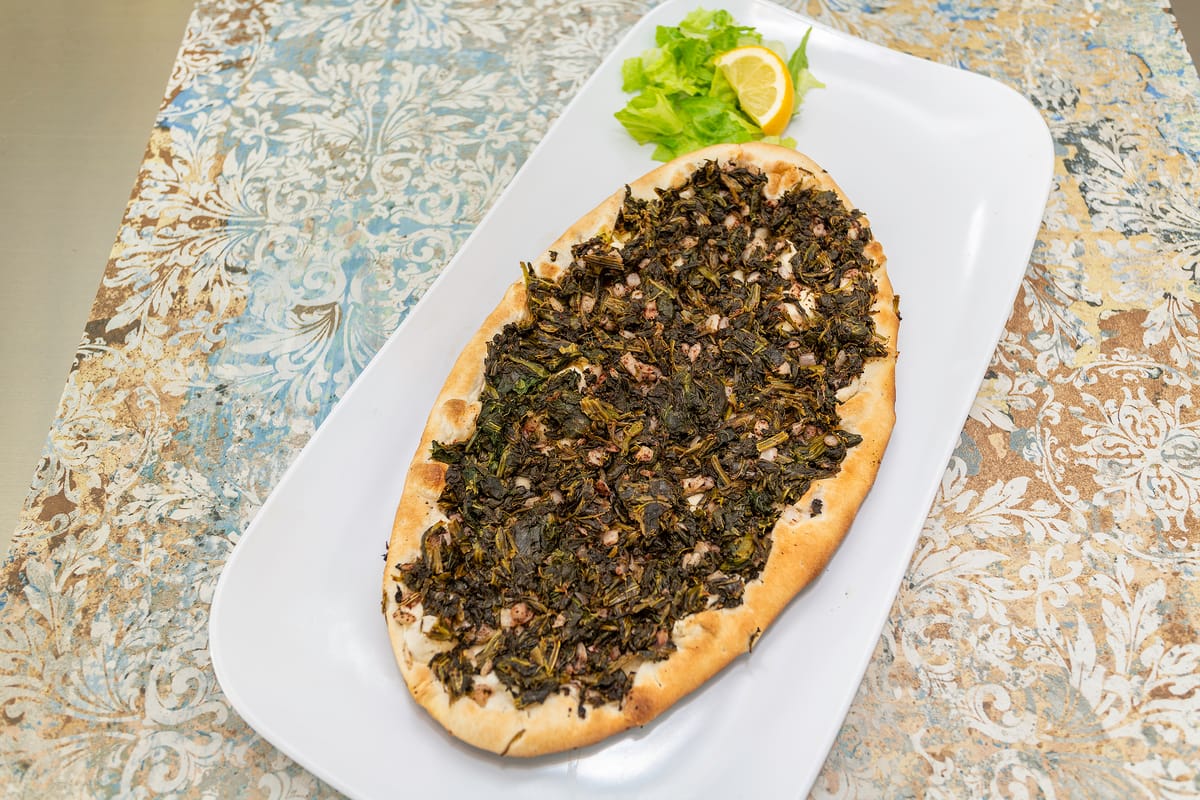
What Is Fattoush? The Lebanese Bread Salad
Fattoush is a traditional Lebanese salad built around toasted pita bread, fresh vegetables, and a tart sumac dressing. It was created to use leftover bread and became one of the most recognized salads in Mediterranean cooking.
4.8 stars on Yelp (92 reviews) -- Open 11:00 AM - 12:00 AM
What Is Fattoush?
The Lebanese bread salad that turns yesterday's pita into today's best side dish.
Fattoush is a traditional Levantine bread salad made by tossing toasted or fried pieces of pita bread with chopped romaine lettuce, tomatoes, cucumbers, radishes, fresh parsley, fresh mint, and a dressing of extra-virgin olive oil, fresh lemon juice, crushed garlic, and ground sumac. The word fattoush comes from the Arabic "fatit," meaning crumbled or crushed, referring to the broken pita bread that defines the dish. It originated in the mountain villages of Lebanon as a practical solution for day-old bread that had gone stale and could no longer be eaten on its own.
What makes fattoush different from other salads is the combination of crunchy toasted bread, tart sumac spice, and the requirement to serve it immediately after assembly. The pita chips begin absorbing moisture from the dressing and vegetables within minutes, so fattoush is always prepared at the last possible moment before eating. This freshness imperative is central to the dish's identity. A fattoush that has sat for 30 minutes is a different food entirely -- it loses the texture contrast that makes it work.
Fattoush is served throughout Lebanon, Syria, Jordan, and the wider Levantine diaspora as a side dish, meze course, or light meal. It pairs naturally with grilled meats like shawarma, with falafel, and alongside dips like hummus and baba ghanouj. At Taza Shawarma & Falafel in Falls Church, VA, you can build a meal that captures the same ingredients and flavors with our fresh toppings selection -- including lettuce, tomatoes, cucumbers, pickles, olives, herbs, and olive oil dressing.
Where Did Fattoush Come From?
A peasant dish born from necessity that became a cornerstone of Levantine cuisine.
Fattoush originated in the mountain villages of Lebanon, most likely during the Ottoman period, as a solution to a universal kitchen problem: stale bread. Pita bread, baked fresh each morning in village ovens, would harden by the following day and become difficult to eat on its own. Rather than waste it, cooks would break the stale pita into pieces, fry or toast them in olive oil until crisp, and toss them with whatever vegetables were growing in the garden -- tomatoes, cucumbers, radishes, wild purslane, and herbs. The sumac bush grew wild across the Levantine hillsides, and its dried berries were ground into a powder that served as a natural souring agent in the days before bottled lemon juice was widely available.
The name "fattoush" derives from the Arabic root "fatt," meaning to crumble or crush bread into small pieces. This same root appears in other Levantine dishes that use bread as an ingredient: fatteh (chickpeas with yogurt and toasted bread), fatte hummus, and fattit makdous (stuffed eggplant with bread). All of these dishes share the principle of transforming leftover bread into a new meal by combining it with fresh ingredients and a flavorful dressing. Fattoush is the salad version of this tradition.
As Lebanese cuisine gained international recognition in the 20th century, fattoush moved from village kitchens to restaurant menus across Beirut, Damascus, and eventually the global Levantine diaspora. Lebanese immigrants brought fattoush to Northern Virginia, Australia, Brazil, West Africa, and the Gulf states. In each location, the salad adapted slightly to available ingredients -- different lettuce varieties, different bread textures -- but the core formula of bread, vegetables, sumac, and olive oil remained constant.
Today, fattoush appears on menus at Mediterranean restaurants worldwide and has been featured in cookbooks by Yotam Ottolenghi, Claudia Roden, and Anissa Helou. It remains, at its heart, a peasant dish -- simple, seasonal, and built from ingredients that cost almost nothing. That simplicity is its strength. A salad that requires no expensive ingredients, no advanced technique, and no equipment beyond a bowl and a knife has a durability that trendy dishes cannot match. Five hundred years from now, people will still be making fattoush.
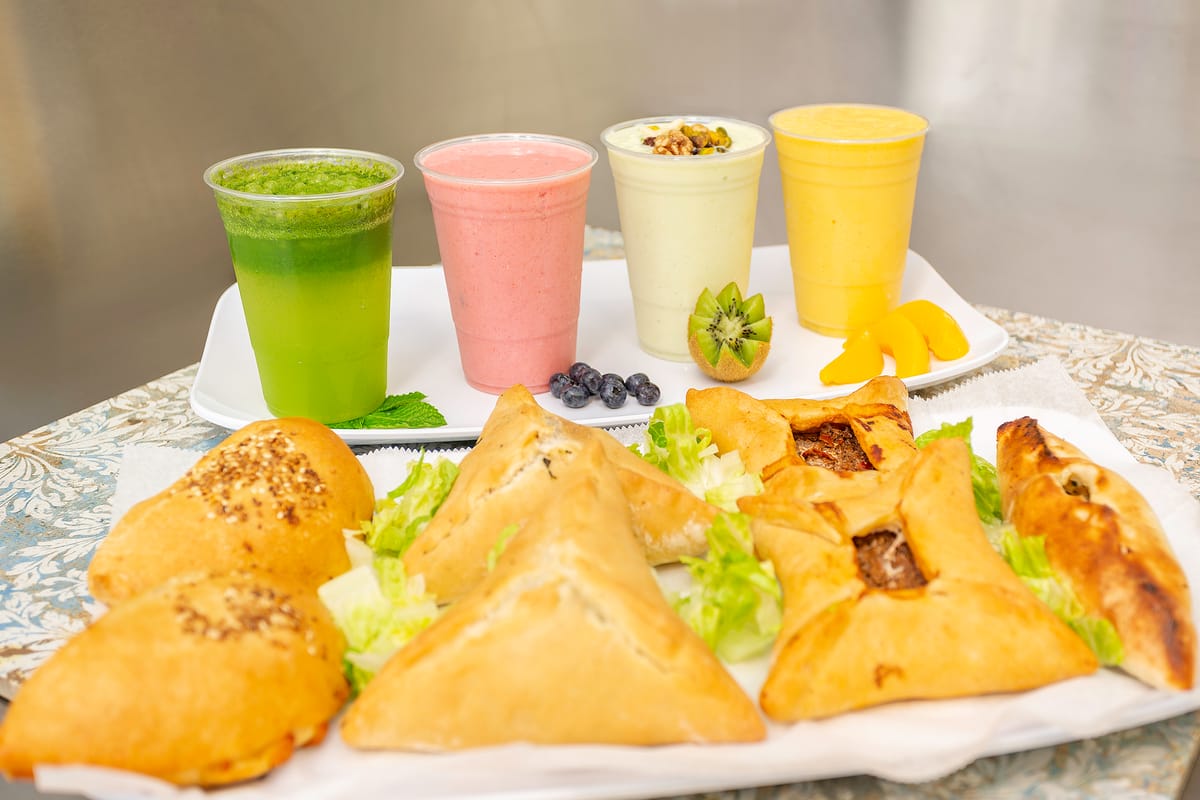
Fresh Ingredients, Assembled to Order
The best fattoush is made seconds before it reaches the table. Freshness is non-negotiable.
What Goes Into Fattoush?
Six essential components that define the Lebanese bread salad.
Toasted or Fried Pita Bread
The defining ingredient that separates fattoush from every other salad in the Mediterranean tradition. Stale or day-old pita bread is torn into small pieces and either deep-fried until golden and crunchy or baked in the oven with olive oil until crisp. These bread chips absorb the dressing without turning soggy for roughly 15 to 20 minutes after tossing, which is why fattoush is always assembled right before serving. The texture contrast between crunchy bread and soft vegetables is the entire point of the dish.
Romaine Lettuce and Purslane
The green base of fattoush relies on romaine lettuce for crunch and, in traditional recipes, purslane (a slightly sour leafy green common in Levantine gardens). Romaine provides volume, water content, and a mild flavor that does not compete with the dressing. Purslane adds a subtle lemony tang and is one of the richest plant sources of omega-3 fatty acids. In Northern Virginia, romaine is widely available year-round, while purslane appears at farmers markets in summer months.
Tomatoes, Cucumbers, and Radishes
These three vegetables form the core of the fattoush salad bowl. Ripe tomatoes contribute acidity and sweetness. Persian or English cucumbers add water content and snap. Red radishes provide peppery heat and a satisfying crunch. All three are cut into bite-sized pieces -- not diced fine like tabbouleh -- so each vegetable retains its individual identity in the salad. The size of the cuts matters: too small and the salad becomes watery; too large and the dressing cannot coat evenly.
Sumac and Dried Mint
Sumac is the spice that gives fattoush its signature tart, fruity flavor. Ground from dried sumac berries, it tastes like concentrated lemon with a slightly floral finish. Sumac is sprinkled generously over the finished salad and mixed into the dressing. Dried mint adds an herbal note that complements the sumac's acidity. Together, these two seasonings create the flavor profile that makes fattoush immediately recognizable -- sour, herbal, and sharp, distinct from the parsley-heavy flavor of tabbouleh.
Extra-Virgin Olive Oil and Lemon Dressing
The fattoush dressing is simple: extra-virgin olive oil, fresh lemon juice, crushed garlic, salt, and ground sumac. There is no vinegar in a traditional fattoush dressing -- the acidity comes entirely from lemon and sumac. The ratio is roughly three parts olive oil to one part lemon juice, with a full teaspoon of sumac per serving. The dressing is whisked by hand and poured over the salad immediately before serving. The olive oil coats the vegetables and bread, while the lemon and sumac provide brightness.
Fresh Herbs: Parsley and Mint
Flat-leaf parsley and fresh mint leaves are torn (not chopped) and folded into the salad just before the dressing goes on. The parsley adds a clean, grassy flavor and visual contrast. The fresh mint echoes the dried mint in the dressing but with a brighter, more aromatic quality. In Lebanon, the herb-to-lettuce ratio in fattoush is higher than most Americans expect -- herbs are not a garnish but a primary ingredient, sometimes making up 20 to 25 percent of the green volume in the bowl.
How Is Fattoush Made? Step by Step
Six steps from stale bread to finished salad. The entire process takes about 15 minutes.
Prepare the pita
Split day-old pita bread into its two layers and tear or cut into roughly 1-inch irregular pieces. The bread can be deep-fried in vegetable oil until golden brown (about 2 minutes per side) or baked in a 400-degree oven with a drizzle of olive oil for 8 to 10 minutes. Fried pita is richer and stays crunchy longer; baked pita is lighter and absorbs less oil. Both methods work. Set the prepared chips aside to cool and crisp further while you prepare the vegetables.
Cut the vegetables
Chop romaine lettuce into 1-inch ribbons. Cut tomatoes into wedges or large dice. Slice cucumbers into half-moons about a quarter-inch thick. Halve radishes and slice thinly. Dice a small white or red onion. Slice green onions (scallions) into thin rings. The key principle is uniformity -- every piece should be roughly bite-sized so the dressing coats everything evenly. Do not mince or finely dice; fattoush is a chunky salad, not a relish.
Make the dressing
In a small bowl, whisk together a quarter cup of extra-virgin olive oil, the juice of one large lemon (about 3 tablespoons), one clove of crushed garlic, one teaspoon of ground sumac, half a teaspoon of salt, and a quarter teaspoon of dried mint. Taste and adjust the lemon-to-oil balance. The dressing should taste noticeably tart -- the vegetables and bread will absorb and mellow the acidity. Do not add vinegar; traditional fattoush dressing gets all its acid from lemon and sumac.
Tear the herbs
Pull flat-leaf parsley leaves from their stems and tear into rough pieces. Do the same with fresh mint leaves. Tearing rather than chopping preserves the cell structure and prevents the herbs from bruising and turning dark. You want about half a cup of parsley and a quarter cup of mint for a salad serving four people. The herbs are a primary ingredient, not a garnish -- use them generously.
Assemble and toss
Combine the lettuce, tomatoes, cucumbers, radishes, onion, and herbs in a large bowl. Pour the dressing over the vegetables and toss thoroughly with your hands or tongs. Add the toasted pita chips last and toss gently one more time. The bread should be coated in dressing but not buried under wet vegetables. Sprinkle an additional teaspoon of ground sumac over the top. Serve immediately -- within 10 to 15 minutes, the pita chips will begin to soften and the salad loses its defining texture.
Serve alongside protein
Fattoush is traditionally served as part of a larger spread, not as a standalone meal. It pairs naturally with grilled meats like chicken shawarma, with falafel, or alongside hummus and pita. At Taza Shawarma & Falafel in Falls Church, you can pair salad with a chicken shawarma bowl (from from $12.45) or a falafel pita (from from $8.95). The tartness of the fattoush dressing cuts through the richness of grilled meats and tahini sauces, which is why the combination works so well.
Fattoush vs. Tabbouleh: What Is the Difference?
Both are Levantine salads, but they differ in ingredients, texture, and preparation.
| Category | Fattoush | Tabbouleh |
|---|---|---|
| Primary Grain/Bread | Fried or toasted pita chips | Fine bulgur wheat |
| Main Green | Romaine lettuce, purslane | Flat-leaf parsley (dominant ingredient) |
| Key Spice | Sumac (tart, fruity) | None -- relies on lemon and herbs |
| Texture | Crunchy from bread, crisp from vegetables | Soft, grain-heavy, finely chopped |
| Dressing | Olive oil + lemon + sumac + garlic | Olive oil + lemon juice |
| Serving Timing | Must be served immediately (bread softens) | Improves after 30 minutes of resting |
| Origin | Lebanon, Syria -- born from leftover bread | Lebanon, Syria -- originally an herb salad |
| Calorie Range (per serving) | 180-250 calories | 150-200 calories |
The simplest way to remember the difference: fattoush has bread, tabbouleh has bulgur. Fattoush is crunchy, tabbouleh is soft. Both belong on a Mediterranean table, and both pair well with grilled meats, falafel, and hummus.
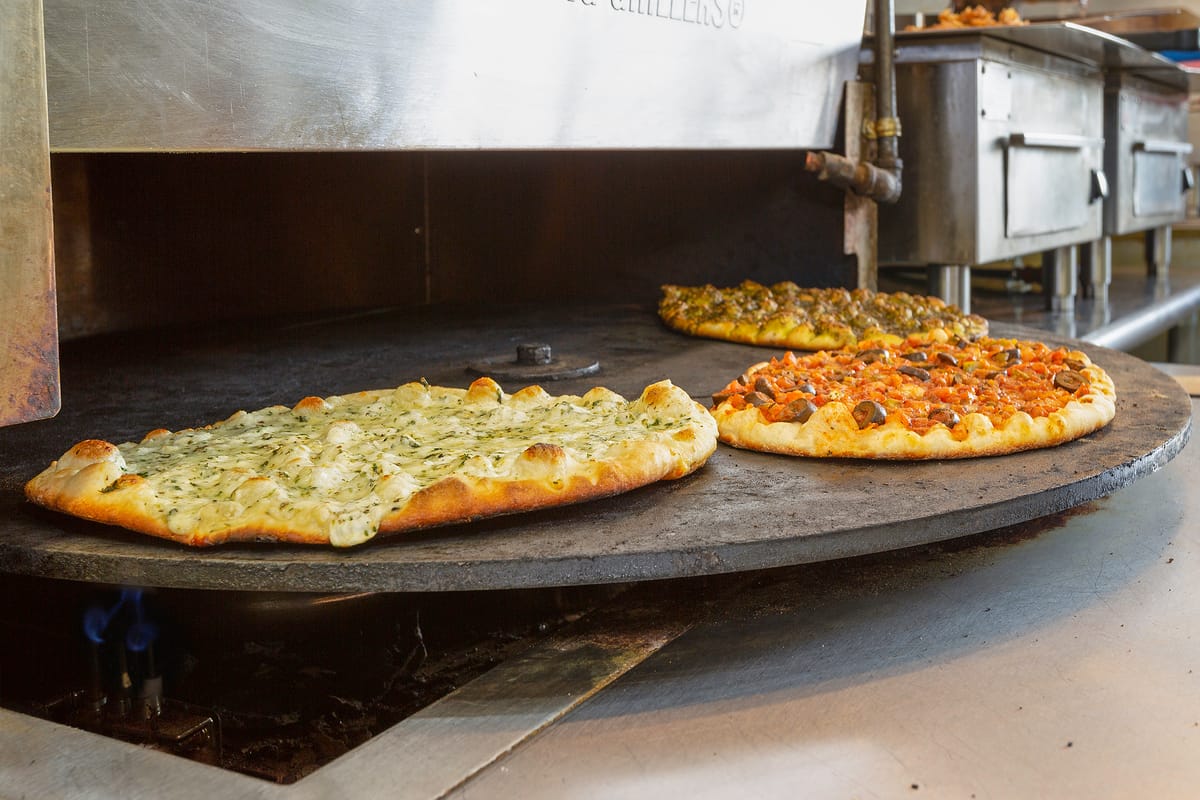
Sumac: The Defining Spice
Ground sumac berries give fattoush its signature tart flavor -- like lemon, but deeper and more complex.
What Is Sumac and Why Does It Matter?
The tart, fruity spice that gives fattoush its signature flavor cannot be replaced or substituted.
Sumac is a spice made from the dried and ground berries of the Rhus coriaria shrub, which grows wild across the Mediterranean, Middle East, and parts of Central Asia. The berries are harvested in late summer, dried in clusters, then separated and ground into a coarse, deep red-purple powder. The flavor is intensely tart -- similar to lemon juice but with a fruitier, more complex character that includes hints of berry, apple, and mild earthiness. It has no heat, no bitterness, and no sweetness. It is pure, concentrated acidity.
In Levantine cooking, sumac functions the way lemon juice or vinegar functions in Western cooking -- as an acidifier that brightens dishes and cuts through richness. It appears on grilled meats, in salad dressings, sprinkled over hummus, mixed into rice, and folded into onion salads. Fattoush is the dish most closely associated with sumac because the spice appears in both the dressing (mixed with olive oil and lemon) and as a finishing garnish (sprinkled over the top just before serving). Without sumac, fattoush tastes like a generic green salad with croutons. With sumac, it tastes like fattoush.
Beyond flavor, sumac has documented health benefits. The USDA's ORAC (Oxygen Radical Absorbance Capacity) database ranks sumac as one of the most antioxidant-dense spices tested, with an ORAC value higher than cinnamon, oregano, and turmeric. Studies published in the Journal of Medicinal Food have shown that sumac extract has anti-inflammatory, antimicrobial, and blood-sugar- lowering properties. While you would need to consume sumac regularly and in meaningful quantities to see these effects, the spice contributes to the overall antioxidant profile of the Mediterranean diet.
To buy sumac in Northern Virginia, visit any Middle Eastern grocery store on Route 7 or Columbia Pike. Look for bags of coarse, deep red powder labeled "ground sumac" or "sumac berries." High-quality sumac should be deep red (not brown or pale pink), slightly moist to the touch, and intensely sour when tasted. Store it in a cool, dark place and use within six months for maximum potency. Once you have sumac in your kitchen, you will start adding it to everything -- salads, grilled chicken, roasted vegetables, even avocado toast.
What Are the Nutritional Benefits of Fattoush?
A low-calorie, nutrient-dense salad that delivers antioxidants, fiber, and healthy fats.
Low Calorie, High Volume
A full serving of fattoush contains roughly 180 to 250 calories, depending on the amount of olive oil and pita. The volume comes from water-rich vegetables -- cucumbers and tomatoes are more than 90 percent water -- which means you can eat a large, filling bowl without consuming excess calories. This makes fattoush an effective side dish for weight-conscious diners.
Rich in Antioxidants
Sumac is one of the most antioxidant-dense spices tested by the USDA, ranking higher than cinnamon and oregano. The combination of sumac, olive oil polyphenols, and vitamin C from lemon juice creates a concentrated antioxidant profile that supports cellular health and reduces oxidative stress.
Source of Dietary Fiber
Romaine lettuce, tomatoes, radishes, and fresh herbs contribute 4 to 6 grams of dietary fiber per serving. Fiber supports digestive health, promotes feelings of fullness, and feeds beneficial gut bacteria. The whole-wheat pita chips add additional fiber compared to refined white bread options.
Heart-Healthy Fats
The olive oil dressing provides monounsaturated fatty acids, the same heart-protective fats that make the Mediterranean diet effective at reducing cardiovascular disease. A single serving of fattoush dressing delivers about 14 grams of fat, the majority of it monounsaturated. This fat also improves the absorption of fat-soluble vitamins A, D, E, and K from the vegetables.
How to Eat Fattoush Like a Local
Tips from the Levantine table that change how you experience this salad.
Eat it immediately after tossing
Fattoush is not a make-ahead salad. In Lebanon, the cook announces when fattoush is ready, and everyone sits down within minutes. The pita chips should be audibly crunchy when you take your first bite. If the bread is soft, the fattoush has been sitting too long. This urgency is part of the dish's charm -- it forces everyone to the table at the same time.
Serve it as a side, not a main
Fattoush is traditionally one dish among many on a shared table. It sits alongside hummus, grilled meats, pickles, olives, and bread. Eating fattoush alone as a meal is like eating a side salad as dinner -- possible, but not how the dish was designed. The best way to experience fattoush is as part of a Mediterranean spread.
Add extra sumac at the table
In Levantine households, a small bowl of ground sumac sits on the table alongside salt and pepper. Diners sprinkle additional sumac on their portion to taste, the same way Americans might add salt. If you are making fattoush at home, put the sumac jar on the table and let people adjust their own tartness level.
Use your hands (or bread)
Traditional fattoush eating does not require a fork. You can scoop the salad with additional pita bread, using the bread as both utensil and plate. In casual settings, eating with your hands is not just acceptable -- it is the standard. The combination of fresh salad scooped onto warm bread is a textural experience that a fork cannot replicate.
Pair with something rich
The tart sumac dressing is designed to cut through rich, fatty foods. Fattoush is at its best when eaten alongside something heavy: tahini sauce, hummus, grilled lamb, or a chicken shawarma loaded with garlic mayo. The contrast between the bright acidity of the salad and the richness of the protein is what makes Mediterranean meals so satisfying.
Save the bread juice for last
As you eat through the salad, the dressing pools at the bottom of the bowl and softened pita pieces sink to the base. The mixture at the bottom -- a concentrated blend of olive oil, lemon, sumac, and bread-soaked vegetable juices -- is considered the best part of the dish by many Levantine eaters. Scoop it with fresh pita or drink it directly. Do not leave it behind.
How Does Fattoush Vary Across the Region?
The same core salad, adapted to local ingredients and preferences in three countries.
Lebanon (Mount Lebanon)
The origin point of fattoush. Lebanese versions emphasize sumac heavily, use purslane when available, and fry the pita in olive oil rather than vegetable oil. The dressing is simple: olive oil, lemon, garlic, sumac, salt. No vinegar, no pomegranate molasses, no yogurt. The bread-to-vegetable ratio is balanced, and the salad is assembled seconds before reaching the table. In mountain villages, fattoush is a breakfast dish served alongside labneh, olives, and zaatar bread.
Syria (Damascus, Aleppo)
Syrian fattoush tends to include more herbs and sometimes adds pomegranate seeds or a splash of pomegranate molasses to the dressing for extra tartness. Aleppo-style fattoush may include green bell pepper strips and a heavier hand with mint. The bread is often baked rather than fried, reflecting a lighter cooking tradition. In Damascus, fattoush is commonly served in the evening as part of a meze spread before the main course.
Jordan (Amman, Petra region)
Jordanian fattoush is similar to the Lebanese original but sometimes incorporates local ingredients like za'atar leaves (fresh thyme) or a drizzle of jameed-based dressing (dried yogurt reconstituted with water). The bread component may use taboon bread -- a thicker, chewier flatbread baked in a clay oven -- instead of pita, which gives the salad a more substantial, rustic texture. Green onions are used more prominently than white onions.
Despite regional variations, the fundamentals remain constant across all versions: toasted bread, fresh vegetables, sumac, olive oil, and lemon. The dish adapts to local ingredients without losing its identity.
What Should You Serve with Fattoush?
Traditional and modern pairings that complement the tart, crunchy profile of fattoush.
Fattoush is a side dish, not a main course. Its tart sumac dressing and crunchy texture are designed to contrast with richer, heavier foods on the table. The traditional Levantine pairing is grilled meat -- chicken shawarma, beef shawarma, lamb kebabs, or kafta -- served with rice, hummus, and flatbread. The acidity of the fattoush cuts through the fat of the grilled meat, while the bread chips add crunch that soft rice and hummus do not provide. This contrast of textures and flavors is central to the Mediterranean meal structure.
At Taza Shawarma & Falafel, the most natural pairing is a chicken or beef shawarma bowl (from from $12.45) alongside fresh vegetables from our toppings selection. The shawarma provides protein and warm, spiced meat; the vegetables provide the freshness and crunch that fattoush delivers in a traditional spread. You can also pair falafel (from from $8.95 in pita) with fresh salad -- the crispy falafel and the tangy dressing create a complementary combination of textures and flavors.
Other strong pairings include hummus ($4.95) with extra pita bread for dipping, labneh ($4.95) as a cool, tangy counterpoint, and zaatar manaeesh ($6.95) -- the thyme and sesame flavors of zaatar echo the herbal notes of the fattoush herbs. A complete Mediterranean spread at Taza might include shawarma, hummus, labneh, and a side of rice, all accompanied by fresh vegetables and herbs that capture the spirit of fattoush.
Avoid pairing fattoush with other acidic or tart dishes -- you do not want competing sour notes on the same table. It also does not pair well with heavy, cream-based sauces that overpower the delicate olive oil and lemon dressing. The best companions for fattoush are foods that are either rich and savory (grilled meats, hummus, tahini) or neutral and starchy (rice, bread), allowing the fattoush to provide the brightness and freshness that balances the meal.
Can You Make Fattoush at Home?
Yes -- and it is one of the easiest Levantine dishes to prepare in an American kitchen.
Fattoush requires no specialized equipment, no advanced technique, and no ingredients that are difficult to find in Northern Virginia. You need pita bread (any brand), romaine lettuce, tomatoes, cucumbers, radishes, fresh parsley, fresh mint, a lemon, garlic, extra-virgin olive oil, and ground sumac. All of these are available at standard grocery stores. Sumac is stocked at Middle Eastern grocery stores throughout Falls Church, Annandale, and Fairfax, and can also be ordered online from Amazon or specialty spice retailers.
The total preparation time is about 15 minutes. The most time-consuming step is toasting or frying the pita bread, which takes 5 to 8 minutes. Chopping the vegetables takes another 5 minutes. Making the dressing takes 2 minutes. The critical rule is timing: do not assemble the salad until everyone is seated and ready to eat. The pita chips begin absorbing moisture the moment they touch the dressing, and a fattoush that sits for more than 10 to 15 minutes loses the textural contrast that makes the dish work.
If you prefer someone else to handle the preparation, Taza Shawarma & Falafel in Falls Church builds every bowl and pita with fresh-cut vegetables, olive oil dressing, and herbs from the 14-topping selection. While fattoush as a standalone dish is not listed as a separate menu item, you can build a fattoush-inspired meal by ordering a falafel bowl (from from $10.45) with extra vegetables, herbs, and olive oil dressing. The ingredients are the same -- lettuce, tomatoes, cucumbers, herbs, olive oil -- assembled to your specifications.
Fattoush Questions & Answers
Fattoush is a traditional Lebanese bread salad made from toasted or fried pita chips tossed with chopped romaine lettuce, tomatoes, cucumbers, radishes, fresh herbs (parsley and mint), and a dressing of olive oil, lemon juice, garlic, and ground sumac. The name comes from the Arabic word 'fatit,' meaning 'crumbled' or 'crushed,' referring to the broken pieces of bread. Fattoush was originally created as a way to use leftover stale pita bread, transforming it into a full salad by combining it with whatever vegetables were available from the garden. It is served throughout Lebanon, Syria, and Jordan as a side dish or meze course.
Fattoush and tabbouleh are both Levantine salads, but they are fundamentally different dishes. Fattoush uses toasted pita bread as its starch component and relies on romaine lettuce as its green base, with sumac as the defining spice. Tabbouleh uses fine bulgur wheat as its grain and features flat-leaf parsley as the dominant ingredient -- in an authentic tabbouleh, parsley makes up 60 to 70 percent of the volume, with bulgur as a minor component. The textures are also different: fattoush is crunchy from the pita chips, while tabbouleh is soft and grain-heavy. Both are dressed with olive oil and lemon, but only fattoush includes sumac.
Fattoush is a nutritious salad that fits well within a Mediterranean diet. A typical serving contains 180 to 250 calories, with most of the calories coming from heart-healthy olive oil and the pita bread. The salad provides dietary fiber from vegetables, antioxidants from sumac and olive oil, vitamin C from lemon juice and tomatoes, and vitamin K from romaine lettuce and herbs. The dressing's olive oil also helps your body absorb fat-soluble vitamins from the vegetables. For a lower-calorie version, use baked pita chips instead of fried and reduce the olive oil slightly.
The vegetables and dressing can be prepared ahead of time and stored separately in the refrigerator for up to 24 hours. However, the pita chips must be added just before serving. Once the toasted bread contacts the dressing and wet vegetables, it begins to absorb moisture and softens within 10 to 15 minutes. This is the main reason fattoush is always assembled at the last moment. If you are bringing fattoush to a gathering, transport the components in separate containers and toss everything together on site.
Sumac tastes like concentrated lemon with a slightly fruity, berry-like finish. It is tart without being sour, and it has none of the bitterness that raw lemon zest can carry. The texture is a fine powder, deep red-purple in color, ground from the dried berries of the sumac shrub. In Levantine cooking, sumac is used wherever you might use lemon or vinegar in Western cooking -- as a finishing seasoning on salads, grilled meats, hummus, and rice. You can find ground sumac at Middle Eastern grocery stores or order it online. Once opened, it keeps its potency for about six months.
Taza Shawarma & Falafel at 5820 Seminary Rd Ste O, Falls Church, VA 22041 serves authentic Levantine cuisine in Falls Church, VA. While fattoush is a traditional salad commonly offered at Levantine restaurants, you can build a fattoush-inspired meal at Taza by ordering a falafel bowl (from from $10.45) or chicken shawarma bowl (from from $12.45) loaded with fresh vegetables, herbs, and olive oil dressing from the 14-topping selection. Taza is open 11:00 AM - 12:00 AM, Open 7 Days a Week. Call (703) 340-1014 or order online.
Fresh Levantine Food in Falls Church, VA
Taza Shawarma & Falafel serves authentic Levantine cuisine with fresh-cut vegetables and Mediterranean ingredients.
Address
5820 Seminary Rd Ste O, Falls Church, VA 22041
Hours
11:00 AM - 12:00 AM -- Open 7 Days a Week
Phone
Every Ingredient, Cut Fresh Daily
At Taza, vegetables are sliced each morning, meats are spit-roasted throughout the day, and every order is assembled to your specifications. Fourteen toppings, no extra charge.