Health Benefits of the Mediterranean Diet
The Mediterranean diet is the most studied eating pattern in nutrition science. Here are 10 health benefits supported by clinical research -- and how to get them at your next meal.
4.8 stars on Yelp (92 reviews) -- Open 11:00 AM - 12:00 AM
What Is the Mediterranean Diet?
An eating pattern rooted in centuries of tradition, now backed by decades of clinical science.
The Mediterranean diet is an eating pattern based on the traditional foods and cooking methods of countries bordering the Mediterranean Sea, including Lebanon, Greece, Italy, Spain, and Turkey. It was first identified as a distinct dietary pattern by American physiologist Ancel Keys in the 1950s, when he observed that populations in southern Europe had dramatically lower rates of heart disease than Americans despite consuming similar amounts of fat. The difference was the type of fat: olive oil and tahini instead of butter and lard.
At its core, the Mediterranean diet emphasizes vegetables, fruits, whole grains, legumes (especially chickpeas and lentils), nuts, seeds, and olive oil. Lean proteins like chicken and fish are consumed several times per week, while red meat and sweets are eaten sparingly. Meals are built around plants and healthy fats rather than processed foods and refined sugar. The diet also values how you eat -- shared meals, slower pacing, and fresh ingredients prepared simply.
Since the 1990s, the Mediterranean diet has been the subject of over 4,000 peer-reviewed studies. It has been linked to reduced risk of heart disease, stroke, type 2 diabetes, Alzheimer's disease, and certain cancers. The U.S. News & World Report has ranked it the number one overall diet for seven consecutive years. The American Heart Association, the American Diabetes Association, and the World Health Organization all recommend it.
At Taza Shawarma & Falafel in Falls Church, VA, the entire menu is built on Mediterranean diet principles. Proteins are spit-roasted rather than fried. Falafel is made from chickpeas, a legume cornerstone of the diet. Hummus, baba ghanouj, and labneh provide healthy fats from tahini, olive oil, and strained yogurt. Every meal you order at Taza aligns with the eating pattern that research has identified as one of the healthiest on earth.
The Four Pillars of Mediterranean Eating
Every Mediterranean meal is built on these four nutritional foundations.
Healthy Fats Over Processed Fats
The Mediterranean diet replaces butter, margarine, and vegetable oil with olive oil, tahini, and nut-based fats. These monounsaturated and polyunsaturated fats lower LDL cholesterol, reduce inflammation, and support nutrient absorption. At Taza, olive oil is used in cooking, dressing, and finishing. Tahini appears in hummus, baba ghanouj, and as a standalone sauce. Every meal delivers fats that protect your cardiovascular system rather than damage it.
Plant Protein Alongside Animal Protein
Mediterranean cooking does not eliminate meat -- it balances it with plant-based protein sources. Chickpeas, lentils, fava beans, and nuts provide protein, fiber, and micronutrients without the saturated fat found in red meat. At Taza, falafel (ground chickpeas) and hummus appear alongside chicken and beef shawarma. You can build a complete meal that is entirely plant-based, entirely meat-based, or a combination of both, depending on your nutritional goals.
Whole Grains Over Refined Grains
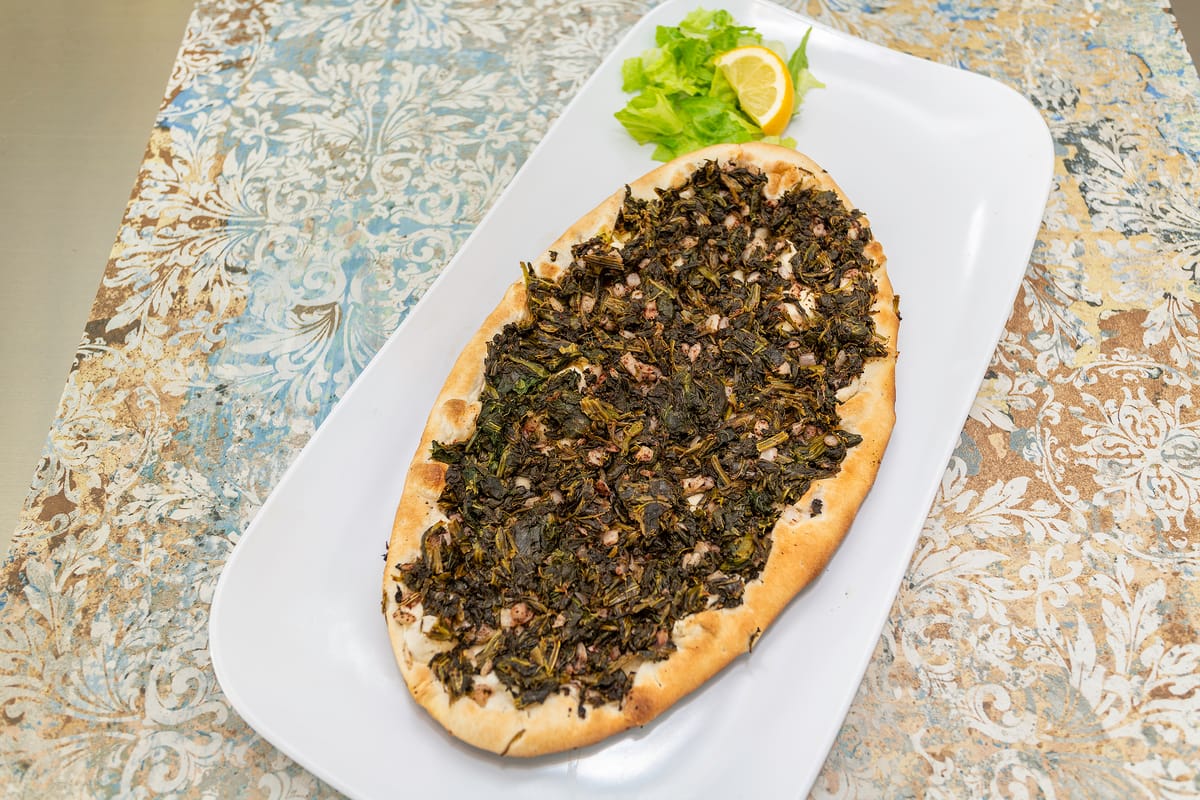
Mediterranean bread is not the same as American sandwich bread. Pita, shrak flatbread, and manaeesh are made from simpler dough with fewer additives, and they are eaten in moderate portions alongside protein and vegetables rather than as the centerpiece of the meal. Basmati rice, bulgur wheat, and freekeh provide whole-grain options with lower glycemic impact than white rice or pasta. At Taza, you can also eliminate grains entirely by choosing a bowl with a greens or hummus base.
Fresh Vegetables at Every Meal
The average Mediterranean diet includes 6 to 8 servings of vegetables daily, compared to 1 to 2 in the standard American diet. Vegetables are eaten raw in salads, roasted as sides, blended into dips, and layered into sandwiches. At Taza, every pita, wrap, and bowl comes with your choice from 14 fresh toppings -- lettuce, tomatoes, cucumbers, pickles, olives, mint, parsley, and more -- all included at no extra charge. A single meal can deliver 3 to 4 vegetable servings without effort.
14 Fresh Toppings
Every pita, wrap, and bowl comes with your choice of vegetables, herbs, pickles, and sauces -- all included.
10 Proven Health Benefits of the Mediterranean Diet
Each benefit below is supported by peer-reviewed clinical research.
How Does the Mediterranean Diet Support Heart Health?
The Mediterranean diet reduces cardiovascular disease risk by up to 30 percent, according to the landmark PREDIMED clinical trial published in the New England Journal of Medicine. The mechanism is straightforward: olive oil and tahini provide monounsaturated fats that lower LDL cholesterol without reducing HDL cholesterol. Chickpeas and lentils supply soluble fiber that binds to cholesterol in the digestive tract and removes it from the body. Garlic, used heavily in Mediterranean cooking, contains allicin, a compound shown to reduce blood pressure. At Taza in Falls Church, dishes like the chicken shawarma bowl and falafel pita deliver these heart-protective ingredients in every meal.
Can the Mediterranean Diet Help with Weight Management?
The Mediterranean diet supports long-term weight management without calorie counting or food restriction. A 2020 meta-analysis in the British Medical Journal found that Mediterranean diet adherents maintained healthy body weight more consistently than those following low-fat or low-carb diets over five years. The reason is satiety: meals built around chickpeas, olive oil, whole grains, and grilled protein keep you full for hours. A falafel bowl at Taza provides roughly 25 grams of plant protein and 12 grams of fiber from chickpeas alone, which slows digestion and prevents the blood sugar spikes that trigger hunger. You eat until satisfied, not until restricted.
How Does Mediterranean Food Improve Gut Health?
Mediterranean eating patterns promote a diverse gut microbiome, which research increasingly links to overall health. A 2020 study in the journal Gut found that 12 months on a Mediterranean diet increased beneficial bacteria species associated with reduced inflammation and improved metabolic health. The key drivers are fermented foods like labneh (strained yogurt), high-fiber legumes like chickpeas, and polyphenol-rich olive oil. These foods feed beneficial gut bacteria while crowding out harmful strains. Taza's labneh side dish provides live probiotic cultures alongside prebiotic fiber from fresh vegetables, giving your gut both the bacteria it needs and the fuel to sustain them.
Does Mediterranean Food Protect Brain Function?
Multiple longitudinal studies show that strict adherence to a Mediterranean diet slows cognitive decline and reduces dementia risk by 20 to 35 percent. The MIND diet, a hybrid of Mediterranean and DASH diets, was specifically developed by Rush University researchers to target brain health. The protective effect comes from anti-inflammatory compounds in olive oil, omega-3 fatty acids from nuts and seeds, and antioxidants from leafy greens and herbs. Zaatar, the thyme-and-sesame blend used at Taza on manaeesh flatbreads, contains carvacrol and thymol, compounds with documented neuroprotective properties. Regular consumption of these foods builds cumulative cognitive protection over years.
How Does Mediterranean Eating Reduce Inflammation?
Chronic inflammation is a root cause of heart disease, type 2 diabetes, arthritis, and certain cancers. The Mediterranean diet directly counteracts inflammation through multiple pathways. Extra-virgin olive oil contains oleocanthal, a compound with anti-inflammatory effects comparable to ibuprofen. Turmeric and cumin, staples of Mediterranean and Levantine spice blends, contain curcumin and cymaldehyde, both potent anti-inflammatory agents. Fresh parsley, mint, and sumac -- standard garnishes on dishes like shawarma and falafel -- deliver concentrated polyphenols. A single meal at Taza containing hummus, grilled chicken, and fresh herbs provides more anti-inflammatory compounds than an entire day of typical processed food.
Can Mediterranean Food Help Control Blood Sugar?
The Mediterranean diet consistently outperforms standard dietary guidelines for blood sugar control. A 2014 meta-analysis in Diabetologia found that Mediterranean diet adherence reduced the risk of developing type 2 diabetes by 23 percent. The mechanism centers on glycemic load: chickpea-based dishes like hummus and falafel have a low glycemic index, meaning they release glucose slowly into the bloodstream. Tahini adds healthy fats that further slow glucose absorption. At Taza, a falafel bowl over rice with hummus and vegetables delivers sustained energy without the blood sugar spikes that come from refined carbohydrates and added sugars found in most fast food.
Does the Mediterranean Diet Strengthen Bones?
Bone health depends on calcium, vitamin D, magnesium, and vitamin K -- all of which are abundant in Mediterranean cuisine. Labneh and yogurt-based sauces provide calcium in a highly bioavailable form. Leafy greens like spinach and parsley supply vitamin K, which directs calcium into bone tissue rather than arterial walls. Tahini is one of the richest non-dairy sources of calcium on earth, delivering approximately 130 milligrams per two tablespoons. A 2018 study in JAMA Internal Medicine found that Mediterranean diet adherents had 20 percent fewer hip fractures than those on standard diets. At Taza, ordering spinach pie with a side of hummus and tahini creates a calcium-rich meal without any dairy supplements.
Is the Mediterranean Diet Linked to Longevity?
The five regions of the world with the highest concentration of people living past 100 -- the Blue Zones -- all follow eating patterns that closely resemble the Mediterranean diet. Ikaria, Greece and Sardinia, Italy are two of these zones. A 2018 meta-analysis in the British Journal of Nutrition found that high adherence to a Mediterranean diet reduced all-cause mortality by 8 percent. The diet's combination of anti-inflammatory foods, healthy fats, lean proteins, and minimal processed sugar creates a protective effect that compounds over decades. Every meal matters. The chickpeas in your hummus, the olive oil on your falafel, and the fresh vegetables in your shawarma bowl each contribute to this cumulative benefit.
Can Mediterranean Food Improve Mood and Mental Health?
The gut-brain axis -- the communication pathway between your digestive system and your brain -- means that what you eat directly affects how you feel. A 2019 randomized controlled trial published in PLOS ONE found that participants who switched to a Mediterranean diet reported significant improvements in depression symptoms after just 12 weeks. The likely mechanism involves B vitamins from whole grains and legumes, magnesium from nuts and seeds, and tryptophan from chicken and turkey. These nutrients are precursors to serotonin and dopamine, the neurotransmitters that regulate mood. Taza's chicken shawarma contains all three of these nutrients in a single meal, making Mediterranean eating a practical approach to better mental health.
Does the Mediterranean Diet Reduce Cancer Risk?
The World Health Organization classifies processed meat as a Group 1 carcinogen and red meat as Group 2A. The Mediterranean diet naturally limits both by emphasizing grilled chicken, fish, plant proteins, and legumes. A 2017 systematic review in the International Journal of Cancer found that high adherence to a Mediterranean diet was associated with a 13 percent reduction in overall cancer incidence. The protective factors include lycopene from tomatoes, sulforaphane from cruciferous vegetables, and polyphenols from olive oil and herbs. At Taza, you can build an entirely plant-based meal -- falafel bowl with hummus, vegetables, and tahini -- that delivers concentrated cancer-fighting compounds in a format that actually tastes good.
The Mediterranean Diet Food Pyramid
Eat more from the bottom and less from the top for optimal health.
Occasionally
Red meat and sweets
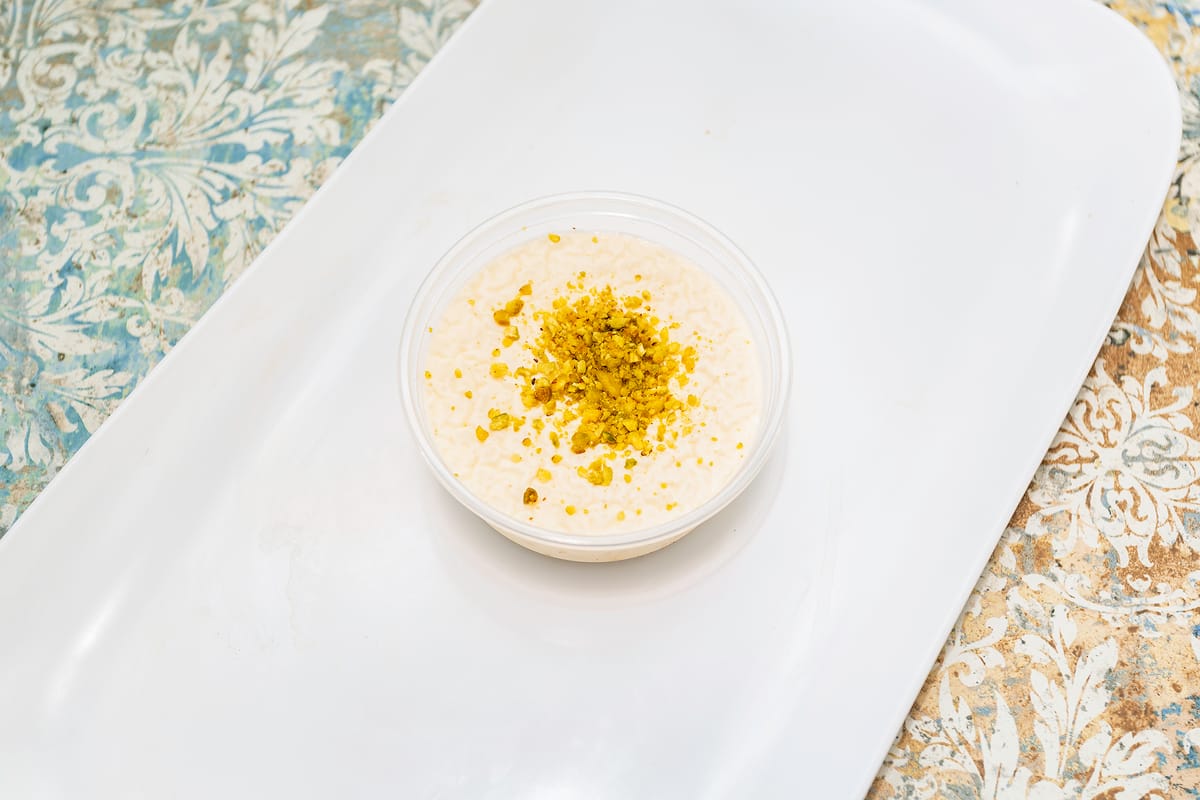
At Taza: Beef shawarma (lean), baklava, rice pudding
Weekly
Fish and seafood
At Taza: Grilled fish, sardines, salmon
Several Times Weekly
Lean poultry, eggs, and cheese
At Taza: Chicken shawarma, cheese manaeesh, spinach and cheese pies
Daily
Legumes, nuts, seeds, yogurt, and fermented foods
At Taza: Chickpeas (hummus, falafel), tahini, labneh, pickled vegetables
Every Meal
Vegetables, fruits, whole grains, olive oil, herbs, and spices
At Taza: Fresh salad, pita bread, basmati rice, zaatar, sumac, parsley, mint
The pyramid reflects eating frequency, not importance. Every tier plays a role. The foundation -- vegetables, grains, olive oil, and herbs -- appears at every meal. Proteins and dairy are consumed regularly but in moderate portions. Red meat and sweets are occasional treats, not daily staples.
What Does the Research Actually Show?
Key clinical trials that established the Mediterranean diet as a medical recommendation.
The strongest evidence for the Mediterranean diet comes from the PREDIMED trial (Prevention with Mediterranean Diet), a randomized controlled trial conducted in Spain from 2003 to 2011 with 7,447 participants at high cardiovascular risk. The trial compared a Mediterranean diet supplemented with extra-virgin olive oil, a Mediterranean diet supplemented with mixed nuts, and a standard low-fat control diet. The results, published in the New England Journal of Medicine in 2013 and republished with corrections in 2018, showed that both Mediterranean diet groups had approximately 30 percent fewer major cardiovascular events (heart attack, stroke, cardiovascular death) than the control group. The trial was stopped early because the benefits were so clear that it was considered unethical to continue withholding the Mediterranean diet from the control group.
The Seven Countries Study, initiated by Ancel Keys in 1958, was the first large-scale research to identify the Mediterranean diet as a distinct health pattern. Keys and his team tracked 12,763 men across seven countries for decades, finding that men in Crete and southern Italy had heart disease rates less than half those of American men, despite consuming roughly 40 percent of their calories from fat. The critical difference was the type of fat: olive oil (monounsaturated) versus butter and lard (saturated). This study laid the groundwork for all subsequent Mediterranean diet research.
More recent research has expanded the evidence beyond heart disease. The SUN (Seguimiento Universidad de Navarra) cohort study, tracking over 22,000 participants since 1999, has linked Mediterranean diet adherence to reduced risk of depression, type 2 diabetes, and metabolic syndrome. The European Prospective Investigation into Cancer and Nutrition (EPIC), with 520,000 participants across 10 European countries, found significant reductions in certain cancers among those following Mediterranean-style diets.
The consistent finding across these studies is that the Mediterranean diet works not through any single nutrient or food, but through the combined effect of an entire eating pattern. Olive oil alone does not explain the results. Vegetables alone do not explain the results. It is the combination of healthy fats, lean proteins, legumes, whole grains, and fresh produce -- eaten together, consistently, over years -- that produces the measurable health benefits. This is why nutritionists increasingly recommend the Mediterranean diet as a whole-diet approach rather than focusing on individual superfoods or supplements.

Healthy Fats, Real Flavor
Olive oil, tahini, and chickpeas form the nutritional backbone of every Mediterranean meal.
How Taza Makes Healthy Eating Easy
Six Mediterranean diet staples from our menu, each delivering specific nutritional benefits.
Mediterranean Diet vs. Standard Western Diet
Side-by-side nutritional comparison of two fundamentally different approaches to eating.
| Category | Mediterranean Diet | Standard Western Diet |
|---|---|---|
| Primary Fats | Olive oil, tahini, nuts, avocado | Butter, margarine, vegetable oil, lard |
| Protein Sources | Grilled chicken, chickpeas, lentils, yogurt | Processed deli meat, hot dogs, frozen patties |
| Grain Type | Whole pita, bulgur, basmati rice | White bread, refined pasta, sugary cereals |
| Vegetable Intake | 6-8 servings daily, raw and cooked | 1-2 servings daily, often fried |
| Sodium Source | Natural spices, herbs, sumac, zaatar | Processed food, canned goods, fast food |
| Sugar Intake | Minimal -- honey, fruit, dates | High -- soda, candy, baked goods, sauces |
| Fiber Content | High -- legumes, whole grains, vegetables | Low -- refined grains, limited produce |
| Heart Disease Risk | Reduced by up to 30% (PREDIMED study) | Leading cause of death in the U.S. |
The differences are structural, not marginal. The Mediterranean diet centers meals around plants, healthy fats, and lean proteins. The standard Western diet centers meals around processed foods, refined grains, and added sugar. At Taza, every menu item falls into the Mediterranean column.
Common Myths About the Mediterranean Diet
Clearing up misconceptions that prevent people from starting.
Myth: "The Mediterranean diet is expensive"
Fact: The core ingredients of the Mediterranean diet -- chickpeas, lentils, rice, vegetables, olive oil, and bread -- are among the cheapest foods in any grocery store. A bag of dried chickpeas costs under $2 and makes enough hummus for a week. A falafel pita at Taza starts at from $8.95, comparable to fast food. The Mediterranean diet becomes expensive only if you focus on premium ingredients like imported cheese, specialty fish, or organic everything. The traditional version was peasant food, eaten by people with very limited budgets.
Myth: "You need to eat fish every day"
Fact: The Mediterranean diet does not require daily fish consumption. Fish is recommended once or twice per week, but the diet is equally effective with chicken, legumes, and plant-based proteins as primary protein sources. In Lebanon, where Taza's cuisine originates, chicken shawarma and falafel are far more common daily proteins than fish. The health benefits come from the overall pattern -- healthy fats, vegetables, whole grains, legumes -- not from any single food.
Myth: "Mediterranean food is bland or boring"
Fact: The Mediterranean spice cabinet includes cumin, cinnamon, cardamom, turmeric, sumac, zaatar, mint, parsley, garlic, and more. These spices create complex, layered flavors that are the opposite of bland. The reason Mediterranean food can taste different from what Americans are used to is that it relies on spices and herbs rather than sugar, salt, and processed flavor enhancers. After a few meals, most people find that Mediterranean flavors are more satisfying and interesting than the food they were eating before.
How to Start Eating Mediterranean Today
You do not need to overhaul your entire kitchen. Start with these five practical shifts.
Replace one cooking fat
Switch from butter or vegetable oil to extra-virgin olive oil for cooking and dressing. This single change shifts your fat intake from saturated and trans fats to monounsaturated fats, which lower LDL cholesterol. Olive oil also contains oleocanthal, an anti-inflammatory compound not found in other cooking oils.
Add one legume meal per week
Swap a burger or processed meal for a chickpea-based dish like falafel, hummus with pita, or a lentil soup. Legumes provide plant protein, fiber, iron, and B vitamins. A falafel pita at Taza (from from $8.95) is a complete meal that delivers all of these in a format that is fast, affordable, and filling.
Double your vegetable portions
Most Americans eat 1 to 2 servings of vegetables per day. The Mediterranean target is 6 to 8. Add vegetables to meals where they are currently absent: a side salad with lunch, extra toppings on your shawarma, or raw vegetables with hummus as an afternoon snack. At Taza, loading up on all 14 toppings adds 2 to 3 vegetable servings to any meal at no cost.
Choose grilled over fried
Mediterranean protein is grilled, roasted, or spit-cooked -- not breaded and deep-fried. This cooking method preserves the nutritional content of the meat while avoiding the trans fats and excess calories that come with frying. Taza's chicken and beef shawarma are slow-roasted on a vertical spit, which renders out excess fat while keeping the meat tender and flavorful.
Eat one Mediterranean meal out each week
The easiest way to learn Mediterranean flavors is to eat them prepared by someone who knows the cuisine. A weekly meal at Taza Shawarma & Falafel in Falls Church introduces you to hummus, zaatar, tahini, sumac, and other Mediterranean ingredients in their proper context. Once you know what they taste like, you can start incorporating them into home cooking.
Why Northern Virginia Is a Great Place for Mediterranean Eating
Geography, demographics, and food culture make this region one of the best in the U.S. for authentic Mediterranean food.
Northern Virginia has one of the largest Middle Eastern and North African diaspora communities in the United States, concentrated along the Route 7 and Route 50 corridors from Falls Church through Fairfax, Annandale, and Centreville. This population density supports dozens of authentic Mediterranean restaurants, Middle Eastern grocery stores, and halal butcher shops. The result is a food landscape where genuine Mediterranean ingredients -- fresh-baked pita, high-quality tahini, real sumac, dried zaatar blends, premium olive oil -- are widely available at both restaurants and retail stores.
For residents looking to follow a Mediterranean diet, this local access matters. You do not need to order specialty ingredients online or settle for Americanized versions of Mediterranean dishes. Restaurants like Taza Shawarma & Falafel on Seminary Road in Falls Church prepare food using the same techniques, ingredients, and recipes found in Levantine kitchens. The chicken is spit-roasted, not grilled on a flat top. The falafel is made from soaked chickpeas, not canned. The hummus is ground fresh with raw tahini, not scooped from a commercial tub.
The convenience factor is significant for diet adherence. Research consistently shows that the biggest barrier to healthy eating is not knowledge but access. When a Mediterranean meal is as fast and affordable as fast food -- and in Falls Church, it is -- the Mediterranean diet stops being an aspirational goal and becomes a practical daily choice. Taza is open 11:00 AM - 12:00 AM, seven days a week, with online ordering for pickup. You can have a complete Mediterranean meal in your hands within 15 minutes of placing an order.
Mediterranean Diet Questions & Answers
The Mediterranean diet is an eating pattern based on the traditional foods of countries bordering the Mediterranean Sea, including Lebanon, Greece, Italy, Spain, and Turkey. It emphasizes vegetables, fruits, whole grains, legumes, nuts, seeds, olive oil, and lean proteins like chicken and fish. It limits processed foods, refined sugar, and red meat. The diet has been studied extensively since the 1950s and is consistently ranked by nutrition researchers as one of the healthiest eating patterns in the world. At Taza Shawarma & Falafel in Falls Church, VA, our entire menu is built on these principles.
Yes. Multiple clinical trials show that the Mediterranean diet supports sustainable weight loss without calorie counting. A 2018 study in the New England Journal of Medicine found that participants on a Mediterranean diet lost more weight and kept it off longer than those on low-fat diets. The key is satiety: meals rich in olive oil, chickpeas, and grilled protein keep you full for hours. A chicken shawarma bowl at Taza (from from $12.45) with a greens base provides 35+ grams of protein with high fiber, making it a filling, lower-calorie option compared to typical fast food.
Every item on the Taza menu follows Mediterranean diet principles. Our proteins are grilled on a vertical spit, not fried. Our falafel is made from ground chickpeas, a legume staple of the Mediterranean diet. Hummus, baba ghanouj, and labneh provide healthy fats from tahini, olive oil, and strained yogurt. Our salads use fresh-cut vegetables dressed with olive oil and lemon. Even our manaeesh flatbreads are topped with zaatar (thyme and sesame) and olive oil rather than processed cheese and meat. The entire menu is halal certified and prepared fresh daily at our Falls Church, VA location.
Hummus is one of the healthiest foods in the Mediterranean diet. Its base ingredient, chickpeas, delivers 7 grams of protein and 6 grams of fiber per half-cup serving. Tahini adds calcium, iron, and magnesium. Olive oil provides heart-healthy monounsaturated fats. Garlic offers allicin, an anti-inflammatory compound. Lemon juice supplies vitamin C. A single serving of hummus at Taza ($4.95) with warm pita bread gives you fiber, protein, healthy fats, and micronutrients in a combination that very few other foods can match.
The Mediterranean diet is specifically designed to be eaten every day -- it is a lifestyle pattern, not a short-term diet. The variety of foods within the Mediterranean framework (vegetables, legumes, grains, lean proteins, healthy fats) provides all the macronutrients and micronutrients your body needs. Many residents in Falls Church and Northern Virginia eat at Taza multiple times per week, rotating between chicken shawarma bowls, falafel pitas, hummus with vegetables, and zaatar manaeesh. The variety keeps meals interesting while the nutritional profile stays consistently strong.
The American Diabetes Association specifically recommends the Mediterranean diet as an evidence-based eating pattern for managing type 2 diabetes. A 2014 meta-analysis in Diabetologia found that Mediterranean diet adherence reduced the risk of developing type 2 diabetes by 23 percent. For those already managing diabetes, the diet's emphasis on low-glycemic foods (chickpeas, lentils, whole grains) and healthy fats (olive oil, tahini) helps stabilize blood sugar levels. A falafel bowl at Taza provides sustained energy without the blood sugar spikes associated with refined carbohydrates. Always consult your physician before making dietary changes.
Mediterranean Food in Falls Church, VA
Taza Shawarma & Falafel serves the Mediterranean diet in its most authentic and accessible form.
Address
5820 Seminary Rd Ste O, Falls Church, VA 22041
Hours
11:00 AM - 12:00 AM -- Open 7 Days a Week
Phone
Your Healthiest Meal Is One Order Away
Every dish at Taza follows Mediterranean diet principles: fresh ingredients, healthy fats, lean proteins, and bold spices. No shortcuts. No processed food. Open 7 days a week.