How Hummus Is Made: From Chickpea to Bowl
Five ingredients. Thousands of years of tradition. One process that transforms humble chickpeas into the creamiest, most satisfying dip on earth. Here is exactly how it happens.
4.8 stars on Yelp (92 reviews) -- Open 11:00 AM - 12:00 AM
The Art Behind Every Bowl of Hummus
A dip so simple in concept yet so demanding in execution that most versions fall short.
Hummus is one of the oldest prepared foods in recorded human history. The combination of chickpeas, sesame paste, lemon, and garlic has sustained communities across the Eastern Mediterranean and the broader Middle East for well over a thousand years. Archaeological evidence from ancient Levantine settlements shows that chickpeas were among the earliest cultivated crops, and the grinding of sesame seeds into paste predates written language in the region. What started as a practical method of transforming dried legumes into a shelf-stable, protein-rich food became a cornerstone of daily meals from Beirut to Cairo, from Damascus to Amman. The word "hummus" itself is simply the Arabic word for chickpeas, a testament to how fundamental this ingredient is to the dish and to the cuisine at large.
Despite having only five core ingredients, making truly exceptional hummus requires attention at every stage. The chickpeas must be cooked to the precise point where they are soft enough to blend into a seamless paste but not so overcooked that they lose their earthy flavor. The tahini must be of high quality, made from properly roasted sesame seeds that contribute richness without bitterness. The lemon juice must be fresh, never bottled, to provide the bright acidity that lifts the entire dish. The garlic must be raw and pungent enough to cut through the richness of the tahini without overwhelming the palate. And the olive oil must be extra-virgin, drizzled at the end to add a fruity, aromatic finish that ties every element together.
At Taza Shawarma & Falafel in Falls Church, VA, hummus is not a side item we order from a supplier. It is a foundation of our kitchen, prepared from scratch every morning using dried chickpeas, premium tahini, fresh lemons, whole garlic cloves, and extra-virgin olive oil. Our hummus is served as a side for $4.95 with warm pita bread, and it also appears as a base option in our bowls. Customers throughout Falls Church, Arlington, and Bailey's Crossroads have made it one of the most-ordered items on our menu, and the reason is straightforward: fresh hummus made properly tastes nothing like what comes out of a plastic tub at the grocery store.
The Five Core Ingredients of Hummus
Every great hummus starts with the same five foundational components, each contributing something irreplaceable.
Chickpeas are the structural foundation of hummus. Also called garbanzo beans, these tan, round legumes provide the bulk, the body, and the mild earthy flavor that defines the dish. Dried chickpeas are the traditional choice and the standard in professional kitchens throughout the Levant. They require an overnight soak in cold water, which rehydrates them from their dried state and begins the process of softening their dense starch structure. After soaking, they are boiled in fresh water for one to two hours until they are tender enough to crush between your fingers with almost no resistance. The cooking liquid is sometimes reserved -- this starchy water, known as aquafaba, can be used to adjust the consistency of the final blend.
Tahini is the ingredient that separates hummus from a simple chickpea mash. Made by grinding hulled, roasted sesame seeds into a smooth, oily paste, tahini contributes richness, nuttiness, and a distinctive creamy texture that no other ingredient can replicate. The quality of tahini varies enormously across brands and regions. Lebanese and Turkish tahini, made from lightly roasted sesame seeds, tends to be smoother and milder. Ethiopian-origin sesame produces a tahini that is slightly more bitter and full-bodied. The ratio of tahini to chickpeas is one of the most debated aspects of hummus preparation. Traditional Lebanese hummus often uses a generous proportion of tahini -- sometimes nearly equal parts by weight -- resulting in a richer, more complex flavor.
Fresh lemon juice provides the acidity that balances the richness of the tahini and the earthiness of the chickpeas. Bottled lemon juice contains preservatives and lacks the volatile aromatic compounds that make fresh citrus so vibrant. Freshly squeezed lemon juice contains citric acid along with natural oils from the zest that contribute a brightness you can taste immediately on your palate. The amount of lemon juice is adjusted based on the tahini ratio -- more tahini demands more acid to keep the hummus from tasting heavy. A well-balanced hummus should have a subtle tang that you notice at the end of each bite, not an upfront sourness that dominates the flavor.
Raw garlic delivers a sharp, pungent heat that cuts through the richness and adds a savory depth that no other ingredient provides. Most traditional recipes use one to three cloves per batch, depending on the size of the cloves and the desired intensity. The garlic is typically added raw to the blender or food processor along with the chickpeas and tahini. Raw garlic mellows slightly during the blending process as it incorporates into the paste, but it retains enough bite to give the hummus its characteristic warmth. Some cooks roast the garlic first for a sweeter, more muted flavor, but the classic preparation always uses raw cloves.
Extra-virgin olive oil serves a dual purpose in hummus. A small amount is often blended into the mixture during processing to help emulsify the tahini and chickpeas into a smooth paste. The more visible role comes at the end, when a generous drizzle is poured over the finished hummus in its serving bowl. This finishing oil adds a fruity, peppery aroma and creates the glistening surface that makes a properly plated hummus visually inviting. At Taza on Seminary Road, we finish every bowl of hummus with a pool of quality olive oil and a dusting of paprika. Salt is added throughout the process to taste, and a pinch of cumin appears in some regional variations, though the five core ingredients remain consistent across every major hummus tradition in the Middle East.
Chickpeas
Soaked overnight and simmered until fork-tender. The starchy base that gives hummus its body and mild, earthy flavor.
Tahini
Ground roasted sesame paste. Provides the rich, nutty creaminess that separates hummus from plain chickpea puree.
Lemon Juice
Fresh-squeezed, never bottled. Bright citric acid balances the richness and lifts every other flavor in the bowl.
Garlic
Raw cloves blended directly into the mix. Adds a sharp, warm bite that cuts through the dense tahini and chickpea paste.
Olive Oil
Extra-virgin, drizzled fresh at serving. Adds fruity aroma, silky mouthfeel, and the glistening finish that completes the dish.
Salt
Added throughout the process to taste. Amplifies every other flavor and brings the full ingredient profile into focus.
The Preparation Process: From Dry Chickpea to Finished Hummus
Four stages that determine whether the result is average or extraordinary.
The first stage is soaking the dried chickpeas. This step cannot be skipped or rushed. Dried chickpeas are placed in a large container, covered with cold water at a ratio of roughly three parts water to one part chickpeas, and left to soak for a minimum of eight hours, ideally twelve. During this time, the chickpeas absorb water and swell to roughly double their dry volume. The soaking process rehydrates the dense starch granules inside the chickpea, preparing them for even cooking. Some cooks add a teaspoon of baking soda to the soaking water, which raises the pH and helps break down the outer skins, leading to a smoother final product. At Taza, our chickpeas go into their soak the night before and sit in the walk-in cooler until morning.
The second stage is cooking. The soaked chickpeas are drained, rinsed, and transferred to a large pot with fresh water. They are brought to a boil and then simmered at a gentle, steady bubble for sixty to ninety minutes. The target is chickpeas that are soft enough to mash between your thumb and finger with almost no pressure. Undercooking is the single most common mistake in hummus preparation -- chickpeas that still have a firm center will produce a grainy, chalky hummus no matter how long you blend them. Overcooking is less of a problem but can result in chickpeas that absorb too much water and produce a thinner, less structured hummus. The sweet spot is a chickpea that holds its shape when scooped from the pot but disintegrates with the slightest pressure.
The third stage is blending, and this is where technique separates good hummus from exceptional hummus. Professional kitchens and traditional hummus shops use a specific order of operations. The tahini goes into the food processor first, along with the lemon juice, garlic, and salt. This mixture is blended on its own for one to two minutes until it becomes a smooth, pale, whipped paste. The acid from the lemon juice interacts with the proteins in the tahini to create a lighter, fluffier base. Only after the tahini is fully processed are the cooked chickpeas added in batches. Ice water or reserved cooking liquid is added a tablespoon at a time during blending to adjust consistency. The total blending time in a professional kitchen is four to six minutes, far longer than most home cooks allow.
The fourth stage is seasoning and finishing. Once the hummus reaches the desired consistency -- smooth, creamy, and thick enough to hold a swirl on a plate but loose enough to scoop easily with pita -- the salt level is adjusted and the hummus is tasted for balance between tahini richness, lemon brightness, and garlic warmth. The finished hummus is spread onto a plate or into a shallow bowl using the back of a spoon in a circular motion, creating a well in the center. Extra-virgin olive oil is pooled into this well, and the surface is garnished with a dusting of paprika, a few whole cooked chickpeas, and sometimes chopped parsley. At Taza, every order of hummus goes through this exact finishing process before it reaches your table or your takeout bag on Seminary Road in Falls Church.
Stage 1: Soak
Dried chickpeas submerged in cold water for 8-12 hours. Baking soda softens skins. Volume doubles as starches hydrate in the walk-in cooler overnight.
Stage 2: Cook
Drained chickpeas simmered for 60-90 minutes until fork-tender. The target is a chickpea that crushes with zero resistance between your fingers.
Stage 3: Blend
Tahini, lemon, garlic, and salt whipped first. Chickpeas added in batches. Ice water adjusts texture. Total blend time: 4-6 minutes for peak creaminess.
Stage 4: Finish
Swirled into a bowl with a well. Drizzled with extra-virgin olive oil, dusted with paprika, topped with whole chickpeas. Served with warm fresh pita.
Restaurant-Made vs Store-Bought Hummus
The same five ingredients produce wildly different results depending on how they are handled.
| Feature | Restaurant-Made (Taza) | Store-Bought (Grocery) |
|---|---|---|
| Chickpea Quality | Dried, soaked overnight, cooked from scratch with premium control over texture | Canned or pre-cooked, less control over softness, quicker but less nuanced |
| Tahini Source | High-quality, single-origin sesame paste selected for flavor and consistency | Mass-produced tahini, often bitter or thin due to lower-grade sesame seeds |
| Freshness | Made daily in small batches, never held overnight, peak flavor and texture | Manufactured weeks or months before sale, stabilizers preserve shelf life |
| Texture | Silky-smooth, whipped with ice water and proper blending, consistent creaminess | Dense and gummy, preservatives alter mouthfeel, often grainy on the palate |
| Flavor Depth | Bright lemon, roasted garlic, rich tahini -- each component distinct and balanced | Flat, one-note flavor, citric acid replaces fresh lemon, garlic powder replaces cloves |
| Olive Oil | Extra-virgin olive oil drizzled fresh at serving, fruity and aromatic finish | Soybean or canola oil blended in during production, neutral flavor contribution |
| Preservatives | None -- made fresh daily, consumed within hours of preparation at peak quality | Potassium sorbate, sodium benzoate, citric acid for multi-week shelf stability |
| Customization | Garnished to order with paprika, whole chickpeas, herbs, or extra olive oil | Fixed recipe sealed in a container, no adjustments possible after packaging |
| Price Point | $4.95 at Taza with warm pita bread included in the serving | $4-6 per 10oz tub at grocery stores, pita or crackers sold separately |
The Tahini Factor: Why Quality Tahini Changes Everything
Tahini is responsible for more of hummus's flavor and texture than most people realize.
Tahini is ground sesame seed paste, and it plays a larger role in the final flavor of hummus than most people assume. In a traditional Lebanese-style hummus, tahini can account for thirty to forty percent of the total volume. It provides the rich, nutty undertone, the creamy mouthfeel, and much of the protein and fat content. When the tahini is good, the hummus is good. When the tahini is bitter, thin, or stale, no amount of lemon juice or garlic will fix the result. The difference between premium tahini and budget tahini is as significant as the difference between a high-quality olive oil and a generic vegetable oil -- both technically work, but the flavor gap is enormous.
The quality of tahini depends on the sesame seeds used, how they are roasted, and how they are ground. The best tahini starts with hulled white sesame seeds that have been lightly roasted at a low temperature just long enough to develop a toasted flavor without burning. Over-roasted sesame seeds produce a bitter, acrid tahini that cannot be masked. The grinding process matters as well. Traditional stone grinding produces a smoother, more homogeneous paste than machine grinding, which can generate heat that degrades the natural oils in the sesame. A freshly opened jar of quality tahini should have a mild, toasty aroma and a slightly sweet, nutty taste. It should pour smoothly and blend easily without leaving gritty particles.
At Taza, we source our tahini specifically for hummus production. The tahini we use is made from lightly roasted, hulled sesame seeds and has a smooth, pourable consistency that blends seamlessly into our chickpea base. We go through enough tahini each week to ensure that no jar sits on our shelf long enough to oxidize or separate. Freshness matters with tahini just as it matters with the chickpeas and the lemons. A tahini that has been sitting in a warehouse for months will have a flatter, less vibrant flavor than one that was recently pressed. Our regulars in NoVA, from Arlington to Bailey's Crossroads, frequently tell us our hummus has a richness they cannot replicate at home. In almost every case, the tahini is the variable they are missing.
For home cooks trying to improve their hummus, upgrading the tahini is the single most impactful change you can make. Look for tahini made from a single origin of sesame seeds, ideally with a roast date on the label. Avoid tahini that has fully separated in the jar with a thick layer of oil on top and a cement-like paste at the bottom. Some separation is natural, but extreme separation indicates the tahini has been sitting too long. Store opened tahini in the refrigerator and use it within three months for the best flavor. If you want to skip the effort entirely, visit us at 5820 Seminary Rd Ste O, Falls Church, VA 22041 and let us handle the tahini for you. Our hummus is made fresh every morning, and the tahini ratio is dialed in from years of daily preparation.
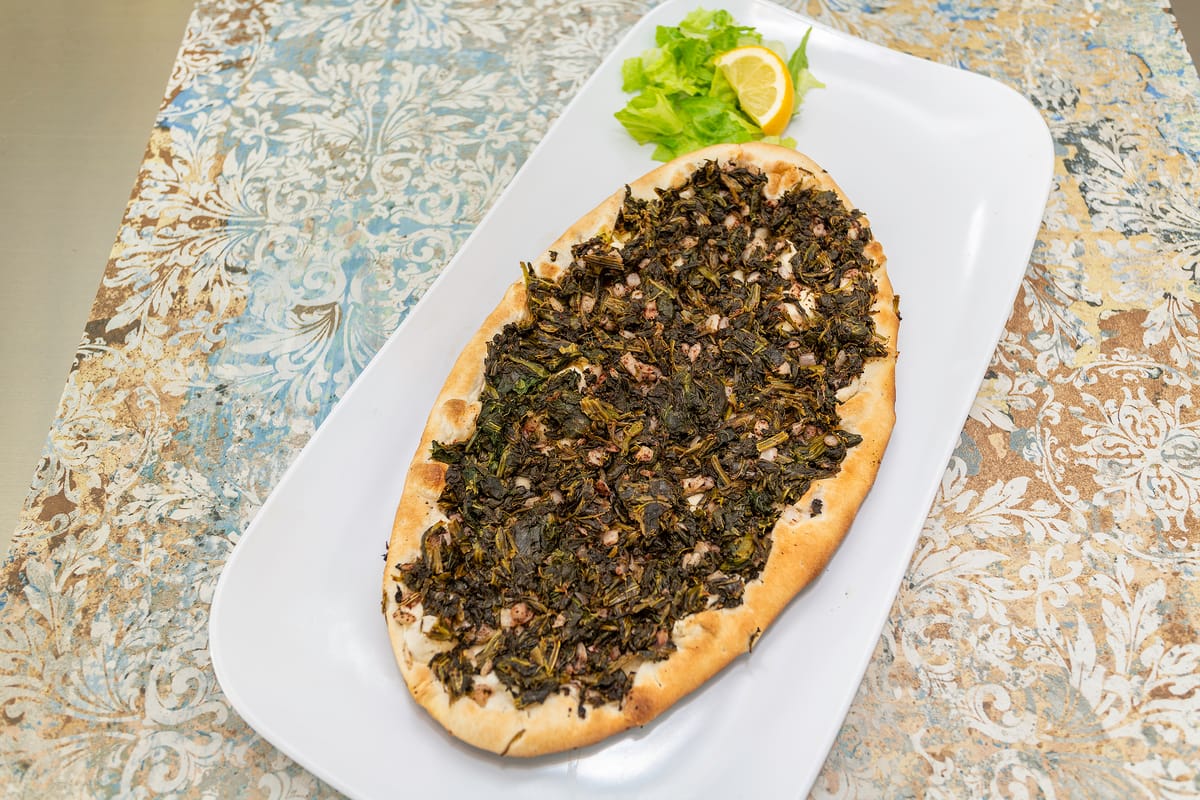
Made Fresh Every Morning
Our hummus never sits overnight. Every batch is prepared from scratch each day using dried chickpeas, premium tahini, and fresh lemons.
How Hummus Varies Across the Middle East
The same five ingredients, adjusted by region and tradition, produce distinctly different results.
Lebanese hummus is the style most familiar to diners in the United States and across Northern Virginia. It is characterized by a high tahini ratio, which gives it a rich, nutty flavor and a particularly smooth, creamy consistency. Lebanese hummus is blended until absolutely silky, with no trace of chickpea graininess. The lemon and garlic are present but balanced so that the tahini richness remains the dominant flavor. It is traditionally served in a shallow bowl with a generous pool of olive oil in the center, a sprinkle of paprika, and a few whole chickpeas for garnish. This is the style served at Taza in Falls Church -- tahini-forward, smooth, and rich enough to eat with nothing more than a piece of warm pita bread.
Egyptian hummus, known locally as hummus bi tahina, tends to use a lower proportion of tahini relative to chickpeas, producing a lighter, more chickpea-forward flavor. Egyptian preparations often include a heavier hand with cumin, giving the hummus a warm, earthy spice note that is less common in Lebanese versions. The texture is slightly thicker and more rustic, with a chunkier consistency that some diners prefer. It is frequently served alongside ful medames (stewed fava beans) as part of a traditional Egyptian breakfast spread. The garnish often includes whole cumin seeds or a drizzle of cumin- infused oil rather than the paprika used in Lebanese presentations.
Syrian hummus occupies a middle ground between the Lebanese and Egyptian approaches. It uses a moderate tahini ratio and distinguishes itself with the addition of Aleppo pepper, a mildly spicy, fruity chili flake that adds a warm heat without overwhelming the palate. Syrian hummus is sometimes served warm rather than at room temperature, which changes the mouthfeel and intensifies the garlic. The garnish frequently includes pine nuts toasted in butter, which adds a buttery crunch that contrasts with the smooth base. In restaurants across Damascus and Aleppo, hummus is considered a breakfast food served with fresh flatbread baked in a wood-fired oven.
Jordanian hummus is known for its particularly generous olive oil finish. The hummus itself is similar in composition to the Lebanese style, but the serving tradition emphasizes the olive oil as a central element rather than a garnish. Jordanian hummus is often served on a large communal plate with a deep well filled with olive oil and surrounded by torn pieces of fresh taboon bread. The social aspect of sharing hummus from a single plate is deeply embedded in Jordanian dining culture. Regardless of regional variation, the five core ingredients remain constant. The differences lie in ratios, garnishes, serving temperature, and the cultural context in which the hummus is enjoyed. At Taza, our Falls Church regulars and customers from across Arlington and NoVA experience a Lebanese-style approach that prioritizes tahini richness, silky texture, and daily freshness.
Lebanese (Taza's Style)
High tahini ratio, ultra-smooth texture, paprika and olive oil garnish, tahini-forward richness. The most common style in the United States and NoVA.
Egyptian
Lower tahini ratio, heavier cumin presence, slightly chunkier texture. Often served alongside ful medames for breakfast spreads.
Syrian
Moderate tahini, Aleppo pepper warmth, sometimes served warm. Garnished with pine nuts toasted in butter for a rich, nutty contrast.
Jordanian
Generous olive oil finish, communal plate presentation, served with taboon bread. Olive oil is the central feature of the serving.
What Makes Taza's Hummus Different
Daily preparation, quality sourcing, and a commitment to the traditional process without shortcuts.
The foundation of our hummus is daily preparation. We do not make hummus in bulk and store it for multiple days. Every morning, our kitchen team starts a fresh batch using chickpeas that were soaked overnight. The chickpeas are cooked that morning, blended that morning, and served that same day. This means the hummus you receive at lunchtime on Seminary Road was a bag of dried chickpeas the evening before. There is no holding period, no freezing, and no reheating. The texture and flavor of hummus begin to decline within hours of preparation as the tahini oxidizes and the lemon juice loses its volatile aromatics. By making it fresh every day, we serve it at its absolute peak.
Our chickpea sourcing prioritizes consistency. We use large-count chickpeas that cook evenly and produce a starchier, creamier puree than the smaller varieties. The chickpeas are cooked until they are exceptionally soft, well past the point where most home cooks would consider them done. This extended cooking time breaks down more of the starch granules and cell walls, which is the key to achieving a hummus that is genuinely smooth rather than merely blended. We add a small amount of baking soda to the cooking water, which accelerates the breakdown of the chickpea skins and produces a visibly lighter, more refined paste.
The tahini we use at Taza is selected specifically for hummus production. It is made from hulled, lightly roasted sesame seeds and has a smooth, fluid consistency that integrates into the chickpea base without leaving any gritty residue. We go through our tahini supply quickly enough that staleness is never a factor. The lemon juice is always squeezed from whole lemons the same morning, and the garlic is peeled and crushed fresh for each batch. Nothing comes from a bottle, a tube, or a powder. The result is a hummus with distinct layers of flavor: nutty tahini, bright lemon, warm garlic, and the mild earthiness of properly cooked chickpeas, all tied together with quality olive oil.
Texture is the final differentiator. We blend our hummus for significantly longer than most home recipes suggest. The extended blending time, combined with the addition of ice water during processing, produces a hummus that is almost whipped in consistency -- lighter, creamier, and smoother than what most people are accustomed to from store-bought versions. When you drag a piece of warm pita through a bowl of our hummus, it should coat the bread in a thick, even layer without any lumps or graininess. That texture is the result of every decision in the process: the overnight soak, the extended cook, the quality tahini, the lengthy blend, and the fresh finishing oil. Our customers across Falls Church, Arlington, Bailey's Crossroads, and the wider NoVA area recognize the difference from the first bite.
Made Fresh Daily
Chickpeas soaked overnight, cooked each morning, blended and served the same day. No holding, no freezing, no reheating.
Quality Chickpeas
Large-count dried chickpeas cooked until ultra-soft with baking soda. Extended cooking breaks down starch for maximum creaminess.
Premium Tahini
Hulled, lightly roasted sesame paste selected for smooth texture and mild nuttiness. Rotated frequently so it never goes stale.
Proper Texture
Blended for 4-6 minutes with ice water. The result is a whipped, silky hummus that coats pita evenly with no graininess.
How to Enjoy Hummus at Taza
Whether you order it as a side, a base, or a topping, hummus fits into every part of your meal.
The most popular way to enjoy hummus at Taza is as a standalone side. For $4.95, you receive a generous portion of our freshly made hummus served with warm pita bread baked daily in our kitchen. This is the way hummus has been eaten for centuries across the Levant -- torn bread, scooped through a shared bowl, eaten slowly as part of a wider spread of meze dishes. Many of our customers in Falls Church and Arlington order hummus alongside baba ghanoush ($4.95) and labneh to create a full dip trio. Add a few pieces of our falafel for dipping, and you have a complete vegetarian appetizer spread.
Hummus also serves as a base for our bowls. When you order a falafel bowl (from $10.45) or a chicken shawarma bowl (from $12.45), you can choose hummus as your base layer instead of rice or mixed greens. The hummus creates a rich, creamy foundation that absorbs the juices from the protein and toppings above it, turning each spoonful into a combination of warm meat or crispy falafel, tangy pickled vegetables, and smooth hummus. This is one of the most requested builds among our regular customers, and it transforms a standard bowl into something substantially more filling and flavorful. The hummus base also makes the bowl naturally gluten-free for customers who want to avoid pita bread.
Inside wraps and pita sandwiches, hummus functions as both a spread and a binding agent. Our falafel pita (from $8.95) and falafel shrak wrap both benefit from a layer of hummus spread along the inside of the bread before the falafel and toppings are added. The hummus creates a moisture barrier that prevents the bread from getting soggy while adding richness and flavor to every bite. It also helps the falafel pieces and chopped vegetables stay in place rather than sliding around inside the pocket. For customers who want extra hummus in their sandwich or wrap, we are always happy to add more at no additional charge.
For larger gatherings, hummus is one of our most popular catering items. Families and offices across NoVA order hummus trays for parties, meetings, and community events. A large hummus platter arrives with warm pita bread cut into triangles, finished with our signature olive oil and paprika garnish. It pairs naturally with our falafel platters, shawarma trays, and mixed grill orders. Call us at (703) 340-1014 to discuss catering options, or order online for individual portions. We are at 5820 Seminary Rd Ste O, Falls Church, VA 22041, open 11:00 AM - 12:00 AM, Open 7 Days a Week.
As a Side with Pita
$4.95 -- served with warm, fresh-baked pita bread. Pair with baba ghanoush and labneh for a full meze spread.
As a Bowl Base
Choose hummus instead of rice or greens. The creamy base absorbs juices from shawarma or falafel for a richer, gluten-free bowl.
Inside Your Pita or Wrap
Spread inside falafel pitas and shrak wraps as a binding layer. Adds richness, prevents sogginess, and holds toppings in place.
For Catering & Groups
Large hummus platters with pita triangles for offices, parties, and gatherings across Falls Church, Arlington, and NoVA.
How Hummus Is Made: Common Questions
Traditional hummus contains five core ingredients: cooked chickpeas (garbanzo beans), tahini (ground sesame seed paste), fresh lemon juice, garlic, and extra-virgin olive oil, plus salt to taste. Some recipes add a small amount of cumin or a pinch of paprika for garnish. At Taza Shawarma & Falafel in Falls Church, we use these same five foundational ingredients, prepared from scratch daily with no shortcuts or substitutions.
Hummus is widely regarded as a nutritious food. Chickpeas provide plant-based protein and dietary fiber, while tahini contributes healthy unsaturated fats, calcium, and iron. The olive oil adds monounsaturated fats linked to heart health. A standard two-tablespoon serving contains roughly 70 calories, 2-3 grams of protein, and 1-2 grams of fiber. Hummus is naturally gluten-free, dairy-free, and suitable for vegan diets. It has a lower glycemic index than many other dips and spreads, making it a steady source of energy without blood sugar spikes.
Fresh restaurant-made hummus without preservatives should be consumed within 3-5 days when stored in an airtight container in the refrigerator at or below 40 degrees Fahrenheit. Store-bought hummus with preservatives can last 4-6 weeks unopened. Once opened, store-bought hummus should be consumed within 7 days. At Taza, our hummus is made fresh every morning and served the same day, so freshness is never a concern when you order from us on Seminary Road.
Several factors contribute to the superior smoothness of restaurant hummus. Professional kitchens typically cook chickpeas longer than home cooks, sometimes adding a small amount of baking soda to the cooking water to soften the skins. The blending equipment in restaurants is more powerful than home food processors, running for 4-6 minutes compared to the 1-2 minutes most home cooks use. Adding ice water during blending helps create a lighter, whipped texture. Removing chickpea skins before blending also produces a noticeably creamier result.
Yes, hummus itself is naturally gluten-free. Chickpeas, tahini, lemon juice, garlic, and olive oil all contain no gluten. The risk of gluten exposure comes from what hummus is served with or cross-contamination in the kitchen. At Taza, our hummus contains no gluten ingredients. However, because we also prepare pita bread and other wheat-based items in the same kitchen, we cannot guarantee a completely gluten-free environment. Customers with celiac disease should mention their needs when ordering.
The variation comes down to ingredient ratios and preparation technique. The ratio of tahini to chickpeas is the single biggest variable. More tahini creates a richer, nuttier hummus, while more chickpeas produce a lighter, milder result. The quality and origin of the tahini matters enormously -- Ethiopian sesame produces a different flavor than Turkish or Lebanese sesame. How long the chickpeas are cooked, whether the skins are removed, how much lemon and garlic are used, and the blending time all contribute to the final texture and taste.
Absolutely. Hummus is available as a side order for $4.95 through our online ordering system at clover.com or by calling us directly at (703) 340-1014. You can also add hummus as a base for any of our bowls, including the falafel bowl (from $10.45) and the chicken shawarma bowl (from $12.45). We are located at 5820 Seminary Rd Ste O, Falls Church, VA 22041, open 11:00 AM - 12:00 AM, Open 7 Days a Week. Order online for pickup and your hummus will be prepared fresh when you arrive.
Both are traditional Levantine dips served with pita bread, but they start from completely different base ingredients. Hummus is made from cooked chickpeas blended with tahini, lemon, and garlic. Baba ghanoush is made from fire-roasted eggplant blended with tahini, lemon, and garlic. Hummus has a creamy, dense texture and a mild, nutty flavor. Baba ghanoush has a lighter, smokier profile with a slightly looser consistency. At Taza, both are available for $4.95 each and are prepared fresh daily. Many of our customers in Falls Church and Arlington order both as a spread combo.
Taste the Difference Fresh Hummus Makes
Open 11:00 AM - 12:00 AM, Open 7 Days a Week at 5820 Seminary Rd Ste O, Falls Church, VA 22041.
Address
5820 Seminary Rd Ste O, Falls Church, VA 22041
Hours
11:00 AM - 12:00 AM -- Open 7 Days a Week
Phone
Ready to Taste Fresh Hummus?
Made from scratch every morning. Five ingredients, no preservatives, no shortcuts. Hummus side $4.95 with warm pita. Order online or visit us on Seminary Road in Falls Church.