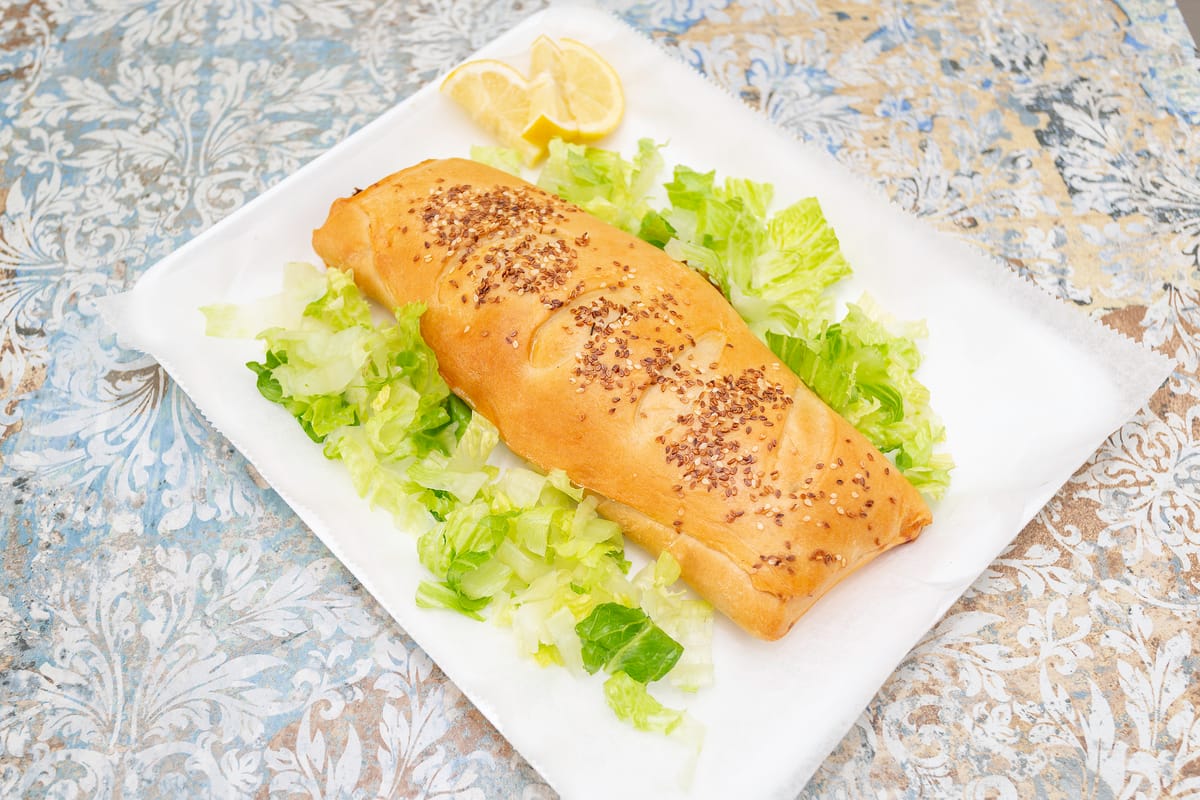
The Complete Stuffed Grape Leaves Guide
Tender vine leaves wrapped around a fragrant filling of rice, fresh herbs, and lemon. Known as warak enab across the Levant and dolma in Turkey, stuffed grape leaves are one of the oldest and most beloved dishes in Mediterranean cooking. This guide covers everything from the rolling technique to the final simmer.
4.8 stars on Yelp (92 reviews) -- Open 11:00 AM - 12:00 AM
What Are Stuffed Grape Leaves?
A dish that predates written recipes, found on tables from Beirut to Athens.
Stuffed grape leaves are whole grape vine leaves wrapped around a seasoned filling, rolled into tight cylinders the size of a finger, and simmered until the leaf turns tender and the filling cooks through. The dish exists in nearly every cuisine that borders the Mediterranean and extends deep into Central Asia. In Lebanon and Syria, it is called warak enab -- literally "grape leaves" in Arabic -- or warak dawali. Turkish kitchens know it as dolma when the filling includes meat, or sarma when the rolls are vegetarian. Greek cooks call them dolmades and serve them cold with a squeeze of lemon. Egyptian families prepare mahshi warak enab during Ramadan and at holiday feasts. The names shift with every border crossing, but the essential idea remains unchanged: a leaf, a filling, a slow simmer, and a table full of people reaching for one more piece.
The grape leaf itself is the defining ingredient. Young leaves harvested from grapevines in late spring are tender, pliable, and mildly tannic. They contribute a subtle herbaceous flavor that distinguishes stuffed grape leaves from any other wrapped dish. The leaf is not merely a container -- it is a seasoning. During cooking, the tannins soften, the leaf absorbs the lemon and olive oil from the pot, and the result is a wrapper that tastes as purposeful as the filling it holds. No cabbage roll, no rice paper spring roll, no corn husk tamale replicates the specific interplay between a cooked grape leaf and a lemony rice filling. That combination is singular to this dish.
The tradition of stuffing grape leaves stretches back thousands of years. Ottoman court kitchens refined the technique and spread it across their empire, from the Balkans through Anatolia and into the Arab world. But the practice of wrapping food in leaves predates even the Ottomans -- archaeological evidence suggests that wrapping grains in vine leaves was practiced in ancient Mesopotamia. Over centuries, regional variations emerged. Lebanese cooks added tomato and extra lemon. Turkish cooks introduced currants and pine nuts. Greek cooks developed an avgolemono sauce -- egg and lemon -- to pour over their dolmades. Each culture adapted the dish to local tastes while preserving the fundamental technique of leaf, fill, roll, and cook.
At Taza Shawarma and Falafel in Falls Church, Virginia, stuffed grape leaves are served as a side dish alongside our mezze offerings. They arrive at the table in their classic form: tight rolls glistening with olive oil, fragrant with herbs, and ready to eat by hand or with a fork. For first-time visitors to Mediterranean cuisine, grape leaves are an ideal starting point -- light, flavorful, and unlike anything in the American fast-casual landscape. For anyone who grew up eating them at a grandmother's table, our grape leaves are the taste of home.
How Stuffed Grape Leaves Are Made
Four stages from raw leaf to finished roll. Patience is the secret ingredient.
Preparing the Leaves
Fresh grape leaves are harvested in late spring when they are young, bright green, and still tender. The stems are trimmed, and the leaves are blanched in boiling salted water for 30 to 60 seconds -- just long enough to wilt them without cooking them through. The blanched leaves are transferred immediately to ice water to halt the cooking and preserve their color. If fresh leaves are unavailable, jarred grape leaves packed in brine are rinsed thoroughly under cold water to remove excess salt. The goal is a leaf that is pliable enough to fold without tearing, but not so soft that it dissolves during the long simmer ahead.
Making the Filling
The classic Lebanese filling starts with short-grain or medium-grain rice, rinsed until the water runs clear to remove surface starch. The rice is mixed raw with finely diced tomato, minced onion, chopped flat-leaf parsley, fresh mint, a generous pour of extra-virgin olive oil, fresh lemon juice, salt, and a pinch of allspice or seven-spice blend. Some families add a spoonful of tomato paste for deeper color. The mixture should be moist but not soupy -- the rice will absorb liquid as it cooks inside the leaf. For meat-filled versions, ground lamb or beef is mixed directly into the raw rice before rolling.
The Rolling Technique
Each leaf is laid flat on a cutting board, vein-side up, with the stem end facing the cook. A small spoonful of filling is placed near the stem end in a narrow line, leaving space at the sides. The bottom of the leaf folds up and over the filling, then the two side flaps fold inward, and the roll is completed by rolling away from the cook toward the leaf tip. The finished roll should be snug but not packed -- the rice needs room to expand during cooking. Rolling grape leaves is a meditative, repetitive task. In traditional households, the entire family gathers to roll, talking and working side by side for hours.
Cooking in Lemon Broth
The bottom of a heavy pot is lined with a layer of spare grape leaves or sliced potatoes to prevent sticking. The rolled grape leaves are arranged in tight concentric circles, each layer placed seam-side down so the rolls hold their shape. A cooking liquid of water, fresh lemon juice, olive oil, and a pinch of salt is poured over the rolls until they are just covered. A heat-proof plate is placed directly on top of the rolls to weigh them down and prevent them from unraveling. The pot is brought to a gentle boil, then reduced to a low simmer for 45 minutes to an hour, until the rice is fully cooked and the leaves are silky and tender.
The moment the pot lid lifts, the kitchen fills with steam that carries lemon, olive oil, and the earthy sweetness of cooked vine leaves. The rolls have tightened during cooking -- each one firm, glossy, and holding its shape. The leaf has transformed from a raw, slightly astringent wrapper into something silky and yielding, and the rice inside has swelled to fill every fold. A gentle squeeze between thumb and forefinger confirms the texture: tender but not mushy, with just enough structure to hold together when picked up.
This process cannot be rushed. The low simmer is what allows the rice to cook evenly inside the leaf, the lemon to penetrate every layer, and the olive oil to coat each roll with a glossy sheen. High heat bursts the leaves and turns the filling to mush. Patience -- the willingness to roll each piece by hand, to simmer at the lowest flame, to wait until the rice is perfectly done -- is what separates memorable grape leaves from forgettable ones. It is a dish that rewards care and punishes shortcuts.
Stuffed Grape Leaves Around the Mediterranean
Same concept, different traditions. How Lebanese warak enab compares to Turkish dolma.
| Feature | Lebanese (Warak Enab) | Turkish (Dolma / Sarma) |
|---|---|---|
| Name | Warak Enab / Warak Dawali | Dolma / Sarma |
| Primary Filling | Rice, tomato, lemon juice, herbs | Rice, currants, pine nuts, spices |
| Meat Variation | Ground lamb or beef with rice | Ground lamb with rice and onion |
| Cooking Liquid | Lemon juice, olive oil, water | Olive oil, tomato paste, water |
| Serving Temperature | Warm or room temperature | Often served cold with yogurt |
| Leaf Treatment | Fresh leaves blanched briefly | Brined or jarred leaves, rinsed |
| Key Herb | Fresh mint, parsley, dill | Dill, mint, sometimes cinnamon |
| Typical Side | Labneh or plain yogurt, pita | Cacik (yogurt-cucumber sauce) |
| Cooking Method | Simmered in pot with weighted plate | Simmered or steamed in pot |
| Cultural Occasion | Family gatherings, holidays, Ramadan | Celebrations, Sunday meals, Bayram |
Beyond Lebanon and Turkey, the tradition continues across the Mediterranean basin. Greek dolmades are often served cold as part of a mezze spread, dressed with olive oil and lemon juice, and sometimes accompanied by avgolemono -- a warm sauce made from eggs and lemon that adds richness without heaviness. The Greek version tends to emphasize dill as the primary herb, giving the rolls a slightly anise-like brightness that distinguishes them from their Levantine counterparts.
Egyptian mahshi warak enab leans heavier on tomato. The filling often includes tomato paste mixed into the rice, and the cooking liquid may be a tomato-based broth rather than a clear lemon one. This produces rolls with a deeper red hue and a sweeter, more savory flavor profile. Egyptian families frequently prepare enormous batches during Ramadan, and the dish is considered essential at iftar tables throughout the month.
Armenian, Georgian, Azerbaijani, and Iranian cuisines all have their own versions as well, some incorporating dried fruits, walnuts, or pomegranate molasses into the filling. The dish is a living tradition, adapted by every family and every region to local ingredients and personal taste. What remains constant is the leaf, the roll, and the slow cooking that transforms both into something greater than the sum of their parts.
The Filling Variations
From vegetarian rice rolls to lamb-studded parcels, the filling defines the character.
Classic Vegetarian (Zeyt)
The most widespread version across the Levant. Short-grain rice is mixed with diced tomato, finely chopped onion, generous handfuls of flat-leaf parsley and fresh mint, olive oil, lemon juice, salt, and allspice. The name "zeyt" refers to olive oil, indicating this version uses oil as its fat source rather than butter or meat drippings. These rolls are typically served cold or at room temperature, making them a staple at picnics, potlucks, and room-temperature mezze spreads. The absence of meat allows the bright, herbaceous flavors of the filling to stand at the front.
Meat-Filled (Warak Enab bi Lahmeh)
Ground lamb or beef is mixed with the same rice base, adding richness and protein. The meat version is served warm, often as a main course alongside yogurt or labneh. The fat from the meat renders during cooking, enriching the broth and giving the rolls a deeper, more savory flavor. Some families layer the bottom of the pot with lamb chops or short ribs, creating a built-in main dish beneath the rolled grape leaves. This technique, common in Syrian and Lebanese households, means the meat cooks in the same lemony broth and emerges fork-tender.
Rice Varieties
The type of rice matters more than most cooks realize. Egyptian short-grain rice is the traditional choice because it absorbs liquid without falling apart and produces a soft, slightly sticky texture that holds the roll together. Medium-grain Calrose rice is a widely available substitute that performs nearly as well. Long-grain basmati or jasmine rice produces a drier, fluffier filling that does not bind as tightly -- acceptable, but not traditional. The rice is always used raw and rinsed thoroughly, since it cooks inside the leaf during the simmering phase.
Herb Combinations
The herb profile varies by family and region. The Lebanese standard is flat-leaf parsley and fresh mint in roughly equal proportions. Syrian families sometimes add fresh dill for a sweeter, more aromatic note. Some cooks include a small amount of dried mint alongside fresh for a deeper, more complex mint flavor. Allspice is the dominant spice, sometimes supplemented with cinnamon, black pepper, or the seven-spice blend known as baharat. A few tablespoons of pomegranate molasses in the filling or cooking liquid adds tartness and a faint sweetness that balances the lemon.
The beauty of stuffed grape leaves lies in their adaptability. The leaf is the constant; the filling is the variable. A cook in Beirut might use tomato and allspice. A cook in Istanbul might add currants and pine nuts. A cook in Thessaloniki might finish the pot with an egg-lemon sauce. Each variation is authentic within its own tradition, and none is more "correct" than any other. The dish belongs to everyone who rolls it.
For home cooks experimenting with stuffed grape leaves for the first time, the vegetarian version is the most forgiving. The filling comes together in minutes, the rolling technique improves with each piece, and the cooking liquid is just lemon, water, and oil. Start there, build confidence, and then explore the meat-filled version or experiment with regional additions like pomegranate molasses, sumac, or toasted pine nuts. The dish rewards repetition -- by the third batch, you will roll faster, pack tighter, and know by instinct when the simmer is done.
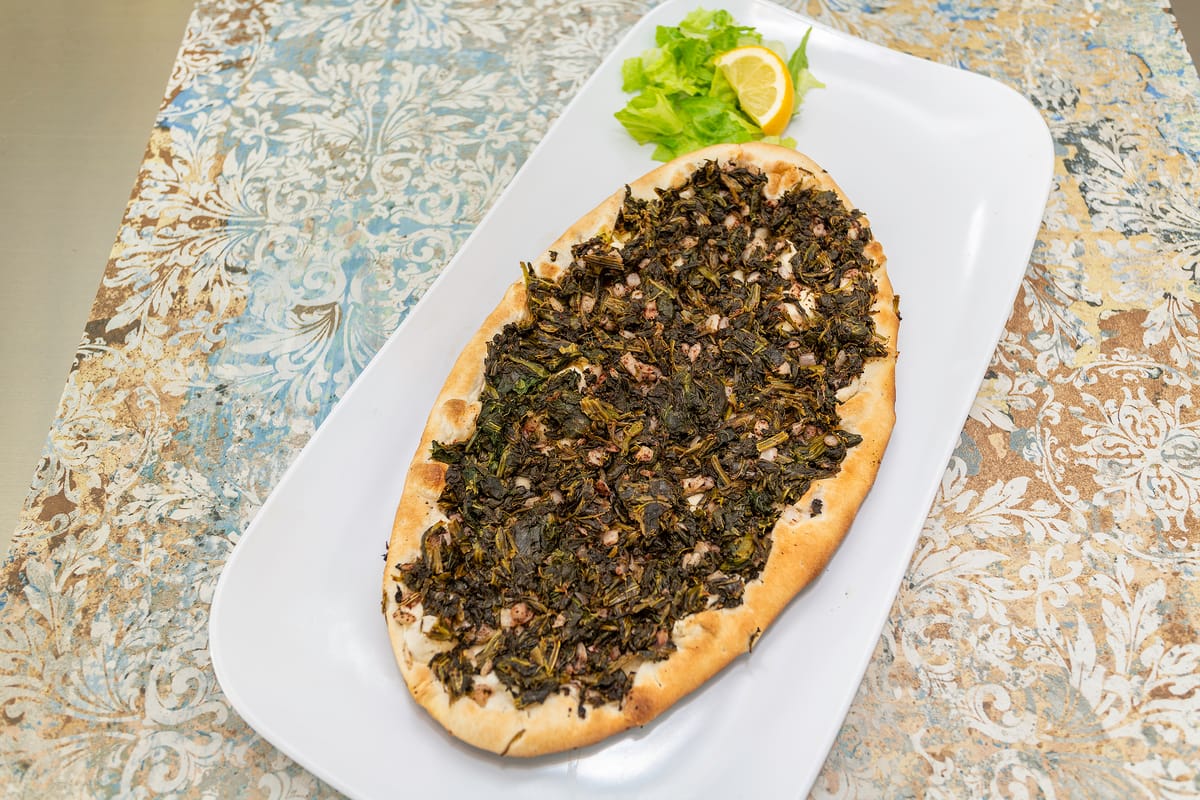
A Dish That Brings the Whole Family to the Kitchen
Rolling grape leaves is never a solo task. It is a gathering -- hands around a table, stories traded over a bowl of filling, and the satisfaction of a shared pot simmering on the stove.
Cultural Significance of Stuffed Grape Leaves
More than a recipe -- a ritual of family, patience, and generational knowledge.
In Levantine households, stuffed grape leaves occupy a position that no other dish quite matches. They are the food of gatherings -- not because they are difficult, but because they demand communal labor. A single cook can roll a pot of grape leaves alone, but it takes hours. When the task is shared among mothers, daughters, aunts, and grandmothers, the work becomes a social event. The kitchen table fills with leaves laid flat, bowls of filling, and the steady rhythm of fold, tuck, and roll. Conversation flows. Recipes are debated. A grandmother corrects a granddaughter's technique without looking up from her own hands. This is how the dish has been transmitted for generations -- not through cookbooks, but through proximity and repetition.
The grandmother's recipe is a phrase that carries real weight in this context. Every family's grape leaves taste slightly different because every grandmother measured by feel rather than by teaspoon. One adds more lemon. Another insists on a specific variety of rice. A third refuses to use jarred leaves, waiting until spring to harvest fresh ones from her own vine or a neighbor's arbor. These small differences accumulate into a signature flavor that children and grandchildren recognize instantly. Eating stuffed grape leaves away from home -- at a restaurant, at a friend's house, at a potluck -- always triggers a comparison: "Good, but not like my sitto's." That comparison is not criticism; it is a statement of identity. The grandmother's version is the baseline against which all other grape leaves are measured.
Stuffed grape leaves are present at nearly every significant gathering in Levantine culture. They appear on holiday tables during Eid al-Fitr and Eid al-Adha. They are part of the Easter and Christmas spread for Christian families across Lebanon and Syria. They show up at engagement parties, baby showers, and Sunday lunches. In many families, a pot of grape leaves is the default contribution when someone asks what to bring to a gathering. The dish signals effort, care, and generosity -- because everyone who has rolled grape leaves knows how much time goes into each piece.
For the diaspora communities of Northern Virginia -- Lebanese, Syrian, Egyptian, Turkish, Greek, and Armenian families who have settled in Falls Church, Arlington, Annandale, and across Fairfax County -- stuffed grape leaves carry an additional layer of meaning. They are a connection to a place left behind, a kitchen remembered, a language spoken over a shared task. When a family rolls grape leaves in a Virginia apartment or townhouse, they are performing an act that links them directly to the same gesture performed by their parents and grandparents in Beirut, Damascus, Cairo, or Thessaloniki. The ingredients may be sourced from a different grocery store, but the motion of the hands is the same.
Grape Leaves Nutrition Profile
A lighter appetizer than you might expect, with genuine nutritional value from the leaf itself.
Stuffed grape leaves are one of the more nutritionally balanced items on a Mediterranean mezze table. A serving of five to six vegetarian rolls -- a typical appetizer portion -- contains approximately 150 to 200 calories. The calorie count is modest compared to fried appetizers like falafel, cheese-filled pastries, or kibbeh. The relatively low calorie density comes from the leaf wrapper itself, which adds volume and fiber without significant calories, and from the rice filling, which is portioned in small amounts per roll.
The grape leaf is the nutritional standout. Raw grape leaves are a source of vitamin A, providing roughly 30 percent of the daily value per cup of leaves. They also contain vitamin K, which supports bone health and blood clotting, along with iron, calcium, and manganese. The leaves contribute dietary fiber -- about 1.5 grams per serving of cooked grape leaves -- which supports digestive health. While the cooking process reduces some of the vitamin content, enough survives the simmer to make the leaf a meaningful contributor to the dish's nutritional profile rather than just a passive wrapper.
The rice filling provides complex carbohydrates, the body's primary source of sustained energy. Short-grain rice is higher in starch than long-grain varieties, which is why it produces a softer, stickier filling -- and also why it provides quick-release energy that pairs well with the slower-burning fats from the olive oil. The olive oil used in both the filling and the cooking liquid adds monounsaturated fatty acids, which research consistently links to cardiovascular health and reduced inflammation.
Fresh herbs in the filling -- parsley, mint, and sometimes dill -- contribute small but meaningful amounts of vitamin C, vitamin A, and folate. Lemon juice adds vitamin C and citric acid, which may improve iron absorption from the grape leaves and rice. Taken together, a serving of vegetarian stuffed grape leaves delivers a balance of carbohydrates, healthy fats, fiber, and micronutrients that few other appetizers can match. They are not a superfood in any exaggerated sense, but they are a genuinely wholesome choice on a mezze spread.
Calories (5-6 pieces)
150-200 cal (vegetarian)
Fiber per Serving
~1.5g from leaves + rice
Vitamin A (from leaves)
~30% DV per cup of leaves
Healthy Fats
Olive oil (monounsaturated)
How to Eat Stuffed Grape Leaves
As an appetizer, as part of a mezze spread, cold or warm -- the versatility is the point.
Stuffed grape leaves are one of the rare dishes that taste equally good warm, at room temperature, or cold straight from the refrigerator. The vegetarian version is traditionally served at room temperature or cold, which makes it a natural fit for buffets, picnics, and make-ahead meals. The meat-filled version is typically served warm, often with a side of plain yogurt or labneh for dipping. At Taza, our grape leaves are served at the temperature that best showcases their flavor -- ask our staff about the current preparation.
As a standalone appetizer, a plate of grape leaves needs nothing more than a wedge of lemon squeezed over the top. The citrus brightens the filling and cuts through the richness of the olive oil. Some diners add a drizzle of extra-virgin olive oil and a sprinkle of dried mint for an extra layer of flavor. Others eat them plain, appreciating the balance already built into the cooking liquid.
As part of a mezze spread, grape leaves belong alongside hummus, tahini, baba ghanouj, tabbouleh, olives, pickled turnips, and warm pita bread. The contrast of textures and temperatures is what makes a mezze table work: the cool, tangy grape leaves play against the warm, crispy falafel and the smooth, creamy hummus. Each item complements the others without competing. A well-composed mezze spread tells a story of balance, and grape leaves are one of its most essential chapters.
Dipping sauces improve the experience. Plain yogurt -- thick, full-fat, and unsweetened -- is the traditional accompaniment in many households. The cool tang of yogurt against the lemony warmth of the grape leaf is a combination that has survived centuries for good reason. Labneh (strained yogurt) is a richer alternative, with a thicker texture and sharper tang. At Taza, our labneh ($4.95) is an excellent pairing -- order it as a side alongside your grape leaves for a combination that covers tangy, creamy, herbaceous, and bright in a single bite.
Cold versus warm is largely a matter of personal preference and filling type. Cold vegetarian grape leaves develop a more concentrated flavor as the lemon and herbs meld overnight in the refrigerator. Warm meat-filled grape leaves release the fragrance of lamb fat and allspice when they reach the table. Neither presentation is superior -- they are simply different expressions of the same dish. If you have never tried stuffed grape leaves before, start at room temperature. That is the version that shows the dish in its most balanced state, where every flavor is audible and nothing is muted by extreme cold or amplified by heat.
With Labneh
Thick strained yogurt adds cool tang against the lemony leaf
With Hummus & Pita
Scoop hummus with pita, then bite into a grape leaf roll
With a Lemon Wedge
A fresh squeeze brightens the filling and cuts the olive oil
Grape Leaves at Taza Shawarma & Falafel
Available as a side dish for $4.95 -- the perfect addition to any order.
At Taza Shawarma and Falafel in Falls Church, stuffed grape leaves are available as a side dish priced at $4.95. They sit alongside our other Levantine staples -- hummus ($4.95), baba ghanouj ($4.95), and labneh ($4.95) -- on a sides menu designed for building a complete Mediterranean meal. Order grape leaves on their own as a light appetizer, or combine them with two or three other sides for a mezze spread that covers every flavor and texture in the tradition.
Our grape leaves feature a seasoned rice and herb filling wrapped in tender vine leaves and prepared with the tangy, lemony flavor that defines this classic Levantine appetizer. The rolls are portioned for sharing or for adding to a larger order. Many of our regulars pair a side of grape leaves with a falafel pita (from $8.95) or chicken shawarma pita (from $9.95), using the grape leaves as a cool, tangy counterpoint to the warm sandwich. Others add them to a dinner spread for a group, letting guests build their own plates from a table of shared sides.
For catering and group orders, grape leaves are one of our most requested items. They hold up well at room temperature, they are easy to eat by hand, and they accommodate vegetarian, vegan, and gluten-free dietary needs without modification. If you are planning a party, office lunch, or family gathering, ask about adding a tray of grape leaves to your catering order. They travel well and taste just as good an hour after plating as they do fresh from the kitchen.
Taza is located at 5820 Seminary Rd Ste O, Falls Church, VA 22041, open 11:00 AM - 12:00 AM, Open 7 Days a Week. We serve Falls Church, Arlington, Bailey's Crossroads, Annandale, and the greater Northern Virginia area. Order online for pickup through our Clover ordering system, or walk in for dine-in service. Grape leaves are available every day we are open.
Stuffed Grape Leaves
Rice and herb filling in tender vine leaves
Hummus
Creamy chickpea dip -- pair with grape leaves and pita
Baba Ghanouj
Smoky roasted eggplant dip for the mezze spread
Labneh
Thick strained yogurt -- the classic grape leaf dip
Falafel Pita
Crispy falafel sandwich alongside cool grape leaves
Chicken Shawarma Pita
Warm shawarma balanced by tangy grape leaf rolls
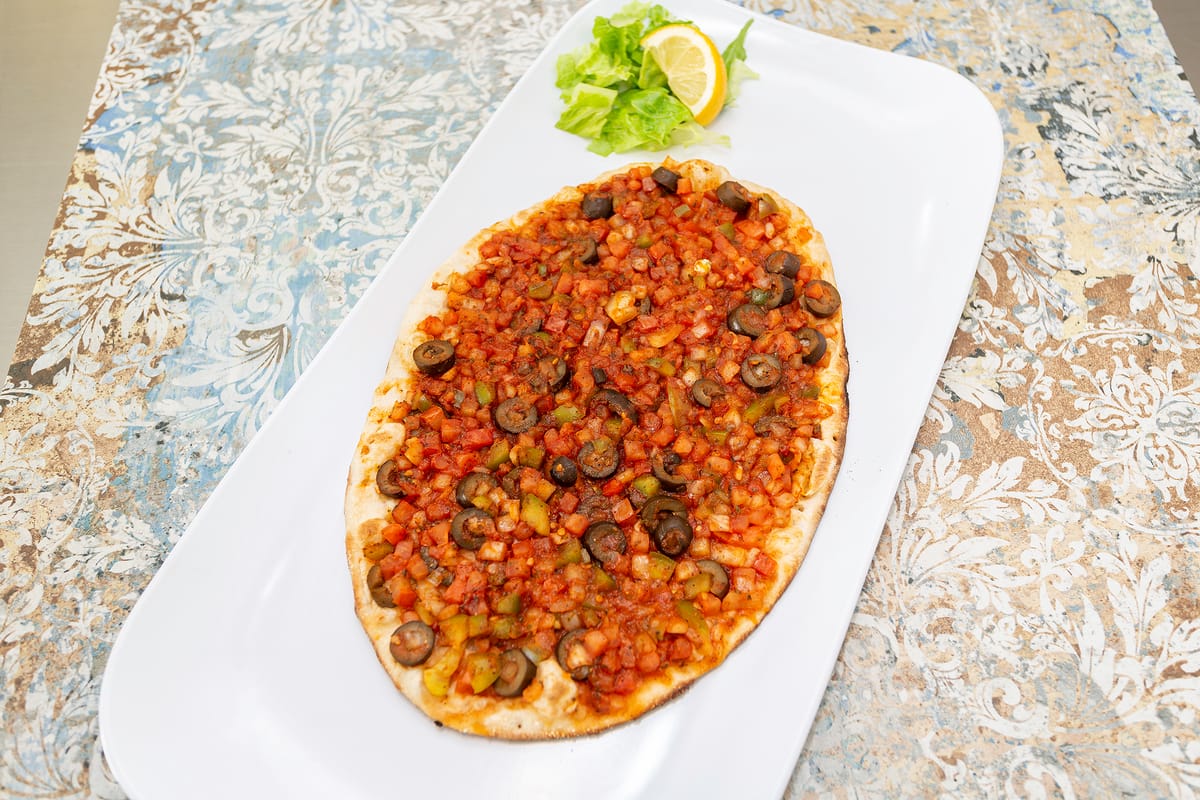
One More Roll. There Are Always More Rolls.
The best compliment a pot of grape leaves can receive is an empty pot.
Stuffed Grape Leaves: Common Questions Answered
Stuffed grape leaves go by many names depending on the region. In Lebanese and Syrian cuisine, they are called warak enab (literally "grape leaves") or warak dawali. In Turkish cuisine, the term is dolma when stuffed with meat and rice, or sarma when rolled with a vegetarian filling. Greek cuisine calls them dolmades or dolmadakia. Egyptian cuisine uses the name mahshi warak enab. Despite the different names, the core concept is the same: tender grape vine leaves wrapped around a seasoned filling of rice, herbs, and sometimes ground meat, then simmered until soft.
Stuffed grape leaves are a nutritious appetizer. Grape vine leaves themselves are low in calories and provide vitamin A, vitamin K, iron, and dietary fiber. The rice filling adds complex carbohydrates for sustained energy, while olive oil in the cooking liquid contributes heart-healthy monounsaturated fats. A typical serving of five to six pieces contains roughly 150 to 200 calories for the vegetarian version. The meat-filled version adds protein but also additional calories. Overall, stuffed grape leaves are one of the lighter options on a Mediterranean mezze table compared to fried items like falafel or cheese-filled pastries.
Fresh grape leaves are technically edible raw, but they are tough, tannic, and unpleasant to eat without cooking. The blanching or brining process softens the leaves, reduces their astringent tannins, and makes them pliable enough to roll around a filling. If you harvest fresh grape leaves from a vine, you should select young, tender leaves from the tips of the vine rather than older, tougher leaves closer to the trunk. Blanch them in boiling salted water for 30 to 60 seconds, then transfer to ice water to stop the cooking. This makes them supple and ready for stuffing.
Cooked stuffed grape leaves store well in the refrigerator for up to five days in an airtight container. Keep them in their cooking liquid if possible, as the lemon broth prevents them from drying out. They can also be frozen for up to three months. Lay the rolls in a single layer on a baking sheet, freeze until solid, then transfer to a freezer bag. Reheat frozen grape leaves by simmering them in a small amount of water and lemon juice for 15 to 20 minutes over low heat. Many people actually prefer stuffed grape leaves cold or at room temperature the next day, when the flavors have had time to meld.
In Turkish cuisine, dolma refers to any stuffed vegetable, including grape leaves stuffed with a meat and rice mixture. Sarma specifically refers to rolled grape leaves with a vegetarian rice filling. However, the distinction is not universally observed. In many Arabic-speaking countries, stuffed grape leaves of any kind are simply called warak enab or warak dawali regardless of whether they contain meat. In Greek cuisine, both versions are called dolmades. The terminology varies by family, region, and tradition, and no single naming convention is definitively correct across all cultures.
Stuffed grape leaves have a flavor that is tangy, herbaceous, and gently acidic. The grape leaf itself contributes a mild, slightly briny taste with a tender, silky texture. The rice filling absorbs the lemon juice and herbs during cooking, becoming fragrant with parsley, mint, and sometimes dill. The overall impression is lighter and more refreshing than most cooked dishes -- closer to a savory, citrus-dressed salad wrapped in a leaf than to anything heavy or rich. If you enjoy hummus, tabbouleh, or other Levantine appetizers, stuffed grape leaves will feel like a natural fit.
Taza Shawarma and Falafel in Falls Church serves stuffed grape leaves as a side dish priced at $4.95. Our grape leaves feature a seasoned rice and herb filling wrapped in tender vine leaves, prepared with care and served with the tangy, lemony flavor that defines this classic Levantine appetizer. They pair well with our hummus, labneh, and baba ghanouj for a complete mezze spread. Ask our staff about adding grape leaves to any order or building a mezze platter for your table.
The traditional vegetarian version of stuffed grape leaves is already vegan. The standard filling is rice, tomato, lemon juice, olive oil, fresh herbs like parsley and mint, and spices. No dairy, eggs, or animal products are involved. The leaves themselves are a plant product. This makes vegetarian stuffed grape leaves one of the most naturally vegan-friendly items in Mediterranean cuisine. At Taza, our grape leaves are prepared without meat, making them suitable for vegan and vegetarian diners. They are also naturally gluten-free since the filling uses rice rather than wheat.
Try Grape Leaves at Taza
Open 11:00 AM - 12:00 AM, Open 7 Days a Week at 5820 Seminary Rd Ste O, Falls Church, VA 22041.
Address
5820 Seminary Rd Ste O, Falls Church, VA 22041
Hours
11:00 AM - 12:00 AM -- Open 7 Days a Week
Phone
Taste Tradition at Taza
Stuffed grape leaves, hummus, labneh, baba ghanouj, and the full mezze spread -- all available every day at Taza in Falls Church. Order online for pickup or dine in at 5820 Seminary Rd Ste O, Falls Church, VA 22041.