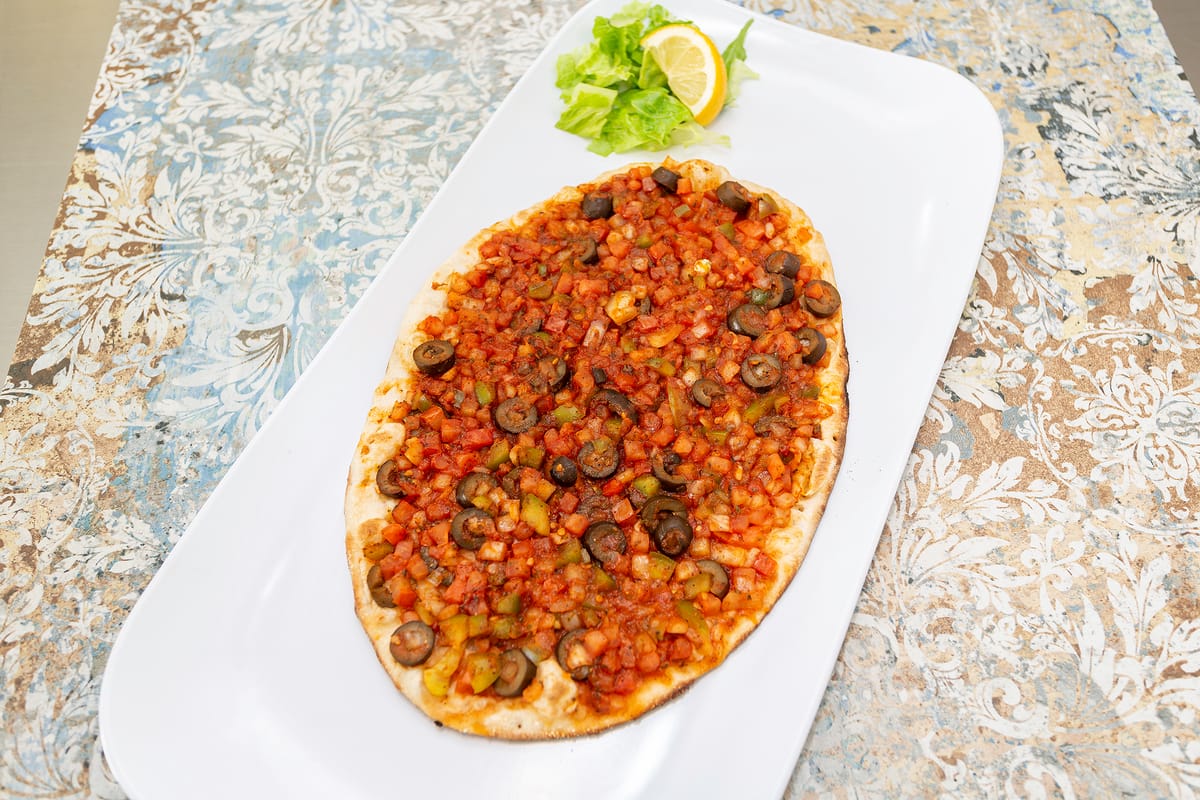
Zaatar Health Benefits: Antioxidants, Brain Health & More
Wild thyme, sumac, sesame, and oregano -- four ingredients that have sustained human health for millennia. Here is what modern science says about the spice blend eaten daily across the Middle East.
4.8 stars on Yelp (92 reviews) -- Open 11:00 AM - 12:00 AM
Why Zaatar Has Been a Health Food for Millennia
Long before clinical trials and peer-reviewed journals, people across the Levant knew that zaatar kept them well.
Zaatar is not a recent addition to the wellness conversation. Families across Lebanon, Syria, Jordan, and the broader Levant have eaten zaatar at breakfast nearly every morning for over two thousand years. Mothers spread it on flatbread for children heading to school. Elders mixed it into olive oil as a daily condiment. The practice was never trendy or marketed -- it was simply how people ate. Modern nutritional science now validates what those families always knew: zaatar contains a concentration of bioactive compounds that protect cells, reduce inflammation, support digestion, and promote cognitive function. In Falls Church and across Northern Virginia, you can experience these benefits firsthand at Taza Shawarma and Falafel, where fresh zaatar manaeesh comes out of the stone oven all day long.
What makes zaatar distinct from other herb blends is the synergy between its components. Wild thyme delivers thymol and carvacrol. Sumac brings anthocyanins and gallic acid. Sesame seeds contribute lignans, calcium, and zinc. Oregano and marjoram add rosmarinic acid and additional phenolic compounds. When these ingredients combine, their collective antioxidant capacity exceeds what any single herb could provide alone. Researchers call this phenomenon synergistic bioactivity, and it explains why traditional spice blends often outperform isolated supplements. A tablespoon of zaatar on warm bread with olive oil is not just a meal -- it is a delivery system for dozens of health-protective molecules that have evolved alongside human diets for thousands of years.
What Is Zaatar? Understanding the Spice Mix
Five herbs and seeds, ground and blended into one of the world's oldest condiments.
The word zaatar refers to both a wild thyme plant (Thymus vulgaris or Origanum syriacum, depending on the region) and the prepared spice blend made from it. The blend varies by household and country, but the core formula is consistent: dried wild thyme forms the base, providing the earthy, herbaceous backbone. Toasted sesame seeds add nutty crunch and a rich supply of minerals. Sumac, a ground berry with a deep crimson color, contributes tartness and a surge of antioxidants. Oregano and marjoram round out the herbal profile with warm, slightly peppery notes. A small measure of salt ties the flavors together. The result is a green-flecked, fragrant powder that tastes simultaneously earthy, tangy, nutty, and bright -- unlike anything in Western spice racks.
At Taza in Falls Church, the zaatar blend is sourced for freshness and potency. You can tell quality zaatar by its color: a vivid green with specks of dark red sumac and golden sesame. Stale zaatar turns brown and loses its aroma. The blend at Taza retains the bright color and strong scent that indicate high concentrations of the essential oils responsible for its health benefits. When spread on flatbread dough and baked in the stone oven, those oils release into the bread, creating the fragrant, savory manaeesh that Northern Virginia residents have come to know. Whether you live in Arlington, Fairfax, or Alexandria, fresh zaatar is worth the short drive to Seminary Road.
Zaatar's Nutritional Profile
Thymol, carvacrol, antioxidants, and minerals packed into every spoonful.
Zaatar is nutrient-dense relative to its caloric content. A single tablespoon of the dried blend provides approximately 15 to 20 calories, most of which come from the healthy fats in sesame seeds. Those seeds deliver calcium (roughly 88 milligrams per tablespoon of seeds alone), magnesium, phosphorus, iron, and zinc. The thyme and oregano components contribute vitamins A, C, and K, along with B-complex vitamins including folate and riboflavin. Sumac provides vitamin C at levels comparable to citrus fruit per gram, though the quantities consumed in a typical serving are smaller. The real nutritional story, however, is not in the macronutrients or standard vitamins -- it is in the bioactive phytochemicals.
Thymol is a phenolic monoterpene found in high concentrations in wild thyme and oregano. It has documented antibacterial, antifungal, and antioxidant properties. Carvacrol, its close chemical relative, demonstrates similar activity with additional anti-inflammatory effects. Sesame seeds contribute sesamin and sesamolin, two lignans that laboratory studies have linked to cholesterol reduction and liver protection. Sumac provides gallic acid, one of the most potent natural antioxidants ever measured, along with quercetin and anthocyanins that give sumac its red color and its ability to neutralize free radicals. When you eat zaatar on manaeesh at Taza, you are consuming all of these compounds simultaneously -- and they work more effectively together than they would in isolation, a principle that nutritional scientists call the food matrix effect.
The olive oil traditionally paired with zaatar serves a critical nutritional function beyond flavor. Many of zaatar's beneficial compounds -- particularly thymol, carvacrol, and the fat-soluble vitamins in thyme -- are lipophilic, meaning they dissolve in fat and are absorbed more efficiently when consumed with a fat source. Extra-virgin olive oil also adds its own polyphenols, including oleocanthal, which has anti-inflammatory properties comparable to low- dose ibuprofen. The traditional Levantine practice of mixing zaatar into olive oil before spreading it on bread is, in modern terms, an optimized nutrient delivery system. Residents of Falls Church and the broader NoVA area who eat zaatar manaeesh at Taza are getting this time-tested combination in every bite.
8 Science-Backed Health Benefits of Zaatar
From cell protection to bone density, zaatar delivers measurable health value.
1. Antioxidant Protection
Free radicals -- unstable molecules generated by metabolism, pollution, UV exposure, and stress -- damage cells and accelerate aging. Antioxidants neutralize these molecules before they cause harm. Zaatar is one of the most antioxidant-dense spice blends available, thanks to the combined contributions of thymol from wild thyme, gallic acid from sumac, and sesamin from sesame seeds. A 2016 study published in the Journal of Food Science measured the antioxidant capacity of various Middle Eastern spice blends and found that zaatar-based mixtures ranked among the highest, comparable to pure turmeric and clove preparations.
The practical implication is straightforward: regular zaatar consumption contributes to your daily antioxidant intake without requiring supplements or unusual dietary changes. At Taza on Seminary Road in Falls Church, a single zaatar manaeesh for $6.95 delivers a concentrated dose of these protective compounds in a format that has been eaten daily across the Middle East for generations. For Arlington and Fairfax County residents looking to increase antioxidant intake through food rather than pills, zaatar is one of the most efficient options available.
2. Anti-Inflammatory Properties
Chronic low-grade inflammation underlies many of the most common diseases in Northern Virginia and nationwide: heart disease, type 2 diabetes, arthritis, and certain cancers. Zaatar attacks inflammation through multiple pathways. Carvacrol, found in both the thyme and oregano components, inhibits the cyclooxygenase-2 (COX-2) enzyme -- the same molecular target blocked by ibuprofen and celecoxib. Sumac's gallic acid suppresses nuclear factor kappa B (NF-kB), a master switch that activates inflammatory genes. Rosmarinic acid from oregano and marjoram reduces the production of interleukin-6, a cytokine that drives systemic inflammation.
What sets zaatar apart from single-ingredient anti-inflammatory foods is the breadth of its action. Because each component targets a different inflammatory pathway, the blend provides broader protection than any single herb could achieve alone. A 2019 study in Phytotherapy Research found that oregano extract significantly reduced C-reactive protein -- a blood marker of systemic inflammation -- in human subjects over eight weeks. Eating zaatar regularly at Taza as part of a Mediterranean-style diet is one of the most accessible ways for Falls Church and NoVA residents to incorporate natural anti-inflammatory compounds into their routine.
3. Digestive Aid
Thyme and oregano have been used as digestive remedies in traditional medicine for centuries, and modern gastroenterology research explains why. Thymol stimulates the production of gastric juices that break down food more efficiently. Carvacrol has demonstrated antimicrobial activity against harmful gut bacteria, including Helicobacter pylori, a major cause of stomach ulcers and chronic gastritis. A 2015 study in BMC Complementary Medicine found that thyme extract reduced symptoms of bloating and abdominal discomfort in subjects with functional dyspepsia over a four-week period.
Sesame seeds in zaatar contribute additional digestive support through their fiber content, which promotes regular bowel movements and feeds beneficial gut bacteria. The olive oil paired with zaatar on traditional manaeesh lubricates the digestive tract and aids in the absorption of fat-soluble nutrients. At Taza in Falls Church, zaatar manaeesh makes for an excellent starter or light meal that primes the digestive system rather than overwhelming it. Many regulars from Arlington and the Seminary Road corridor start their visits with zaatar flatbread before moving on to heartier items.
4. Brain Function and Memory
Across the Levant, mothers have fed their children zaatar before school exams for generations, calling it brain food. This is not folklore without basis. Carvacrol has been shown in animal studies to increase levels of dopamine and serotonin in the prefrontal cortex, the brain region responsible for focus, planning, and working memory. Thymol inhibits acetylcholinesterase, the enzyme that breaks down acetylcholine -- a neurotransmitter essential for memory formation. This is the same mechanism targeted by donepezil and rivastigmine, medications prescribed for Alzheimer's disease.
Rosmarinic acid from oregano and marjoram adds another layer of neuroprotection by reducing oxidative stress in brain tissue. A 2017 review in Nutritional Neuroscience concluded that dietary phenolic compounds from herbs -- including those found in zaatar -- showed consistent associations with slower cognitive decline in aging populations. For students at nearby George Mason University, Marymount University, or professionals working in the Falls Church and Tysons corridor, a zaatar manaeesh from Taza before a long study session or workday is a tradition worth adopting.
5. Immune Support
Zaatar's antimicrobial properties are among its most well-documented health attributes. Thymol and carvacrol are effective against a broad spectrum of bacteria, fungi, and even some viruses. A 2020 review in Frontiers in Microbiology cataloged the antimicrobial activity of thyme essential oil against Staphylococcus aureus, Escherichia coli, Candida albicans, and Salmonella typhimurium. These are not theoretical findings -- thymol is used as an active ingredient in commercial mouthwashes and surface disinfectants precisely because of its germ-killing properties.
Beyond direct antimicrobial action, zaatar supports the immune system through its vitamin C content (from sumac), zinc (from sesame seeds), and the immunomodulatory effects of its polyphenols. These compounds help calibrate the immune response -- strong enough to fight pathogens but controlled enough to avoid excessive inflammation. During cold and flu season in the D.C. metro area, adding zaatar to your regular diet at Taza provides a natural complement to standard hygiene practices. The blend's combination of antimicrobial and immune-supportive compounds makes it one of the most functionally complete spice mixes you can eat.
6. Respiratory Health
Thyme has been prescribed for respiratory conditions since at least the time of Hippocrates, and it remains an approved treatment for bronchitis in German Commission E monographs -- the gold standard for herbal medicine regulation in Europe. Thymol acts as an expectorant, loosening mucus in the airways and making coughs more productive. Carvacrol relaxes smooth muscle in the bronchial tubes, reducing the constriction that makes breathing difficult during respiratory infections or allergy flares.
For Northern Virginia residents who suffer from seasonal allergies triggered by the region's heavy pollen loads in spring and fall, zaatar's combination of anti-inflammatory and bronchodilatory compounds offers natural respiratory support. A warm zaatar manaeesh from Taza, with the aromatic steam carrying volatile thymol into the airways, is a comforting meal during allergy season. This is not a replacement for medical treatment, but it is a dietary habit that aligns with traditional respiratory care practices validated by modern pharmacology.
7. Heart Health
Cardiovascular protection from zaatar comes through several complementary mechanisms. Carvacrol has been shown in animal studies to reduce blood pressure by relaxing vascular smooth muscle and improving nitric oxide availability. Sesame lignans -- sesamin and sesamolin -- lower LDL cholesterol by inhibiting its absorption in the intestines, a mechanism confirmed in a 2014 meta-analysis in the Journal of the Academy of Nutrition and Dietetics. Sumac's gallic acid reduces platelet aggregation, lowering the risk of blood clots that cause heart attacks and strokes.
The olive oil that accompanies zaatar on manaeesh adds oleic acid, a monounsaturated fat that raises HDL (protective) cholesterol while lowering LDL (harmful) cholesterol. The combined cardiovascular benefit of zaatar plus olive oil mirrors the dietary pattern of Mediterranean and Levantine populations who consistently show lower rates of heart disease than Western populations. For residents of Falls Church, Arlington, and the broader NoVA region -- where desk jobs and high-stress careers are common -- incorporating zaatar into regular meals at Taza is a practical step toward better heart health.
8. Bone Health (Sesame Calcium)
Sesame seeds are one of the richest non-dairy sources of calcium on the planet. Two tablespoons of unhulled sesame seeds contain approximately 176 milligrams of calcium -- roughly 18 percent of the daily recommended intake. The sesame seeds in zaatar contribute meaningful calcium to every serving, along with magnesium and phosphorus, two minerals that work alongside calcium to maintain bone mineral density. A 2017 study in the Journal of Bone and Mineral Research found that dietary calcium from plant sources was as effective as dairy calcium in maintaining bone density in postmenopausal women.
Vitamin K from the thyme and oregano in zaatar plays an equally important role: it activates osteocalcin, a protein that directs calcium into bone tissue rather than arterial walls. Without adequate vitamin K, calcium supplements can paradoxically increase cardiovascular risk while failing to strengthen bones. Zaatar provides both calcium and the vitamin K needed to use it correctly -- a synergy that isolated supplements cannot replicate. For anyone in the Falls Church area concerned about bone density, adding zaatar to your routine at Taza is a food-first approach to skeletal health that requires no prescriptions or pill bottles.
The Science Behind Zaatar
Each ingredient in the blend contributes specific compounds and health effects.
| Ingredient | Key Compounds | Primary Health Contributions |
|---|---|---|
| Wild Thyme (Thymus vulgaris) | Thymol, carvacrol -- antibacterial, antifungal, antioxidant | Respiratory support, cough relief, digestive aid |
| Sumac (Rhus coriaria) | Anthocyanins, tannins, gallic acid, quercetin | Blood sugar regulation, anti-inflammatory, antioxidant powerhouse |
| Sesame Seeds (Sesamum indicum) | Calcium, magnesium, zinc, lignans (sesamin, sesamolin) | Bone density support, cholesterol reduction, hormone balance |
| Oregano (Origanum vulgare) | Rosmarinic acid, thymol, carvacrol, beta-caryophyllene | Antimicrobial activity, gut health, immune modulation |
| Marjoram (Origanum majorana) | Sabinene, terpinene, linalool, flavonoids | Stress reduction, digestive comfort, menstrual support |
| Olive Oil (carrier) | Oleocanthal, oleic acid, polyphenols, vitamin E | Heart protection, anti-inflammatory, nutrient absorption enhancer |
| Salt (mineral) | Sodium, trace minerals in unrefined salt | Electrolyte balance, nutrient transport, nerve function |
The table above illustrates why zaatar works as a health food: no single ingredient carries the full benefit. The blend's power comes from the combined, overlapping action of all seven components working together in every serving. This is the principle behind traditional spice blends worldwide -- synergy over isolation.
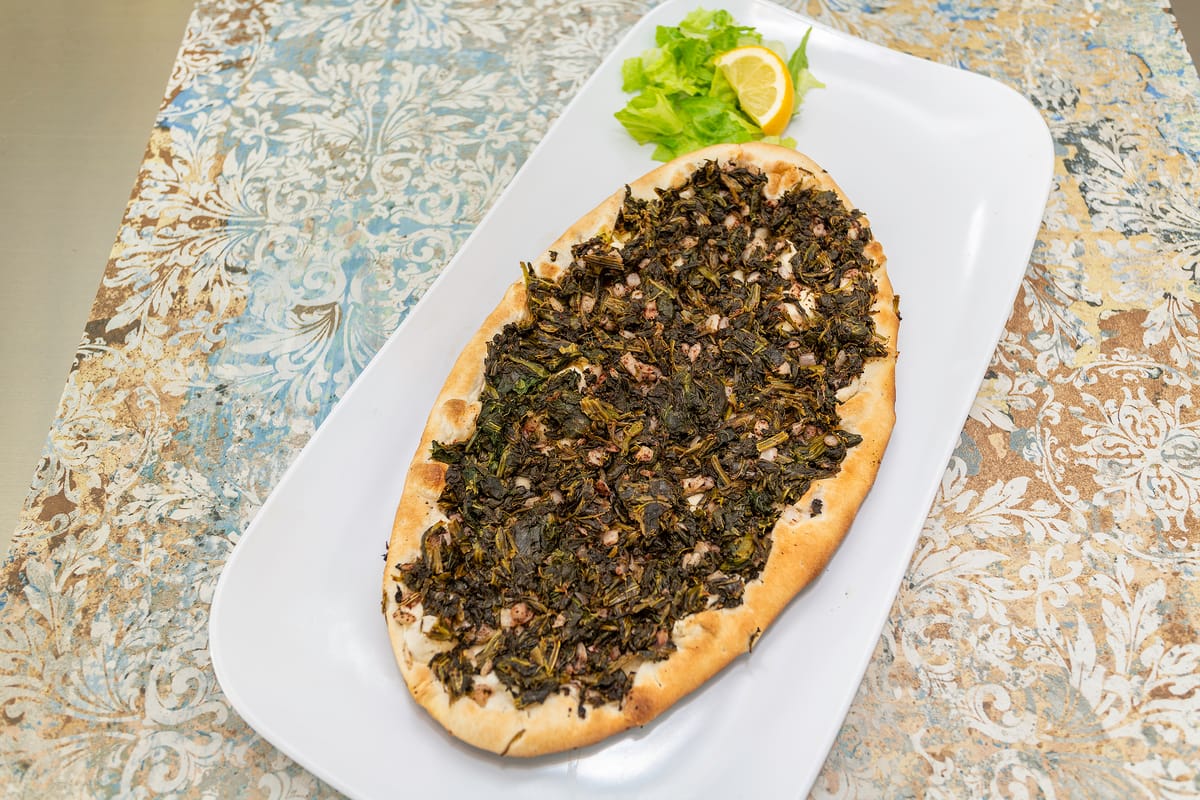
From Ancient Kitchens to Modern Tables
The same zaatar blend that sustained generations across the Levant is served fresh daily at Taza on Seminary Road.
Zaatar in Traditional Medicine
From Levantine folk remedies to school-day breakfast rituals, zaatar has been medicine and food in one.
In Levantine folk medicine, zaatar occupied a category that did not separate food from pharmacy. Grandmothers brewed thyme tea for sore throats and chest congestion. Midwives recommended zaatar to nursing mothers for its believed galactagogue properties. Healers applied poultices of crushed thyme leaves to minor wounds, leveraging the antiseptic qualities of thymol centuries before Lister introduced antisepsis to Western surgery. The Arabic medical tradition, building on Greek and Persian knowledge, classified zaatar as warming and drying -- qualities believed to strengthen the body's resistance to disease, clear the lungs, and sharpen the mind. These categories map loosely onto modern concepts of immune stimulation, expectorant action, and cognitive enhancement.
The most enduring traditional belief about zaatar is its role as brain food. Across Lebanon, Syria, Jordan, and the broader Arab world, parents insist that children eat zaatar and olive oil before school examinations. The practice is so widespread that it functions as a cultural given rather than a debated remedy. The phrase "eat zaatar so you remember" is a common household instruction heard by millions of children each morning. As noted in the brain function section above, modern neuroscience has identified plausible mechanisms -- carvacrol's effect on neurotransmitters, thymol's acetylcholinesterase inhibition -- that support this tradition. The consistency between folk practice and scientific evidence suggests that traditional observation, refined over generations, identified real physiological effects long before laboratory instruments could measure them.
At Taza in Falls Church, this tradition lives on every morning. Customers from across Northern Virginia -- parents picking up breakfast for their families, students from nearby schools, professionals heading to work along the I-395 corridor -- order zaatar manaeesh as their first meal. The ritual connects them to a health practice that predates modern medicine by two millennia while providing the documented nutritional benefits that contemporary science confirms. Whether you approach zaatar from a cultural tradition or from an interest in evidence-based nutrition, the result is the same: a flavorful, affordable meal that does measurable good for your body and brain.
How to Add Zaatar to Your Diet
Five ways to eat more zaatar, from the traditional to the creative.
On Manaeesh Flatbread
The most traditional and most popular way to eat zaatar is on manaeesh -- flatbread brushed with zaatar mixed in olive oil and baked in a stone oven. At Taza, zaatar manaeesh costs just $6.95 and is available from 11 AM to midnight, seven days a week. The stone oven creates a crisp edge and a soft, chewy center where the zaatar oil soaks into the dough. This is breakfast in Lebanon, and it works equally well as a snack, a side dish, or a light lunch for Falls Church and Arlington locals.
Sprinkled on Hummus
A tablespoon of zaatar scattered over the surface of hummus transforms a familiar dip into something more complex and aromatic. The sesame seeds in zaatar complement the tahini already in hummus, while the sumac adds a bright tartness that cuts through the richness of the chickpea base. Ask for zaatar on your hummus at Taza -- the combination is a staple across Levantine tables and provides the antioxidant benefits of both zaatar and olive oil in a single appetizer.
Mixed with Olive Oil for Dipping
The simplest preparation requires no cooking at all. Pour a small pool of extra-virgin olive oil onto a plate, then stir in a generous tablespoon of zaatar. Tear off pieces of warm pita bread and dip. This is how zaatar is eaten at home across the Middle East -- before meals, alongside meals, or as a standalone snack. The combination maximizes absorption of zaatar's fat-soluble compounds and adds the anti-inflammatory benefits of olive oil's oleocanthal.
On Eggs
Scrambled eggs, fried eggs, and omelets all benefit from a generous sprinkle of zaatar. The earthy herbs and tangy sumac complement the richness of egg yolks, and the sesame seeds add textural contrast. In many Levantine households, eggs with zaatar and olive oil are a standard breakfast that provides protein, healthy fats, and the full spectrum of zaatar's bioactive compounds. Try it at home and you will understand why this combination has persisted for centuries.
On Salads and Bowls
Zaatar works as a finishing seasoning on any salad or grain bowl. Sprinkle it over fattoush, toss it with roasted vegetables, or add it to a chicken shawarma bowl at Taza for an extra layer of herbal flavor and nutritional density. The sumac in zaatar serves double duty here -- it adds the same tangy brightness that a squeeze of lemon would, while also delivering its own unique antioxidant payload. NoVA residents building custom bowls at Taza can request zaatar as an addition to any order.
Zaatar at Taza Shawarma & Falafel
Fresh zaatar manaeesh baked to order in our stone oven, seven days a week.
At Taza on Seminary Road in Falls Church, zaatar manaeesh is one of our most ordered items -- and at $6.95, one of our most affordable. The preparation is faithful to tradition: our zaatar blend is mixed with extra-virgin olive oil and spread generously over hand-stretched flatbread dough, then baked in our stone oven until the edges turn golden and the zaatar topping becomes fragrant and slightly caramelized. The result is a flatbread that is crisp where it meets the oven stone and soft where the zaatar-oil mixture has soaked into the dough. Every bite delivers the earthy thyme flavor, the tangy sumac brightness, and the nutty sesame crunch that define authentic zaatar manaeesh.
We source our zaatar blend for freshness and color. Quality zaatar should be vivid green with visible specks of dark red sumac and golden sesame seeds. When you open a container of fresh zaatar, the aroma should be immediate and herbaceous -- if it smells flat or dusty, the essential oils that carry the health benefits have degraded. Our blend retains that aromatic potency, which is why customers across Arlington, Annandale, Bailey's Crossroads, and the broader Falls Church area keep coming back for their zaatar fix. Whether you are eating in, ordering online for pickup, or calling ahead at (703) 340-1014, zaatar manaeesh is available every day from 11 AM to midnight.
Buying and Storing Zaatar
What to look for, how to store it, and when to replace it.
If you want to keep zaatar at home for daily use, look for blends that show vivid green color with distinct particles of red sumac and whole sesame seeds. Avoid zaatar that appears uniformly brown or grey -- this indicates oxidation, meaning the essential oils have evaporated and the beneficial compounds have degraded. Middle Eastern grocery stores along Route 7 in Falls Church, in the Culmore area, and in the Halal markets of Annandale carry zaatar blends of varying quality. Smell the blend before buying if possible: fresh zaatar has a sharp, herbaceous aroma that hits immediately when you open the container. If the scent is faint, the zaatar is past its prime.
Store zaatar in an airtight glass or ceramic container, away from direct light and heat. A cool pantry shelf works well. Avoid storing it above the stove or in a cabinet that gets warm, as heat accelerates the breakdown of thymol and carvacrol. Properly stored, a quality zaatar blend maintains its potency for six to eight months. After that, the flavor and health benefits diminish noticeably. Write the purchase date on the container so you know when to replace it. For the sesame seeds specifically, rancidity is a concern in warm environments -- if the blend smells bitter or off, discard it and buy fresh.
Of course, the easiest way to enjoy fresh zaatar without worrying about sourcing or storage is to visit Taza at 5820 Seminary Rd Ste O in Falls Church. Our zaatar is always fresh, always aromatic, and always baked to order on our manaeesh flatbreads. You get the full health benefit of the blend without the guesswork of shopping and storing it yourself. For Arlington, Fairfax, and Falls Church residents, a regular visit to Taza is the most reliable way to keep zaatar in your diet.
Zaatar Health Benefits: Frequently Asked Questions
Zaatar is considered a highly nutritious spice blend. Its core ingredients -- wild thyme, sesame seeds, sumac, and oregano -- provide concentrated antioxidants, anti-inflammatory compounds, calcium, iron, and B vitamins. Research published in the Journal of Medicinal Food has documented the antimicrobial and antioxidant properties of thymol and carvacrol found in zaatar's thyme base. Consumed regularly as part of a balanced diet, zaatar contributes meaningful micronutrients without added sugar, sodium overload, or artificial ingredients.
Zaatar contains several categories of antioxidants. Thymol and carvacrol from wild thyme and oregano are phenolic monoterpenes with documented free-radical scavenging activity. Sumac provides anthocyanins and gallic acid, which rank among the most potent plant-based antioxidants ever measured. Sesame seeds contribute lignans -- sesamin and sesamolin -- that protect cells from oxidative stress. Together, these compounds give zaatar an ORAC (Oxygen Radical Absorbance Capacity) score that rivals blueberries and dark chocolate.
There is traditional and emerging scientific support for zaatar's cognitive benefits. In Levantine culture, students have eaten zaatar before exams for generations, based on the belief that it sharpens the mind. Modern research supports this tradition: carvacrol has been shown to increase dopamine and serotonin levels in the prefrontal cortex in animal studies, and thymol exhibits acetylcholinesterase-inhibiting activity, which is the same mechanism used by some Alzheimer's medications. While more human clinical trials are needed, the existing evidence is promising.
Zaatar is eaten daily by millions of people across the Middle East with no documented adverse effects at normal dietary quantities. A typical serving on manaeesh or mixed into olive oil for dipping provides modest amounts of each herb -- well within safe consumption levels. People on blood-thinning medications should consult their doctor about high-dose thyme consumption, but the amounts found in a standard zaatar blend eaten at meals are generally considered safe for daily use.
Multiple components of zaatar demonstrate anti-inflammatory activity. Carvacrol inhibits the COX-2 enzyme, which is the same target as ibuprofen and aspirin. Sumac contains gallic acid and quercetin, both of which reduce inflammatory cytokines in laboratory studies. A 2019 study in Phytotherapy Research found that oregano extract -- a key zaatar ingredient -- significantly reduced markers of systemic inflammation in human subjects over eight weeks. Eating zaatar regularly as part of a Mediterranean diet provides cumulative anti-inflammatory benefits.
A tablespoon of dried zaatar blend contains roughly 15 to 20 calories, depending on the sesame seed ratio. Most of those calories come from the healthy fats in sesame seeds. When mixed with olive oil for manaeesh or dipping, a typical serving adds about 80 to 120 calories total. Zaatar manaeesh at Taza is one of the most calorie-efficient items on the menu at just $6.95, providing substantial flavor and nutrition without excessive caloric load.
Taza Shawarma and Falafel at 5820 Seminary Rd Ste O in Falls Church uses a fresh zaatar blend on their stone-oven-baked manaeesh flatbread. The zaatar manaeesh is $6.95 and is available all day, seven days a week, from 11 AM to midnight. You can also request zaatar sprinkled on hummus, labneh, or salads. Taza sources high-quality zaatar that maintains the bright green color and aromatic potency that indicates freshness.
The zaatar spice blend itself is naturally gluten-free -- it consists of dried herbs, sesame seeds, sumac, and salt. However, zaatar is traditionally served on manaeesh flatbread, which contains wheat flour. If you are avoiding gluten, you can enjoy zaatar mixed into olive oil as a dip, sprinkled over hummus or labneh, or added to salads and bowls. At Taza, ask about having zaatar added to any bowl for a gluten-free way to enjoy the blend.
Try Fresh Zaatar at Taza in Falls Church
Stone-oven-baked zaatar manaeesh, available every day from 11 AM to midnight.
Address
5820 Seminary Rd Ste O, Falls Church, VA 22041
Hours
11:00 AM - 12:00 AM -- Open 7 Days a Week
Phone
Learn More About Mediterranean Flavors and Health
Experience the Health Benefits of Zaatar Today
Fresh zaatar manaeesh, baked to order in our stone oven. Antioxidants, flavor, and two thousand years of tradition -- all for $6.95.