How Pita Bread Is Made: From Flour to Pocket
Four ingredients, one ancient technique, and a burst of steam that creates the most versatile bread in Mediterranean and Middle Eastern cooking. Here is the complete process behind pita.
4.8 stars on Yelp (92 reviews) -- Open 11:00 AM - 12:00 AM
How the World's Most Perfect Pocket Bread Is Made
A bread so simple that it predates written recipes, yet so precise that getting the pocket right still separates great bakeries from average ones.
Pita bread is one of the oldest prepared foods still eaten in its original form. Archaeological evidence from sites across the eastern Mediterranean dates flatbread baking to at least 12,000 years ago, and the pocket-forming technique that defines modern pita emerged roughly 4,000 years ago when bakers discovered that thin dough placed on extremely hot stone surfaces would balloon into a hollow sphere. That discovery produced a bread that could be split open and filled, turning it into a portable container for meats, vegetables, and sauces long before plates and utensils were common. Today, pita remains the default sandwich bread across the Levant, North Africa, Greece, and Turkey, and its popularity in Northern Virginia continues to grow as more residents discover the cuisines of the Middle East.
Despite its ancient pedigree, pita bread is built from the simplest possible ingredient list: flour, water, yeast, and salt. Some bakers add a thin stream of olive oil for pliability, but nothing more. There are no eggs, no dairy, no sugar in the traditional recipe. The bread draws its character not from exotic ingredients but from technique -- the kneading that develops gluten, the proofing that generates gas, the rolling that creates uniform thickness, and the burst of high heat that turns water into steam and inflates the dough into its signature pocket. Each step must be executed correctly, or the pocket fails to form. It is one of the few breads where the process matters more than the recipe.
At Taza Shawarma & Falafel in Falls Church, VA, pita is central to what we serve. Our pita pocket sandwiches -- filled with chicken shawarma, beef shawarma, or falafel -- depend on bread that is fresh, soft, and properly pocketed. A stale or poorly baked pita collapses, tears, and leaks. A properly made pita holds its filling, absorbs the sauces without dissolving, and adds its own subtle, wheaty flavor to every bite. That is why we bake our pita fresh daily, and it is why understanding the process matters if you care about what you eat.
The Ingredients: Four Staples, One Purpose
Everything you need to make pita bread is already in your pantry.
Flour is the backbone of pita and the ingredient that determines the bread's structure. High-protein bread flour (12-14% protein content) produces the strongest gluten network, which is critical because the dough needs to stretch into a thin balloon without tearing during the steam inflation phase. All-purpose flour (10-12% protein) also works and produces a slightly softer, more tender pita that many home bakers prefer. Whole wheat flour can replace part or all of the white flour for a denser, nuttier result, though 100% whole wheat pita is heavier and less likely to form a dramatic pocket because the bran particles cut through gluten strands. Most professional bakers in the Falls Church and Arlington area use a blend of bread flour and all-purpose flour to balance strength with tenderness.
Water activates the gluten in the flour and dissolves the yeast, setting the entire process in motion. The water temperature matters more than most home bakers realize. Water between 100 and 110 degrees Fahrenheit is optimal for activating active dry yeast without killing it. Too cold and the yeast remains dormant; too hot and the yeast cells die. The hydration ratio -- the weight of water relative to the weight of flour -- typically runs between 58% and 65% for pita dough. Lower hydration produces a stiffer dough that holds its shape well during rolling but can result in a drier finished bread. Higher hydration yields a softer, more extensible dough that produces a lighter pita with better pocket formation but is trickier to handle on the rolling surface.
Yeast is the living engine of the dough. Whether active dry or instant, the yeast consumes sugars naturally present in the flour and produces carbon dioxide gas, which gets trapped in the gluten network and causes the dough to rise during proofing. This trapped gas is also what helps initiate the pocket during baking: the heat expands the gas bubbles while the water in the dough converts to steam, and the combined pressure inflates the bread from inside. Without yeast, the dough remains flat and dense. Too much yeast produces oversized bubbles that create weak spots and uneven pockets. The standard ratio is about 2 teaspoons of active dry yeast per 3 cups of flour, enough to leaven the dough without overwhelming it.
Salt and olive oil round out the ingredient list. Salt strengthens the gluten structure, controls the fermentation rate of the yeast, and adds flavor. Without salt, pita tastes flat and the dough rises too quickly, producing irregular air pockets that weaken the finished bread. Olive oil is optional but common in most professional pita recipes. A tablespoon or two per batch adds tenderness to the crumb, makes the dough easier to roll without sticking, and extends the shelf life by a day or so. At Taza in Falls Church, our pita recipe includes a moderate amount of olive oil, which contributes to the soft, pliable texture our customers notice when they bite into a falafel pita (from $8.95) or a chicken shawarma pita (from $9.95).
The Process: Mixing, Kneading, Proofing, and Baking
From raw flour to a puffy, golden pocket in under two hours.
Mixing and Kneading
The process begins by dissolving the yeast in warm water and letting it sit for five to ten minutes until it becomes foamy, which confirms the yeast is alive and active. The flour and salt are combined separately, then the yeast-water mixture and olive oil are added. The dough comes together as a shaggy mass that gets kneaded for 8 to 12 minutes by hand or 5 to 7 minutes in a stand mixer with a dough hook. Kneading aligns the gluten proteins into long, elastic chains that give the dough its stretchability. You can test for sufficient gluten development with the windowpane test: pull a small piece of dough thin enough to see light through it without it tearing. If it tears immediately, knead for another two to three minutes. In commercial bakeries across Arlington and Falls Church, spiral mixers handle this step for large batches, but the same principle applies at every scale.
First Rise (Bulk Fermentation)
After kneading, the dough ball is lightly oiled and placed in a covered bowl in a warm spot (75-80 degrees Fahrenheit) for 60 to 90 minutes, or until it doubles in volume. During this bulk fermentation, the yeast produces carbon dioxide that inflates the gluten network, creating a light, airy structure within the dough. The fermentation also develops flavor through the production of organic acids and alcohols that give properly proofed bread its characteristic taste -- subtly tangy, wheaty, and more complex than raw dough. Rushing this step by using too-warm conditions or excessive yeast produces bread with an overly yeasty flavor and a coarser, more irregular crumb. In Northern Virginia's warm summers, the rise happens faster; in winter, bakers often place the dough near the oven or use a proofing box to maintain consistent temperature.
Dividing, Shaping, and Second Rise
Once the dough has doubled, it gets punched down gently to release the largest gas bubbles, then divided into individual portions. For standard six-inch pita, each piece weighs about 80 to 100 grams. The pieces are shaped into smooth balls by tucking the edges underneath and rolling against the work surface with a cupped hand. These balls rest under a damp towel for 15 to 20 minutes for a short second proof, which relaxes the gluten and makes the dough easier to roll without springing back. Skipping this rest results in dough that fights the rolling pin and bounces back to a smaller diameter, producing thicker pita that does not pocket as well. After resting, each ball is rolled into a round disc about 6 to 7 inches in diameter and roughly 6 millimeters thick.
High-Heat Baking (450-500 Degrees F)
The rolled discs go onto a preheated baking surface -- a stone deck oven floor, a baking steel, or an overturned sheet pan -- in an oven set to 450-500 degrees Fahrenheit. Contact with the scorching surface is what triggers the pocket. The bottom of the dough cooks almost instantly, forming a sealed crust. The top surface seals from the radiant oven heat within seconds. Trapped between these two sealed layers, the moisture in the dough converts to steam at high pressure, inflating the bread into a balloon-like dome. The entire bake takes only 2 to 3 minutes. The pita should be lightly golden on the outside but still pale enough to remain soft and flexible. Overbaking produces a crisp, cracker-like bread that shatters when you try to open the pocket. Professional bakers in the Falls Church area watch each batch carefully, pulling the pitas the moment they puff and before they start to brown. The finished bread is stacked and covered with a towel, which traps steam and keeps the pita soft as it cools.
The Magic Pocket: Why Pita Puffs
Steam, gluten, and extreme heat combine to create something no other bread can replicate.
The pocket is the defining feature of pita and the element that separates it from every other flatbread in the world. Understanding why pita puffs requires understanding three simultaneous physical processes. First, the extreme heat of the baking surface (450-500 degrees Fahrenheit minimum) causes the outer surfaces of the dough disc to cook and seal within the first 30 seconds. This creates a closed system with no escape route for gases. Second, the water molecules trapped inside the raw dough interior rapidly convert to steam as the interior temperature climbs past 212 degrees Fahrenheit. Steam occupies roughly 1,700 times more volume than the liquid water it came from, generating significant internal pressure. Third, the gluten network developed during kneading gives the dough enough elasticity to stretch outward under this pressure without ripping.
Temperature is the single most critical variable. Below 425 degrees Fahrenheit, the outer surfaces cook too slowly, allowing steam to escape gradually through the partially set crust. The result is a flat, dense pita with no pocket or only a partial pocket near the center. At 450 degrees and above, the crust sets fast enough to trap the steam before it can escape, and the inflation happens explosively -- often in under 60 seconds. This is why pita baked in a home oven at 350 degrees rarely puffs, while the same dough in a 500-degree oven balloons dramatically. Professional bakeries that supply restaurants across Northern Virginia and Arlington typically run their ovens at 550 degrees or higher, which produces the most reliable and uniform puffing.
Dough thickness and uniformity are the second most important factors. If the dough disc is rolled unevenly -- thicker in the center and thinner at the edges, for example -- the thin spots cook through first and become rigid before the steam pressure builds. The pressure then finds these rigid spots, which crack instead of stretching, and the steam vents out through the crack. The result is a pita that inflates partially on one side but stays flat on the other. Rolling the dough to a consistent 5 to 7 millimeter thickness across the entire disc is the baker's primary technical challenge. Experienced pita bakers develop a feel for even rolling that comes only with repetition.
Once the pita is removed from the oven, the steam inside begins to condense as the bread cools. The two inflated layers settle back toward each other but remain separated by a thin air gap -- this is the pocket. If the bread is stacked and covered while still hot, the residual steam keeps the interior surfaces moist, ensuring they do not fuse back together. This is why professional bakers immediately stack hot pitas under a cloth towel. At Taza in Falls Church, our fresh pita arrives at your table with a clean, intact pocket ready to be split and stuffed with your choice of shawarma or falafel.
Pita vs Other Flatbreads
How pita stacks up against the world's other major flatbread traditions.
| Feature | Pita | Naan |
|---|---|---|
| Origin Region | Levant and Eastern Mediterranean | Indian subcontinent (Punjab region) |
| Primary Flour | High-gluten bread flour or all-purpose flour | All-purpose flour or whole wheat (atta) |
| Leavening Agent | Active dry yeast or instant yeast | Yeast, baking powder, or sometimes none |
| Fat Content in Dough | Minimal -- small amount of olive oil or none | Generous -- ghee or butter folded into layers |
| Dairy in Dough | None -- water only for standard recipes | Yogurt or milk in many traditional recipes |
| Cooking Surface | Stone oven floor or flat metal at 450-500 degrees F | Tandoor oven wall (clay) at 700-900 degrees F |
| Cooking Time | 2-3 minutes total, flipped once | 1-2 minutes, stuck to tandoor wall |
| Signature Characteristic | Natural interior pocket from steam inflation | Charred bubbles, soft and chewy, no pocket |
| Typical Thickness | Thin (6-8 mm before baking, puffs to 2 layers) | Thicker (10-15 mm), teardrop-shaped |
| Common Uses | Pocket sandwiches, torn for scooping dips | Scoop for curries, wrapping kebabs |
Beyond pita and naan, several other flatbreads deserve attention. Shrak (also called markook or saj bread) is a paper-thin Levantine bread cooked on a domed griddle called a saj. It has no pocket and is used primarily for wrapping. At Taza, we offer shrak wraps alongside our pita sandwiches, giving customers a choice between the pocket sandwich experience and a thin, tortilla-style wrap. Lavash is an Armenian flatbread that is also very thin, baked on the wall of a tandoor or on a flat griddle. It dries to a cracker-like texture within hours, which makes it suitable for long-term storage but less ideal for fresh sandwiches.
Tortillas, while structurally similar to some flatbreads, come from a completely different culinary tradition. Corn tortillas use masa harina (nixtamalized corn flour) rather than wheat and contain no yeast, producing a dense, slightly gritty bread with a distinctive corn flavor. Flour tortillas use wheat but rely on fat (lard or shortening) for tenderness rather than yeast for lift. Neither type forms a pocket. For diners in Northern Virginia looking to explore the differences firsthand, Taza at 5820 Seminary Rd Ste O, Falls Church, VA 22041 offers both pita pocket sandwiches and shrak bread wraps, providing two distinct flatbread experiences in a single meal. Learn more on our pita vs naan comparison page.
Freshly Baked Pita Meets Freshly Shaved Shawarma
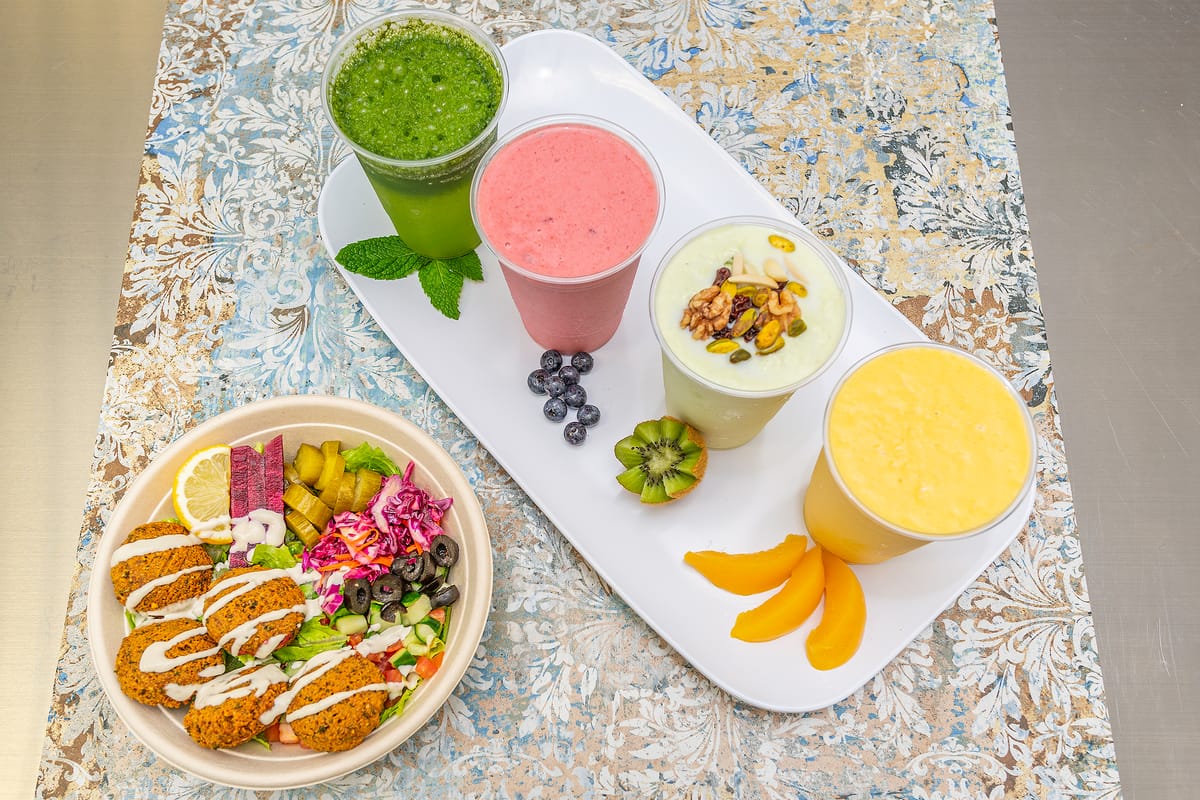
At Taza, every pita sandwich starts with bread baked that morning and meat shaved to order from the spit.
Types of Pita Bread
Not all pita is the same -- thickness, size, and pocket style vary by region and purpose.
Thick Pocket Pita (Khubz Arabi)
This is the standard pita that most Americans recognize from grocery stores and restaurants. It is roughly 6 to 8 inches in diameter, about half an inch thick when deflated, and features a full interior pocket that runs from edge to edge when properly baked. The pocket is large enough to hold a generous filling of shawarma, falafel, vegetables, and sauce. This is the style Taza uses for our pita pocket sandwiches. The thick walls provide structural integrity, keeping the fillings contained without tearing or leaking, even when loaded with tahini sauce and pickled turnips. Thick pocket pita is the most versatile variety -- it works equally well as a sandwich, as a scooper for dips like hummus and baba ghanouj, or cut into wedges and toasted into pita chips for snacking.
Thin Taboon Pita
Taboon bread takes its name from the taboon oven, a clay-lined pit oven traditionally used across the Levant. Taboon pita is thinner and larger than standard pocket pita, typically 10 to 12 inches in diameter. It may or may not have a pocket -- many taboon breads are baked directly on hot pebbles or stones, which press dimples into the surface and prevent uniform puffing. The result is a bread with charred spots, a slightly smoky flavor, and a texture that falls between a standard pita and a shrak wrap. In the Falls Church area, taboon bread is less commonly found than standard pocket pita, but its popularity is growing as more Levantine bakeries open across Northern Virginia. It is particularly well suited for scooping thick stews, musabbaha, and ful medames.
Mini Pita
Mini pita rounds are 3 to 4 inches in diameter and usually served as an appetizer vehicle or party snack. They form the same pocket as full-sized pita, just in a smaller format. When split open, each mini pita half creates a cup-shaped pocket that can hold a spoonful of tabbouleh, a small falafel ball with tahini, or a bite of chicken shawarma. They are a staple at catered events and dinner parties throughout the Arlington and Falls Church area, where Mediterranean food platters have become one of the most requested catering orders. Taza offers catering services that include pita alongside our shawarma and falafel platters for events of all sizes.
Whole Wheat Pita
Whole wheat pita replaces some or all of the white flour with whole wheat flour, adding fiber, B vitamins, and a nuttier, more robust flavor. The bran and germ present in whole wheat flour interfere with gluten development, which means whole wheat pita is typically denser and less likely to form a full pocket than white pita. Many bakers use a 50/50 blend of whole wheat and bread flour to get the nutritional benefits of whole grain while retaining enough gluten strength for a partial pocket. Whole wheat pita contains roughly 5 grams of fiber per serving compared to about 1 gram in white pita, making it a preferred choice for health-conscious diners. Customers at Taza in Falls Church who are watching their carbohydrate intake or increasing their fiber can also explore our bowl options, which skip the bread entirely and serve shawarma or falafel over rice or greens.
Pita Around the World
The same basic bread takes on different names, shapes, and uses as it crosses borders.
Greek Pita
In Greece, the word pita refers to a thick, soft flatbread that typically does not have a pocket. Greek pita is baked or grilled as a solid, single-layer disc and is used primarily as a wrap for gyros (the Greek equivalent of shawarma) or cut into strips for scooping tzatziki and hummus. The dough often includes yogurt or milk, giving it a richer, softer texture than the lean dough of Levantine pocket pita. Greek pita is also slightly oilier, brushed with olive oil before or after cooking. When Americans encounter pita at a Greek restaurant in the Arlington or Falls Church area, it is usually this thicker, pocket-free variety, which can cause confusion when they then encounter the pocket-style pita used in Lebanese and Middle Eastern restaurants.
Turkish Pide
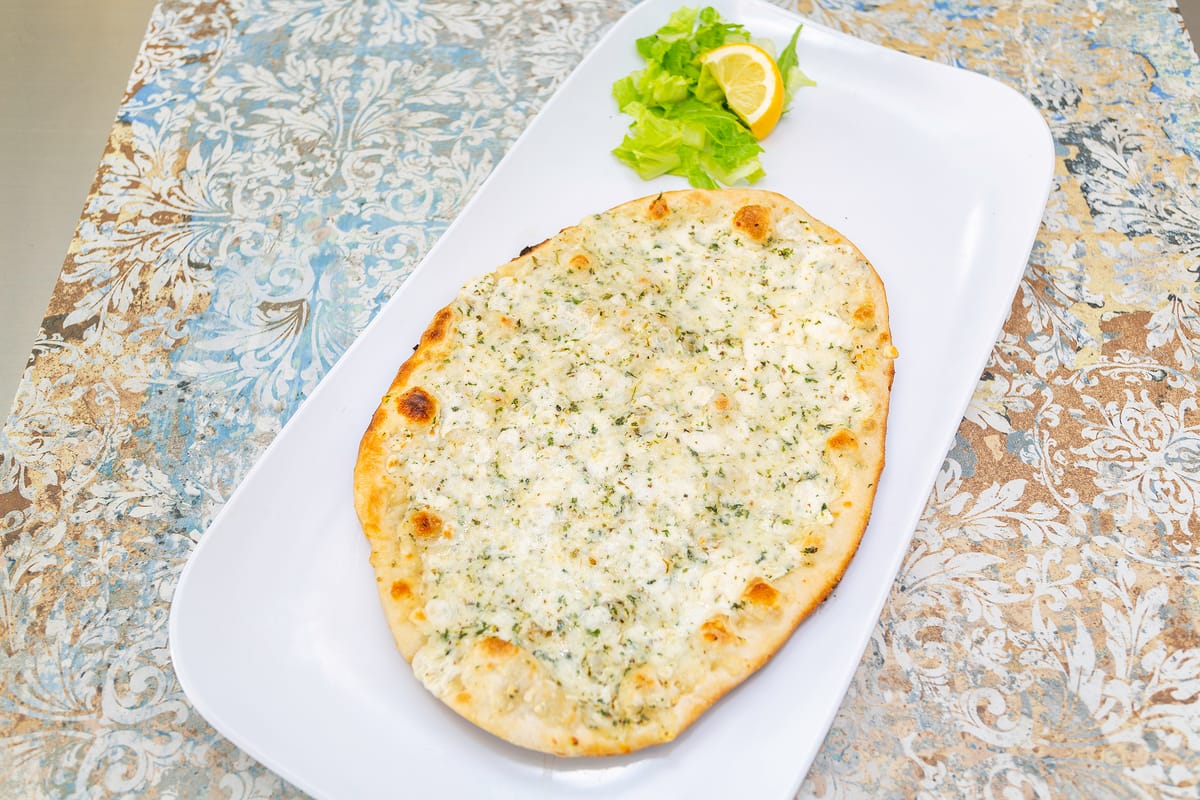
Turkey's version of pita is called pide (pronounced pee-DEH), and it comes in two distinct forms. The everyday bread pide is a round, slightly puffy flatbread similar to Levantine pita but often larger and thicker. The restaurant-style pide is an elongated, boat-shaped bread topped with cheese, ground meat, egg, or vegetables -- essentially a Turkish-style pizza. Both versions use a yeast-leavened wheat dough, but restaurant pide dough is enriched with butter or olive oil for a softer, more bread-like texture. The boat-shaped pide is baked open-faced in a wood-fired oven and served as a meal in itself. In Northern Virginia, Turkish pide and Lebanese pita coexist on many restaurant menus, each serving a different culinary role but sharing a common ancestor in the flatbreads of the ancient eastern Mediterranean.
Lebanese Khubz
Khubz is the Arabic word for bread and is used across the Levant to refer to the standard pocket pita that Westerners recognize. In Lebanon, khubz is the default bread served at nearly every meal. It arrives at the table warm, often wrapped in a cloth napkin, and is used for everything from scooping hummus to wrapping grilled meats to mopping up stew. Lebanese khubz is typically thinner and slightly larger than the Greek-style pita found in American grocery stores, with a more pronounced pocket and a lighter, less chewy texture. This is the style of pita that most closely represents what Taza uses in our kitchen at 5820 Seminary Rd Ste O, Falls Church, VA 22041. When you order a falafel pita (from $8.95), a chicken shawarma pita (from $9.95), or a beef shawarma pita (from $9.95), the bread wrapping your filling follows this Lebanese khubz tradition -- thin, light, properly pocketed, and baked fresh.
What Makes Great Pita Bread
Four qualities separate exceptional pita from the mass-produced bags on grocery store shelves.
Freshness
Freshness is the single greatest differentiator between good pita and great pita. Bread begins to stale the moment it comes out of the oven as the starch molecules in the crumb undergo retrogradation -- a process where they recrystallize and expel moisture, causing the bread to become dry and rigid. Factory- produced pita sold in plastic bags at grocery stores is typically baked days before it reaches the shelf, and preservatives can only slow, not prevent, the staling process. Fresh-baked pita, by contrast, is soft, pliable, and slightly warm to the touch. It bends without cracking, absorbs sauce without dissolving, and has a subtle aroma of toasted wheat that disappears within a few hours of baking. Residents of Falls Church, Arlington, and Northern Virginia who have only experienced supermarket pita are often surprised by the difference when they taste bread baked that same morning.
Proper Baking
Great pita requires high-heat baking on a hot surface for a short duration. The ideal bake produces a bread that is lightly golden on the exterior with a few pale brown spots but still white and soft on the interior surface of the pocket. Overbaking -- even by 30 to 60 seconds -- dries out the bread and makes the pocket walls brittle. Underbaking leaves the center gummy and prevents the pocket from fully forming. The surface should feel firm but not crunchy, and when you press the bread with a finger, it should spring back without leaving a permanent indent. Achieving this balance consistently across hundreds of pieces per day is one of the marks of a skilled bakery operation.
Right Thickness
Thickness determines both the texture of the bread and the structural integrity of the sandwich. Pita that is too thin tears when filled with heavy ingredients like shawarma and sauce. Pita that is too thick becomes bready and doughy, overwhelming the fillings and making the sandwich dense and heavy. The target thickness for a finished pocket pita wall is about 3 to 4 millimeters per layer -- thin enough to be light and flexible, thick enough to hold its contents without failure. This requires rolling the raw dough to a consistent 6 millimeters across the entire disc, which doubles into two 3-millimeter layers after the pocket inflates. Consistency across the entire batch is what separates professional bakers from casual home attempts.
Pocket Integrity
A well-made pita has a pocket that extends from edge to edge, allowing the bread to be split into two complete halves. Each half forms a pouch that can hold a full serving of filling. Poorly made pita has a pocket that forms only in the center, leaving the edges fused together. When you try to open this type of pita, it tears unpredictably, creating holes that leak sauce and fillings. Pocket integrity comes from three things: even dough thickness during rolling, sufficient oven temperature during baking, and proper resting after baking (stacked under a towel so the interior surfaces remain separate). At Taza in Falls Church, our pita is inspected for pocket quality before it goes into sandwich production. If a piece did not pocket correctly, it gets redirected to the chip basket or used as a side bread, not used for a pita sandwich. That attention to quality is why our falafel, chicken shawarma, and beef shawarma pitas hold up from the first bite to the last.
How Taza Uses Pita in Falls Church, VA
From pocket sandwiches to dipping sides, pita is at the center of our menu.
Pita Pocket Sandwiches
Our pita pocket sandwiches are the core of the Taza menu and the item most customers order on their first visit. Each sandwich starts with a fresh pita split open at the top to create a wide mouth. The pocket is then loaded with your choice of protein -- falafel (from $8.95), chicken shawarma (from $9.95), or beef shawarma (from $9.95) -- followed by your selection from our 14-ingredient toppings selection: lettuce, tomatoes, cucumbers, onions, pickles, pickled turnips, mint, parsley, black olives, tahini sauce, garlic mayo, olive oil dressing, hummus, and baba ghanouj. The pita acts as the structural container for all of these components, holding together a combination of textures (crispy falafel, tender shawarma, crunchy vegetables, creamy sauce) that would collapse without a sturdy, properly pocketed bread.
Pita as a Side with Dips
Warm pita bread is the traditional accompaniment to every dip on our menu. When you order hummus, baba ghanouj, or labneh at Taza, each comes with fresh pita for scooping. The mild, wheaty flavor of the bread provides a neutral backdrop that lets the dip flavors take center stage. A good piece of pita is firm enough to scoop a thick hummus without bending or breaking, yet soft enough to tear easily into bite-sized pieces. We also sell pita bread as a standalone side for $0.95 per piece, so customers building bowls or ordering manaeesh can add bread to their meal. The pita side is one of our most frequently added extras, especially among customers who order a shawarma or falafel bowl and want bread on the side for dipping.
Pita and the Taza Experience
Bread is not an afterthought at Taza -- it is foundational. The quality of the pita affects every sandwich we build, every dip plate we serve, and the overall impression our customers carry out the door. We source and bake our pita with the same attention we give to our shawarma marinade, our falafel blend, and our house- made sauces. Customers at our Seminary Road location in Falls Church regularly comment on the bread quality, and it is one of the reasons they return. Whether you are a long-time fan of Mediterranean food or a first-time visitor from Arlington or anywhere in Northern Virginia, the pita at Taza is designed to show you what this ancient bread is supposed to taste like when it is made correctly and served fresh. Visit us at 5820 Seminary Rd Ste O, Falls Church, VA 22041, open 11:00 AM - 12:00 AM, Open 7 Days a Week, or order online for pickup.
Frequently Asked Questions About Pita Bread
Answers to the most common questions about pita ingredients, baking, storage, and where to find fresh pita in Falls Church.
Frequently Asked Questions
Traditional pita bread requires only four core ingredients: flour, water, yeast, and salt. Many bakers add a small amount of olive oil to improve the texture and shelf life of the finished bread. The flour should be a strong bread flour or high-protein all-purpose flour, as the gluten development is what allows the dough to stretch thin enough to form the signature pocket during baking. Some recipes include a pinch of sugar to feed the yeast and accelerate the rise, but this is optional. The simplicity of the ingredient list is part of what makes pita so remarkable -- four pantry staples produce a bread with a completely unique structure that no other flatbread replicates.
Pita puffs because of a rapid steam explosion inside the dough. When a thin, evenly rolled disc of dough hits a surface that is at least 450 degrees Fahrenheit, the outer layers of the dough cook and seal almost instantly, trapping moisture inside. The water in the interior of the dough then converts to steam, and because the sealed outer layers are elastic enough to stretch without tearing, the steam inflates the bread like a balloon. This creates two distinct layers separated by a hollow pocket. The process takes only 60 to 90 seconds. If the oven is not hot enough, the outer layers cook too slowly and the steam escapes gradually instead of inflating the dough. If the dough is rolled unevenly, the thinner spots cook first and create weak points where steam leaks out before the pocket can fully form.
Pita bread requires a baking temperature of 450 to 500 degrees Fahrenheit (230-260 degrees Celsius) for proper pocket formation. Professional bakeries often use stone deck ovens that reach 550 degrees or higher, which produces the most dramatic and consistent puff. Home ovens set to their maximum temperature with a baking stone or inverted sheet pan preheated for at least 30 minutes can produce good results. The key is not just the air temperature but the contact heat from the baking surface. A preheated stone or steel transfers heat directly into the bottom of the dough, cooking the bottom layer rapidly while the top layer seals from the radiant heat above. This two-sided simultaneous cooking is what generates the steam pressure needed for the pocket.
Fresh-baked pita bread is at its best within the first two to three hours after coming out of the oven, when it is still soft, pliable, and slightly warm. Stored in a sealed plastic bag at room temperature, pita will stay reasonably fresh for two to three days. After that, it begins to dry out and stiffen. Pita freezes well and can be stored in the freezer for up to three months without significant quality loss. To revive day-old or frozen pita, sprinkle a few drops of water on the surface and warm it in a 350-degree oven for three to four minutes, or wrap it in a damp paper towel and microwave for 15 to 20 seconds. At Taza Shawarma & Falafel in Falls Church, VA, our pita is baked fresh daily and served warm with every pita pocket sandwich order.
Pita bread is a relatively healthy bread option, especially when compared to enriched breads that contain butter, eggs, sugar, and preservatives. A standard six-inch white pita contains approximately 165 calories, 1 gram of fat, 33 grams of carbohydrates, and 5-6 grams of protein. Whole wheat pita increases the fiber content to about 5 grams per serving and adds additional B vitamins and minerals. Pita contains no cholesterol and is naturally low in sodium when made with modest salt. Because pita is thin and has a hollow pocket rather than dense crumb, it often contains less total bread per sandwich than a thick sub roll or sliced bread, which can make it a lighter vehicle for sandwich fillings.
Pita is a specific type of flatbread, but not all flatbreads are pita. The defining feature of pita is the internal pocket created by steam during high-heat baking. Most other flatbreads -- including naan, tortillas, roti, lavash, and shrak -- do not form a pocket. They may be thinner or thicker than pita, but they remain a single solid layer. Flatbread is a broad category that includes any bread made without a loaf pan, rolled or pressed thin, and baked quickly. Within that category, pita stands apart because of its unique two-layer structure, which allows it to be split open and filled. This makes pita the only common flatbread that functions as both a wrap and a pocket sandwich bread.
Yes, you can make pita at home with a standard kitchen oven, a cast iron skillet, or even a backyard grill. The most reliable home method is to preheat your oven to its maximum temperature (usually 500-550 degrees Fahrenheit) with a baking stone or inverted sheet pan on the middle rack for at least 30 minutes. Roll the dough thin and even (about 6-7 millimeters thick), then slide the rounds directly onto the hot stone. Most will puff within 2-3 minutes. A cast iron skillet on the stovetop over high heat also works: cook each side for about 60 seconds, and many will inflate during the second flip. The key variables are even dough thickness, sufficient heat, and not overworking or over-flouring the dough during rolling.
At Taza Shawarma & Falafel, we take our pita seriously. Our pita is baked fresh daily to maintain the soft, pliable texture and warm aroma that factory-sealed bread cannot match. We use our pita for all of our pita pocket sandwiches, including our falafel pita (from $8.95), chicken shawarma pita (from $9.95), and beef shawarma pita (from $9.95). We also serve warm pita as a side with our hummus, baba ghanouj, and labneh. Visit us at 5820 Seminary Rd Ste O, Falls Church, VA 22041, open 11:00 AM - 12:00 AM, Open 7 Days a Week.
Address
5820 Seminary Rd Ste O, Falls Church, VA 22041
Hours
11:00 AM - 12:00 AM -- Open 7 Days a Week
Phone
Ready to Taste Fresh Pita the Way It Should Be?
Visit Taza Shawarma & Falafel at 5820 Seminary Rd Ste O, Falls Church, VA 22041 for pita sandwiches built with bread baked fresh daily. Open 11:00 AM - 12:00 AM, Open 7 Days a Week.