Kibbeh: The Complete Guide
Ground lamb, fine bulgur, warm spices, and centuries of tradition pounded together into the dish that defines Lebanese cuisine. From the stone mortar to the golden fried torpedo -- this is everything you need to know about kibbeh.
4.8 stars on Yelp (92 reviews) -- Open 11:00 AM - 12:00 AM
What Is Kibbeh?
A family of Levantine dishes built on finely ground meat and bulgur wheat -- the foundation of Lebanese home cooking.
Kibbeh is not a single dish. It is a family of dishes -- perhaps the most important family in all of Levantine cuisine -- united by a core technique: finely ground lean meat, typically lamb, is combined with soaked fine bulgur wheat, grated onion, and a blend of warm spices, then pounded or processed until the mixture becomes a smooth, cohesive paste that can be shaped, filled, and cooked in dozens of different ways. The word kibbeh (also spelled kibbe, kibbi, or kubbeh) comes from the Arabic verb meaning "to form into a ball," which describes the fundamental action of shaping the mixture by hand. From that simple starting point, Lebanese, Syrian, and broader Levantine cooks have developed an extraordinary range of preparations that span raw to fried, baked to braised, simple to elaborate.
The base mixture -- called the kibbeh shell or kibbeh casing -- is what distinguishes kibbeh from every other ground meat dish in the world. The combination of meat and bulgur, when properly prepared, creates something that is neither purely meat nor purely grain. The bulgur absorbs the fat and juices from the lamb, swelling and softening, while the meat proteins bind everything together into a smooth mass that can be molded with wet hands into any shape the cook desires. When eaten raw as kibbeh nayeh, the texture is silky, cool, and clean. When fried as kibbeh ras, the shell turns golden and shatters with an audible crack when you bite through it. When baked as kibbeh bil-sinieh, it firms into a dense, satisfying layer that slices cleanly. The same base material, transformed by heat and technique into completely different eating experiences.
Inside most kibbeh preparations lives the filling, called hashweh in Arabic. The classic hashweh is a mixture of ground meat (usually lamb or a lamb-beef blend) cooked with diced onions, seasoned with the same warm spices as the shell, and studded with toasted pine nuts. Those pine nuts are not optional. They are the defining element of the filling -- small, ivory-colored seeds from the stone pine tree that turn golden and buttery when toasted in clarified butter or olive oil. Each bite of kibbeh that contains a pine nut delivers a burst of rich, nutty flavor that contrasts with the spiced meat and the earthy bulgur. Removing the pine nuts from kibbeh filling is like removing the cheese from a pizza -- technically possible, fundamentally wrong.
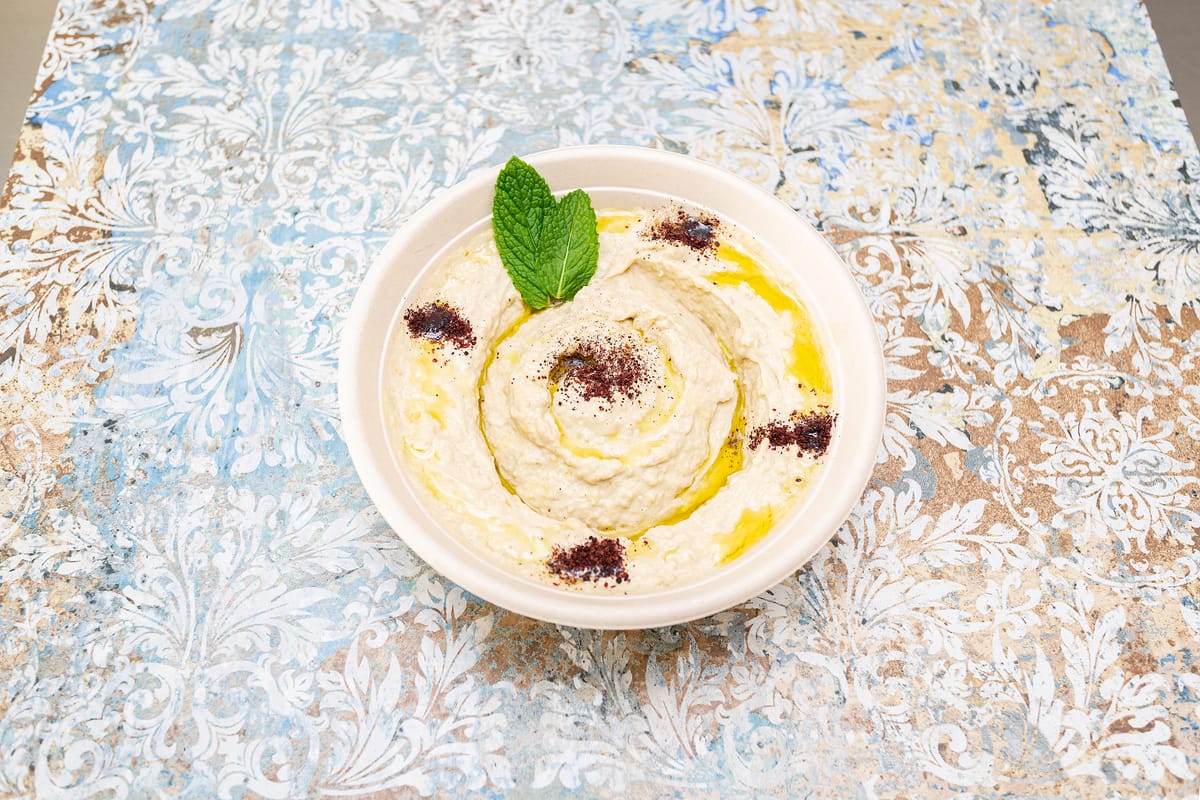
At Taza Shawarma & Falafel in Falls Church, our kibbeh follows the traditional fried torpedo style (kibbeh ras): a golden, crisp shell of lamb and bulgur surrounding a fragrant filling of seasoned ground meat and toasted pine nuts. Each torpedo is fried to order so the shell arrives hot, crackling, and ready to be dipped in cool yogurt or eaten on its own alongside our hummus ($4.95) and warm pita bread ($0.95). It is one of the oldest dishes we serve, and one of the most rewarding.
Lebanon's National Dish
Kibbeh holds the same place in Lebanese cuisine that pasta holds in Italian cooking -- it is identity on a plate.
Why Kibbeh Is Called Lebanon's National Dish
More than food -- kibbeh is a generational tradition, a test of skill, and a source of deep cultural pride.
Ask a Lebanese person to name the dish that defines their country's cooking, and the answer is almost always kibbeh. Not hummus, which is shared across the entire eastern Mediterranean. Not tabbouleh, which is a salad. Kibbeh. The reason is not just taste -- it is what kibbeh represents. Making kibbeh properly is difficult. The meat must be ground to an extraordinary fineness. The bulgur must be soaked and squeezed to the right moisture level. The spice balance must be precise. The pounding or processing must continue long enough to create a smooth paste but not so long that the mixture becomes warm and loses its structure. Every step requires knowledge that is passed from mother to daughter, from grandmother to granddaughter, in kitchens across Lebanon and the Lebanese diaspora. A woman's kibbeh is her culinary signature.
The tradition of kibbeh-making in Lebanon is older than written recipes. Historians trace ground meat and grain preparations in the Levant back at least a thousand years, and the stone mortar called the jorn -- the traditional tool for pounding kibbeh -- has been found in archaeological sites across the region. For centuries, the rhythmic sound of the jorn echoing from a kitchen was a signal that a special meal was being prepared. Neighbors could hear it. Children grew up listening to it. The sound meant Sunday lunch, or a holiday feast, or a gathering of family. In many Lebanese homes, the jorn is a family heirloom -- a heavy stone mortar handed down through generations, its interior worn smooth by decades of use, its weight a physical connection to the women who pounded kibbeh in it before you.
Kibbeh also functions as a social ritual. In Lebanese villages, preparing kibbeh nayeh (raw kibbeh) is a communal event. The meat is bought from a trusted butcher that morning. The women gather in one kitchen. The bulgur is soaked, the onions are grated, the spices are measured. The pounding begins, and it continues until the mixture passes the taste test of the most experienced cook in the room. Then the kibbeh nayeh is spread on a platter, drizzled with olive oil, and everyone eats together -- tearing pita, scooping the raw kibbeh, adding fresh mint and raw onion. The dish is the occasion. It brings people together physically, into the same room, around the same platter. This communal aspect of kibbeh is why it endures as Lebanon's national dish even as the country's food culture becomes increasingly global and diverse.
At Taza, we honor this tradition by preparing our kibbeh with the same attention to ingredient quality and spice balance that defines the dish in Lebanon. We cannot replicate the jorn in a restaurant kitchen, but we can ensure that the lamb is fresh, the bulgur is fine, the allspice is fragrant, and the pine nuts in the filling are properly toasted. When you bite into one of our kibbeh torpedoes in Falls Church, Virginia, the flavor connects you to the same tradition that has been feeding families in the mountains and coastal cities of Lebanon for centuries.
Six Types of Kibbeh You Should Know
From raw and silky to fried and crackling -- the same base transforms into radically different dishes.
Kibbeh Nayeh (Raw)
The purest expression of kibbeh. Ultra-fine raw lamb is pounded with fine bulgur, onion, and spices until the mixture becomes a smooth, silky paste with a rosy pink color. Served cold on a platter, drizzled with olive oil, and garnished with fresh mint leaves and a scattering of pine nuts. You tear off a piece of pita, scoop a mound of the raw kibbeh, and eat it in one bite. The flavor is clean, mineral, and deeply savory -- nothing like the raw meat you might be imagining. Kibbeh nayeh is the benchmark by which Lebanese cooks are judged. The quality of the lamb, the fineness of the grind, the balance of spices, and the freshness of the preparation all matter intensely. It is served at celebrations, family gatherings, and Sunday lunches across Lebanon.
Kibbeh Bil-Sinieh (Baked Tray)
A layered baked dish that functions like a Levantine meat casserole. Two layers of the kibbeh mixture (ground lamb and bulgur) encase a filling of cooked ground meat, toasted pine nuts, and caramelized onions. The assembled tray is scored into diamond shapes, a generous amount of olive oil or clarified butter is drizzled over the top, and it bakes until the surface turns deep golden and the edges crisp. When you cut into a piece, the layers separate cleanly: the firm, spiced shell on top and bottom, the rich, nutty filling in the middle. Kibbeh bil-sinieh is the version most commonly served at large family meals and holiday tables because it feeds a crowd and holds its shape on a plate.
Kibbeh Ras (Fried Torpedoes)
The kibbeh most familiar to diners outside the Middle East. An oval, torpedo-shaped shell of the bulgur-meat mixture is filled with a spoonful of cooked ground meat, toasted pine nuts, and onions, then deep-fried until the exterior is dark golden and audibly crisp. When you bite through the shell, there is a satisfying crack -- the kind of sound that makes everyone at the table reach for one. Inside, the filling is soft, aromatic, and studded with those pine nuts that have turned golden and buttery in the hot oil. Kibbeh ras is served as an appetizer, a meze dish, or a snack. At Taza, this is the kibbeh you will find on our menu: fried to order, served hot, with a side for dipping.
Kibbeh Labanieh (in Yogurt Sauce)
Small kibbeh torpedoes simmered in a warm, tangy yogurt sauce that has been stabilized with egg and a little cornstarch to prevent the yogurt from splitting. The sauce is gently spiced, sometimes with a whisper of dried mint, and the kibbeh bob in the creamy white liquid like dumplings in broth. This is comfort food in its most direct form. The tartness of the yogurt cuts through the richness of the meat, and the bulgur shell softens slightly in the sauce while retaining its shape. Kibbeh labanieh is a dish for cold evenings, for recovering from illness, for feeding people you love. It is typically served over rice with a drizzle of the yogurt sauce ladled on top.
Kibbeh Batata (Potato-Based)
A variation that replaces the bulgur shell with mashed potato, making it naturally gluten-free and giving the exterior a softer, creamier texture. The potato kibbeh shell is seasoned with the same warm spices as the traditional version, filled with the same ground meat and pine nut mixture, and either baked or fried. The result is a kibbeh with a golden, slightly crispy potato crust and a tender, savory center. Kibbeh batata is popular during Lent in some Levantine Christian communities, where dietary restrictions lead cooks to creative substitutions. It also appeals to anyone who simply prefers the gentler texture of potato to the nuttier bite of bulgur.
Kibbeh Arnabiyeh (in Tahini Sauce)
Kibbeh torpedoes braised in a warm tahini and bitter orange sauce, a specialty of the Levantine coastal cities. The sauce is made by thinning tahini paste with bitter orange juice (naranj) and water, then simmering the kibbeh in this mixture until the sauce thickens and the flavors concentrate. The bitter citrus and the nutty sesame create a complex, tangy sauce that clings to each kibbeh. This is a dish for serious eaters and for cooks who appreciate the interplay of bitter, savory, and rich. Kibbeh arnabiyeh is less common than the fried or baked versions but is considered by many Lebanese cooks to be the most sophisticated preparation in the kibbeh family.
How Is Kibbeh Made?
Two methods, one goal: transform raw lamb and bulgur into a smooth, moldable paste that can be shaped and filled.
The Traditional Method: The Jorn
The jorn is a large, heavy stone mortar carved from a single piece of basalt or granite. The pestle is a long wooden club, sometimes made from olive wood, weighted to deliver force without requiring the cook to strain. To make kibbeh in the jorn, you begin with very fresh, very lean lamb -- traditionally from the leg, trimmed of every trace of fat and sinew. The meat is cut into small pieces and placed in the mortar with a pinch of salt. Then the pounding begins. The goal is not to crush the meat but to stretch and tear the muscle fibers until they break down into a fine, sticky paste. The cook adds a handful of soaked, squeezed bulgur, and continues pounding, folding the mixture over itself repeatedly. Cold water is sprinkled in to keep the mixture cool and workable. Grated onion is incorporated. Spices are added. The pounding continues until the mixture is perfectly smooth -- when you press a small amount between your fingers, it should feel like soft clay, with no graininess from the bulgur and no fibrous strands from the meat.
The Modern Method: Food Processor
The food processor has replaced the jorn in most home and restaurant kitchens, including ours at Taza. The technique is different but the goal is the same. The soaked, squeezed bulgur goes into the processor first and is pulsed until fine. Then the cubed raw lamb is added in batches along with the grated onion and spices. The processor is run in short pulses -- not a continuous run, which would heat the mixture and melt the residual fat, making the kibbeh greasy and loose. Ice water is added between pulses to keep the temperature down. The total processing time is five to eight minutes, compared to thirty or forty minutes in the jorn. The texture is excellent for fried and baked kibbeh, though purists insist that the jorn produces a superior result for kibbeh nayeh, where the silkiness of the raw paste is the entire point. The food processor creates a product that is smooth and cohesive but retains a very slight grain that the jorn eliminates completely.
Traditional Jorn vs. Food Processor
How the two preparation methods compare side by side.
| Aspect | Traditional Jorn | Food Processor |
|---|---|---|
| Tool | Stone mortar (jorn) and pestle | Food processor with metal blade |
| Time Required | 30-45 minutes of pounding | 5-8 minutes of pulsing |
| Texture Result | Silky, almost paste-like, very smooth | Fine but slightly grainier |
| Temperature Control | Natural -- stone stays cool | Risk of overheating; add ice water |
| Skill Required | High -- rhythm, pressure, and experience | Moderate -- pulse control matters |
| Cultural Value | Deeply traditional; the sound of the jorn is iconic | Practical for modern kitchens |
| Best For | Kibbeh nayeh (raw) -- texture is superior | Kibbeh ras (fried) and bil-sinieh (baked) |
The Art of the Filling
Toasted pine nuts, caramelized onions, and warm spices -- the hashweh filling is the heart of every kibbeh torpedo.
The Filling: Hashweh with Toasted Pine Nuts
Without the filling, kibbeh is just seasoned meat and grain. The hashweh is what makes it sing.
The word hashweh means "stuffing" in Arabic, and in the context of kibbeh, it refers to the cooked meat filling that lives inside the bulgur-and-lamb shell. Making good hashweh is a separate skill from making good kibbeh paste, and the two must come together in balance for the finished dish to work. The hashweh starts with ground lamb or a lamb-beef blend cooked in a pan with diced onions until the meat is browned and the onions are soft and translucent. The same warm spice blend used in the shell -- allspice, cinnamon, cumin, black pepper -- is added to the filling, creating a flavor harmony between the inside and outside of each kibbeh. The meat is cooked until the moisture evaporates and the flavors concentrate, but not so long that the filling becomes dry. It should be moist, crumbly, and deeply aromatic.
Then come the pine nuts. In a separate small pan, a handful of pine nuts is toasted in clarified butter or olive oil over low heat, stirred constantly, until they turn from ivory to golden. This takes only a few minutes, and the margin between golden and burned is narrow, so the cook watches them closely. When they reach the right color, they are immediately folded into the cooked meat filling. The warm fat from the toasting carries the pine nut flavor through the entire filling. Each pine nut becomes a small capsule of rich, buttery flavor that you discover as you eat. A bite of kibbeh without a pine nut is good. A bite of kibbeh with a pine nut is the reason the dish exists. Lebanese cooks do not economize on pine nuts in kibbeh filling, despite their expense, because they understand that the pine nuts are not a garnish -- they are a structural element of the dish's flavor.
At Taza, our kibbeh filling follows this exact process. The ground meat is cooked with onions and our house spice blend, and the pine nuts are toasted separately before being folded in. When you crack open one of our fried kibbeh torpedoes, you will see the pine nuts scattered through the dark, fragrant filling, and you will understand why they matter.
Fine Bulgur: The Grain That Holds Kibbeh Together
Without bulgur, kibbeh is just seasoned ground meat. The grain transforms it into something entirely new.
Why Fine (#1) Bulgur
Bulgur wheat comes in four grades of coarseness, numbered one through four. Kibbeh requires grade one -- the finest grind, where the wheat particles are barely larger than coarse sand. This fine grind is essential because the bulgur must integrate completely with the ground meat, creating a homogeneous paste with no detectable grain texture. Coarser bulgur grades (used for tabbouleh or pilaf) would create a gritty, crumbly kibbeh that would fall apart during shaping and frying. Fine bulgur also absorbs liquid more quickly and completely, which means it swells to fill the spaces between the meat proteins, acting as both a binder and a textural component.
The Soaking Technique
Before it can be combined with the meat, the fine bulgur must be soaked in cold water for fifteen to thirty minutes, then drained and squeezed firmly in a clean cloth or between your hands to remove excess moisture. This step is critical. Too much water left in the bulgur makes the kibbeh paste loose and difficult to shape. Too little soaking leaves the bulgur hard and gritty. The properly soaked and squeezed bulgur should feel damp but not wet -- like sand at the waterline of a beach, moist enough to hold its shape when pressed but not so wet that water drips from it. Getting this moisture level right is one of the small skills that separates a competent kibbeh from an excellent one, and experienced cooks judge it entirely by feel.
Bulgur contributes more than just structure to kibbeh. It adds a nutty, wheaty flavor that complements the richness of the lamb and rounds out the warm spices. It provides dietary fiber that whole wheat always delivers -- three to five grams per serving, depending on the kibbeh type. And it makes kibbeh more economical than a pure-meat preparation, stretching the lamb further without diluting the flavor. This last point is historically significant: kibbeh became a staple partly because the bulgur allowed families to create a satisfying, protein-rich dish without requiring large quantities of expensive meat. The grain and the meat work together, each making the other better. It is a partnership refined over centuries, and it is the reason kibbeh tastes like kibbeh and not like a lamb meatball.
The Kibbeh Spice Profile
Five spices that create the warm, complex flavor signature of authentic kibbeh.
Allspice (Bahar Hilu)
The dominant spice in the kibbeh mixture. Allspice delivers warm, peppery, clove-like notes that define the character of the dish. In Levantine cooking, allspice appears in nearly every ground meat preparation, and kibbeh is where it shines most prominently. Without allspice, the mixture tastes incomplete -- like bread without salt. Lebanese cooks often grind their own allspice berries fresh for kibbeh, because the volatile oils that give allspice its complexity fade quickly once the berry is cracked.
Cinnamon (Qirfe)
A supporting player that rounds out the warmth of allspice and adds a faint sweetness that balances the iron-rich flavor of raw or cooked lamb. In kibbeh, cinnamon should be present but invisible -- you should not be able to identify it as a distinct flavor, but you would notice if it were missing. A quarter teaspoon per pound of meat is a common ratio. More than that, and the kibbeh starts tasting like a dessert.
Cumin
Cumin provides an earthy, slightly smoky undertone that anchors the brighter flavors of allspice and cinnamon. Not every kibbeh recipe includes cumin -- some purists omit it -- but many Lebanese and Syrian cooks consider it essential for the filling (the hashweh) even if they leave it out of the outer shell. Cumin pairs especially well with the toasted pine nuts in the filling, reinforcing their nutty warmth.
Black Pepper
Clean, sharp heat that lifts the mixture and prevents it from tasting flat. Black pepper works in concert with the allspice, which has its own peppery quality, to create a layered warmth that builds gradually rather than hitting you all at once. Freshly ground pepper is strongly preferred over pre-ground for kibbeh, as the aromatic oils matter here.
Dried Rose Petals (optional)
In some Syrian and northern Lebanese traditions, a small amount of ground dried rose petals is added to the kibbeh mixture. This is not a common practice, but when done well, it adds a haunting floral note that sits behind the other spices like a whisper. You taste it as something you cannot quite name -- an elegance in the flavor that distinguishes a master cook from a competent one.
Kibbeh Nutritional Profile
A nutrient-dense food that delivers serious protein, iron, and fiber in every serving.
Kibbeh is one of the most nutritionally complete single dishes in Levantine cuisine. The lamb provides high-quality animal protein with a full amino acid profile, plus heme iron (the form your body absorbs most efficiently), zinc, and B vitamins including B12. The bulgur wheat contributes complex carbohydrates, dietary fiber, and additional plant-based protein. Together, a single serving of kibbeh delivers a balanced macronutrient profile that rivals a carefully planned meal. The combination of animal and grain protein in kibbeh is particularly efficient -- the amino acids from the lamb complement those from the wheat, creating a more complete protein source than either ingredient alone. This is not a modern nutritional insight; it is a traditional food combination that worked for centuries before anyone understood the biochemistry behind it.
The calorie count varies significantly based on preparation method. Fried kibbeh torpedoes (kibbeh ras) absorb oil during frying, adding roughly 60-80 calories per piece compared to the baked version. Baked kibbeh bil-sinieh is leaner because the surface oil drains away during cooking. Raw kibbeh nayeh is the leanest of all, containing only the natural fat present in the lamb itself, with no added cooking fat. Regardless of preparation method, kibbeh is a protein-forward food that keeps you full longer than carbohydrate-heavy alternatives, making it a smart choice for active people and anyone focused on nutrient density over empty calories.
| Nutrient | Amount (per serving) | Notes |
|---|---|---|
| Calories | ~250 per torpedo (fried) | ~180 per serving (baked tray) |
| Protein | 18-22g per serving | High -- from lamb and bulgur combined |
| Iron | 3-4mg per serving (15-20% DV) | Lamb is one of the best dietary iron sources |
| Fiber | 3-5g per serving | From bulgur wheat in the shell |
| Fat | 12-16g (fried) / 8-10g (baked) | Mostly from lamb and cooking method |
| Carbohydrates | 15-20g per serving | Primarily from bulgur wheat |
| B Vitamins | B12, B6, niacin from lamb | Bulgur adds thiamine and folate |
| Zinc | 4-5mg per serving (35-45% DV) | Lamb is exceptionally rich in zinc |
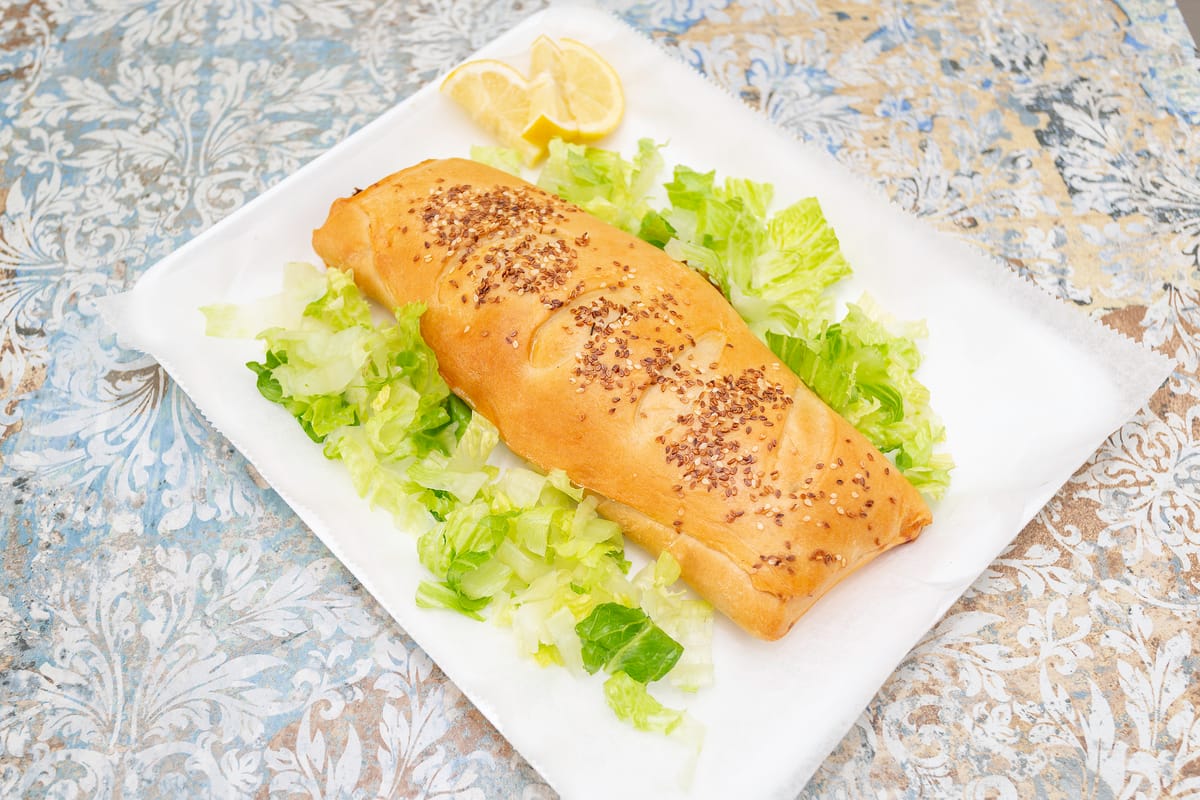
Kibbeh at Taza
Fried to order in Falls Church, VA -- golden, crisp, and filled with toasted pine nuts.
Kibbeh at Taza Shawarma & Falafel
How we prepare our kibbeh in Falls Church, Virginia -- and what to order alongside it.
At Taza, our kibbeh is the fried torpedo style -- kibbeh ras -- because it is the preparation that delivers the most dramatic contrast of textures and flavors in a single bite. The shell is made with fine lamb ground in-house with grade one bulgur wheat, grated onion, and our house blend of allspice, cinnamon, and black pepper. The filling is prepared separately: ground meat cooked with onions and warm spices, finished with pine nuts toasted until golden. Each torpedo is hand-shaped, filled, sealed, and fried to order in clean oil until the exterior reaches that precise shade of deep gold that tells you the shell is going to shatter when you bite it. We do not pre-fry and hold them under a heat lamp. Every kibbeh that reaches your table was in the fryer minutes ago.
The best way to eat our kibbeh is with a small bowl of plain yogurt or labneh ($4.95) on the side. Break the torpedo in half to release the steam and the aroma of the spiced filling. Dip one half in the yogurt. The cool, tangy dairy against the hot, crackling shell and the warm, pine-nut-studded filling is one of the great combinations in Levantine eating. Add a squeeze of lemon if you want brightness. Tear off a piece of warm pita ($0.95) and use it to scoop any filling that falls onto your plate. Order our hummus ($4.95) and a side of rice ($2.95) to round out a full meze plate. This is the way kibbeh is meant to be eaten -- not alone, but as part of a spread, shared with the people at your table.
If you are building a larger order around our kibbeh, consider our sfiha meat pies ($2.95), which share the same warm spice profile and make a natural pairing. Our beef shawarma pita (from $9.95) adds a different protein texture to the table, and our falafel pita (from $8.95) gives your vegetarian guests something equally satisfying. Visit us at 5820 Seminary Rd Ste O, Falls Church, VA 22041 -- we are open 11:00 AM - 12:00 AM, Open 7 Days a Week.
How to Eat Kibbeh: Three Traditions
The preparation determines the ritual. Raw, fried, and baked kibbeh each have their own way of being eaten.
Kibbeh Nayeh (Raw): The Platter Ritual
Raw kibbeh is served on a large communal platter, spread flat or mounded and scored with a cross-hatch pattern, drizzled generously with extra-virgin olive oil, and garnished with fresh mint leaves. Diners tear pieces of pita bread and use them to scoop portions of the raw kibbeh directly from the platter. Each bite is accompanied by a thin slice of raw white onion, a sprig of fresh mint, and sometimes a whole fresh chili pepper. The olive oil is not optional -- it adds richness and helps the silky kibbeh glide smoothly across the palate. Some families serve a small dish of extra allspice on the side for those who want more heat. The platter should be consumed quickly, while the kibbeh is still cold and fresh. This is not a dish you graze on over hours. It is served, eaten with focus and appreciation, and finished.
Kibbeh Ras (Fried): The Torpedo Experience
Fried kibbeh torpedoes are served hot, usually on a plate lined with a few leaves of lettuce or on a bed of parsley. The traditional accompaniment is a small bowl of plain yogurt -- thick, cold, and unsweetened. You pick up a torpedo, break it in half (the crack is part of the pleasure), and dip the exposed filling side into the yogurt. The contrast between the hot, crunchy shell and the cold, tangy yogurt is the defining sensation of eating fried kibbeh. A squeeze of fresh lemon juice over the broken torpedo brightens everything. On a meze table, fried kibbeh sits alongside hummus, baba ghanoush, tabbouleh, pickled vegetables, and warm pita. You alternate bites: kibbeh, then a scoop of hummus on pita, then a forkful of tabbouleh, then back to kibbeh. The variety of flavors and textures across the meze table is the whole point of Levantine communal eating.
Kibbeh Bil-Sinieh (Baked): The Main Course
Baked kibbeh is served as a main course, cut into diamond or square pieces directly from the baking tray. It is plated with a generous side of plain yogurt or a cucumber-yogurt sauce, a green salad (usually fattoush or a simple lettuce-and-tomato salad with lemon dressing), and a mound of vermicelli rice. The baked kibbeh itself is dense and rich, so the cool yogurt and the acidic salad provide essential contrast. Each diamond- shaped piece has a crispy top layer where the olive oil and high heat created a golden crust, a firm middle layer of the hashweh filling with its pine nuts, and a softer bottom layer of kibbeh paste that absorbed juices from the filling during baking. The three layers together create a complete bite that needs nothing else -- but the rice and yogurt alongside it make the meal feel generous and abundant, which is the Lebanese way.
What Makes Kibbeh Special
Seven qualities that set kibbeh apart from every other ground meat dish.
Dual-Texture Construction
A crisp or smooth outer shell encasing a separately prepared filling -- two distinct preparations in one bite.
Ancient Technique
The stone mortar (jorn) method has been used for over a thousand years and remains the gold standard for texture.
Lamb-Forward Flavor
Kibbeh celebrates the rich, mineral flavor of lamb rather than masking it. The spices complement, never overpower.
Grain-Meat Synergy
Bulgur and lamb together create a complete protein with fiber, iron, and B vitamins in a single dish.
Infinite Variety
Raw, fried, baked, braised in yogurt, simmered in tahini -- one base, at least six distinct preparations.
Perfect Pairing Dish
Kibbeh pairs with yogurt, olive oil, mint, pita, hummus, and tabbouleh -- the full Levantine spread.
Find Taza in Falls Church, VA
Authentic kibbeh and full Levantine menu -- open daily.
Address
5820 Seminary Rd Ste O, Falls Church, VA 22041
Hours
11:00 AM - 12:00 AM -- Open 7 Days a Week
Phone
Kibbeh: Frequently Asked Questions
Kibbeh is made from two primary components: finely ground lean meat (traditionally lamb, sometimes beef) and fine (#1) bulgur wheat. These are combined with grated onion and a spice blend of allspice, cinnamon, cumin, and black pepper, then pounded or processed until the mixture becomes a smooth, cohesive paste. The filling (hashweh) is a separate preparation of cooked ground meat, toasted pine nuts, diced onions, and the same warm spices. The outer shell and the filling come together differently depending on the kibbeh type -- formed into torpedoes for frying, layered in a tray for baking, or served raw as kibbeh nayeh.
Kibbeh nayeh (raw kibbeh) is a traditional Lebanese dish that has been consumed safely for centuries, but it requires extremely fresh, high-quality lamb from a trusted butcher. The meat must be ground the same day, kept at proper cold temperatures, and prepared in clean conditions. In Lebanon, families buy lamb specifically for kibbeh nayeh from butchers they know personally, and the dish is consumed immediately after preparation. If you are not confident in the freshness and sourcing of the meat, cooked versions like fried kibbeh ras or baked kibbeh bil-sinieh offer the same flavor profile with a different texture.
Kibbeh and kofta both use ground meat and warm spices, but they differ in structure and preparation. Kibbeh incorporates fine bulgur wheat into the meat mixture, creating a distinctive shell that can be filled with a separate meat-and-pine-nut filling. Kofta is pure ground meat (no bulgur) shaped onto skewers or into patties and grilled, baked, or braised. Kibbeh has a nuttier, more complex texture from the bulgur, while kofta is denser and more purely meaty. Both are staples of Levantine cuisine, and both appear on menus across the Middle East. At Taza, you can try our kofta on the menu alongside our kibbeh.
Yes. Taza Shawarma & Falafel in Falls Church, VA serves kibbeh as part of our authentic Levantine menu. Our kibbeh is the fried torpedo style (kibbeh ras), made with a shell of fine lamb and bulgur surrounding a filling of seasoned ground meat and toasted pine nuts. Each torpedo is fried to order until the exterior is golden and crisp while the filling stays tender and aromatic inside. Visit us at 5820 Seminary Rd Ste O, Falls Church, VA 22041 or order online. We are open 11:00 AM - 12:00 AM, Open 7 Days a Week.
Traditional kibbeh is not gluten-free because bulgur wheat is a core ingredient in the shell. However, the variation called kibbeh batata replaces the bulgur with mashed potato, making it naturally gluten-free while preserving the same spiced meat filling with pine nuts. If you have celiac disease or a gluten sensitivity, ask about the preparation method, as some versions may still use flour for binding. At Taza, our standard kibbeh contains bulgur wheat. Check our gluten-free Mediterranean guide for other options on our menu.
A single fried kibbeh torpedo (kibbeh ras) contains approximately 200-250 calories, with 18-22 grams of protein, 12-16 grams of fat, and 15-20 grams of carbohydrates from the bulgur wheat shell. Baked kibbeh bil-sinieh is lower in fat because it is not deep-fried, coming in at roughly 180 calories per serving. Kibbeh provides significant iron and zinc from the lamb, dietary fiber from the bulgur, and a full profile of B vitamins. It is a nutrient-dense food that delivers substantial protein relative to its calorie count.
Fried kibbeh torpedoes are traditionally served with a bowl of plain yogurt or labneh for dipping, which provides a cool, tangy contrast to the hot, spiced meat. A squeeze of lemon over the kibbeh brightens the flavor. On a meze table, kibbeh sits alongside hummus, baba ghanoush, tabbouleh, fattoush salad, and warm pita bread. Baked kibbeh bil-sinieh is typically served as a main course with a side salad and rice. Kibbeh labanieh comes in its own yogurt sauce and is served over rice. At Taza, pair your kibbeh with our hummus ($4.95), labneh ($4.95), and warm pita bread ($0.95) for a complete Levantine spread.
Kibbeh torpedoes are one of the best party foods in Levantine cuisine -- they are handheld, individually portioned, and can be served at room temperature. For a meze-style party, plan on two to three kibbeh per person alongside other appetizers. For a kibbeh-focused spread, plan on four to six per person. Call Taza at (703) 340-1014 to discuss large orders and catering options. We can prepare trays of kibbeh alongside hummus, pita, salads, and other meze for pickup or delivery in the Falls Church, Northern Virginia area.
Taste Lebanon's National Dish in Falls Church
Golden, crisp torpedoes filled with toasted pine nuts and seasoned lamb -- fried to order at Taza Shawarma & Falafel. Order online or visit us today.