What Is Kofta? The Complete Guide to Spiced Meat
Kofta is one of the oldest and most widespread meat preparations in the world -- ground lamb or beef mixed with fresh parsley, grated onion, and a warm spice blend, then shaped by hand and grilled over open flame.
4.8 stars on Yelp (92 reviews) -- Open 11:00 AM - 12:00 AM
What Is Kofta?
Ground meat, bold spices, and centuries of tradition in every bite.
Kofta is ground meat -- traditionally lamb, beef, or a blend of the two -- mixed with finely grated onion, chopped flat-leaf parsley, and a warm spice blend built around allspice, cinnamon, cumin, and coriander. The mixture is kneaded by hand until the ingredients are fully incorporated, then shaped into logs around flat metal skewers, pressed into patties, or rolled into balls. The shaped meat is grilled over charcoal, baked in the oven, pan-fried in a skillet, or simmered in a tomato or yogurt sauce depending on the regional tradition. The word kofta comes from the Arabic verb "kafata," meaning to grind or pound -- a direct reference to the technique of processing raw meat into a fine, workable mixture.
What separates kofta from a plain hamburger or meatball is the spice blend and the fresh herbs mixed directly into the meat. The combination of allspice, cinnamon, and cumin gives kofta an aromatic warmth that hits your nose before the first bite. Parsley adds moisture and a bright, grassy counterpoint that keeps the meat from tasting heavy. The onion, grated rather than diced, releases juice throughout the mixture and prevents the kofta from drying out during grilling. These three elements -- warm spices, fresh herbs, and grated onion -- are what make kofta distinctly Middle Eastern and what have made it one of the most enduring meat preparations in culinary history.
At Taza Shawarma & Falafel in Falls Church, VA, we serve dishes that share kofta's spiced-meat DNA: our sfiha meat pie at $2.95 features a spiced ground beef topping baked on flatbread, and our beef shawarma pita at from $9.95 uses the same warm-spice family on slow-roasted beef. Our menu captures the full range of Middle Eastern meat preparations that sit alongside kofta on a traditional table.
Allspice, Cinnamon, Cumin, Parsley
The warm-spice blend that gives kofta its unmistakable aroma -- ancient ingredients, unchanged for centuries.
Where Does Kofta Come From?
From ancient Mesopotamia to grills on every continent.
The practice of grinding meat and forming it into shapes for cooking is among the oldest culinary techniques in the world. Archaeological evidence from ancient Mesopotamia -- the region between the Tigris and Euphrates rivers in modern-day Iraq -- shows that ground meat preparations were part of royal feasts as far back as 1700 BCE. The Babylonian clay tablets from that era contain recipes for ground lamb shaped around sticks and roasted over fire, a preparation that is recognizably kofta. The word itself entered Arabic from the Persian "kufta" or "kofteh," which traces back to the verb meaning to pound or to grind.
As Arab traders and the expansion of the Islamic caliphates connected the Middle East to North Africa, Central Asia, and South Asia between the 7th and 13th centuries, kofta traveled with them. The dish adapted to local ingredients and cooking styles at every stop. In Turkey, it became kofte with dozens of regional variations. In Persia, it became kofteh -- sometimes stuffed with whole boiled eggs or dried fruit. In the Indian subcontinent, the Mughal courts adopted kofta and transformed it into elaborate curry preparations, including vegetarian versions made with paneer, potato, or spinach. By the Ottoman period (14th-20th centuries), kofta was a fixture of court cuisine and street food alike across an empire spanning three continents.
Medieval Arabic cookbooks -- including the 13th-century "Kitab al-Tabikh" (The Book of Dishes) by Muhammad ibn al-Hasan al-Baghdadi -- contain multiple kofta recipes that would be instantly recognizable today. The instructions describe grinding lamb with onion, seasoning with cinnamon and coriander, shaping the mixture onto skewers, and grilling over coals. The fundamental technique has remained remarkably stable across ten centuries, even as regional variations multiplied.
Lebanese and Syrian immigrants brought kofta to the Americas, West Africa, and Australia in the late 19th and 20th centuries. In Brazil, the kafta kebab became a staple of churrascarias alongside Brazilian cuts. In Nigeria and Ghana, suya -- spiced grilled meat on skewers -- shares a clear lineage with Arab kofta traditions brought across the Sahara. In the Northern Virginia area, including Falls Church and Arlington, the large Middle Eastern diaspora community has made kofta available at restaurants, halal butcher shops, and grocery stores.
How Does Kofta Vary Around the World?
Four major traditions, each with its own spices, shapes, and cooking methods.
Lebanon & Syria
Grilled on Flat SkewersLebanese kafta is defined by its generous use of fresh flat-leaf parsley -- sometimes up to a full cup per pound of meat. The mixture is pressed onto flat metal skewers in a long, thin log shape and grilled over charcoal until the exterior is lightly charred and the interior stays juicy. It is served with grilled tomatoes, onion, and a side of hummus or tahini. Lebanese kafta also appears baked in a casserole dish (kafta bil sinieh) with sliced potatoes and tomatoes in a tomato-based sauce, making it a hearty one-pan family dinner.
Turkey
The Kofte TraditionTurkey claims more regional kofte variations than any other country -- over 290 named types according to Turkish culinary historians. Inegol kofte from Bursa is a simple mix of ground lamb and beef with onion, formed into small oval patties and grilled. Cig kofte from southeastern Turkey is a raw version made with fine bulgur wheat and raw ground lamb, kneaded with spices until the meat cooks from the heat of hands and spice (modern versions are often made with just bulgur for food safety). Izmir kofte is baked in a tomato sauce with peppers and potatoes.
Syria & the Levant
Simmered in SauceSyrian kofta traditions include daoud basha -- small meatballs simmered in a rich tomato and pomegranate molasses sauce, a dish that dates to the Ottoman court kitchens. Kofta bil sinieh (kofta in a tray) layers seasoned ground meat in a baking dish with sliced potatoes and onions, all cooked in a spiced tomato sauce until the potatoes are tender and the sauce has thickened. Cherry kofta from Aleppo pairs small meatballs with sour cherries in a sweet-and-sour sauce -- a distinctly Syrian flavor combination.
India & South Asia
Curry and Vegetarian VersionsThe Mughal courts brought kofta to India, where it evolved into entirely new forms. Malai kofta is fried balls of paneer (fresh cheese) and potato in a rich cream sauce. Lauki kofta uses grated bottle gourd. Meat kofta in India is typically lamb or goat meatballs simmered in a spiced yogurt or onion-tomato gravy, seasoned with garam masala, turmeric, and green chili rather than the allspice-cinnamon blend of the Middle East. Indian kofta is almost always served in a sauce, never dry-grilled as in Lebanon.
Kofta vs Kebab: What Is the Difference?
Kofta is one type of kebab, but kebab is a much broader category.
People often use kofta and kebab interchangeably, but they are not the same thing. Kebab is the umbrella term for any meat cooked over direct heat -- it includes whole chunks of lamb on skewers (shish kebab), thin slices shaved from a vertical spit (shawarma), marinated chicken pieces grilled over coals, and ground meat on skewers. Kofta sits within that larger category as a specific preparation: ground meat mixed with seasonings and shaped by hand. When kofta is placed on a skewer and grilled, it is called kofta kebab. But kofta can also be baked in a tray, pan-fried as patties, or simmered in sauce -- none of which qualify as kebab in the traditional sense. Think of it this way: all kofta kebab is kofta, but not all kofta is kebab, and not all kebab is kofta. For a deeper look at the kebab family, see our shawarma vs kebab comparison.
| Feature | Kofta | Kebab |
|---|---|---|
| Meat Form | Always ground meat -- never whole cuts | Can be whole muscle chunks, sliced, or ground |
| Seasoning | Heavily spiced with onions, parsley, seven-spice blend | Often simple salt and pepper; marinade varies |
| Shape | Formed into logs, balls, or patties by hand | Cubed on skewers, sliced from a spit, or ground |
| Binding | Onion and parsley bind the mixture; sometimes egg or breadcrumbs | No binding needed for whole-muscle cuts |
| Cooking Method | Grilled on flat skewers, baked, pan-fried, or simmered in sauce | Grilled on skewers, roasted on a vertical spit, broiled |
| Scope | One specific preparation -- seasoned ground meat | Broad category covering dozens of different preparations |
| Examples | Kofta kebab, kofta bil sinieh, daoud basha, kofta patties | Shish kebab, doner kebab, shawarma, adana, seekh kebab |
What Spices Go Into Kofta?
The seven-spice blend (baharat) that gives kofta its unmistakable warmth and aroma.
Allspice (Bahar Hilu)
The backbone of the kofta spice blend. Allspice is a single berry from the Pimenta dioica tree that tastes like a combination of cinnamon, cloves, and nutmeg -- hence the name. It provides the warm, sweet-savory base note that defines Middle Eastern meat dishes. In Lebanese cooking, allspice is used more heavily than in any other regional cuisine.
Cinnamon (Qirfa)
Ground cinnamon adds a sweet, woody warmth that balances the heavier spices. Middle Eastern cooking uses true cinnamon (Ceylon) rather than cassia, which has a milder, more complex flavor. Cinnamon in kofta is subtle -- you taste it as a warm background note rather than a dominant flavor.
Cumin (Kammun)
Earthy, slightly bitter, and deeply aromatic. Cumin provides the grounding base note in the blend. It is typically used ground, though some cooks toast whole cumin seeds and grind them fresh for a more intense flavor. Cumin also aids digestion, which is one reason it has been paired with red meat for thousands of years.
Coriander (Kuzbara)
Ground coriander seeds add a citrusy, slightly floral note that brightens the otherwise warm and heavy spice blend. Coriander and cumin are almost always used together in Middle Eastern cooking -- they balance each other, with cumin providing depth and coriander providing lift.
Black Pepper (Filfil Aswad)
Freshly ground black pepper adds sharp heat and pungency. It cuts through the richness of the ground lamb fat and keeps the spice blend from being too one-dimensionally warm. Most kofta recipes call for a generous amount -- more than you would use in Western cooking.
Nutmeg & Cardamom (Optional)
Some seven-spice blends include a pinch of nutmeg for its sweet, musky depth and green cardamom for its floral, almost eucalyptus-like aroma. These are accent spices -- used in very small quantities to add complexity without becoming identifiable on their own.
Beyond the dry spice blend, kofta relies on two fresh ingredients that are just as important: flat-leaf parsley and grated onion. The parsley -- always Italian flat-leaf, never curly -- is chopped fine and mixed directly into the meat. It adds chlorophyll-green color, a bright herbal flavor, and moisture that keeps the kofta juicy during cooking. The onion is grated on a box grater or pulsed in a food processor, then squeezed to remove excess liquid. The grated onion melts into the meat during cooking, creating pockets of sweetness and moisture throughout every bite. Together, the parsley and onion do as much to define kofta's flavor as the dry spice blend itself.
Shaped by Hand, Grilled Over Flame
The art of kofta is in the hands -- mixing, kneading, and shaping the meat around the skewer.
How Is Kofta Made? Step by Step
The traditional method for making kofta at home, from raw meat to finished skewer.
Select and Grind the Meat
Start with lamb, beef, or a 50/50 blend. The ideal fat content is 15-20% -- ask your butcher for ground lamb shoulder or beef chuck. If grinding at home, cut the meat into cubes, chill it in the freezer for 20 minutes until firm but not frozen, then pass it through the medium plate of a meat grinder. One pass is sufficient -- kofta should have a coarser texture than kibbeh. Pre-ground meat from the store works fine as long as it is fresh.
Prepare the Aromatics
Grate one large yellow onion on the coarse side of a box grater. Place the grated onion in a clean kitchen towel and squeeze firmly to remove excess liquid -- this step is critical because too much moisture will make the kofta mixture too wet to hold its shape on the skewer. Finely chop a full bunch of flat-leaf parsley (about one cup, packed). The parsley should be dry -- wash and pat it thoroughly before chopping.
Mix the Spice Blend
Combine one teaspoon each of allspice, cumin, and coriander with half a teaspoon each of cinnamon and black pepper. Add a pinch of nutmeg if desired. This is enough for one pound of meat. Mix the dry spices together before adding them to the meat -- pre-mixing ensures even distribution. Salt generously: about one teaspoon of fine salt per pound of meat.
Knead the Mixture
Place the ground meat in a large bowl. Add the squeezed onion, chopped parsley, and spice blend. Knead with your hands for three to five minutes, working the mixture until it becomes cohesive and slightly tacky. The kneading develops the myosin proteins in the meat, which act as a natural binder and help the kofta hold together on the skewer. Do not over-mix -- you want a cohesive blend, not a paste.
Rest and Shape
Cover the bowl and refrigerate for at least 30 minutes. Resting firms the fat, lets the salt draw out protein for better binding, and allows the spices to bloom. After resting, divide the mixture into portions (about 100-120 grams each). Wet your hands with cold water and mold each portion around a flat metal skewer, pressing firmly to form a long cylinder about one inch thick. Smooth the surface to eliminate cracks.
Grill and Serve
Grill over medium-high charcoal or gas heat for 3-4 minutes per side, turning once. The kofta is done when the exterior is lightly charred and the internal temperature reaches 160 F (71 C). Do not press or flatten during cooking -- that squeezes out the juices. Serve immediately with warm pita, hummus, grilled vegetables, pickled turnips, and tahini sauce. The kofta can also be removed from skewers and tucked into pita pockets.
Kofta Nutrition: How Does It Compare to a Burger?
Protein, fat, calories, and how the cooking method changes the numbers.
Kofta is a protein-dense food that delivers more flavor per calorie than a standard hamburger thanks to the spice blend and herb content. Grilled kofta on skewers is leaner than pan-fried kofta patties because the fat drips off during grilling rather than being reabsorbed. The fresh parsley contributes vitamins A, C, and K without adding calories. The spice blend -- particularly cumin and coriander -- adds antioxidants and anti-inflammatory compounds. When served with hummus (healthy fats and plant protein), salad (fiber and vitamins), and pita (complex carbs), kofta forms a nutritionally balanced plate. For a full breakdown of Middle Eastern nutrition, see our shawarma calories and nutrition guide.
Grilled Kofta (2 skewers)
Kofta Patties (2 patties)
Beef Burger (1 patty, plain)
Grilled kofta provides more protein per serving than a plain burger, plus the added benefit of anti-inflammatory spices and fresh herbs. The parsley alone contributes over 50% of your daily vitamin K requirement. Choosing grilled over pan-fried saves 40-60 calories per serving.
How Do You Eat Kofta?
Six classic ways to serve kofta, from street food to family dinner.
In a Pita Pocket
The most popular street food format. Grilled kofta is slid off the skewer and tucked into a warm pita pocket with chopped tomato, onion, parsley, pickled turnips, and a drizzle of tahini or garlic sauce. The pita catches the juices and the tahini provides a creamy counterpoint to the spiced meat. This is how most people eat kofta for lunch across Lebanon and Syria.
Over Rice
Kofta served over a bed of spiced basmati rice with vermicelli is a standard family dinner across the Middle East. The rice absorbs the meat juices and spices as you eat. Often served with a side of plain yogurt or a cucumber-yogurt salad (laban bi khiar). At Taza, our rice at $2.95 makes the perfect base for a homemade kofta dinner.
With Hummus and Mezze
Kofta skewers served on a platter alongside hummus, baba ghanouj, tabbouleh, and warm pita is the classic restaurant presentation. You alternate bites of kofta with scoops of hummus on torn pita. The cool creaminess of the hummus and the bright acidity of the tabbouleh balance the rich, spiced meat.
Kofta Bowl
A modern format that combines grilled kofta with salad greens, rice or grain, pickled vegetables, and a tahini or yogurt dressing. The bowl format has become popular at fast-casual Mediterranean restaurants. At Taza, our beef shawarma bowl at from $12.45 follows this same format with slow-roasted beef.
Simmered in Tomato Sauce (Bil Sinieh)
Kofta bil sinieh is a baked casserole where raw kofta mixture is layered with sliced potatoes and tomatoes in a baking dish, covered with a seasoned tomato sauce, and baked until the potatoes are tender and the sauce has thickened. It is served directly from the dish with bread for soaking up the sauce. A hearty, home-style preparation perfect for cold weather.
Mixed Grill Platter
In restaurants across the Middle East, kofta appears as part of a mixed grill platter alongside chicken kebab, lamb chops, and grilled vegetables. The platter is served on a large oval plate over a bed of rice or bread, with multiple dipping sauces. This is the ultimate meat-lover's presentation and the centerpiece of a celebration dinner.
Kofta Belongs on a Full Spread
Hummus, pita, pickles, tahini, grilled vegetables -- the complete table that makes kofta a meal.
Kofta's Cousins on the Taza Menu
Spiced ground meat preparations and traditional pairings you can order today.
Kofta shares its spiced-meat DNA with several dishes on the Taza menu. Our sfiha meat pie uses a seasoned ground beef topping with onions and warm spices baked on flatbread -- the same flavor family as kofta but in pie form. Our lahm bil ajin features finely ground beef with parsley and tomato on thin, crisp flatbread. And our beef shawarma is seasoned with the same allspice-and-cinnamon blend used in kofta, but applied to whole cuts slow-roasted on a vertical spit. If you love kofta flavors, you will find them throughout our menu.
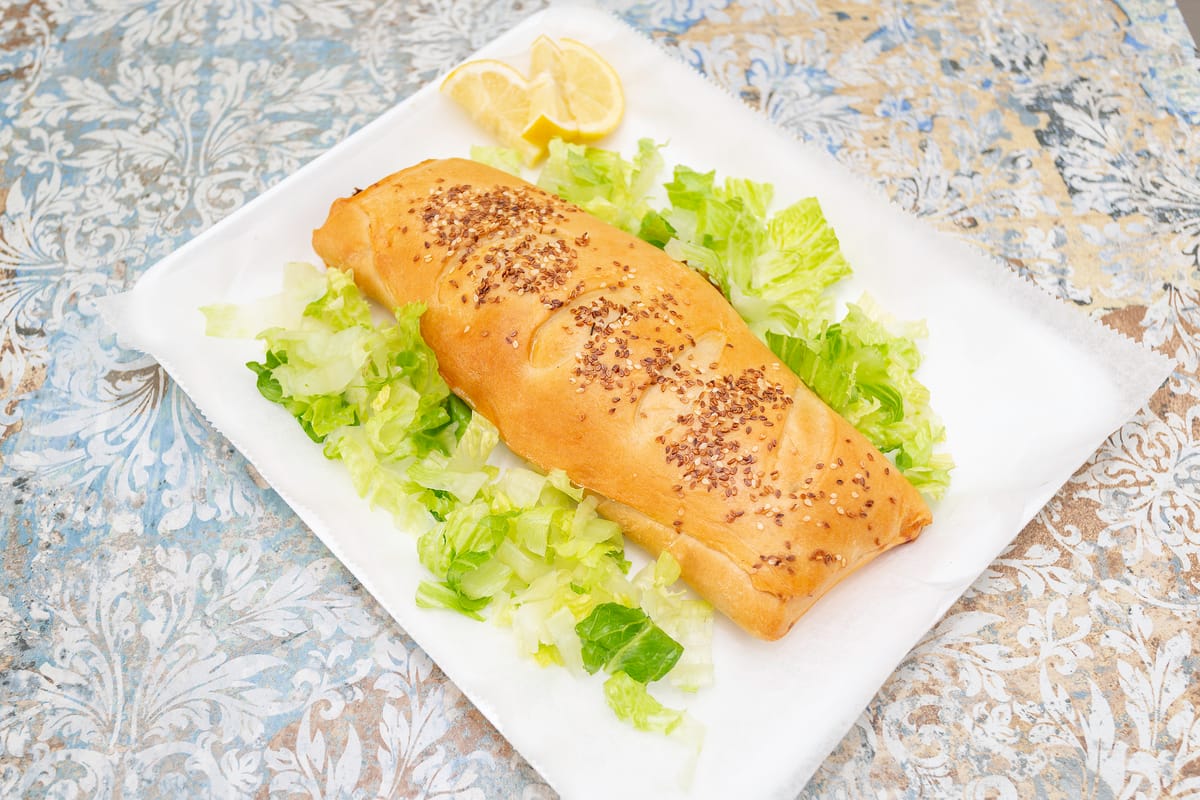
Sfiha Pie
$2.95Open-faced meat pie with a spiced ground beef topping baked until golden on flatbread. The topping uses the same onion-parsley-allspice combination as kofta. Think of it as kofta spread on bread and baked -- the flavors are nearly identical.
Learn MoreLahm Bi Ajin Manaeesh
$8.95Thin, crispy flatbread topped with finely ground beef, parsley, tomato, and spices. Sometimes called Lebanese pizza. The meat topping shares kofta's parsley-forward seasoning and is spread thin enough to crisp at the edges during baking.
Beef Shawarma Pita
from $9.95Slow-roasted beef shawarma sliced thin and served in a fresh pita pocket with tahini, pickled turnips, and vegetables. The beef is seasoned with the same allspice-cinnamon-cumin blend used in kofta, applied to whole cuts instead of ground meat.
Learn MoreFalafel Pita
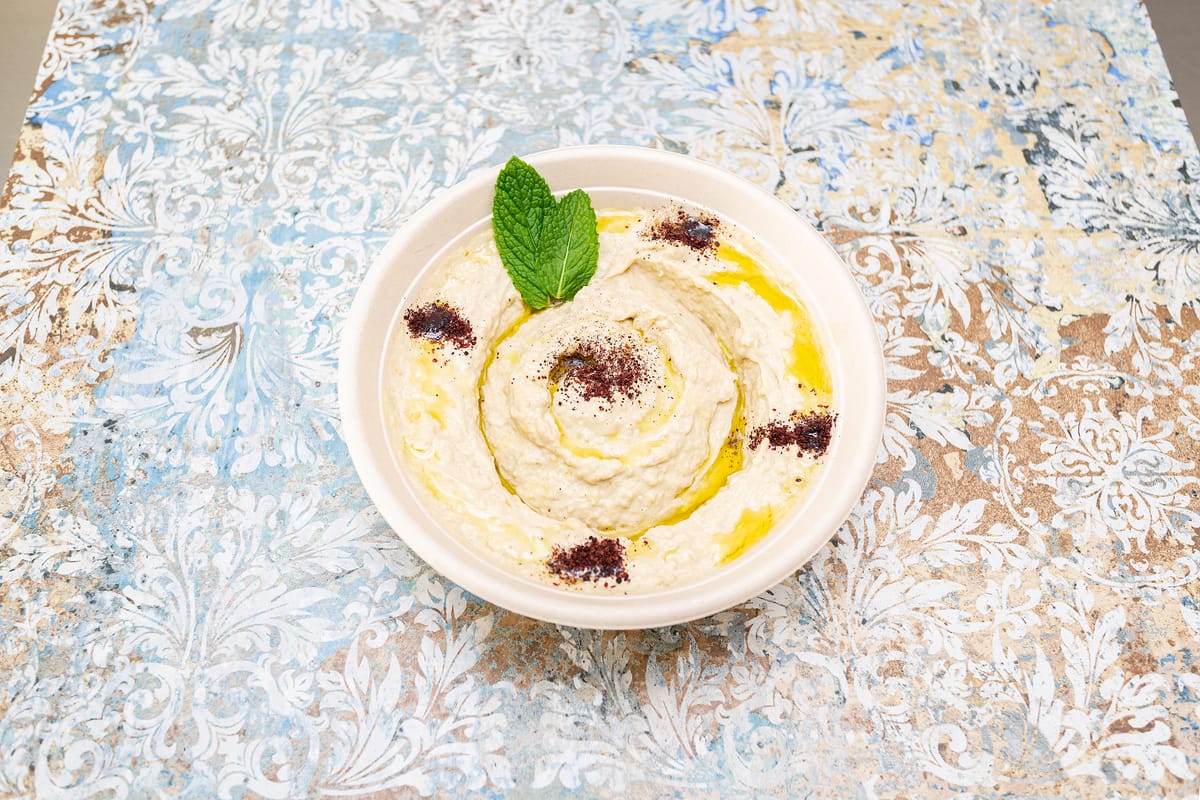
from $8.95Crispy chickpea falafel shares kofta's parsley-and-cumin seasoning in a completely plant-based format. The same herb-and-spice approach, applied to ground chickpeas instead of ground meat. A great option for vegetarian guests at a kofta dinner.
Beef Shawarma Bowl
from $12.45All the flavors of spiced beef over rice with fresh vegetables, hummus, and tahini. The bowl format mirrors how kofta is served over rice in many Middle Eastern households -- protein on grain with cool sauces and crunchy vegetables.
Pita Bread
$0.95Fresh-baked pita bread for tearing and wrapping. No kofta meal is complete without warm bread for scooping hummus between bites, wrapping around pieces of grilled kofta, or soaking up the tomato sauce from kofta bil sinieh.
What Do You Serve with Kofta?
Classic sauces, sides, and accompaniments for the perfect kofta plate.
The traditional Lebanese kofta plate is built around contrasts -- rich spiced meat against cool, tangy sauces; warm grilled protein alongside crisp raw vegetables; soft bread with crunchy pickles. Tahini sauce is the most common accompaniment: ground sesame paste thinned with lemon juice and water until pourable, seasoned with garlic and salt. The nutty, slightly bitter tahini cuts through the lamb fat and complements every spice in the kofta blend. Garlic sauce (toum) -- a Lebanese emulsion of raw garlic, oil, and lemon -- is the second most popular pairing, especially in Beirut-style restaurants. For more sauce ideas, check our best shawarma toppings guide.
On the side, you want hummus for scooping with bread between bites of kofta, a simple chopped salad of tomato, cucumber, and parsley dressed with lemon and olive oil, and pickled turnips for their sharp, vinegary crunch. Grilled tomatoes and onions cooked alongside the kofta on the grill are essential -- the charred vegetables absorb the same smoky flavor and provide a sweet, soft contrast. A plate of fresh mint leaves is traditional and serves as both garnish and palate cleanser between bites.
Kofta: Common Questions Answered
Kofta has a rich, deeply savory flavor with warmth from allspice and cinnamon, earthiness from cumin and coriander, and a fresh herbal note from parsley and sometimes mint. The onion in the mixture keeps the meat juicy during grilling, so well-made kofta is moist inside with slightly charred, smoky edges. The overall taste is more complex than a plain hamburger -- it is aromatic, peppery, and faintly sweet from the warm spices. Grilled kofta picks up a pronounced smokiness that enhances the spice blend.
No, though kofta is sometimes served as a type of kebab. Kebab is a broad category that includes any meat cooked over fire or on a spit -- it covers whole-muscle chunks on skewers (shish kebab), sliced meat from a vertical spit (shawarma and doner), and ground meat preparations. Kofta is specifically ground meat mixed with spices, onions, and herbs, then shaped and cooked. When kofta is molded onto a flat metal skewer and grilled, it is called kofta kebab -- but not all kebabs are kofta, and kofta can be cooked without a skewer (baked, pan-fried, or simmered in sauce).
Lamb is the traditional choice across the Middle East, prized for its fat content and rich flavor that stands up to the bold spice blend. A combination of lamb and beef (50/50 or 70/30 lamb to beef) is the most common in Lebanese restaurants. Beef alone works well if you prefer a leaner result. The ideal fat content is 15-20% -- too lean and the kofta dries out on the grill, too fatty and it falls apart. Ground chicken or turkey kofta exists as a lighter option but produces a milder flavor.
The fundamental difference is bulgur wheat. Kibbeh is ground meat mixed with fine bulgur wheat and formed into a smooth, dense shell that is stuffed with a pine nut and meat filling. Kofta contains no grain at all -- it is pure ground meat with herbs, spices, and onion. The textures are completely different: kibbeh has a firm, compact, almost paste-like shell, while kofta has a coarser, looser texture similar to a seasoned meatball. Kibbeh is fried, baked, or eaten raw; kofta is primarily grilled or baked in sauce. Learn more in our kibbeh guide.
Yes. Kofta mixture improves with resting. Mix the ground meat, onions, parsley, and spices, then cover and refrigerate for at least 30 minutes or up to 24 hours. The rest allows the spices to penetrate the meat, the onion juice to distribute evenly, and the proteins to relax, making the mixture easier to shape. You can also form the kofta onto skewers and refrigerate them on a tray, covered in plastic wrap, for up to 12 hours before grilling. Shaped kofta can be frozen for up to 3 months -- freeze them on a sheet pan first, then transfer to bags.
Kofta is a solid source of complete protein, providing 20-28 grams per serving depending on the meat used. It also delivers iron, zinc, and B vitamins from the meat, plus antioxidants from the spice blend (cumin and coriander are notably high in antioxidants). The calorie count depends on the fat content of the meat and the cooking method: grilled kofta on skewers is leaner than pan-fried patties. A typical serving of two grilled kofta skewers runs 280-350 calories. Served with hummus, salad, and pita, it makes a balanced meal.
The core kofta spice blend includes allspice, cinnamon, cumin, coriander, and black pepper. This combination is sometimes called baharat or the seven-spice blend in Middle Eastern cooking. Some recipes add a pinch of nutmeg, cardamom, or dried mint. Fresh flat-leaf parsley is essential -- it adds moisture and a bright, grassy flavor that lightens the richness of the meat. Grated onion is mixed directly into the meat rather than being considered a spice, but it is critical for flavor and moisture.
Taza Shawarma & Falafel at 5820 Seminary Rd Ste O, Falls Church, VA 22041 serves authentic Middle Eastern cuisine featuring many of the same spiced meat preparations in the kofta family. Our sfiha meat pie ($2.95) uses a spiced ground beef filling with the same warm spice profile as traditional kofta. Our beef shawarma pita (from $9.95) and beef shawarma bowl (from $12.45) feature seasoned beef with similar spices. We are open 11:00 AM - 12:00 AM, Open 7 Days a Week. Call (703) 340-1014 or order online.
Get Spiced Meat Dishes at Taza
Open 11:00 AM - 12:00 AM, Open 7 Days a Week at 5820 Seminary Rd Ste O, Falls Church, VA 22041.
Taza Shawarma & Falafel serves the same spiced-meat tradition that gives kofta its soul. Our sfiha meat pies, lahm bil ajin, and beef shawarma all draw from the same warm-spice family -- allspice, cinnamon, cumin, and parsley. Pair them with our house-made hummus at $4.95, fresh pita bread at $0.95, and fluffy rice at $2.95 for a complete Middle Eastern spread. We are located at 5820 Seminary Rd Ste O, Falls Church, VA 22041, open 11:00 AM - 12:00 AM, Open 7 Days a Week. Order online for pickup or call us at (703) 340-1014.
Address
5820 Seminary Rd Ste O, Falls Church, VA 22041
Hours
11:00 AM - 12:00 AM -- Open 7 Days a Week
Phone
Try Our Sfiha, Shawarma, and More
Seasoned ground beef on flatbread, slow-roasted shawarma, crispy falafel, and fresh hummus. The same spice tradition as kofta, ready for pickup.