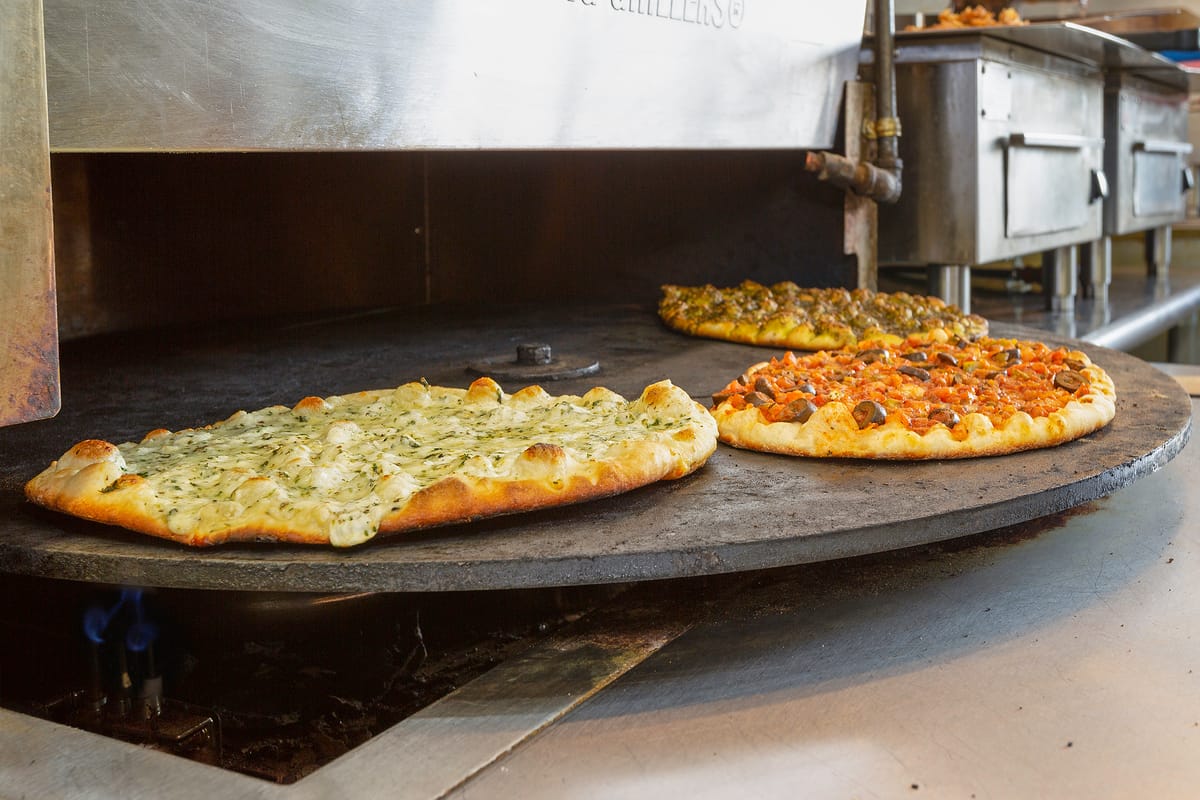
What Is Harissa? North Africa's Legendary Chili Paste
Harissa is a fiery, smoky chili paste from Tunisia built on roasted red peppers, dried chili, garlic, caraway, and olive oil -- a condiment that delivers depth, warmth, and complexity in every spoonful.
4.8 stars on Yelp (92 reviews) -- Open 11:00 AM - 12:00 AM
The Red Paste That Defined North African Cooking
Smoky peppers, warm spices, and olive oil in one jar.
Open a jar of harissa and the first thing that hits you is the aroma -- deep, roasted pepper sweetness laced with the earthiness of caraway seed and the sharp warmth of dried chili. The color is unmistakable: a dark, saturated red that stains wooden spoons and fingers and announces itself on every plate it touches. Harissa is the defining condiment of Tunisian cuisine, and its influence stretches across the entire North African coast from Morocco to Libya and down into sub-Saharan cooking traditions. In recent decades, harissa has crossed the Mediterranean into European and American kitchens, earning shelf space at mainstream grocery stores and appearing on restaurant menus from Lebanese restaurants to modern American barbecue joints. The paste has earned this global reputation because it solves a problem that most hot sauces fail to address: it delivers heat that actually tastes like something beyond just burning.
Unlike single-note hot sauces that exist purely to add capsaicin to a dish, harissa is a spice blend first and a heat source second. The roasted red peppers provide a caramelized sweetness that anchors the paste. Dried chili peppers contribute the heat, but that heat is tempered and shaped by a supporting cast of aromatics: caraway seeds add an anise-like earthiness, coriander seeds bring citrus brightness, cumin deepens the savory foundation, and garlic ties the whole composition together. Olive oil binds these elements into a smooth, spreadable paste that clings to grilled meats, dissolves into soups, and slicks across flatbread with the kind of controlled distribution that thin sauces cannot achieve. Home cooks across Falls Church, Arlington, and the broader Northern Virginia area have discovered harissa as the missing link between their spice cabinets and genuinely interesting weeknight dinners.
This guide covers everything about harissa: its origins in Tunisia, the ingredients that give it depth, how it compares to sriracha and other hot sauces, the many ways to cook with it, its connection to Mediterranean spice traditions, and the surprising naming overlap with a completely different Middle Eastern dessert that you can find at Taza in Falls Church. Whether you are a dedicated spice collector or someone who has never heard the word harissa before today, this is the guide that will make you reach for the jar next time you cook.
What Is Harissa? A Deep Red Chili Paste with Soul
More than heat -- it is smoke, sweetness, and spice in one paste.
Harissa is a hot chili pepper paste originating from Tunisia and used extensively across North Africa, the Levant, and Mediterranean cooking. The word "harissa" comes from the Arabic verb "harasa," meaning to pound or to crush, which describes the traditional preparation method: peppers and spices pounded together in a mortar until they form a coarse, oily paste. The base of every harissa recipe starts with two types of peppers -- roasted sweet red bell peppers for body and sweetness, and dried hot chili peppers for heat and intensity. These are combined with garlic, caraway seeds, coriander seeds, and olive oil. Some regional variations add cumin, smoked paprika, rose petals, or tomato paste, but the core formula remains remarkably consistent across hundreds of years and thousands of kitchens. The finished paste has a texture somewhere between tomato paste and peanut butter -- thick enough to spread, loose enough to stir into liquid.
The flavor profile of harissa is what separates it from every other chili product on the market. The initial taste is sweet and smoky from the roasted peppers, almost reminiscent of fire-roasted tomatoes but richer and more concentrated. The heat arrives second, building gradually from the back of the throat rather than hitting the tip of the tongue immediately. Behind the heat, caraway seed provides an anise-adjacent earthiness that grounds the paste and prevents it from tasting purely of peppers. Coriander seed contributes a floral, citrusy note that lifts the heaviness. Garlic adds savory depth. And olive oil smooths every element into a unified experience that coats the palate without overwhelming it. Tasting harissa is not a one-note experience -- the flavor shifts and evolves across five or six seconds on the tongue, which is why chefs and home cooks reach for it when they want something more sophisticated than a squirt of hot sauce.
The heat level of harissa varies significantly depending on the type and quantity of chili peppers used. Mild versions made primarily with roasted bell peppers and a small amount of dried red pepper sit around 3 on a 10-point scale -- warm and pleasant, suitable for mixing into yogurt or spreading on children's sandwiches. Medium versions using a blend of Baklouti peppers and dried Serrano chilies land between 4 and 6 -- a noticeable heat that builds but remains manageable. The hottest traditional harissas, particularly those from southern Tunisia, can reach 7 or higher, using concentrated sun-dried chilies that pack real capsaicin punch. At any heat level, the distinguishing trait is that harissa never sacrifices flavor complexity for pure fire. Even the hottest versions carry the smoky, earthy, aromatic character that makes harissa harissa.
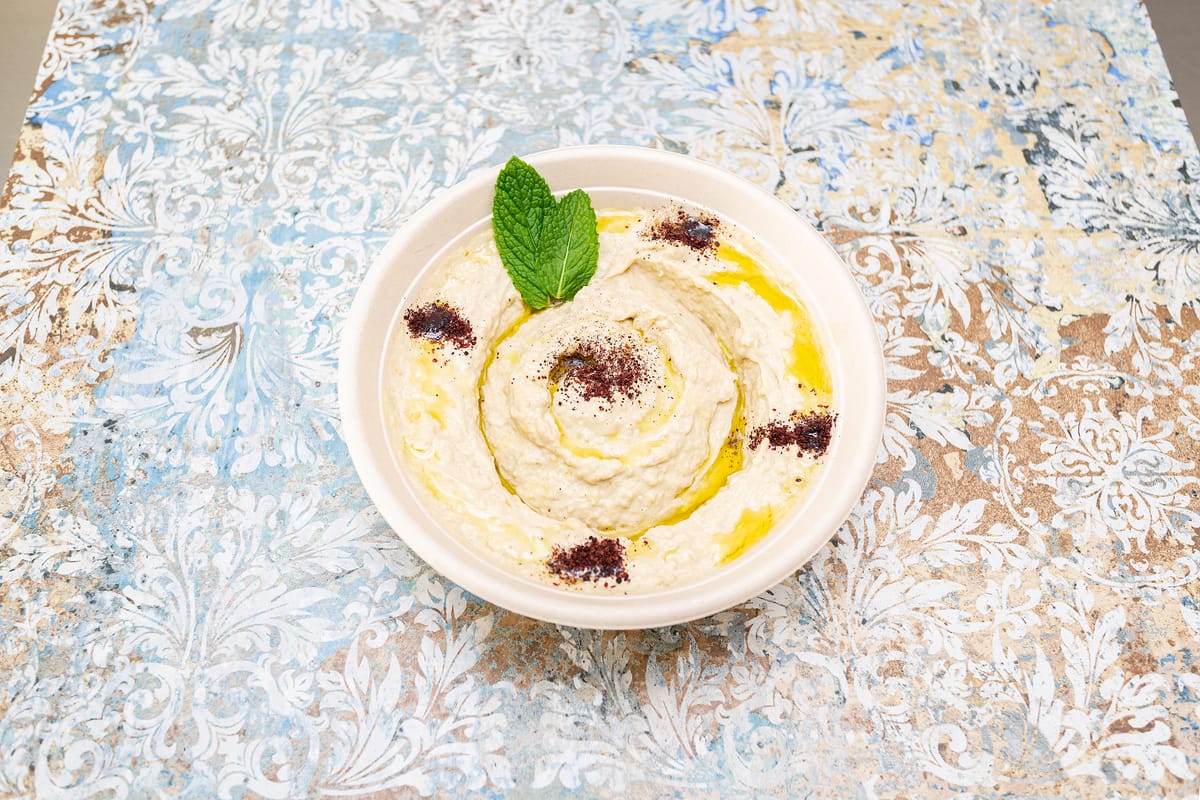
From Tunisian Kitchens to Your Table
Five centuries of chili paste tradition shaped by sun-dried peppers, stone mortars, and olive oil.
Where Does Harissa Come From?
A Tunisian invention that conquered North Africa and beyond.
Harissa originated in Tunisia, where it remains the national condiment and a source of considerable cultural pride. The history of harissa is intertwined with the history of chili peppers in North Africa. Chili peppers arrived on the African continent from the Americas via Spanish and Portuguese traders during the 16th century. Tunisian cooks -- who already had a tradition of using local spices like caraway, coriander, and cumin -- incorporated the new peppers into their existing spice-pounding practices. The result was harissa: a paste that married New World heat with Old World aromatics. By the 17th century, harissa had become a household staple across Tunisia, produced by families during the late summer pepper harvest and stored in jars sealed with olive oil to last through the winter months. The annual preparation of harissa was a communal activity, with women gathering to roast peppers over open flames, dry them in the sun, and pound them in stone mortars alongside garlic and spices.
From Tunisia, harissa spread westward into Algeria and Morocco, where regional variations developed based on local pepper varieties and spice preferences. Algerian harissa tends to use more tomato and less caraway. Moroccan versions sometimes incorporate smoked paprika and occasionally rose petals, producing a paste called "rose harissa" that has become popular in European cooking. Eastward, harissa traveled into Libyan kitchens and eventually influenced Levantine cooking, where chili-based condiments like shatta and muhammara share philosophical DNA with harissa even if the specific ingredients differ. In 2022, UNESCO recognized harissa as part of Tunisia's intangible cultural heritage, an acknowledgment of the paste's deep roots in Tunisian identity, agriculture, and daily life. The recognition elevated harissa from a regional condiment to a globally recognized culinary tradition with formal heritage status.
The modern story of harissa includes its rapid adoption by Western chefs and food media over the past two decades. In the 2010s, harissa appeared on "trending ingredient" lists across major food publications, and grocery stores began stocking commercial versions from brands like Le Phare du Cap Bon, Mina, and New York Shuk. The appeal was obvious: harissa offered a single-ingredient solution to the problem of adding complex, layered heat to any dish. A spoonful stirred into soup, a schmear on grilled chicken, or a drizzle mixed into hummus transformed ordinary meals into something with depth and warmth. Across Northern Virginia, home cooks and restaurant chefs alike have integrated harissa into menus that draw on North African, Mediterranean, and Levantine traditions.
What Goes Into Harissa?
Six core ingredients, each playing a distinct role.
Roasted Red Peppers
The backbone of harissa. Sweet bell peppers or pimiento peppers are roasted over open flame or in an oven until the skins blister and char. This roasting develops the deep, caramelized sweetness that distinguishes harissa from raw chili pastes. The peppers provide body, color, and the smoky baseline that every other ingredient builds upon.
Dried Chili Peppers
The heat engine. Sun-dried Baklouti peppers are traditional in Tunisia, but serrano, guajillo, or ancho chilies appear in modern variations. Drying concentrates the capsaicin and intensifies the pepper flavor. The type and quantity of dried chili determines whether the harissa lands at a gentle 3 or a searing 7 on the heat scale.
Garlic
Raw garlic cloves pounded into the paste provide a sharp, savory bite that cuts through the sweetness of roasted peppers. Garlic also acts as a natural preservative, extending the shelf life of the finished harissa. Most recipes call for 4 to 6 cloves per batch, though garlic-forward versions can double that amount.
Caraway Seeds
The signature spice of Tunisian harissa. Caraway has an earthy, slightly anise-like flavor that grounds the paste and prevents it from tasting like a generic pepper sauce. This is the ingredient that most distinguishes Tunisian harissa from other North African chili pastes. Toast the seeds before grinding for maximum aroma.
Coriander Seeds
Coriander seeds contribute a bright, citrusy note that lifts the heaviness of the roasted peppers and dried chili. They add a floral complexity that makes harissa taste layered rather than one-dimensional. Ground coriander also helps bind the paste and contributes to its characteristic reddish-brown color.
Olive Oil
Olive oil is both an ingredient and a preservative. It binds the dry spices and ground peppers into a smooth, spreadable paste. The fat in the oil carries flavor compounds across the palate and helps the heat distribute evenly rather than hitting in sharp spikes. A layer of olive oil on top of stored harissa prevents oxidation and mold.
Beyond these six core ingredients, regional variations introduce cumin for deeper earthiness, smoked paprika for additional smoky complexity, rose petals for floral sweetness (common in Moroccan rose harissa), and occasionally tomato paste for extra body and acidity. Some modern commercial harissas include vinegar or citric acid as preservatives. The purist approach -- peppers, garlic, caraway, coriander, and olive oil with nothing else -- produces the most balanced and authentic flavor. When shopping for harissa, read the ingredient list and favor jars or tubes with the shortest, most recognizable lists.
Harissa vs Sriracha: How Do They Compare?
Two of the world's most popular chili products, fundamentally different.
Harissa and sriracha are both red, both spicy, and both have developed massive followings -- but the similarities end there. The fundamental difference is purpose. Sriracha was designed as a table condiment: a pourable sauce you shake onto finished dishes to add heat and garlic tang. Harissa was designed as a cooking ingredient: a thick paste you stir into preparations, rub onto proteins, or dissolve into liquids to build flavor from the inside of a dish rather than the surface. Sriracha sits on the table. Harissa lives in the kitchen. That distinction shapes everything about how each product is made, how it tastes, and what it does to your food. The chart below breaks down the specific differences between harissa paste and sriracha sauce.
| Feature | Harissa | Sriracha |
|---|---|---|
| Origin | Tunisia and North Africa -- centuries-old chili paste tradition | Thailand (Si Racha district) -- popularized in the US by Huy Fong Foods |
| Base Ingredients | Roasted red peppers, dried chili, garlic, caraway, coriander, olive oil | Red jalapeno peppers, garlic, sugar, salt, distilled vinegar |
| Heat Level (1-10) | 3-7 depending on recipe -- wide range, always layered with flavor | 5-6 consistently -- steady medium heat with a sharp vinegar bite |
| Flavor Depth | Complex: smoky, sweet, earthy, warm spice -- heat is secondary to flavor | Straightforward: bright, tangy, garlicky -- heat is the main event |
| Consistency | Thick paste -- spreadable, clings to surfaces, embeds into marinades | Thin pourable sauce -- drizzles easily, pools on plates |
| Primary Use | Marinade, cooking base, sandwich spread, stir into soups and stews | Table condiment, drizzle on finished dishes, dipping sauce |
| Sugar Content | None -- sweetness comes naturally from roasted peppers | Added sugar is a listed ingredient |
| Versatility in Cooking | Stands up to high heat, works as a rub, paste, or sauce base | Best added after cooking -- vinegar evaporates and flavor flattens with heat |
Both products have legitimate places in a well-stocked kitchen. Sriracha excels at adding quick heat and garlic to finished dishes where you want a bright, acidic kick without altering the underlying flavor profile. Harissa excels when you want to build complexity into a dish from the start -- when you want the heat to be inseparable from the flavor rather than layered on top. Cooks who keep both products on hand have the full spectrum of chili applications covered. If you are choosing just one, harissa offers more culinary versatility because it works both as a cooking ingredient and as a finishing condiment.
Harissa vs Other Hot Sauces
How harissa stacks up against Tabasco, sambal, and gochujang.
The world of chili condiments is vast, and harissa occupies a distinct position within it. Tabasco is a vinegar-forward liquid sauce from Louisiana made from a single pepper variety aged in oak barrels. It delivers sharp, clean heat with an acidic punch but no spice complexity -- there is no caraway, no coriander, no roasted pepper depth. Tabasco is a finishing dash, not a cooking ingredient. Sambal oelek, the Indonesian chili paste, is closer to harissa in texture -- it is a thick paste made from ground fresh chilies -- but it lacks the roasted character and aromatic spices that define harissa. Sambal is raw, bright, and immediately hot, where harissa is smoky, layered, and gradually warm. Gochujang, the Korean fermented chili paste, shares harissa's complexity and paste format but takes a completely different flavor direction: gochujang is sweet, funky, and umami- rich from fermented soybeans and rice, while harissa is smoky, earthy, and aromatic from caraway and coriander.
| Feature | Harissa | Tabasco |
|---|---|---|
| Origin | Tunisia / North Africa | Louisiana, USA -- vinegar-based pepper sauce since 1868 |
| Pepper Type | Dried chili peppers blended with roasted bell peppers | Tabasco peppers (Capsicum frutescens) aged in barrels |
| Flavor Profile | Smoky, earthy, warm spice with layered depth | Sharp, acidic, vinegar-forward with clean pepper heat |
| Texture | Thick paste you spread or stir in | Thin liquid you shake from a bottle |
| Cooking Application | Marinades, rubs, stews, soups, dips, sandwich spreads | Table condiment -- dashes onto finished eggs, pizza, oysters |
| Spice Complexity | Caraway, coriander, cumin, garlic, sometimes rose petals | Single note: pepper and vinegar, no additional spices |
The takeaway is that harissa fills a gap that most Western hot sauce collections miss entirely. It is not a table condiment you shake on at the end. It is not a one-dimensional heat source. It is a foundation ingredient that transforms the character of a dish from the first moment it touches heat. Cooks who discover harissa often report that it becomes the single most-used condiment in their kitchen, displacing hot sauces they have been buying for years. The depth of flavor it brings to garlic-based sauces, roasted vegetables, and grilled proteins is difficult to replicate with any other single ingredient.
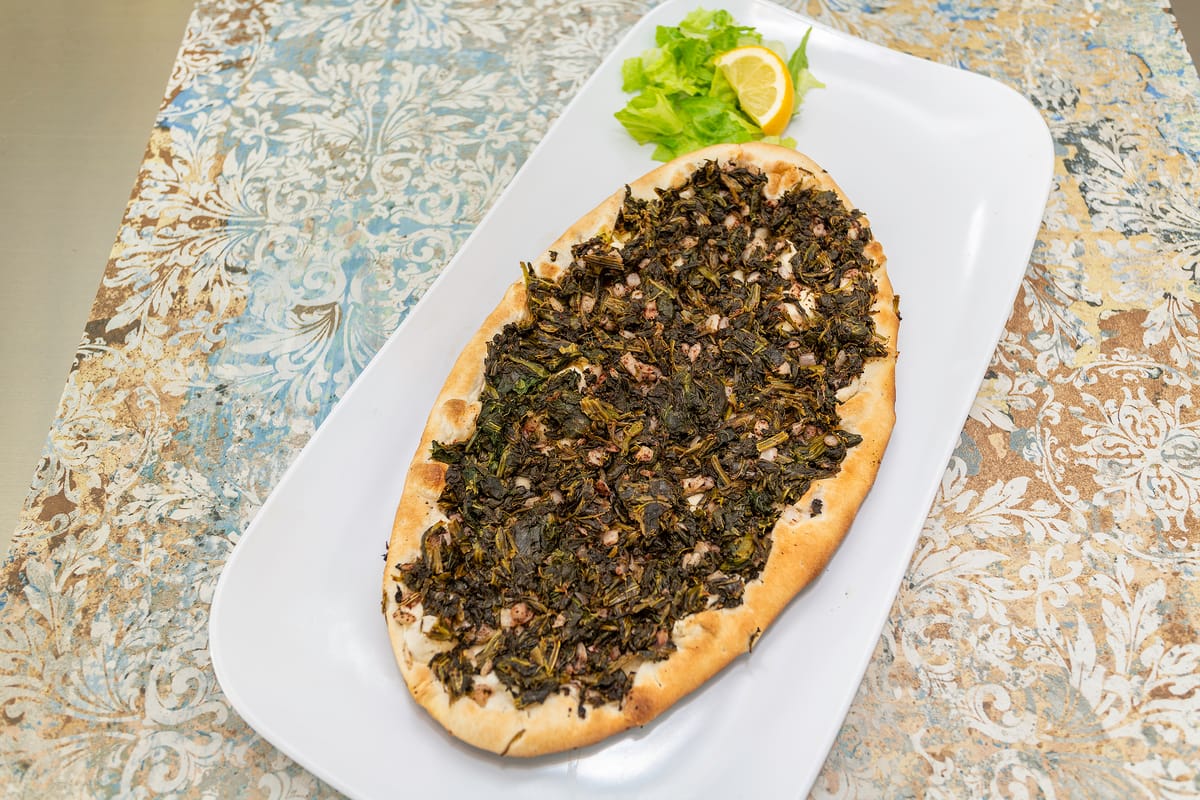
Heat That Tells a Story
Harissa brings smoky complexity to every dish it touches -- marinades, dips, soups, and beyond.
How to Use Harissa in Your Kitchen
Eight ways to put this paste to work.
Marinade for Proteins
Mix harissa with yogurt, lemon juice, and olive oil to create a deeply flavored marinade for chicken, lamb, beef, or shrimp. The paste clings to surfaces and caramelizes during grilling or roasting, creating a smoky, spice-crusted exterior.
Sandwich Spread
Replace mayo or mustard with a thin layer of harissa on sandwiches and wraps. It pairs brilliantly with grilled chicken, roasted vegetables, and feta cheese. A little goes a long way -- start with a teaspoon and add more to taste.
Soup and Stew Base
Stir a tablespoon of harissa into lentil soup, chickpea stew, or tomato bisque for instant depth. The paste dissolves into liquid and distributes its smoky heat evenly throughout the dish. Add it early in cooking for mellow warmth, or late for sharper punch.
Mixed Into Hummus and Dips
Swirl harissa into hummus, labneh, or Greek yogurt for a spiced dip that pairs with pita bread and raw vegetables. The combination of creamy dairy and smoky chili paste is one of the most reliable crowd-pleasers in Mediterranean entertaining.
Pizza and Flatbread Topping
Spread harissa on flatbread or pizza dough before adding toppings. It replaces tomato sauce with something far more interesting -- smoky, spiced, and warm. Top with mozzarella, roasted peppers, and olives for a North African twist on Italian classics.
Salad Dressing Base
Whisk harissa into olive oil, lemon juice, and honey to create a vinaigrette that transforms simple greens into something memorable. The paste emulsifies into the oil and coats leaves evenly, delivering gentle warmth in every bite.
Roasted Vegetable Toss
Toss cauliflower, carrots, sweet potatoes, or Brussels sprouts with harissa and olive oil before roasting at high heat. The sugars in the roasted peppers caramelize further in the oven, creating a deeply browned, smoky crust on the vegetables.
Pasta Sauce Enhancer
Stir a spoonful of harissa into marinara sauce, arrabbiata, or vodka sauce for a North African dimension that elevates basic pasta night. The paste blends seamlessly into tomato-based sauces and adds the kind of background warmth that keeps people reaching for seconds.
Harissa at Taza: The Dessert, Not the Paste
Same name, completely different dish.
If you visit Taza Shawarma and Falafel in Falls Church and see "Harissa" on the dessert menu, you are not looking at a chili paste served as dessert. In Levantine and broader Middle Eastern cuisine, harissa (also spelled hareeseh, hareesa, or basbousa in Egyptian Arabic) is a traditional semolina cake soaked in sweet sugar syrup. It is dense, moist, and subtly sweet with a satisfying crumb that comes from coarse semolina flour. The dessert version shares only a name with the North African chili paste -- they are entirely different foods from different culinary traditions. At Taza, we serve Harissa (2 Pc) at $1.99. Each piece is a thick square of golden-baked semolina cake drenched in fragrant syrup, sometimes garnished with a single almond or a sprinkle of coconut. It is the kind of dessert that pairs perfectly with a cup of Arabic coffee after a shawarma plate.
The naming confusion between harissa-the-paste and harissa-the- cake trips up even experienced Mediterranean food enthusiasts. The North African chili paste and the Levantine semolina cake developed independently in different regions, and the Arabic word they share relates to the preparation method (crushing or breaking) rather than to any common ingredient. Think of it the way English uses "chips" to mean both French fries and thin sliced potato crisps depending on which side of the Atlantic you stand on. Context determines meaning. On a Tunisian menu, harissa means the fiery red paste. On a Levantine dessert menu, harissa means the sweet semolina cake. At Taza, our menu context makes it clear -- harissa lives in the dessert section, right where it belongs.
The spice traditions that inform Taza's cooking draw from across the Mediterranean and North African spectrum. While harissa paste is specifically Tunisian, the broader approach of building deep flavor through roasted spices, garlic, and olive oil runs through every dish on our menu. Our shawarma toppings reflect a spice philosophy that values complexity over single- note heat -- the same philosophy that makes harissa paste so compelling. Whether you are here for the chicken shawarma pita at from $9.95, a falafel pita at from $8.95, or a slice of harissa cake for dessert, every item on the Taza menu is built on the principle that spices should be layered, balanced, and purposeful.
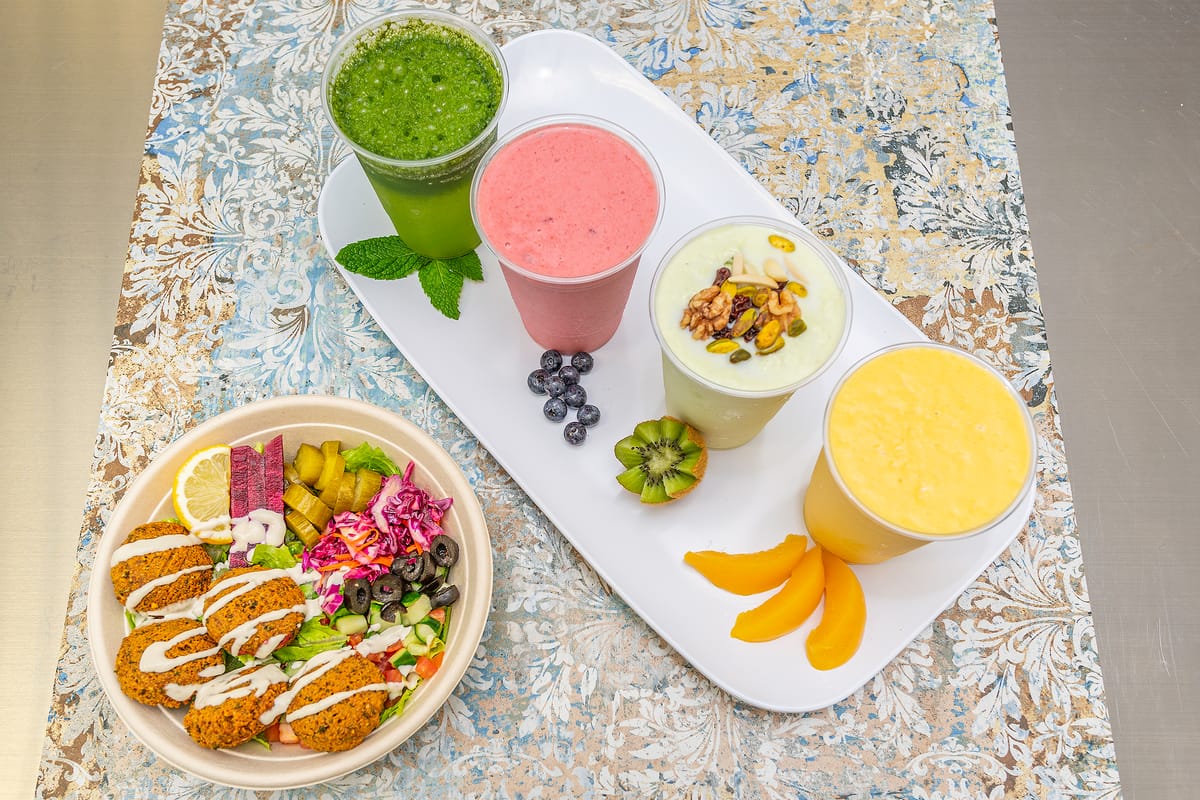
Spice Is a Language
Harissa speaks in layers -- smoke, sweetness, earth, and heat -- each word building on the last.
Health Benefits of Harissa Ingredients
Capsaicin, vitamin C, and anti-inflammatory compounds in every spoonful.
Harissa is more than a flavor enhancer -- its core ingredients carry documented nutritional benefits that align with the broader health profile of anti-inflammatory Mediterranean foods. The capsaicin in chili peppers has been studied for its effects on metabolism, pain modulation, and cardiovascular health. Research published in the British Medical Journal found that regular consumption of spicy foods containing capsaicin was associated with a lower risk of mortality. Capsaicin triggers thermogenesis -- an increase in body heat that temporarily boosts metabolic rate -- and it has demonstrated anti-inflammatory properties in laboratory studies. The roasted red peppers are rich in vitamin C and vitamin A through beta-carotene, supporting antioxidant defense, eye health, and immune function. A single roasted red bell pepper contains more vitamin C than an orange.
The garlic in harissa contributes allicin, a sulfur compound formed when garlic is crushed and studied for antimicrobial, antifungal, and blood-pressure-lowering effects. The olive oil base provides monounsaturated fatty acids, particularly oleic acid, linked to reduced inflammation and improved heart health. Caraway seeds contain terpenes with antioxidant activity, and traditional medicine across North Africa has used caraway for digestive support for centuries. Coriander seeds contribute linalool and other terpenes with documented anti-inflammatory properties. The ingredient list of traditional harissa reads less like a hot sauce recipe and more like a catalog of bioactive plant compounds.
The practical health advantage of harissa is that it delivers intense flavor for very few calories. A tablespoon contains roughly 15 to 30 calories depending on oil content, yet it provides enough flavor to transform a bowl of lentil soup or a full sheet pan of roasted vegetables. Cooks can reduce their reliance on butter, cream, excess salt, and sugar -- all of which add calories without the nutritional benefits that harissa's plant-based ingredients provide. For anyone following a Mediterranean diet or simply looking to make food taste better without adding empty calories, harissa is one of the most efficient tools available. At Taza, our spice-forward approach to cooking reflects this philosophy: build flavor from herbs, spices, and technique rather than from fat and sugar.
Harissa Spice Level: Understanding the Heat
From gentle warmth to serious fire -- it all depends on the peppers.
One of the most common questions about harissa is "how hot is it?" The honest answer is that harissa spans a wide heat range depending on the specific chilies used, their proportion relative to roasted sweet peppers, and whether the seeds and membranes are included. Commercial harissa products typically fall into three tiers. Mild harissa, often labeled "douce" in French, sits between 2 and 4 on a 10-point scale -- noticeable warmth without real sting. Medium harissa, the most common variety in grocery stores, ranges from 4 to 6 and delivers a clear chili burn that builds over several seconds. Hot harissa, labeled "forte," pushes from 6 to 8 and requires genuine spice tolerance. Southern Tunisian artisanal harissas can reach even higher, rivaling habanero-based sauces.
Regardless of heat level, every harissa retains its characteristic flavor complexity. Even the hottest versions carry the smoky, sweet, earthy notes that define the paste. This is the critical difference between harissa and extract-based super-hot sauces that sacrifice all flavor for maximum Scoville units. Harissa was never designed to be a pain-delivery vehicle. It was designed to make food taste better, with heat as one component of a larger sensory experience. When cooking with harissa at home, start with a teaspoon per serving and adjust upward. The paste is easier to add than to remove, and its thick consistency means the heat distributes unevenly if you add too much at once.
Harissa Heat Scale
How Harissa Connects to Mediterranean Spice Traditions
From Tunisian kitchens to Levantine tables and beyond.
Harissa belongs to a family of chili-based condiments that span the Mediterranean and Middle Eastern world. In the Levant, cooks use shatta -- a thinner, oilier chili sauce -- to add heat to fattoush, grilled meats, and shawarma. In Turkey, biber salcasi (pepper paste) serves a similar structural role in stews and marinades. In the Caucasus, adjika combines peppers with walnuts and herbs. Each reflects a regional interpretation of the same idea: chili heat should be delivered through a complex spice vehicle rather than applied in isolation. Harissa is the Tunisian answer to this universal cooking challenge, and arguably the most widely exported version because its flavor translates across cuisines. The smokiness works with grilled meats. The earthiness works with legumes. The sweetness works with roasted vegetables.
The spices used in Mediterranean cooking share common threads across regions, and harissa's ingredient list illuminates those connections. Coriander appears in harissa, in falafel spice blends, in Lebanese garlic preparations, and in Moroccan chermoula. Cumin appears in harissa, in shawarma spice mixes, and in Egyptian dukkah. Garlic is foundational to harissa, to toum, to tahini preparations, and to virtually every savory dish in the region. Understanding harissa means understanding one node in a vast, interconnected web of Mediterranean and North African spice traditions.
At Taza in Falls Church, our menu draws from Levantine cooking traditions -- shawarma, falafel, hummus, manaeesh -- but the broader spice philosophy mirrors what harissa represents in Tunisian cuisine. Every dish is built on the principle that spices should create depth, not just heat or salt. Our chicken shawarma uses cumin, coriander, turmeric, and paprika. Our falafel incorporates parsley, cilantro, and coriander seed. Our hummus at $4.95 balances tahini with lemon and garlic. These are the same building blocks that harissa uses, arranged in a different pattern for a different regional cuisine.
Spice-Forward Dishes at Taza
Mediterranean flavors built on the same spice philosophy as harissa.
Chicken Shawarma Pita
from $9.95Marinated chicken shawarma in fresh pita with garlic sauce and pickles.
Cumin, coriander, and paprika create a spice crust on the rotisserie.
Beef Shawarma Pita
from $9.95Marinated roasted beef in fresh pita with tahini and fresh veggies.
Bold beef marinated in a warm spice blend with garlic and turmeric.
Falafel Pita
from $8.95Crispy chickpea falafel in fresh-baked pita with veggies and tahini.
Herb-green falafel with coriander seed, cumin, and fresh parsley.
Chicken Shawarma Bowl
from $12.45Chicken shawarma over your choice of base with fresh toppings.
Rice bowl format lets every spice-rubbed slice shine without bread.
Hummus
$4.95Creamy chickpea dip with tahini, lemon, and olive oil.
Smooth chickpea dip with tahini, lemon, and garlic -- the perfect base for a harissa swirl.
Harissa (2 Pc)
$1.99Two pieces of traditional Middle Eastern semolina cake.
The other harissa -- sweet semolina cake soaked in syrup, not a drop of chili.
Every item on the Taza menu reflects the Mediterranean spice philosophy that harissa embodies: build flavor through layered spices rather than through excess fat, sugar, or salt. Whether you order a chicken shawarma wrap at from $9.95, a bowl of hummus at $4.95, or a piece of harissa cake at $1.99 for dessert, you are tasting the same tradition of careful spice blending that has defined Mediterranean and North African cooking for centuries. Visit us at 5820 Seminary Rd Ste O, Falls Church, VA 22041 to taste these traditions firsthand.
Frequently Asked Questions About Harissa
Harissa tastes smoky, warm, and moderately hot with a sweetness that comes from roasted red peppers rather than added sugar. The first thing you notice is the deep, roasted pepper flavor -- rich and almost caramelized. Then the warmth builds gradually from dried chili peppers, but it never overwhelms the way a pure capsaicin sauce does. Behind the heat you will find earthy caraway, citrusy coriander, and a garlic backbone that ties everything together. Olive oil rounds out the texture and carries the flavors across your palate. People who try harissa for the first time are consistently surprised by how much flavor exists beyond the heat. It is a chili paste that rewards slow tasting rather than just burning your tongue.
Harissa ranges from mild to quite hot depending on the recipe, typically landing between 3 and 7 on a 10-point heat scale. Sriracha sits consistently around 5 to 6. The difference is that harissa heat varies dramatically by brand and region -- Tunisian harissa from the south of the country can be blistering, while milder versions from northern Tunisia or commercial European brands barely register above a warm tingle. Sriracha delivers a predictable, steady burn every time. The more important distinction is that harissa heat is embedded in a complex spice matrix, so even when it is objectively hotter than sriracha, the experience feels more balanced and less purely painful.
Harissa contains several nutritionally beneficial components. The roasted red peppers provide vitamin C, vitamin A, and antioxidants including beta-carotene. The chili peppers contain capsaicin, which research has linked to increased metabolic rate, reduced inflammation, and improved circulation. Olive oil contributes monounsaturated fats, which support cardiovascular health. Garlic provides allicin, a compound studied for its antimicrobial and anti-inflammatory properties. Caraway and coriander seeds add trace minerals and additional antioxidant compounds. Harissa is also naturally low in calories per serving since a small amount delivers significant flavor. It contains no added sugar, no dairy, and no artificial preservatives in its traditional form.
Harissa paste is the wet, oil-based form -- roasted peppers and spices blended with olive oil into a thick, spreadable consistency. Harissa powder is the dry form -- the same peppers and spices dried and ground into a fine seasoning blend without the oil. The paste is more versatile for cooking because the oil helps it dissolve into sauces, coat proteins evenly as a marinade, and spread on bread. The powder is useful as a dry rub for grilling, a seasoning for roasted vegetables, or a spice addition to dry spice blends. Paste delivers more complex flavor because the roasting and oil extraction process develops deeper smoky notes. Powder is more concentrated in heat per gram because there is no oil to dilute it.
Harissa is one of the best marinades in North African and Mediterranean cooking. The paste clings to proteins better than thin liquid marinades, and the combination of acid (from the peppers), oil, and spices penetrates meat fibers effectively. For chicken, mix harissa with yogurt and lemon juice and marinate for 2 to 4 hours. For lamb or beef, use harissa straight with a drizzle of olive oil and let it sit for 4 to 8 hours. For vegetables, toss with harissa and olive oil just before roasting. The sugars in the roasted peppers caramelize during cooking, creating a deeply colored crust that tastes as good as it looks. Harissa-marinated chicken grilled over charcoal is a staple across North Africa and increasingly popular in Falls Church area kitchens.
No. The word harissa refers to two completely different foods depending on context. In North African cuisine, harissa is the hot chili pepper paste discussed in this guide -- a savory condiment made from peppers, garlic, and spices. In Levantine and broader Middle Eastern cuisine, harissa (sometimes spelled hareeseh or hareesa) is a sweet semolina cake soaked in sugar syrup. The dessert is dense, moist, and subtly sweet with no heat whatsoever. At Taza Shawarma and Falafel in Falls Church, we serve the dessert version -- Harissa (2 Pc) at $1.99. It is a traditional semolina cake that shares only a name with the North African chili paste. The two dishes come from different culinary traditions and different regions.
Harissa paste is widely available in grocery stores, specialty food shops, and online retailers. In the Falls Church and Northern Virginia area, Middle Eastern grocery stores carry both imported Tunisian harissa (brands like Cap Bon, Le Phare du Cap Bon, and DEA) and locally produced versions. Mainstream grocery stores like Whole Foods, Trader Joe's, and Harris Teeter stock harissa in the international aisle or with the hot sauces. Tubes of harissa paste are convenient for home use. For the most authentic flavor, look for Tunisian-made harissa with minimal ingredients: peppers, garlic, caraway, coriander, olive oil, and salt. Avoid versions with tomato paste or excessive fillers.
Taza Shawarma & Falafel at 5820 Seminary Rd Ste O, Falls Church, VA 22041 incorporates North African and Mediterranean spice traditions into our cooking. Our shawarma and bowls feature spice profiles that draw from the same culinary world as harissa. Chicken shawarma pita starts at from $9.95 and beef shawarma pita at from $9.95. We also serve the dessert harissa -- Harissa (2 Pc) at $1.99 -- a traditional semolina cake. We are open 11:00 AM - 12:00 AM, Open 7 Days a Week. Call (703) 340-1014 or order online for pickup.
Find Taza Shawarma & Falafel
Mediterranean flavors in Falls Church, Virginia.
Address
5820 Seminary Rd Ste O, Falls Church, VA 22041
Hours
11:00 AM - 12:00 AM -- Open 7 Days a Week
Phone
Ready to Explore Mediterranean Flavors?
From smoky spice blends to sweet semolina cake, Taza brings North African and Levantine traditions to Falls Church. Order online or visit us today.