Anti-Inflammatory Mediterranean Food
Every ingredient in Mediterranean cooking was selected over centuries for a reason. Modern science is finally explaining why: these foods fight chronic inflammation at the molecular level.
4.8 stars on Yelp (92 reviews) -- Open 11:00 AM - 12:00 AM
What Is Chronic Inflammation and Why Does It Matter?
Understanding the difference between helpful acute inflammation and destructive chronic inflammation.
Inflammation is your immune system's first response to injury or infection. When you cut your finger, the redness, swelling, and warmth you see are signs of acute inflammation, meaning your body is sending white blood cells and signaling molecules to the damaged area to begin repair. This type of inflammation is essential for survival. It resolves within hours or days once the threat is neutralized, and the tissue returns to normal. Without acute inflammation, a simple scratch could become a life-threatening infection. The problem is not inflammation itself but what happens when it does not shut off.
Chronic inflammation occurs when the immune system stays activated for weeks, months, or years without a clear external threat. Instead of responding to an injury, the body attacks its own tissues. The triggers are often dietary: excess sugar drives insulin resistance that activates inflammatory cytokines, industrial seed oils provide the raw materials for pro-inflammatory prostaglandins, and processed food additives disrupt the gut barrier, allowing bacterial endotoxins into the bloodstream. The result is a low-grade, systemic inflammatory state measured by biomarkers like C-reactive protein (CRP), interleukin-6 (IL-6), and tumor necrosis factor-alpha (TNF-alpha).
The clinical consequences of chronic inflammation are severe. Research published in Nature Medicine in 2019 described chronic inflammation as the root driver of heart disease, type 2 diabetes, Alzheimer's disease, rheumatoid arthritis, inflammatory bowel disease, and several cancers. The authors estimated that chronic inflammatory diseases account for more than 50 percent of all deaths worldwide. The standard American diet, built on refined carbohydrates, seed oils, and processed meat, directly promotes this inflammatory state.
The Mediterranean diet is the most studied dietary intervention for reducing chronic inflammation. A 2018 systematic review in the journal Nutrients analyzed 17 randomized controlled trials and concluded that Mediterranean diet adherence significantly reduced CRP, IL-6, and TNF-alpha across diverse populations. The effect is not from a single ingredient but from the cumulative action of dozens of anti-inflammatory compounds working through different biochemical pathways simultaneously. At Taza Shawarma & Falafel in Falls Church, VA, every meal delivers these compounds in the forms and concentrations that clinical research has shown to be effective.
Why Is the Mediterranean Diet the Best Anti-Inflammatory Diet?
No other dietary pattern has this depth of clinical evidence for reducing inflammatory markers.
Multi-Pathway Inflammation Reduction
Most anti-inflammatory supplements target one pathway. A Mediterranean meal targets five to ten simultaneously. Olive oil inhibits COX enzymes. Garlic suppresses NF-kB. Chickpeas produce butyrate that heals the gut lining. Tahini provides lignans that neutralize nitrogen radicals. Fresh vegetables contribute polyphenols that stabilize mast cells. No single food does all of this, but a Mediterranean plate combines them all.
PREDIMED Trial Evidence
The PREDIMED trial, the largest randomized dietary intervention ever conducted, followed 7,447 participants for nearly five years. Those randomized to a Mediterranean diet supplemented with olive oil had a 30 percent reduction in cardiovascular events compared to the control group. Subsequent analysis showed that this benefit was mediated primarily through reduced systemic inflammation, with CRP and IL-6 levels dropping significantly within the first three months.
Gut Microbiome Restoration
A 2020 study in the journal Gut found that 12 months of Mediterranean diet adherence increased beneficial Faecalibacterium, Roseburia, and Eubacterium species while reducing pro-inflammatory Ruminococcus and Clostridium. These beneficial bacteria produce short-chain fatty acids, especially butyrate, that strengthen the intestinal barrier and prevent endotoxin translocation, one of the primary triggers of systemic inflammation.
Bioavailability Advantage
Mediterranean meals are naturally designed for maximum compound absorption. Fat-soluble anti-inflammatory compounds like curcumin, lycopene, and beta-carotene require dietary fat for absorption. Mediterranean meals always include olive oil or tahini alongside vegetables, increasing bioavailability by 200 to 2,000 percent compared to eating these foods without fat. This is not true of most Western meals, where vegetables are served without adequate healthy fat.
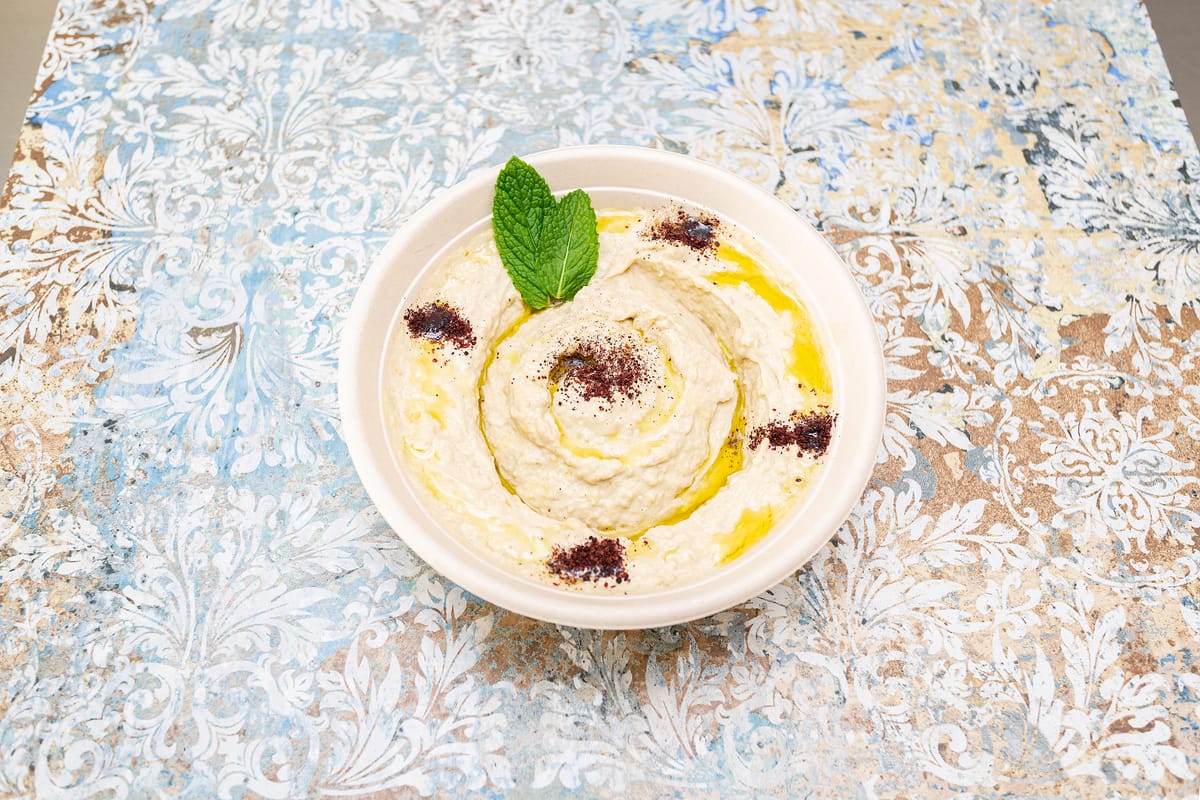
Every Ingredient Fights Inflammation
Olive oil, garlic, chickpeas, tahini, zaatar, fresh vegetables -- each one targets a different inflammatory pathway.
Key Anti-Inflammatory Ingredients at Taza
Each ingredient contains specific compounds with documented anti-inflammatory mechanisms.
Extra-Virgin Olive Oil
Active Compounds: Oleocanthal, Oleic Acid, Polyphenols
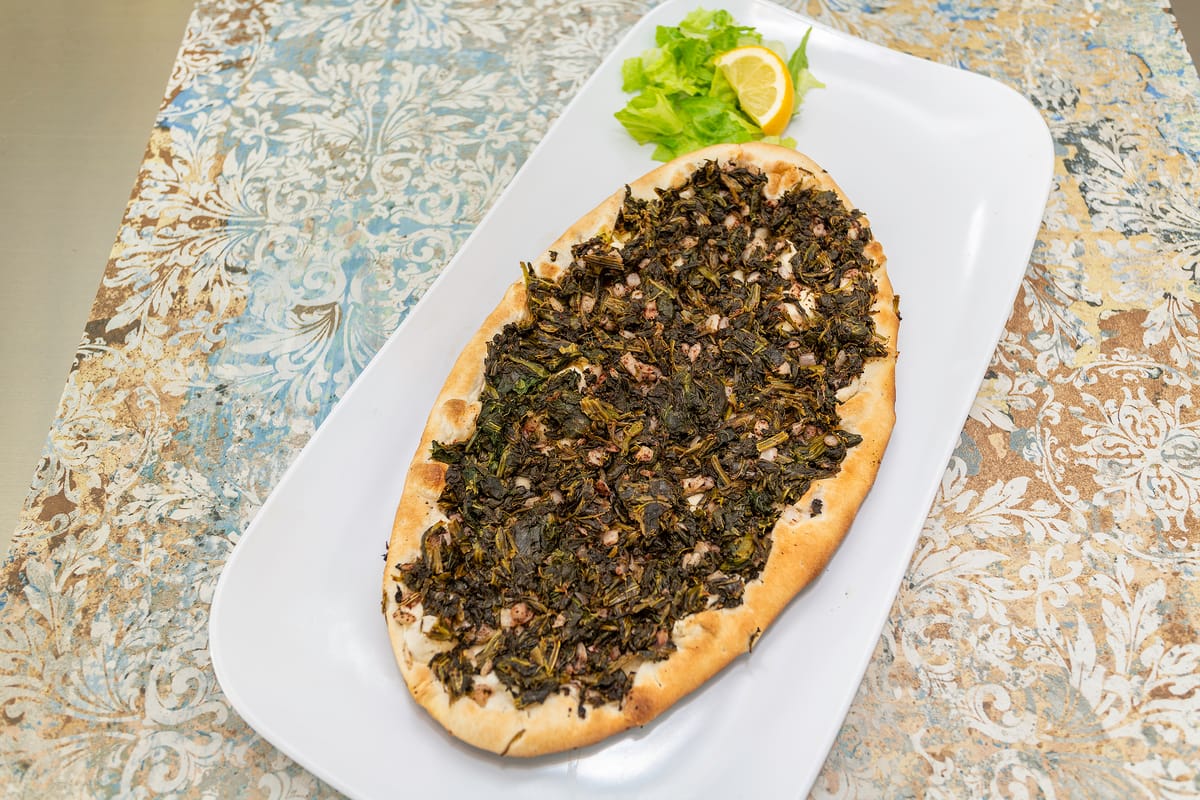
Oleocanthal produces the same pharmacological effect as ibuprofen by inhibiting COX-1 and COX-2 enzymes. A 2011 study in the Journal of Nutritional Biochemistry found that 50 milliliters of extra-virgin olive oil per day reduced CRP (C-reactive protein) levels by 38 percent over 12 weeks. Oleic acid, the primary monounsaturated fat in olive oil, directly reduces levels of interleukin-6 and tumor necrosis factor-alpha, two key inflammatory markers. At Taza, olive oil is used in hummus, baba ghanouj, zaatar manaeesh, and as a finishing drizzle on bowls and salads.
At Taza: Hummus, baba ghanouj, zaatar manaeesh, bowl dressings
Garlic (Toum)
Active Compounds: Allicin, Diallyl Disulfide, S-allyl Cysteine
Garlic contains allicin, a sulfur compound released when cloves are crushed or chopped. Allicin inhibits NF-kB, a protein complex that drives inflammatory gene expression in nearly every cell type. A 2020 meta-analysis in Food Science and Nutrition reviewed 17 clinical trials and concluded that garlic supplementation significantly reduced CRP, TNF-alpha, and IL-6 in participants with elevated inflammatory markers. Toum, the Lebanese garlic sauce served at Taza, uses raw garlic whipped with oil, preserving allicin at much higher concentrations than cooked garlic preparations.
At Taza: Toum (garlic sauce) on shawarma, bowls, and wraps
Chickpeas (Falafel & Hummus)
Active Compounds: Saponins, Isoflavones, Butyrate (via fiber fermentation)
Chickpeas are one of the most concentrated sources of dietary saponins, compounds that directly inhibit inflammatory signaling pathways. A 2016 study in the Annals of Nutrition and Metabolism found that regular chickpea consumption reduced serum levels of IL-6 by 18 percent compared to a wheat-based control diet. The soluble fiber in chickpeas ferments in the gut to produce butyrate, a short-chain fatty acid that strengthens the intestinal barrier and prevents endotoxins from entering the bloodstream, which is a primary trigger for systemic inflammation.
At Taza: Falafel (all formats), hummus, bowls with hummus base
Tahini (Sesame)
Active Compounds: Sesamin, Sesamolin, Gamma-tocopherol
Sesame seeds contain sesamin and sesamolin, two lignans with documented anti-inflammatory and antioxidant activity. A 2017 study in the International Journal of Preventive Medicine found that consuming 40 grams of sesame daily for two months reduced malondialdehyde (a marker of oxidative stress) by 26 percent and increased glutathione peroxidase (a protective antioxidant enzyme) by 41 percent. Gamma-tocopherol, the form of vitamin E most abundant in sesame, specifically neutralizes nitrogen-based free radicals that other forms of vitamin E cannot address.
At Taza: Tahini sauce, hummus, baba ghanouj, falafel dressing
Zaatar (Thyme, Oregano, Sumac)
Active Compounds: Carvacrol, Thymol, Anthocyanins, Gallic Acid
Zaatar is a blend of dried thyme, oregano, sumac, and sesame seeds. Thymol and carvacrol from thyme have been shown to suppress COX-2 expression and reduce prostaglandin E2 production in multiple in vitro and animal studies. Sumac, the deep-red berry ground into the blend, contains gallic acid and anthocyanins with antioxidant capacity measured at 312 Trolox equivalents per gram, which is higher than blueberries. A 2019 study in Phytotherapy Research found that sumac extract reduced fasting blood glucose and inflammatory markers in type 2 diabetic patients over eight weeks.
At Taza: Zaatar manaeesh, zaatar pie, seasoning on shawarma
Fresh Vegetables & Leafy Greens
Active Compounds: Vitamin C, Carotenoids, Quercetin, Sulforaphane
The raw vegetables in Mediterranean salads provide concentrated polyphenols that degrade during cooking. Tomatoes supply lycopene, a carotenoid that reduces IL-6 and CRP levels. Cucumbers contain fisetin, a flavonoid that inhibits NF-kB signaling. Lettuce and mixed greens provide quercetin, which stabilizes mast cells and reduces histamine release. A 2021 meta-analysis in Advances in Nutrition found that each additional daily serving of vegetables was associated with a 6 percent reduction in CRP levels, with raw vegetables showing a stronger effect than cooked.
At Taza: Arabic salad, bowl toppings, pita fillings, fattoush
Best Anti-Inflammatory Orders at Taza
Ranked by anti-inflammatory compound density and pathway coverage.
Falafel Bowl with Hummus Base
The single most anti-inflammatory meal you can order at Taza. Chickpea falafel provides saponins and fiber-derived butyrate. The hummus base adds a second dose of chickpea compounds plus tahini lignans. Olive oil drizzle delivers oleocanthal. Fresh vegetables on top contribute polyphenols and vitamin C. Request extra tahini sauce for additional sesamin. This bowl hits every major anti-inflammatory pathway in one meal.
Learn moreChicken Shawarma Bowl with Toum
Grilled chicken provides lean protein without the advanced glycation end-products (AGEs) formed during frying. Toum (garlic sauce) delivers raw allicin at therapeutic concentrations. The vegetable toppings add polyphenols, and choosing a greens base instead of rice increases the anti-inflammatory value. The spice blend on the chicken includes turmeric and cumin, both potent inflammation fighters.
Learn moreHummus + Baba Ghanouj Combo with Pita
This combination pairs two of the most anti-inflammatory dips in Mediterranean cuisine. Hummus contributes chickpea saponins, tahini lignans, and garlic allicin. Baba ghanouj adds eggplant nasunin (a potent anthocyanin), more tahini, and fire-roasted compounds that concentrate antioxidants. Together, they cover inflammatory pathways that a single dip cannot address alone.
Learn moreZaatar Manaeesh
Zaatar manaeesh is a concentrated delivery system for thyme polyphenols, sumac anthocyanins, sesame lignans, and olive oil oleocanthal. The baking process activates volatile compounds in thyme and oregano, increasing their bioavailability. A single zaatar manaeesh at Taza provides more antioxidant capacity than a typical multivitamin supplement, based on ORAC (Oxygen Radical Absorbance Capacity) measurements of its individual ingredients.
Learn moreSpinach Pie + Labneh Side
Spinach delivers vitamin K, folate, and lutein, all with documented anti-inflammatory properties. The lemon in the filling provides vitamin C, which regenerates other antioxidants. Labneh contributes probiotics that reduce gut-mediated inflammation. This combination is particularly effective for people whose inflammation stems from poor gut health, as it addresses both the microbiome and systemic pathways simultaneously.
Learn moreFoods That Increase Inflammation
Reducing these foods is as important as increasing anti-inflammatory ones.
Refined Carbohydrates
Examples: White bread, bagels, pastries, sugary cereals
Refined grains spike blood glucose rapidly, triggering insulin surges that activate inflammatory cytokine production. They also lack the fiber and polyphenols found in whole grains that buffer this response.
Added Sugar & High-Fructose Corn Syrup
Examples: Soda, candy, flavored yogurt, most sauces
Excess fructose overwhelms liver metabolism, producing uric acid and advanced glycation end-products (AGEs). Both directly stimulate NF-kB signaling and inflammatory gene expression.
Industrial Seed Oils
Examples: Soybean oil, corn oil, cottonseed oil, canola oil
These oils contain high concentrations of omega-6 linoleic acid, which the body converts to arachidonic acid, the precursor for pro-inflammatory prostaglandins and leukotrienes.
Processed & Ultra-Processed Meat
Examples: Hot dogs, deli meat, bacon, frozen patties
Processing creates nitrosamines and polycyclic aromatic hydrocarbons that damage gut epithelial cells and trigger immune responses. The World Health Organization classifies processed meat as a Group 1 carcinogen.
Trans Fats & Partially Hydrogenated Oils
Examples: Margarine, microwave popcorn, fast food fryers
Trans fats integrate into cell membranes and disrupt normal receptor function, increasing IL-6, TNF-alpha, and CRP. Even small amounts (2 percent of total calories) significantly elevate inflammatory markers.
The Taza Advantage
None of the pro-inflammatory foods listed above appear on the Taza menu. Proteins are spit-roasted with olive oil rather than deep-fried in seed oils. Falafel is made from ground chickpeas with herbs, not processed ingredients. Sauces are tahini, toum, and olive oil, not sugar-laden ketchup or seed-oil-based mayo. Choosing Taza for your meals automatically replaces pro-inflammatory foods with anti-inflammatory ones, without requiring any special modifications or substitutions.
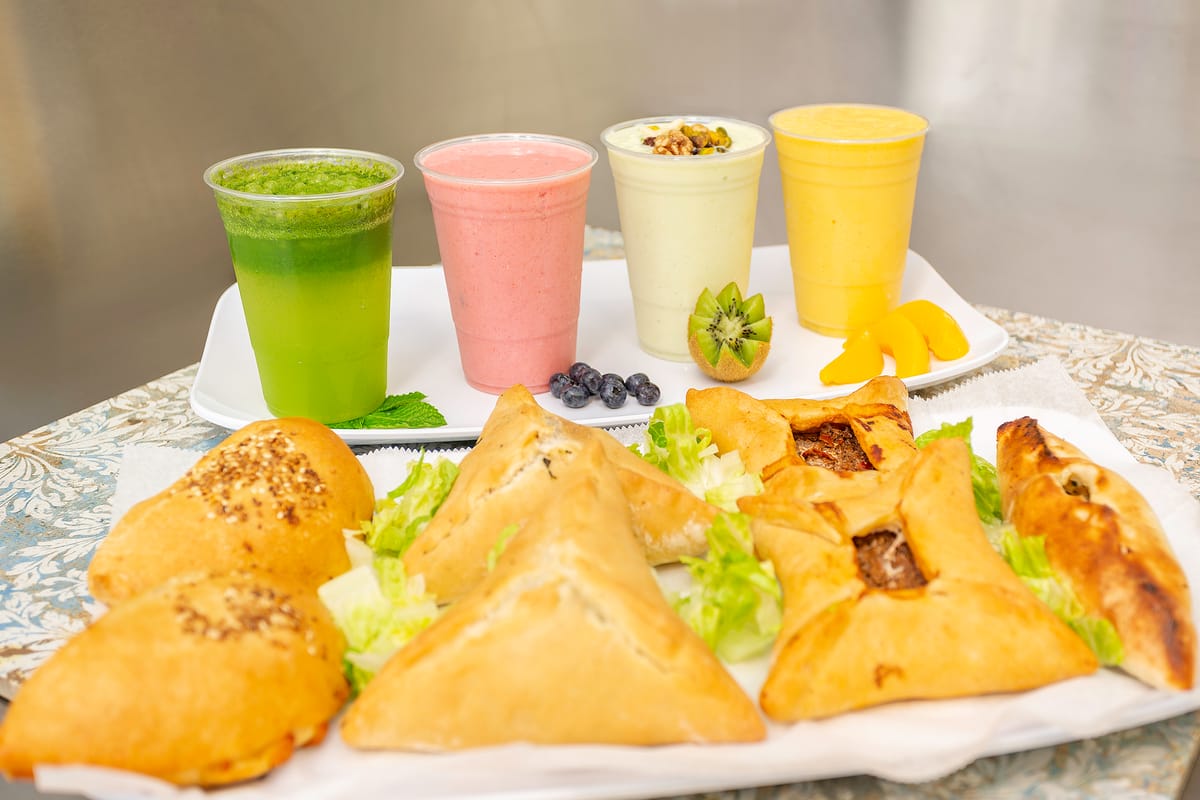
Real Food, Real Compounds, Real Results
Clinical trials show measurable reductions in inflammatory markers within 3-6 weeks of consistent Mediterranean eating.
The Role of Anti-Inflammatory Spices in Taza's Cooking
Cumin, turmeric, sumac, and cinnamon are not just for flavor. Each contains specific compounds that reduce inflammatory markers.
Cumin
Cuminaldehyde, Thymoquinone
Cumin is a primary spice in Taza's shawarma marinade and falafel seasoning. Cuminaldehyde inhibits the enzyme 5-lipoxygenase, which produces inflammatory leukotrienes. A 2015 trial in the journal Complementary Therapies in Clinical Practice found that 3 grams of cumin daily reduced CRP by 11 percent and BMI by 1.4 kg/m2 over eight weeks in overweight participants. The mechanism involves both direct enzyme inhibition and improved insulin sensitivity.
Turmeric
Curcumin, Demethoxycurcumin
Curcumin is one of the most studied anti-inflammatory compounds in nutrition science, with over 12,000 published papers. It inhibits NF-kB, COX-2, and multiple MAP kinase pathways simultaneously. A 2016 meta-analysis in the Journal of Medicinal Food reviewed 8 randomized controlled trials and found that curcumin supplementation significantly reduced CRP, IL-6, and TNF-alpha. At Taza, turmeric appears in shawarma spice blends and rice seasoning, where the fat from olive oil and tahini increases curcumin absorption by up to 2,000 percent.
Sumac
Gallic Acid, Anthocyanins, Tannins
Sumac berries have an ORAC value of 312,400 micromoles of Trolox equivalents per 100 grams, making them one of the highest-antioxidant spices ever measured. Gallic acid, sumac's primary phenolic compound, scavenges superoxide and hydroxyl radicals that drive tissue damage. A 2014 study in the Journal of Research in Medical Sciences found that 3 grams of sumac powder daily reduced fasting blood sugar by 13 percent in type 2 diabetic patients. At Taza, sumac is sprinkled on shawarma, used in zaatar blend, and added to fattoush dressing.
Cinnamon
Cinnamaldehyde, Proanthocyanidins
Cinnamaldehyde inhibits NF-kB and reduces nitric oxide production in activated macrophages. A 2019 systematic review in Clinical Nutrition found that cinnamon supplementation reduced CRP and fasting blood glucose across 12 trials involving over 900 participants. Cinnamon also enhances insulin receptor sensitivity, which reduces the chronic hyperinsulinemia that drives low-grade inflammation. At Taza, cinnamon appears in select spice blends for meat preparations and in dessert items, contributing subtle anti-inflammatory benefits across multiple menu categories.
Anti-Inflammatory Value: Mediterranean vs. Standard American
A direct comparison of how Mediterranean staples and common American equivalents affect inflammation.
| Category | Mediterranean (Taza) | Standard American |
|---|---|---|
| Primary Cooking Fat | Extra-virgin olive oil (oleocanthal, anti-inflammatory) | Soybean/canola oil (omega-6 heavy, pro-inflammatory) |
| Protein Preparation | Spit-roasted, grilled (minimal AGEs) | Deep-fried, charred (high AGE formation) |
| Condiments & Sauces | Tahini, toum, olive oil (polyphenols, allicin) | Ketchup, mayo, ranch (sugar, seed oils, additives) |
| Legume Intake | Daily: hummus, falafel, lentils (saponins, fiber) | Rare: occasional canned beans (low bioactive content) |
| Spice Profile | Cumin, turmeric, sumac, zaatar (curcumin, thymol) | Salt, sugar, artificial flavoring (no anti-inflammatory value) |
| Sugar Content | Minimal: honey, dates, fruit (low glycemic load) | High: soda, sauces, bread (chronic insulin spikes) |
| Vegetable Servings / Meal | 3-5 servings (raw + cooked, high polyphenol) | 0-1 serving (often fried, nutrient-depleted) |
| Net Inflammatory Effect | Strongly anti-inflammatory (reduces CRP, IL-6, TNF-alpha) | Pro-inflammatory (elevates all major markers) |
Sources: PREDIMED Trial (NEJM 2018), Harvard T.H. Chan School of Public Health, American Heart Association Dietary Guidelines. CRP = C-reactive protein, IL-6 = interleukin-6, TNF-alpha = tumor necrosis factor-alpha.
3-Day Anti-Inflammatory Meal Plan Using Taza's Menu
A practical plan that maximizes anti-inflammatory compound intake across every meal.
Day 1
Falafel Bowl (hummus base, extra vegetables, tahini sauce)
Chickpea saponins + tahini sesamin + olive oil oleocanthal
Hummus with pita bread
Fiber-derived butyrate + garlic allicin
Chicken Shawarma Bowl (greens base, toum)
Lean protein + raw garlic allicin + turmeric/cumin from marinade
Day 2
Zaatar Manaeesh + Labneh side
Thymol + sumac anthocyanins + probiotic cultures
Baba Ghanouj with pita
Eggplant nasunin + tahini lignans + olive oil polyphenols
Beef Shawarma Bowl (rice base, tahini sauce)
Cumin/turmeric spice blend + sesame lignans + vegetable polyphenols
Day 3
Falafel Pita with extra toum
Chickpea saponins + concentrated raw garlic allicin + fresh vegetables
Spinach Pie (2 pieces)
Spinach vitamin K + lutein + lemon vitamin C + sumac
Chicken Shawarma Bowl (hummus base, all vegetables)
Triple chickpea dose + lean protein + full polyphenol spectrum
This meal plan delivers anti-inflammatory compounds through at least 8 different biochemical pathways per day. Each meal includes olive oil (oleocanthal), garlic (allicin), chickpeas (saponins), tahini (sesamin), fresh vegetables (polyphenols), and Mediterranean spices (curcumin, thymol, cuminaldehyde). Rotate these meals weekly for sustained anti-inflammatory protection.
Start Your Anti-Inflammatory Meal PlanHow Quickly Does Anti-Inflammatory Mediterranean Eating Work?
Research shows measurable changes in inflammatory biomarkers within weeks.
1-2
Gut Microbiome Shifts Begin
Within the first two weeks, the fiber from chickpeas, the polyphenols from olive oil, and the probiotics from labneh begin altering your gut bacterial composition. Beneficial Faecalibacterium and Roseburia populations increase, producing more butyrate and strengthening the intestinal barrier. Subjective improvements in digestion and energy levels are common during this phase. The anti-inflammatory effect is localized to the gut initially but will become systemic as the microbiome stabilizes.
3-6
CRP and IL-6 Levels Drop
By week three, consistent Mediterranean eating produces measurable reductions in C-reactive protein, the most commonly tested inflammatory marker. The 2018 Nutrients meta-analysis found statistically significant CRP reductions across 17 trials at this timepoint. IL-6, a cytokine that drives inflammatory cascades throughout the body, also begins to decline. Joint stiffness, skin conditions driven by inflammation, and digestive discomfort typically improve during this window.
6-12
Systemic Inflammation Resolves
After two to three months of consistent anti-inflammatory eating, TNF-alpha levels normalize, insulin sensitivity improves, and oxidative stress markers like malondialdehyde decrease significantly. The gut barrier is now substantially strengthened, reducing endotoxin translocation. A 2020 study in Gut confirmed these changes with objective biomarker data after 12 weeks of Mediterranean diet adherence. At this point, the anti-inflammatory effect is self-reinforcing: a healthier gut produces more anti-inflammatory compounds, which further heals the gut.
3-12+
Cumulative Protection Builds
Long-term Mediterranean eating provides cumulative anti-inflammatory protection that individual meals cannot achieve. The PREDIMED trial demonstrated significant cardiovascular event reduction after 4.8 years. Longitudinal cohort studies show progressively lower rates of type 2 diabetes, Alzheimer's disease, and certain cancers with each year of adherence. The anti-inflammatory compounds in Mediterranean food build a protective buffer that absorbs occasional dietary deviations without losing the overall benefit.
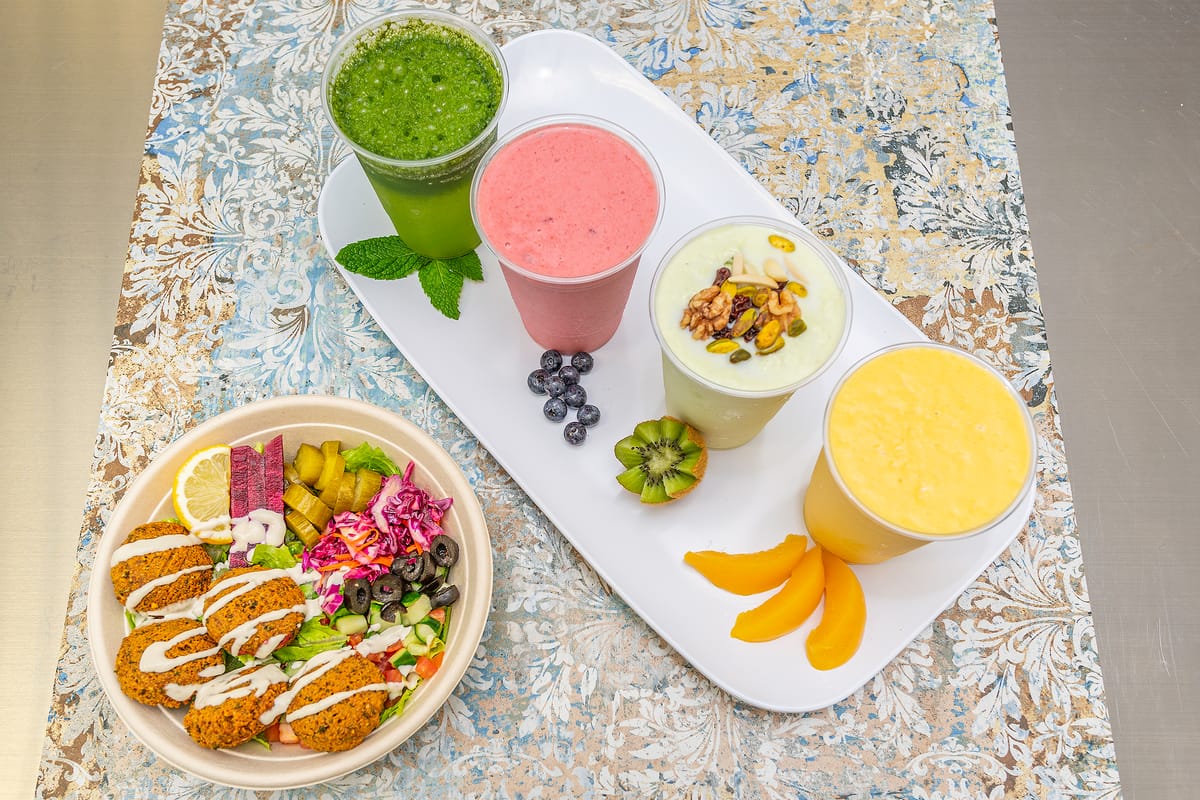
Food as Medicine, Served Fresh Daily
At Taza in Falls Church, anti-inflammatory eating is not a special request. It is the default.
Learn More About Each Anti-Inflammatory Ingredient
Detailed guides on the specific ingredients that make Mediterranean food the world's best anti-inflammatory diet.
Anti-Inflammatory Items on the Taza Menu
Quick visual guide to anti-inflammatory options organized by menu category.
Falafel
Chickpea saponins
Hummus & Dips
Tahini lignans
Bowls
Complete meals
Shawarma
Spice-marinated
Fresh Salads
Vegetable polyphenols
Zaatar Bread
Thymol + sumac
Rice Sides
Turmeric-seasoned
Tahini Sauce
Sesamin + sesamolin
Toum (Garlic)
Concentrated allicin
Olive Oil
Oleocanthal
Anti-Inflammatory Mediterranean Food: FAQ
Mediterranean food is anti-inflammatory because of its core ingredients: extra-virgin olive oil contains oleocanthal (a natural COX inhibitor similar to ibuprofen), garlic provides allicin (which suppresses NF-kB inflammatory signaling), chickpeas deliver saponins and fiber that produce butyrate in the gut, tahini supplies sesamin and sesamolin lignans, and fresh vegetables contribute concentrated polyphenols. These compounds work through different biochemical pathways, so a single Mediterranean meal can reduce inflammation through multiple mechanisms simultaneously. At Taza in Falls Church, these ingredients appear in nearly every dish on the menu.
The falafel bowl with a hummus base is the most anti-inflammatory single order at Taza. It combines chickpea saponins from both the falafel and hummus, tahini lignans from the sauce and the hummus, olive oil oleocanthal from the finishing drizzle, and fresh vegetable polyphenols from the toppings. For an even stronger anti-inflammatory effect, add toum (garlic sauce) for concentrated allicin. This bowl addresses inflammatory pathways through the gut (butyrate from fiber), the bloodstream (oleocanthal and sesamin), and cellular signaling (allicin inhibiting NF-kB). The falafel bowl starts at from $10.45.
Yes. Hummus is one of the most effective anti-inflammatory foods available at any restaurant. Its base ingredient, chickpeas, contains saponins that directly inhibit inflammatory enzymes. Tahini adds sesamin and sesamolin, two lignans shown to reduce oxidative stress markers by 26 percent in clinical trials. Garlic in the recipe provides allicin, a compound that suppresses NF-kB signaling. Olive oil delivers oleocanthal, which mimics ibuprofen's mechanism of action. Lemon juice contributes vitamin C, which neutralizes free radicals. A single serving of hummus at Taza ($4.95) attacks inflammation through at least five distinct biochemical pathways.
Toum is one of the most potent anti-inflammatory condiments in Mediterranean cuisine. It is made from raw garlic whipped with oil, which preserves allicin at concentrations far higher than cooked garlic. Allicin inhibits NF-kB, the master switch for inflammatory gene expression. A 2020 meta-analysis of 17 clinical trials found that garlic preparations significantly reduced CRP, TNF-alpha, and IL-6. At Taza, toum is available on chicken shawarma, beef shawarma, and bowls. Adding extra toum to any order increases its anti-inflammatory value substantially. Learn more on our toum guide page.
The Mediterranean diet outperforms most anti-inflammatory supplements for one fundamental reason: bioavailability and synergy. Curcumin supplements, for example, have poor absorption on their own, but the fats in olive oil and tahini increase curcumin absorption by up to 2,000 percent. Fish oil capsules provide omega-3s in isolation, while a Mediterranean meal delivers omega-3s alongside polyphenols, lignans, and fiber that amplify each other's effects. Clinical trials consistently show that dietary patterns produce larger reductions in inflammatory markers than isolated supplements. A meal at Taza provides these compounds in the forms and combinations that your body absorbs most efficiently.
Joint pain driven by chronic inflammation responds well to consistent Mediterranean eating. A 2018 study in Clinical Nutrition found that 16 weeks of Mediterranean diet adherence significantly reduced pain severity and improved physical function in rheumatoid arthritis patients. The key compounds are oleocanthal from olive oil (which directly inhibits COX enzymes responsible for joint inflammation), curcumin from turmeric in spice blends, and omega-3 precursors from sesame and leafy greens. Eating Mediterranean food 3-5 times per week provides a sustained, low-dose anti-inflammatory effect that accumulates over time. Taza is located at 5820 Seminary Rd Ste O, Falls Church, VA 22041, open 11:00 AM - 12:00 AM.
Falafel is strongly anti-inflammatory. Ground chickpeas are the richest dietary source of saponins, compounds that inhibit inflammatory enzymes. The herbs in falafel, typically parsley, cilantro, and cumin, contribute additional anti-inflammatory polyphenols. The frying process creates a Maillard reaction crust that, while adding some AGEs, also concentrates the heat-stable polyphenols in the chickpea matrix. When eaten with tahini sauce (sesamin lignans) and fresh vegetables (quercetin, vitamin C), falafel becomes a comprehensive anti-inflammatory food. A falafel pita at Taza starts at from $8.95.
Measurable changes in inflammatory biomarkers appear within 3-6 weeks of consistent Mediterranean eating. A 2020 study in the journal Gut found significant changes in inflammatory markers and gut microbiome composition after just 12 weeks. CRP levels typically drop first, followed by IL-6 and TNF-alpha. Subjective improvements, such as reduced joint stiffness, better digestion, and increased energy, often appear within 2-4 weeks. The effect is cumulative and dose-dependent: the more frequently you eat anti-inflammatory Mediterranean food, the faster and larger the benefit. Eating at Taza 3-4 times per week provides a strong baseline of anti-inflammatory compounds.
Get Anti-Inflammatory Mediterranean Food in Falls Church, VA
Located on Seminary Road, open 7 days a week. Order online for pickup or dine in.
Address
5820 Seminary Rd Ste O, Falls Church, VA 22041
Hours
11:00 AM - 12:00 AM -- Open 7 Days a Week
Phone
Order Anti-Inflammatory Mediterranean Food Now
Every dish at Taza delivers documented anti-inflammatory compounds. Falafel, hummus, shawarma bowls, zaatar manaeesh -- real food that fights inflammation at the molecular level. Order online for pickup at our Falls Church, VA location.