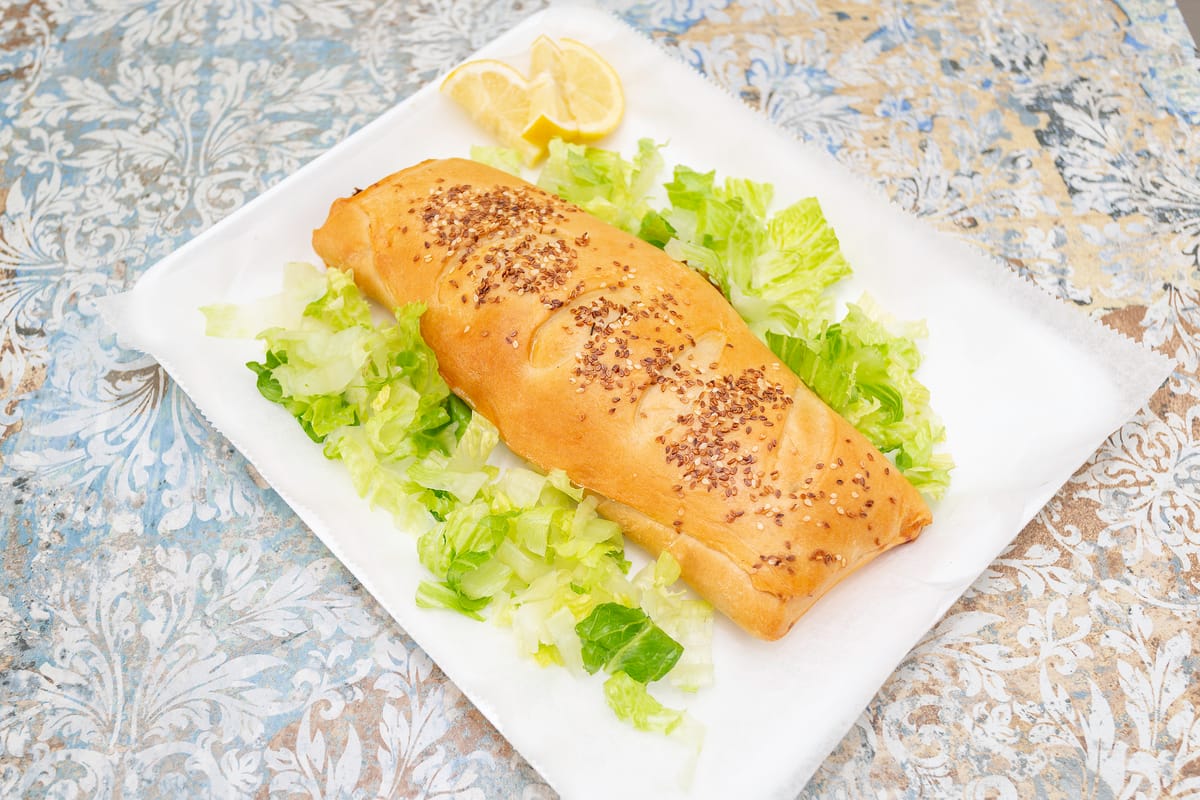
Hummus for Weight Loss
70 calories per serving, 3 grams of protein, 2 grams of fiber. Hummus is one of the most effective diet-friendly foods when you control the portion and pick the right pairings.
4.8 stars on Yelp (92 reviews) -- Open 11:00 AM - 12:00 AM
Can Hummus Help You Lose Weight?
Yes -- when you use it strategically. Hummus is a nutrient-dense food that supports fat loss through satiety, not deprivation.
Hummus has a reputation problem in the dieting world. Some people treat it as a free food and eat half a container in one sitting. Others avoid it entirely because they read somewhere that chickpeas are "too high in carbs." Both approaches miss the point. Hummus is one of the most effective weight-loss-friendly foods you can eat, provided you understand what a serving looks like and what you pair it with. A standard two-tablespoon serving of traditional hummus delivers approximately 70 calories, 3 grams of protein, 2 grams of fiber, and 4 grams of mostly unsaturated fat. That macronutrient profile triggers three separate satiety pathways in your body: protein slows gastric emptying, fiber adds physical volume to your stomach, and fat activates cholecystokinin release, which tells your brain you have eaten enough.
The research supports this. A 2014 study in the Journal of Nutrition and Food Sciences found that participants who consumed chickpeas or hummus regularly had a 53% lower risk of obesity and were 51% less likely to have elevated blood sugar levels compared to non-consumers. A separate study in the journal Appetite found that participants who ate hummus as an afternoon snack consumed fewer calories at dinner compared to those who ate granola bars or chocolate with equivalent calorie counts. The combination of protein, fiber, and fat in hummus produces a sustained satiety effect that processed snacks cannot match, even at the same calorie level.
At Taza Shawarma & Falafel in Falls Church, our hummus is made fresh daily from chickpeas, tahini, lemon juice, garlic, and extra-virgin olive oil. A side order starts at $4.95 and pairs with everything on the menu. This guide breaks down exactly how to incorporate hummus into a calorie-deficit diet, what portion sizes to target, which pairings maximize weight loss, and the common mistakes that turn a 70-calorie snack into a 400-calorie problem. Whether you are tracking macros from an office near Seminary Road or counting calories before hitting the gym in Arlington, this page gives you the numbers you need.
Why Hummus Works for Weight Loss
Three macronutrients working together to keep you full on fewer calories.
Protein + Fiber = Satiety
Most diet-friendly snacks give you one satiety mechanism. A rice cake is low calorie but has no staying power. A handful of almonds has healthy fat but limited fiber. Hummus delivers all three satiety triggers in a single food. The 3 grams of protein per serving slow gastric emptying, keeping food in your stomach longer. The 2 grams of fiber add physical bulk that stretches stomach receptors and signals fullness. The 4 grams of fat activate hormonal satiety signals. This triple mechanism explains why a 70-calorie serving of hummus keeps you satisfied for 90 to 120 minutes, while a 100-calorie pack of pretzels leaves you hungry again in 30 minutes. Calorie counting is easier when you are not constantly fighting hunger.
Healthy Fats, Not Empty Fats
The fat in hummus comes primarily from tahini (ground sesame seeds) and olive oil. Both are rich in monounsaturated and polyunsaturated fatty acids, which have been associated with reduced inflammation and improved cardiovascular markers in clinical trials. This matters for weight loss because chronic inflammation can interfere with leptin signaling, making your brain less responsive to fullness cues. By contrast, the saturated fat in ranch dressing or cheese dip does not provide these anti-inflammatory benefits. When you swap ranch for hummus as your go-to dip, you cut calories by nearly 50% per serving and improve the quality of the fat you consume.
Low Glycemic Impact
Chickpeas have a glycemic index of approximately 28, which is classified as low. That means hummus does not cause the rapid blood sugar spike and subsequent crash that drives cravings and overeating. When your blood sugar stays stable, your insulin response stays moderate, and your body is better able to access stored fat for energy between meals. Compare this to crackers (GI of 70-80) or a typical granola bar (GI of 55-65). Pairing hummus with raw vegetables further blunts the glycemic response because the additional fiber slows digestion even more. For people in Falls Church and Northern Virginia who work desk jobs and snack between meetings, this steady energy profile prevents the 3 PM crash that sends most people to the vending machine.
Micronutrient Dense
Hummus is not just macronutrient-friendly -- it is one of the most micronutrient-dense snack foods available. A two-tablespoon serving provides meaningful amounts of iron (4% daily value), folate (5% DV), vitamin B6 (4% DV), magnesium (3% DV), and phosphorus (4% DV). These micronutrients support energy metabolism, red blood cell production, and nervous system function -- all processes that can suffer during calorie restriction. Many people on diets experience fatigue and brain fog because their food choices are calorie-controlled but nutrient-poor. Hummus addresses both problems at once. It fits a tight calorie budget while delivering real nutritional value from whole-food ingredients.
Hummus vs Other Snack Dips
A side-by-side breakdown of hummus against the most common dips, all measured at a standard two-tablespoon serving.
| Metric | Hummus (2 tbsp) | Ranch / Cheese Dip (2 tbsp) |
|---|---|---|
| Calories (2 tbsp) | ~70 | ~130-140 |
| Total Fat | 4g (mostly unsaturated) | 12-14g (mostly saturated) |
| Protein | ~3g | 0.5-1g |
| Fiber | ~2g | 0g |
| Sugar | 0g | 1-3g |
| Key Nutrients | Iron, folate, B6, magnesium | Minimal micronutrients |
| Satiety Rating | High (protein + fiber + fat) | Low (fat only, no fiber) |
The Full Dip Breakdown
Ranch dressing runs 130-140 calories per two tablespoons with 14 grams of fat, almost entirely saturated. Queso or nacho cheese dip comes in at 110-120 calories with 8-9 grams of fat and significant sodium. Mayonnaise-based dips sit at 180-200 calories per serving. Guacamole is the closest competitor at 50-60 calories per two tablespoons, though it delivers less protein and fiber than hummus. French onion dip, a suburban party staple in the Northern Virginia area, runs 60-70 calories but contains almost no nutritional value beyond fat and sodium.
Hummus is the only common dip that provides all three macronutrients -- protein, fiber, and fat -- in a single serving. That makes it the most satiating option per calorie. For anyone tracking food in Falls Church, Arlington, or anywhere across NoVA, replacing your standard dip with hummus is one of the easiest dietary swaps you can make.
Portion Control: The Key Factor
Hummus is diet-friendly at two tablespoons. It stops being diet-friendly when you eat it straight from the container.
A standard hummus serving is two tablespoons, which is approximately 28-30 grams. Visually, that is about the size of a ping pong ball or a generous dollop on a small plate. Most people who say "hummus made me gain weight" were eating four to eight tablespoons per sitting without realizing it. At eight tablespoons, you are consuming 280 calories of hummus alone -- before you add the pita chips, crackers, or bread that typically accompany it. That is the calorie equivalent of a full meal for someone on a 1,500-calorie daily plan.
The fix is straightforward. When eating at home, scoop your hummus into a small bowl or ramekin rather than eating directly from the container. At a restaurant like Taza, a standard side of hummus ($4.95) is already a measured portion, so you do not need to guess. When building a bowl or ordering a pita, the hummus layer is applied by our team in a controlled amount. This built-in portion control is one reason restaurant hummus can be easier to manage than a ten-ounce tub from the grocery store that sits open on your counter.
Mindful eating matters here too. Hummus is thick and flavorful -- you do not need a thick layer to taste it. A thin smear across a pita or a two-tablespoon pool in the center of a bowl delivers the same creamy, tangy flavor as a heavy pour, at half the calories. Treat hummus as a condiment or sauce replacement, not as a main course, and it becomes one of the most effective tools in your weight-loss strategy. People across Arlington and Falls Church who meal prep for the week often portion hummus into individual two-ounce containers on Sunday, giving themselves four pre-measured servings that last through the workweek.
2 Tablespoons
~70 cal
Standard serving size. Use as a sauce, dip, or bowl base layer. Fits any diet plan.
4 Tablespoons
~140 cal
Upper limit for a single meal on most weight-loss plans. Good for bowl bases at Taza.
8+ Tablespoons
~280+ cal
Common overconsumption zone. Equivalent to a full meal. Avoid eating from the container.
Best Ways to Eat Hummus for Weight Loss
The food you pair with hummus matters more than the hummus itself.
With Raw Vegetables
~100-120 cal totalTwo tablespoons of hummus with a full cup of sliced cucumbers, bell peppers, and celery. The vegetables contribute about 30-50 calories while adding significant volume and crunch. This combination fills a visible portion of a standard plate for approximately 100-120 total calories and delivers 5-6 grams of fiber. Use this as an afternoon snack between lunch and dinner. The fiber and fat from the hummus, combined with the water content of the vegetables, keeps hunger away for 90 minutes or more. This is the single best hummus pairing for weight loss.
As a Meal Base Layer
Saves 80-100 calReplace higher-calorie sauces with hummus in your bowl or wrap order. At Taza, you can request hummus as the base layer in any bowl instead of garlic mayo. Garlic mayo runs 80-100 calories per serving. Hummus runs 70 calories with the added benefit of protein and fiber. You save 10-30 calories on the swap while gaining a better macronutrient profile. In a falafel bowl or chicken shawarma bowl, the hummus blends with tahini and fresh vegetables to create a creamy base that satisfies without excess calories. This is how most regulars at our Falls Church location order.
As a Sauce Replacement
Saves 100-130 calUse hummus in place of mayo, ranch, or cream-based sauces in any context. On a sandwich, two tablespoons of hummus replace two tablespoons of mayo and save approximately 130 calories (mayo runs about 200 calories per two tablespoons). On a salad, hummus mixed with a splash of lemon juice creates a creamy dressing with 70 calories per serving versus 140-180 for a typical ranch or Caesar dressing. At home, thin hummus with a tablespoon of water and use it as a pasta sauce base. The versatility is one reason hummus works as a long-term diet strategy, not just a short-term fix.
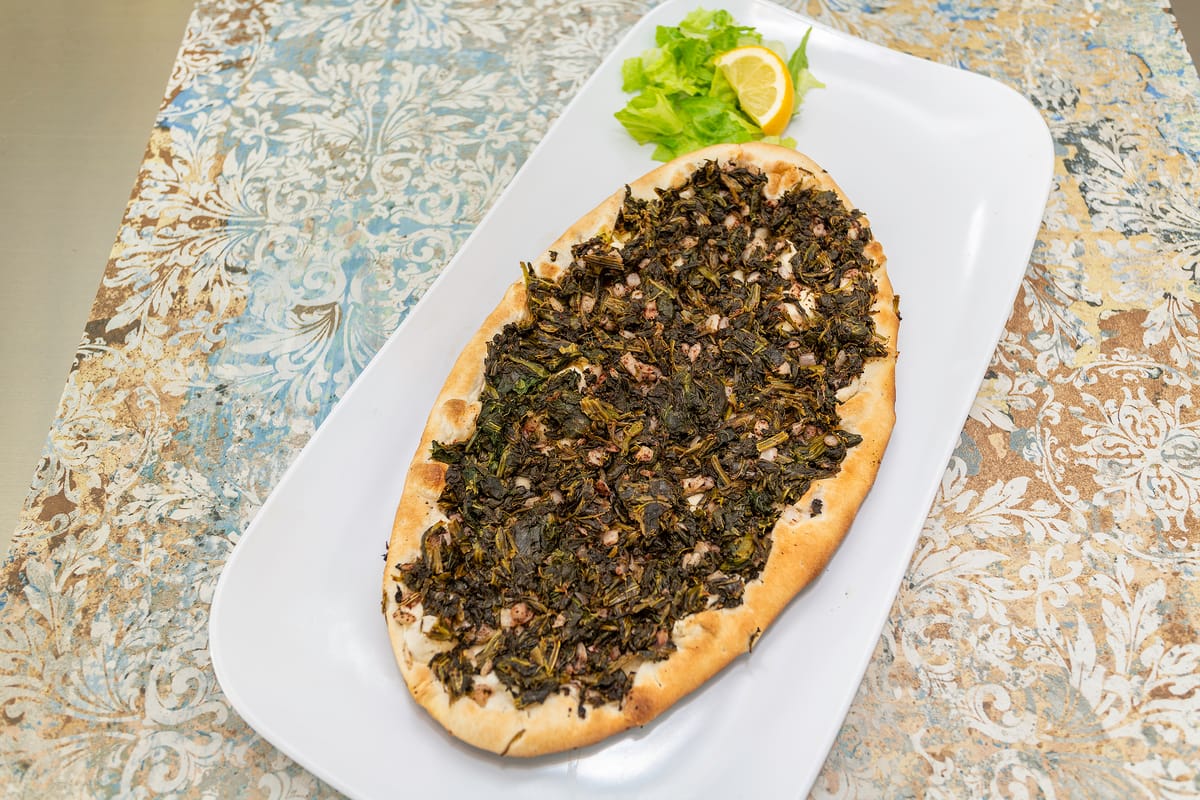
Fresh Ingredients. Measured Portions.
Every bowl and pita at Taza is built to order with whole-food ingredients. Control what goes in your meal and know exactly what you are eating.
Hummus in a Calorie-Deficit Diet
Where hummus fits in three common daily calorie targets -- with real meal plans that include a Taza lunch.
1,500 Cal / Day
Hummus Role
Sauce replacement in a chicken bowl
Daily Hummus Amount
2 tbsp (~70 cal) as bowl base
Taza Lunch Order
Chicken shawarma bowl, greens base, hummus layer, lettuce, tomatoes, cucumbers, pickles
Lunch Macros
~420 cal / 38g protein
Remaining Budget
~1,080 cal for breakfast + dinner
At this deficit level, every calorie counts. Using hummus as a sauce replacement instead of garlic mayo saves 30 calories per meal while adding protein. Over a five-day workweek, that is 150 fewer calories -- the equivalent of an extra snack.
1,800 Cal / Day
Hummus Role
Bowl base + afternoon snack
Daily Hummus Amount
4 tbsp total (~140 cal across two servings)
Taza Lunch Order
Falafel bowl, greens base, hummus, tahini, full vegetables
Lunch Macros
~460 cal / 20g protein
Remaining Budget
~1,340 cal for other meals
The moderate deficit allows room for hummus in two daily appearances: as a bowl base at lunch and as a measured afternoon snack with cucumber slices. The fiber from both the falafel and the hummus keeps digestion steady through the afternoon.
2,000 Cal / Day
Hummus Role
Side dish + condiment
Daily Hummus Amount
4-6 tbsp (~140-210 cal across the day)
Taza Lunch Order
Chicken shawarma pita with hummus + side hummus with veggies
Lunch Macros
~580 cal / 35g protein
Remaining Budget
~1,420 cal for other meals
With a higher calorie budget, you can enjoy hummus more freely. Order a side of hummus ($4.95) alongside your pita or bowl. Pair it with fresh pita bread or vegetables from our toppings selection. The extra fat and fiber support training recovery for anyone working out at gyms along Route 7 or in Baileys Crossroads.
The Weight-Loss Hummus Bowl at Taza
A step-by-step guide to building a balanced, calorie-controlled bowl with hummus as the foundation.
The ideal weight-loss bowl at Taza starts with a greens base, adds a thin layer of hummus, includes a lean protein, and finishes with volume-adding vegetables. This structure gives you a meal that weighs over a pound, fills an entire bowl, and stays under 500 calories. The greens base eliminates the 200-calorie rice component. The hummus layer provides creaminess and flavor depth without the calorie load of garlic mayo. The protein -- whether falafel or chicken shawarma -- delivers the macronutrient that matters most for preserving muscle during a calorie deficit. And the vegetables add fiber, micronutrients, and the physical volume that tricks your brain into feeling full.
Here is the exact build. Start with mixed greens as your base. Add a two-tablespoon layer of hummus across the greens. Choose falafel (from from $10.45) for a plant-based option or chicken shawarma (from from $12.45) for higher protein. Top with lettuce, tomatoes, cucumbers, pickled turnips, onions, mint, and parsley. Finish with a light drizzle of tahini -- not a pour, a drizzle. The completed bowl runs approximately 380-480 calories for falafel or 420-520 calories for chicken, with 18-22 grams of protein (falafel) or 35-42 grams of protein (chicken).
This bowl is one of the strongest calorie-to-volume ratios you will find at any restaurant in Falls Church. The physical size of the meal exceeds what most fast-food chains serve in a standard combo, but the calorie count is 30-50% lower. People who commute through the Seminary Road area or work near Baileys Crossroads order this build as a recurring weekday lunch because it keeps them full through the afternoon without the post-meal drowsiness that comes from heavy, carb-loaded restaurant food.
Base: Mixed Greens
Saves ~200 cal vs rice base. Adds fiber and volume.
Layer: 2 Tbsp Hummus
~70 cal. Adds creaminess, protein, fiber, and flavor.
Protein: Falafel or Chicken
18-42g protein depending on choice. Spit-roasted, not fried.
Toppings: Load the Vegetables
Lettuce, tomato, cucumber, pickles, mint, parsley. Under 40 cal total.
Sauce: Light Tahini Drizzle
~40 cal. Calcium, iron, healthy fats. Skip the garlic mayo.
Total: 380-520 Cal
A full, heavy bowl for less than a typical sandwich combo meal.
Common Hummus Diet Mistakes
Hummus supports weight loss by default. These four habits are what turn it into a weight-gain food.
Hummus gets blamed for weight gain, but the hummus is rarely the actual problem. The problem is the behaviors that surround it. Understanding these four common mistakes will help you keep hummus in your diet without sabotaging your calorie goals.
Eating Directly from the Container
A standard grocery-store hummus tub is 10 ounces, which contains roughly 7-8 servings and 490-560 total calories. When you eat directly from the container while watching television or working at your desk, your portion awareness disappears. Studies on mindless eating show that people consume 30-50% more food when eating from a large container versus a portioned plate. The fix is to scoop two tablespoons into a small bowl before you start eating. If the container goes back in the refrigerator before you sit down, you eliminate the temptation to keep dipping.
Pairing with High-Calorie Dippers
Pita chips from the grocery store run 130-140 calories per ounce -- roughly 7-8 chips. Most people eat 2-3 ounces per sitting (260-420 calories) with another 140-210 calories of hummus. That is a 400-630 calorie snack, which is more than many full meals. Tortilla chips are even worse at 140-150 calories per ounce. The solution is raw vegetables. A full cup of cucumber slices has 16 calories. A full cup of bell pepper strips has 30 calories. You get the same dipping action and crunch for a fraction of the calorie cost. At Taza in Falls Church, pair your hummus with our warm pita bread instead of chips -- it is not fried and has fewer calories per piece.
Choosing Oil-Heavy Store Brands
Many commercial hummus brands use soybean oil or canola oil as a primary ingredient rather than extra-virgin olive oil. This is a cost-saving measure that increases calorie density without improving flavor or nutrition. A two-tablespoon serving of oil-heavy brand hummus can run 90-100 calories instead of the 60-70 you get from traditional recipes. Over time, that 20-30 calorie difference per serving accumulates. If you eat hummus daily, the difference between a clean recipe and an oil-heavy one is 7,300-10,950 extra calories per year -- enough to gain 2-3 pounds of body fat from hummus alone. Read the ingredient list or buy from restaurants like Taza that make it fresh from whole ingredients.
Treating Hummus as a Main Course
Hummus works best as a component of a meal, not the entire meal. A plate of hummus with bread is calorie-dense and protein-light -- you get the fat and carbohydrates but miss the complete protein, fiber, and micronutrient diversity that a balanced meal provides. If you eat hummus as a standalone meal, you will likely consume 4-8 tablespoons (140-280 calories) with bread (200-400 calories), totaling 340-680 calories with only 12-24 grams of incomplete plant protein. Instead, use hummus as one layer in a larger meal structure: hummus plus protein plus vegetables plus a measured starch. That is exactly how our bowls at Taza are designed.
Smart Hummus Orders at Taza
Four weight-loss-friendly builds that use hummus as a strategic ingredient, not an afterthought.
The Lean Green Bowl
- --Chicken shawarma bowl
- --Greens base (no rice)
- --Hummus base layer (2 tbsp)
- --Lettuce, tomatoes, cucumbers
- --Pickles, mint, parsley
- --Light tahini drizzle
- --Skip garlic mayo
The best protein-per-calorie build with hummus. The hummus replaces garlic mayo and adds 3g of plant protein on top of the chicken. Regulars near Seminary Road order this 3-4 times per week.
The Plant-Powered Bowl
- --Falafel bowl
- --Greens base (no rice)
- --Hummus base layer (2 tbsp)
- --All available vegetables
- --Tahini sauce (light)
- --Extra pickled turnips
- --No garlic mayo
Fully plant-based and fiber-heavy. The double chickpea combination (falafel + hummus) delivers 8-10g of fiber per meal, which keeps digestion steady and hunger low through the afternoon.
The Protein Pita
- --Chicken shawarma pita
- --Hummus spread inside pita
- --Lettuce, tomatoes, cucumbers
- --Pickled turnips, onions
- --Tahini sauce (light)
- --No garlic mayo
- --No fries on the side
When you want carbs from the pita bread for afternoon energy but still need to stay under 550 calories. The hummus adds creaminess without the calorie spike of garlic mayo. Popular with office workers in the Falls Church-Arlington corridor.
The Snack Plate
- --Side of hummus ($4.95)
- --Ask for extra vegetable toppings
- --Cucumber slices, tomatoes, pickles
- --One piece of warm pita (optional)
- --Skip the chips entirely
- --Take your time eating
- --Drink water with the meal
For the afternoon snack between lunch and dinner. The hummus-plus-vegetables combination runs 100-170 calories depending on whether you include the pita. This replaces the vending machine run or the 300-calorie bag of trail mix from the gas station.
Hummus & Weight Loss: Common Questions
Hummus can support weight loss when consumed in controlled portions. A standard two-tablespoon serving contains approximately 70 calories, 3 grams of protein, and 2 grams of fiber. That combination of protein, fiber, and healthy fat triggers satiety signals in your body that reduce the urge to snack between meals. Research published in the Journal of Nutrition and Food Sciences found that people who regularly consumed chickpea-based foods like hummus had a 53% lower likelihood of obesity compared to non-consumers. The key factor is portion awareness -- two tablespoons is a measured amount, not a free pour from the container.
For most weight-loss plans, two to four tablespoons of hummus per day is a practical range. That gives you 70-140 calories, 6-12 grams of combined protein and fiber, and enough healthy fat to keep your meals satisfying. On a 1,500-calorie plan, four tablespoons (140 calories) represents about 9% of your daily intake -- meaningful but manageable. If you are on a stricter 1,200-calorie plan, stick with two tablespoons per meal and use it as a flavor enhancer rather than a primary food. At Taza, our hummus is made fresh with chickpeas, tahini, lemon, and garlic -- no seed oils or preservatives that inflate the calorie count.
Not always. Many commercial hummus brands add soybean oil, canola oil, or sunflower oil to reduce production costs and extend shelf life. These added oils increase the calorie density per serving without improving the nutritional profile. A two-tablespoon serving of oil-heavy store brands can run 80-100 calories instead of the 60-70 you get from traditional recipes. At Taza, our hummus is made fresh using chickpeas, tahini, lemon juice, garlic, and extra-virgin olive oil -- the same five-ingredient recipe that has been used across the Mediterranean for generations. No fillers, no industrial seed oils, no preservatives.
The lowest-calorie dippers are raw vegetables: cucumber slices (about 4 calories per half cup), bell pepper strips (about 15 calories per half cup), celery sticks (about 6 calories per half cup), carrot sticks (about 25 calories per half cup), and cherry tomatoes (about 15 calories per half cup). These add volume, crunch, and fiber without meaningful calories. At Taza, you can order a side of hummus for $4.95 and pair it with the fresh vegetables from our toppings selection. If you prefer bread, warm pita is a better choice than pita chips -- it has fewer calories per serving because it is not fried in oil.
In small portions, yes. Two tablespoons of hummus contain approximately 4-5 grams of net carbs, which can fit within a 20-gram daily limit if you plan the rest of your meals carefully. The challenge is that hummus adds up quickly -- four tablespoons doubles the carb count to 8-10 grams, which consumes a significant portion of your keto carb allowance. If you are strict keto, treat hummus as a condiment (one to two tablespoons) rather than a dip. For a lower-carb alternative at Taza, try our baba ghanouj ($4.95), which is eggplant-based and runs about 2-3 grams of net carbs per two-tablespoon serving.
Both are solid choices, but hummus has the edge for strict calorie counting. A two-tablespoon serving of hummus runs about 70 calories with 3 grams of protein and 2 grams of fiber. The same serving of guacamole runs about 50 calories but has less protein (1 gram) and less fiber (1 gram). The real difference appears at typical consumption volumes. Most people eat significantly more guacamole per sitting than hummus because guacamole pairs with chips and tends to be consumed in larger portions. If you can limit both to two tablespoons, guacamole wins on raw calories. If you factor in real-world eating behavior, hummus wins because its thicker texture naturally slows consumption.
Order a side of hummus ($4.95) and use it as a sauce or base layer in a bowl rather than eating it with bread. The most weight-loss-friendly approach is to build a falafel bowl or chicken shawarma bowl with a thin layer of hummus on the bottom, then pile on greens, tomatoes, cucumbers, pickles, and herbs. The hummus replaces higher-calorie sauces like garlic mayo (80-100 calories per serving) while adding protein and fiber. You get creaminess, flavor, and a better nutritional profile. Skip the extra pita bread on the side and let the bowl ingredients stand on their own.
Hummus does not inherently cause weight gain -- excess calorie consumption does. However, chickpeas can cause bloating in people who are not accustomed to eating legumes regularly. The fiber and oligosaccharides in chickpeas ferment in the gut, which produces gas. If you are new to hummus, start with smaller portions (one to two tablespoons) and increase gradually over a week or two. Your gut bacteria adapt to the fiber, and bloating typically resolves. The temporary bloating is not fat gain -- it is digestive adjustment. Fresh hummus like what we make at Taza tends to cause less bloating than heavily processed store brands because it contains fewer additives and stabilizers.
Order Fresh Hummus at Taza Today
Open 11:00 AM - 12:00 AM, Open 7 Days a Week at 5820 Seminary Rd Ste O, Falls Church, VA 22041.
Taza Shawarma & Falafel is located at 5820 Seminary Rd Ste O, Falls Church, VA 22041, in the Seminary Road shopping center between Falls Church and Bailey's Crossroads. We serve the Northern Virginia community including Arlington, Annandale, and the greater Falls Church area. Our hummus is made fresh daily from chickpeas, tahini, lemon juice, garlic, and extra-virgin olive oil. No seed oils, no preservatives, no artificial stabilizers. A side of hummus starts at $4.95 and pairs with every bowl, pita, and wrap on the menu.
You can order online for pickup, get delivery through DoorDash or Uber Eats, or call us at (703) 340-1014. We are open 11:00 AM - 12:00 AM, Open 7 Days a Week. Whether you are grabbing a quick lunch during the workday, picking up dinner on your way home through Falls Church, or meal prepping for the week, our team builds every order fresh. Tell us you are watching calories and we will help you build a bowl that fits your targets.
Address
5820 Seminary Rd Ste O, Falls Church, VA 22041
Hours
11:00 AM - 12:00 AM -- Open 7 Days a Week
Phone
Build Your Perfect Hummus Bowl
70 calories per serving. 3 grams of protein. 2 grams of fiber. Made fresh daily from five whole-food ingredients. Order online or visit us on Seminary Road in Falls Church.