Falafel Calories & Nutrition Facts
Every format, every topping, every macro -- broken down so you can order falafel with full confidence in what you are eating.
4.8 stars on Yelp (92 reviews) -- Open 11:00 AM - 12:00 AM
Understanding Falafel Nutrition
The real numbers depend on your format, your toppings, and whether you order pita, wrap, or bowl.
Falafel is one of the most searched foods when it comes to nutrition questions, and for good reason. It sits in a unique space: plant-based, high in fiber, moderate in protein, and zero cholesterol -- yet it is also cooked in oil, which adds fat calories that catch some people off guard. The actual calorie count of a falafel meal depends heavily on how you order it. A falafel bowl on greens at Taza in Falls Church can come in under 350 calories, while a loaded falafel shrak wrap with hummus and tahini can push past 700. The format is the single biggest variable, and this guide breaks down every one of them.
At Taza Shawarma & Falafel on Seminary Road in Falls Church, all falafel is made in-house from dried chickpeas that are soaked overnight and ground fresh each morning with parsley, cilantro, onion, garlic, cumin, and coriander. Nothing is pre-made, frozen, or shipped in from a factory. The falafel pita starts at from $8.95, the shrak wrap at from $9.95, and bowls from from $10.45. Customers from Arlington, Bailey's Crossroads, Seven Corners, and Annandale drive to Taza specifically for the falafel because the texture and flavor of fresh-ground chickpeas is noticeably different from anything made with canned or frozen falafel mix.
This guide provides a complete nutritional breakdown of every falafel format on the Taza menu. Whether you are counting calories for weight management, tracking macros for a training program, or following a plant-based diet and want to know exactly what you are getting, the numbers below cover calories, protein, fat, carbohydrates, fiber, iron, and cholesterol by format and topping combination.
How Many Calories Are in Falafel by Serving Format?
Same falafel, different format, different calorie total. The bread and base are what move the needle.
| Format | Calorie Range | Price |
|---|---|---|
| Falafel Pita | 500 - 600 cal | from $8.95 |
| Falafel Shrak Wrap | 580 - 700 cal | from $9.95 |
| Falafel Bowl (Rice Base) | 520 - 650 cal | from $10.45 |
| Falafel Bowl (Greens Base) | 330 - 430 cal | from $10.45 |
The greens-base bowl is the lightest falafel option on the Taza menu because it removes bread and rice from the equation entirely. You still receive a full portion of three falafel balls, access to all 14 toppings, and your choice of sauces -- the only thing eliminated is the starchy base. The pita pocket adds roughly 150 to 180 calories from the bread itself. The shrak wrap adds even more -- approximately 200 to 250 calories -- because the larger flatbread holds more fillings and the wrap format encourages heavier loading of sauces and spreads. Residents across Northern Virginia who track their meals consistently find the greens bowl to be the most flexible format for calorie management.
The rice-base bowl sits between the pita and the shrak wrap in total calories. A standard serving of seasoned basmati rice adds roughly 200 to 250 calories. If you want the bowl format but prefer fewer carbohydrates, ask for a half-rice, half-greens base. This splits the difference and gives you the warmth and texture of rice alongside the lighter calorie profile of fresh greens. That combination typically lands a falafel bowl in the 420 to 520 calorie range, which is manageable for most daily calorie targets. It is one of the most popular custom orders at Taza, especially among lunch regulars from Tysons Corner and Falls Church who eat here multiple times per week.
Falafel Pita
from $8.95
500 - 600 cal | 15 - 17g protein
Falafel Shrak Wrap
from $9.95
580 - 700 cal | 16 - 18g protein
Falafel Bowl
from $10.45
330 - 650 cal (depends on base)
What Are the Macronutrients in Falafel?
Protein, fat, carbohydrates, and fiber for a standard three-ball falafel serving and complete meals.
Protein
13g
Per three falafel balls. Chickpeas provide all essential amino acids except methionine. Pairing with tahini (rich in methionine from sesame seeds) creates a more complete protein. A full pita meal reaches 15 to 17 grams total.
Carbs
22g
Per three falafel balls. Chickpeas are a complex carbohydrate source with a glycemic index of 28 -- one of the lowest among legumes. A full pita meal adds 30 to 40 grams from bread, pushing total carbs to 52 to 65 grams.
Fat
10g
Per three falafel balls. About 4 grams come from the chickpeas themselves (unsaturated), the remaining 6 grams from cooking oil. In a full pita with tahini, total fat reaches 18 to 26 grams, mostly unsaturated.
Fiber
5-6g
Per three falafel balls. Chickpeas are one of the richest fiber sources among commonly eaten foods. A full falafel pita delivers 8 to 12 grams of fiber. A bowl with all vegetables can reach 13 to 16 grams.
The standout macronutrient in falafel is fiber. At 5 to 6 grams per three-ball serving, falafel delivers more dietary fiber than nearly any other fast-casual protein option. A chicken breast has zero fiber. A burger patty has zero fiber. Falafel packs it in because chickpeas are roughly 17 percent fiber by dry weight. That fiber contributes to slower digestion, steadier blood sugar response, and longer-lasting satiety -- which is why many people report feeling full longer after a falafel meal than after a meat-based sandwich of similar calories. Nutritionists across Northern Virginia regularly recommend falafel as one of the better fast-casual options for fiber intake.
The protein content is moderate rather than high. At 13 grams per serving, falafel is not competing with chicken or beef shawarma for raw protein numbers. Where falafel wins is in the quality of its overall nutritional package: zero cholesterol, high fiber, meaningful iron content, and a fat profile that is predominantly unsaturated. For anyone eating plant-based -- or simply looking to reduce animal protein intake on certain days -- falafel at Taza delivers a genuinely balanced macronutrient spread that is hard to find at other fast-casual restaurants in the Falls Church and Arlington area.
How Does Falafel Compare to Other Proteins?
Side-by-side nutrition for falafel, chicken shawarma, beef shawarma, and a standard burger in pita or sandwich format.
| Nutrient | Falafel | Chicken Shawarma | Beef Shawarma | Burger |
|---|---|---|---|---|
| Calories (pita) | 500 - 600 | 450 - 550 | 500 - 600 | 650 - 850 |
| Protein | 13 - 17g | 32 - 38g | 28 - 35g | 20 - 28g |
| Total Fat | 18 - 26g | 14 - 20g | 22 - 30g | 35 - 50g |
| Fiber | 8 - 12g | 3 - 5g | 3 - 5g | 2 - 4g |
| Cholesterol | 0 mg | 65 - 85 mg | 55 - 75 mg | 70 - 100 mg |
| Iron (% DV) | 18 - 22% | 10% | 20% | 15% |
| Carbohydrates | 52 - 65g | 38 - 48g | 38 - 48g | 45 - 60g |
Falafel wins three categories outright: fiber, cholesterol, and iron percentage. No other protein on the table delivers 8 to 12 grams of fiber per meal, and zero cholesterol is exclusive to plant-based proteins. The iron content from chickpeas -- 18 to 22 percent of daily value per serving -- also exceeds chicken shawarma, though beef shawarma is comparable due to heme iron content. Where falafel falls behind is raw protein count and total fat. Chicken shawarma delivers roughly double the protein at 32 to 38 grams, with less total fat because spit-roasting renders fat away during cooking. Falafel absorbs oil during preparation, which pushes its fat content higher per gram of protein delivered.
The practical takeaway for customers in Falls Church, Arlington, and the broader Northern Virginia area: if your priority is maximum protein per calorie, chicken shawarma is the strongest option on the Taza menu. If your priority is fiber, zero cholesterol, and a completely plant-based meal, falafel is the clear winner. Both proteins are available in every format -- pita (from $8.95 for falafel, from $9.95 for chicken), shrak wrap, and bowl -- so you can optimize for your nutritional goals without changing your ordering habits.
How Do Toppings Change Falafel Calories?
Every topping at Taza is included free. Here is the calorie impact of each one on your falafel meal.
Tahini Sauce
+80 cal7g fat (mostly unsaturated), 3g protein. Rich in calcium and magnesium. The classic falafel pairing.
Hummus
+70 cal4g fat, 3g protein, 2g fiber. Adds creaminess plus additional chickpea-based protein and fiber.
Garlic Mayo
+90 cal9g fat, 0g protein. The richest sauce option. Popular but adds the most calories per serving.
Baba Ghanoush
+60 cal4g fat, 2g protein. Smoky roasted eggplant with tahini. Lower calorie than hummus with unique flavor.
Olive Oil Dressing
+45 cal5g fat (monounsaturated). The lightest liquid dressing. Heart-healthy fat source.
Fresh Vegetables
+10 - 20 calLettuce, tomatoes, cucumbers, onions, mint, parsley. Maximum volume, minimal calories. Load freely.
Pickles & Turnips
+5 - 10 calNearly zero calories. Adds crunch, acidity, and tang. Slightly higher in sodium.
Black Olives
+25 cal2g fat (monounsaturated). Adds saltiness and richness. Good fat source for plant-based meals.
Double Falafel (+3 balls)
+165 - 180 cal+13g protein, +5g fiber. The most efficient way to boost protein in a plant-based meal.
The practical math is straightforward. Vegetables and pickles are essentially free calories -- you can load your falafel pita or bowl with every vegetable on the topping selection and add fewer than 30 calories total. Sauces are where the numbers move. Choosing tahini alone instead of tahini plus garlic mayo together saves about 90 calories per meal. That single adjustment, repeated over five weekly lunches, equals 450 fewer calories per week without changing anything else about your order. For regulars who eat at Taza multiple times per week -- and there are many across Falls Church, Seven Corners, and Bailey's Crossroads -- these small sauce decisions compound into meaningful differences over time.
One pairing worth calling out: hummus on a falafel meal. Since both falafel and hummus are chickpea-based, this combination stacks chickpea nutrition. The 70-calorie hummus addition brings an extra 3 grams of protein, 2 grams of fiber, and additional iron to a meal that is already rich in all three. It is one of the most nutrient-efficient topping choices available at Taza, especially for plant-based eaters looking to maximize nutrition per calorie spent.
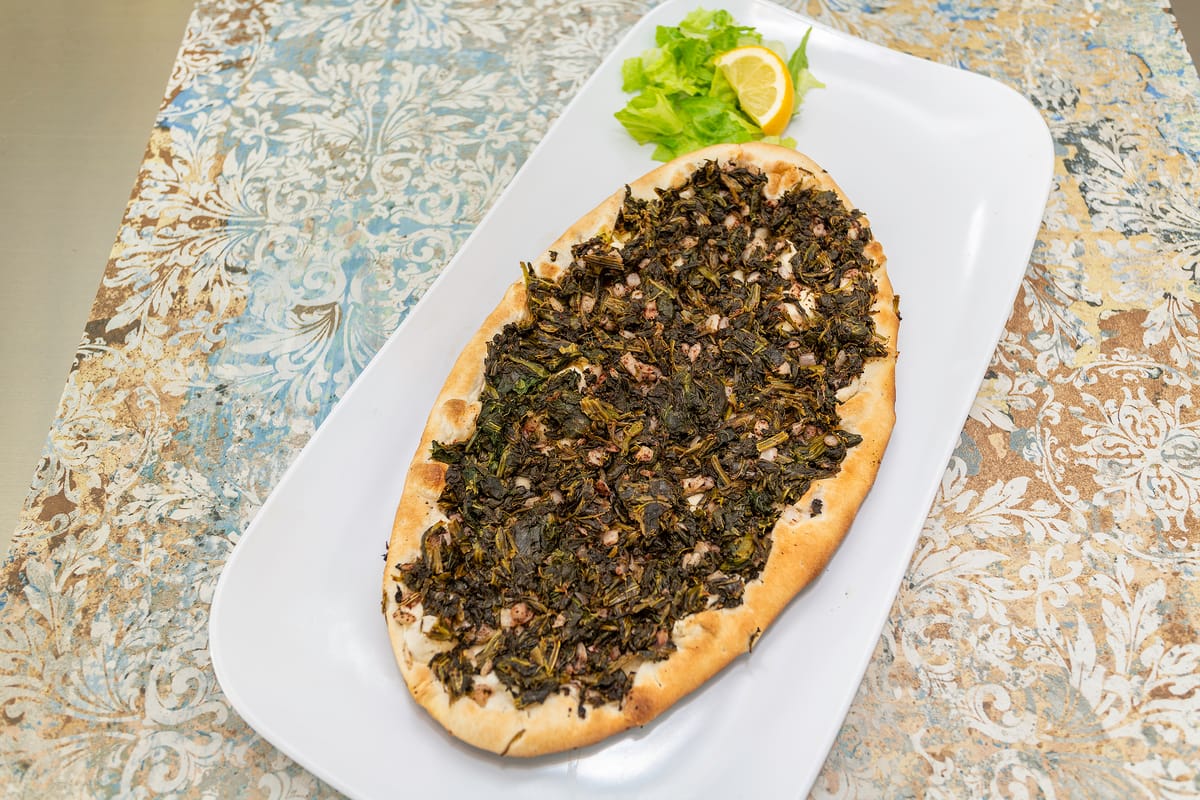
14 Toppings, All Included
Every falafel order at Taza comes with full access to our topping selection -- lettuce, tomatoes, cucumbers, pickles, olives, and more.
What Are the Health Benefits of Eating Falafel?
Beyond calories and macros, falafel delivers specific micronutrients and health advantages from its chickpea base.
Plant-Based Protein Without Cholesterol
Falafel delivers 13 grams of protein per serving with zero dietary cholesterol. Animal proteins -- even lean chicken -- carry 65 to 100 milligrams of cholesterol per serving. For anyone managing cholesterol levels or following heart-health guidelines from their doctor, falafel is one of the few fast-casual proteins that completely eliminates this concern. The American Heart Association recommends limiting dietary cholesterol, and falafel meals achieve that automatically. Customers across Falls Church and Arlington who monitor their lipid panels often choose falafel at Taza specifically for this reason.
High Fiber for Digestive Health and Satiety
A falafel pita delivers 8 to 12 grams of dietary fiber, and a loaded bowl can reach 13 to 16 grams. That covers 35 to 42 percent of the daily recommended fiber intake in a single meal. Dietary fiber supports healthy digestion, feeds beneficial gut bacteria, and slows the absorption of sugars into the bloodstream. This is why falafel meals tend to produce a more gradual energy curve than bread-heavy sandwiches or rice-heavy bowls -- the fiber regulates how quickly your body processes the carbohydrates. Northern Virginia nutritionists frequently cite falafel as a top fiber source among restaurant meals.
Iron and Folate from Chickpeas
Chickpeas are a strong source of non-heme iron, delivering 18 to 22 percent of the daily recommended value per falafel serving. They also provide significant folate -- a B-vitamin essential for cell division and DNA synthesis. The iron in chickpeas is enhanced when consumed alongside vitamin C, which is why the fresh tomatoes, lemon-based tahini, and pickled vegetables at Taza are not just flavor additions but functional nutritional pairings. For women of reproductive age, pregnant individuals, and vegetarians who may be at higher risk for iron deficiency, falafel is a meaningful dietary contribution.
Low Glycemic Index from Complex Carbohydrates
Chickpeas have a glycemic index of approximately 28, which is classified as low. This means the carbohydrates in falafel are digested and absorbed slowly, producing a gradual rise in blood sugar rather than a sharp spike. For individuals managing blood sugar levels -- including those with prediabetes or type 2 diabetes -- this is a significant advantage over many other fast-casual meals. A burger bun has a GI of 61, white rice sits around 73, and most wheat wraps land between 50 and 65. Falafel on a greens base at Taza keeps the entire meal in the low-GI category.
What Is the Healthiest Way to Order Falafel at Taza?
Five ordering strategies that keep your falafel meal under 450 calories without sacrificing flavor or satisfaction.
Choose the Greens Bowl
The greens base eliminates 150 to 250 calories of bread or rice. A falafel bowl on greens (from from $10.45) starts around 330 calories with a full serving of three falafel balls. You still have access to every topping on the bar. This is the lightest complete falafel meal at Taza and one of the lowest-calorie options on the entire menu.
Load Every Vegetable
Lettuce, tomatoes, cucumbers, onions, mint, parsley, pickles, turnips, and black olives together add fewer than 50 calories. They contribute fiber, vitamins, volume, texture, and crunch. There is no reason to hold back on any of them. Volume eating from vegetables is the most effective way to feel full on fewer calories. This is not a sacrifice -- it makes the meal better.
Pick One Sauce Strategically
Each sauce adds 45 to 90 calories. Tahini alone (80 cal) is the classic falafel pairing and provides calcium, magnesium, and methionine -- the amino acid that complements chickpea protein. If you want creaminess, choose hummus (70 cal) for an extra fiber and protein boost. Avoid doubling up on tahini plus garlic mayo unless you have calories to spare.
Ask for Sauce on the Side
When sauce is pre-applied inside a pita or wrap, you typically receive a generous portion -- roughly 2.5 to 3 tablespoons. Asking for sauce on the side lets you control the exact amount. Using 1 to 1.5 tablespoons instead of a full serving saves 30 to 45 calories. This is a small adjustment that costs nothing and preserves the full flavor experience.
Skip the Side Bread with Bowls
If you order a falafel bowl for the calorie savings but then add a side of pita bread, you are adding back 150 to 180 calories -- essentially negating the benefit of choosing the bowl in the first place. If you want bread, order the pita format directly. If you want the lighter bowl, commit to it. Consistency in the format decision is what makes calorie tracking work.
Double Up on Falafel for Protein
If your goal is maximizing protein on a plant-based meal, add extra falafel balls. Three additional balls add roughly 165 to 180 calories and 13 grams of protein, plus 5 grams of fiber. A double-falafel bowl on greens with hummus reaches approximately 26 to 30 grams of protein under 550 calories. That is competitive with many meat-based meals.
Macro-Friendly Falafel Builds
Four sample orders optimized for different nutritional goals -- all available right now at Taza.
The Lean Green
~350 calLow Calorie / Fat Loss
Falafel bowl, greens base, all vegetables (lettuce, tomatoes, cucumbers, onions, mint, parsley, pickled turnips), tahini on the side (use half). No rice, no bread. Maximum volume, minimum calories.
The Protein Max
~540 calMuscle Building / High Protein
Double falafel bowl (6 balls), rice base, hummus, all vegetables, tahini. Over 28 grams of plant protein with 16 grams of fiber. One of the highest-protein fully plant-based meals you can order at any restaurant in Northern Virginia.
The Balanced Classic
~530 calBalanced Macros / Everyday Meal
Falafel pita, all vegetables, tahini sauce, pickled turnips. The most popular falafel order at Taza -- balanced across protein, carbs, fat, and fiber. Satisfying without being heavy.
The Keto-ish
~380 calLower Carb / Modified Keto
Falafel bowl (standard 3 balls), greens base, baba ghanoush, black olives, cucumbers, onions, olive oil dressing. No bread, no rice. Roughly 22 to 28 grams net carbs -- not strict keto, but among the lowest-carb falafel configurations possible.
Each of these builds is available right now through the Taza online ordering system. There are no special requests needed -- the bowl format, sauce-on-the-side option, and 14-topping selection give you full control over every nutritional variable. Whether you are ordering from your desk in Tysons Corner, picking up on your commute through Falls Church, or feeding a group in Annandale, these combinations work as reliable, repeatable meals that align with specific dietary targets without requiring calorie-counting apps or guesswork.
The Protein Max build deserves special attention for anyone following a plant-based diet. At roughly 28 grams of protein and 16 grams of fiber in a single meal, it covers a significant portion of daily needs for both macronutrients that plant-based eaters most commonly fall short on. The chickpea-tahini-hummus combination provides complementary amino acids, and the fiber count approaches half the daily recommended intake. It is one of the most nutritionally dense plant-based meals available at any restaurant in the Falls Church, Arlington, or Seven Corners area.
Falafel Nutrition: Frequently Asked Questions
A single falafel ball (approximately 35 grams) contains about 55 to 60 calories. A standard serving of three falafel balls comes in at roughly 165 to 180 calories. Most of the calories come from the chickpea base and the cooking oil absorbed during frying. At Taza in Falls Church, a full falafel pita with bread, vegetables, and tahini ranges from 500 to 600 calories depending on your topping selections. The falafel itself accounts for only about one-third of the total meal calories -- the rest comes from the bread, sauces, and toppings.
Falafel provides moderate protein for a plant-based food. A serving of three falafel balls delivers approximately 13 grams of protein. A full falafel pita brings total protein to about 15 to 17 grams when you factor in the chickpea-based sauces like hummus and tahini. That is lower than chicken shawarma (32 to 38 grams per pita) but meaningful for a fully plant-based meal. Chickpeas provide all essential amino acids except methionine, so pairing falafel with tahini -- which is rich in methionine from sesame seeds -- creates a more complete amino acid profile.
By most nutritional metrics, yes. A falafel pita at Taza runs 500 to 600 calories with 18 to 26 grams of fat and zero cholesterol. A standard burger with bun and toppings typically ranges from 650 to 850 calories with 35 to 50 grams of fat and 70 to 100 milligrams of cholesterol. Falafel also delivers significantly more fiber -- 8 to 12 grams versus 2 to 4 grams for a burger -- which supports digestion and sustained satiety. The key advantage of falafel is the plant-based fat profile. The fats in chickpeas and tahini are predominantly unsaturated, while burger fat is heavily saturated.
Order a falafel bowl on a greens base (from from $10.45). Skip the rice, load up on lettuce, tomatoes, cucumbers, onions, mint, and parsley. Ask for tahini on the side so you control the amount. This configuration comes in at roughly 330 to 380 calories with 10 to 13 grams of protein and 8 to 10 grams of fiber. It is one of the lowest-calorie, highest-fiber meals on the Taza menu, and the 14-topping selection lets you build a substantial plate from vegetables alone.
The falafel itself at Taza is made from ground chickpeas, herbs, and spices without flour-based binders, making the falafel balls naturally gluten-free. However, the pita bread and shrak bread both contain gluten. If you need a gluten-free meal, order the falafel bowl on a rice or greens base (from from $10.45). Confirm any cross-contact concerns with the staff when you order. The bowl format gives you a complete meal without any bread touching your food.
Falafel is one of the highest-fiber foods you can order at any fast-casual restaurant. A serving of three falafel balls delivers approximately 5 to 6 grams of dietary fiber from the chickpea base. A full falafel pita with vegetables pushes total fiber to 8 to 12 grams, and a falafel bowl loaded with vegetables can reach 13 to 16 grams. For reference, the daily recommended fiber intake is 25 to 38 grams. A single falafel bowl can cover up to 40 percent of that target. The fiber comes from both the chickpeas and the fresh vegetable toppings.
Standard falafel is not keto-friendly in pita or wrap form. A falafel pita contains 52 to 65 grams of carbohydrates, which exceeds most ketogenic daily targets of 20 to 50 grams. However, a falafel bowl on a greens base with limited falafel balls (two instead of three), black olives, baba ghanoush, and olive oil dressing brings net carbs down to roughly 22 to 28 grams. That approaches the upper end of keto thresholds. For strict keto adherence, chicken or beef shawarma on a greens base is the better option at Taza, coming in at 12 to 18 grams of net carbs.
No. Falafel is entirely plant-based, made from chickpeas, herbs, onions, and spices. Plant foods contain zero dietary cholesterol. A complete falafel meal at Taza -- including tahini, hummus, and all vegetable toppings -- remains at zero cholesterol. This makes it a strong option for anyone monitoring cholesterol intake or following a heart-conscious diet. The only way to add cholesterol to a falafel meal at Taza would be to add a dairy-based side like labneh, which contains a small amount from the yogurt base.
Taza Shawarma & Falafel
Falls Church, VA -- fresh-ground falafel made in-house daily with your choice of 14 toppings.
Address
5820 Seminary Rd Ste O, Falls Church, VA 22041
Hours
11:00 AM - 12:00 AM -- Open 7 Days a Week
Phone
Know the Numbers. Order Falafel with Confidence.
Fresh-ground chickpea falafel, 14 toppings, every format from pita to bowl. Order online for pickup or delivery from Taza in Falls Church.