Hummus Calories & Nutrition
Everything you need to know about the nutritional profile of hummus, from calorie counts and macros to micronutrients and health benefits. Real data, practical advice, and fresh hummus at Taza in Falls Church.
4.8 stars on Yelp (92 reviews) -- Open 11:00 AM - 12:00 AM
Hummus Nutrition: What's Really in Every Scoop
A registered dietitian's favorite dip, backed by real numbers
Hummus has moved from specialty aisle to mainstream staple across the United States, and Northern Virginia is no exception. Walk into any grocery store along Leesburg Pike or Columbia Pike in Arlington and you will find at least a dozen hummus brands competing for shelf space. But the surge in popularity raises a practical question that matters to anyone tracking what they eat: what exactly are you consuming when you dip that carrot stick or tear off a piece of warm pita? The short answer is that hummus delivers a nutrient-dense package of plant protein, dietary fiber, heart-healthy unsaturated fats, and a roster of essential vitamins and minerals, all for a moderate calorie cost. The longer answer requires looking at specific numbers, and that is what this guide provides.
At Taza Shawarma & Falafel on Seminary Road in Falls Church, our hummus is made fresh each morning using dried chickpeas soaked overnight, high-quality tahini from roasted sesame seeds, fresh lemon juice, raw garlic, and extra-virgin olive oil. There are no preservatives, no gums, and no fillers. That matters nutritionally because the ingredient list directly determines the macro and micro profile of the final product. A hummus made with canned chickpeas and soybean oil will have a different fatty acid ratio than one built on whole dried chickpeas and stone-ground tahini. Throughout this guide, the numbers reflect standard homemade or restaurant-quality hummus prepared with traditional ingredients, which is what you get when you order a side of hummus ($4.95) at Taza.
Whether you are counting macros for a fitness goal, managing blood sugar, following a plant-based eating pattern, or simply trying to make better choices at lunch, understanding hummus nutrition gives you an edge. Falls Church residents, George Mason University students grabbing a quick meal between classes, and Pentagon workers looking for a healthy dinner option on their commute through Arlington all benefit from knowing how this ancient Levantine dip fits into a modern diet. The sections below walk through calories by serving size, macronutrient details, micronutrient content, comparisons to other dips, health benefits supported by published research, dietary compatibility, and practical ordering tips at Taza.
Calorie Breakdown by Serving Size
From a light dip to a full bowl base, here is what you are looking at
2 Tablespoons (30g)
70 caloriesThe standard nutrition-label serving. Enough for 4-5 pita chips or a handful of vegetable sticks. This is the portion most calorie-tracking apps default to.
5g fat | 4g carbs | 2g protein | 1.5g fiber
1/4 Cup (60g)
140 caloriesA realistic single-sitting portion when sharing a plate of hummus with pita bread. This is roughly what you get on the side of a Taza bowl or pita order.
10g fat | 8g carbs | 4g protein | 3g fiber
1/2 Cup (120g)
280 caloriesA generous individual serving, typical when hummus is the main dip at a gathering. At Taza, this is close to a full side order served with warm pita.
20g fat | 16g carbs | 8g protein | 6g fiber
1 Cup (240g)
560 caloriesA full cup used as a bowl base or shared among three to four people. Packs serious nutritional density with 15 grams of plant protein and 10 grams of fiber.
40g fat | 32g carbs | 15g protein | 10g fiber
Calorie density is a concept that helps put these numbers in context. Hummus clocks in at roughly 177 calories per 100 grams, which places it in the moderate-density category alongside foods like cooked quinoa, black beans, and baked sweet potato. It is significantly less calorie-dense than peanut butter (588 cal per 100g), cheese (403 cal per 100g), or ranch dressing (431 cal per 100g). This moderate density means you can eat a satisfying portion without blowing through your calorie budget, especially when you pair hummus with raw vegetables rather than fried chips. Families in the Falls Church and Arlington area looking for after-school snacks that keep kids full without excess calories find that hummus with cucumber slices or bell pepper strips does the job.
Portion awareness matters because hummus is easy to over-consume. The creamy texture and mild flavor make it the kind of food you keep scooping without thinking. A common scenario at a dinner party or office gathering is to consume three to four times the two-tablespoon serving without realizing it. At 70 calories per two tablespoons, eating half a cup in one sitting adds 280 calories before you count whatever you are dipping. That is not inherently a problem if it fits your daily intake goal, but it is worth knowing. At Taza, our side order of hummus is portioned to give you a satisfying amount without overdoing it, and we always serve it with warm house-baked pita that you can portion at your own pace.
Macronutrient Profile
Protein, fats, carbs, and fiber — where each one comes from
Protein: Chickpea Power
~8g per 100gThe protein in hummus comes almost entirely from chickpeas, which contain all nine essential amino acids. While chickpeas alone are low in methionine, the sesame-based tahini in hummus compensates, creating a more complete amino acid profile. A quarter-cup serving delivers 4 grams of protein. Pair that with a falafel pita from Taza and you are looking at 18-20 grams of plant protein in a single meal, matching what you would get from a serving of Greek yogurt.
Healthy Fats: Tahini & Olive Oil
~10g per 100gAbout 80 percent of the fat in traditional hummus is unsaturated, split between monounsaturated fatty acids from olive oil and polyunsaturated fatty acids from tahini. These fats support cardiovascular health by helping to lower LDL cholesterol when they replace saturated fats in the diet. Tahini also contributes omega-6 fatty acids and a small amount of omega-3s. At Taza, we finish each bowl of hummus with a drizzle of extra-virgin olive oil, adding an additional boost of oleic acid and polyphenol antioxidants.
Carbohydrates: Slow-Burning Fuel
~14g per 100gThe carbohydrates in hummus are predominantly complex carbs from chickpeas, meaning they break down slowly during digestion. This slow release translates to steady blood sugar levels rather than the spikes you get from refined grains or sugary snacks. Hummus has a glycemic index of approximately 6, which is remarkably low. For residents of Falls Church and NoVA managing type 2 diabetes or prediabetes, hummus offers a dip option that does not trigger insulin surges the way bread or crackers alone would.
Fiber: Digestive Support
~6g per 100gA cup of hummus provides roughly 10 grams of dietary fiber, which is about 36 percent of the daily recommended intake for adults. This fiber is a mix of soluble fiber, which feeds beneficial gut bacteria and helps regulate cholesterol, and insoluble fiber, which promotes regular bowel movements. Most Americans consume only 15 grams of fiber per day, well below the recommended 25-30 grams. Adding hummus to meals is a practical way to close that gap without overhauling your entire diet.
What makes hummus unusual among dips is the balance between these macronutrients. Most dips are fat-dominant with minimal protein or fiber. Ranch dressing is almost entirely fat and sodium. Cheese dip delivers protein but also saturated fat and high sodium. Guacamole has healthy fats and fiber but very little protein. Hummus brings meaningful amounts of all three macronutrients plus fiber, making it one of the most nutritionally complete dip options available. That balance is why dietitians in the Arlington and Falls Church area frequently recommend hummus as a go-to snack for clients aiming to eat more whole, plant-based foods without sacrificing satisfaction or flavor.
Hummus vs Other Popular Dips
Per 2-tablespoon serving — how hummus stacks up against the competition
| Metric (per 2 tbsp) | Hummus | Ranch Dressing |
|---|---|---|
| Calories | 70 cal | Ranch: 129 cal |
| Total Fat | 5g | Ranch: 13.5g |
| Saturated Fat | 0.7g | Ranch: 2.1g |
| Protein | 2g | Ranch: 0.4g |
| Fiber | 1.5g | Ranch: 0g |
| Sodium | 73mg | Ranch: 243mg |
| Sugar | 0.3g | Ranch: 0.7g |
| Key Nutrients | Iron, folate, manganese, B6 | Ranch: minimal micronutrients |
| Plant-Based | Yes (vegan, GF) | Ranch: No (dairy-based) |
Full Dip Comparison (per 2 tbsp)
| Dip | Calories | Fat (g) | Protein (g) | Fiber (g) | Sodium (mg) |
|---|---|---|---|---|---|
| Hummus | 70 | 5 | 2 | 1.5 | 73 |
| Ranch Dressing | 129 | 13.5 | 0.4 | 0 | 243 |
| Guacamole | 50 | 4.5 | 0.6 | 2 | 115 |
| Cheese Dip (Queso) | 80 | 6 | 2.5 | 0 | 310 |
| Tzatziki | 35 | 2.3 | 1.5 | 0 | 65 |
| Sour Cream | 60 | 5 | 0.7 | 0 | 15 |
The comparison table reveals why nutrition-conscious diners in Falls Church, Arlington, and across Northern Virginia reach for hummus over other dip options. Ranch dressing nearly doubles the calorie count while delivering almost zero fiber and negligible protein. Cheese dip (queso) packs 310 milligrams of sodium in just two tablespoons, more than four times what hummus contains. Guacamole is the closest competitor on the health front, with fewer calories and more fiber, but it provides substantially less protein. Tzatziki is the lowest-calorie option at 35 calories per serving, though it lacks the fiber and protein density of hummus. Sour cream offers little beyond fat and calories. For a dip that delivers balanced nutrition without excessive sodium or saturated fat, hummus is the clear front-runner.
Micronutrients in Hummus
The vitamins and minerals that make hummus more than just a dip
Iron
2.4mg per cup (13% DV)
Source: Chickpeas
Supports oxygen transport in the blood, critical for energy production. Plant-based iron absorption increases when paired with the vitamin C from the lemon juice already in hummus.
Folate (B9)
146mcg per cup (37% DV)
Source: Chickpeas
Essential for DNA synthesis and cell division. Particularly important during pregnancy for neural tube development. One cup of hummus covers more than a third of the daily requirement.
Manganese
1.1mg per cup (48% DV)
Source: Chickpeas & tahini
A cofactor for enzymes involved in bone formation, metabolism, and antioxidant defense. Nearly half the daily value in a single cup makes hummus one of the richest common food sources.
Phosphorus
200mg per cup (16% DV)
Source: Chickpeas & sesame
Works alongside calcium to build and maintain strong bones and teeth. Also plays a role in energy metabolism and kidney function.
Vitamin B6
0.6mg per cup (35% DV)
Source: Chickpeas & garlic
Involved in over 100 enzyme reactions in the body, primarily related to protein metabolism and neurotransmitter synthesis. Supports immune function and brain health.
Zinc
1.7mg per cup (15% DV)
Source: Chickpeas & tahini
Critical for immune system function, wound healing, and taste perception. The combination of chickpeas and sesame seeds in hummus provides a plant-based zinc source.
Beyond the headline nutrients listed above, hummus also provides smaller but meaningful amounts of copper, magnesium, potassium, and thiamine (vitamin B1). The lemon juice added during preparation contributes vitamin C, which serves double duty as both a nutrient and an absorption enhancer for the non-heme iron in chickpeas. Garlic, another standard ingredient, contains allicin, a sulfur compound studied for its antimicrobial and cardiovascular benefits. The cumulative effect of these micronutrients is what distinguishes hummus from processed dips that may match it in calories but provide almost nothing in terms of nutritional value. When you order hummus at Taza in Falls Church, you are getting a micronutrient-dense food prepared from five whole-food ingredients, not a product assembled from concentrates and additives.
One nutrient that deserves special attention is folate. Northern Virginia has a large population of women of childbearing age, including military families stationed at the Pentagon and Fort Belvoir, government workers in Arlington, and students at George Mason and Virginia Tech's Northern Virginia campuses. Folate intake is a public health priority for this demographic, and a serving of hummus with lunch or dinner adds a measurable contribution to daily folate without requiring a supplement. Combined with the iron, B6, and zinc that hummus also supplies, it functions as a practical prenatal food even outside the context of formal dietary planning.
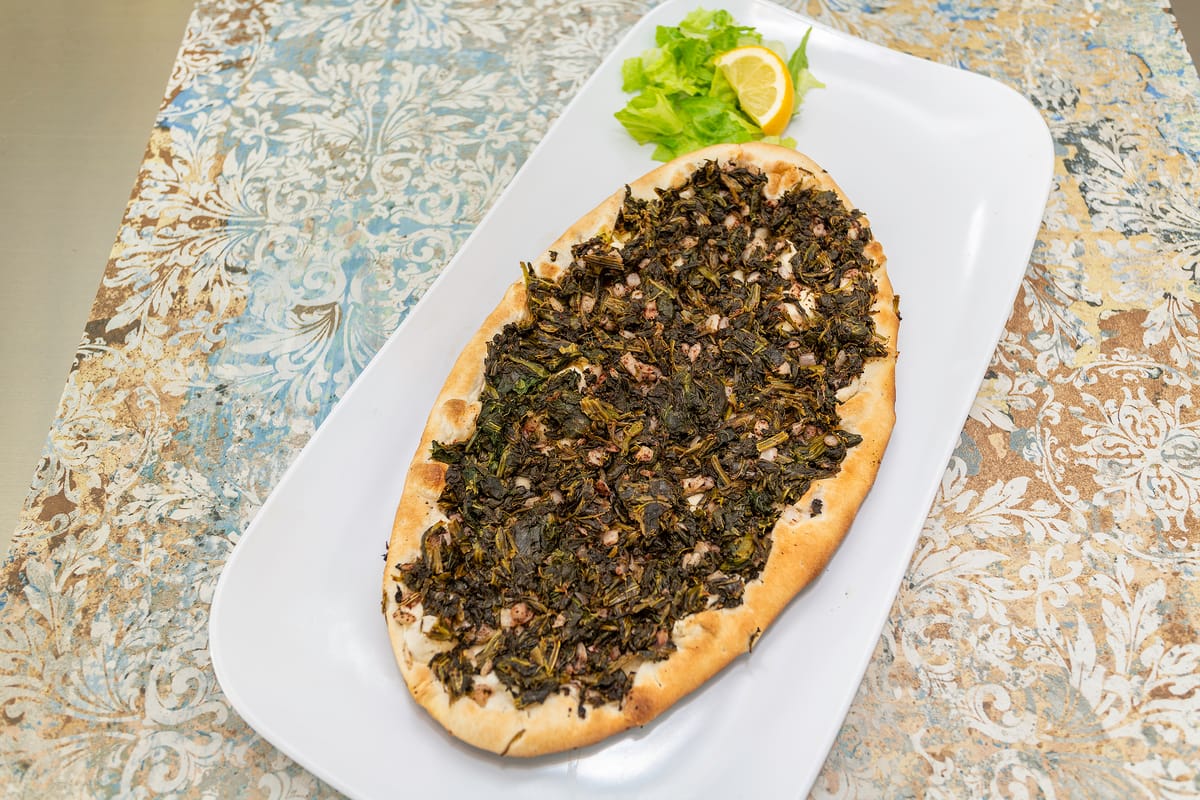
Fresh Ingredients, Real Nutrition
Every bowl of hummus at Taza starts with whole chickpeas, stone-ground tahini, and hand-squeezed lemon juice. No shortcuts.
Five Evidence-Based Health Benefits of Hummus
What the research says about regular hummus consumption
Heart Health and Cholesterol
Multiple studies, including a 2016 review published in Nutrients, have linked regular chickpea and hummus consumption to lower LDL cholesterol and reduced cardiovascular risk markers. The mechanism is twofold: soluble fiber in chickpeas binds to bile acids in the gut, forcing the liver to pull cholesterol from the bloodstream to make more. Meanwhile, the monounsaturated and polyunsaturated fats from tahini and olive oil actively improve the HDL-to-LDL ratio. For residents of Falls Church and Arlington where heart disease remains a leading cause of adult mortality, adding hummus to regular meals is a practical dietary intervention that requires no dramatic lifestyle change.
Blood Sugar Regulation
Hummus has a glycemic index of approximately 6, making it one of the lowest-GI foods available. Research published in the British Journal of Nutrition found that participants who consumed chickpea-based foods alongside higher-GI meals experienced significantly lower post-meal blood sugar spikes compared to those who ate the same meals without chickpeas. The combination of protein, fat, and fiber in hummus slows gastric emptying, meaning sugars enter the bloodstream gradually rather than all at once. For the estimated 13 percent of Virginia adults managing type 2 diabetes, hummus serves as a practical tool for glucose management at every meal.
Weight Management and Satiety
A study in the journal Obesity found that adults who regularly consumed hummus and chickpeas were 53 percent less likely to be obese and had lower waist circumference measurements. The satiety effect comes from the protein-fiber-fat combination that triggers multiple fullness signals in the gut. Unlike a handful of chips that leaves you hungry 20 minutes later, a serving of hummus with vegetables creates lasting satisfaction. Taza customers in Falls Church often order our hummus as a bowl base with grilled chicken or falafel for a meal that holds them through a full afternoon without reaching for processed snacks.
Plant Protein Without the Downsides
Shifting even a portion of daily protein intake from animal to plant sources has documented environmental and health benefits. Hummus provides protein without the saturated fat, cholesterol, and hormones that come with many animal protein sources. The amino acid profile of hummus is complementary: chickpeas supply lysine, while tahini (from sesame) supplies methionine and cysteine. Together, they form a more complete protein than either ingredient alone. For vegans, vegetarians, and flexitarians in Northern Virginia, hummus is a protein source that requires no supplementation and tastes good enough to eat daily.
Gut Health and Digestive Function
The fiber in hummus acts as a prebiotic, feeding the beneficial bacteria in your large intestine. These bacteria ferment the fiber into short-chain fatty acids like butyrate, which nourish the cells lining the colon and reduce inflammation throughout the digestive tract. A study in the Journal of Functional Foods found that four weeks of daily chickpea consumption led to measurable improvements in gut microbiome diversity. Regular hummus consumption also promotes healthy bowel movements, reducing the discomfort of constipation that affects roughly 16 percent of American adults. The fiber content of a standard Taza hummus side provides about 10 percent of your daily requirement.
Hummus for Specific Diets
How hummus fits into the eating patterns people in NoVA follow
Vegan & Vegetarian
Fully CompatibleTraditional hummus is 100 percent plant-based. Every ingredient — chickpeas, tahini, olive oil, lemon juice, garlic — comes from plants. No dairy, eggs, honey, or animal-derived additives. At Taza, our hummus has always been vegan. Pair it with our falafel pita (from $8.95) for a complete plant-based meal with complementary amino acids. Vegans in Falls Church and Arlington rely on Taza as one of the few restaurants where ordering plant-based food requires no special modifications or substitutions.
Mediterranean Diet
Core FoodHummus is a foundational food of the Mediterranean diet, which is consistently ranked as the top overall diet by U.S. News and World Report. The diet emphasizes legumes, whole grains, olive oil, nuts, and seeds — all represented in a bowl of hummus. Eating hummus aligns with the Mediterranean pattern of prioritizing plant-based fats over animal fats and getting protein from legumes rather than processed meats. Our full menu at Taza reflects Mediterranean and Levantine cuisine, making it easy to build a complete Mediterranean meal right here on Seminary Road.
Keto & Low-Carb
Small Portions OnlyA strict ketogenic diet limits net carbs to 20-25 grams per day. A two-tablespoon serving of hummus has about 2.5 grams of net carbs, which can fit into a keto framework if portioned carefully. Eating half a cup (10 grams net carbs) would consume nearly half a day's carb allowance, making it risky for strict keto adherents. The workaround is to use hummus as a flavor accent — a tablespoon spread inside a lettuce wrap or a small side with grilled chicken — rather than as the main component. At Taza, a chicken shawarma bowl with a hummus base can be modified to use greens as the primary base with a smaller amount of hummus drizzled on top.
Gluten-Free
Fully CompatibleHummus is naturally gluten-free. None of the traditional ingredients contain wheat, barley, or rye. The risk for celiac or gluten-sensitive individuals comes from cross-contamination if hummus is prepared near flour-based products, or from dipping with regular pita bread. At Taza, our hummus preparation area is separate from our bread-making station, though we do not certify our kitchen as fully gluten-free. Customers managing celiac disease should inform our staff so we can take extra precautions. You can enjoy our hummus with vegetable sticks or rice as gluten-free dipping options.
High-Protein / Fitness
Solid Supporting FoodWhile hummus alone is not a high-protein food (2 grams per two tablespoons), it becomes a meaningful protein source when consumed in larger portions or paired with other protein-rich foods. A chicken shawarma bowl with a hummus base from Taza (from $12.45) delivers 35-40 grams of protein. Gym-goers near Bailey's Crossroads and the Arlington fitness community use Taza as a post-workout meal option because the combination of lean protein, complex carbs, and healthy fats in our bowls checks every recovery nutrition box.
DASH Diet (Hypertension)
Favorable ChoiceThe DASH diet (Dietary Approaches to Stop Hypertension) emphasizes potassium, magnesium, calcium, and fiber while limiting sodium. Hummus aligns well with this pattern: it provides fiber, magnesium, and potassium with relatively low sodium (73mg per two tablespoons). Compared to cheese dip at 310mg sodium or ranch at 243mg per serving, hummus is a far better dip choice for anyone managing blood pressure. The potassium from chickpeas also helps counterbalance sodium's effect on blood pressure, making hummus a DASH-friendly addition to any meal.
How to Keep Hummus Healthy
Portion strategies, smart pairings, and the fresh vs. store-bought debate
Portion Awareness
The number one way hummus goes from healthy to calorie-heavy is uncontrolled portion size. Two tablespoons looks surprisingly small on a plate — roughly the size of a golf ball. In a social setting, most people eat three to five times that amount without registering it. The fix is straightforward: scoop your portion onto your own plate instead of eating directly from a shared bowl. If you are at home, use a quarter-cup measuring cup once or twice to calibrate your visual sense of what 140 calories of hummus looks like. At Taza, our side order is already portioned to a reasonable serving that lets you enjoy the flavor without overdoing the calories. Falls Church families ordering takeout can request an extra container and split a single side between two people if calorie control is the priority.
What You Dip Matters
Hummus with raw vegetables is a fundamentally different nutritional choice than hummus with pita chips. A cup of sliced cucumbers adds about 16 calories to your snack. A cup of bell pepper strips adds 30 calories. A serving of pita chips, by contrast, adds 130-150 calories, most of it from refined flour and added oil. Warm pita bread falls in the middle at roughly 80 calories per piece, and it has the advantage of being a whole food with some fiber. At Taza, we serve our hummus with warm, fresh-baked pita ($0.95), which is a better nutritional choice than fried chips. For the lowest-calorie pairing, ask for your hummus with a side of the fresh vegetables from our toppings selection — cucumber, tomato, and bell pepper make excellent dippers.
Fresh vs. Store-Bought
Store-bought hummus and restaurant-made hummus start with the same basic recipe, but they diverge in execution. Commercial hummus typically uses canned chickpeas (which have higher sodium than home-cooked), soybean oil or canola oil instead of extra-virgin olive oil, and preservatives like potassium sorbate or sodium benzoate to achieve a 30-45 day shelf life. Some brands add modified food starch or xanthan gum for texture. None of these additives are dangerous, but they reduce the overall nutritional quality compared to a product made from five whole-food ingredients. Restaurant-made hummus at Taza uses dried chickpeas cooked in-house, stone-ground tahini, cold- pressed olive oil, fresh lemon juice, and raw garlic. The result is richer in heat-sensitive nutrients like folate and vitamin C, lower in sodium, and free of additives. NoVA shoppers who pick up hummus at Whole Foods in Merrifield or Trader Joe's in Bailey's Crossroads are getting a convenient product, but not a nutritionally equivalent one.
Smart Hummus Ordering at Taza
Three ways to enjoy our fresh hummus based on your nutritional goals
As a Side
Order our hummus as a standalone side served with warm, house-baked pita bread. This is the classic pairing and the best way to taste the hummus on its own. The portion is generous enough for one person as a starter or for two people sharing alongside other dishes. For a lower-calorie version, ask for vegetable sticks instead of pita. This option works well as a pre-dinner appetizer while waiting for your main course, or as a light afternoon snack for nearby office workers picking up food on Seminary Road.
Pro tip: Ask for extra lemon wedge to squeeze on top for a vitamin C boost that also enhances iron absorption.
As a Bowl Base
Replace rice or greens with hummus as the foundation of any Taza bowl. This transforms the hummus from a side dish into the anchor of a complete meal. The creamy base pairs with grilled chicken shawarma, falafel, or beef shawarma while adding plant protein and fiber to the overall macronutrient profile. A chicken shawarma bowl on a hummus base with the standard vegetable toppings delivers approximately 35-40 grams of protein and 8-10 grams of fiber. George Mason students and Pentagon commuters stopping in Falls Church find this to be one of the most filling and nutritious options on our menu.
Pro tip: Add a side of our baba ghanouj ($4.95) for a lighter complementary dip alongside the hummus base.
With Falafel Pita
Our falafel pita comes with hummus spread inside the warm pita along with crispy chickpea falafel, fresh vegetables, and tahini sauce. This is the ultimate plant-protein sandwich, combining two forms of chickpea preparation in one meal. The falafel adds about 15 grams of protein and additional fiber, while the hummus contributes creaminess and healthy fats. Together with the vegetables and tahini, you get a complete meal that covers protein, fiber, healthy fats, iron, folate, and B vitamins. It is the most ordered vegetarian item at our Falls Church location for good reason.
Pro tip: Request extra pickled turnips for probiotics and a tangy contrast to the rich hummus and falafel.
Beyond these three primary options, Taza customers in Falls Church, Arlington, and the broader NoVA area can also add hummus to any shrak wrap or manaeesh for an extra layer of flavor and nutrition. Our catering platters include a full-size hummus bowl that serves 8-10 people, making it a crowd-pleasing addition to office lunches, family gatherings, and holiday spreads. Whether you dine in at our Seminary Road location, order online for pickup, or get delivery through our website, the hummus is always made fresh that day. We do not carry it over from previous days and we do not freeze it. That freshness commitment means you are always getting the fullest nutritional value from every serving.
For customers tracking macros or managing specific dietary conditions, our staff is trained to answer questions about ingredients and preparation methods. If you need to know the exact amount of olive oil in a serving, or whether the chickpeas are cooked with salt, we can provide that information. We believe transparency about what goes into our food is part of the dining experience, not an afterthought. That ethos reflects the meaning behind our name — taza means fresh — and it extends from ingredients to the information we share with every guest who walks through our door at 5820 Seminary Rd Ste O, Falls Church, VA 22041.
Hummus Nutrition: Frequently Asked Questions
A single tablespoon of hummus contains approximately 35 calories. That breaks down to about 2.5 grams of fat (mostly unsaturated from tahini and olive oil), 1 gram of protein, and 2 grams of carbohydrates. One tablespoon is enough to spread on a cracker or add flavor to a sandwich, making it a reasonable snack addition even for calorie-conscious eaters. At Taza in Falls Church, our hummus is made fresh daily with chickpeas, tahini, lemon, and olive oil.
Hummus can support weight loss when eaten in measured portions. The combination of protein from chickpeas and healthy fats from tahini promotes satiety, meaning you feel full longer after eating. A two-tablespoon serving delivers 70 calories with 2 grams of protein and 1.5 grams of fiber. Studies published in the Journal of Nutrition and Food Sciences found that people who regularly eat chickpea-based foods tend to have lower body mass indexes. The key is portion control and choosing vegetable sticks over chips as dipping vessels.
A standard two-tablespoon serving of hummus contains about 2 grams of protein. A quarter cup bumps that to roughly 4 grams, and a full cup delivers around 15 grams. The protein comes primarily from chickpeas, which are a complete source of essential amino acids when combined with grains. A Taza falafel pita with hummus (from $8.95) provides even more protein from the chickpea-based falafel, making it a strong plant-protein meal option near Falls Church.
Store-bought hummus often contains preservatives like sodium benzoate, added stabilizers such as xanthan gum, and higher sodium levels to extend shelf life. Restaurant-made hummus, like what we serve at Taza on Seminary Road in Falls Church, uses fresh chickpeas, tahini, lemon juice, garlic, and olive oil without fillers. The result is a product with cleaner ingredients, better flavor, and a creamier texture. Freshly prepared hummus also retains more of the heat-sensitive vitamins like folate and vitamin B6.
Eating hummus daily is safe for most people and may provide consistent nutritional benefits. Regular chickpea consumption has been linked to improved blood sugar regulation, better digestive health from the fiber content, and increased intake of plant-based iron and folate. A reasonable daily serving is two to four tablespoons, which provides 70 to 140 calories. People with legume allergies or those following a strict low-FODMAP diet should consult their healthcare provider before making hummus a daily staple.
Hummus is moderate in carbohydrates, not high. A two-tablespoon serving contains about 4 grams of total carbs, with 1.5 grams coming from dietary fiber, leaving roughly 2.5 grams of net carbs. That makes it suitable for many low-carb eating plans in small portions. For strict keto dieters aiming for under 20 grams of net carbs per day, two to three tablespoons of hummus can fit within daily limits. At Taza, you can order a hummus bowl with extra vegetables to keep the overall carb count manageable.
Taza's hummus starts with dried chickpeas that are soaked overnight and cooked until tender, then blended with high-quality tahini, fresh lemon juice, raw garlic, and extra-virgin olive oil. We do not use canned chickpeas, preservatives, or stabilizers. The result is a noticeably smoother texture and richer, nuttier flavor compared to mass-produced versions. Our hummus is available as a side ($4.95), as a bowl base, or spread inside any of our pitas and shrak wraps. Visit us at 5820 Seminary Rd Ste O, Falls Church, VA 22041.
Per two-tablespoon serving, hummus has 70 calories while peanut butter has about 190 calories. Peanut butter delivers 7 grams of protein versus 2 grams in hummus, but hummus has far less fat (5g vs 16g) and provides fiber that peanut butter lacks in meaningful amounts. Hummus also contains iron, folate, and manganese that peanut butter does not supply in significant quantities. For a lower-calorie spread with micronutrient diversity, hummus is the stronger choice. For pure protein density, peanut butter wins.
Fresh Hummus in Falls Church, VA
Made from scratch daily at Taza Shawarma & Falafel
Address
5820 Seminary Rd Ste O, Falls Church, VA 22041
Hours
11:00 AM - 12:00 AM -- Open 7 Days a Week
Phone
Taste the Difference Fresh Hummus Makes
Made from whole chickpeas, stone-ground tahini, and extra-virgin olive oil. No preservatives, no fillers, no shortcuts. Order online or visit us on Seminary Road.