Is Falafel Healthy?
The evidence-based answer: yes, with some smart choices. Here is everything you need to know about falafel nutrition, from chickpea science to the best way to order.
4.8 stars on Yelp (92 reviews) -- Open 11:00 AM - 12:00 AM
Is Falafel Actually Healthy?
Yes -- falafel is one of the healthiest fast-food options available. But the details matter.
Falafel is made from ground chickpeas mixed with fresh herbs, garlic, and cumin, then formed into balls and fried until crispy. That ingredient list alone tells you something important: the base of falafel is a whole legume, not refined flour, not processed protein, not a factory-made patty. Chickpeas are one of the most studied foods in nutritional science, and the research is consistently positive. They deliver plant protein, dietary fiber, iron, folate, manganese, and phosphorus in a single ingredient. When you eat falafel, you are eating those chickpeas in a minimally processed form that retains nearly all of their original nutritional value.
The caveats are real but manageable. Falafel is deep-fried, which adds some fat and calories. The accompaniments matter too: a falafel pita with heavy sauce and limited vegetables is a different nutritional proposition than a falafel bowl loaded with greens and raw vegetables. But compared to the alternatives available at most lunch counters in Falls Church and Northern Virginia -- burgers, fried chicken, pizza, processed deli sandwiches -- falafel consistently ranks as the healthier choice by nearly every metric. Lower saturated fat, zero cholesterol, higher fiber, more micronutrients, and less sodium than standard fast food.
At Taza Shawarma & Falafel on Seminary Road in Falls Church, the falafel is made fresh from whole soaked chickpeas every day. There are no canned chickpeas, no fillers, no preservatives, and no binding agents. That preparation method matters for nutrition because whole soaked chickpeas retain more resistant starch and fiber than canned or pre-processed alternatives. The rest of this guide breaks down the specific numbers, the science behind the health claims, and practical advice on how to order falafel for maximum nutritional benefit.
What Is the Exact Nutritional Breakdown of a Falafel Serving?
Six falafel balls -- the standard serving in a pita or bowl -- provide the following nutrition.
These numbers reflect falafel alone -- without bread, sauce, or toppings. When you add a pita, the total carbohydrates rise by about 33 grams and calories increase by roughly 165. Adding two tablespoons of tahini contributes approximately 180 calories and 16 grams of mostly unsaturated fat. A fully assembled falafel pita with tahini and vegetables typically lands between 500 and 580 total calories, which is still 100 to 200 calories fewer than a standard fast-food burger combo without the fries. The advantage of ordering at Taza in Falls Church is customization: you control exactly what goes into your meal and can adjust the calorie total up or down depending on your goals for that day.
The micronutrient density is where falafel truly separates itself from standard fast food. A single serving delivers meaningful percentages of daily iron, folate, manganese, phosphorus, magnesium, zinc, and vitamin B6. Most fast-food meals provide macronutrients (calories, fat, protein) without significant micronutrient content. Falafel does both, which is why nutritionists consistently classify it as a nutrient-dense food rather than an empty-calorie food. For Northern Virginia residents trying to eat well on a lunch break, that distinction matters.
What Nutritional Profile Do Chickpeas Bring to Falafel?
Chickpeas are the foundation of falafel, and they are one of the most nutrient-dense legumes on earth.
Protein
14.5g per cup (cooked)Chickpeas provide all essential amino acids, though they are lower in methionine. Pairing with a grain like pita or rice creates a complete protein profile. This complementary amino acid pairing has been a dietary staple across the Middle East and Mediterranean for thousands of years, long before modern nutrition science explained why it works.
Dietary Fiber
12.5g per cup (cooked)Chickpeas contain both soluble fiber (which lowers cholesterol and stabilizes blood sugar) and insoluble fiber (which promotes digestive regularity). The fiber content is nearly triple that of brown rice and five times that of white bread. Most Americans consume only 15 grams of fiber daily against a recommended 25-30 grams, so a single falafel meal covers a significant portion of the gap.
Iron
4.7mg per cup (26% DV)Chickpeas are one of the best plant sources of non-heme iron. While plant iron is less bioavailable than heme iron from meat, the vitamin C in the lemon juice, tomatoes, and parsley served with falafel significantly enhances absorption. A falafel meal with fresh vegetables and a squeeze of lemon delivers iron in the most absorbable plant-based form possible.
Folate
282mcg per cup (71% DV)Folate is essential for DNA synthesis and cell division. It is particularly important during pregnancy, where adequate folate intake reduces the risk of neural tube defects. A single serving of falafel provides approximately 35 percent of the daily folate requirement. For women of childbearing age in Falls Church and Northern Virginia, falafel is one of the most folate-rich restaurant foods available.
Manganese
1.7mg per cup (84% DV)Manganese supports bone health, blood sugar regulation, and antioxidant defense through its role as a cofactor for superoxide dismutase, one of the body's most important antioxidant enzymes. Most people get enough manganese from a varied diet, but chickpeas are an unusually rich source. A falafel meal alone can provide nearly a full day's requirement.
Phosphorus
276mg per cup (28% DV)Phosphorus works alongside calcium to build and maintain strong bones and teeth. It also plays a role in energy metabolism, helping your body convert food into usable fuel. The phosphorus in chickpeas is bound in phytic acid, but the soaking and grinding process used to make falafel reduces phytic acid levels, improving mineral availability compared to eating whole cooked chickpeas.
What Are the Health Benefits of Eating Falafel?
Five research-backed reasons falafel belongs in a healthy diet.
How Does Falafel Support Heart Health?
Falafel contains zero cholesterol because it is made entirely from plant ingredients. Chickpeas are rich in soluble fiber, which binds to bile acids in the digestive tract and helps remove cholesterol from the body. A 2016 meta-analysis published in the American Journal of Clinical Nutrition found that consuming one daily serving of pulses like chickpeas reduced LDL cholesterol by an average of five percent. The monounsaturated fats in the olive oil and tahini served alongside falafel further support cardiovascular health by raising HDL cholesterol. For Falls Church residents managing cholesterol levels, a falafel pita or bowl at Taza provides a heart-friendly meal without sacrificing flavor or satisfaction.
Can Falafel Help with Weight Management?
Falafel supports weight management through two mechanisms: protein and fiber. Each serving delivers approximately 13 grams of plant protein and 7 grams of dietary fiber, both of which slow gastric emptying and promote sustained fullness. A 2014 study in Obesity found that participants who ate chickpea-based foods consumed 12 percent fewer calories at their next meal compared to those who ate wheat-based alternatives. The key is portion control and preparation. A falafel bowl at Taza built on a greens base with extra vegetables and tahini on the side keeps the total calorie count between 350 and 450 while delivering high satiety. That is fewer calories than most fast-food lunches near Seminary Road, and it keeps you full for four to five hours.
What Does Falafel Do for Blood Sugar Control?
Chickpeas have a glycemic index of 28, which places them among the lowest-glycemic foods available. The combination of protein, fiber, and resistant starch in falafel slows the absorption of glucose into the bloodstream, preventing the sharp spikes and crashes associated with refined carbohydrates. A 2012 study in the British Journal of Nutrition found that meals containing chickpeas reduced post-meal blood glucose by 21 percent compared to white bread meals of equal calories. For people in Northern Virginia managing type 2 diabetes or prediabetes, falafel is one of the most blood-sugar-friendly protein options at any restaurant. Choosing a bowl base over pita bread further reduces the glycemic load of the meal.
How Does Falafel Benefit Gut Health?
The dietary fiber in chickpeas acts as a prebiotic, feeding the beneficial bacteria in your large intestine. Chickpeas contain both soluble and insoluble fiber: soluble fiber forms a gel that slows digestion, while insoluble fiber adds bulk and promotes regular bowel movements. A 2017 study in the Journal of Functional Foods found that participants who added chickpeas to their diet for 12 weeks showed significant increases in Bifidobacterium and Lactobacillus populations, two bacterial strains associated with reduced inflammation and improved immune function. The parsley, cilantro, and onion in traditional falafel recipes contribute additional prebiotic compounds. At Taza in Falls Church, our falafel is made with fresh herbs ground directly into the chickpea mixture, maximizing the prebiotic benefit.
Is Falafel a Good Source of Plant Protein?
Chickpeas provide a complete amino acid profile when paired with a grain, which is exactly what happens when you eat falafel in a pita or alongside rice. Six falafel balls deliver approximately 13 grams of protein from chickpeas alone. Add a whole-wheat pita and the total rises to 17 grams of complementary plant protein. This matters for anyone in Arlington or Falls Church following a vegetarian, vegan, or flexitarian diet. Unlike processed plant proteins found in some meat alternatives, the protein in falafel comes from whole chickpeas with no protein isolates, methylcellulose, or binding agents. It is protein in its most natural, least processed form, and your body absorbs it efficiently because the chickpeas are ground and cooked.
How Does Falafel Compare to Other Lunch Options?
Side-by-side nutritional comparison of falafel against common fast-food alternatives.
Falafel Pita vs. Quarter-Pound Cheeseburger
| Metric | Falafel Pita | Cheeseburger |
|---|---|---|
| Calories per Serving | ~340 (6 falafel balls in pita) | ~540 (quarter-pound with cheese) |
| Protein | 13-17g (chickpeas + pita) | 25g (beef patty + bun) |
| Fiber | 7-9g from whole chickpeas | 1-2g from refined bun |
| Cholesterol | 0mg -- entirely plant-based | 75-100mg from ground beef |
| Saturated Fat | 2-4g depending on oil | 12-18g from beef and cheese |
| Sodium | 400-500mg (herbs and spices) | 900-1200mg (processed sauces, cheese) |
| Processing Level | Minimally processed -- whole chickpeas, fresh herbs | Highly processed -- factory-ground meat, preservatives |
| Key Micronutrients | Iron, folate, manganese, phosphorus, B6 | B12, zinc (but offset by saturated fat load) |
Falafel Pita vs. Chicken Nuggets (10 Piece)
| Metric | Falafel Pita | Chicken Nuggets |
|---|---|---|
| Calories per Serving | ~340 (6 falafel balls in pita) | ~470 (10-piece chicken nuggets) |
| Protein | 13-17g from chickpeas | 22g from processed chicken |
| Fiber | 7-9g | 0-1g |
| Trans Fat | 0g | 0-1g (varies by fryer oil) |
| Ingredients Count | 6-8 recognizable ingredients | 30-40 ingredients including fillers, binders, dextrose |
| Sodium | 400-500mg | 900-1100mg |
Does Deep-Frying Make Falafel Unhealthy?
The most common concern about falafel, addressed with data.
Deep-frying is the single biggest nutritional concern people raise about falafel, and it deserves a honest answer. Yes, frying adds fat and calories. But the amount of oil falafel absorbs is significantly lower than most fried foods, and the reasons are structural. Falafel batter is dense and protein-rich, not starchy and porous like a potato. When the falafel ball hits hot oil, the outer surface proteins denature rapidly and form a tight, crispy shell. This shell acts as a physical barrier that limits oil penetration into the interior. Research published in Food Chemistry measured oil absorption in various fried foods and found that falafel absorbs 10 to 15 percent of its weight in oil, compared to 20 to 40 percent for french fries and breaded chicken.
Oil temperature matters enormously. When falafel is fried at the correct temperature -- between 340 and 375 degrees Fahrenheit -- the moisture inside the ball creates outward steam pressure that actively pushes oil away from the food. At lower temperatures, this steam barrier weakens and the falafel absorbs more oil, becoming greasy rather than crispy. This is why fresh-fried falafel made to order is nutritionally superior to pre-made falafel that has been sitting in a warming tray. Reheated falafel has already lost its steam barrier and will absorb additional oil or become soggy and calorie-dense. At Taza in Falls Church, every order of falafel is fried fresh when you order it, at the right temperature, in clean oil.
The type of oil also matters. High-quality frying oils with a high smoke point -- such as sunflower oil, canola oil, or rice bran oil -- remain stable during frying and do not produce harmful compounds at normal frying temperatures. The total fat added by frying is approximately 3 grams per falafel ball, which translates to about 18 grams for a full six-piece serving. That is roughly the same amount of fat in two tablespoons of olive oil, a quantity that the Mediterranean diet actively encourages consuming daily. The fat in properly fried falafel is not the nutritional problem that most people assume it is.
For those who want to minimize fat intake further, ordering a falafel bowl with tahini on the side gives you full control over added fats. The falafel itself contributes modest fat relative to its protein and fiber content, and the overall nutritional profile remains strong even with the frying. The bottom line: deep-frying does not cancel out the health benefits of chickpeas. It adds a moderate amount of fat that is well within the bounds of a balanced diet, especially when the alternative lunch options involve processed cheese, factory-ground beef, or breaded and battered chicken.
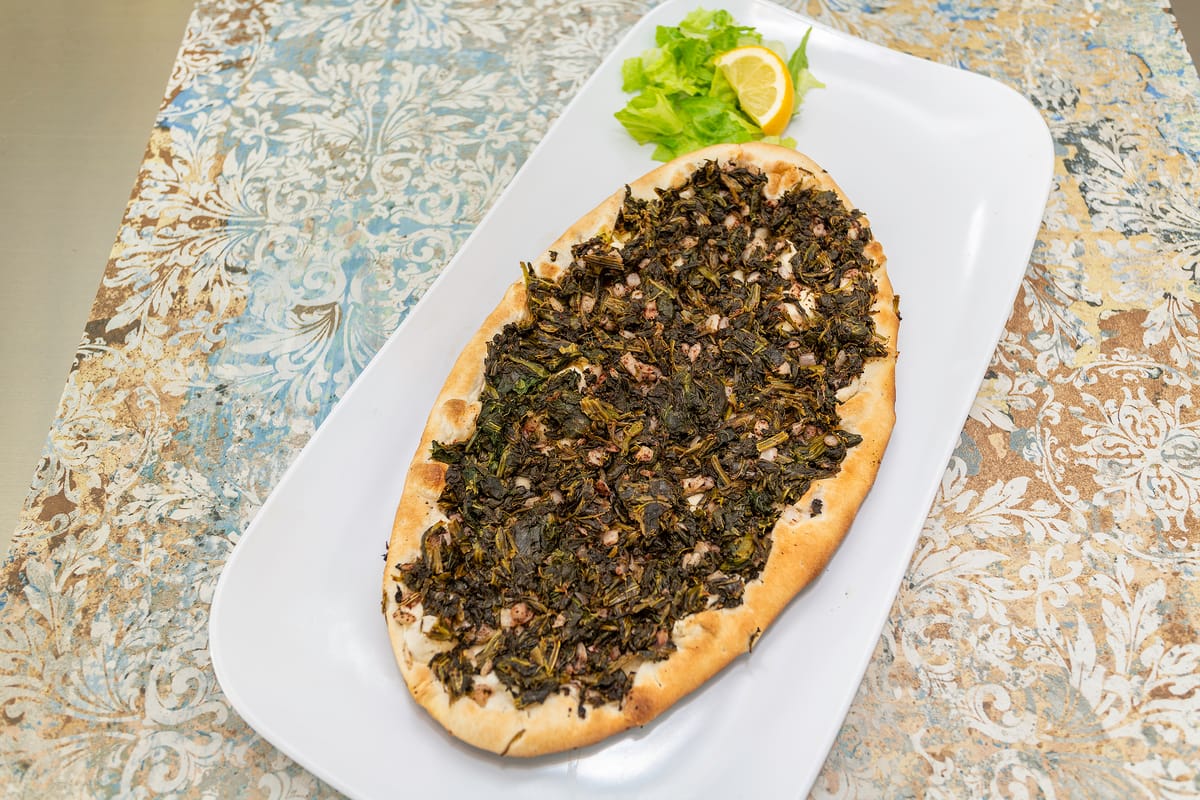
Real falafel starts with real chickpeas. No cans. No shortcuts. No fillers.
How Can You Make Your Falafel Order Healthier?
Four practical adjustments that improve the nutritional profile of any falafel meal.
Choose a Bowl Over a Pita for Fewer Carbs
A standard pita adds approximately 165 calories and 33 grams of carbohydrates to your meal. Switching to a bowl with a greens base eliminates those carbs and adds fiber, vitamin K, and folate from the raw greens instead. At Taza, the falafel bowl (from from $10.45) lets you choose between rice, mixed greens, or hummus as your base. For the lowest calorie and lowest carb option, greens is the clear winner. You still get the same amount of falafel, the same toppings, and the same sauce -- just without the bread wrapper. If you prefer the pita experience, the shrak bread wrap (from from $9.95) is thinner than pita and adds fewer carbs while still giving you the handheld format.
Build on a Foundation of Raw Vegetables
The more vegetables you add to your falafel meal, the better its nutritional profile becomes. Raw cucumber, tomato, onion, parsley, and pickled turnip add volume, fiber, vitamins, and water content to the meal without significant calories. A falafel bowl loaded with vegetables can contain three to four servings of produce, which is more than most Americans eat in an entire day. At Taza, ask for extra vegetables on your bowl or pita. There is no upcharge for additional lettuce, tomato, cucumber, pickles, or onion. Each addition improves the fiber, vitamin C, and potassium content of the meal while diluting the calorie density.
Control Your Sauce on the Side
Tahini sauce is nutritious -- it is made from ground sesame seeds and provides calcium, iron, and healthy fats. But it is also calorie-dense at roughly 90 calories per tablespoon. When sauce is drizzled generously inside a pita or over a bowl, you can easily consume three to four tablespoons without realizing it. Asking for tahini on the side lets you use one to two tablespoons strategically, cutting sauce calories by 50 percent while still getting the flavor. This single adjustment can reduce the total calorie count of a falafel meal by 100 to 180 calories without changing anything else about the order.
Add Hummus for a Protein and Fiber Boost
Adding a side of hummus to your falafel order increases total protein by 5-7 grams and adds another 4-5 grams of fiber. Hummus and falafel are both chickpea-based, so the nutritional benefits compound. Use the hummus as a dip for raw vegetables or spread it as the base of your bowl instead of rice. A hummus base at Taza replaces the carbohydrate-heavy rice with a protein-and-fiber-rich alternative that keeps you fuller longer. The additional cost is modest, and the nutritional upgrade is significant, especially for people following high-protein or low-carb eating patterns in Northern Virginia.
Does Falafel Fit Your Diet?
How falafel aligns with the most common dietary patterns.
Vegan & Vegetarian
Fully CompatibleTraditional falafel is 100 percent plant-based by nature. It contains no eggs, dairy, meat, or animal-derived ingredients. The chickpeas, herbs, onion, garlic, and spices are all vegan. At Taza, our falafel recipe uses no eggs as binders, which some restaurants add for structural reasons. A falafel pita or bowl with tahini (ground sesame), hummus, and vegetables is a complete vegan meal that provides protein, fiber, iron, and B vitamins. For vegans in Falls Church and Arlington looking for a quick, satisfying meal, falafel is one of the most reliable restaurant options available.
High-Protein Diets
Good -- Pair with HummusA single falafel serving provides 13 grams of plant protein. That is moderate but not high by bodybuilding standards. To boost the protein, pair falafel with hummus (adds 5-7g), choose a hummus base bowl (adds another 5g), or order a double falafel portion. A fully optimized falafel bowl at Taza can deliver 24-28 grams of plant protein in a single meal. While that is lower than a chicken shawarma bowl, it offers the advantage of zero cholesterol and high fiber, which many high-protein dieters neglect. For residents near Seminary Road hitting the gym, falafel works as a solid post-workout meal.
Mediterranean Diet
Core ComponentFalafel is a foundational food of the Mediterranean and Middle Eastern diet. The Mediterranean diet, rated the world's best diet for seven consecutive years by U.S. News & World Report, emphasizes legumes, whole grains, olive oil, fresh vegetables, and herbs -- exactly what falafel delivers. A falafel bowl with tahini, fresh vegetables, and olive oil is a textbook Mediterranean meal. The PREDIMED study found that adherence to this eating pattern reduces cardiovascular disease risk by up to 30 percent. Eating falafel regularly at Taza in Falls Church is one of the easiest ways to follow Mediterranean diet principles without cooking at home.
Gluten-Free Diets
Naturally GF -- Verify PreparationThe falafel ball itself is naturally gluten-free: ground chickpeas, herbs, garlic, onion, and spices contain no gluten. However, two factors require attention. First, some restaurants add flour or breadcrumbs as a binder, which introduces gluten. Second, shared fryers can cause cross-contamination if wheat-containing items are fried in the same oil. At Taza, our falafel uses no added flour or breadcrumbs. If you have celiac disease or a medically diagnosed gluten sensitivity, please speak with our staff about preparation details so we can help you make a safe decision. For gluten-free dining, the falafel bowl on a greens base avoids bread entirely.
Weight Loss Programs
Strong Choice -- Watch PortionsFalafel supports weight loss through its high satiety index. The combination of 13g protein and 7g fiber per serving keeps you feeling full for hours, which naturally reduces overall calorie intake. A falafel bowl on greens with vegetables and tahini on the side totals approximately 380 calories -- significantly less than most restaurant meals in Falls Church. The key is portion awareness: stick to a single serving of falafel (six balls), load up on vegetables, and keep sauce moderate. This approach gives you a filling, nutritious meal that fits within virtually any calorie target.
Anti-Inflammatory Diets
SupportiveChickpeas contain bioactive compounds including saponins, isoflavones, and phenolic acids that have demonstrated anti-inflammatory properties in laboratory studies. The herbs in falafel -- particularly parsley and cilantro -- add additional anti-inflammatory compounds including apigenin and linalool. Tahini provides sesamin and sesamolin, two lignans with documented anti-inflammatory effects. A 2016 review in Nutrients concluded that regular pulse consumption was associated with lower C-reactive protein levels, a key marker of systemic inflammation. Falafel at Taza is a concentrated delivery system for these anti-inflammatory ingredients.
Why Is Taza's Falafel Healthier Than Most?
Five specific practices that make our falafel a better nutritional choice.
Not all falafel is created equal. The health benefits described in this guide assume the falafel is made properly, from quality ingredients, using correct techniques. Many restaurants cut corners by using canned chickpeas, adding flour as a cheap filler, or frying in old oil that has been reused past its useful life. These shortcuts degrade both the flavor and the nutritional value of the falafel. At Taza Shawarma & Falafel on Seminary Road in Falls Church, we follow a specific set of practices that preserve the nutritional integrity of the chickpeas and minimize the downsides of frying.
Made to Order, Not Pre-Made
Every falafel order at Taza is fried fresh when you place it. We do not pre-fry batches and hold them in a warming tray. This matters nutritionally because fresh-fried falafel maintains its crispy outer shell, which limits oil absorption. Pre-made falafel that sits and softens absorbs additional oil and loses the steam barrier that keeps the interior light and dry. Fresh frying also means the interior chickpea mixture stays moist and herb-green, preserving heat-sensitive nutrients like vitamin C from the parsley and folate from the chickpeas.
Fresh Oil, Monitored and Replaced Regularly
Frying oil degrades with repeated use, producing free radicals and polar compounds that are associated with inflammation when consumed in excess. Restaurants that do not replace their oil frequently enough produce falafel with a rancid taste and a worse nutritional profile. At Taza, our fryer oil is monitored for quality and replaced on a strict schedule. Clean oil at the correct temperature produces falafel with minimal oil absorption, a clean taste, and no off-flavors that indicate degraded fats.
Real Chickpeas, Soaked and Ground Fresh
We start with dried whole chickpeas that are soaked overnight and then ground with fresh herbs. We never use canned chickpeas, which have already been cooked and lose their binding ability, forcing restaurants to add flour or egg as a compensating binder. Our method uses only the natural starches and proteins in raw chickpeas to hold the falafel together. This means more protein, more fiber, and more resistant starch per ball compared to falafel made from pre-cooked or canned chickpeas.
No Fillers, No Preservatives, No Binding Agents
Our falafel ingredient list is short: chickpeas, fresh parsley, cilantro, onion, garlic, cumin, coriander, salt, and baking powder for lift. That is it. There are no breadcrumbs, no flour, no methylcellulose, no soy protein isolate, no sodium benzoate, and no calcium propionate. Every ingredient is recognizable and serves a purpose. The baking powder creates air pockets that make the falafel light and crispy without adding calories. The fresh herbs provide flavor and micronutrients. The spices add taste without sodium.
Customizable Builds for Any Dietary Goal
Taza offers three formats for falafel: the pita pocket (from from $8.95), the shrak wrap (from from $9.95), and the bowl (from from $10.45). The bowl format with a greens base is the healthiest configuration available, with the fewest carbs and the most vegetable content. Every order can be customized with extra vegetables, sauce on the side, and your choice of base. This flexibility means you can tailor your falafel meal to match your specific calorie target, macro ratio, or dietary restriction without compromise.
Four Healthy Falafel Builds You Can Order at Taza
Specific meal configurations optimized for different health goals, available right now at our Falls Church location.
The Lean Green Bowl
Mixed greens base
Falafel, cucumber, tomato, pickled turnip, parsley
Tahini on the side (2 tbsp)
Lowest calorie option with maximum fiber from the greens base. The raw vegetables add volume and micronutrients without significant calories. Keeping tahini on the side lets you control fat intake.
The Protein Pack
Rice base with extra falafel
Hummus, cucumber, tomato, onion, olives
Tahini drizzle
Combines chickpea protein from both falafel and hummus with the complementary amino acids in rice. This build maximizes protein per dollar and keeps you full through a long afternoon at work.
The Mediterranean Classic
Falafel pita sandwich
Lettuce, tomato, cucumber, pickles, onion
Tahini sauce
The traditional way falafel has been eaten for centuries. The pita provides complementary amino acids to the chickpeas, creating a complete protein. All the fresh vegetables add fiber, vitamins, and crunch.
The Light Bite
Falafel pieces (4 count) with hummus side
Pickled vegetables, fresh herbs
Lemon squeeze
Perfect as a snack or light lunch. Four falafel pieces with hummus deliver solid protein and fiber in under 250 calories. The lemon adds vitamin C, which enhances iron absorption from the chickpeas.
Falafel Health & Nutrition Questions
Falafel can support weight loss when eaten as part of a balanced diet. A serving of six falafel balls contains approximately 340 calories, 13 grams of protein, and 7 grams of fiber. The combination of protein and fiber promotes satiety, meaning you stay full longer and eat fewer total calories throughout the day. For the best weight-loss option at Taza Shawarma & Falafel in Falls Church, order the falafel bowl (from from $10.45) on a greens base with vegetables and tahini on the side. This keeps the meal under 400 calories while providing substantial nutrition.
In most nutritional comparisons, falafel comes out ahead. A falafel pita contains roughly 340 calories, 0mg cholesterol, 2-4g saturated fat, and 7g fiber. A standard quarter-pound cheeseburger contains approximately 540 calories, 75-100mg cholesterol, 12-18g saturated fat, and only 1-2g fiber. Falafel also provides more iron, folate, and manganese per serving. The main advantage of a burger is higher total protein (25g vs 13-17g), but falafel achieves its protein without any of the cardiovascular risk factors associated with red meat consumption.
Deep-frying adds some oil absorption, but properly made falafel absorbs less oil than most fried foods. The dense chickpea mixture forms a crispy outer shell that acts as a barrier against excessive oil penetration. Research published in Food Chemistry found that falafel absorbs 10-15 percent of its weight in oil during frying, compared to 20-40 percent for potato-based foods like french fries. Fresh falafel fried to order -- as we prepare it at Taza on Seminary Road -- absorbs less oil than pre-made falafel that sits and gets reheated. The total fat per falafel ball is approximately 3 grams, which is modest for a fried food.
Traditional falafel made from ground chickpeas, herbs, and spices is naturally gluten-free. The chickpea batter itself contains no wheat, barley, or rye. However, some restaurants add breadcrumbs or flour as a binding agent, and cross-contamination can occur in shared fryers. At Taza Shawarma & Falafel in Falls Church, our falafel is made from whole chickpeas without added flour. If you have celiac disease or severe gluten sensitivity, please inform our staff so we can discuss preparation details and help you make a safe choice.
A serving of six falafel balls provides approximately 13 grams of protein from chickpeas. When eaten in a pita, the total rises to about 17 grams because the wheat in the pita provides complementary amino acids (lysine from chickpeas pairs with methionine from wheat). A falafel bowl with hummus can deliver 20-24 grams of protein. For context, the recommended daily protein intake for a sedentary adult is 0.8 grams per kilogram of body weight, so a falafel meal covers 25-35 percent of daily protein needs for most people.
Falafel is one of the more diabetes-friendly options available at restaurants. Chickpeas have a glycemic index of 28 (low), and the protein and fiber in falafel slow glucose absorption. A 2012 study in the British Journal of Nutrition found that chickpea-based meals reduced post-meal blood glucose by 21 percent compared to white bread. For the lowest glycemic impact at Taza, order a falafel bowl on a greens base instead of rice or pita. This eliminates the higher-glycemic grain component while retaining all the protein and fiber benefits. Always consult your physician or registered dietitian for personalized advice.
One cup of cooked chickpeas provides: 14.5 grams protein, 12.5 grams fiber, 4.7mg iron (26% daily value), 282mcg folate (71% daily value), 1.7mg manganese (84% daily value), 276mg phosphorus (28% daily value), 78.7mg magnesium (19% daily value), 2.5mg zinc (17% daily value), and 6.1mcg vitamin K. Chickpeas also contain significant amounts of vitamin B6, thiamine, and copper. These nutrients are retained in falafel because the chickpeas are soaked raw and then ground and fried, not boiled, which preserves more water-soluble vitamins.
Taza Shawarma & Falafel at 5820 Seminary Rd Ste O, Falls Church, VA 22041 serves fresh-made falafel daily from 11 AM to midnight, seven days a week. Our falafel is made from whole soaked chickpeas ground with fresh parsley, cilantro, onion, garlic, and cumin -- no fillers, no preservatives, no canned chickpeas. You can order a falafel pita (from from $8.95), falafel shrak wrap (from from $9.95), or falafel bowl (from from $10.45). Order online at https://www.clover.com/online-ordering/taza--falls-church for pickup or visit us on Seminary Road near the intersection with Carlin Springs Road.
Healthy Falafel in Falls Church, VA
Fresh-made falafel from whole chickpeas, served daily at Taza Shawarma & Falafel on Seminary Road.
Address
5820 Seminary Rd Ste O, Falls Church, VA 22041
Hours
11:00 AM - 12:00 AM -- Open 7 Days a Week
Phone
Your Healthiest Falafel Is One Order Away
Made from whole chickpeas, fresh herbs, and clean oil. No fillers, no preservatives, no shortcuts. Falafel the way it should be -- available seven days a week on Seminary Road.