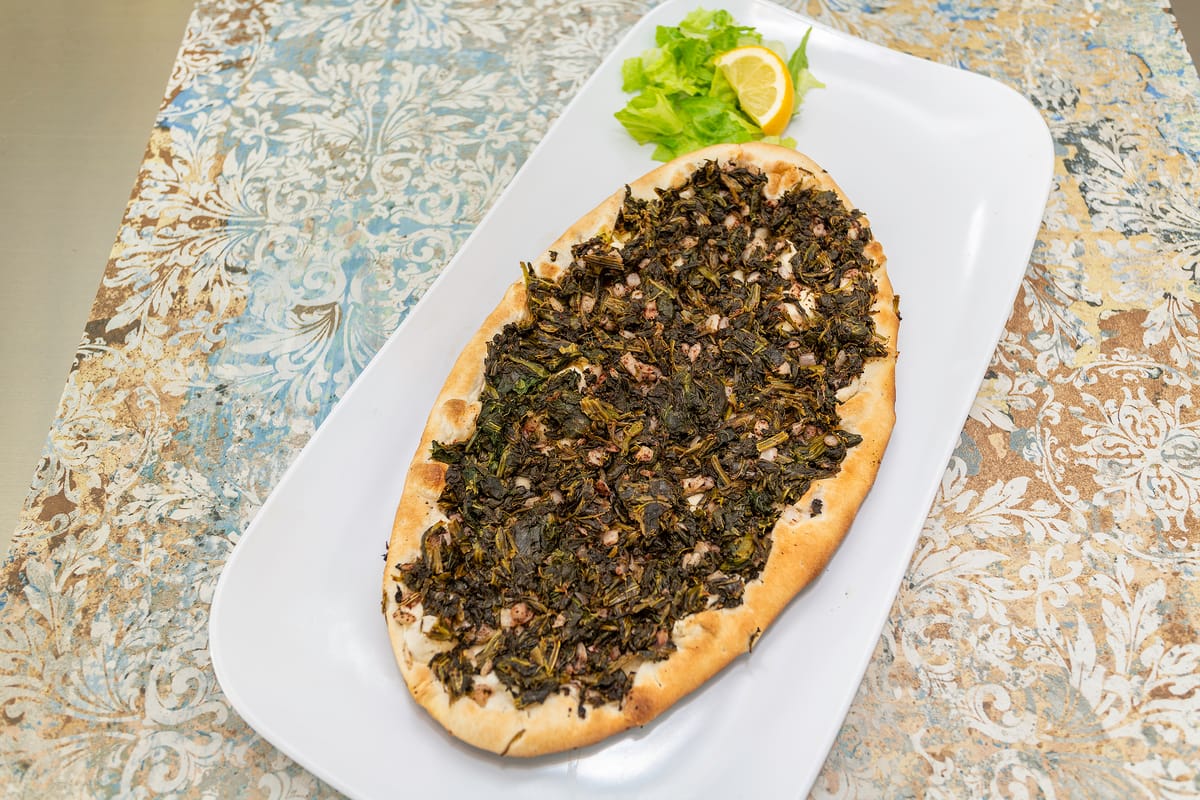
Mediterranean Sauces Guide: Every Sauce You Need to Know
Tahini, toum, hummus, harissa, pomegranate molasses -- these are the sauces that define Mediterranean food. A practical guide to what they taste like, how they work, and which ones belong on your plate.
4.8 stars on Yelp (92 reviews) -- Open 11:00 AM - 12:00 AM
Why Are Mediterranean Sauces So Important?
They are not condiments. They are the foundation of every great plate.
In Mediterranean and Middle Eastern cooking, sauces are not an afterthought squeezed from a plastic bottle. They are structural elements of the meal, planned and prepared with the same attention as the protein or the bread. A chicken shawarma pita without toum is like a pizza without cheese -- technically edible but missing its identity. A falafel plate without tahini is just fried chickpea balls sitting on a bare plate. The sauce is what ties every ingredient together, adds moisture, provides contrast, and creates the flavor profile that makes you close your eyes on the first bite. These sauces evolved over centuries in kitchens across Lebanon, Syria, Egypt, Tunisia, and the broader Mediterranean basin. Each one solves a specific culinary problem: how to add richness without dairy, how to add heat without overwhelming, how to balance fat with acid, how to make a simple bowl of rice and vegetables taste complete.
What makes Mediterranean sauces distinctive is their reliance on whole, unprocessed ingredients. Tahini is ground sesame seeds. Toum is crushed garlic and oil. Hummus is pureed chickpeas. Harissa is roasted peppers and spices. Pomegranate molasses is reduced pomegranate juice. There are no stabilizers, no artificial thickeners, no ingredient lists that require a chemistry degree to read. The flavors are honest and direct -- you can taste every component. This simplicity is also what makes so many of these sauces naturally vegan, gluten-free, and allergen-friendly. At Taza Shawarma and Falafel in Falls Church, we make our core sauces fresh in-house because the difference between fresh and bottled is the difference between memorable food and forgettable food.
This guide covers every major Mediterranean sauce: the creamy ones (tahini, toum, garlic mayo, hummus), the hot ones (harissa, shatta), the sweet-tart ones (pomegranate molasses), and the everyday ones (olive oil dressing, sumac). For each, you will learn what it is made from, what it tastes like, what to put it on, and how it compares to the others.
What Is Tahini and Why Is It on Everything?
Sesame paste meets lemon meets garlic. The result is the most versatile sauce in the Mediterranean kitchen.
Tahini sauce starts with tahini paste -- raw or roasted sesame seeds ground into a thick, oily butter. On its own, straight tahini paste is dense, sticky, and almost bitter. But add fresh lemon juice, a clove of crushed garlic, a pinch of salt, and enough cold water to thin it out, and the transformation is immediate. The bitterness vanishes. The texture becomes silky and pourable, somewhere between heavy cream and a thin vinaigrette. The color shifts from dark tan to a pale, creamy beige. The flavor is nutty, earthy, and bright all at once, with a mineral depth that no other sauce replicates. This is the drizzle you see on falafel plates, shawarma bowls, and grilled vegetable platters at every Mediterranean restaurant that knows what it is doing.
Tahini sauce pairs with almost anything because it occupies a middle ground between rich and light. It is creamy enough to coat and cling but thin enough to drizzle without smothering. The sesame flavor enhances rather than dominates. On a falafel pita (from $8.95), tahini adds richness to the crispy chickpea fritters. On a beef shawarma bowl, it brings a nutty counterpoint to the smoky, spiced meat. Spooned over roasted cauliflower or sweet potatoes, it turns a side dish into a main course. Read the full tahini guide for more on the science of sesame, storage tips, and nutritional breakdown. At Taza, tahini goes on every falafel sandwich, every beef shawarma plate, and is available as an add-on for any order.
The quality of sesame seeds makes the difference. Hulled white sesame seeds produce a lighter, milder paste, while unhulled seeds produce a darker, more bitter one with more calcium and fiber. The best tahini for sauce uses lightly roasted, hulled seeds from Ethiopia or the Levant -- regions where sesame cultivation goes back thousands of years. Premium tahini is smooth, pourable straight from the jar, and smells like toasted sesame oil. Cheap bulk tahini tastes flat and grainy. The difference shows in every drizzle.
What Is Toum and Why Does It Hit So Hard?
A raw garlic emulsion with no eggs, no dairy, and zero subtlety.
Toum is the white sauce you see on chicken shawarma wraps, pooled beside grilled chicken plates, and streaked across flatbreads at Lebanese restaurants. It is a traditional Lebanese garlic sauce made from four ingredients: raw garlic cloves, neutral oil, fresh lemon juice, and salt. No eggs. No cream. No dairy of any kind. The sauce gets its thick, fluffy, snow-white texture entirely from emulsification -- the garlic's natural starches and proteins trap tiny oil droplets in suspension, the same physics that make mayonnaise opaque. Properly made toum holds stiff peaks like whipped cream, spreads on bread without tearing it, and delivers a garlic intensity that fills the sinuses on the first bite.
The name comes from the Arabic word for garlic, and the sauce lives up to it. A single batch can use an entire head -- sometimes more. The raw garlic delivers allicin, the sulfur compound behind garlic's signature bite. That sharpness mellows after a day in the fridge as allicin breaks down, which is why day-old toum tastes smoother. At Taza, our garlic sauce is made fresh in small batches. It comes on every chicken shawarma pita (from $9.95), every wrap, and every chicken shawarma bowl (from $12.45). For the full story, see our toum guide.
Toum's reputation as the best sauce for shawarma is well-earned. The garlic's sharpness slices through rich, caramelized chicken. The lemon juice mirrors the acid in pickled turnips, creating a bright through-line across every layer. The fluffy texture coats without making bread soggy. Other sauces complement shawarma, but toum defines it. Without the white garlic stripe, chicken shawarma tastes incomplete. That is Lebanese food tradition speaking.
Sauces Are Not Optional
They are the flavor architecture of every Mediterranean meal.
What Is Garlic Mayo and How Is It Different from Toum?
Creamier, milder, and the most popular gateway sauce for newcomers.
Garlic mayo is what happens when you fold minced garlic into a mayonnaise base -- oil emulsified with egg yolk. The result is a dense, ultra-creamy sauce that tastes like garlic but lacks the raw, sinus-clearing intensity of toum. The egg yolk rounds out the garlic's bite and adds a familiar richness. Where toum demands attention, garlic mayo cooperates. Where toum polarizes, garlic mayo unifies. It is the sauce that garlic-skeptics end up finishing by the spoonful.
Garlic mayo works across nearly every format. Inside a pita, it clings to the bread and prevents other sauces from making the pocket soggy. In a shawarma bowl, a dollop melts into warm rice and distributes garlic flavor through every forkful. As a dipping sauce, it pairs with fries, falafel, and grilled vegetables with equal ease. It has become the default at many Mediterranean restaurants because it satisfies almost everybody.
The structural difference matters: garlic mayo uses egg yolk as its emulsifier, while toum uses the garlic itself. Garlic mayo has garlic added to a pre-existing sauce. Toum is made of garlic -- the garlic is the sauce. This means garlic mayo is not vegan (eggs), while traditional toum is entirely plant-based. If the idea of eating a tablespoon of raw garlic paste sounds alarming, start with garlic mayo to get comfortable with the flavor profile, then graduate to toum when you are ready for the real thing.
How Does Hummus Work as a Sauce?
It is a dip, it is a spread, it is a bowl base -- and yes, it is also a sauce.
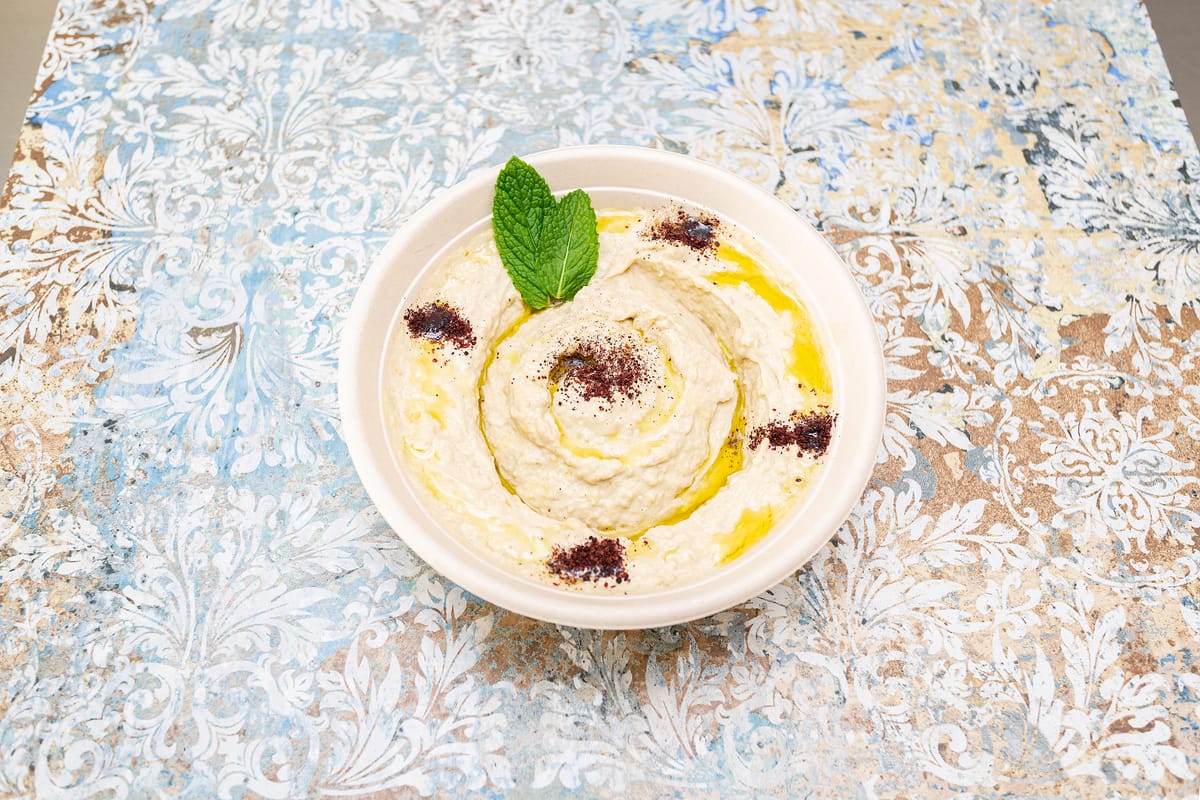
Most people think of hummus as a dip -- something you scoop with pita bread or carrot sticks. And it is. But in Mediterranean kitchens, hummus pulls triple duty. Spread thick inside a pita wrap, it acts as a moisture barrier and flavor layer between the bread and the filling. Thinned with a splash of olive oil and spooned over a grain bowl, it becomes a creamy sauce that binds rice, vegetables, and protein together. Smeared across the bottom of a platter, it serves as the foundation for grilled meats, roasted vegetables, or topped falafel arrangements. Hummus is the Swiss army knife of Mediterranean sauces because its mild, earthy chickpea flavor works with everything and clashes with nothing.
The reason hummus functions so well as a sauce is its composition. Chickpeas provide body and protein. Tahini (which is already a sauce on its own) adds creaminess and fat. Lemon juice adds acid. Garlic adds bite. Olive oil adds richness. Together, these ingredients create a balanced, nutrient-dense puree that brings something to every dimension of a dish: protein, fat, acid, and flavor. Read more about the full process in our how hummus is made guide. At Taza, our hummus ($4.95) is made from scratch with premium chickpeas, house tahini, fresh lemon, and garlic. For a detailed comparison of hummus and tahini as sauces, see our hummus vs tahini breakdown.
As a bowl base, hummus transforms the eating experience. Instead of rice or greens, you get a thick bed of chickpea puree that adds creaminess from the bottom up. Warm shawarma or falafel softens the hummus and blends the flavors. A drizzle of tahini or toum on top creates a two-sauce system where hummus provides the base note and the finishing sauce provides the high note.
What Makes a Good Mediterranean Olive Oil Dressing?
Extra virgin olive oil, lemon, garlic, herbs. The simplest sauce with the longest history.
The Mediterranean olive oil dressing is the most basic sauce in this guide and arguably the most important. It is extra virgin olive oil whisked with fresh lemon juice, a crushed garlic clove, a pinch of salt, and whatever dried herbs are on hand -- usually dried mint, oregano, or sumac. No emulsification required. No special technique. Just shake it in a jar and pour. This dressing appears on every tabletop across Lebanon, Greece, Turkey, and North Africa. It goes on fattoush salad, tabbouleh, grilled vegetables, grain bowls, roasted meats, and warm pita bread. It is the universal connector between every component on a Mediterranean table.
The quality depends almost entirely on the olive oil itself. Real extra virgin -- cold-pressed, with a harvest date on the bottle -- has a peppery finish, a grassy aroma, and a fruity flavor that cheap blended oils lack. Lebanese olive oil from the Koura region, Greek Kalamata oil, and Tunisian Chetoui oil each bring distinct character. When the oil is good, the dressing needs almost nothing else. The lemon juice balances the richness. The garlic adds an edge. The herbs add color.
At Taza, olive oil appears in nearly every dish -- as a drizzle over hummus, a component of our tahini sauce, and a finishing touch on bowls and plates. The difference between a good Mediterranean meal and a great one often comes down to that final spoonful of olive oil ladled over the top just before serving. If you are building a Mediterranean sauce pantry at home, a bottle of quality extra virgin olive oil is the first purchase.
What Are Harissa and Shatta?
North African chili paste and Levantine hot sauce -- two very different approaches to heat.
Harissa is a North African chili paste -- think of it as the hot sauce that Tunisia, Algeria, and Morocco grew up on. It is made from roasted red peppers, dried hot chili peppers (often baklouti or bird's eye), garlic, olive oil, and a blend of warm spices like caraway, coriander, and cumin. The result is a thick, rust-colored paste that smells smoky and fruity before it hits you with a slow, building heat. Harissa is not a sauce you dump on food. It is a concentrated flavor bomb you use by the teaspoon -- stirred into soups, smeared inside sandwiches, whisked into salad dressings, or dabbed beside grilled meats as a dipping condiment. The heat level varies widely by brand and recipe, but even mild harissa has more complexity than generic hot sauce.
Shatta is the Levantine answer to hot sauce -- thinner and more liquid, made from fresh or dried hot peppers, garlic, vinegar or lemon juice, and olive oil. Where harissa is thick and smoky, shatta is bright, vinegary, and pepper-forward. The heat hits faster and more directly. It appears on tables at falafel shops and shawarma stands across Lebanon and Syria. A thin drizzle inside a wrap adds immediate, sharp heat that wakes up every other flavor. Shatta comes in green (fresh chilies) and red (ripe chilies), each with different heat profiles.
Both serve the same purpose -- adding controlled heat -- but they do it differently. Harissa adds warmth, smoke, and spice complexity. Shatta adds sharp, bright, direct pepper heat. If you like chipotle, reach for harissa. If you like Tabasco, reach for shatta. The key to both is restraint: start with half a teaspoon and build up.
Harissa
Shatta
What Is Pomegranate Molasses and How Do You Use It?
A sweet-tart reduction that turns ordinary dishes into something memorable.
Pomegranate molasses is made by simmering fresh pomegranate juice over low heat until it reduces to a thick, dark, syrupy liquid. The process concentrates every element of the pomegranate: the natural sugars, the tartaric and citric acids, the deep ruby color, and the complex fruity flavor. The result is a condiment that is simultaneously sweet, sour, and slightly tannic -- like balsamic vinegar's fruitier, more exotic cousin. A single tablespoon of pomegranate molasses contains the flavor intensity of an entire cup of pomegranate juice. It is dark brown to deep burgundy, with a viscosity somewhere between maple syrup and thick honey.
In Mediterranean cooking, pomegranate molasses appears most often in fattoush dressing -- the classic Levantine bread salad. The dressing combines pomegranate molasses with olive oil, lemon juice, and garlic, creating a sweet-tart glaze that clings to every pita chip and vegetable. Beyond salads, it works as a glaze for roasted lamb, a finishing drizzle over hummus or baba ghanoush, a marinade ingredient for kebabs, and a sweetener in cocktails. It adds depth to any dish that needs complexity without added sugar.
Pomegranate molasses keeps for six months or longer in the refrigerator. A little goes a long way -- you measure in tablespoons, not cups. Look for bottles that list only one ingredient: pomegranate juice. Some brands add sugar or citric acid, but the best pomegranate molasses needs nothing because the reduction concentrates all the sweetness and acidity naturally. Start by whisking a tablespoon into your next salad dressing.
Why Is Sumac Used Like a Condiment?
Not technically a sauce, but it acts like one -- adding citrus acidity and crimson color to everything it touches.
Sumac is a dried, ground berry from the Rhus coriaria bush that grows wild across the Mediterranean and Middle East. It is deep crimson-red in color, slightly coarse in texture, and delivers a sharp, lemony tartness unlike anything else in the spice rack. While sumac is technically a spice, it functions as a condiment in Mediterranean kitchens -- sprinkled on dishes at the table the way Westerners use salt and pepper. A generous pinch of sumac over a hummus plate, a fattoush salad, a grilled kebab, or a rice bowl adds acidity without liquid, color without dye, and a flavor that registers as both sour and slightly fruity.
The practical advantage over lemon juice is precision. Lemon juice runs, pools, and makes bread soggy. Sumac sits where you put it. Every bite gets a consistent hit of tartness, and the red color marks exactly where the flavor is. This makes sumac the ideal finishing spice for dishes that are already sauced -- a final layer of acidity without disrupting the moisture balance. Sumac is also a key ingredient in zaatar and fattoush dressing.
At Taza, sumac is available as a finishing topping on bowls, plates, and salads. It pairs well with our beef shawarma (from $9.95 for the pita), where the tartness cuts through rich, smoky meat. Over hummus, it adds a pop of color that makes the puree taste brighter. Buy a jar and sprinkle it on scrambled eggs, avocado toast, roasted vegetables, grilled chicken -- you will wonder how you cooked without it.
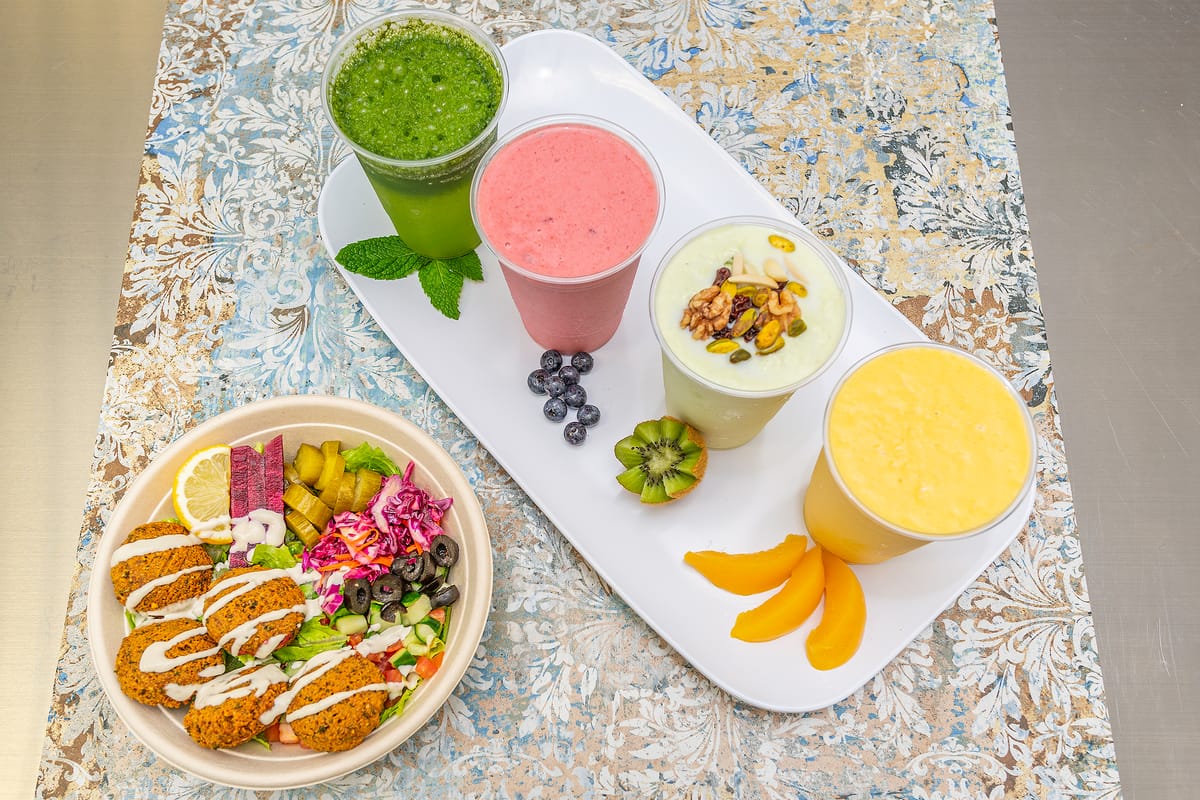
Nine Sauces, Infinite Combinations
The right sauce turns a good meal into the meal you think about tomorrow.
Toum vs Aioli: What Is the Real Difference?
They look similar, taste different, and are made with completely different ingredients.
Both are white, garlicky, and creamy, but they are fundamentally different sauces. Toum is Lebanese, uses garlic as its base ingredient, and contains no eggs. Aioli is French Provencal and uses egg yolk as its emulsifier. American restaurants have muddied the waters by labeling any garlic mayo as aioli. The table below breaks down the real differences.
| Feature | Toum (Lebanese) | Aioli / Garlic Mayo |
|---|---|---|
| Primary Ingredient | Raw garlic -- garlic is the base, not a flavoring | Egg yolk -- garlic is added as a secondary flavor |
| Emulsifier | Natural starch and lecithin from garlic cells | Lecithin from egg yolk (same as mayonnaise) |
| Texture | Light, fluffy, whipped -- holds stiff peaks | Dense, creamy, heavy -- sits flat on a plate |
| Garlic Intensity | Extreme -- raw garlic flavor dominates every bite | Moderate -- garlic is present but subdued by egg and oil |
| Vegan | Yes -- no animal products at all | No -- contains egg yolk |
| Cultural Origin | Lebanon and the Levant -- ancient condiment tradition | Provence, France -- Mediterranean garlic mayonnaise |
| Best Pairing | Shawarma, falafel, grilled meats, pita, kebabs | Seafood, french fries, sandwiches, roasted vegetables |
For the complete toum breakdown, including emulsion science and nutritional data, read our dedicated toum guide.
How Do All Mediterranean Sauces Compare?
Heat, creaminess, pairing versatility, and shelf life -- ranked side by side.
Creamy sauces vs bold sauces, ranked across six dimensions. Most Mediterranean meals benefit from at least two sauces -- one creamy, one sharp -- working together on the same plate.
| Dimension | Creamy Sauces | Bold Sauces |
|---|---|---|
| Heat Level | Tahini: None | Toum: None | Garlic Mayo: None | Harissa: High | Shatta: Very High | Pomegranate Molasses: None |
| Creaminess | Tahini: High | Toum: Very High | Garlic Mayo: Very High | Harissa: Low | Shatta: Low | Pomegranate Molasses: None |
| Best Protein Pairing | Tahini: Falafel, Beef | Toum: Chicken | Garlic Mayo: Chicken | Harissa: Lamb, Beef | Shatta: Any | Pomegranate Molasses: Lamb |
| Best Format | Tahini: Bowls, Wraps | Toum: Wraps, Pitas | Garlic Mayo: Pitas | Harissa: Bowls, Stews | Shatta: Wraps | Pomegranate Molasses: Salads |
| Vegan-Friendly | Tahini: Yes | Toum: Yes | Garlic Mayo: No (egg) | Harissa: Yes | Shatta: Yes | Pomegranate Molasses: Yes |
| Shelf Life (Fridge) | Tahini: 2-3 weeks | Toum: 3-4 weeks | Garlic Mayo: 1-2 weeks | Harissa: 3-4 weeks | Shatta: 4+ weeks | Pomegranate Molasses: 6+ months |
Which Sauce Goes with Which Protein and Format?
Nine tested pairings that work every time -- from classic combinations to underrated matches.
Chicken Shawarma + Toum
The definitive pairing. Toum's sharp garlic punch cuts through the caramelized richness of slow-roasted chicken. The white sauce against golden meat is as much a visual signature as a flavor one. Every Taza chicken shawarma comes with house-made toum as standard.
Falafel + Tahini
Sesame and chickpea are natural allies. Tahini's nutty creaminess wraps around the crispy falafel exterior and mingles with the herb-green interior. A squeeze of lemon over the top bridges both flavors. This is the pairing that launched a thousand lunch orders.
Grain Bowls + Hummus Drizzle
Thin hummus with olive oil and use it as a sauce over rice bowls or mixed greens. The chickpea base adds protein and body to the bowl, while the tahini in the hummus ties together every topping from pickled turnips to roasted vegetables.
Pita Wraps + Garlic Mayo
Garlic mayo is the crowd-pleaser -- creamy, mild, and universally loved. It clings to the inside of a warm pita pocket and coats every bite with a gentle garlic flavor that does not overpower delicate toppings like lettuce and tomato.
Grilled Meats + Harissa
Harissa's smoky, slow-building heat transforms grilled lamb and beef into something bold and memorable. Start with a thin smear inside a wrap or a small pool on the side of a plate. A little goes far, but the warmth lingers beautifully with charred meat.
Fattoush Salad + Pomegranate Molasses
The sweet-tart intensity of pomegranate molasses is the secret behind great fattoush dressing. Mixed with olive oil and a pinch of sumac, it coats crispy pita chips and fresh vegetables with a glaze that tastes both fruity and savory at once.
Everything + Olive Oil Dressing
Extra virgin olive oil whisked with lemon juice, crushed garlic, and dried herbs is the universal Mediterranean dressing. It goes on salads, drizzled over bowls, spooned onto flatbreads, and poured into dipping saucers alongside warm pita.
Shawarma Bowls + Double Sauce
The best bowls use two sauces: tahini as the creamy base layer, then toum or garlic sauce as the finishing drizzle on top. The two sauces have different textures and different flavor profiles that complement rather than compete with each other.
Hummus Plate + Sumac Finish
Sumac is not a sauce but it acts like one. A generous dusting of deep red sumac over a hummus plate adds citrus tartness and a striking crimson color. Combined with a pool of olive oil and a few whole chickpeas, it turns a side dish into a centerpiece.
Mediterranean Sauces: Common Questions
The white sauce on shawarma is toum, a traditional Lebanese garlic sauce made from raw garlic, oil, lemon juice, and salt. It contains no eggs, no dairy, and no mayonnaise. The white color comes from emulsification -- millions of microscopic oil droplets that scatter light, the same principle that makes clouds white. At Taza Shawarma & Falafel in Falls Church, our toum is made fresh in-house daily and comes on every chicken shawarma pita (from $9.95) and beef shawarma pita (from $9.95). It is thick, fluffy, and intensely garlicky.
Toum and aioli are different sauces with different ingredients and different origins. Toum is a Lebanese garlic emulsion made from raw garlic, oil, and lemon juice -- no eggs, completely vegan. Aioli is a French Provencal sauce that uses egg yolk as its primary emulsifier, with garlic added as a flavoring. In American restaurants, the word aioli is often used loosely to describe any garlic-flavored mayonnaise, which adds confusion. The texture differs too: toum is light and fluffy, holding stiff peaks like whipped cream, while aioli is dense and heavy like mayonnaise. For a deep comparison, see our full toum guide.
Tahini is both, depending on how you use it. In its raw form, tahini is a thick paste made from ground sesame seeds -- similar in consistency to natural peanut butter. When thinned with lemon juice, water, and garlic, it becomes a pourable sauce used on falafel, shawarma, bowls, and salads. The sauce version is what most people encounter at Mediterranean restaurants. Tahini sauce at Taza is a smooth, creamy drizzle that goes on our falafel pita (from $8.95) and falafel bowls (from $10.45). The raw paste form is used in hummus, baba ghanoush, and halva.
The best sauces for shawarma depend on the protein. Chicken shawarma pairs best with toum (Lebanese garlic sauce) -- the sharp garlic cuts through the rich, caramelized meat. Beef shawarma pairs best with tahini, whose nutty sesame flavor complements the deeper, smokier beef. For a spicy option, add harissa or shatta alongside either primary sauce. Many shawarma lovers use two sauces at once: toum plus tahini, or garlic mayo plus a drizzle of hot sauce. At Taza, you can customize your sauce on any shawarma order.
Hummus serves as both a dip and a sauce in Mediterranean cuisine. As a dip, it is scooped with pita bread, vegetables, or falafel. As a sauce, it is thinned slightly and used as a base layer in bowls or spread inside wraps and pitas. Many grain bowls use hummus as their foundation -- a thick smear across the bottom of the bowl that every other ingredient sits on top of. At Taza, our hummus ($4.95) is available as a side, as a bowl base, and as an addition to any wrap or pita. It functions differently depending on context, which is part of its brilliance.
Harissa is a North African chili paste made from roasted red peppers, hot chili peppers, garlic, olive oil, and spices like caraway, coriander, and cumin. Its heat level ranges from moderate to very hot depending on the recipe and the type of chilies used. Tunisian harissa tends to be the hottest, while Moroccan versions are milder and more aromatic. The flavor is complex: smoky, fruity, warm, and earthy, with a slow-building heat that lingers. Harissa is used as a condiment, a marinade, a stew base, and a sandwich spread. A teaspoon stirred into a bowl of soup or drizzled over shawarma transforms the dish entirely.
Pomegranate molasses is a thick, dark, sweet-tart reduction made by simmering pomegranate juice until it becomes syrupy. It is used in fattoush dressing, marinades for grilled meats, glazes for roasted vegetables, and stirred into stews for depth. The flavor is intensely fruity and tangy with a natural sweetness that comes from the concentrated pomegranate sugars. It is not interchangeable with regular molasses -- pomegranate molasses is lighter, fruitier, and more acidic. A tablespoon in a salad dressing or marinade adds a dimension that vinegar or lemon juice alone cannot provide.
Taza Shawarma & Falafel at 5820 Seminary Rd Ste O, Falls Church, VA 22041 serves house-made Mediterranean sauces on every dish. Our toum (garlic sauce) comes on chicken shawarma (from $9.95), tahini goes on falafel (from $8.95), and hummus ($4.95) is available as a side or bowl base. You can mix and match sauces on any order. We are open 11:00 AM - 12:00 AM, Open 7 Days a Week. Call (703) 340-1014 or order online for pickup.
Taste These Sauces at Taza
Open 11:00 AM - 12:00 AM, Open 7 Days a Week at 5820 Seminary Rd Ste O, Falls Church, VA 22041.
Address
5820 Seminary Rd Ste O, Falls Church, VA 22041
Hours
11:00 AM - 12:00 AM -- Open 7 Days a Week
Phone
Taste the Difference Fresh Sauces Make
House-made toum, tahini, and hummus on every shawarma, falafel, and bowl at Taza. No jars, no bottles, no shortcuts.