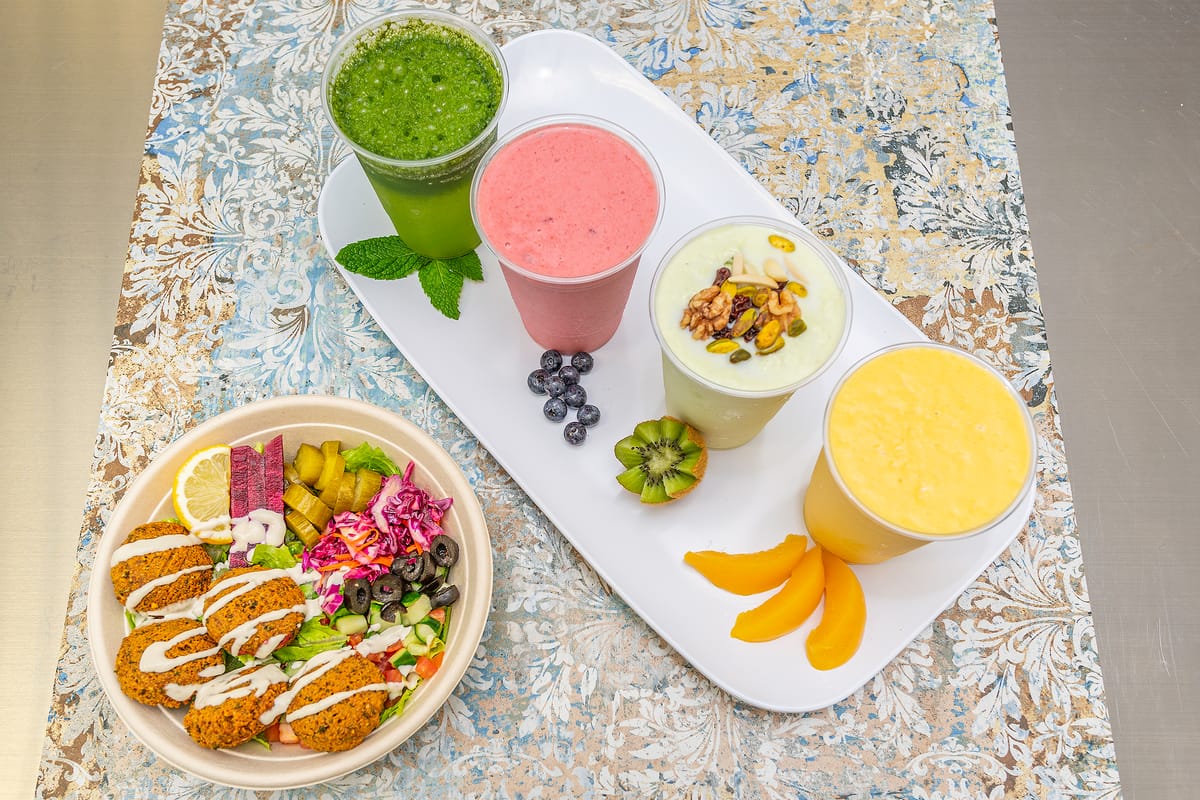
What Is Pomegranate Molasses? The Tart Syrup That Defines Levantine Cooking
Pomegranate molasses is a thick, glossy syrup made from reduced pomegranate juice -- deeply tart, moderately sweet, and unmistakably bright -- a pantry staple that elevates salads, marinades, dips, and desserts across the Levant.
4.8 stars on Yelp (92 reviews) -- Open 11:00 AM - 12:00 AM
The Ingredient That Makes Levantine Dishes Sing
One tablespoon. That is often all it takes.
Look at the ingredient list for a traditional fattoush dressing and you will find it: pomegranate molasses, listed between the olive oil and the sumac. That single tablespoon transforms a simple lemon-and-oil vinaigrette into something you cannot stop eating -- tart, bright, faintly sweet, and layered in a way that no single-note acid can replicate. Pomegranate molasses is one of those ingredients that changes everything it touches, yet most people outside Levantine households have never bought a bottle. At Levantine restaurants and in home kitchens from Beirut to Falls Church, it sits beside olive oil and tahini as a non-negotiable pantry staple.
The name creates confusion. Pomegranate molasses contains no molasses from cane or beet sugar. The word refers only to the thick, viscous consistency of the finished product -- a syrup so reduced and concentrated that it pours in slow ribbons and coats the back of a spoon like, well, molasses. The flavor is nothing like sugarcane molasses: it is bright where molasses is heavy, tart where molasses is bitter-sweet, and fruit-forward where molasses is mineral and baked. The two share only the descriptor. Beyond the name, pomegranate molasses is its own ingredient with its own culinary logic, requiring its own techniques and yielding results that no substitute fully reproduces.
Making it requires one ingredient: pomegranate juice, simmered slowly until most of the water evaporates and the natural sugars and acids concentrate into a thick syrup. Four cups of juice becomes one cup of molasses over roughly ninety minutes of gentle simmering. The transformation is chemical and sensory: the pale, watery pink of fresh juice deepens to a dark ruby almost indistinguishable from red wine reduction, and the flavor shifts from refreshingly tart to intensely complex. Some cooks add a spoonful of lemon juice to brighten the final product, or a tablespoon of sugar to balance it. Purists skip both, arguing that the pomegranate itself provides everything the syrup needs.
In this guide, you will learn exactly what pomegranate molasses is, how it is made from scratch and what the commercial versions offer, what it tastes like and why that flavor profile is irreplaceable, ten specific ways to use it in cooking from fattoush to glazed duck to dessert drizzles, how it compares to balsamic vinegar, honey, and tamarind syrup, and what the science says about its antioxidant and polyphenol content. If you have never cooked with pomegranate molasses, this guide will change that.
How Pomegranate Molasses Is Made
A single ingredient, low heat, patience -- and time.
From Arils to Syrup: The Traditional Process
The traditional process begins at the pomegranate. A ripe fruit is halved and the arils -- the jewel-like seed casings that contain the juice -- are extracted by hand or by firm rolling and pressing through the skin. The arils are juiced either by squeezing through a fine-mesh strainer or by running through a citrus juicer. A single large pomegranate yields roughly half a cup of juice. Four cups of juice is the standard starting quantity for home production.
The juice goes into a wide, heavy-bottomed pan over medium heat. Wide pans are preferred because greater surface area accelerates evaporation. The cook brings the juice to a gentle simmer -- small bubbles at the edges, not a rolling boil -- and leaves it to reduce, stirring every ten to fifteen minutes to prevent the sugars from sticking to the bottom. The color deepens progressively: pale red to crimson to dark ruby.
After sixty to ninety minutes, when the liquid has reduced to roughly one cup, the cook tests the consistency. A spoonful dropped onto a cold plate should set into a slow-moving pool that does not immediately run. The molasses thickens further as it cools, so pulling it from the heat slightly before it reaches target thickness prevents overcooking. Stored in a sealed glass jar, homemade pomegranate molasses keeps in the refrigerator for up to six months.
Commercial vs. Homemade
Ingredients
Homemade
Pomegranate juice, sometimes lemon juice and a touch of sugar
Commercial
Pomegranate juice concentrate, citric acid, sometimes thickeners
Flavor
Homemade
Brighter, more complex -- the fresh-fruit character survives
Commercial
Consistent but sometimes flatter -- heat processing dulls high notes
Sweetness
Homemade
Controlled by the cook -- lean or sweet based on preference
Commercial
Varies by brand -- Al Wadi and Cortas tend toward the tart end
Availability
Homemade
Requires two hours and fresh or quality bottled juice
Commercial
Widely available at Middle Eastern grocers and online
Best For
Homemade
Showcase uses where flavor is primary: finishing drizzle, dressings
Commercial
Everyday cooking, marinades, recipes where it is one of many ingredients
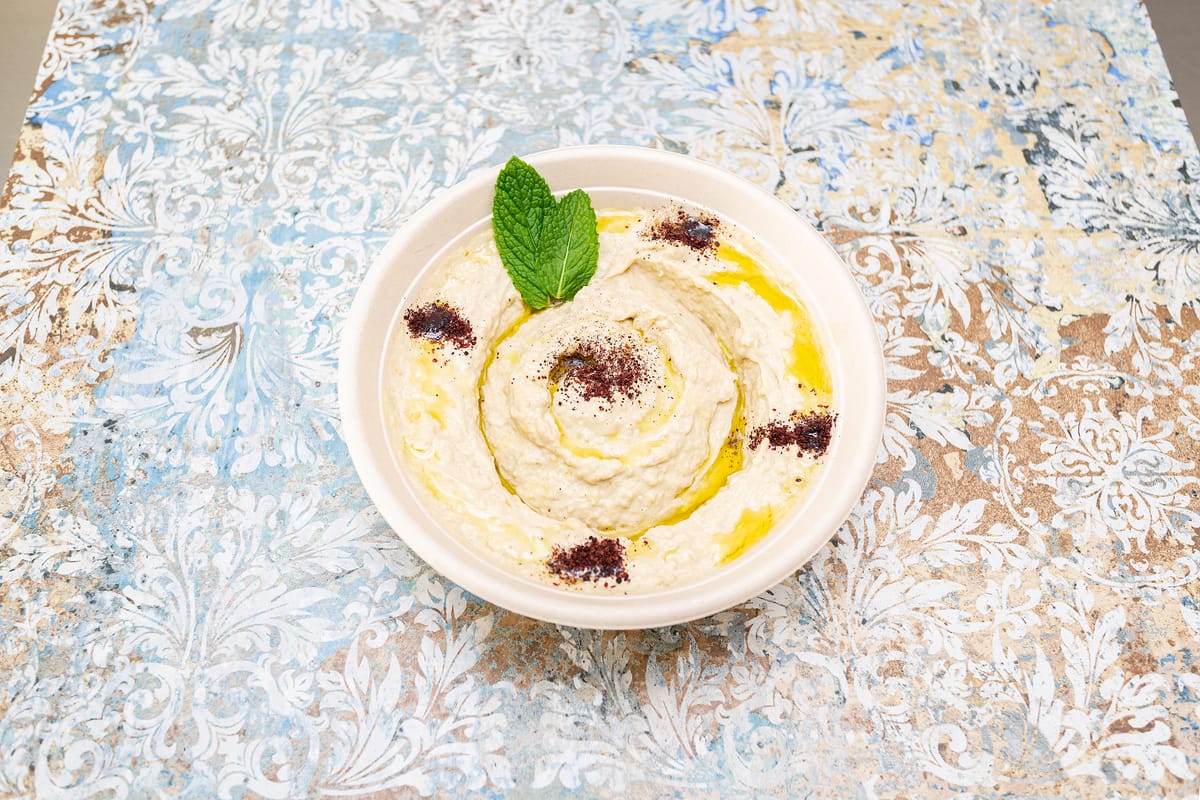
A Pantry Staple Across the Levant
From the salad bowl to the marinade to the dessert plate -- pomegranate molasses travels every station in a Levantine kitchen.
Pomegranate Molasses in Levantine Culinary Tradition
A fruit with ancient roots, a syrup with timeless relevance.
The Pomegranate in Ancient Culture
The pomegranate appears in ancient Levantine art, religious texts, and archaeological sites dating back more than four thousand years. It was cultivated in the fertile valleys of modern-day Lebanon, Syria, and Jordan long before recorded history, prized for its jewel-bright arils, its long shelf life, and its medicinal reputation. Ancient physicians documented its use as a digestive tonic and wound treatment. Its concentrated juice -- a natural by-product of pressing and reducing -- would have been among the earliest preserved ingredients in Levantine cooking.
How the Reduction Technique Developed
Reducing fruit juices to syrups is one of the oldest preservation techniques in the ancient world, predating refrigeration by millennia. In kitchens without ice, a thick fruit reduction was shelf-stable, traveled well, and could be diluted into sauces or drinks throughout a season when fresh fruit was unavailable. Pomegranate reduction would have started as a practical preservation tool and evolved into a culinary ingredient as cooks discovered its versatility. The technique spread through trade routes that connected the Levant to Persia, where pomegranate molasses (known as rob-e anar in Persian) became equally central.
Regional Variations
Levantine and Persian versions of pomegranate molasses differ in approach. Levantine cooks traditionally prefer a drier, more acidic reduction with little or no added sugar, letting the tartness of the pomegranate speak for itself. Persian preparations often incorporate more sugar, producing a sweeter, more balanced syrup used in dishes like fesenjan -- a walnut-pomegranate stew. Turkish cuisine uses nar ekşisi, a pomegranate sour, which is less thick and more tart than either Levantine or Persian versions. Each regional tradition reflects local pomegranate varieties and local flavor preferences.
Why Pomegranate Molasses Persisted
In an era when refrigeration, global supply chains, and industrial food production have made almost every ingredient available year-round, pomegranate molasses has not been replaced by easier alternatives. This persistence reveals something important: no other ingredient does what it does. Balsamic vinegar is sweet and acidic but lacks the specific fruit brightness. Tamarind is tart and savory but carries an earthiness that clashes in delicate applications. Lemon juice is bright but one-dimensional. Pomegranate molasses sits in a flavor space that no other pantry ingredient occupies: tart-sweet-fruity with complexity and color that enriches every dish it enters.
For Levantine cooks, it is also an ingredient with deep emotional resonance. The smell of pomegranate molasses simmering on the stove carries memory -- of grandmothers making fattoush, of winter meals where pomegranates piled in bowls on the table, of the specific brightness of a dish that your family made one way and always made that way. Flavor has memory, and pomegranate molasses carries more of it than almost any other Levantine ingredient.
Understanding the Sweet-Tart-Tangy Flavor of Pomegranate Molasses
Three words are not enough. Here is the full picture.
Describing pomegranate molasses to someone who has never tasted it is genuinely difficult. The flavor is complex enough that describing it as "sweet and sour" does about as much justice as describing a great wine as "wet." The tartness is the first thing you notice: a bright, forward acidity from the malic and citric acids in pomegranate juice, more assertive than balsamic but less sharp than lemon. It makes your mouth water before the sweetness arrives.
The sweetness follows -- not cloying, not aggressive, but present enough to round the acid edges and carry the fruit character. Unlike honey or agave, the sweetness is restrained and slightly mineral. The caramelization that occurs during reduction adds a faint toasty undertone that distinguishes cooked syrup from fresh juice.
At the finish, a slight bitterness emerges from the skin and membrane compounds that concentrate during reduction. This bitterness is desirable -- it is what makes the flavor complete rather than merely sweet-tart. It performs the same function as the tannins in wine or the roast notes in good coffee: it adds complexity, prevents the sweetness from feeling cheap, and makes the flavor linger longer on the palate. The smell is unmistakably pomegranate: rich, floral, slightly wine-like, and deep.
Tartness
85%
High acidity from malic and citric acids -- the dominant characteristic
Sweetness
55%
Moderate natural fruit sweetness, not cloying, slightly mineral
Complexity
90%
Layered flavor with fruity, toasty, and slightly bitter notes
Bitterness
25%
Mild finish bitterness from concentrated skin compounds -- adds depth
Intensity
80%
Concentrated, a little goes a long way -- measured in teaspoons
10 Ways to Use Pomegranate Molasses in the Kitchen
From salad bowls to meat glazes to after-dinner drizzles.
01
Fattoush Dressing
One to two teaspoons of pomegranate molasses whisked with olive oil, lemon juice, garlic, and sumac makes the authentic fattoush dressing that defines the salad. It provides the sweet-tart backbone that balances the sumac's tartness and the oil's richness. Without it, fattoush is a dressed salad. With it, the dish has an identity.
02
Muhammara Dip
Muhammara is a Levantine walnut-roasted pepper dip, and pomegranate molasses is what ties it together. The tartness cuts through the richness of the walnuts, the sweetness counterpoints the smoky pepper heat, and the color deepens the dip's ruby tones. Most muhammara recipes call for one to two tablespoons. The result is a dip that functions as a spread, a sauce, and a condiment in one.
03
Meat Marinades
Pomegranate molasses is an outstanding marinade base for lamb, chicken, and duck. The acids tenderize the protein while the sugars caramelize during cooking, building a dark, glossy crust. For chicken, combine with yogurt, garlic, and cumin. For lamb, use straight with olive oil and black pepper and marinate overnight. The caramelized result looks as good as it tastes.
04
Glazes for Roasted Meats and Vegetables
Brushed onto chicken thighs or lamb chops during the last five minutes of roasting, pomegranate molasses creates a shiny, sticky glaze that caramelizes without burning. The same technique works on roasted carrots, beets, and sweet potatoes. The result has restaurant-level visual appeal -- deep mahogany color with a lacquered finish that makes simple roasted dishes look composed.
05
Salad Dressings
Beyond fattoush, pomegranate molasses works in any vinaigrette where you want a fruit-forward tartness. Swap balsamic vinegar for pomegranate molasses in a ratio of one to one -- the result is sharper, brighter, and less sweet. It pairs particularly well with bitter greens like arugula and radicchio, where the fruit sweetness counterbalances the bitterness of the leaves.
06
Grain and Lentil Dishes
Stirred into cooked lentils, freekeh, or bulgur wheat, a spoonful of pomegranate molasses adds a bright counterpoint to the earthiness of the grain. It is especially effective in mujaddara and other lentil-rice combinations, where the molasses cuts through the starchiness and lifts the dish. Some Levantine cooks add it to kibbeh filling alongside toasted pine nuts for a sweet-savory balance.
07
Spreads and Dips
A thin drizzle over hummus replaces the conventional olive oil drizzle with something more assertive. The tartness cuts through the chickpea richness and creates a visual contrast -- dark ruby against pale beige -- that makes the dish more appealing. It also works drizzled over labneh with crushed walnuts and olive oil as a standalone appetizer. The combination of creamy, tart, and crunchy is one of the most compelling bites in Levantine cooking.
08
Soups and Stews
A tablespoon stirred into a lamb or vegetable stew just before serving adds an unexpected brightness that makes the dish taste more alive. This technique -- adding an acid at the end to wake up a slow-cooked dish -- is common in Levantine and Persian cooking. Pomegranate molasses does this work while also adding color and a sweet-fruity complexity that lemon juice alone cannot match.
09
Cocktails and Mocktails
Pomegranate molasses works as a bartender's syrup with built-in tartness, reducing the need for citrus. A teaspoon in a sparkling water with lime makes a pomegranate shrub-style mocktail. Mixed with whiskey, a dash of bitters, and soda, it makes a surprisingly complex cocktail. The thick consistency means it dissolves more slowly than simple syrup, so shake it well with ice before serving.
10
Desserts and Sweet Applications
Drizzled over labneh cheesecake, semolina cake, vanilla ice cream, or panna cotta, pomegranate molasses makes an instant, elegant dessert garnish. Paired with honey and crushed pistachios over thick yogurt, it creates a simple composed dessert in under a minute. The tartness prevents sweet desserts from becoming cloying, and the deep ruby color against white dairy is one of the most visually striking contrasts in the dessert repertoire.
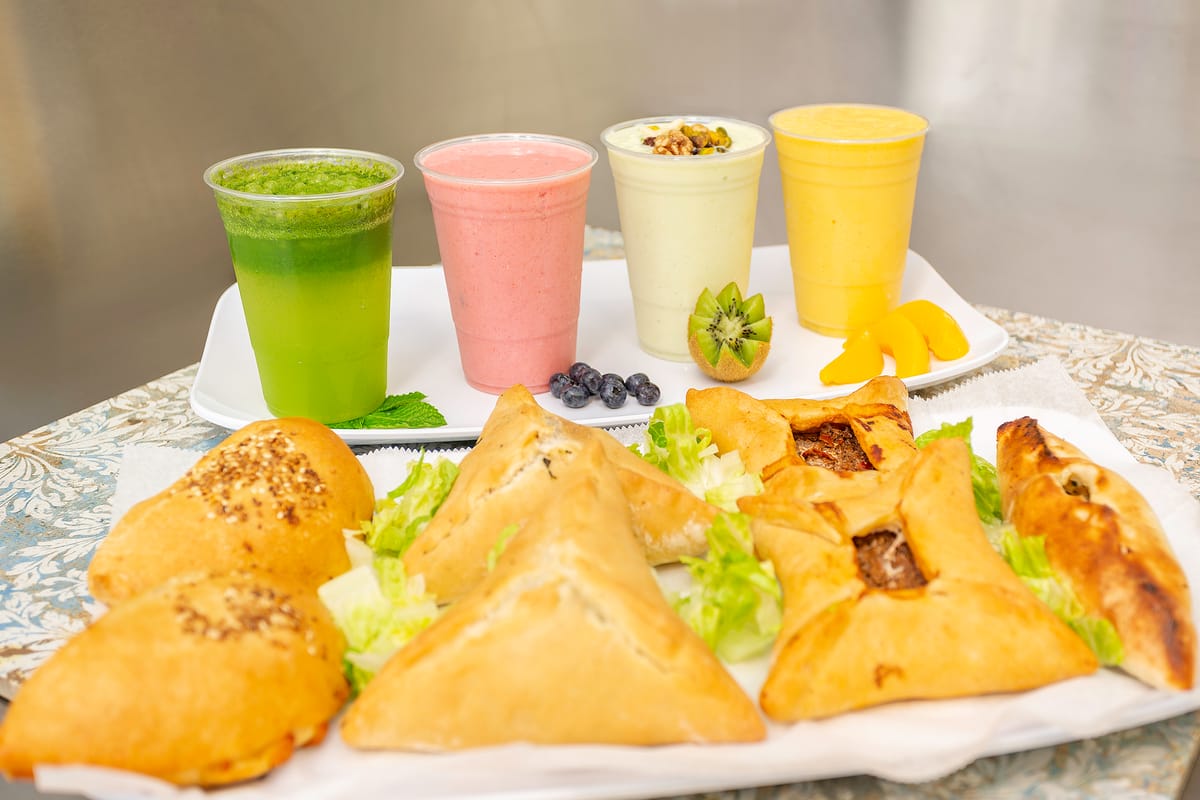
Flavor That Travels Every Station
From marinade to dressing to dessert -- pomegranate molasses earns its place on every shelf in a Levantine kitchen.
Pomegranate Molasses vs. Balsamic, Honey, and Tamarind
Each has a distinct flavor logic. Here is where pomegranate molasses stands apart.
| Characteristic | Pomegranate Molasses | Balsamic / Honey / Tamarind |
|---|---|---|
| Base Ingredient | Reduced pomegranate juice -- no additives in traditional form | Balsamic: cooked grape must; Honey: bee nectar; Tamarind: tamarind pod pulp |
| Flavor Profile | Tart-sweet-tangy with a fruit-forward brightness and slight bitterness | Balsamic: mellow sweet-acid; Honey: floral sweet; Tamarind: sour-savory-earthy |
| Sweetness Level | Moderate -- tartness keeps sweetness in check, never cloying | Balsamic: high; Honey: very high; Tamarind: low, savory-dominant |
| Acidity Level | High -- the defining tartness drives the character of every dish | Balsamic: moderate; Honey: low; Tamarind: high but earthier |
| Color | Deep ruby-red, almost black at full concentration | Balsamic: dark brown; Honey: amber; Tamarind: dark brown |
| Primary Cuisine | Levantine, Persian, and broader Eastern Mediterranean cooking | Balsamic: Italian; Honey: global; Tamarind: South Asian, Southeast Asian, Mexican |
| Common Uses | Fattoush dressing, muhammara, marinades, glazes, desserts, cocktails | Balsamic: salads, reductions; Honey: sweetener, glaze; Tamarind: chutneys, curries, pad thai |
| Substitutability | Closest sub is a mix of pomegranate juice reduced with lemon and sugar | None are true substitutes -- each has a distinct character |
When Pomegranate Molasses Cannot Be Substituted
In fattoush dressing and muhammara, pomegranate molasses is not a substitutable ingredient -- it is the ingredient that makes those dishes what they are. A fattoush dressed with balsamic is simply a Mediterranean salad. A fattoush with pomegranate molasses is fattoush. The specific bright-tart-fruity character of the syrup defines those dishes in ways that no other acid or sweetener reproduces. If you are cooking these dishes without pomegranate molasses, you are making something else entirely -- something that may be good, but is not the dish it claims to be.
Health Benefits of Pomegranate Molasses
The science behind the ancient tonic.
Polyphenols and Antioxidants
Pomegranates contain punicalagins and punicalins, polyphenol compounds unique to the fruit that demonstrate among the highest antioxidant activity of any food tested in multiple studies. Antioxidants neutralize free radicals -- unstable molecules that damage cell structures and contribute to aging and chronic disease. Because pomegranate molasses is a concentration of pomegranate juice, even a small serving delivers a meaningful antioxidant dose. Research published in the Journal of Agricultural and Food Chemistry found pomegranate juice to have antioxidant capacity three times higher than red wine and significantly higher than green tea.
Anti-Inflammatory Properties
Ellagic acid, found in pomegranate and concentrated in its juice, is a polyphenol studied for its anti-inflammatory effects. Chronic inflammation underlies many modern diseases including cardiovascular disease, type 2 diabetes, and certain cancers. Ellagic acid has been shown in laboratory studies to inhibit pro-inflammatory enzymes and reduce inflammatory markers. Pomegranate consumption has been linked in clinical studies to reduced blood pressure, lower LDL oxidation, and improved cholesterol profiles -- all markers that reflect reduced cardiovascular inflammation.
Vitamins and Minerals
Pomegranate juice contains meaningful levels of vitamin C (a water-soluble antioxidant), vitamin K (important for blood clotting and bone health), folate (essential for cell division), and potassium (critical for blood pressure regulation and muscle function). During concentration into molasses, some heat-sensitive vitamin C degrades, but the mineral content concentrates alongside the sugars and acids. A tablespoon of pomegranate molasses in a salad dressing provides a practical contribution to daily micronutrient intake from a condiment that also improves the flavor of everything it touches.
Digestive Acids and Gut Health
The malic acid and citric acid concentrated in pomegranate molasses serve digestive functions beyond flavor. Malic acid has been studied for its role in improving iron absorption from plant-based foods -- a relevant benefit in Levantine cuisine where many traditional dishes are plant-forward. Citric acid supports the digestive process and has been linked to reduced kidney stone formation. Pomegranate compounds have also been studied for their prebiotic effects, supporting the growth of beneficial gut bacteria. Traditional Levantine medicine prescribed pomegranate as a digestive aid long before these mechanisms were understood.
A Practical Note on Quantity
Pomegranate molasses is used in small quantities -- typically one to two tablespoons in a recipe that serves four to six. This means the health benefits come in small doses per serving, which is how most functional food research works: consistent small doses over time, not single large servings. The more meaningful point is that choosing pomegranate molasses as a cooking ingredient -- rather than sugar, corn syrup, or synthetic food acids -- means your food delivers some nutritional benefit alongside its flavor work, which is the most Levantine possible way to think about eating well.
How Taza Uses Levantine Flavor Traditions
Authentic techniques, Falls Church VA -- 5820 Seminary Rd Ste O, Falls Church, VA 22041
The flavor traditions that make pomegranate molasses essential -- sweet-tart balancing, acid-fat pairing, layered dressing techniques -- are the same traditions that define everything on the Taza menu. Our kitchen approaches shawarma, falafel, and our sides with the same Levantine flavor logic that made pomegranate molasses a regional staple: bold but balanced, deeply savory but brightened by acidity and herbal freshness.
The fattoush that accompanies many of our bowls features a dressing that draws directly from these traditions -- bright, tart, and complex in a way that makes even simple greens feel like a composed dish. Our hummus, starting at $4.95, is served with a drizzle and dusting that creates the same sweet-tart-fatty balance you find in classic Levantine meze. Our baba ghanouj at $4.95 carries the smoky depth that opens naturally to a pomegranate molasses finish.
For customers who want to experience these flavors more directly, our bowls are the most complete expression of the Levantine table: protein, grain, fresh vegetables, and sauces assembled in the same flavor-balancing logic that has organized Levantine meals for generations.
Chicken Shawarma Bowl
from $12.45
Levantine-spiced chicken with grain base, fresh vegetables, and house sauces
Beef Shawarma Bowl
from $12.45
Marinated beef slow-roasted on the spit, served over rice with tahini and fresh toppings
Falafel Bowl
from $10.45
Herb-green falafel over rice with hummus, fresh salad, and tahini dressing
Falafel Pita
from $8.95
Crispy falafel in fresh-baked pita with tahini, vegetables, and pickles
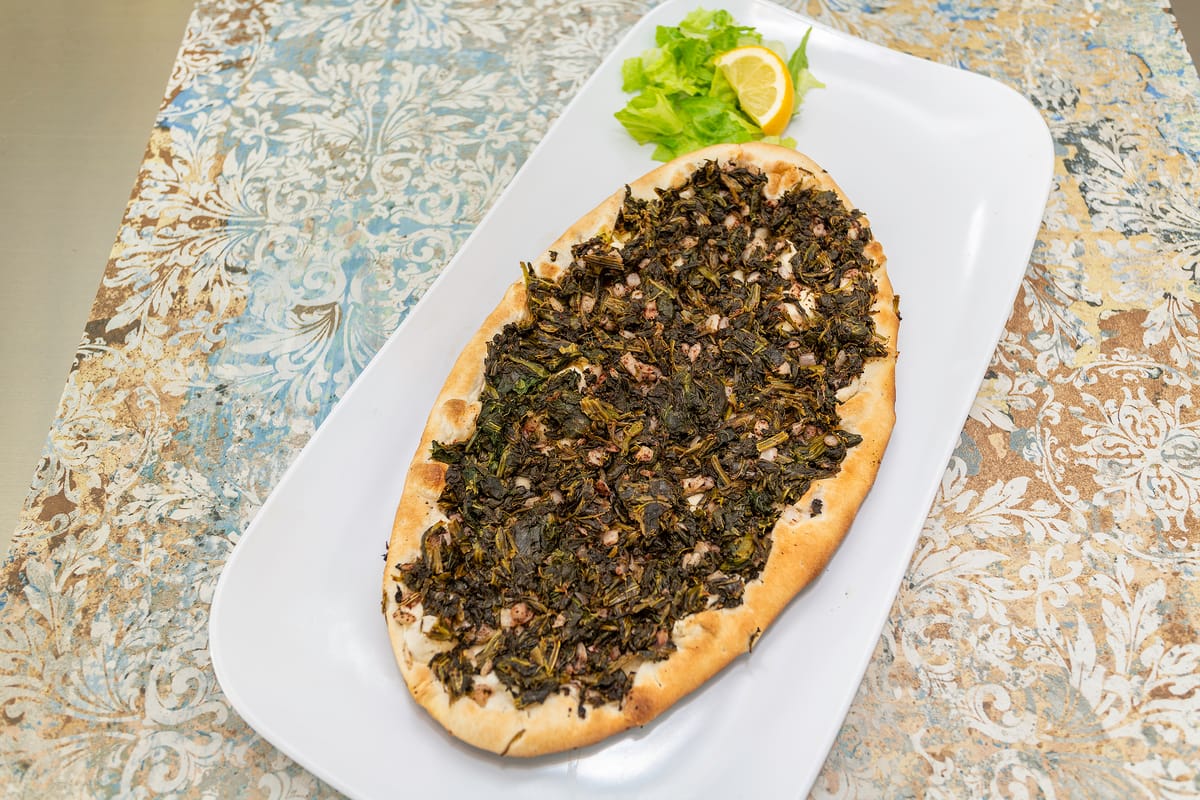
Order Fresh-Made Levantine Food
Pickup and delivery from 5820 Seminary Rd Ste O -- open 11:00 AM - 12:00 AM
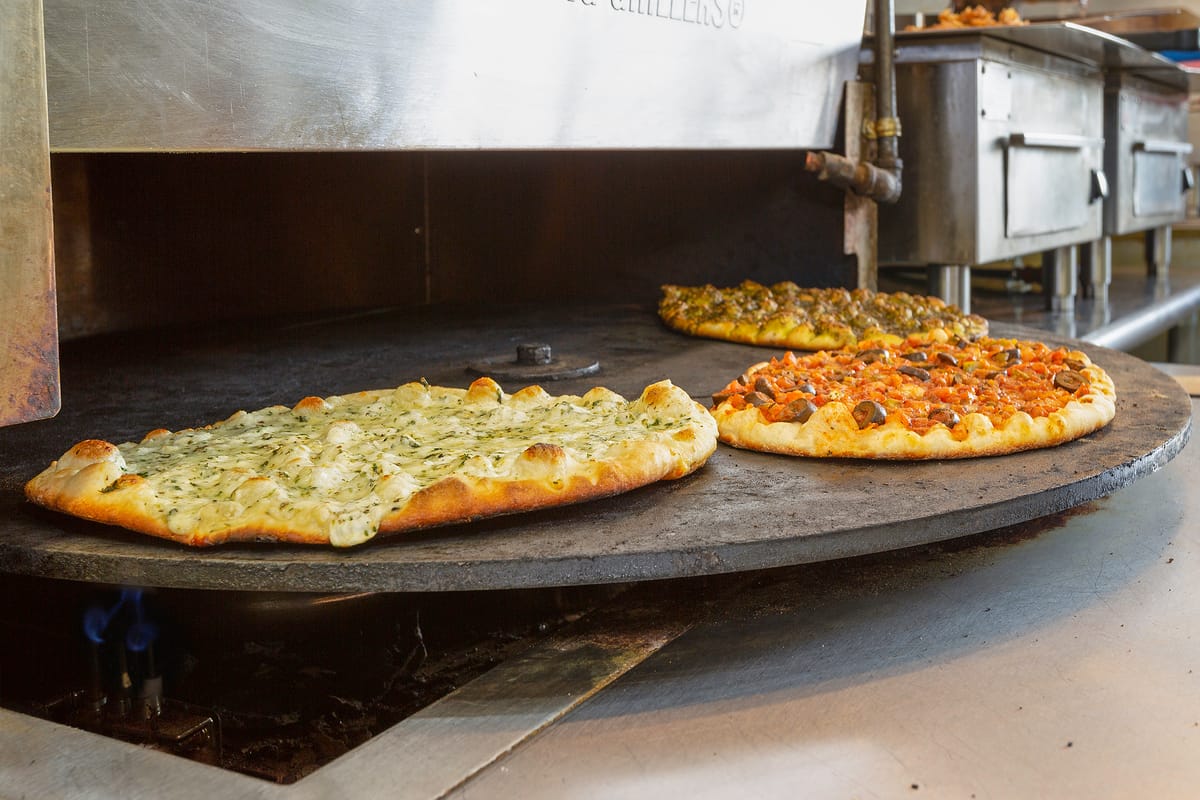
The Levantine Pantry Starts Here
Pomegranate molasses, tahini, olive oil, sumac -- the building blocks of a cuisine that has fed the region for millennia.
Pomegranate Molasses: Frequently Asked Questions
Pomegranate molasses is a thick, dark syrup made by reducing pomegranate juice -- and sometimes adding a small amount of lemon juice and sugar -- until it becomes concentrated, glossy, and intensely flavored. Despite the name, it contains no molasses from cane or beet sugar. The word 'molasses' refers to its thick, syrup-like consistency, which resembles true molasses in texture and color. The flavor is distinctly sweet-tart-tangy: brighter and more fruit-forward than balsamic vinegar, more acidic than honey, and unmistakably pomegranate in aroma. It is a foundational ingredient in Levantine kitchens, used for everything from salad dressings and marinades to pastry glazes and cocktail syrups.
Traditional pomegranate molasses starts with fresh pomegranate juice, extracted by pressing or juicing the arils. The juice is poured into a wide, heavy-bottomed saucepan and simmered over medium heat, stirring occasionally, for one to two hours until it reduces to roughly one-quarter of its original volume. As the water evaporates, the natural sugars in the pomegranate concentrate and the liquid thickens. Some recipes add a small amount of lemon juice to brighten the tartness and a tablespoon or two of sugar to balance the flavor, though purists prefer the unsweetened version. The finished molasses should coat the back of a spoon and drop in slow ribbons. Commercial versions are widely available and follow the same basic process, though some add thickeners or preservatives.
The flavor of pomegranate molasses is one of the most distinctive in Levantine cooking: intensely tart, moderately sweet, and tangy with a slight fruitiness and a barely-there bitterness that emerges at the finish. The tartness comes from malic acid and citric acid naturally present in pomegranate juice -- the same acids that make tart cherries and cranberries pucker-inducing. During reduction, those acids concentrate while the natural sugars caramelize slightly, creating a more complex, rounder flavor than fresh pomegranate juice. The smell is unmistakably pomegranate: rich, floral, and faintly wine-like. On the palate it lingers longer than most condiments, making it useful in small quantities where a little goes a long way.
Pomegranate molasses shines in savory and sweet applications alike. In Levantine cooking, it is essential in fattoush dressing, where a teaspoon or two adds the signature tangy-sweet note that distinguishes the salad from other dressed greens. It is a key ingredient in muhammara, the Levantine walnut-pepper dip, where it provides the sweet-tart counterpoint to the roasted pepper heat. As a marinade base for lamb, chicken, or duck, it tenderizes through its acid content while building a caramelized glaze during roasting. Stirred into salad dressings with olive oil and garlic, it replaces balsamic with a more complex flavor. It works in cocktails as a syrup with tartness built in, reducing the need for citrus. Drizzled over labneh, vanilla ice cream, or semolina cake, it makes an instant elegant dessert garnish.
Pomegranate molasses and grenadine share pomegranate as a base ingredient, but they are not the same product and are not interchangeable. Grenadine as traditionally made was a pomegranate syrup -- sweet, thin, and intended for cocktail use. Modern commercial grenadine is usually made from corn syrup, red dye, and artificial flavoring with no actual pomegranate. Pomegranate molasses is made from concentrated pomegranate juice with minimal processing, producing a thick, tart, complex syrup that is far less sweet and far more acidic than grenadine. If a recipe calls for pomegranate molasses and you substitute grenadine, the dish will be cloyingly sweet and lose the tart brightness that defines the ingredient's contribution. Real pomegranate syrup (not the artificial bar version) is the closest grocery store substitute.
Pomegranate molasses concentrates the nutritional profile of pomegranate juice. Pomegranates are among the most antioxidant-rich fruits, containing punicalagins and punicalins -- polyphenols unique to pomegranate that have a high antioxidant capacity. Research has linked pomegranate consumption to reduced oxidative stress, lower LDL cholesterol oxidation, and improved blood pressure markers. The juice also contains ellagic acid, a compound studied for its anti-inflammatory and potential anti-carcinogenic properties. Vitamin C, potassium, folate, and vitamin K are present in meaningful amounts. Because pomegranate molasses is used in small quantities and is concentrated, even a tablespoon in a dressing delivers some of these compounds. It also contains natural malic and citric acids, which support digestion. Traditional Levantine medicine has long used pomegranate as a tonic ingredient.
Making pomegranate molasses at home is straightforward and produces a better result than many commercial versions. Start with four cups of pomegranate juice -- fresh-squeezed or 100% bottled. Pour it into a wide saucepan over medium heat with one tablespoon of lemon juice and two tablespoons of sugar if you prefer a slightly sweeter result, or omit the sugar entirely. Simmer without boiling at full boil, stirring occasionally, for 60 to 90 minutes. The liquid should reduce to about one cup. Test the consistency: it should coat the back of a spoon and fall in slow drops. It thickens further as it cools, so pull it from the heat slightly before it reaches the thickness you want. Store in a glass jar in the refrigerator for up to six months. Home-made versions often have a brighter, fresher flavor than shelf-stable commercial products.
Taza Shawarma & Falafel at 5820 Seminary Rd Ste O, Falls Church, VA 22041 uses traditional Levantine flavor-building techniques in our cooking. Our kitchen draws on the same culinary traditions that made pomegranate molasses a pantry staple across the region. Our fattoush salad, available as a side or part of bowls, features the tart-bright dressing that pomegranate molasses defines. Our bowls start at from $12.45 for chicken shawarma bowl and from $10.45 for falafel bowl. We are open 11:00 AM - 12:00 AM, Open 7 Days a Week. Call (703) 340-1014 or order online for pickup.
Find Taza Shawarma & Falafel
Fresh Levantine food in Falls Church, VA -- no reservation required.
Address
5820 Seminary Rd Ste O, Falls Church, VA 22041
Hours
11:00 AM - 12:00 AM -- Open 7 Days a Week
Phone
Taste the Levantine Table at Taza
Experience the same flavor traditions that made pomegranate molasses essential. Fresh-made shawarma, falafel, and bowls at 5820 Seminary Rd Ste O. Open 11:00 AM - 12:00 AM.