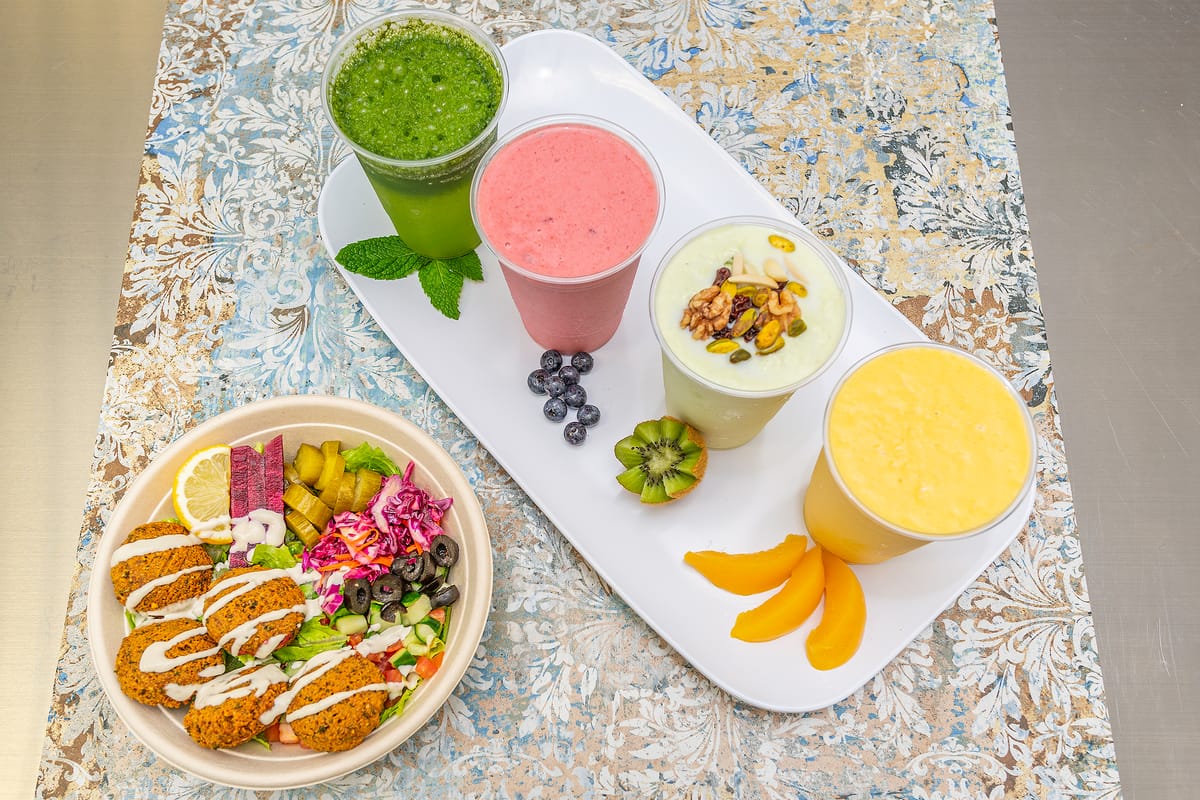
The Essential Guide to Mediterranean Olive Oil
From extra virgin grades and PREDIMED-backed health benefits to smoke points, tasting notes, and why every dish at Taza starts with quality olive oil.
4.8 stars on Yelp (92 reviews) -- Open 11:00 AM - 12:00 AM
Why Olive Oil Defines Mediterranean Cooking
No single ingredient has shaped Mediterranean and Levantine food culture more than olive oil. It's not a condiment — it's a building block.
Walk into any kitchen across the Mediterranean — from the Greek islands to the Levantine coast to the Maghreb — and you'll find olive oil at the center of everything. It is the fat used for frying falafel in some traditions, the base for dressings, the finish on a bowl of hummus, the ingredient that transforms dried zaatar into a paste worth spreading on warm flatbread.
Olive trees were cultivated in the Eastern Mediterranean as early as 6000 BCE. Ancient Egyptians, Greeks, and Levantine communities used olive oil for cooking, medicine, lighting, and religious ritual. The tree became a symbol of peace, abundance, and longevity — and modern nutritional science has validated much of what ancient cultures knew intuitively: this oil is exceptional for human health.
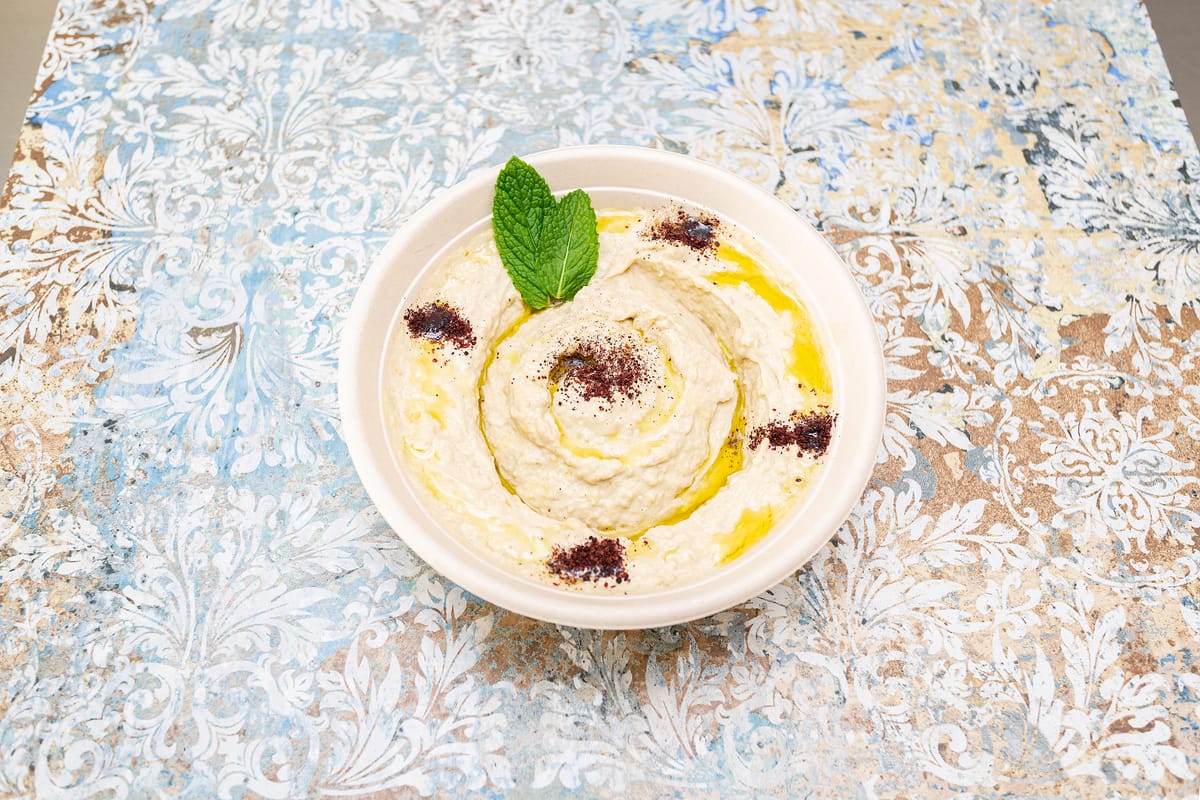
At Taza, olive oil is not optional. Our hummus gets a generous drizzle before serving. Our zaatar manaeesh — the Lebanese flatbread that is possibly the region's greatest breakfast — is defined by the ratio of zaatar herb mix to olive oil. Our dressings, marinades, and dips all rely on it. This guide covers everything you need to know about olive oil grades, benefits, and how to use them.
Ancient Origins
Olive cultivation dates back over 8,000 years across Mediterranean and Levantine civilizations.
Culinary Foundation
Used in dips, dressings, marinades, flatbreads, and as a finishing oil across every meal.
Flavor Synergy
Olive oil carries fat-soluble aromatics — garlic, herbs, sumac — deep into every dish.
Zaatar Tradition
The zaatar-plus-olive-oil combination is one of the Levant's oldest and most beloved flavor pairings.
Olive Oil Grades Explained
Not all olive oil is created equal. Understanding the five main grades helps you choose the right oil for each purpose.
Extra Virgin Olive Oil (EVOO)
Free acidity below 0.8%The highest grade. Produced by cold mechanical pressing with no heat above 80.6°F and no chemical solvents. Must pass both chemical tests (acidity, peroxide value) and a sensory panel tasting. EVOO retains the full spectrum of polyphenols, antioxidants, and flavor compounds. The peppery, bitter finish is a sign of quality, not a flaw.
Best for: Dressings, dips, finishing oil, low-to-medium heat cooking, zaatar paste, hummus topping
Virgin Olive Oil
Free acidity below 2%Also cold-pressed, but with slightly more defects than EVOO. Still unrefined and retains meaningful amounts of polyphenols. Less common in American supermarkets but widely used in producing countries where it's seen as an everyday cooking oil. Good flavor, less pronounced bitterness than premium EVOO.
Best for: General cooking, sautéing, marinades
Refined Olive Oil
Below 0.3% after refiningProduced from olives that were too defective or rancid for virgin grades. Refined using heat and solvents, which removes defects but also strips flavor and polyphenols. Blended with a small amount of virgin oil to restore some flavor. High smoke point (~465°F). Labeled 'pure olive oil' or simply 'olive oil' in stores.
Best for: High-heat frying, deep frying, baking where olive flavor is not desired
Pomace Olive Oil
VariableExtracted from the solid olive paste (pomace) remaining after pressing, using chemical solvents like hexane. Refining removes most flavor compounds. Very high smoke point, very low cost. Common in commercial foodservice for deep frying. Nutritionally inferior but still technically an olive-derived oil.
Best for: Commercial deep frying only
Light/Extra Light Olive Oil
Very low post-refining'Light' refers to color and flavor, not calories — all olive oils have roughly the same caloric density (~120 calories per tablespoon). This is heavily refined olive oil blended for a neutral taste. Has none of the distinctive olive flavor or health-promoting polyphenols of EVOO. The highest smoke point of all grades (~465°F).
Best for: Baking, high-heat cooking where a neutral oil is preferred
Olive Oil — The Mediterranean's Most Studied Ingredient
Over a decade of research, including the landmark PREDIMED trial, confirms what Mediterranean cooks have practiced for millennia.
What the Science Says About Olive Oil
Few foods have been studied as thoroughly as extra virgin olive oil. The findings are compelling.
Heart Health: Oleic Acid
Olive oil is approximately 73% oleic acid, a monounsaturated omega-9 fatty acid. Oleic acid has been shown to reduce LDL (low-density lipoprotein) oxidation, lower inflammatory markers, and improve HDL cholesterol ratios. Regular consumption is associated with reduced risk of coronary artery disease in multiple large-scale observational studies.
PREDIMED Trial — 30% Risk Reduction
The PREDIMED study (Prevención con Dieta Mediterránea), involving over 7,000 high-risk participants in Spain, found that a Mediterranean diet supplemented with extra virgin olive oil reduced major cardiovascular events by approximately 30% compared to a low-fat control diet. Participants consumed at least 4 tablespoons of EVOO per day. The trial is one of the most significant cardiovascular nutrition studies conducted.
Polyphenols and Anti-Inflammatory Action
High-quality EVOO contains 150 to 500 mg/kg of polyphenols, including oleocanthal, oleuropein, and hydroxytyrosol. Oleocanthal in particular has been found to inhibit COX-1 and COX-2 enzymes — the same enzymes targeted by ibuprofen — producing a natural anti-inflammatory effect. Hydroxytyrosol is one of the most potent antioxidants found in any food.
Antioxidants and Cell Protection
EVOO provides vitamin E (tocopherols), squalene, beta-carotene, and the phenolic compounds listed above. These antioxidants neutralize free radicals that damage cell membranes and DNA. Regular EVOO consumption has been associated with reduced oxidative stress markers in clinical studies.
Additional Health Associations
- Cognitive function — oleocanthal may help clear amyloid plaques associated with Alzheimer's disease (animal and in vitro studies)
- Blood sugar regulation — oleic acid improves insulin sensitivity and slows glucose absorption
- Cancer research — polyphenols show anti-proliferative effects on several cancer cell lines in laboratory settings
- Gut microbiome — polyphenols act as prebiotics, supporting beneficial gut bacteria populations
- Bone density — Mediterranean diet with EVOO is associated with higher bone mineral density in older adults
- Skin health — topical and dietary use linked to reduced UV damage and improved skin hydration
Note: Many associations are from observational studies or preliminary research. Olive oil is one component of an overall dietary pattern, not a standalone treatment.
"Our results showed that supplementation with extra virgin olive oil was associated with a 30% reduction in major cardiovascular events. The mechanism appears to involve both the oleic acid content and the unique phenolic compounds specific to olive oil."
— PREDIMED Study Investigators, New England Journal of Medicine, 2013
Cooking with Olive Oil
Smoke points, heat stability, and which grade to reach for — practical guidance for everyday cooking.
Under 300°F
Low Heat / No Heat
- Salad dressings
- Dipping oil
- Drizzling on hummus
- Zaatar paste
- Cold marinades
Oil choice: Premium EVOO — you want all the flavor and polyphenols
300–375°F
Medium Heat
- Sautéing vegetables
- Eggs
- Light pan frying
- Warming pita
- Gentle simmering
Oil choice: EVOO or virgin olive oil — well within safe smoke point range
375–465°F
High Heat
- Stir frying
- Searing meat
- Roasting at 400°F+
- Deep frying (occasional)
Oil choice: Light/refined olive oil or avocado oil — use EVOO only if comfortable with the smoke
Clearing Up the Myths
Myth: You should never cook with EVOO
EVOO's polyphenols actually protect the oil from oxidation during heating. Studies show EVOO produces fewer harmful aldehydes than many refined oils when heated to typical cooking temperatures.
Myth: Light olive oil has fewer calories
'Light' means lighter in flavor and color, not calories. All olive oil grades contain approximately 120 calories per tablespoon — the same as any other fat.
Myth: Green olive oil is always better quality
Color reflects the olive variety and harvest timing, not quality. Ripe olives produce golden oil; early-harvest olives produce greener oil. Quality is determined by acidity, polyphenols, and freshness — not color.
Myth: Italian olive oil means Italian olives
Many bottles labeled with Italian branding contain olives grown elsewhere — Spain, Tunisia, Greece — then processed in Italy. Look for PDO (Protected Designation of Origin) certification and a harvest date for genuine provenance.
Olive Oil vs Other Cooking Oils
How extra virgin olive oil compares to canola, coconut, avocado oil, and butter across nine key measures.
| Metric | Olive Oil (EVOO) | Other Oils / Fats |
|---|---|---|
| Smoke Point | EVOO ~375°F / Light ~465°F | Canola ~400°F / Coconut ~350°F / Avocado ~520°F / Butter ~300°F |
| Primary Fat Type | Monounsaturated (oleic acid, 73%) | Canola: mono 62% / Coconut: saturated 86% / Avocado: mono 70% / Butter: saturated 63% |
| Polyphenol Content | Very high (EVOO 150–500 mg/kg) | Canola: trace / Coconut: minimal / Avocado: low / Butter: none |
| Omega-3 Fatty Acids | Present (~0.76g per tbsp) | Canola: highest (1.3g) / Coconut: negligible / Avocado: trace / Butter: trace |
| Flavor Profile | Fruity, peppery, grassy, bitter finish | Canola: neutral / Coconut: sweet/tropical / Avocado: buttery mild / Butter: rich dairy |
| Heart Health Research | Extensive (PREDIMED, Lyon Diet Heart) | Canola: moderate evidence / Coconut: mixed/controversial / Avocado: emerging / Butter: negative evidence |
| Vitamin E Content | High (1.9 mg per tbsp) | Canola: moderate / Coconut: low / Avocado: high (1.9 mg) / Butter: low |
| Best Used For | Dressings, dips, sautéing, finishing | Canola: high-heat frying / Coconut: baking / Avocado: high-heat / Butter: baking/pan sauces |
| Price per 500ml | EVOO $8–20+ (quality-dependent) | Canola: $3–5 / Coconut: $8–12 / Avocado: $10–18 / Butter (equiv.): $5–8 |
Values are approximate and vary by brand, variety, and processing method.
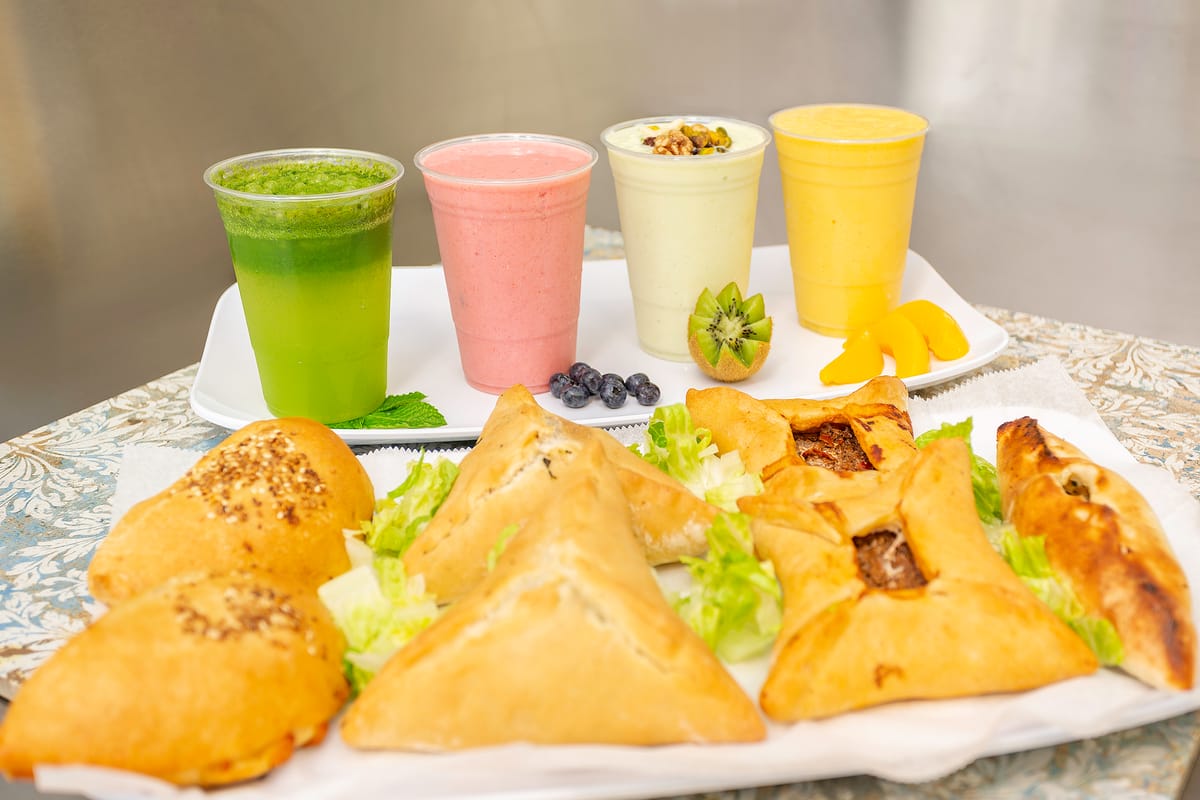
Every Dish at Taza Starts with Quality Olive Oil
From the hummus drizzle to the zaatar paste on our manaeesh, olive oil is woven into every item on our menu.
Olive Oil in Every Dish We Make
At Taza Shawarma & Falafel in Falls Church, olive oil isn't finishing — it's fundamental. Here's where you'll find it.
Hummus
$4.95
Served with a generous pour of olive oil, a sprinkle of paprika, and fresh herbs. The oil creates a pool that pools perfectly for tearing pita into.
Zaatar Manaeesh
$6.95
The zaatar paste is made by mixing dried thyme, sesame seeds, sumac, and generous amounts of olive oil. The ratio determines the flavor — and we don't skimp.
Falafel Bowl
from $10.45
The bowl dressing combines olive oil, lemon juice, garlic, and herbs. It ties the grain base, crispy falafel, and fresh vegetables into a cohesive plate.
Labneh
$4.95
Strained yogurt finished with a pool of olive oil and dried mint. The oil softens the tanginess and adds body to what would otherwise be a one-note dip.
Veggie Pie
$2.95
The veggie pie filling — tomatoes, olives, peppers, onion — is bound with olive oil before folding and baking, keeping the interior moist and flavorful.
Chicken Shawarma Bowl
from $12.45
The chicken shawarma marinade includes olive oil to carry the spices — cumin, coriander, turmeric, paprika — into the meat during the marinating process.
How to Evaluate Olive Oil Quality
Professional tasters assess olive oil on three dimensions. Learning these will help you distinguish great oil from mediocre.
Fruity
A positive attribute in all olive oils. Can range from fresh-cut grass and green tomato in early-harvest oils to ripe banana and almond in late-harvest varieties. Fruitiness indicates the oil was made from healthy olives processed quickly after harvest.
- Green fruitiness: artichoke, fresh herbs, cut grass
- Ripe fruitiness: almond, banana, apple
- Both indicate freshness and quality pressing
Peppery (Pungent)
The peppery burn at the back of the throat is oleocanthal — a polyphenol with genuine anti-inflammatory properties. Professional tasters rate pungency on a scale. A strong peppery finish means high polyphenol content. It's a feature, not a defect.
- Mild: slight warmth at back of throat
- Medium: noticeable peppery finish
- Intense: cough-inducing (very high phenolics)
Bitter
Bitterness comes primarily from oleuropein and related phenols. Like peppery, bitterness is a positive attribute in professional evaluation — it signals freshness, early harvest, and high antioxidant content. An oil with no bitterness is old or highly refined.
- Mild: pleasant, quick fade
- Medium: clean bitter on mid-palate
- Intense: raw, fresh-pressed early harvest
Defects to Watch For
Rancid
Wax, crayon, or stale peanut smell. Caused by oxidation. Most common in old or poorly stored oil.
Musty / Muddy
Fermented, earthy, or damp smell. Caused by olives stored too long before pressing.
Winey / Vinegary
Fermentation defect from olives that began fermenting before pressing. Sharp, acetone-like.
How to Store Olive Oil and Extend Its Life
The four enemies of olive oil are light, heat, oxygen, and time. Protect against all four.
Use Dark Bottles or Tins
UV light degrades polyphenols and accelerates rancidity. Dark glass (green or amber) or tin cans are the best packaging choices. Clear glass bottles, however attractive, expose the oil to light every time they're placed near a window or under kitchen lights.
Store Away from Heat
The stove, oven, and dishwasher are all heat sources. A pantry, cupboard, or countertop away from the cooking zone is ideal. Room temperature storage between 60–75°F is optimal. Refrigeration is fine and extends shelf life, though the oil may solidify — this is harmless and it re-liquifies quickly.
Keep It Sealed
Oxidation begins the moment oil contacts air. Pour off what you need and reseal immediately. Avoid wide-mouthed jars. Pouring spouts that allow controlled dispensing with minimal air exposure are a good investment for oils you use frequently.
Check the Harvest Date
Best-before dates can be misleading. A harvest date tells you when the olives were pressed. For EVOO, freshness counts — aim to consume within 18 months of harvest. An oil with a harvest date over two years ago has lost most of its polyphenols regardless of how it was stored.
Shelf Life by Grade
Premium EVOO (unopened)
12–24 months from harvest
Degrades meaningfully after 12–18 months
EVOO (opened)
3–6 months for peak flavor
Still safe after 6 months, but flavor fades
Virgin olive oil
12–18 months from pressing
Lower polyphenols degrade faster
Refined / pure olive oil
18–24 months
More stable due to processing
Pomace / light olive oil
Up to 24 months
No polyphenols to degrade — shelf stable
How to Tell If It's Gone Rancid
Smell it straight from the bottle. Fresh EVOO smells vibrant — grassy, fruity, or nutty depending on the variety. Rancid oil smells flat, waxy, like old crayons, or like the inside of a cardboard box. There will be no peppery or bitter finish on the tongue.
Consuming rancid oil is not acutely dangerous, but it provides zero nutritional benefit from polyphenols — those compounds have degraded. The fat itself may contribute to oxidative stress rather than reducing it. When in doubt, replace it.
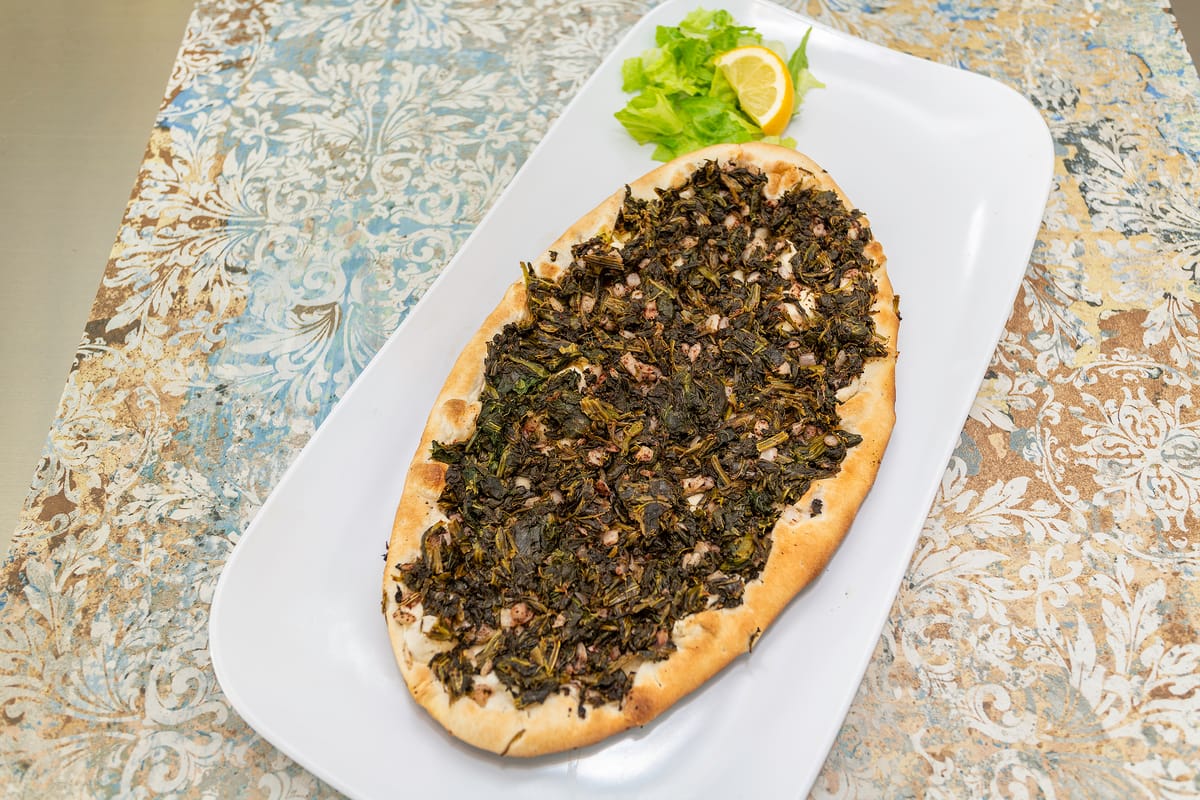
Zaatar + Olive Oil: The Levant's Most Ancient Pairing
A tradition passed down across generations — wild thyme, sesame, sumac, and olive oil on warm flatbread.
Olive Oil in Levantine and Mediterranean Cooking
The cultural weight of olive oil across the Mediterranean goes far beyond nutrition — it's woven into ritual, memory, and identity.
In Levantine households, a jug of quality olive oil is not an ingredient — it's a household staple as fundamental as bread. The smell of olive oil warming in a pan is the smell of morning across Lebanon, Syria, Jordan, and neighboring regions. Breakfast often means warm bread with a plate of olive oil, zaatar, and perhaps a few olives — nothing more needed.
The zaatar and olive oil combination has a special place in this tradition. Zaatar — a dried herb blend typically built around wild thyme (Thymbra spicata or Origanum syriacum), ground sumac, and sesame seeds — is mixed with olive oil to form a thick, fragrant paste. Spread on manaeesh flatbread and baked, it becomes one of the most distinctive breakfast dishes in the Levantine kitchen. The ratio of zaatar to olive oil is a source of genuine household debate.
Hummus — chickpeas blended with tahini, lemon, and garlic — is rarely served without olive oil on top. The finishing drizzle creates a silken, slightly separated layer on the smooth surface of the dip. It's visual, textural, and flavorful all at once. The quality of the olive oil used here matters more than anywhere else on the table, because it's uncooked and undiluted.
Levantine salads — fattoush, tabbouleh, cucumber-and-tomato — are dressed simply with olive oil, lemon juice, and salt. No emulsified dressing, no thickener. The sharpness of the lemon and the richness of olive oil in an equal pour is the entire sauce. It works because the oil is flavorful enough to carry the dish without help.
Classic Levantine Uses
Zaatar Manaeesh
Olive oil forms the base of the zaatar paste — equal parts wild thyme mix and oil — spread directly on the dough before baking.
Hummus Bi Tahini
Finishing drizzle over the entire surface. Quality EVOO used here elevates the entire presentation and adds grassy, fruity depth.
Fattoush / Tabbouleh
Olive oil and fresh lemon juice in roughly equal quantities form the complete dressing. No other fat or emulsifier used.
Labneh
Strained yogurt served with a generous pour of olive oil and dried mint or za'atar. The oil softens the acidity and adds richness.
Zaatar Manaeesh at Taza
The quintessential Lebanese breakfast—large Mediterranean flat bread brushed with dry thyme (zaatar), sesame, and olive oil. Simple, aromatic, and utterly addictive. A must-try for first-timers.
$6.95 — available daily
Olive Oil Questions Answered
Extra virgin olive oil (EVOO) is cold-pressed from fresh olives without heat or chemicals, preserving maximum flavor and polyphenols. It must have a free acidity below 0.8% and meet strict sensory standards. Regular or pure olive oil is refined — processed to remove defects — then blended with a small amount of virgin oil for flavor. It has a higher smoke point but far fewer health-promoting compounds.
Yes, cooking with EVOO is safe and still beneficial. Research shows that EVOO is actually more heat-stable than once believed because its polyphenols and natural antioxidants protect the oil from oxidizing. The smoke point of quality EVOO is around 375–405°F — high enough for most sautéing, roasting, and pan frying. The benefits don't disappear when heated; some polyphenols transfer into the food itself.
'Cold-pressed' means the olives were mechanically pressed without added heat, keeping the temperature below 80.6°F (27°C). This preserves more flavor compounds and polyphenols compared to heat extraction. In practice, most quality EVOO today is produced via centrifuge at controlled temperatures. 'First press' is now largely a marketing term since modern mills only press once — all EVOO is technically from a single pressing.
Rancid olive oil smells like crayons, wax, or old peanuts — a flat, musty, or 'cardboard' odor. Fresh EVOO should smell grassy, fruity, and vibrant, with a slightly peppery or bitter note. Taste-wise, rancidity produces a flat, stale flavor with no peppery finish. If your olive oil tastes dull or smells off, it's past its best. Consuming rancid oils isn't dangerous but eliminates the health benefits.
Extra virgin olive oil with a recent harvest date is the healthiest choice. Look for a labeled harvest date within the last 12–18 months, a dark glass bottle or tin (light degrades the oil), and a protected designation of origin (PDO) or certification seal. Single-origin EVOO from recognized regions such as Greece, southern Spain, southern Italy, or Tunisia tends to offer the highest polyphenol levels.
Store olive oil in a cool, dark place away from heat sources and direct sunlight. A cupboard away from the stove is ideal. Dark glass or tin is better than clear glass. Refrigerating olive oil is fine — it may solidify but will liquefy again at room temperature. Once opened, use within 3–6 months for best flavor. An unopened bottle kept properly can last 18–24 months from the harvest date.
The peppery sensation at the back of your throat comes from oleocanthal, a polyphenol with properties similar to ibuprofen — it's actually a sign of anti-inflammatory compounds. Bitterness comes from oleuropein and other phenolic compounds. Both are markers of freshness and high quality. A flat, flavor-neutral olive oil has typically lost these compounds through age, poor storage, or excessive processing.
Olive oil runs through nearly everything we make at Taza. Our hummus gets a generous pour of quality olive oil on top before serving. The zaatar manaeesh is brushed with olive oil mixed with wild thyme and sesame before going into the oven. Our dressings for falafel bowls and shawarma plates use olive oil as the base. Even our labneh — strained yogurt — is finished with a drizzle of olive oil and dried mint. It's a foundational ingredient, not a garnish.
Experience Mediterranean Olive Oil at Taza Shawarma & Falafel
Every dish at our Falls Church location uses quality olive oil — from the hummus drizzle to the zaatar paste. Come taste the difference.
Address
5820 Seminary Rd Ste O, Falls Church, VA 22041
Hours
11:00 AM - 12:00 AM -- Open 7 Days a Week
Phone
Taste the Olive Oil Difference at Taza
Every bowl, every dip, every flatbread at Taza Shawarma & Falafel in Falls Church, VA is made with olive oil at its core. Come in or order online today.