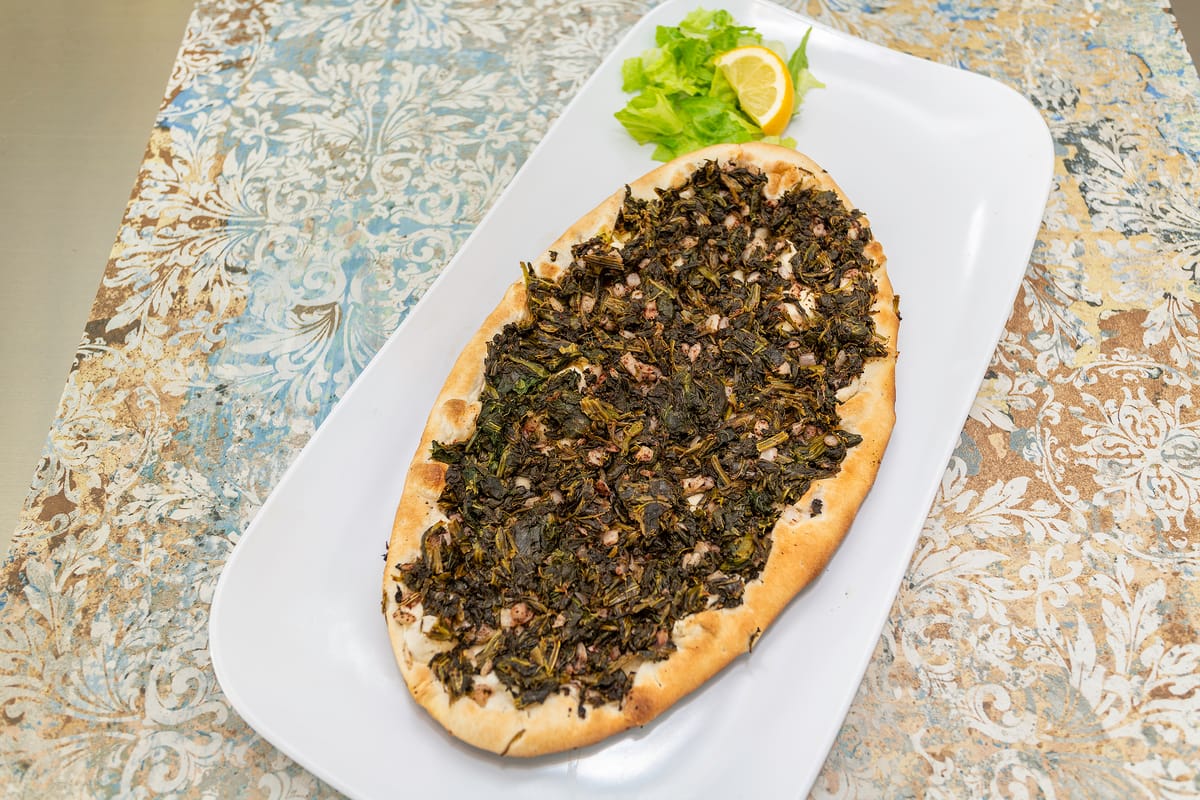
Mediterranean Food for Heart Health
The Mediterranean diet reduces heart disease risk by 25 to 30 percent. No other dietary pattern has this depth of clinical evidence. Here is exactly how it works and what to order at Taza.
4.8 stars on Yelp (92 reviews) -- Open 11:00 AM - 12:00 AM
Why Is the Mediterranean Diet the Best Diet for Heart Health?
Three decades of clinical trials point to the same conclusion.
Heart disease remains the leading cause of death worldwide, responsible for approximately 17.9 million deaths annually according to the World Health Organization. For decades, dietary guidelines focused on reducing total fat intake. That approach failed. Heart disease rates continued to climb as people replaced dietary fat with refined carbohydrates and sugar. The turning point came when researchers shifted their attention from fat quantity to fat quality and from isolated nutrients to complete dietary patterns. The Mediterranean diet emerged as the most powerful dietary intervention for cardiovascular disease ever studied, and the evidence supporting it is now overwhelming.
The foundational evidence comes from two landmark trials. The PREDIMED trial, published in the New England Journal of Medicine, enrolled 7,447 high-risk adults across Spain and randomized them to a Mediterranean diet supplemented with extra-virgin olive oil, a Mediterranean diet supplemented with nuts, or a control low-fat diet. After a median follow-up of 4.8 years, both Mediterranean diet groups had approximately 30 percent fewer major cardiovascular events, including heart attack, stroke, and cardiovascular death. The trial was stopped early because withholding the Mediterranean diet from the control group was deemed unethical. The Lyon Diet Heart Study, conducted in France, found even stronger results: a 50 to 70 percent reduction in cardiac death and nonfatal heart attack over 4 years in the Mediterranean diet group compared to the standard prudent Western diet.
These results are not explained by a single nutrient. The Mediterranean diet works because it delivers dozens of cardiovascular compounds through every meal: oleic acid and polyphenols from olive oil, soluble fiber and phytosterols from chickpeas and tahini, allicin from garlic, potassium and nitrates from fresh vegetables, and antioxidant spices like turmeric, cumin, and sumac. Each compound acts through a different mechanism, and their combined effect is greater than any single supplement or medication can achieve on its own. At Taza Shawarma & Falafel in Falls Church, VA, every meal on the menu is built on these same ingredients and principles.
This guide breaks down the specific heart-protective mechanisms in each Mediterranean ingredient, ranks the best heart-healthy orders at Taza, and provides practical guidance for building meals that actively lower your cardiovascular risk. The information is drawn from peer-reviewed clinical trials and meta-analyses, not marketing claims or anecdotal evidence. If you are managing cholesterol, blood pressure, or overall cardiovascular risk, the Mediterranean diet is the single most impactful dietary change you can make, and Taza makes it practical, affordable, and genuinely enjoyable.
The Clinical Trials That Changed Cardiology
Two studies reshaped how doctors think about diet and heart disease.
PREDIMED Trial (2013, Updated 2018)
The largest randomized dietary trial for cardiovascular prevention ever conducted. 7,447 high-risk adults in Spain were assigned to a Mediterranean diet with extra olive oil, a Mediterranean diet with nuts, or a low-fat control diet. Both Mediterranean groups saw roughly 30 percent fewer heart attacks, strokes, and cardiovascular deaths. The olive oil group consumed at least 4 tablespoons of extra-virgin olive oil daily. Sub-analyses showed that the benefit was mediated through reduced LDL oxidation, lower blood pressure, improved endothelial function, and decreased systemic inflammation measured by CRP and IL-6.
Lyon Diet Heart Study (1994-1999)
After a first heart attack, 605 patients in Lyon, France, were randomized to a Mediterranean diet or a standard prudent Western diet. The Mediterranean group had 50 to 70 percent fewer cardiac deaths and nonfatal heart attacks over four years. This study was also stopped early due to the magnitude of the benefit. The Mediterranean diet used in Lyon emphasized olive oil, vegetables, legumes, fish, and moderate wine consumption while limiting butter, cream, and processed meat. The results demonstrated that even after significant heart damage, dietary change alone dramatically reduces the risk of another event.
LDL and Lipid Panel Improvements
Multiple systematic reviews confirm that Mediterranean diet adherence improves every component of the standard lipid panel. A 2019 meta-analysis in the Journal of the American Heart Association reviewed 30 trials and found consistent reductions in total cholesterol, LDL cholesterol, and triglycerides, along with increases in protective HDL cholesterol. The improvements appear within 4 to 8 weeks and persist for as long as the dietary pattern is maintained. These changes are driven by the combined effects of monounsaturated fat from olive oil, soluble fiber from legumes, and phytosterols from sesame.
Blood Pressure Reduction
The DASH diet is well known for blood pressure management, but the Mediterranean diet achieves comparable results through different mechanisms. A 2020 meta-analysis in Hypertension Research found that Mediterranean diet adherence reduced systolic blood pressure by 2.3 to 3.5 mmHg and diastolic by 1.2 to 2.1 mmHg. The potassium from vegetables, nitric oxide from garlic and leafy greens, and magnesium from tahini and legumes all contribute to vascular relaxation. Unlike the DASH diet, the Mediterranean pattern also addresses LDL, inflammation, and endothelial function simultaneously.
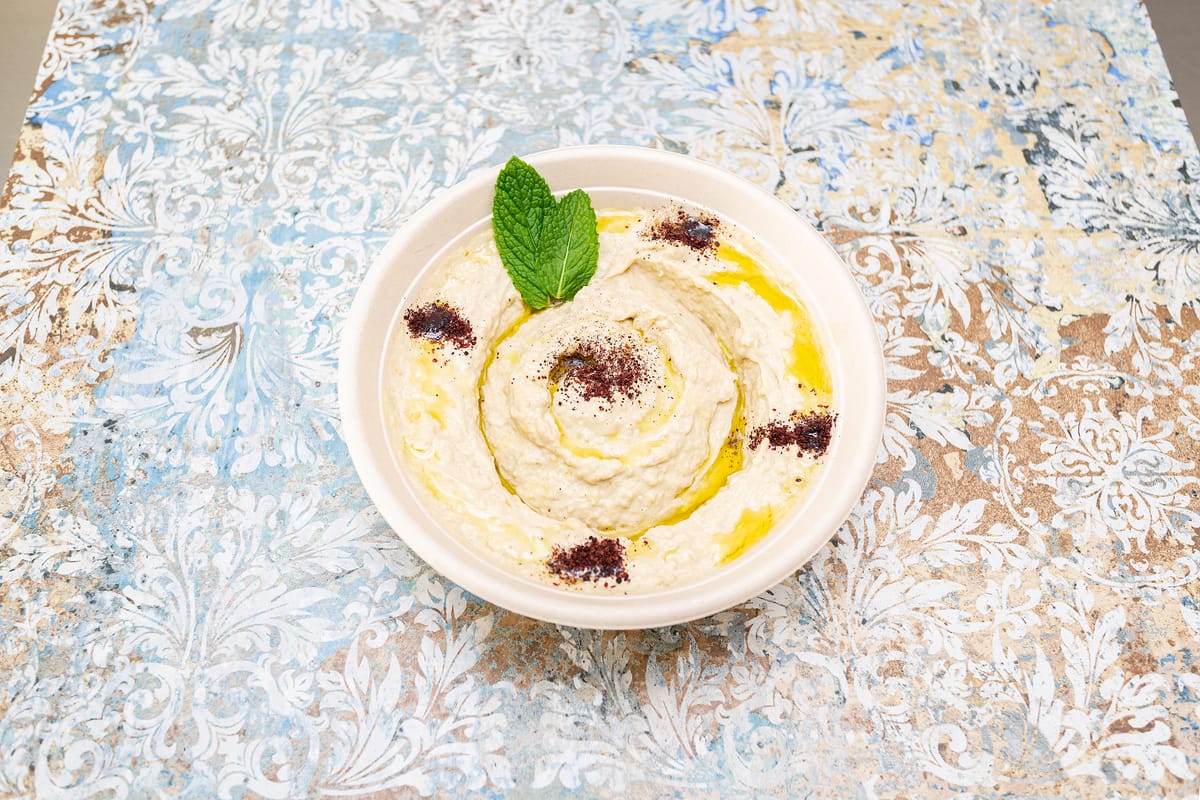
Every Ingredient Protects Your Heart
Olive oil, chickpeas, garlic, tahini, fresh vegetables -- each one targets a different cardiovascular risk factor.
How Does Each Mediterranean Ingredient Help Your Heart?
Five key ingredients at Taza protect the cardiovascular system through distinct mechanisms.
Extra-Virgin Olive Oil
Heart-Active Compounds: Oleic Acid (Monounsaturated Fat), Polyphenols, Oleocanthal
Olive oil is the backbone of Mediterranean heart health. Its primary fat, oleic acid, directly lowers LDL cholesterol without reducing beneficial HDL. A 2014 meta-analysis in Lipids in Health and Disease reviewed 27 clinical trials and found that replacing saturated fat with olive oil reduced LDL by 5 to 10 percent and improved the LDL-to-HDL ratio within 4 weeks. Polyphenols in extra-virgin olive oil prevent LDL oxidation, the process that turns normal cholesterol into artery-clogging plaque. The PREDIMED trial confirmed that participants consuming 4+ tablespoons of olive oil daily had a 30 percent lower rate of major cardiovascular events.
At Taza: Hummus, baba ghanouj, bowl dressings, zaatar manaeesh, salad finishes
Chickpeas (Hummus & Falafel)
Heart-Active Compounds: Soluble Fiber, Plant Protein, Folate, Magnesium
Chickpeas are among the most heart-protective legumes in the human diet. A 2016 meta-analysis in the American Journal of Clinical Nutrition reviewed 26 randomized controlled trials and found that one daily serving of pulses reduced LDL cholesterol by 5 percent. The soluble fiber in chickpeas binds bile acids in the gut, forcing the liver to pull cholesterol from the bloodstream to make more, which directly lowers serum LDL. Chickpeas also provide plant protein that replaces animal protein gram for gram, reducing saturated fat intake. Their folate content lowers homocysteine, an independent risk factor for atherosclerosis.
At Taza: Hummus, falafel (all formats), bowls with hummus base
Garlic (Toum)
Heart-Active Compounds: Allicin, Ajoene, S-allyl Cysteine
Garlic produces allicin when crushed, a sulfur compound that relaxes blood vessel walls by stimulating nitric oxide production. A 2020 meta-analysis in the Journal of Clinical Lipidology reviewed 39 trials involving over 2,300 adults and concluded that garlic supplementation reduced total cholesterol by 17 mg/dL and LDL by 9 mg/dL on average. Garlic also lowers blood pressure: a 2019 Cochrane review found reductions of 3.75 mmHg systolic and 3.39 mmHg diastolic. Ajoene, another garlic compound, has antiplatelet activity that reduces the risk of blood clots forming in narrowed arteries. Taza's toum uses raw garlic whipped with oil, preserving allicin at peak concentrations.
At Taza: Toum (garlic sauce) on shawarma, bowls, pitas, and wraps
Fresh Vegetables & Leafy Greens
Heart-Active Compounds: Potassium, Folate, Nitrates, Carotenoids, Fiber
Vegetables are the most consistent predictor of cardiovascular health across all large cohort studies. A 2017 meta-analysis in the International Journal of Epidemiology found that 800 grams of fruits and vegetables daily was associated with a 24 percent reduction in heart disease risk. The mechanism is multifold: potassium from tomatoes, cucumbers, and lettuce counteracts sodium's blood pressure effects. Dietary nitrates from leafy greens convert to nitric oxide, which dilates blood vessels and improves endothelial function. Folate reduces homocysteine. Carotenoids like lycopene from tomatoes prevent LDL oxidation. Each vegetable contributes through a different cardiovascular pathway.
At Taza: Arabic salad, bowl toppings, pita fillings, side salads
Tahini (Sesame)
Heart-Active Compounds: Sesamin, Sesamolin, Phytosterols, Calcium, Magnesium
Tahini delivers a concentrated dose of sesame lignans and phytosterols that directly compete with cholesterol for intestinal absorption. A 2017 study in the European Journal of Clinical Nutrition found that 40 grams of sesame daily for 60 days reduced total cholesterol by 8 percent and LDL by 10 percent. Sesamin also inhibits cholesterol synthesis in the liver through HMG-CoA reductase modulation, the same enzyme targeted by statin drugs. The magnesium in tahini supports normal heart rhythm and prevents arterial calcification. At Taza, tahini appears in hummus, baba ghanouj, falafel sauce, and as a standalone drizzle on bowls.
At Taza: Tahini sauce, hummus base, baba ghanouj, falafel dressing, bowls
Mediterranean Diet vs. Standard American Diet for Heart Health
A direct comparison of cardiovascular risk factors between Mediterranean eating and the typical Western diet.
| Risk Factor | Mediterranean Diet (Taza) | Standard American Diet |
|---|---|---|
| LDL Cholesterol | Reduced 5-15% (olive oil, fiber, phytosterols lower LDL) | Elevated (saturated fat, trans fat, refined carbs raise LDL) |
| HDL Cholesterol | Increased 3-8% (olive oil + moderate activity boost HDL) | Depressed (sugar, trans fat, sedentary habits lower HDL) |
| Triglycerides | Reduced 10-20% (low sugar, high fiber, healthy fats) | Elevated 25-50% (excess sugar, refined carbs, alcohol) |
| Blood Pressure | Reduced 3-6 mmHg systolic (potassium, nitrates, garlic) | Elevated (excess sodium, low potassium, processed foods) |
| Systemic Inflammation (CRP) | Reduced 20-38% (oleocanthal, polyphenols, fiber-derived butyrate) | Elevated 2-3x baseline (seed oils, sugar, processed meat) |
| Endothelial Function | Improved (nitric oxide from garlic, nitrates from vegetables) | Impaired (oxidized LDL, high glucose, low antioxidants) |
| Oxidative Stress | Reduced (polyphenols, carotenoids, vitamin E from tahini) | Elevated (fried foods, AGEs, low antioxidant intake) |
| Body Weight | Maintained or reduced (high satiety from fiber, protein, healthy fat) | Progressive gain (low satiety, hyperpalatable, calorie-dense) |
| Overall CVD Risk | Reduced 25-30% (PREDIMED trial, Lyon Diet Heart Study) | Baseline or elevated (standard Western dietary pattern) |
Sources: PREDIMED Trial (NEJM 2013/2018), Lyon Diet Heart Study (Lancet 1994/1999), American Heart Association Dietary Guidelines, Journal of the American Heart Association 2019 meta-analysis. LDL = low-density lipoprotein, HDL = high-density lipoprotein, CRP = C-reactive protein, CVD = cardiovascular disease.
Best Heart-Healthy Orders at Taza
Ranked by cardiovascular compound density and the number of heart-protective pathways addressed.
Falafel Bowl with Hummus Base
The single most heart-protective meal at Taza. Chickpea falafel delivers soluble fiber that binds bile acids and lowers LDL. The hummus base doubles your chickpea intake, adding phytosterols from tahini that block cholesterol absorption. Olive oil finishing drizzle provides oleic acid and polyphenols that prevent LDL oxidation. Fresh vegetable toppings contribute potassium and nitrates for blood pressure regulation. Request extra tahini sauce to maximize phytosterol and sesamin intake. This bowl addresses cholesterol, blood pressure, and arterial health in a single meal.
Learn moreChicken Shawarma Bowl with Toum
Lean chicken protein without the saturated fat load of red meat or fried preparations. Spit-roasting renders excess fat while preserving moisture, making this one of the leanest protein options available. Toum (garlic sauce) delivers raw allicin that dilates blood vessels and modestly lowers LDL. The spice marinade includes turmeric and cumin, both shown to improve lipid profiles in clinical trials. Choose a greens base over rice to increase potassium and dietary nitrate intake for additional blood pressure support.
Learn moreHummus + Baba Ghanouj with Pita
This appetizer pairing is a concentrated delivery system for heart-protective compounds. Hummus provides chickpea fiber, tahini phytosterols, garlic allicin, and olive oil polyphenols. Baba ghanouj adds eggplant fiber and nasunin, an anthocyanin that protects blood vessel endothelium from oxidative damage. Together, they deliver more cholesterol-lowering compounds per calorie than almost any restaurant appetizer. Share as a table starter to begin your meal with a cardiovascular foundation.
Learn moreFalafel Pita with Extra Vegetables
A complete heart-healthy meal in one handheld package. The chickpea falafel base provides soluble fiber and plant protein. Fresh pita adds whole-grain carbohydrates. Lettuce, tomato, and cucumber inside the pocket contribute potassium, lycopene, and dietary nitrates. Tahini dressing brings sesamin and phytosterols. Ask for extra vegetables and tahini to maximize the cardiovascular benefit. This is the most portable heart-healthy option on the menu.
Learn moreZaatar Manaeesh
Zaatar contains thyme and oregano, both rich in carvacrol and thymol, compounds with demonstrated antioxidant effects on LDL particles. Sumac in the blend provides anthocyanins that protect arterial walls. The olive oil drizzle on manaeesh adds monounsaturated fat that improves the HDL-to-LDL ratio. Sesame seeds in the zaatar supply additional phytosterols. Pair with labneh for probiotics that emerging research links to improved cholesterol metabolism through bile acid modulation.
Learn moreWhat Should You Moderate for Heart Health at Taza?
Even within a heart-healthy menu, some choices are better than others.
Pickled Items (Sodium Content)
Pickled turnips and pickled vegetables at Taza are traditional accompaniments that add flavor and probiotics. However, the brining process increases their sodium content. If you are managing blood pressure, ask for a smaller portion of pickles or skip them entirely. The fresh vegetables on every bowl and pita provide the same crunch and micronutrients without the added sodium. One serving of pickled turnips adds approximately 200-300 mg of sodium to your meal.
Fried Falafel (Preparation Method)
Falafel is deep-fried, which adds calories from absorbed oil. While the chickpea base is excellent for heart health, the frying process adds roughly 80-100 calories per serving compared to a baked preparation. For maximum cardiovascular benefit, choose a falafel bowl where the falafel is a smaller proportion of the overall meal, and the vegetables, hummus, and tahini dominate the plate. The net effect is still strongly heart-healthy because the fiber, phytosterols, and polyphenols far outweigh the added fat.
Portion Size Awareness
Mediterranean food is nutrient-dense but not calorie-free. A large shawarma bowl with rice, extra hummus, and tahini can exceed 900 calories, which matters if weight management is part of your heart health plan. Choose a greens base instead of rice to reduce calories by 150-200 without losing any cardiovascular benefit. Ask for sauce on the side to control tahini portions. Sharing a hummus appetizer before your main dish can reduce the amount you eat overall by increasing early satiety.
Red Meat Frequency
Beef shawarma at Taza uses quality, marinated beef that is spit-roasted rather than fried. However, red meat contains more saturated fat than chicken or plant-based options. For heart health, limit beef shawarma to 1-2 times per week and prioritize chicken shawarma, falafel, and hummus-based meals on other days. The lean chicken and plant-based proteins provide the same satisfaction with a better lipid profile impact.
The Bottom Line
Every meal at Taza is dramatically more heart-healthy than the typical fast-casual alternative. A falafel bowl with extra vegetables replaces a burger and fries. Hummus with pita replaces nachos with cheese. Chicken shawarma with toum replaces a fried chicken sandwich with mayo. Even the items on the moderation list above are better for your cardiovascular system than most options at chain restaurants. The goal is optimization, not perfection. Any meal at Taza moves your heart health in the right direction.
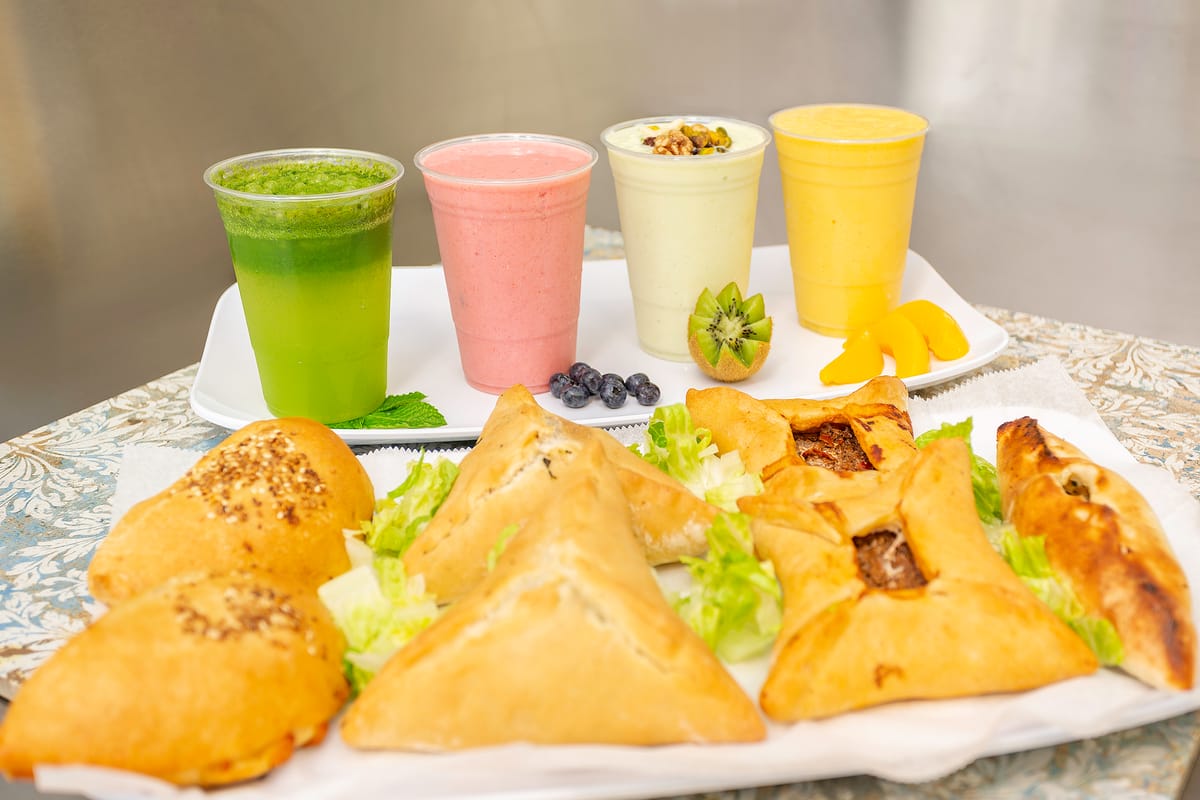
Build Your Heart-Healthy Bowl
Five steps to the most cardiovascular-protective meal on the Taza menu.
How Do You Build a Heart-Healthy Bowl at Taza?
Follow these five steps to maximize the cardiovascular benefit of your meal.
Choose Your Base: Greens
Start with a greens base instead of rice. Leafy greens provide dietary nitrates that convert to nitric oxide in the body, dilating blood vessels and lowering blood pressure. They also add potassium, which counteracts the blood-pressure-raising effects of sodium. A greens base saves 150-200 calories compared to rice while adding more cardiovascular micronutrients per bite.
Pick Your Protein: Falafel or Chicken Shawarma
Falafel delivers the most heart-protective benefit because of its soluble fiber and plant protein. Chicken shawarma is the next best option: lean, spit-roasted, and marinated in turmeric and cumin. Both choices avoid the saturated fat load of red meat and the advanced glycation end-products (AGEs) formed during deep-frying. For the ultimate heart-healthy bowl, ask for half falafel and half chicken.
Add Hummus as a Spread
Request hummus as a base layer or side spread. Hummus adds a second source of chickpea fiber, garlic allicin, tahini phytosterols, and olive oil polyphenols. Each of these compounds lowers cardiovascular risk through a different mechanism. The creamy texture also increases satiety, meaning you feel full faster and eat a more appropriate portion overall.
Load All Available Vegetables
Select every vegetable topping available: lettuce, tomato, cucumber, onion, and any additional greens. Tomatoes provide lycopene, a carotenoid that prevents LDL oxidation. Cucumbers add potassium. Onions contribute quercetin, a flavonoid that reduces platelet aggregation. The more vegetables on your bowl, the more cardiovascular pathways you address in a single meal.
Finish with Tahini and Toum
Drizzle tahini sauce for sesamin, sesamolin, and phytosterols that block cholesterol absorption. Add toum (garlic sauce) for raw allicin that dilates blood vessels and modestly lowers LDL. These two sauces together provide heart-healthy fats that replace the saturated fat found in cheese, mayo, and cream-based dressings at other restaurants. The fat in these sauces also increases absorption of fat-soluble antioxidants from the vegetables.
This five-step bowl addresses LDL cholesterol (fiber + phytosterols), blood pressure (potassium + garlic allicin + nitrates), LDL oxidation (olive oil polyphenols + lycopene), endothelial function (nitric oxide from garlic and greens), and inflammation (oleocanthal + polyphenols). A single bowl. Five cardiovascular pathways. Available every day at Taza, starting at from $10.45.
Build Your Heart-Healthy BowlWhy Does Taza Use Olive Oil, Tahini, and Toum Instead of Butter?
The type of fat matters more than the amount. Mediterranean fats protect the heart; Western fats damage it.
For decades, the low-fat diet movement told Americans that all fat was dangerous. Restaurants replaced butter with margarine, olive oil with soybean oil, and tahini with fat-free dressings loaded with sugar. Heart disease rates kept climbing. The PREDIMED trial finally settled the debate: participants who consumed the most fat, specifically monounsaturated fat from olive oil, had the best cardiovascular outcomes. The problem was never fat itself. The problem was the wrong kind of fat. Saturated fat from butter and processed meat raises LDL. Trans fat from partially hydrogenated oils raises LDL and lowers HDL simultaneously. Omega-6-heavy seed oils promote inflammatory prostaglandin production.
Mediterranean fats are fundamentally different. Olive oil provides oleic acid that lowers LDL while protecting HDL. Tahini delivers phytosterols that physically block cholesterol absorption. Toum combines garlic's allicin with monounsaturated fat, creating a sauce that simultaneously dilates blood vessels and improves lipid profiles. At Taza, these three fats replace butter, margarine, mayo, ranch, and cream-based sauces. Every meal you eat at Taza automatically substitutes heart-protective fats for heart-damaging ones, without requiring any special requests or modifications.
Olive Oil
Monounsaturated (Oleic Acid)
Olive oil is the primary fat in Mediterranean cooking and the most studied heart-healthy oil in nutrition science. Oleic acid raises HDL and lowers LDL simultaneously, a rare dual effect. The PREDIMED trial demonstrated that 4+ tablespoons of extra-virgin olive oil per day reduced cardiovascular events by 30 percent. Polyphenols in the oil prevent the oxidation of LDL particles, which is the actual process that creates arterial plaque. At Taza, olive oil appears in hummus, baba ghanouj, manaeesh, salad dressings, and as a finishing drizzle on bowls.
Replaces: Butter, margarine, soybean oil, canola oil, vegetable shortening
Tahini (Sesame Paste)
Polyunsaturated + Monounsaturated, Phytosterols
Tahini provides a unique combination of sesame lignans and plant sterols that actively compete with cholesterol for absorption in the intestine. This means that every meal containing tahini physically reduces the amount of dietary cholesterol that enters your bloodstream. Sesamin also inhibits HMG-CoA reductase, the same liver enzyme that statin drugs target. A 2017 clinical trial showed 10 percent LDL reduction from 40 grams of sesame daily over 60 days. Tahini also provides calcium and magnesium, both essential for maintaining normal heart rhythm.
Replaces: Cream-based dressings, cheese sauces, ranch, blue cheese dressing
Toum (Garlic Emulsion)
Monounsaturated (from oil base) + Allicin
Toum is raw garlic emulsified in oil, creating a sauce that delivers both the blood-pressure-lowering effects of allicin and the cholesterol-improving effects of monounsaturated fat. Unlike cooked garlic, raw garlic preserves allicin at full potency. The oil base in toum ensures that fat-soluble compounds from other foods in your meal are properly absorbed. This sauce turns any bowl or pita into a heart-health delivery system. Toum replaces mayo, aioli, and other saturated-fat-heavy spreads common in Western fast-casual restaurants.
Replaces: Mayonnaise, aioli, butter spreads, cream cheese
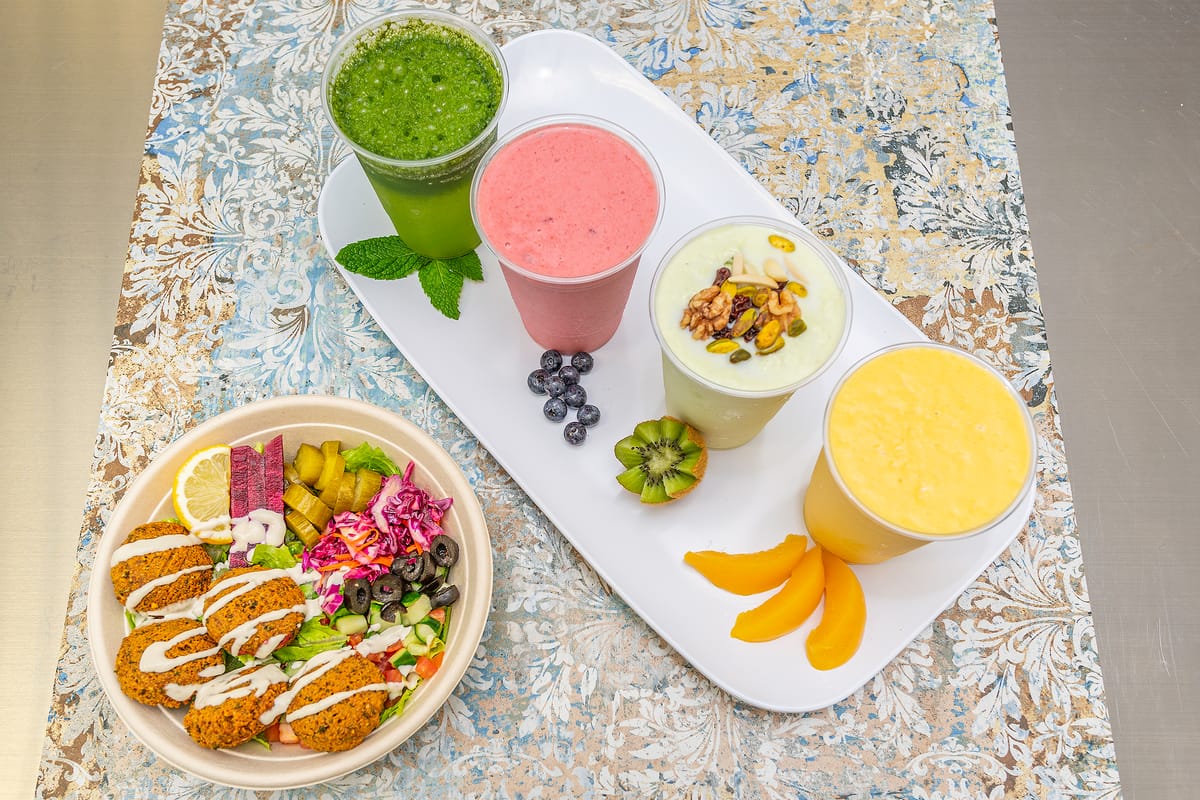
Heart-Healthy Eating, Served Fresh Daily
At Taza in Falls Church, cardiovascular protection is not a special menu item. It is the entire menu.
Medical Disclaimer
The information on this page is for educational purposes only and is not intended as medical advice, diagnosis, or treatment. The clinical studies referenced (PREDIMED, Lyon Diet Heart Study, and others) represent population-level findings that may not apply to every individual. If you have existing heart disease, high cholesterol, high blood pressure, or other cardiovascular conditions, consult your physician or a registered dietitian before making significant dietary changes.
Dietary changes are not a substitute for prescribed medications including statins, blood pressure medications, anticoagulants, or other cardiovascular drugs. Do not adjust or discontinue any medication based on dietary changes without your doctor's explicit guidance. The Mediterranean diet is most effective as a complement to medical treatment, not a replacement for it.
Taza Shawarma & Falafel is a restaurant, not a healthcare provider. Menu items are described in terms of their general nutritional composition based on published research on Mediterranean ingredients. Individual nutritional needs vary. Calorie counts, macronutrient ratios, and specific compound concentrations in restaurant meals may differ from the clinical trial dosages cited in this guide.
Learn More About Mediterranean Nutrition
Detailed guides on the specific ingredients and health benefits of Mediterranean food.
Heart-Healthy Categories on the Taza Menu
Quick visual guide to heart-protective options organized by menu category.
Falafel
Soluble fiber, plant protein
Hummus & Dips
Phytosterols, allicin
Bowls
Complete heart-healthy meals
Shawarma
Lean spit-roasted protein
Fresh Vegetables
Potassium, nitrates
Zaatar Manaeesh
Thymol, sumac, sesame
Olive Oil
Oleic acid, polyphenols
Tahini Sauce
Sesamin, phytosterols
Toum (Garlic)
Allicin, nitric oxide
Mediterranean Food & Heart Health: FAQ
Yes. The Mediterranean diet has more large-scale, randomized clinical trial evidence supporting its cardiovascular benefits than any other dietary pattern. The PREDIMED trial followed 7,447 high-risk participants for nearly 5 years and found a 30 percent reduction in major cardiovascular events (heart attack, stroke, cardiovascular death) in the Mediterranean diet group. The Lyon Diet Heart Study found a 50 to 70 percent reduction in cardiac events over 4 years. The American Heart Association, the European Society of Cardiology, and the World Health Organization all recommend the Mediterranean dietary pattern as a primary strategy for cardiovascular disease prevention. At Taza in Falls Church, every meal is built on these same principles.
Olive oil protects the heart through three distinct mechanisms. First, its primary fat, oleic acid, lowers LDL cholesterol while maintaining or raising HDL cholesterol. Second, polyphenols in extra-virgin olive oil prevent LDL oxidation, which is the step that converts normal cholesterol particles into artery-clogging plaque. Unoxidized LDL passes through arteries harmlessly. Third, oleocanthal in olive oil inhibits COX enzymes (similar to ibuprofen), reducing the chronic inflammation that drives atherosclerosis. At Taza, olive oil is used in hummus, baba ghanouj, salad dressings, manaeesh, and as a finishing drizzle on bowls. A typical Taza meal provides 2 to 3 tablespoons of olive oil.
Consistent Mediterranean eating produces measurable cholesterol improvements within 4 to 8 weeks. The mechanisms at work in a Taza meal include soluble fiber from chickpeas (binds bile acids, forcing the liver to use blood cholesterol to make more), phytosterols from tahini (block cholesterol absorption in the intestine), allicin from garlic (modestly reduces total and LDL cholesterol), and oleic acid from olive oil (lowers LDL while preserving HDL). Eating at Taza 3 to 4 times per week replaces meals that would otherwise contain saturated fat, trans fat, and refined carbohydrates, all of which raise LDL. The effect is both additive (good compounds go in) and subtractive (harmful compounds stay out). Taza is located at 5820 Seminary Rd Ste O, Falls Church, VA 22041.
Hummus is one of the most heart-protective foods available at any restaurant. A single serving delivers soluble fiber from chickpeas (lowers LDL), tahini phytosterols (block cholesterol absorption), garlic allicin (dilates blood vessels and reduces blood pressure), olive oil polyphenols (prevent LDL oxidation), and lemon juice vitamin C (regenerates other antioxidants). A 2016 meta-analysis found that one daily serving of pulses like chickpeas reduced LDL by 5 percent. Hummus at Taza starts at $4.95 and is available as a side, a bowl base, or a pita spread.
PREDIMED (Prevencion con Dieta Mediterranea) is the largest randomized dietary intervention trial ever conducted for cardiovascular disease. It enrolled 7,447 adults at high cardiovascular risk across 11 centers in Spain and followed them for a median of 4.8 years. Participants were randomized to one of three diets: Mediterranean diet supplemented with extra-virgin olive oil, Mediterranean diet supplemented with mixed nuts, or a control low-fat diet. Both Mediterranean diet groups experienced approximately 30 percent fewer major cardiovascular events (heart attack, stroke, or cardiovascular death) compared to the control group. The trial was stopped early because the benefit was so clear that it was deemed unethical to continue withholding the Mediterranean diet from the control group.
Yes. A 2019 Cochrane review of randomized controlled trials found that garlic preparations reduced systolic blood pressure by an average of 3.75 mmHg and diastolic blood pressure by 3.39 mmHg. While this sounds modest, a 3 to 4 mmHg reduction in systolic blood pressure is associated with a 10 to 15 percent reduction in cardiovascular events at the population level. The mechanism is nitric oxide: allicin stimulates endothelial nitric oxide synthase, causing blood vessel walls to relax and dilate. Taza's toum (garlic sauce) uses raw garlic, which preserves allicin at concentrations far higher than cooked garlic or garlic supplements. Adding toum to your shawarma or bowl is a practical way to include therapeutic garlic in your diet.
Yes. The chickpea interior of falafel delivers soluble fiber, plant protein, folate, and magnesium, all of which support cardiovascular health. The frying process adds approximately 80 to 100 calories from oil absorption. However, clinical evidence consistently shows that the net cardiovascular effect of legume consumption is positive regardless of preparation method. The 2016 meta-analysis showing 5 percent LDL reduction from daily pulse intake included both fried and non-fried preparations. At Taza, falafel is part of a complete Mediterranean meal with vegetables, tahini, and olive oil, which means the overall meal profile remains strongly heart-protective. Falafel pita starts at from $8.95.
Clinical trials show measurable improvements with as few as 3 Mediterranean meals per week, but the benefit is dose-dependent. The PREDIMED trial, which showed 30 percent CVD reduction, involved daily Mediterranean eating. The Lyon Diet Heart Study, which showed 50 to 70 percent reduction in cardiac events, also used a daily Mediterranean pattern. For practical purposes, replacing 3 to 5 meals per week with Mediterranean options produces meaningful improvements in LDL, HDL, triglycerides, and blood pressure within 4 to 8 weeks. Eating at Taza for lunch 3 times per week and cooking Mediterranean at home for dinner is a sustainable pattern that many of our Falls Church customers follow.
Get Heart-Healthy Mediterranean Food in Falls Church, VA
Located on Seminary Road, open 7 days a week. Order online for pickup or dine in.
Address
5820 Seminary Rd Ste O, Falls Church, VA 22041
Hours
11:00 AM - 12:00 AM -- Open 7 Days a Week
Phone
Order Heart-Healthy Mediterranean Food Now
Every dish at Taza delivers the same ingredients that reduced cardiovascular events by 30 percent in the PREDIMED trial. Olive oil, chickpeas, garlic, tahini, fresh vegetables -- real food that protects your heart. Order online for pickup at our Falls Church, VA location.