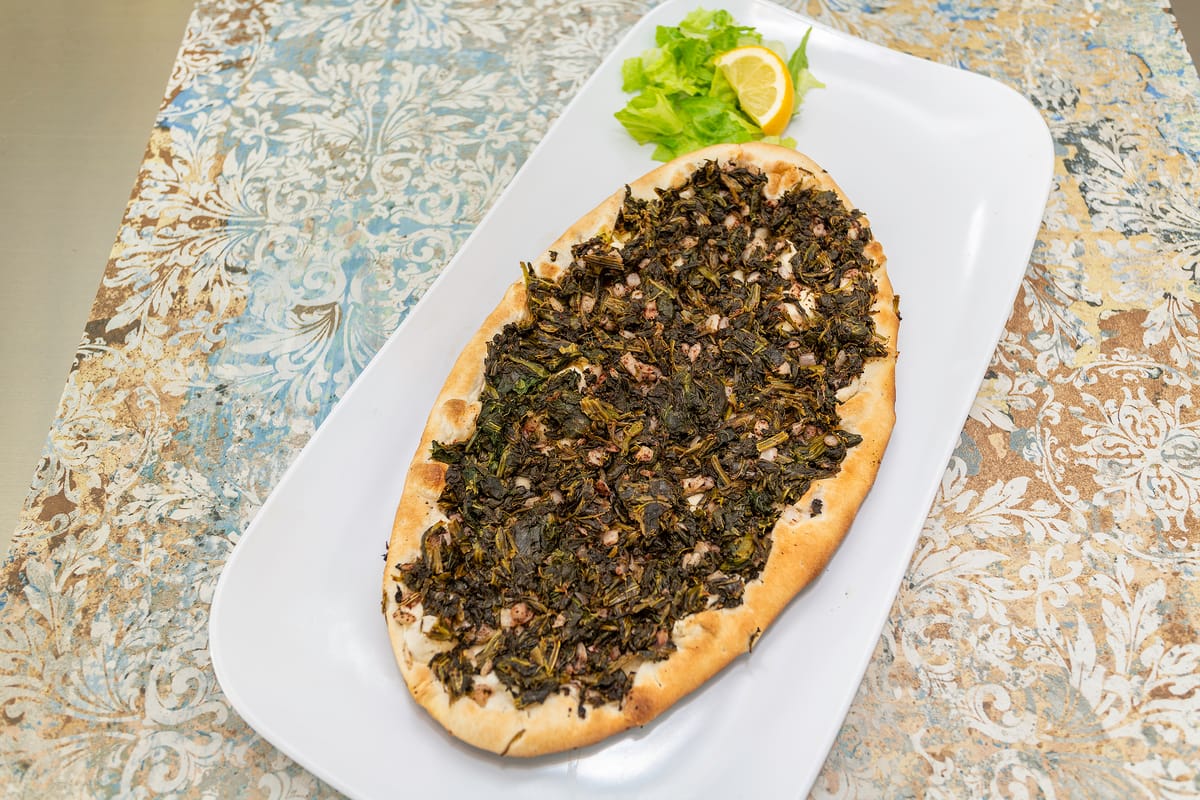
Mediterranean Food for Diabetes
The Mediterranean diet is clinically recommended for blood sugar management. Here is how to build a diabetic-friendly meal at Taza -- with specific glycemic index data for every menu category.
4.8 stars on Yelp (92 reviews) -- Open 11:00 AM - 12:00 AM
Medical disclaimer: This guide is for informational purposes only and is not medical advice. Please consult your healthcare provider about dietary changes. Every individual's diabetes management needs are different, and your endocrinologist or registered dietitian can provide personalized guidance based on your medications, blood sugar targets, and overall health profile.
Why Is the Mediterranean Diet Recommended for Diabetes?
Major medical organizations specifically endorse this eating pattern for blood sugar management.
The American Diabetes Association, the European Association for the Study of Diabetes, and the World Health Organization all recommend the Mediterranean diet as an evidence-based eating pattern for managing type 2 diabetes. This is not a fringe recommendation or a dietary trend. It is a clinical consensus built on decades of research involving hundreds of thousands of participants across multiple countries and study designs. The evidence is strong enough that many endocrinologists now prescribe Mediterranean eating as a first-line dietary intervention alongside medication.
A 2014 meta-analysis published in Diabetologia, one of the most respected journals in diabetes research, analyzed nine prospective studies with a combined 136,846 participants. The finding was clear: people who followed a Mediterranean diet had a 23 percent lower risk of developing type 2 diabetes compared to those who did not. For people already managing diabetes, a 2015 systematic review in the European Journal of Clinical Nutrition found that the Mediterranean diet improved glycemic control (measured by HbA1c) at least as effectively as low-fat diets, low-carb diets, and standard ADA-recommended diets.
The mechanism is not mysterious. The Mediterranean diet works for blood sugar management because of four overlapping factors. First, it emphasizes low-glycemic foods like chickpeas, lentils, and vegetables that release glucose slowly. Second, it uses healthy fats -- olive oil, tahini, and nuts -- that slow gastric emptying and carbohydrate absorption. Third, it provides lean protein from chicken, fish, and legumes that stabilizes blood sugar without the inflammatory effects of processed meat. Fourth, it delivers high fiber from vegetables, legumes, and whole grains that feeds beneficial gut bacteria linked to improved insulin sensitivity.
At Taza Shawarma & Falafel in Falls Church, VA, the entire menu is built on these principles. Proteins are spit-roasted rather than breaded and fried. Chickpeas appear as falafel, hummus, and bowl toppings. Healthy fats come from tahini, olive oil, and sesame. Fresh vegetables are included with every order. You do not need to study a nutrition database to eat well here -- the menu structure naturally supports blood sugar-friendly eating.
How Does Mediterranean Food Help Control Blood Sugar?
Four nutritional principles that make this eating pattern effective for diabetes management.
Low Glycemic Index Foods
Chickpeas, the base of both falafel and hummus, have a glycemic index of approximately 35 -- compared to 75 for white bread and 85 for a standard hamburger bun. Lentils, vegetables, and most legumes used in Mediterranean cooking fall in the low-GI range. These foods release glucose gradually over two to three hours rather than flooding your bloodstream in 30 minutes. When the foundation of your meal is low-GI, the entire meal's glycemic impact stays manageable even if you include moderate amounts of rice or pita.
Healthy Fats That Slow Absorption
Olive oil, tahini, and sesame seeds are staples of Mediterranean cooking, and each one slows the rate at which glucose enters your bloodstream. Fat delays gastric emptying -- the process of food moving from your stomach into your small intestine where carbohydrates are absorbed. A meal with generous healthy fat produces a flatter, more sustained blood glucose curve than the same meal without fat. This is why hummus (chickpeas plus tahini plus olive oil) has a dramatically lower glycemic impact than plain chickpeas alone.
Lean Proteins for Stabilization
Protein has essentially zero direct glycemic impact, and it triggers the release of glucagon, a hormone that works alongside insulin to regulate blood sugar. Chicken shawarma, the most popular protein at Taza, provides 30 to 40 grams of lean protein per serving without any added sugar or breading. Chickpea-based falafel adds plant protein along with fiber. Making protein the centerpiece of your meal -- rather than bread or rice -- is one of the most effective strategies for post-meal blood sugar stability.
Fiber-Rich Legumes and Vegetables
Fiber is the unsung hero of blood sugar management. Soluble fiber from chickpeas and lentils forms a gel in your digestive tract that physically slows the absorption of glucose. Insoluble fiber from vegetables adds bulk that further slows digestion. A single serving of hummus provides 4 to 6 grams of fiber. A falafel bowl with vegetables can deliver 15 to 18 grams. The American Diabetes Association recommends 25 to 30 grams of fiber daily, and a single Mediterranean meal can provide more than half of that target.
What Is the Glycemic Index of Mediterranean Menu Items?
A practical GI breakdown of common items at Taza to help you make informed choices.
Falafel (chickpea-based)
Low (GI ~35)Chickpeas have one of the lowest glycemic indices among legumes. Deep fiber content and plant protein slow glucose release into the bloodstream over two to three hours rather than creating a spike. The combination of chickpea starch and tahini fat further buffers absorption.
Hummus
Low (GI ~6-25)Hummus ranks among the most diabetes-friendly foods available at any restaurant. The chickpea base provides resistant starch. Tahini adds monounsaturated fat. Olive oil contributes additional healthy fat. Together these three components create a dip that barely registers on the glycemic index.
Fresh Vegetables & Salad
Very Low (GI ~10-15)Lettuce, tomatoes, cucumbers, onions, pickles, and fresh herbs have virtually no glycemic impact. They provide fiber that slows the digestion of other foods eaten alongside them. Loading your plate with vegetables is the single best move for blood sugar management.
Chicken Shawarma (protein)
Negligible (GI ~0)Pure protein has no direct glycemic impact. Chicken shawarma is spit-roasted without breading or sugar-based glazes, making it an ideal centerpiece for a diabetic-friendly meal. Protein also triggers glucagon release, which helps balance insulin response.
Basmati Rice
Moderate (GI ~55-60)Basmati rice has a lower glycemic index than short-grain or jasmine rice because of its amylose starch structure. Eating rice alongside protein, healthy fats, and fiber-rich vegetables significantly reduces its glycemic impact. Portion control is the key strategy here.
Pita Bread
Moderate-High (GI ~57-68)Pita bread is a moderate glycemic food. One piece with a protein-rich filling is reasonable for most people managing diabetes. Eating pita alongside hummus, chicken, and vegetables lowers the combined glycemic load of the meal. Consider a bowl instead if you want to minimize carbohydrate intake.
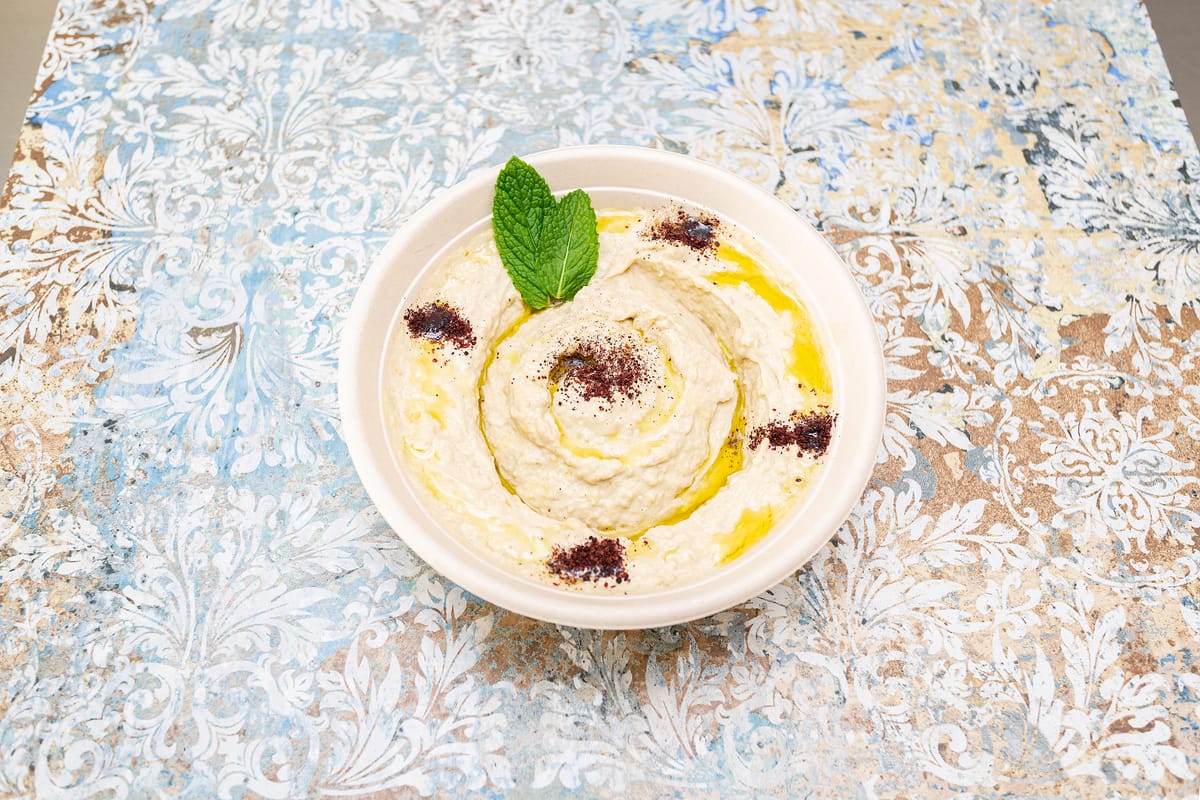
Eat Well, Manage Better
Every bowl, pita, and plate at Taza can be customized to support your blood sugar goals.
What Are the Best Diabetic-Friendly Orders at Taza?
Ranked by glycemic impact with specific blood sugar considerations for each option.
Falafel Bowl on Greens Base
from $10.45This is the single best order for blood sugar management at Taza. The greens base eliminates grain-based carbohydrates entirely. Falafel provides plant protein and fiber from chickpeas. Load up on fresh vegetables and add hummus or tahini for healthy fat. The total glycemic load of this meal is remarkably low while the satiety factor is high. You will feel full for three to four hours without a blood sugar spike.
Learn more about this itemChicken Shawarma Bowl on Greens
from $12.45Chicken shawarma has zero glycemic impact as a pure protein. On a greens base with vegetables, the entire meal stays in the very low glycemic range. Add a side of hummus for healthy fat and fiber. The high protein content (35+ grams) stabilizes blood sugar for hours and supports muscle maintenance, which is important for insulin sensitivity.
Learn more about this itemHummus Plate with Vegetables
$4.95Hummus with raw vegetables makes an excellent snack or light meal for blood sugar control. The chickpea-tahini-olive oil combination creates a food that releases glucose extremely slowly. Skip the pita or use a single piece torn into small portions for dipping. The healthy fats in hummus also improve the absorption of fat-soluble vitamins from the vegetables.
Learn more about this itemFalafel Pita with Extra Vegetables
from $8.95The pita adds some glycemic load, but the chickpea falafel, tahini, and vegetables inside the sandwich buffer the impact significantly. This is a practical option when you want something handheld. The fiber from falafel and the fat from tahini slow the absorption of carbohydrates from the pita. Request extra vegetables and extra tahini to further lower the glycemic response.
Learn more about this itemLabneh with Olive Oil
$4.95Labneh (strained yogurt) is protein-dense and has minimal carbohydrate content. The probiotics in labneh support gut health, and emerging research suggests that a healthy gut microbiome improves insulin sensitivity. Drizzled with olive oil and eaten with vegetable sticks, labneh is a near-zero glycemic option that also provides calcium and beneficial bacteria.
Learn more about this itemHow Do You Build a Diabetes-Friendly Bowl at Taza?
A step-by-step strategy for assembling a blood sugar-friendly meal.
Start with a Greens or Hummus Base
Choose a greens base instead of rice to keep the glycemic load as low as possible. If you prefer a creamier foundation, ask for a hummus base -- the chickpeas and healthy fat create a satisfying layer that has minimal blood sugar impact. Both options give you a nutrient-dense starting point with high fiber and virtually no glycemic load. This single choice reduces the total carbohydrate content of your meal by 30 to 45 grams compared to a rice base.
Choose Your Protein First
Protein has no direct glycemic impact and should be the centerpiece of your bowl. Chicken shawarma provides 35+ grams of lean protein that stabilizes blood sugar for hours. Falafel offers plant protein from chickpeas plus fiber that actively slows carbohydrate digestion. Either option works well for diabetes management. Protein also increases satiety hormones like GLP-1, which helps regulate appetite and insulin response after meals.
Load Up on Fresh Vegetables
Taza offers 14 fresh toppings at no extra charge. Take full advantage of this. Tomatoes, cucumbers, onions, lettuce, pickles, olives, and fresh herbs all add volume, crunch, and fiber without adding meaningful carbohydrates. The fiber from vegetables physically slows the movement of food through your digestive system, which gives your body more time to process glucose gradually. Request double vegetables if you can.
Add Healthy Fats: Hummus, Tahini, or Toum
Healthy fats are your ally in blood sugar control. Hummus provides chickpea fiber plus tahini fat. Tahini sauce delivers concentrated sesame-based monounsaturated fat. Toum (garlic sauce) adds fat along with allicin, the garlic compound that research links to improved insulin sensitivity. Fat slows gastric emptying, which means glucose from any carbohydrates in your meal enters your bloodstream more slowly. Do not skip the sauce.
Moderate the Rice or Pita (If Any)
If you choose to include rice, a half portion alongside protein and vegetables keeps the glycemic load manageable. Basmati rice has a lower glycemic index than most other white rice varieties. If you add pita on the side, one piece torn into small portions and dipped in hummus is a better strategy than eating it plain. The combination of fat and protein with any grain dramatically lowers its glycemic impact compared to eating the grain alone.
Pro tip: When ordering online or at the counter, you can customize every element of your bowl. Ask for a greens base, double vegetables, and extra tahini. The staff at Taza are happy to accommodate dietary preferences and can help you build a bowl optimized for your needs.
What Should You Moderate When Managing Blood Sugar?
These items are not off-limits -- they just require awareness and portion control.
Large Rice Portions
A standard rice portion at Taza is reasonable, but requesting extra rice or a double portion adds 60 to 90 grams of carbohydrates to your meal. If you choose rice, pair it with protein and healthy fat to lower the glycemic impact. Consider a half-rice, half-greens base as a middle ground that gives you the rice flavor you want with lower total carbohydrate load.
Multiple Pieces of Pita
One piece of pita with a protein-rich filling is manageable for most people managing diabetes. Adding two or three extra pieces of pita as a side significantly increases the carbohydrate load. If you order pita on the side, tear it into small pieces and dip in hummus. The fat and protein in the hummus buffer the glucose response from the bread.
Sweet Drinks and Desserts
Sugary beverages are the fastest way to spike blood sugar because liquid sugar is absorbed almost immediately with no fiber or fat to slow it down. Choose water, unsweetened tea, or sparkling water instead of soda or sweetened juice. If you want dessert, share a small portion with your table and eat it after your protein-rich meal, not on an empty stomach.
How Do Healthy Fats in Mediterranean Food Help Blood Sugar?
Olive oil, tahini, and garlic are more than flavor -- they are functional tools for glucose management.
Olive Oil in Hummus and Cooking
Key compound: Oleic acid (monounsaturated fat)
Olive oil is the primary fat in Mediterranean cooking and a key reason the diet outperforms others for blood sugar control. Oleic acid, the dominant fat in olive oil, has been shown to improve insulin sensitivity in clinical trials. It also slows gastric emptying, meaning food stays in your stomach longer and glucose enters your bloodstream more gradually. Every serving of hummus, every drizzle on a bowl, and every cooking application at Taza delivers this benefit.
Sesame in Tahini
Key compound: Sesamin and sesamol (lignans)
Tahini is made from ground sesame seeds, which contain unique lignans called sesamin and sesamol. Research published in the Journal of Medicinal Food found that sesame consumption improved markers of oxidative stress and inflammation in people with type 2 diabetes. The fat in tahini also creates a physical barrier that slows carbohydrate absorption in the small intestine. Tahini appears in hummus, baba ghanouj, and as a standalone sauce at Taza.
Garlic in Toum
Key compound: Allicin (organosulfur compound)
Toum, the traditional garlic sauce served at Taza, is made from raw garlic emulsified with oil and lemon juice. Raw garlic contains allicin, a compound that multiple studies have linked to improved insulin sensitivity and reduced fasting blood glucose levels. A 2017 meta-analysis in Food and Nutrition Research found that garlic supplementation reduced fasting blood glucose by an average of 10.9 mg/dL. At Taza, toum is used on chicken shawarma plates and available as an add-on to any order.
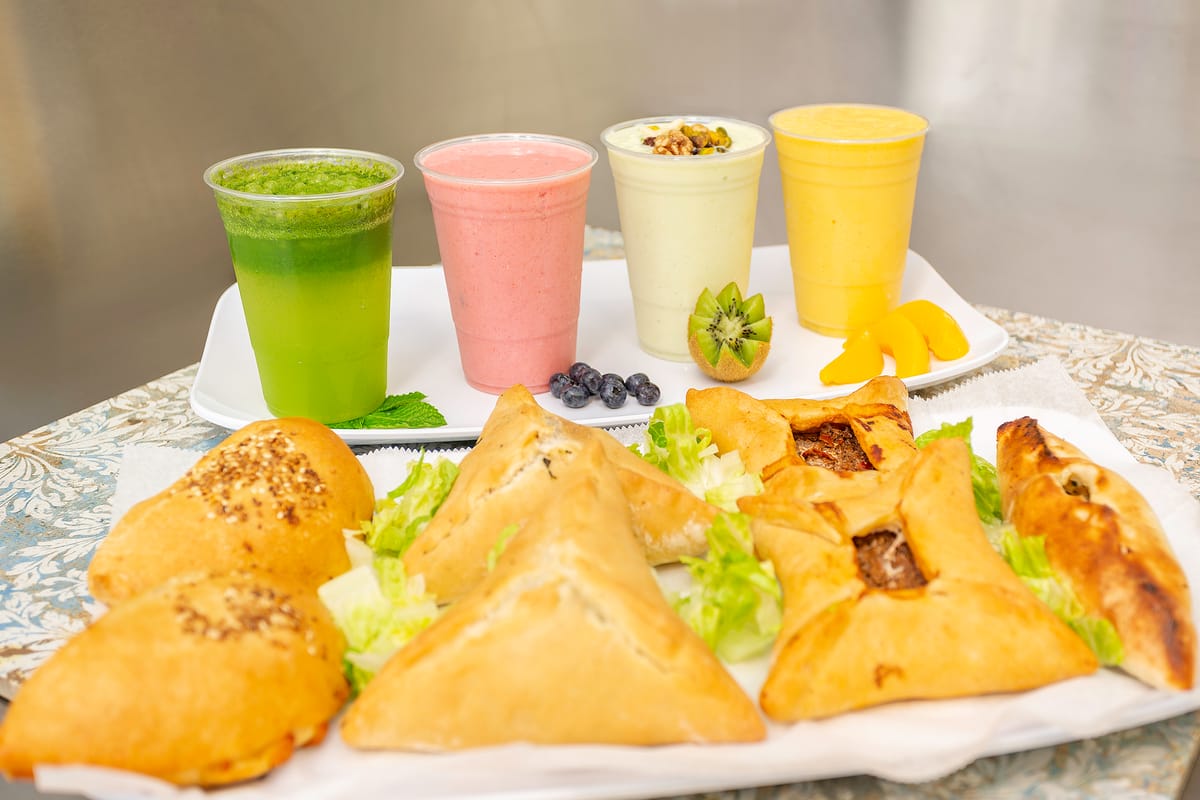
Chickpeas: A Diabetic's Best Friend
Low glycemic index, high fiber, plant protein -- falafel and hummus are both built on this remarkable legume.
How Does a Mediterranean Meal Compare to Fast Food for Blood Sugar?
A side-by-side look at the glycemic impact of a Taza order versus a typical fast food meal.
| Category | Taza Mediterranean Order | Typical Fast Food Order |
|---|---|---|
| Typical Protein | Spit-roasted chicken or chickpea falafel (GI: 0-35) | Breaded fried chicken or burger patty (GI: 45-70 with breading) |
| Primary Fat Source | Olive oil, tahini, hummus -- slows glucose absorption | Vegetable oil, mayo, cheese -- minimal glycemic benefit |
| Carbohydrate Base | Optional: greens base, moderate rice, or one pita (GI: 0-60) | Large white bun, fries, soda (GI: 75-95) |
| Vegetable Content | 14 fresh toppings included -- high fiber lowers meal GI | 1-2 slices tomato, shredded lettuce -- minimal fiber impact |
| Added Sugar | None in cooking -- no sugar-based sauces or glazes | Ketchup, BBQ sauce, bun, soda -- 30-60g hidden sugar |
| Estimated Meal GI Load | Low to moderate (GL: 15-30) | High (GL: 55-85) |
| Post-Meal Blood Sugar | Gradual rise, stable for 3-4 hours | Sharp spike within 30 min, crash at 90 min |
| Fiber Per Meal | 10-18g from chickpeas, vegetables, whole grains | 2-4g from small amount of lettuce and tomato |
Why this matters: The post-meal blood sugar pattern is critical for diabetes management. A gradual rise and sustained plateau (Mediterranean pattern) allows your body to process glucose steadily. A sharp spike followed by a crash (fast food pattern) stresses your insulin response and can lead to reactive hypoglycemia, increased hunger, and poor energy levels throughout the afternoon. Over months and years, the cumulative difference between these two patterns significantly affects HbA1c levels and long-term health outcomes.
What Are the Best Mediterranean Snacks for Stable Blood Sugar?
Between-meal options that keep glucose steady without the spike-and-crash cycle.
Hummus with Raw Vegetables
A small container of hummus with cucumber sticks, carrot sticks, and bell pepper strips is one of the best snacks for stable blood sugar. The chickpea-tahini combination provides protein and fat that prevent the spike-and-crash cycle of typical snack foods. You stay satisfied for two to three hours. This is also portable and works well as a mid-afternoon snack at the office.
Labneh with Olive Oil
Labneh is essentially concentrated yogurt protein with beneficial bacteria. A serving with a drizzle of olive oil provides 8 to 10 grams of protein with minimal carbohydrates. The probiotics in labneh support gut health, and a healthy gut microbiome has been linked to better insulin sensitivity in multiple studies. Pair it with a few olives for a complete low-glycemic snack.
Two to Three Falafel Pieces
A few falafel pieces without the pita make a surprisingly good diabetes-friendly snack. Each falafel ball provides about 5 grams of plant protein and 3 grams of fiber from chickpeas. The fiber content means the small amount of carbohydrate in falafel is released very slowly. Dip in tahini rather than eating plain to add beneficial fat and further slow glucose absorption.
Half Pita with Baba Ghanouj
Baba ghanouj (roasted eggplant dip) has an even lower glycemic index than hummus because eggplant is essentially a vegetable with minimal starch. Half a pita torn into pieces and dipped in baba ghanouj gives you a satisfying snack without the glycemic load of a full sandwich. The smoky flavor and creamy texture make this feel like an indulgence despite being genuinely blood-sugar-friendly.
How Does the Mediterranean Diet Improve Insulin Sensitivity?
The biological mechanisms behind clinical recommendations.
Insulin resistance -- when your cells stop responding efficiently to insulin -- is the core metabolic problem in type 2 diabetes. The Mediterranean diet addresses insulin resistance through multiple overlapping pathways. First, the anti-inflammatory compounds in olive oil, garlic, turmeric, and fresh herbs reduce the chronic low-grade inflammation that damages insulin receptors on cell surfaces. A 2011 study in Diabetes Care found that participants on a Mediterranean diet had significantly lower levels of C-reactive protein and interleukin-6, two key markers of inflammation linked to insulin resistance.
Second, the fiber from chickpeas, lentils, and vegetables feeds beneficial gut bacteria that produce short-chain fatty acids. These compounds, particularly butyrate, have been shown to improve insulin sensitivity in the liver and muscle tissue. A 2020 study in the journal Gut found that 12 months on a Mediterranean diet increased populations of Faecalibacterium prausnitzii and Roseburia, two bacterial species strongly associated with better metabolic health. The gut microbiome is increasingly recognized as a key mediator between diet and blood sugar control.
Third, replacing saturated fat with monounsaturated fat (olive oil, tahini, avocado) directly improves how cells respond to insulin. Cell membranes incorporate the fats you eat, and membranes built with monounsaturated fats are more fluid and better able to receive insulin signals. A randomized trial published in the Annals of Internal Medicine found that a Mediterranean diet supplemented with olive oil improved insulin sensitivity by 14 percent compared to a control diet, even without weight loss.
These are not theoretical benefits. They are measurable changes that occur within weeks to months of adopting a Mediterranean eating pattern. At Taza in Falls Church, you do not need to think about these mechanisms when ordering. The menu is inherently structured around the foods that produce these effects. Ordering a falafel bowl with hummus, vegetables, and tahini automatically delivers the combination of legume fiber, healthy fat, anti-inflammatory compounds, and microbiome-supporting prebiotics that the research points to.
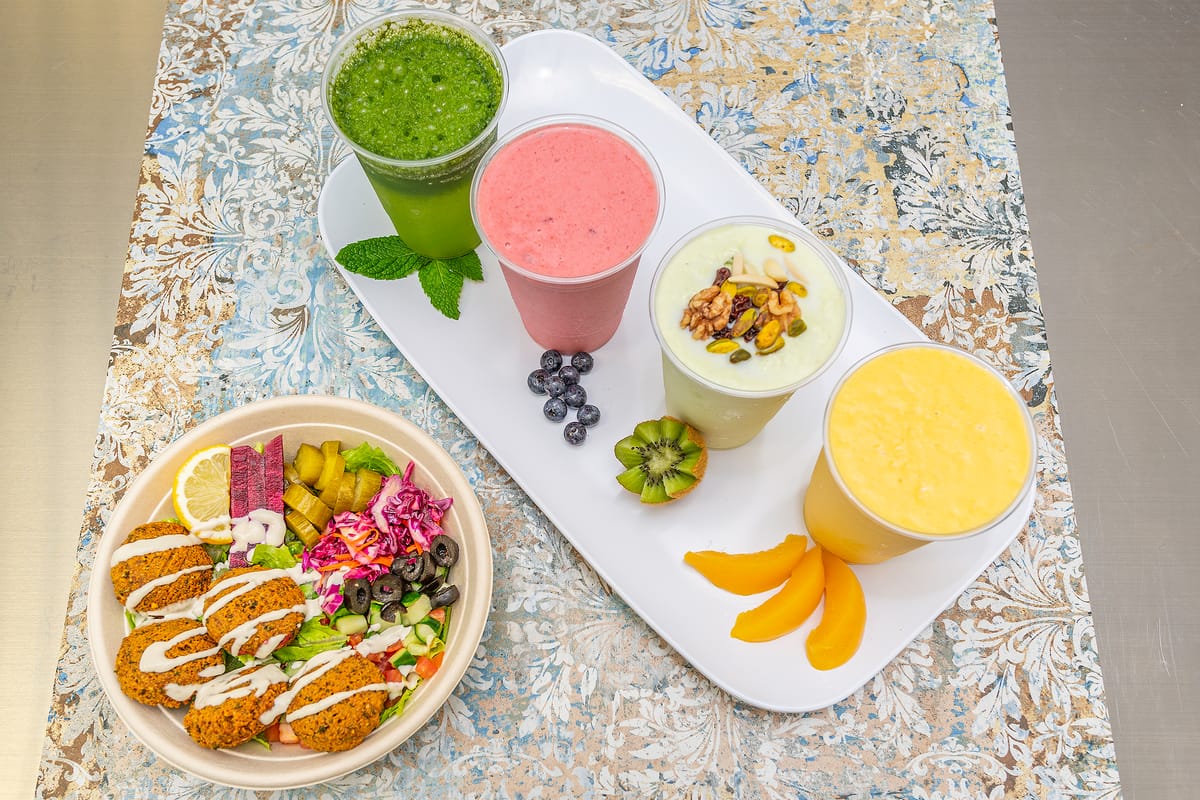
Protein-First Cooking
Spit-roasted chicken and beef -- no breading, no sugar glazes, just pure protein that stabilizes blood sugar.
How Can You Dine Out Confidently with Diabetes?
Strategies that work at Taza and any Mediterranean restaurant.
Choose Protein as Your Foundation
Decide on your protein first -- chicken shawarma, beef shawarma, or falafel. Build the rest of the meal around it. This protein-first approach naturally limits carbohydrate-heavy choices and ensures that whatever carbohydrates you do eat are buffered by protein and fat. Most people find that starting with protein leads to a satisfying meal with lower total carbohydrate intake.
Request Greens Base When Available
When ordering a bowl, ask for a greens base instead of rice. This single swap reduces carbohydrates by 40 to 50 grams while adding fiber and micronutrients. At Taza, the greens base includes fresh lettuce and mixed greens that provide crunch and volume without glycemic impact. You can still add a small portion of rice on the side if you want some grain with your meal.
Use Hummus as a Sauce and a Side
Hummus works double duty for blood sugar management. As a sauce on your bowl or in your pita, it adds healthy fat and fiber that slow glucose absorption from other ingredients. As a side with vegetables, it provides a satisfying low-glycemic snack. Do not be afraid of the calories in hummus -- the fat and fiber are working for you, not against you, when it comes to blood sugar control.
Time Your Meal and Walk After
A 15-minute walk after eating has been shown to reduce post-meal blood sugar spikes by up to 30 percent. Taza is located on Seminary Road in Falls Church, a walkable area with sidewalks and nearby shopping. Consider a short walk after your meal before getting back in your car. The combination of a blood sugar-friendly meal and post-meal movement can keep glucose levels remarkably stable.
Frequently Asked Questions: Mediterranean Food and Diabetes
Yes. The American Diabetes Association specifically recommends the Mediterranean diet as an evidence-based eating pattern for managing type 2 diabetes. A 2014 meta-analysis in Diabetologia found that Mediterranean diet adherence reduced the risk of developing type 2 diabetes by 23 percent. The diet's emphasis on low-glycemic legumes, healthy fats, lean protein, and fresh vegetables creates meals that stabilize blood sugar rather than spike it. At Taza Shawarma & Falafel in Falls Church, VA, you can build complete meals that align perfectly with these guidelines.
Start with a bowl on a greens or hummus base rather than rice. Choose chicken shawarma or falafel as your protein. Load up on fresh vegetables. Add hummus or tahini for healthy fat that slows glucose absorption. If you want rice, ask for a half portion alongside your protein and vegetables. Avoid sugary drinks -- water, unsweetened tea, or sparkling water are better choices. At Taza, the falafel bowl on greens with extra vegetables and tahini is an excellent diabetes-friendly option at from $10.45.
Hummus has a very low glycemic index, typically between 6 and 25 depending on preparation. The combination of chickpea protein, chickpea fiber, tahini fat, and olive oil creates a food that releases glucose extremely slowly into the bloodstream. Research published in the British Journal of Nutrition found that adding hummus to a meal significantly lowered the overall glycemic response compared to eating the same meal without it. Hummus is one of the most diabetes-friendly foods on any restaurant menu, including at Taza in Falls Church.
Falafel is a good choice for people managing diabetes. It is made primarily from chickpeas, which have a low glycemic index of approximately 35. Each falafel ball provides plant protein and fiber that slow carbohydrate digestion. The frying process adds some fat, which further buffers glucose absorption. A falafel bowl at Taza on a greens base with vegetables and tahini creates a complete meal with a very low glycemic load. The chickpea protein and fiber keep blood sugar stable for several hours after eating.
Pita bread has a moderate to high glycemic index (57-68), which means it will raise blood sugar if eaten alone in large quantities. However, context matters significantly. Eating one pita stuffed with chicken shawarma, vegetables, hummus, and tahini produces a much lower glycemic response than eating pita bread by itself. The protein, fat, and fiber from the fillings slow the absorption of carbohydrates from the pita. If you are closely managing blood sugar, consider choosing a bowl on greens instead of a pita sandwich, or eating half the pita and saving the rest.
Multiple head-to-head clinical trials have compared the Mediterranean diet to the American Diabetes Association standard diet, low-fat diets, and low-carb diets for blood sugar management. A 2015 systematic review in the European Journal of Clinical Nutrition found that the Mediterranean diet was at least as effective as these alternatives and often superior for long-term glycemic control, cardiovascular risk reduction, and diet adherence. The key advantage of the Mediterranean diet is sustainability -- it does not require extreme restriction, which means people stick with it longer and see cumulative benefits over years.
Yes, but portion size and context matter. Basmati rice, which is served at Taza, has a lower glycemic index (55-60) than short-grain or jasmine rice (70-85). Eating a moderate portion of rice alongside protein, healthy fat, and fiber significantly reduces its glycemic impact. A chicken shawarma bowl at Taza with a standard rice portion plus vegetables and hummus produces a much lower blood sugar response than a comparable portion of rice eaten alone. If you want to minimize glycemic impact further, choose a greens or hummus base instead of rice.
No. This guide is for informational purposes only and is not medical advice. It provides general dietary information about Mediterranean food and its relationship to blood sugar management based on published clinical research. Every individual's diabetes management needs are different. Please consult your healthcare provider, endocrinologist, or registered dietitian before making dietary changes. They can provide personalized guidance based on your specific health status, medications, and goals.
Diabetic-Friendly Mediterranean Food in Falls Church, VA
Taza Shawarma & Falafel serves fresh, customizable Mediterranean meals that support blood sugar management.
Address
5820 Seminary Rd Ste O, Falls Church, VA 22041
Hours
11:00 AM - 12:00 AM -- Open 7 Days a Week
Phone
Ready for a Meal That Works with Your Blood Sugar?
Build a diabetic-friendly bowl, pita, or plate online. Customize every ingredient. 14 fresh toppings included. Pickup or delivery from Taza in Falls Church, VA.