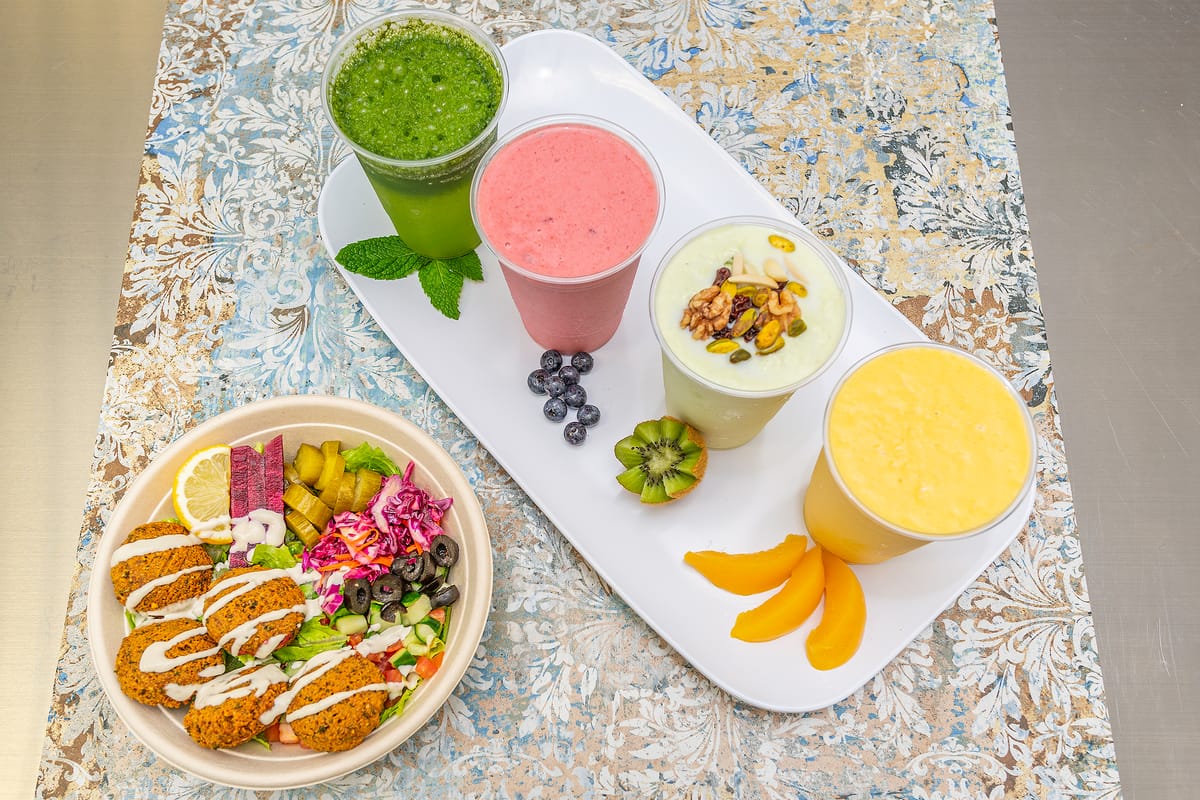
What Is Muhammara? The Roasted Red Pepper & Walnut Dip from Aleppo
Muhammara is a Syrian roasted red pepper and walnut dip seasoned with pomegranate molasses and Aleppo pepper -- rich, smoky, nutty, and gently spiced. One of the most complex and satisfying dips in Levantine cooking.
4.8 stars on Yelp (92 reviews) -- Open 11:00 AM - 12:00 AM
What Is Muhammara? A Dip Built on Roasted Sweetness and Walnut Depth
Sweet, smoky, nutty, and mildly spiced -- four flavors that arrive together.
Muhammara is a roasted red pepper and walnut dip from Aleppo, Syria, and it is one of the most distinctive spreads in the entire Levantine mezze tradition. The name comes from the Arabic root meaning "reddened," an accurate description of the deep crimson color that comes from slow-roasted sweet peppers blended with coarsely ground walnuts, a splash of pomegranate molasses, dried Aleppo pepper, olive oil, and breadcrumbs. It is thick enough to spread with a knife yet textured enough to scoop with pita. When you taste muhammara for the first time, the complexity can be surprising: this is not a simple pepper sauce. It is a dip where four distinct flavor notes -- sweet, smoky, nutty, and mildly spicy -- arrive simultaneously and reinforce each other rather than competing.
The sweetness comes from the roasted red bell peppers, which lose their raw grassiness under heat and develop a concentrated, caramelized character. The smokiness emerges from the roasting process itself, particularly if the peppers are charred directly over a flame. The nuttiness is the contribution of the walnuts -- coarsely processed so they retain texture, contributing a slight bitterness that grounds and balances the pepper sweetness. The mild heat comes from Aleppo pepper, a dried chili grown in the region around the city that gives the dip its name. Aleppo pepper is fruity and only gently hot -- far milder than cayenne or standard red chili flakes -- which is why muhammara sits comfortably in the "mildly spiced" category even for people who avoid hot food. The pomegranate molasses adds a fruity tang that ties everything together, cutting through the richness of the walnut oil with brightness and acidity. The result is a dip that rewards slow tasting.
Muhammara occupies a specific position in the family of Levantine sauces and dips. It is richer than most of its counterparts because of the walnuts, which are calorie-dense and contribute a fat structure that hummus and baba ghanoush do not have. It is more assertively flavored than plain hummus, which functions partly as a neutral canvas for toppings. And it is sweeter and less smoky than baba ghanoush, which gets its character primarily from charred eggplant. On any mezze table worth its name, muhammara fills the "bold and rich" role -- the dip you reach for when you want something complex enough to stand on its own alongside nothing but good bread.
This guide covers muhammara from its origins in Aleppo to its place at the modern mezze table. It explains every ingredient and why each one matters, compares muhammara to hummus and baba ghanoush, examines the health profile of a walnut-and-pepper dip, and walks through all the ways you can eat it -- from a simple bread dip to a finishing spread on grilled meats.
From Aleppo: The City That Gave the World Its Signature Dip and Its Signature Pepper
Muhammara and the Aleppo pepper are inseparable. Both carry the identity of one of the world's oldest continuously inhabited cities.
Aleppo -- Halab in Arabic -- sits in northwestern Syria and has been continuously inhabited for roughly 8,000 years, making it one of the oldest cities on earth. It was a crossroads of ancient trade routes, a center of silk production, and a hub of regional cuisine that drew ingredients and techniques from across Anatolia, Mesopotamia, and the Mediterranean coast. The city's food traditions are considered among the most sophisticated in the Arab world, and muhammara is one of its proudest exports. Aleppan cuisine is known for its balance of meat, grain, and vegetable preparation, and muhammara fits the pattern: a dish that uses affordable local ingredients -- peppers, walnuts, olive oil -- and elevates them through careful technique and the precise addition of tart pomegranate molasses.
The Aleppo pepper deserves its own recognition. Grown in the fertile plains outside the city, the Halaby pepper (its local name) is harvested, seeded, sun-dried, and then packed in olive oil before being ground into the coarse, burgundy-red flakes that have become synonymous with Aleppan cooking. What separates Aleppo pepper from standard red chili is its flavor complexity: it is fruity, slightly raisin-like, oily from the olive oil processing, and only moderately hot -- roughly 10,000 Scoville units compared to cayenne's 30,000 to 50,000. Because the pepper is partly preserved in oil, it retains moisture and delivers flavor differently than dry-ground spices. In muhammara, Aleppo pepper provides warmth that enhances the sweetness of the roasted red peppers rather than cutting across it. The two pepper types work together.
Pomegranate molasses is the other distinctly Aleppan contribution. The thick, dark syrup made from reduced pomegranate juice is a staple ingredient in northern Syrian cooking, used to add acidity and fruit depth to savory dishes. Its role in muhammara is essential: without it, the dip becomes flat and cloying from the walnut fat and pepper sweetness. With it, the richness lifts and brightens. The interplay between the walnut's mild bitterness, the pepper's sweetness, and the molasses's tartness is what makes authentic muhammara taste balanced in a way that simplified versions often fail to achieve.
Muhammara spread from Aleppo through the broader Levantine diaspora, carried by Syrian communities to Lebanon, Turkey, and eventually to cities across Europe and North America. You find it today on mezze menus from London to Chicago, but the version that stays closest to the original is still identifiable by its three key markers: the Aleppo pepper, the pomegranate molasses, and the coarse walnut texture. It is a dish that travels well because every element of it is shelf-stable -- roasted peppers, dried walnuts, bottled molasses, olive oil -- but it also rewards using the best available versions of each ingredient.
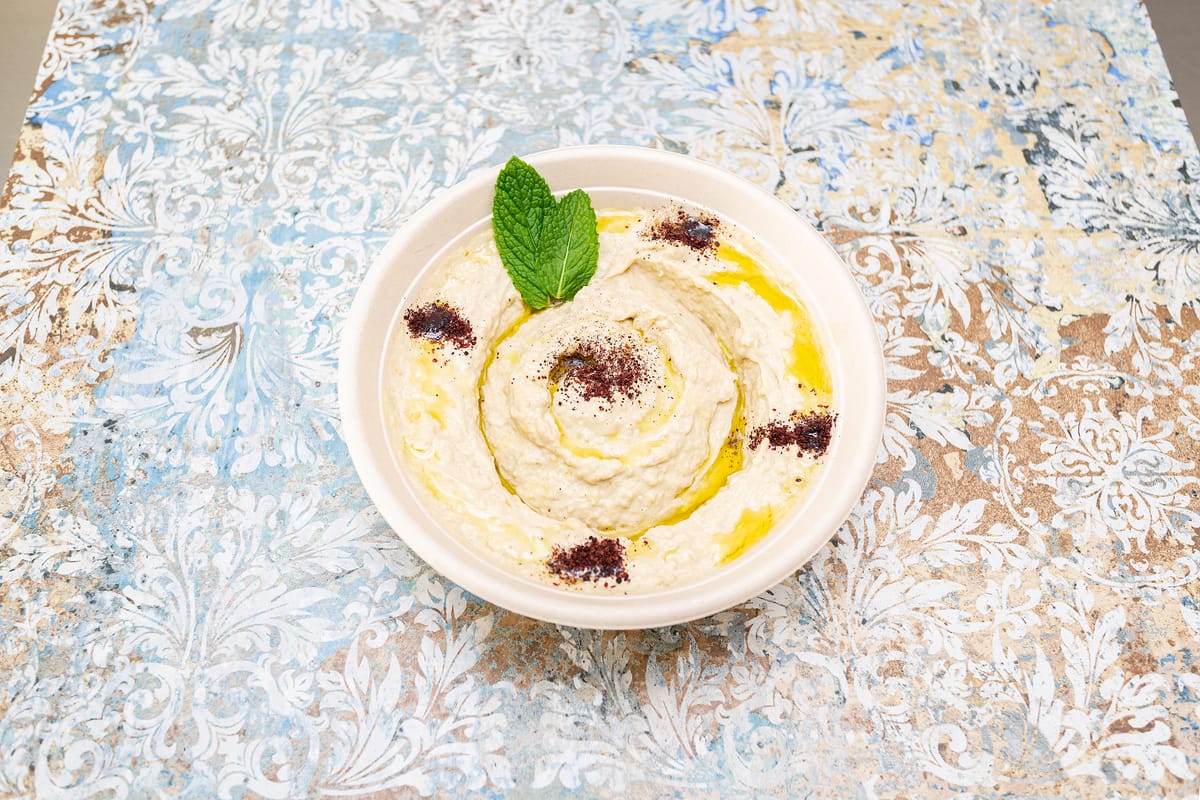
Made from Roasted Peppers, Walnuts, and Pomegranate Molasses
Three core ingredients. One unforgettable Aleppan dip.
How Muhammara Is Made: Roasting, Grinding, and Balancing
Each step builds a different layer of flavor. The technique is as important as the ingredients.
Making muhammara begins with the peppers. Red bell peppers -- and sometimes a mix of bell peppers and milder horn peppers -- are roasted directly over a gas flame, under a broiler, or in a very hot oven until the skin chars and blisters completely. The charring serves two purposes: it concentrates the natural sugars inside the pepper through Maillard reactions, creating caramelized sweetness, and it infuses a subtle smokiness into the flesh. After roasting, the peppers are placed in a covered bowl or bag to steam in their own heat for ten to fifteen minutes, which loosens the blackened skin and makes it easy to peel away. The flesh underneath is soft, sweet, and deeply flavored -- nothing like a raw red pepper.
While the peppers rest, the walnuts are typically toasted briefly in a dry pan to deepen their flavor. Raw walnuts work but produce a slightly bitter, grassy result; toasted walnuts bring out the nuttiness and reduce the astringency from walnut tannins. The walnuts are then pulsed in a food processor -- or pounded in a mortar -- until they reach a coarse, crumbly texture. They should not become walnut flour; the goal is to break them down enough to incorporate into the dip while retaining enough texture to provide body and the characteristic slight crunch in the finished spread.
The peeled roasted peppers are added to the processor with the walnuts, along with breadcrumbs (or torn stale bread), Aleppo pepper flakes, lemon juice, garlic, and pomegranate molasses. Everything is pulsed together until combined but not smooth. The breadcrumbs absorb excess moisture and oil, giving the dip structure and a slightly grainy texture that distinguishes muhammara from a blended pepper sauce. Olive oil is drizzled in last, with the processor running, to emulsify the mixture and add richness. The finished muhammara should hold its shape on a plate, spread without running, and show visible walnut pieces throughout the crimson base.
Seasoning muhammara correctly requires tasting at the end and adjusting the three-way balance between sweet (pepper and molasses), tart (lemon juice and molasses), and heat (Aleppo pepper). More molasses pulls it sweeter and more tangy. More lemon brightens and lifts. More Aleppo pepper builds warmth. A drizzle of olive oil on the finished dip before serving is standard practice, along with a scatter of whole walnut pieces and sometimes a sprinkle of Aleppo pepper for visual contrast. Served at room temperature, muhammara shows its best flavor -- cold from the refrigerator the fat firms up and mutes the nuance.
The Six Elements That Build Muhammara
Each ingredient plays a specific role. Remove any one of them and the dip loses a dimension.
Roasted Red Bell Peppers
The largest component by volume and the source of the dip's sweetness, body, and deep crimson color. Charring and peeling the peppers is the essential first step -- it replaces raw bitterness with caramelized, concentrated sweetness.
Walnuts
Coarsely ground walnuts provide the characteristic nuttiness and textured body that distinguishes muhammara from smooth pepper sauces. Toasted walnuts contribute more flavor depth than raw, and they supply the bulk of the dip's fat content alongside olive oil.
Pomegranate Molasses
A thick, dark syrup made by reducing pomegranate juice until concentrated and slightly sweet-tart. This is the ingredient most distinctive to Aleppan muhammara -- it cuts through the richness of the walnuts and peppers with fruity acidity.
Aleppo Pepper
The dried chili that gives muhammara its gentle, fruity warmth. Grown near Aleppo, Syria, this pepper is processed with olive oil and has roughly a third the heat of standard red chili flakes. It delivers warmth without aggression.
Breadcrumbs
Stale bread or dry breadcrumbs absorb oil and liquid, giving muhammara its spreadable structure rather than a loose sauce consistency. They also moderate the richness of the oil and help the dip hold its shape when plated.
Olive Oil
Extra virgin olive oil emulsifies the dip and adds richness throughout. It is used both in the mixing process and as a finishing drizzle on top. The quality of the olive oil noticeably affects the final flavor -- a fruity, peppery olive oil adds its own character.
Muhammara vs Hummus vs Baba Ghanoush
Three Levantine dips, three completely different flavor profiles -- here is how they compare across every dimension.
| Category | Muhammara | Hummus / Baba Ghanoush |
|---|---|---|
| Base Ingredient | Roasted red peppers + walnuts | Chickpeas + tahini |
| Texture | Chunky to coarse -- walnuts provide body and slight crunch | Ultra-smooth and creamy when blended well |
| Flavor Profile | Sweet, smoky, nutty, with a mild heat from Aleppo pepper | Earthy, savory, with a sesame richness from tahini |
| Primary Flavor Note | Roasted pepper sweetness with walnut depth | Chickpea earthiness balanced by lemon brightness |
| Calories (per 2 tbsp) | ~80-100 kcal -- walnuts are calorie-dense but nutritious | ~70-80 kcal -- moderate, depends on olive oil quantity |
| Protein (per 2 tbsp) | ~1-2g -- walnuts contribute some plant protein | ~2-3g -- chickpeas provide more protein per serving |
| Fat Type | Omega-3 rich from walnuts; monounsaturated from olive oil | Monounsaturated from olive oil; some from tahini |
| Best Pairing | Grilled meats, warm pita, roasted vegetables, manaeesh | Raw vegetables, pita chips, falafel, shawarma bowls |
| Origin | Aleppo, Syria -- a proud signature of Aleppan cuisine | Levantine -- prepared across the region for centuries |
All three dips belong on a mezze table. They complement each other rather than duplicate. Serve them together with warm pita and let guests discover the differences firsthand.
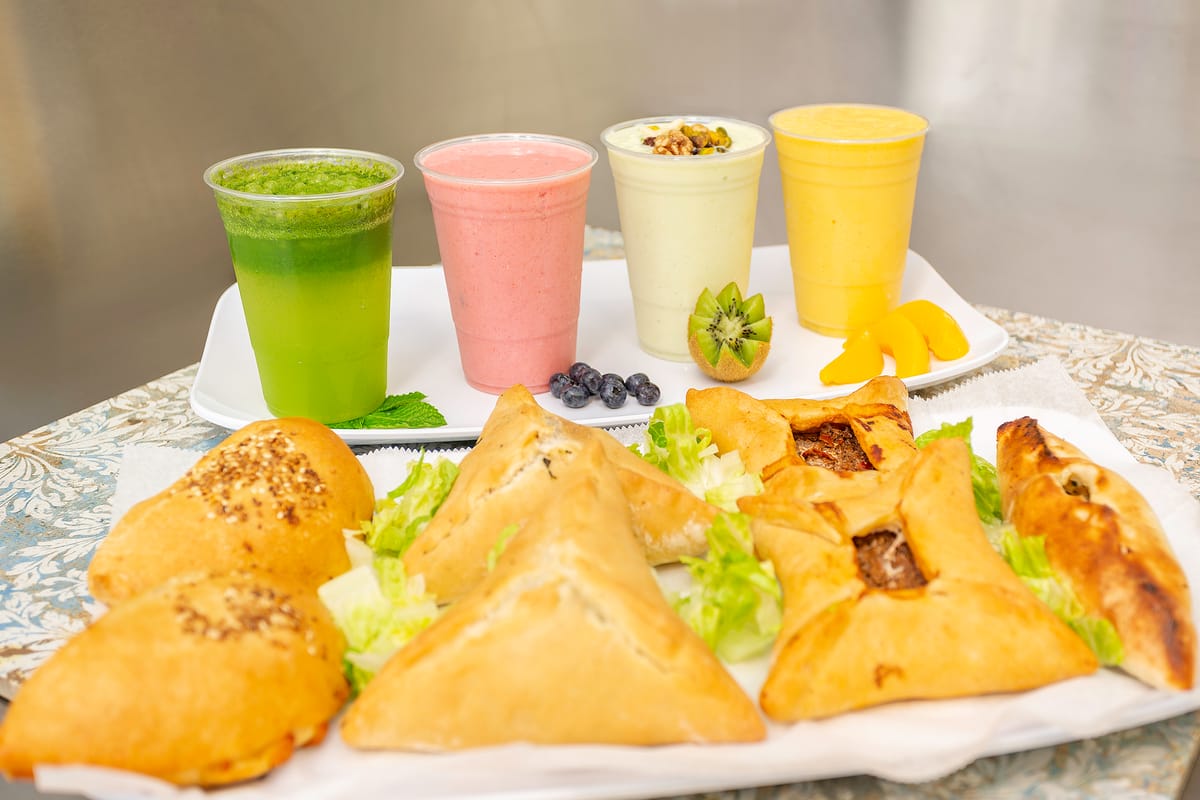
Walnuts, Peppers, and Pomegranate Molasses
The Aleppan trio that makes muhammara irreplaceable on any mezze spread.
The Health Profile of Muhammara: What Each Ingredient Contributes
A dip built from walnuts, red peppers, and pomegranate molasses delivers meaningful nutrition alongside its flavor.
Muhammara is calorie-dense by the standards of dips because of the walnuts, but those calories carry substantial nutritional value. Walnuts are the only nut with a meaningful amount of alpha-linolenic acid (ALA), the plant-based omega-3 fatty acid. Regular walnut consumption has been associated in peer-reviewed research with reduced LDL cholesterol, lower inflammatory markers, and improved cognitive function. A quarter-cup serving of walnuts provides roughly 2.5 grams of ALA -- more than twice the daily adequate intake recommended for adults. When you consume muhammara as a dip with pita bread, a two-tablespoon serving delivers walnut omega-3s along with the fat-soluble vitamins from the olive oil and peppers.
Roasted red bell peppers are one of the most vitamin-C-dense vegetables available. A single large red pepper contains between 150 and 200 milligrams of vitamin C -- more than twice the daily recommended intake for adults -- along with significant amounts of vitamin A from beta-carotene, vitamin B6, folate, and potassium. The antioxidants in red peppers, including lycopene and beta-carotene, are associated with reduced oxidative stress and lower cancer risk in observational studies. Roasting peppers reduces some of the vitamin C content through heat degradation, but concentrates the remaining nutrients by removing water, so the calorie-per-nutrient ratio actually improves after roasting.
Pomegranate molasses brings polyphenol antioxidants from the original pomegranate juice. Pomegranate polyphenols -- particularly punicalagins and punicic acid -- have been studied for their anti-inflammatory and antioxidant effects. The molasses form is more concentrated than fresh juice and retains much of the antioxidant activity. The quantities used in muhammara per serving are modest (one to two tablespoons per batch serving multiple people), so the molasses contribution is a supporting nutritional detail rather than the primary benefit, but it adds to an already strong nutritional profile.
Aleppo pepper contains capsaicin at lower concentrations than hotter peppers but still enough to contribute potential benefits: capsaicin has been linked to increased metabolic rate, improved circulation, and reduced inflammation through COX-2 inhibition. Olive oil contributes monounsaturated oleic acid, associated with cardiovascular health. Garlic provides allicin. The overall nutritional picture of muhammara is that of a whole-food dip made from ingredients that nutritionists regularly recommend for Mediterranean diet adherence -- walnuts, olive oil, peppers -- all combined in a form that makes them genuinely enjoyable to eat.
Best plant source of alpha-linolenic acid (ALA), supporting heart and brain health
One large roasted red pepper provides 150-200mg vitamin C -- over twice the daily recommendation
Punicalagins and other antioxidants from pomegranate molasses reduce oxidative stress
Four Ways to Eat Muhammara: From Simple Dip to Versatile Spread
Muhammara is more adaptable than most people realize when they first encounter it.
Warm Pita as a Dip
The classic approach and still the best introduction. Tear a piece of warm pita, fold it slightly, and scoop up a generous amount. The bread absorbs the olive oil, picks up the walnut texture, and carries the full flavor profile in a single bite. Serve muhammara at room temperature -- never cold -- and use bread with a slight chew rather than crackers, which compete texturally with the walnuts.
Spread on Flatbreads and Manaeesh
Muhammara works beautifully as a spread on manaeesh, the Levantine oven-baked flatbread. Spread it before baking for a deeper, roasted result, or use it as a finishing spread on freshly baked flatbread. The combination of the bread's slight char from the oven and the pepper sweetness of the muhammara is one of the defining flavors of Syrian-Lebanese breakfast culture.
Alongside Grilled Meats
Across Syrian cooking, muhammara is a traditional accompaniment to grilled chicken, lamb kebab, and kofta. The sweetness of the dip contrasts with the char of the grilled protein and the fat from the meat. A small bowl of muhammara alongside a plate of skewers is one of the most balanced flavor pairings in Levantine cuisine -- the dip brightens, sweetens, and adds depth to every bite of protein.
In Bowls and Wraps
Muhammara can function as a base layer in grain bowls or as a spread inside wraps. Spread a tablespoon across the bottom of a bowl before adding rice, roasted vegetables, and protein -- it acts as a flavored sauce that ties all the components together. In wraps, it replaces or augments hummus for a richer, more assertive flavor profile that holds up to strong ingredients like marinated chicken or roasted eggplant.
Muhammara in the Levantine Dip Family
Understanding where muhammara fits among hummus, baba ghanoush, labneh, toum, and tahini.
The Levantine mezze tradition has produced some of the world's great dips and spreads, each with a distinct role on the table. Understanding where muhammara sits in this family helps you appreciate both what makes it unique and what it has in common with its counterparts. Hummus is the most broadly familiar: an earthy, creamy chickpea spread that functions as a near-neutral base, versatile enough to underpin almost any topping. Its job on the table is accessibility and substance. Baba ghanoush -- roasted eggplant blended with tahini -- is smokier and more assertive than hummus but still relatively gentle and cooling. Baba ghanoush occupies the "smoky and cool" position that muhammara's "sweet and bold" position complements rather than duplicates.
Labneh -- strained yogurt -- brings dairy tang and a cooling richness. Toum, the whipped garlic emulsion, provides sharp, bright, almost aggressive garlic flavor that cuts through rich proteins. Tahini sauce delivers deep sesame nuttiness that is earthier and more bitter than the walnut nuttiness in muhammara. Each of these dips fills a different sensory role: cooling, sharp, earthy, smoky, neutral. Muhammara fills the "sweet, rich, and warmly spiced" position. When a mezze table includes all of them, each one offers something the others cannot, and together they create the kind of variety that makes shared appetizer spreads genuinely interesting to eat.
The positioning of muhammara as the "bold" option on a mezze table also means it works differently from the others as a side for proteins. Hummus and baba ghanoush are neutral enough to pair with almost any protein. Muhammara is assertive enough that it works best alongside specific partners: lamb, chicken, and robust vegetables that can hold their own against its sweetness and richness. With a mild white fish, for example, muhammara might overpower. With a well-charred lamb kebab, it is ideal.
Among the broader Lebanese and Levantine food tradition, muhammara is specifically associated with Syrian Aleppan cuisine rather than being equally present across all regional variations. Lebanese mezze spreads sometimes include muhammara and sometimes do not. Turkish cuisine has versions under different names. Syrian restaurants almost always include it. This regional specificity is part of what makes it a discovery for diners who know hummus and baba ghanoush but have not yet encountered Aleppo's most famous contribution to the dip world.
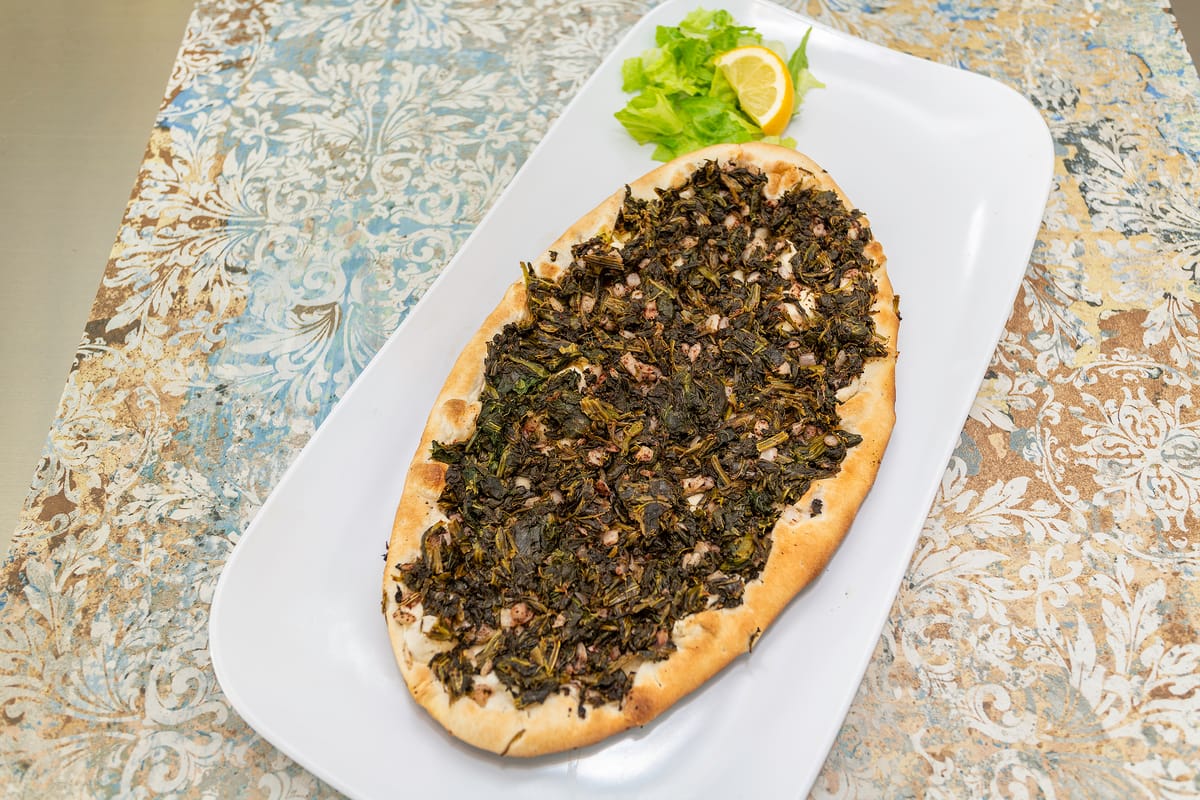
Authentic Levantine Flavors in Falls Church, Virginia
Hummus, baba ghanoush, and Levantine dips served alongside halal shawarma and falafel.
Ordering Levantine Dips at Taza Shawarma & Falafel
Explore authentic Levantine flavors at our Falls Church location on Seminary Road.
At Taza Shawarma & Falafel in Falls Church, we serve a menu built on the same flavor traditions that produced muhammara and the broader Levantine dip family. Our Hummus ($4.95) is made from chickpeas blended with tahini, lemon, and olive oil -- the foundational Levantine dip that anchors any mezze spread. Baba Ghanoush ($4.95) offers the smoky roasted eggplant alternative with its distinctive charred depth and cooling texture.
These dips pair naturally with the food across the rest of our menu. Our Falafel Pita (from $8.95) -- crispy herb-packed chickpea fritters in fresh-baked pita -- works beautifully alongside a portion of hummus for dipping. Our Chicken Shawarma Pita (from $9.95) comes with garlic sauce and pickles built in, but adding a side of hummus turns the plate into a proper Levantine meal. The Zaatar Manaeesh ($6.95) -- oven-baked flatbread with thyme and olive oil -- is the natural vehicle for any dip on the table.
Taza is located at 5820 Seminary Rd Ste O, Falls Church, VA 22041, open 11:00 AM - 12:00 AM, Open 7 Days a Week. Call us at (703) 340-1014 or order online for pickup. Whether you are discovering Levantine dip culture for the first time or already know exactly what you want, we have the food.
Hummus
$4.95Creamy chickpea dip with tahini, lemon, and olive oil.
Baba Ghanouj
$4.95Smoky roasted eggplant dip with tahini and garlic.
Falafel Pita
from $8.95Crispy chickpea falafel in fresh-baked pita with veggies and tahini.
Muhammara: Frequently Asked Questions
Muhammara is a roasted red pepper and walnut dip that originated in Aleppo, Syria. The name comes from the Arabic word for 'reddened,' which describes the dip's deep crimson color. It is made by blending or pounding roasted red peppers with walnuts, breadcrumbs, pomegranate molasses, Aleppo pepper, olive oil, and lemon juice into a thick, coarse spread. The flavor is sweet from the roasted peppers, nutty from the walnuts, tangy from the pomegranate molasses, and gently warm from Aleppo pepper -- which is milder and fruitier than most dried chilies. Muhammara occupies a distinct position in the Levantine dip family: it is richer and more complex than simple pepper dips, less neutral than hummus, and more intensely flavored than a plain walnut spread.
Muhammara has a layered flavor that hits in sequence. First comes the sweetness of the roasted red peppers, caramelized and concentrated from time under heat. Then the nuttiness of the walnuts arrives, adding richness and a slight bitterness that grounds the sweetness. The pomegranate molasses contributes a fruity tang -- bright and almost jammy -- that cuts through the fat from both the olive oil and the walnuts. Aleppo pepper adds a slow, gentle warmth that lingers without overwhelming. Breadcrumbs absorb the oil and give the dip a slightly grainy, substantive body rather than a smooth paste. The overall experience is luxurious and complex: you taste all four elements -- sweet, smoky, nutty, and mildly spicy -- in every bite, and they balance each other rather than competing.
Muhammara and hummus are both Levantine dips served at the same mezze spread, but they come from entirely different bases and deliver entirely different flavor experiences. Hummus is built on chickpeas blended with tahini, garlic, lemon juice, and olive oil -- earthy, creamy, and mildly savory with a sesame richness. Muhammara starts with roasted red peppers and walnuts, producing something far richer, sweeter, smokier, and more textured. Hummus is almost always smooth; muhammara retains a coarser body from the ground walnuts and breadcrumbs. Hummus is neutral enough to pair with almost anything; muhammara has a bold character that works best alongside grilled meats, strong cheeses, and roasted vegetables. Both belong on a mezze table, but they fill different roles.
Muhammara is mildly spicy rather than hot. The heat comes from Aleppo pepper, which is a dried chili grown in northern Syria near the city of Aleppo. Aleppo pepper rates around 10,000 Scoville units -- roughly half the heat of a standard dried red chili flake and far milder than cayenne or serrano pepper. The fruity, oily character of Aleppo pepper means the warmth builds slowly and feels rounded rather than sharp. Most people who find sriracha or tabasco too aggressive can eat muhammara without discomfort. If you substitute regular hot pepper for Aleppo, the heat level changes significantly, so recipes made outside Syria often underestimate the gentleness of the authentic version.
Authentic muhammara contains: roasted red bell peppers (the base, providing sweetness and body), walnuts (for richness, texture, and nutty flavor), breadcrumbs or stale bread (to absorb oil and create structure), pomegranate molasses (a thick, tart-sweet syrup that gives muhammara its distinctive tang), Aleppo pepper (the characteristic Syrian chili that adds mild heat and fruity warmth), olive oil (to emulsify and enrich), lemon juice (for brightness), and sometimes cumin and garlic. The ingredients are typically roasted, then pounded in a mortar or pulsed in a food processor -- enough to combine without becoming completely smooth. The breadcrumbs are an important structural element that separates muhammara from thinner pepper sauces.
Muhammara is exceptionally versatile. As a dip, it pairs perfectly with warm pita bread -- the bread soaks up the oil and picks up all the textured elements of the dip. It works alongside raw and roasted vegetables, particularly ones that match its sweetness like carrots and roasted beets. As a spread, muhammara goes on flatbreads like manaeesh or atop toasted bread as a starter. It is a traditional accompaniment to grilled meats across Syrian cooking, particularly lamb and chicken, where the sweetness of the dip contrasts with charred savory protein. Muhammara can also be stirred into pasta, used as a sandwich spread, or thinned with extra olive oil and used as a finishing drizzle over grilled eggplant or squash.
Muhammara is a nutritionally dense dip with several beneficial components. Walnuts are one of the best plant sources of omega-3 fatty acids (specifically alpha-linolenic acid), which support brain function and cardiovascular health. Research published in multiple nutrition journals has associated regular walnut consumption with lower LDL cholesterol. Roasted red peppers provide substantial vitamin C -- a single large pepper can contain more than 150% of the daily recommended intake -- along with vitamin A, beta-carotene, and other antioxidants. Pomegranate molasses contributes polyphenol antioxidants associated with anti-inflammatory effects. Olive oil provides heart-healthy monounsaturated fats. Aleppo pepper contains capsaicin, linked to improved circulation and metabolic rate. The calorie count per serving is moderate given the nutritional return.
Taza Shawarma & Falafel at 5820 Seminary Rd Ste O, Falls Church, VA 22041 serves authentic Levantine dips including hummus ($4.95) and baba ghanoush ($4.95). Our mezze-style sides accompany shareable meals alongside falafel pita (from $8.95), chicken shawarma (from $9.95), and manaeesh flatbreads. We are open 11:00 AM - 12:00 AM, Open 7 Days a Week. Call (703) 340-1014 or order online for pickup.
Visit Taza Shawarma & Falafel in Falls Church, VA
Authentic Levantine food on Seminary Road -- halal shawarma, falafel, and mezze.
Address
5820 Seminary Rd Ste O, Falls Church, VA 22041
Hours
11:00 AM - 12:00 AM -- Open 7 Days a Week
Phone
Try Authentic Levantine Flavors at Taza
Hummus, baba ghanoush, falafel, and shawarma -- the full Levantine table at 5820 Seminary Rd Ste O, Falls Church, VA 22041. Open 11:00 AM - 12:00 AM.