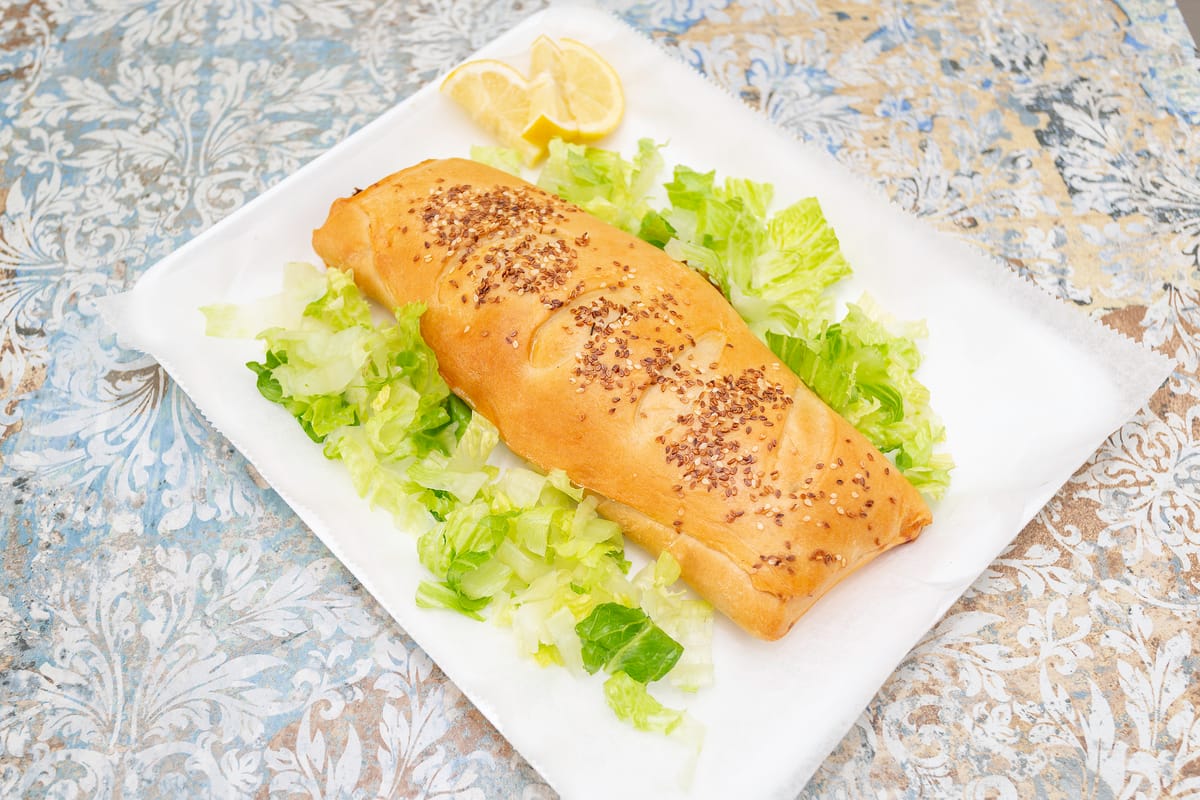
Best Hummus Toppings & Dippers
From classic olive oil and pine nuts to creative zaatar and harissa combinations, here is everything you need to know about topping, dipping, and serving hummus like a pro.
4.8 stars on Yelp (92 reviews) -- Open 11:00 AM - 12:00 AM
How to Top and Serve Hummus Like a Pro
Turning a simple dip into a centerpiece meal.
Hummus on its own is a blank canvas. The chickpea-and-tahini base carries a mild, nutty flavor that absorbs and amplifies whatever you place on top of it. That versatility is what makes hummus one of the most adaptable dishes in Middle Eastern cooking. A drizzle of olive oil and a pinch of paprika transform a bowl of hummus into a starter. A pile of seasoned ground lamb and toasted pine nuts turn it into a full dinner. The toppings you choose determine whether your hummus plate is a quick snack, a party centerpiece, or a complete meal. Falls Church residents and Northern Virginia families have been building their own hummus combinations at Taza for years, and this guide covers every option worth trying.
The key to great hummus toppings is contrast. Smooth hummus needs something crunchy on top -- toasted pine nuts, fried chickpeas, or crispy falafel pieces. Rich tahini flavor benefits from bright acidity -- a squeeze of lemon, a sprinkle of sumac, or a scattering of pomegranate seeds. Cool, creamy hummus pairs with warm elements like sauteed meat or roasted vegetables. Every topping should add a dimension that the hummus itself does not already provide. The goal is not to bury the hummus but to build layers of flavor and texture that make each bite different from the last. Restaurants across Arlington, Seven Corners, and the broader DC metro area each have their own approach to finishing a hummus plate.
At Taza Shawarma & Falafel in Falls Church, our hummus is made fresh every morning from dried chickpeas, tahini, fresh lemon juice, and garlic. We finish each plate with extra-virgin olive oil and a dash of paprika before serving it with warm pita bread for $4.95. You can also add hummus as a base to any bowl on our menu, turning it into a protein-rich foundation under falafel, chicken shawarma, or beef shawarma. The toppings and pairings in this guide work with any hummus -- whether you make it at home, pick it up from a store, or order it fresh from our kitchen on Seminary Road.
How Different Regions Top Their Hummus
Hummus toppings vary across the Middle East and Mediterranean.
Hummus topping styles differ by region, and those differences tell you something about local food culture. In Lebanon, hummus is often served with whole chickpeas, a pool of olive oil, and a sprinkle of paprika -- clean, minimal, and focused on ingredient quality. Lebanese hummus restaurants (called hummusiyat) may top the dish with nothing more than olive oil and serve it with stacks of warm bread. Syrian-style hummus leans toward heartier toppings: stewed fava beans (foul), ground meat with pine nuts, or fried eggplant. Jordanian preparations sometimes include cumin-heavy spice blends and a drizzle of melted butter (samna) instead of olive oil. The common thread is that every regional tradition starts with the same base and adapts the toppings to local tastes and available ingredients.
In the United States, and specifically in Northern Virginia's dining scene, you find a blend of all these traditions plus modern additions. Falls Church, Arlington, and the Seven Corners corridor have a concentration of Middle Eastern restaurants that each bring their own regional perspective to hummus presentation. At Taza, our approach is rooted in Lebanese tradition -- fresh chickpeas, quality tahini, olive oil, and paprika as the foundation -- but we encourage guests to build from there using the toppings and menu items described in this guide. The beauty of hummus toppings is that there are no wrong answers, only combinations you have not tried yet.
The Essential Three Garnishes
Every hummus plate starts here. These three elements are non-negotiable.
Extra-Virgin Olive Oil
A generous drizzle of quality olive oil is the single most important hummus garnish. The oil pools in the natural well of the hummus, adding richness, fruity depth, and a glossy sheen that signals freshness. Use a full-flavored extra-virgin olive oil with grassy or peppery notes -- it should taste like something on its own. Pour it in a slow stream to create a moat around the edges and fill any divots you press into the surface. Olive oil also keeps the hummus from drying out and forming a skin. At Taza, we finish every plate of hummus with cold-pressed olive oil before it leaves the kitchen. This is the one garnish that every tradition agrees on, from Beirut to Amman to the restaurants along Route 7 in Falls Church and Arlington.
Paprika or Sumac
A dusting of ground spice across the top of the hummus provides color contrast and gentle flavor. Sweet paprika is the most common choice, adding a warm, slightly sweet note and that signature red-orange streak across the white surface. Smoked paprika brings deeper, campfire-like warmth. Sumac is the Levantine alternative -- a tart, berry-colored spice ground from dried sumac berries that adds lemony brightness and a deep crimson hue. Some cooks use both, drawing a line of paprika on one side and sumac on the other. The spice does not need to be heavy -- a light, even dusting is enough to change the visual presentation and add a subtle layer of flavor that rounds out the tahini and chickpea base. Grocery stores throughout Northern Virginia carry both spices.
Fresh Flat-Leaf Parsley
A scattering of freshly chopped flat-leaf parsley provides color, freshness, and a mild herbal flavor that cuts through the richness of the tahini and olive oil. Use flat-leaf (Italian) parsley, not curly parsley -- the flat variety has a cleaner, more pronounced flavor and a softer texture when eaten raw. Chop it finely and sprinkle it over the center of the hummus plate just before serving. The bright green against the beige hummus and red paprika creates the classic tricolor presentation that has defined hummus plating for generations. Some cooks add a few whole parsley leaves as a finishing touch. Mint is occasionally used as a substitute or addition, but parsley remains the standard across Lebanese, Syrian, and broader Levantine kitchens.
Classic Middle Eastern Hummus Toppings
Time-tested toppings from Lebanon, Syria, and the broader Levant.
Traditional hummus toppings have been refined over centuries of daily preparation across the Middle East. These are the toppings you find at dedicated hummus restaurants (called a hummusia) in Beirut, Damascus, and Amman -- and at the best Mediterranean restaurants in Northern Virginia. Each topping serves a specific purpose: pine nuts add crunch and richness, whole chickpeas reinforce the base flavor, and ground meat transforms the dip into a substantial meal. These classics work because they complement rather than compete with the chickpea-tahini base. Falls Church diners who grew up eating hummus at family tables will recognize every topping on this list.
Toasted Pine Nuts
Pine nuts toasted in a dry pan or in a splash of butter until golden brown are the signature luxury topping on hummus across the Levant. They add a rich, buttery crunch that contrasts with the smooth dip beneath. Toast them slowly over medium-low heat, shaking the pan frequently -- they burn fast. Scatter them generously across the top of the hummus just before serving so they stay crispy. Pine nuts are traditional on hummus bil lahme (hummus with meat) and on plain hummus platters at formal meals. They are expensive but worth it for the texture and flavor they bring to the plate.
Whole Cooked Chickpeas
Reserving a handful of whole cooked chickpeas to scatter over the top of blended hummus is the simplest and most traditional garnish after olive oil. The whole chickpeas add a visual reminder of what hummus is made from and provide a pleasant textural contrast -- soft and starchy against the smooth puree. Some preparations call for slightly firming the chickpeas by pan-frying them in olive oil until the exterior crisps, creating a halfway point between smooth hummus and crunchy topping. This garnish costs nothing extra and is standard at restaurants from Beirut to the Seven Corners area.
Seasoned Ground Lamb or Beef
Hummus bil lahme -- hummus with meat -- is one of the most popular ways to serve hummus as a full meal. Ground lamb or beef is cooked with diced onion, pine nuts, allspice, cinnamon, and a pinch of salt until browned and fragrant. The warm, spiced meat is spooned into the center of the hummus plate, creating a striking visual and a filling, protein-rich dish. The fat from the meat mingles with the olive oil and tahini for a deeply savory combination. This preparation turns a $5 side dish into a dinner plate. At Taza, you can build a similar combination by ordering hummus alongside any shawarma bowl or plate.
Foul (Stewed Fava Beans)
Foul mudammas -- slow-stewed fava beans dressed with olive oil, lemon juice, garlic, and cumin -- is a common topping for hummus in Lebanon and Syria. The combination is called hummus bil foul, and it is a hearty breakfast dish. The fava beans add a different legume flavor and a denser, more substantial texture than the smooth chickpea base. The lemon and cumin in the foul echo the same flavors in the hummus, creating a layered effect. This topping is particularly popular during Ramadan as a sustaining pre-dawn meal. Fava beans are available dried or canned at Middle Eastern groceries throughout Arlington and Falls Church.
Fried Cauliflower
Cauliflower florets fried until golden and slightly caramelized, then placed on top of hummus, is a newer but increasingly popular topping across Levantine restaurants. The cauliflower brings a nutty, caramelized sweetness and a firm bite that stands up well against the creamy dip. Season the cauliflower with cumin and a pinch of turmeric before frying. Some versions add a tahini drizzle over the cauliflower-topped hummus for extra richness. This topping bridges traditional and modern styles and works well for vegetarian dinners. Northern Virginia farmers markets carry fresh cauliflower through late fall and early spring.
Tahini Drizzle
While hummus already contains tahini, an extra drizzle of thinned tahini sauce over the top adds another layer of sesame richness and creates a beautiful marbled effect. Mix tahini with a splash of water and lemon juice to make it pourable, then stream it across the hummus in a zigzag pattern. The extra tahini deepens the nutty flavor and adds a slightly bitter complexity that balances the sweetness of the chickpeas. This is common in Lebanese-style hummus restaurants where tahini is considered the defining ingredient rather than the chickpeas themselves. At Taza, our tahini sauce is made in-house and available on any dish.
Modern Creative Hummus Toppings
Contemporary combinations that push hummus in new directions.
The modern hummus movement has expanded the topping repertoire well beyond traditional garnishes. Restaurants in Washington DC, Arlington, and across Northern Virginia now offer hummus plates topped with ingredients borrowed from North African, Turkish, and even East Asian cuisines. These toppings work because the neutral chickpea-tahini base accepts bold flavors without clashing. The key is choosing toppings that add a dimension the base lacks -- sweetness from caramelized onions, heat from harissa, tartness from pomegranate seeds, or crunch from dukkah. These modern combinations are particularly popular for entertaining, where a dramatically topped hummus plate can serve as the visual centerpiece of a spread.
Roasted Red Peppers
Roasted red peppers cut into strips and draped over hummus add a smoky sweetness and a vivid splash of color. You can roast them yourself by charring whole red bell peppers over a gas flame or under a broiler until blackened on all sides, then steaming them in a covered bowl, peeling, and slicing. The soft, yielding texture of the roasted pepper against the smooth hummus creates a satisfying mouthfeel. Add a drizzle of the pepper's natural juices for extra flavor. Jarred roasted peppers from grocery stores in Falls Church and Arlington work in a pinch, though fresh-roasted have a deeper, more complex smoke.
Caramelized Onions
Slowly caramelized onions -- cooked over low heat for 30-45 minutes until deep golden brown and jammy -- add a concentrated sweetness that pairs beautifully with the earthy chickpea flavor. The key is patience: cook sliced yellow onions in olive oil over low heat, stirring occasionally, until they collapse and turn a rich amber color. Pile them in the center of the hummus plate or spread them across the surface. The sweetness of the onions balances the acidity of the lemon juice in the hummus and the bitterness of the tahini. This topping is popular at modern Mediterranean restaurants throughout the DC metro area.
Zaatar
Zaatar -- a blend of dried thyme, toasted sesame seeds, sumac, and salt -- sprinkled over hummus adds herbal complexity and a subtle crunch from the sesame seeds. The thyme brings an earthy, almost floral note, while the sumac adds tartness. You can sprinkle zaatar dry over the olive oil drizzle, or mix it with olive oil to form a paste and swirl it into the hummus surface. At Taza, our zaatar manaeesh ($6.95) is baked with the same zaatar blend we use in the kitchen, and it makes an outstanding dipper when torn into strips and dragged through zaatar-topped hummus. Learn more in our guide to zaatar's uses and flavors.
Harissa
Harissa is a North African chili paste made from roasted red peppers, garlic, caraway, coriander, and olive oil. A spoonful of harissa swirled into hummus adds a smoky, building heat that transforms the mild dip into something more assertive. Start with a small amount -- harissa ranges from mild to fiery depending on the brand and recipe. Swirl it through the hummus with a knife or spoon to create a marbled red-and-beige pattern. The smokiness of the harissa pairs particularly well with grilled meats, making this an excellent topping when serving hummus alongside shawarma. This combination has become a staple at modern Mediterranean restaurants in Arlington and the greater NoVA dining scene.
Pomegranate Seeds
Fresh pomegranate arils scattered over hummus add jewel-like color, a burst of tart-sweet juice, and a pleasant pop of texture with each bite. The fruit's acidity cuts through the richness of the tahini and olive oil in the same way that lemon juice does, but with a completely different flavor profile -- more berry-like and complex. Pomegranate seeds are a traditional garnish in Persian and Turkish cooking and have crossed over into Levantine hummus presentation in recent decades. They are particularly striking on a white hummus surface and work well as part of a party platter. Pomegranates are in season from October through January, and Northern Virginia grocery stores stock them reliably during those months.
Dukkah
Dukkah is an Egyptian condiment made from crushed hazelnuts or almonds, toasted sesame seeds, coriander seeds, and cumin. Sprinkled over hummus, it adds a complex, multi-layered crunch and a warm, spiced fragrance. The traditional way to eat dukkah with hummus is to dip bread first in olive oil, then in dukkah, then scoop the hummus -- three layers of flavor in one bite. You can also simply scatter dukkah over the hummus plate and eat it all together. The nut-and-spice blend provides protein and healthy fats in addition to flavor. Dukkah is available at specialty stores and Middle Eastern markets across Falls Church, Seven Corners, and Arlington, or you can make it at home with a mortar and pestle.
Traditional vs Modern Hummus Toppings
Both approaches have their place. Here is how they compare across key factors.
| Factor | Traditional Toppings | Modern Toppings |
|---|---|---|
| Flavor Profile | Earthy, nutty, warm spices | Smoky, tangy, bright acidity |
| Texture Contrast | Crunchy nuts, tender meat | Silky roasted veg, crisp seeds |
| Best Pairing Bread | Warm pita or shrak bread | Zaatar manaeesh or crackers |
| Prep Difficulty | Easy to moderate | Moderate to advanced |
| Protein Addition | Ground lamb/beef, whole chickpeas | Pomegranate seeds, dukkah nuts |
| Heat Level | Mild paprika warmth | Harissa-driven spice kick |
| Visual Appeal | Rustic, traditional presentation | Colorful, Instagram-ready plating |
| Best For | Family meals, weeknight dinners | Dinner parties, entertaining guests |
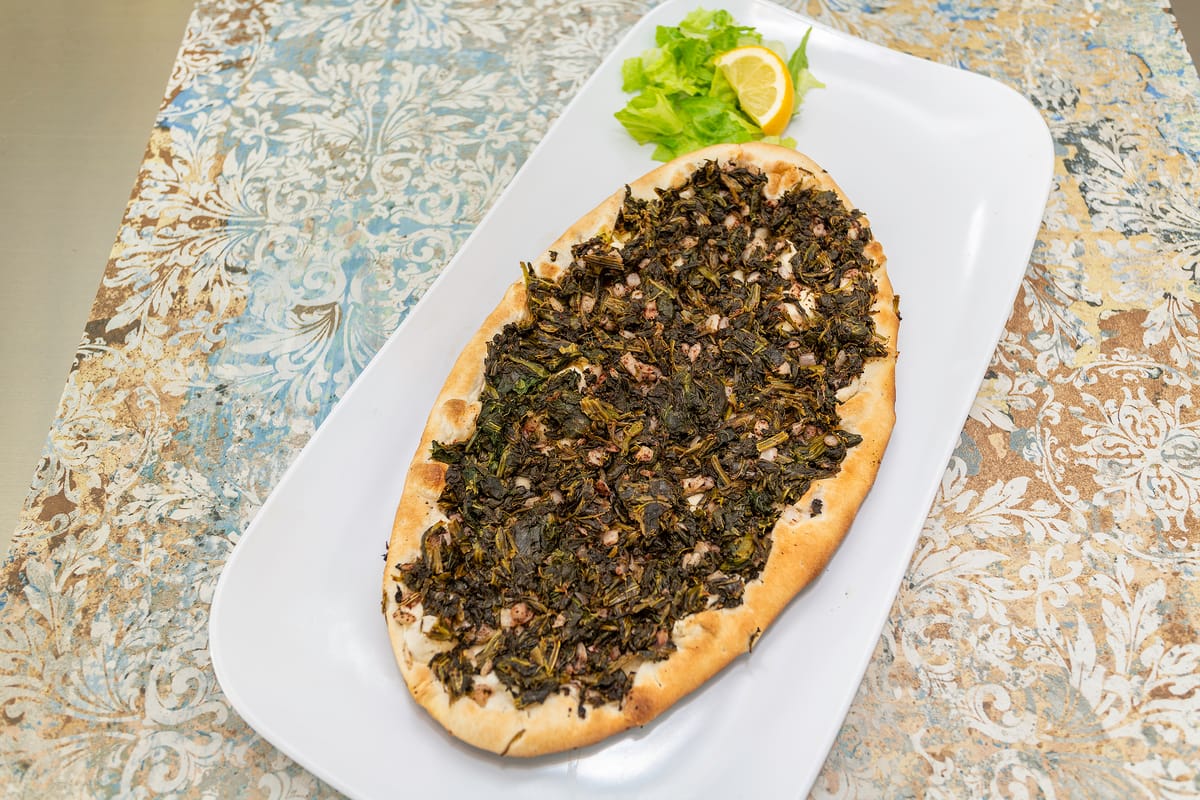
Fresh Toppings, Made Daily
Every hummus plate at Taza is finished with cold-pressed olive oil and served with warm pita bread.
Best Dippers for Hummus
What to put on hummus starts with what you scoop it with.
Warm Pita Bread
Warm, freshly baked pita bread is the original and still the best hummus dipper. The soft, pillowy interior absorbs the hummus while the slightly chewy exterior provides structure for scooping. Tear the pita into triangles or strips rather than cutting it -- the rough, torn edges grab more hummus per bite. Pita should always be served warm; cold pita is stiff and tears poorly. At Taza, our pita bread is baked fresh and served warm from the oven at $0.95 per order. The combination of warm pita and fresh hummus is the foundation of the entire Levantine dining experience and the starting point for any hummus plate in Falls Church or anywhere else in Northern Virginia.
Raw Vegetables
Raw vegetables offer a lighter, crunchier alternative to bread and add nutritional value to the hummus experience. Carrot sticks, cucumber rounds, bell pepper strips (red, yellow, or orange for sweetness), celery sticks, radish slices, and cherry tomatoes all work well. The cold crunch of fresh vegetables against smooth, room-temperature hummus creates a satisfying contrast. For a party platter, arrange the vegetables in a colorful ring around the hummus bowl. Raw vegetables also make hummus a naturally low-carb snack option. Falls Church farmers markets and grocery stores along Leesburg Pike carry fresh, seasonal produce that pairs perfectly with hummus year-round.
Falafel
Falafel and hummus is one of the most natural pairings in Middle Eastern cuisine. Both are chickpea-based, but the contrast in texture -- crispy fried exterior against smooth puree -- makes them taste completely different together. Break a falafel ball in half and drag the cut side through the hummus, picking up a thick layer. The warm, herb-flecked interior of the falafel mingles with the cool, creamy hummus for one of the best bites in Mediterranean food. At Taza, individual falafel pieces are available at $0.85 each, or you can order a falafel pita (from from $8.95) or a falafel bowl (from from $10.45) with hummus built right in.
Zaatar Manaeesh
Zaatar manaeesh -- oven-baked flatbread brushed with a paste of dried thyme, sesame seeds, sumac, and olive oil -- makes a deeply flavored hummus dipper that adds herbal complexity to every bite. The zaatar's tartness from the sumac and earthiness from the thyme complement the nutty tahini in the hummus. Tear the manaeesh into strips and use them like pita. This is a common breakfast combination in Lebanon and Syria: a plate of hummus, a zaatar manaeesh, and a cup of tea. At Taza, our zaatar manaeesh at $6.95 is baked in our stone oven and served warm. It is one of the most underrated hummus companions on our menu, and regulars from Seven Corners to Arlington order this combination weekly.
Shrak Bread
Shrak bread (also called markook or mountain bread) is a paper-thin flatbread baked on a domed griddle. It has a delicate, slightly chewy texture that is softer and thinner than pita. To use shrak as a hummus dipper, tear off a piece, fold it once or twice, and scoop. The thin bread does not overpower the hummus the way thicker breads can, letting the dip's flavor come through more clearly. Shrak is the bread of choice for wraps at Taza -- we use it for our chicken shawarma shrak and beef shawarma shrak wraps. When torn into pieces and served alongside a hummus plate, shrak offers a lighter, more refined dipping experience than standard pita.
Hummus as a Meal Component
Three ways hummus goes from side dish to main course.
Hummus works as a creamy, protein-rich foundation for grain bowls and protein bowls. Instead of rice or mixed greens, spread a thick layer of hummus across the bottom of the bowl and pile your toppings on top. The warm shawarma or falafel heats the hummus slightly, making it even creamier. The juices from the toppings -- garlic sauce, tahini drizzle, pickled turnip brine -- seep into the hummus and create a complex, saucy base. At Taza, any bowl on the menu can be ordered with a hummus base. The chicken shawarma bowl (from from $12.45) and beef shawarma bowl (from from $12.45) both pair especially well with hummus underneath. This is one of the most popular modifications Falls Church regulars request.
Hummus replaces mayonnaise, mustard, and other condiments inside wraps, pitas, and sandwiches. Spread a thick layer of hummus inside a pita pocket before adding your protein and vegetables. The hummus serves three purposes: it adds moisture so the sandwich does not dry out, it contributes protein and fiber that other condiments lack, and it acts as a binder that holds smaller ingredients like chopped salad together. Every pita and shrak wrap at Taza can include hummus as a spread. The falafel pita (from from $8.95) and chicken shawarma pita (from from $9.95) both benefit from a layer of hummus that melds with the tahini and garlic sauces already inside.
Thinned with a little water or lemon juice, hummus becomes a pourable sauce that works on grilled meats, roasted vegetables, and grain plates. The consistency should be similar to a thick salad dressing -- pourable but not watery. Drizzle it over a plate of grilled chicken or roasted cauliflower for a protein-rich alternative to traditional sauces. Hummus sauce adds body and creaminess without dairy, making it ideal for vegan and lactose-free diets. You can also thin leftover hummus into a pasta sauce base or use it as a pizza sauce alternative. This versatility is why hummus has become a pantry staple in kitchens across Arlington, Falls Church, and the broader Northern Virginia area.
Hummus Pairing with Taza Menu Items
Three specific combinations that our Falls Church customers order again and again.
Hummus + Falafel Pita
from from $8.95The falafel pita at Taza already comes with tahini sauce, lettuce, tomatoes, cucumbers, and pickles inside a warm pita pocket. Adding a side of hummus ($4.95) transforms the meal by giving you a rich, creamy dip to alternate bites with. Take a bite of the crispy falafel pita, then scoop some hummus with a piece of torn pita. The contrast between the hot, crunchy falafel sandwich and the cool, smooth hummus keeps each bite interesting. This is the most popular hummus pairing among vegetarian customers at our Seminary Road location. The falafel provides the crunch and the hummus provides the creaminess -- together they cover every texture your palate craves. Order the falafel pita from from $8.95 and add a side of hummus for the complete experience.
Hummus as Shawarma Bowl Base
from from $12.45Replace the standard rice or greens base in any Taza shawarma bowl with hummus for a richer, more flavorful foundation. The warm chicken or beef shawarma sits on top of the cool hummus, and the garlic sauce and tahini drizzle seep down into the chickpea puree, creating a complex sauce at the bottom of the bowl. This is not just a substitution -- it changes the entire character of the dish. The hummus base adds roughly 7 grams of extra plant protein and eliminates the need for additional sauce. Chicken shawarma bowls start from from $12.45 and beef shawarma bowls from from $12.45. Ask for the hummus base when you order online or at the counter. Customers from Arlington and Seven Corners who commute past our location on Seminary Road have made this their go-to weeknight dinner.
Hummus + Zaatar Manaeesh
from $6.95This is the breakfast combination that starts mornings across Lebanon and much of the Levant. At Taza, order a side of hummus ($4.95) alongside a zaatar manaeesh ($6.95) and tear the warm, herb-topped flatbread into strips for dipping. The zaatar's dried thyme, toasted sesame, and tart sumac add layers of flavor that plain pita cannot match. The olive oil baked into the manaeesh mingles with the olive oil on the hummus, creating a rich, aromatic combination. This is a light but satisfying meal that costs under $12 and delivers protein from the chickpeas, healthy fats from the tahini and olive oil, and complex carbohydrates from the flatbread. It is the best value hummus pairing on our menu and one that many Falls Church regulars order multiple times per week.
Hosting with Hummus
Party platter ideas and presentation tips for every gathering.
Hummus is one of the easiest dishes to serve at a gathering because it requires no last-minute cooking, holds at room temperature for hours, and appeals to almost every dietary preference -- vegan, vegetarian, gluten-free (when served with vegetables), dairy-free, and halal. A well-presented hummus platter can anchor an entire appetizer spread for a dinner party, game day, or family gathering in Falls Church, Arlington, or anywhere in Northern Virginia. The key is building the platter with variety: multiple dippers, a thoughtful selection of toppings, and enough hummus so guests can scoop freely without running out. Plan for roughly one quarter cup of hummus per person as a starter or one half cup per person if hummus is a primary component of the meal.
Start with a wide, shallow serving plate or bowl. Use the back of a large spoon to spread the hummus in a thick, even layer, then press a shallow well into the center. Fill the well with olive oil. Arrange toppings in distinct zones rather than mixing everything together -- a cluster of toasted pine nuts on one side, a line of paprika down the center, a scattering of pomegranate seeds on the other side, and parsley sprigs at the edges. This sectioned approach lets guests see each topping individually and choose their own combination. Surround the hummus with warm pita triangles, sliced vegetables, and falafel pieces fanned out in a ring. Keep extra pita warm in a kitchen towel and refresh the platter every 30 minutes.
For larger events, consider ordering a catering platter from Taza that includes hummus alongside baba ghanouj ($4.95) and labneh ($4.95) -- three dips with different flavors and colors that together create a visually striking spread. Add a stack of warm pita, a tray of falafel, and a platter of shawarma for a complete Middle Eastern buffet. Taza offers catering for events of all sizes and can deliver to locations across Falls Church, Arlington, Seven Corners, and the broader NoVA area. Call (703) 340-1014 to discuss catering options or order individual platters online for pickup.
The Spoon-Swirl Technique
Use the back of a large spoon to spread hummus across the plate in a circular motion, pressing down as you go to create a natural well in the center. Start from the center and spiral outward. The well catches olive oil and liquid toppings while the raised edges cradle dry toppings like nuts and seeds. This technique takes 10 seconds and instantly makes the hummus look professional.
Temperature Matters
Serve hummus at room temperature, never straight from the refrigerator. Cold hummus is thicker, denser, and less flavorful. Take it out of the fridge 20-30 minutes before serving, or warm it gently in a saucepan. The olive oil should be liquid and glistening on the surface, not congealed. Warm pita alongside room-temperature hummus is the gold standard.
Color Contrast Strategy
Build visual appeal through color contrast against the beige hummus base. Red paprika or pomegranate seeds, green parsley or zaatar, golden olive oil and pine nuts, and white whole chickpeas create a palette that draws the eye and signals variety. A monochrome hummus plate -- all beige and white -- looks unfinished even if it tastes good.
Quantity Planning
For 8 guests: plan 2 cups of hummus as a starter (1/4 cup per person) or 4 cups as a main component (1/2 cup each). Provide 3-4 pita breads cut into triangles plus a tray of cut vegetables. If ordering from Taza, two sides of hummus at $4.95 each cover 4-6 people as a starter. For larger parties, call ahead to order in bulk.
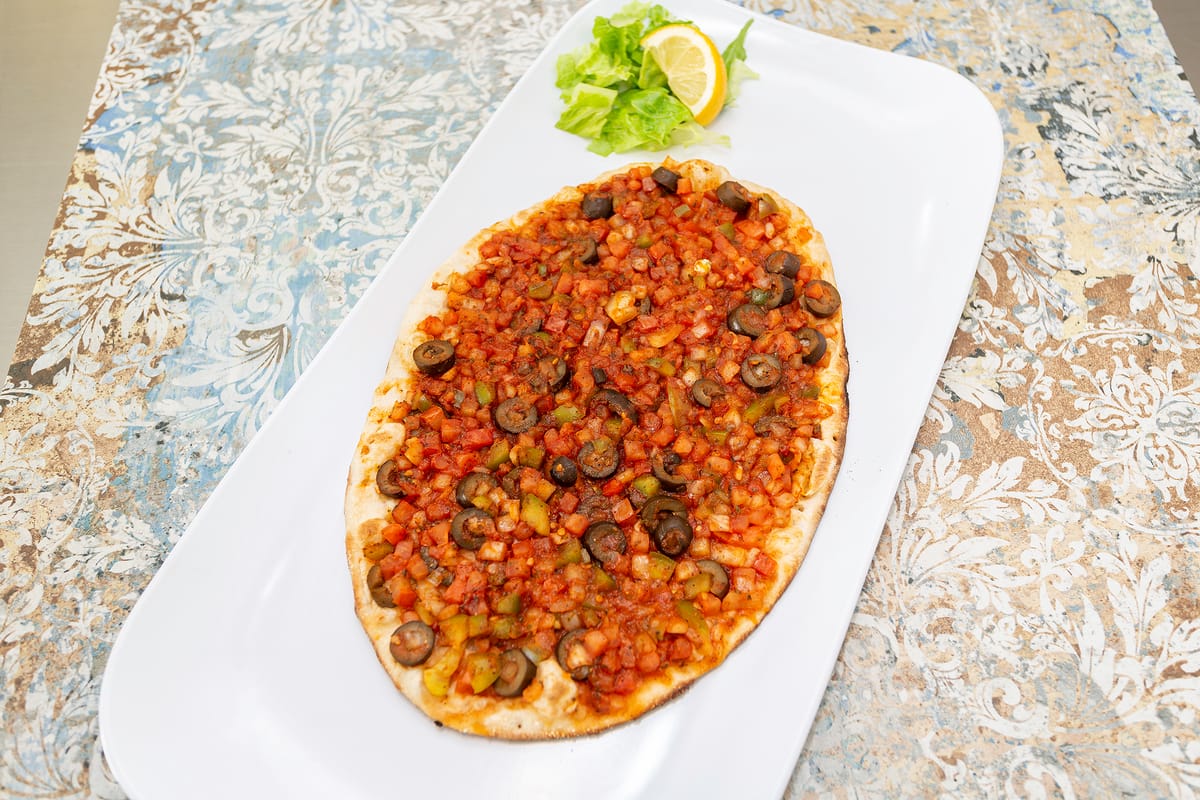
Zaatar Manaeesh + Hummus
Tear warm zaatar flatbread into strips and drag them through fresh hummus for the classic Levantine breakfast.
Frequently Asked Questions About Hummus Toppings
The three garnishes every hummus plate needs are extra-virgin olive oil, a dusting of paprika or sumac, and fresh parsley. Beyond that foundation, the best toppings depend on the occasion. For a traditional presentation, add toasted pine nuts, whole chickpeas, and a tahini drizzle. For a heartier meal, top with seasoned ground lamb or beef, fried cauliflower, or foul (stewed fava beans). Modern options include roasted red peppers, caramelized onions, zaatar, harissa, pomegranate seeds, and dukkah. At Taza Shawarma & Falafel in Falls Church, our hummus comes finished with olive oil and paprika, ready to pair with warm pita bread.
Warm pita bread is the traditional dipper, but hummus pairs well with a wide variety of foods. Raw vegetables like carrot sticks, cucumber rounds, bell pepper strips, and celery work well for a lighter option. Falafel pieces are a classic combination -- the crispy exterior and creamy interior contrast beautifully with smooth hummus. Shrak bread (thin Levantine flatbread) and zaatar manaeesh are popular dippers across the Middle East. Tortilla chips, pretzels, and crackers also work in casual settings. At Taza, you can order falafel pieces at $0.85 each to dip alongside your hummus.
Hummus can absolutely serve as a meal component. A standard serving of hummus (about 100 grams) provides 7 grams of protein, 6 grams of fiber, and healthy fats from tahini and olive oil. When used as a bowl base with added protein like falafel or shawarma, the total meal delivers 20-30 grams of protein. Hummus is naturally vegan, gluten-free, and rich in iron, folate, and B vitamins. The chickpea-tahini combination provides all essential amino acids. At Taza, you can order any bowl with a hummus base instead of rice or greens for a nutrient-dense foundation.
For a party platter, spread hummus in a wide, shallow bowl or plate using the back of a spoon to create a well in the center. Fill the well with olive oil and layer toppings in sections -- toasted pine nuts on one side, whole chickpeas on another, a line of paprika, and fresh parsley sprigs. Surround the plate with warm pita triangles, sliced vegetables, and falafel pieces. For a larger gathering, consider ordering a catering platter from Taza with hummus, baba ghanouj, and labneh side by side, each with different toppings. Plan for about 1/4 cup of hummus per guest as a starter, or 1/2 cup per person if hummus is a main component.
Yes, hummus can be served warm. In many parts of the Middle East, hummus is traditionally served at room temperature or slightly warm, never refrigerator-cold. To warm hummus, heat it gently in a saucepan over low heat with a splash of water or olive oil, stirring frequently until smooth and warm throughout. You can also microwave it in 15-second intervals. Warm hummus has a looser, creamier texture and a more pronounced tahini flavor. Topping warm hummus with sauteed ground lamb, toasted pine nuts, and a drizzle of melted butter is a popular Levantine preparation called hummus bil lahme.
Paprika (sweet or smoked) is the most common hummus spice, providing color and gentle warmth. Sumac adds a tart, lemony brightness that complements the tahini. Cumin deepens the earthy chickpea flavor. Zaatar (a blend of dried thyme, sesame, and sumac) is a natural pairing -- sprinkle it over the hummus or serve zaatar manaeesh alongside for dipping. Harissa paste or Aleppo pepper flakes add heat. Dukkah, an Egyptian nut-and-spice blend, provides both crunch and complex flavor. At Taza, our zaatar manaeesh at $6.95 makes a perfect spiced companion to our fresh hummus.
Taza Shawarma & Falafel at 5820 Seminary Rd Ste O, Falls Church, VA 22041 serves fresh hummus made daily from scratch using chickpeas, tahini, lemon juice, and garlic. Our hummus is finished with extra-virgin olive oil and paprika and served with warm pita bread for $4.95. You can also add hummus as a base to any bowl on our menu. We are open 11:00 AM - 12:00 AM, seven days a week, and serve Falls Church, Arlington, Seven Corners, and the greater Northern Virginia area. Order online for pickup or call (703) 340-1014 to place your order.
Hummus and baba ghanoush are both Levantine dips that accept similar toppings, but they have different base flavors. Hummus is made from chickpeas and tahini, giving it a neutral, nutty, creamy profile that pairs with almost any topping. Baba ghanoush is made from fire-roasted eggplant and tahini, producing a smokier, lighter dip. Toppings like pine nuts, olive oil, and paprika work on both. Pomegranate seeds and walnuts are more traditional on baba ghanoush, while ground meat and fava beans are more associated with hummus. At Taza, both hummus and baba ghanoush ($4.95) are made fresh daily and served with warm pita.
Try Taza's Fresh Hummus in Falls Church
Open 11:00 AM - 12:00 AM, 7 days a week at 5820 Seminary Rd Ste O, Falls Church, VA 22041.
Address
5820 Seminary Rd Ste O, Falls Church, VA 22041
Hours
11:00 AM - 12:00 AM -- Open 7 Days a Week
Phone
More About Hummus & Mediterranean Food
Order Taza's Fresh Hummus Now
Hummus with warm pita bread at $4.95. Made fresh daily from chickpeas, tahini, lemon, and garlic at 5820 Seminary Rd Ste O, Falls Church, VA 22041. Order online or call (703) 340-1014.