Types of Hummus: Regional Varieties & Flavored Styles
From classic Lebanese hummus bi tahini to roasted red pepper and beet variations, hummus comes in more forms than most people realize. Here is a guide to every major style.
4.8 stars on Yelp (92 reviews) -- Open 11:00 AM - 12:00 AM
Not All Hummus Is the Same
The word hummus covers a wide spectrum of textures, flavors, and traditions.
Walk into any grocery store in Falls Church or Northern Virginia and you will find a refrigerated section stacked with hummus containers. Roasted red pepper, roasted garlic, everything bagel, spicy sriracha, lemon twist, pine nut, avocado, beet, black bean, chocolate dessert hummus. The American hummus market has expanded into territory that would confuse anyone from Beirut, Damascus, or Amman. But behind all these commercial flavors, there is a single traditional recipe that has been eaten daily across the Eastern Mediterranean for centuries -- and it remains the best version of hummus ever made.
The different types of hummus fall into three categories. First, the classic -- hummus bi tahini -- which is the original recipe of chickpeas, tahini, lemon juice, garlic, and olive oil, unchanged for generations. Second, regional variations where cooks in different countries adjust the spice profile, tahini ratio, or presentation while keeping the same core ingredients. Third, modern flavored varieties where new ingredients like roasted peppers, beets, or avocado are blended into the base. Understanding these categories helps you appreciate what separates a great bowl of traditional hummus from the flavored tubs lining supermarket shelves in Seven Corners and across Arlington.
At Taza Shawarma & Falafel in Falls Church, we serve one type of hummus: the classic Lebanese recipe, made fresh every day from dried chickpeas, high-quality tahini, fresh lemon juice, raw garlic, and extra-virgin olive oil. No flavored additions, no preservatives, no shortcuts. The goal is not to offer twenty varieties -- it is to make the one that matters taste exactly right. Our hummus is available as a side dip with warm pita bread ($4.95), as a bowl base, or as a spread inside any wrap or sandwich.
Classic Hummus Bi Tahini
The foundational recipe that defines the dish.
Classic hummus bi tahini is the version that has been eaten in the Levant for centuries. The name itself translates to "chickpeas with tahini," and the recipe reflects that directness. Dried chickpeas are soaked overnight, cooked until extremely soft, then blended with tahini (ground sesame paste), fresh lemon juice, raw garlic, and a pinch of salt. The finished hummus is spread on a shallow plate, swirled with the back of a spoon, drizzled with extra-virgin olive oil, and dusted with paprika. That is the entire recipe. No roasted peppers, no avocado, no sriracha -- just five ingredients executed with precision. The quality of classic hummus depends entirely on technique and ingredient ratios rather than added flavors.
What defines great classic hummus is texture and balance. The chickpeas must be cooked until they practically dissolve under pressure -- any graininess means they were undercooked. The tahini must be fresh, not rancid or separated. The lemon juice must be freshly squeezed, never bottled, because bottled lemon juice tastes flat and metallic. The garlic should be raw, not roasted, giving the hummus a sharp bite that cuts through the richness of the tahini. When these elements align, the result is a dip that is simultaneously creamy, tangy, nutty, and savory. This is the version served at hummus restaurants across Beirut, Tripoli, and Sidon -- and it is the version that Taza prepares fresh each morning in Falls Church.
The staying power of classic hummus comes from its versatility. It works as a dip with warm pita bread, as a spread inside sandwiches and wraps, as a base for grain bowls, and as an accompaniment to grilled meats and falafel. Flavored hummus tends to limit pairing options -- roasted red pepper hummus clashes with certain proteins, and beet hummus turns everything pink. Classic hummus never fights with other flavors on the plate. That is why restaurants from Arlington to Seven Corners that take Middle Eastern food seriously almost always serve the traditional version as their default. At Taza, you can order hummus with pita ($4.95), add it to any bowl or wrap, or pair it with falafel for the most traditional combination.
Hummus Across the Eastern Mediterranean
The same core recipe, shaped by local spice traditions and serving customs.
Lebanese
Hummus Bi Tahini
The benchmark. Lebanese hummus is defined by a high tahini-to-chickpea ratio, which produces an exceptionally smooth and creamy texture. The tahini flavor is prominent -- nutty, rich, and slightly bitter in the best way. Finished with a generous pour of olive oil and a light dusting of paprika. Lebanese hummus is always served at room temperature, never heated, alongside warm pita bread. Dedicated hummus shops in Beirut and Tripoli open at dawn and serve nothing but hummus, foul, and pita until they run out. This is the closest version to what Taza prepares daily in Falls Church.
Egyptian
Hummus with Cumin & Ful
Egyptian hummus leans heavier on cumin than any other regional version. The cumin adds warmth and earthiness, shifting the flavor profile from the bright, lemony Lebanese style toward something deeper and more aromatic. Egyptian cooks often serve hummus alongside or topped with ful medames (stewed fava beans) and a hard-boiled egg, turning it into a full breakfast plate. The tahini ratio is typically lower than in Lebanese versions, and the texture can be slightly thicker and more rustic.
Syrian
Hummus with Aleppo Pepper
Syrian hummus incorporates Aleppo pepper -- a moderately spicy, fruity, sun-dried chili that adds gentle heat and a reddish tint without overwhelming the base flavors. The Aleppo pepper gives Syrian hummus a warmth that is distinct from the cumin-forward Egyptian style. Some Damascus-area preparations also fold in a small amount of yogurt for added tanginess. Syrian hummus is traditionally served as part of a larger meze spread with fattoush, tabbouleh, kibbeh, and grape leaves.
Jordanian
Hummus with Pine Nuts & Butter
Jordanian hummus is often garnished with toasted pine nuts and a drizzle of melted butter in addition to olive oil. The butter adds a richness that is unusual in other regional versions. Some Jordanian restaurants serve hummus topped with spiced ground lamb or beef (hummus bil lahme), turning the dip into a full meal. The pine nuts add a textural contrast -- their crunch against the smooth hummus creates a more complex eating experience than the flat surface of Lebanese-style hummus.
Turkish
Humus (Drier, Denser)
Turkish hummus (humus) uses less tahini than Lebanese versions, resulting in a denser, drier texture that holds its shape firmly on a plate. Cumin is more prominent, and the garlic tends to be milder. In Turkey, hummus is served as one component of a multi-dish meze spread alongside ezme (spicy tomato-pepper paste), haydari (thick yogurt with herbs), cacik, and stuffed grape leaves. Some Turkish versions are topped with pastirma (cured, spiced beef) or sucuk (Turkish sausage), giving the dish a distinctly Turkish character.
Levantine Breakfast
Msabbaha & Fatteh
Across the Levant, two breakfast variations reinterpret hummus as a warm, substantial morning meal. Msabbaha (masabacha) serves whole or lightly crushed warm chickpeas in a pool of tahini-lemon sauce with olive oil, cumin, and paprika. Fatteh layers toasted pita chips on the bottom, warm chickpeas in the middle, and a tangy yogurt-tahini sauce on top, finished with pine nuts and olive oil. Both are served warm and eaten with fresh pita, turning the cold dip concept into a full hot breakfast.
Every regional version shares the same foundation -- chickpeas and tahini. The differences are in spice emphasis, tahini ratio, serving temperature, and accompaniments. At Taza in Falls Church, our hummus follows the Lebanese tradition: high tahini, bright lemon, raw garlic, good olive oil, served at room temperature with fresh pita.
Flavored Hummus: The Modern Variations
Western-market creations that blend new ingredients into the chickpea-tahini base.
The flavored hummus category exploded in the United States starting around 2008, when brands recognized that adding new ingredients to the chickpea-tahini base could expand the market beyond traditional Middle Eastern cuisine. These varieties are now a multi-hundred-million-dollar segment of the American snack food market. You will find them in every grocery store from Trader Joe's near Seven Corners to the Harris Teeter in Falls Church to the Whole Foods in Arlington. While purists from the Levant would argue these are not real hummus, they have introduced millions of Americans to chickpea-based dips who might never have tried the traditional version otherwise.
Roasted Red Pepper
Fire-roasted red bell peppers blended into the hummus base. Adds sweetness, a mild smokiness, and turns the hummus a deep orange-red. The pepper flavor is forward but does not overpower the tahini entirely. This is the best-selling flavored variety in the US and the one most commonly available alongside classic hummus in grocery stores and delis across Northern Virginia.
Roasted Garlic
Classic hummus made with roasted garlic cloves instead of raw. Roasting transforms garlic from sharp and pungent into sweet, caramelized, and mellow. The result is a hummus that tastes richer and sweeter than the traditional version, without the raw garlic bite. Popular among people who find classic hummus too garlicky. The roasting process also makes the garlic softer, which contributes to an even smoother overall texture.
Spicy Harissa
North African harissa paste -- a fiery blend of roasted chili peppers, garlic, caraway, and coriander -- folded into the hummus base. The heat level ranges from mild warmth to genuine spiciness depending on the harissa concentration. This variety bridges Middle Eastern and North African flavor traditions. The smoky, complex heat of harissa is a better match for hummus than sriracha or generic hot sauce, which tend to taste one-dimensional.
Avocado Hummus
Ripe avocado blended with chickpeas and tahini, creating a bright green hummus with extra creaminess and a mild, buttery flavor. Higher in healthy monounsaturated fats than classic hummus but also higher in calories. The avocado makes the texture almost mousse-like. This variety gained popularity alongside the broader avocado trend in American food culture and is now widely available in stores across Falls Church and Arlington.
Beet Hummus
Roasted beets blended into the chickpea-tahini base, producing a striking magenta-pink color and a mildly sweet, earthy flavor. The beets add natural sweetness that reduces the need for lemon acidity, shifting the overall flavor profile toward something softer and less tangy than classic hummus. Visually dramatic on a plate -- popular for entertaining and social media. The color stains everything it touches.
Pine Nut Hummus
Toasted pine nuts blended into the base or generously scattered on top. Pine nuts add a buttery, slightly resinous richness that complements the tahini. This variety is closer to traditional Middle Eastern garnishing practices -- Jordanian and Syrian cooks have used pine nuts as a hummus topping for generations. The main difference is that the modern version blends them in rather than just sprinkling them on the surface.
Mushroom Hummus
Sauteed or roasted mushrooms (typically cremini or shiitake) blended into the chickpea-tahini base. The mushrooms add an umami depth and earthiness that makes this variety taste more savory and meaty than classic hummus. Particularly good for people looking for a richer, more substantial dip without adding meat. Less common in stores but increasingly popular at restaurants and in homemade preparations across the NoVA food scene.
A note on authenticity: None of these flavored varieties are traditional Middle Eastern preparations. They were developed for the Western commercial market. That does not make them bad -- many are genuinely delicious. But if you want to experience hummus as it has been eaten in Beirut, Damascus, and Amman for generations, you want the classic version. That is what Taza serves in Falls Church.
Traditional vs Flavored vs Store-Bought
How the three main categories of hummus stack up against each other.
| Feature | Traditional (Classic) | Flavored / Store-Bought |
|---|---|---|
| Base Ingredients | Chickpeas, tahini, lemon, garlic | Same base + added flavoring agents |
| Texture | Ultra-smooth, silky, uniform | Varies -- sometimes chunky from add-ins |
| Shelf Life | 4-7 days refrigerated | 3-5 days (added moisture from vegetables) |
| Calories (2 tbsp) | ~70 cal | ~60-80 cal depending on additions |
| Versatility | Pairs with everything -- neutral base | Better as standalone dip -- flavor conflicts possible |
| Cultural Authenticity | Traditional Levantine recipe | Modern Western invention |
| Store-Bought Quality | Decent but never as good as fresh | Often contains stabilizers and preservatives |
Fresh, traditional hummus wins on texture, flavor depth, ingredient simplicity, and pairing versatility. Flavored varieties offer novelty but sacrifice the clean balance of the original recipe. Store-bought versions of either type contain preservatives and stabilizers that compromise freshness. For the best traditional hummus in NoVA, visit Taza at 5820 Seminary Rd Ste O, Falls Church, VA 22041.
Toppings Transform Hummus
What you put on top of hummus matters as much as the hummus itself -- olive oil, pine nuts, paprika, ground meat, or foul.
Hummus Toppings and Presentations
How garnishes and toppings transform the same base into different experiences.
In the Levant, hummus restaurants often serve a single base recipe but offer multiple presentations through different toppings. This approach -- same hummus, different garnishes -- is how traditional cooks create variety without altering the core recipe. A bowl of classic hummus topped with olive oil and paprika is a dip. The same hummus topped with seasoned ground lamb becomes hummus bil lahme, a full meal. Topped with stewed fava beans, it becomes hummus ful, a breakfast staple. The base never changes. The toppings define the experience. This philosophy is the opposite of the Western approach of blending new ingredients into the hummus itself.
The most common traditional hummus toppings include a pool of extra-virgin olive oil in the center (non-negotiable in every version), a dusting of paprika or sumac for color and mild warmth, whole cooked chickpeas scattered across the surface for texture, toasted pine nuts for richness and crunch, chopped fresh parsley for brightness, and a sprinkle of cumin for earthy depth. More substantial toppings include spiced ground lamb or beef cooked with onions and pine nuts, ful medames (stewed fava beans with garlic and lemon), fried cauliflower florets, or sauteed mushrooms. Each topping combination creates a distinct dish from the same base.
At Taza in Falls Church, our hummus comes with olive oil and paprika as the default presentation. You can build your own topping combination by pairing our hummus side ($4.95) with any protein or vegetable on the menu. Order hummus alongside falafel pieces ($0.85 each) for the most traditional combination, or pair it with chicken shawarma for a protein-rich dip plate. Regulars from across Northern Virginia, Arlington, and the Seven Corners area often order a hummus side alongside their main wrap or bowl to add creaminess and an extra layer of flavor to every bite.
Hummus as a Meal vs Hummus as a Dip
In the Levant, hummus is not just an appetizer -- it is a full plate.
In the United States, hummus is almost always treated as a dip or appetizer -- a small bowl on the side, scooped with pita chips or raw vegetables. This is how most people in Falls Church, Arlington, and across Northern Virginia first encounter hummus. But in Lebanon, Syria, and Jordan, hummus is frequently the entire meal. Hummus restaurants (called a hummusia in Arabic) serve large shallow plates of hummus as the main course, accompanied by warm pita bread, pickles, raw onion, and sometimes olives. You tear the pita, scoop the hummus, and eat until the plate is clean. No main course follows. The hummus itself is the main course. These shops are breakfast and lunch institutions that serve hundreds of plates a day.
The distinction between hummus-as-dip and hummus-as-meal explains why certain hummus variations exist. Msabbaha (warm whole chickpeas in tahini sauce) is always a meal, never a side dip. Hummus fatteh (layered with toasted pita and yogurt-tahini sauce) is a substantial brunch dish that can easily exceed 600 calories per serving. Hummus bil lahme (topped with spiced ground meat and pine nuts) is a dinner plate. These meal-format preparations reflect the caloric density and protein content of chickpeas and tahini -- a large plate of hummus with pita bread provides 30-40 grams of plant protein, more fiber than most Americans eat in an entire day, and enough calories to sustain someone through a morning of work.
At Taza, you can experience hummus in both formats. As a dip, order our hummus side ($4.95) with warm pita bread ($0.95) and enjoy it as a starter or accompaniment. As a meal, order a falafel bowl (from $10.45) or chicken shawarma bowl (from $12.45) with hummus as the base instead of rice, and you have a filling, protein-rich plate that mirrors the full-plate hummus tradition of the Eastern Mediterranean. Either way, the hummus is the same fresh-made classic recipe -- the difference is only in portion size and how you build the rest of the plate around it.
Hummus as a Dip
- Small side bowl with warm pita bread
- Paired with raw vegetables (carrots, cucumbers, peppers)
- Appetizer or snack before the main course
- 2-4 tablespoon serving (~70-140 calories)
- How most Americans eat hummus
Hummus as a Meal
- Large shallow plate as the main course
- Topped with meat, foul, or whole chickpeas
- Scooped with unlimited pita bread
- Full plate serving (~400-600 calories)
- Traditional Levantine eating style
What to Pair with Hummus
The best foods to eat alongside or on top of hummus.
Warm Pita Bread
The original and most common pairing. Tear a piece of warm, fresh pita and scoop directly. The soft bread contrasts with the creamy hummus, and the warmth of the pita releases the aromas of the olive oil and tahini. At Taza, pita is baked fresh daily -- $0.95 per order. This is how hummus has been eaten across Falls Church, Arlington, and every Lebanese restaurant in Northern Virginia for decades.
Falafel
The most iconic vegetarian pairing. Crispy, herb-filled falafel dipped into smooth, creamy hummus creates a textural contrast that is deeply satisfying. The chickpeas in both the falafel and the hummus share a flavor affinity, but the preparations are completely different -- fried versus blended. At Taza, individual falafel pieces are $0.85 each, or order a full falafel pita (from $8.95) which includes hummus as a spread inside the sandwich.
Chicken Shawarma
Thinly sliced, spit-roasted chicken shawarma dipped into hummus combines the savory, slightly charred meat with the cool creaminess of the dip. The tahini in the hummus complements the garlic sauce that typically accompanies shawarma. This is a popular pairing at Taza -- order a chicken shawarma pita (from $9.95) with a side of hummus for dipping.
Beef Shawarma
The richer, more intensely flavored beef shawarma also pairs well with hummus. The fat content of the beef is balanced by the acidity of the lemon juice in the hummus. Some diners at Taza order a beef shawarma bowl (from $12.45) with hummus as the base instead of rice, creating a protein-dense plate where the hummus serves as both a sauce and a side.
Manaeesh (Lebanese Flatbread)
Zaatar manaeesh ($6.95) torn into pieces and dipped into hummus is a classic Lebanese breakfast combination. The herbal, sesame-forward flavor of zaatar harmonizes with the tahini in the hummus. The flatbread is chewier and more substantial than pita, providing a different textural experience. This combination is common at breakfast tables across Falls Church and the broader DMV area.
Raw Vegetables
Carrot sticks, cucumber slices, bell pepper strips, celery, and cherry tomatoes are popular hummus dippers in American kitchens and across Northern Virginia office lunch rooms. The crunch of raw vegetables against smooth hummus provides a satisfying contrast, and the combination is lower in calories than bread-based pairings. This is the most common way Americans eat hummus at home -- simple, healthy, no cooking required.
Taza's Hummus: The Classic Done Right
Why we focus on perfecting one recipe at 5820 Seminary Rd Ste O, Falls Church, VA 22041.
Taza Shawarma & Falafel does not offer roasted red pepper hummus, avocado hummus, beet hummus, or any other flavored variation. We serve one type: classic hummus bi tahini, made fresh every morning from dried chickpeas, tahini, fresh lemon juice, raw garlic, and extra-virgin olive oil, finished with paprika. The decision to focus on a single variety is deliberate. When you taste hummus that is blended from scratch with quality ingredients and proper technique, you understand why the original recipe has endured for centuries without needing modification. The balance of creamy chickpeas, nutty tahini, bright lemon, and sharp garlic is already complete. Adding roasted peppers or beets does not improve it -- it distracts from it.
Our approach mirrors what you would find at a traditional hummus restaurant in Beirut or Tripoli -- a place that has been making the same recipe for decades, where the quality comes from repetition, consistency, and ingredient sourcing rather than novelty flavors. Fresh chickpeas cooked until perfectly soft. Tahini stirred until smooth and pourable. Lemons squeezed that morning. Garlic peeled and added raw. Blended until the texture is as smooth as heavy cream, with no graininess or visible chickpea bits. This is the hummus that regulars from Falls Church, Seven Corners, Arlington, and across Northern Virginia come back for week after week.
You can order Taza's hummus as a side dip with warm pita bread ($4.95), as a base for any bowl, as a spread inside any pita sandwich or shrak wrap at no extra charge, or alongside our baba ghanouj ($4.95) and labneh ($4.95) for a three-dip spread with fresh pita. We are open seven days a week, 11 AM to midnight, at 5820 Seminary Rd Ste O, Falls Church, VA 22041. Call (703) 340-1014 for questions or order online for pickup.
Falafel & Hummus
The most traditional combination. Crispy falafel dipped into smooth classic hummus with warm pita bread. Order falafel pita from from $8.95 or individual pieces at $0.85 each alongside a hummus side.
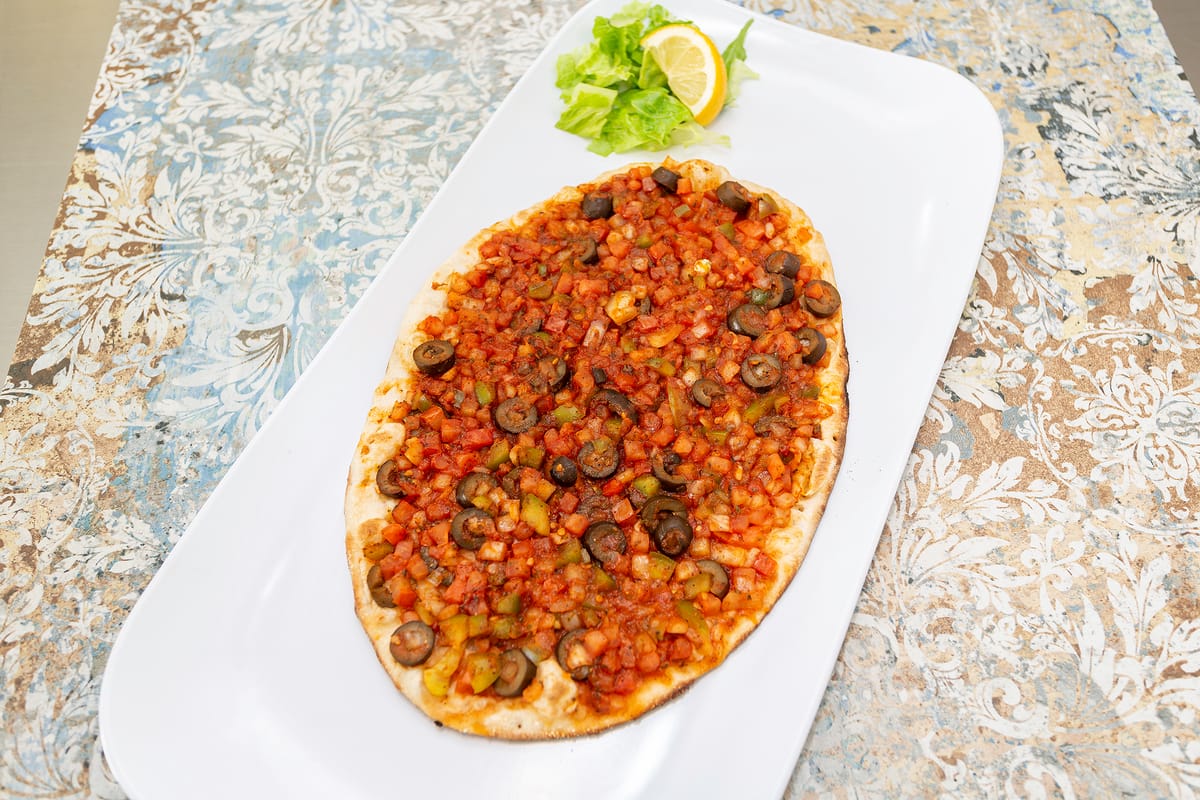
Manaeesh & Hummus
Tear pieces of warm zaatar manaeesh ($6.95) and scoop our classic hummus. The herbal, sesame flavor of zaatar and the nutty tahini in the hummus share a natural affinity that makes this a beloved Lebanese breakfast pairing.
Frequently Asked Questions About Types of Hummus
Classic hummus bi tahini remains the most popular variety worldwide and in the United States. It accounts for roughly 60% of all hummus sold in American grocery stores. The traditional recipe -- chickpeas, tahini, lemon juice, garlic, and olive oil -- has endured for centuries because the flavor balance is already complete. Roasted red pepper hummus is the second most popular commercial variety, followed by roasted garlic. At Taza Shawarma & Falafel in Falls Church, we serve the classic version made fresh daily because it pairs with everything on our menu without competing flavors.
There is one traditional hummus recipe with dozens of regional and modern variations. The core Levantine recipe (chickpeas, tahini, lemon, garlic) is universal across Lebanon, Syria, Jordan, and the broader Eastern Mediterranean. Regional differences are subtle -- more cumin in Egyptian versions, Aleppo pepper in Syrian versions, pine nut garnishes in Jordanian versions. The modern flavored hummus market has produced at least 30-40 commercial varieties including roasted red pepper, roasted garlic, spicy harissa, avocado, beet, black bean, edamame, and dessert hummus. Many purists do not consider flavored versions to be true hummus.
Flavored hummus is a modern Western invention. Traditional hummus in Lebanon, Syria, and Jordan is always the classic recipe -- chickpeas, tahini, lemon, garlic, and olive oil. The variations come from toppings and accompaniments (ground meat, foul, pine nuts, paprika) rather than blending new ingredients into the base. Roasted red pepper hummus, avocado hummus, and beet hummus were created by American and European food companies starting in the early 2000s to expand the commercial hummus market. They are tasty but not traditional.
Hummus is blended until completely smooth. Msabbaha (also spelled masabacha or mashawsha) uses the same ingredients but leaves the chickpeas whole or only partially mashed. The whole chickpeas are served warm in a pool of tahini-lemon sauce, drizzled with olive oil and often sprinkled with paprika and cumin. Msabbaha is a breakfast dish in the Levant, served at dedicated hummus restaurants that open early in the morning. The texture is chunkier and more rustic, and the dish is always served warm rather than at room temperature.
Hummus fatteh is a layered dish, not a dip. The bottom layer is torn pieces of toasted or fried pita bread. The middle layer is warm chickpeas. The top layer is a tahini-yogurt sauce, drizzled with olive oil and often garnished with toasted pine nuts and paprika. The word fatteh means 'crumbled' in Arabic, referring to the bread. It is a hearty breakfast or brunch dish common in Lebanon, Syria, and Jordan. Fatteh transforms humble hummus ingredients into a substantial, warm, textured meal that is far more filling than a bowl of dipped hummus.
Taza Shawarma & Falafel serves classic hummus bi tahini -- the traditional Lebanese recipe with chickpeas, tahini, fresh lemon juice, garlic, and extra-virgin olive oil, finished with paprika. We focus on perfecting this one version rather than offering flavored varieties. The classic recipe is the most versatile -- it pairs equally well with falafel, chicken shawarma, beef shawarma, fresh vegetables, and warm pita bread. You can customize your hummus experience by pairing it with different menu items or ordering it alongside our baba ghanouj and labneh for a three-dip spread.
No. Store-bought hummus contains preservatives like potassium sorbate and sodium benzoate to extend shelf life, stabilizers like xanthan gum or modified food starch to maintain texture during shipping, and often added sugar or citric acid for consistent flavor. The tahini ratio is typically lower in commercial hummus to reduce production costs. Fresh restaurant hummus, like what Taza makes daily, uses only chickpeas, tahini, lemon juice, garlic, olive oil, and salt. The difference in texture, freshness, and flavor depth is immediately noticeable. Fresh hummus tastes brighter, creamier, and more nuanced.
The most traditional hummus toppings are extra-virgin olive oil (always), a dusting of paprika or sumac, a sprinkle of cumin, whole cooked chickpeas, toasted pine nuts, and chopped fresh parsley. In the Levant, hummus is also topped with seasoned ground lamb or beef (hummus bil lahme), stewed fava beans (hummus ful), or fried cauliflower. Modern toppings include everything bagel seasoning, zaatar, roasted cherry tomatoes, and sauteed mushrooms. At Taza, our hummus comes with olive oil and paprika, and you can pair it with any of our proteins or sides to build your own combination.
Try Taza's Classic Hummus in Falls Church
Open 11:00 AM - 12:00 AM, 7 days a week at 5820 Seminary Rd Ste O, Falls Church, VA 22041. Serving Falls Church, Arlington, Seven Corners, and all of Northern Virginia.
Address
5820 Seminary Rd Ste O, Falls Church, VA 22041
Hours
11:00 AM - 12:00 AM -- Open 7 Days a Week
Phone
Order Taza's Classic Hummus Today
Hummus with warm pita bread at $4.95. Made fresh every morning from chickpeas, tahini, lemon, and garlic. Visit us at 5820 Seminary Rd Ste O, Falls Church, VA 22041 or call (703) 340-1014. Open 7 days, 11 AM to midnight.