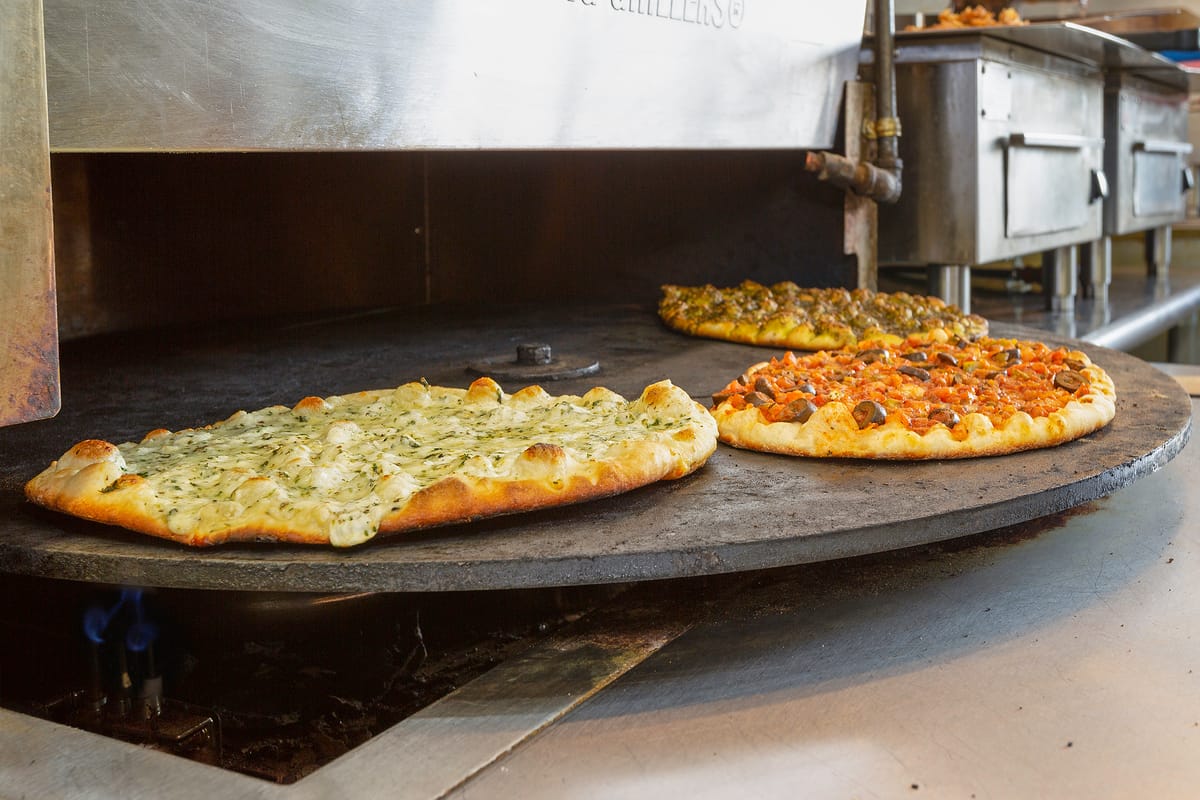
Mediterranean Pantry Staples: Essential Kitchen Ingredients
A complete guide to the oils, spices, grains, legumes, condiments, and preserved items that stock a Mediterranean kitchen — and how each one shapes the food you love.
4.8 stars on Yelp (92 reviews) -- Open 11:00 AM - 12:00 AM
Why Stock a Mediterranean Pantry?
Three reasons to invest in the right ingredients: health, versatility, and the ability to cook great food any night of the week.
The Mediterranean pantry is one of the most practical cooking setups you can build. Unlike specialty cuisine pantries that require hard-to-find items used only occasionally, the core Mediterranean ingredients -- olive oil, tahini, chickpeas, lentils, a handful of spices, fresh lemons, and garlic -- are used constantly. They overlap across dozens of dishes: the same tahini that goes into hummus also makes a sauce for falafel, a dressing for salad, and a finish for roasted eggplant. The same cumin that seasons shawarma also flavors falafel, lentil soup, and spiced rice. The ingredients work together efficiently.
From a health perspective, Mediterranean cooking is among the most studied dietary patterns in nutritional research. The combination of monounsaturated fats from olive oil, plant-based proteins from legumes, fiber from whole grains, and antioxidants from fresh herbs and spices has been consistently linked to favorable cardiovascular outcomes in long-term studies. The Mediterranean diet is not a restrictive regimen -- it is simply the result of cooking with ingredients that happen to be nutritionally dense.
The third advantage is speed. A well-stocked Mediterranean pantry means dinner is never far away. Hummus takes fifteen minutes if you have canned chickpeas and tahini. A falafel batter comes together in minutes with dried chickpeas soaked overnight. Tabbouleh needs only bulgur, tomatoes, parsley, lemon, and olive oil. The food is not complicated -- it simply requires having the right ingredients on hand.
Health-Focused
Olive oil, legumes, whole grains, and fresh herbs form the backbone of one of the world's most studied healthy dietary patterns.
Highly Versatile
The same core ingredients appear across dozens of dishes. Buy once, cook many ways.
Always Ready
Most Mediterranean pantry staples are shelf-stable. Keep them stocked and dinner is always possible.
Oils and Fats: The Foundation of Mediterranean Cooking
Extra-virgin olive oil and tahini are the two fats that define the flavor and nutrition profile of the entire cuisine.
Extra-Virgin Olive Oil
The primary cooking and finishing fat
Extra-virgin olive oil (EVOO) is the single most important ingredient in a Mediterranean pantry. It is used for everything: sauteing vegetables, making dressings, finishing dips, drizzling on bread, and marinating meats. Unlike refined oils, EVOO retains the flavor compounds and polyphenols from the olives, giving it a grassy, peppery, fruity taste that varies by region and olive variety.
Quality matters significantly. Cold-pressed, single-origin EVOO from Lebanon, Syria, Greece, or Italy will taste markedly different from generic supermarket blends. Look for a harvest date on the label and buy bottles rather than tins so you can see the color (golden-green is good). Store in a cool, dark place and use within 18 months of pressing.
At Taza: We use olive oil in our hummus ($4.95), our baba ghanoush ($4.95), our labneh ($4.95), and as a finishing drizzle on dips and plates.
Tahini
Ground sesame paste, extraordinarily versatile
Tahini is a paste of ground hulled sesame seeds with the consistency of natural peanut butter and a rich, nutty, slightly bitter flavor. It is not an optional ingredient -- it is the base of hummus, a primary sauce for falafel and shawarma, an ingredient in baba ghanoush, and a standalone dip when mixed with lemon juice and garlic (tahini sauce).
When buying tahini, look for a product made from 100% hulled white sesame seeds with no added oils or stabilizers. Good tahini should separate -- oil rising to the top is normal and means no emulsifiers were used. Simply stir before using. The flavor should be nutty and slightly bitter, not rancid or overwhelmingly bitter. Lebanese and Syrian brands tend to be lighter and smoother than many Western versions.
At Taza: Tahini is in our hummus ($4.95), drizzled on our falafel pita (from $8.95), and used as a sauce across our entire menu.
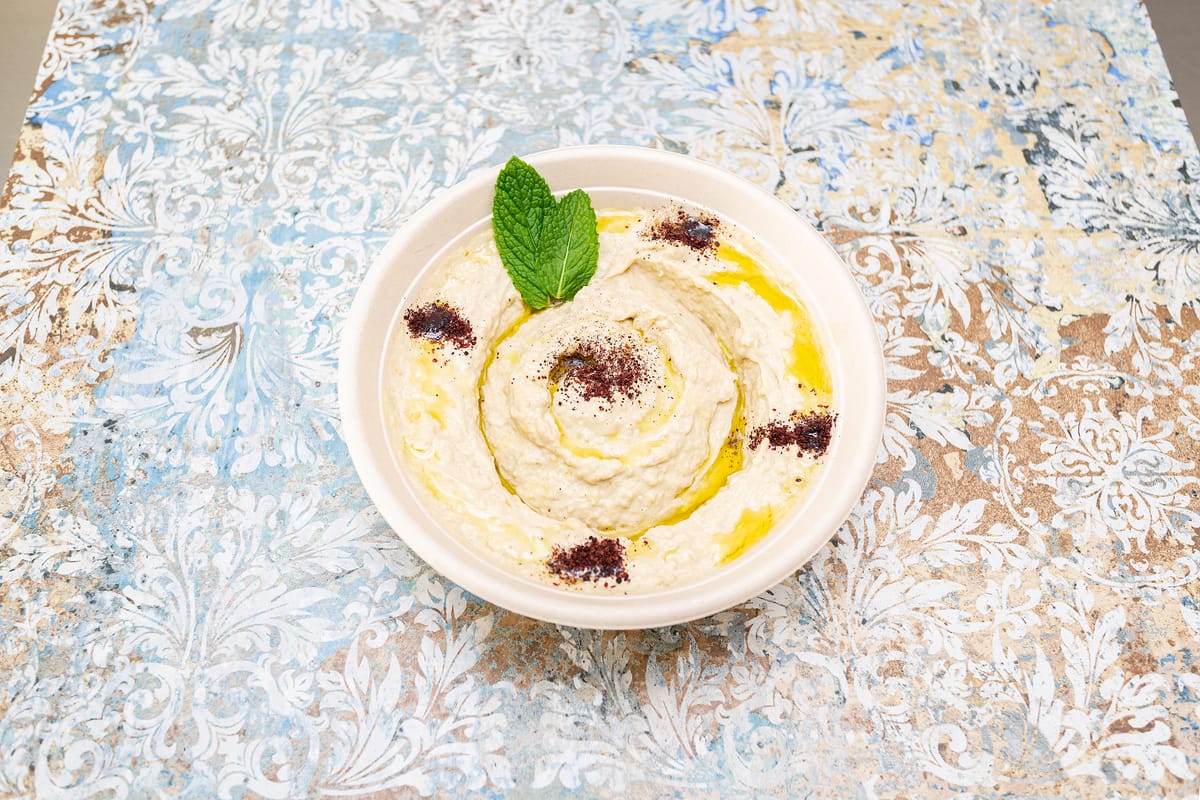
Every Dish Starts in the Pantry
The shawarma, falafel, hummus, and manaeesh at Taza are built from the same core ingredients that stock every Levantine home kitchen.
Grains and Legumes: The Protein and Fiber Core
Six essential grains and legumes that provide the nutritional foundation and textural variety of Mediterranean cooking.
Bulgur
Tabbouleh, kibbeh, pilafs, stuffed vegetables
Parboiled and dried cracked wheat that cooks in 10-15 minutes. The base of tabbouleh and kibbeh. Fine-grain bulgur for tabbouleh, coarse-grain for pilafs and stuffings. High in fiber and a good source of plant-based iron.
Basmati Rice
Rice pilafs, bowls, under stews, stuffings
Long-grain aromatic rice, the standard base for Mediterranean rice dishes. Often cooked with a cinnamon stick, allspice, and a splash of olive oil. Vermicelli noodles browned in butter are frequently added before the rice.
Chickpeas
Hummus, falafel, stews, salads, roasted snacks
The single most important legume in Mediterranean cooking. Dried chickpeas soaked overnight and cooked are the basis of hummus and falafel. Canned chickpeas work well as a shortcut. High in protein, fiber, and manganese.
Lentils
Lentil soup, mujaddara, salads, dips
Red, brown, and green lentils each serve different purposes. Red lentils dissolve when cooked, making them ideal for smooth soups. Brown lentils hold their shape for mujaddara (lentils and rice) and salads. No soaking required.
Freekeh
Pilafs, soups, stuffed chicken, grain salads
Green durum wheat harvested young and fire-roasted, giving it a distinctive nutty, smoky flavor. Higher in protein and fiber than white rice. Whole freekeh has a satisfying chew; cracked freekeh cooks faster. Common across the Levant and Egypt.
Couscous
Tagine base, salads, stuffings, side dishes
Tiny pellets of semolina wheat, traditional to North African Mediterranean cooking. Instant couscous steams in 5 minutes with boiling water. Maftoul (pearl couscous) is larger and round. Used as a base for stews and mixed with roasted vegetables.
Spices and Seasonings: The Seven Core Plus
Eight spices that you will reach for constantly once your Mediterranean pantry is established.
You do not need every spice at once. Start with cumin, coriander, sumac, and zaatar, and you can make a wide range of dishes. Add Aleppo pepper, turmeric, allspice, and cardamom as you build confidence. The goal is having fresh, potent spices rather than a large collection of stale ones. Replace ground spices every six months.
Zaatar
Herbal, earthy, nutty, slightly tart
The most iconic Levantine seasoning -- a blend of dried thyme, sesame, sumac, and salt. Mix with olive oil for manaeesh or sprinkle on labneh and hummus.
Sumac
Tart, lemony, fruity, deep red
Ground dried sumac berries provide citric acidity without liquid. Sprinkle on salads, hummus, grilled meats, and raw onion to cut sharpness.
Cumin
Warm, earthy, slightly bitter
The backbone of Mediterranean seasoning. Present in shawarma marinades, falafel batter, hummus, and nearly every meat dish.
Coriander
Citrusy, floral, slightly sweet
Coriander seeds -- not leaves -- are warm and citrusy. Essential in falafel batter and a key component of seven spice blends.
Aleppo Pepper
Fruity, moderately hot, raisin-like
Named for the Syrian city, these crushed flakes add fruity heat without the sharp bite of standard chili flakes. Use as a finishing spice on any dish.
Turmeric
Earthy, slightly bitter, golden color
Gives chicken shawarma its characteristic golden color. Anti-inflammatory properties from curcumin. Use in marinades, rice, and soups.
Allspice
Warm blend of cinnamon, nutmeg, cloves
A single berry that tastes like a combination of spices. A cornerstone of Levantine meat dishes, kibbeh, and seven spice blends.
Cardamom
Intensely aromatic, eucalyptus, floral
Essential in Arabic coffee and desserts. A small amount goes a long way. Ground cardamom appears in shawarma spice blends and rice pilafs.
Condiments and Sauces: The Flavor Finishers
Five pantry condiments that can transform a simple dish into something complex and deeply flavored.
Tahini
The universal sauce base
When thinned with lemon juice, garlic, and water, tahini becomes a sauce that can dress falafel, shawarma, salads, and roasted vegetables. The same ingredient that is a paste in the jar becomes a pourable, creamy sauce with just a few minutes of mixing. No Mediterranean pantry is complete without it.
Used in: Falafel sauce, shawarma drizzle, salad dressing, dip base
Pomegranate Molasses
Tart-sweet acid punch
Concentrated pomegranate juice reduced to a thick, intensely tart-sweet syrup. A tablespoon in a salad dressing adds complexity that lemon alone cannot match. Drizzled over hummus or labneh, it adds a burst of flavor. Used as a glaze for roasted meats and chicken in Levantine cooking.
Used in: Dressings, marinades, dips, glazes, meze drizzle
Rose Water
Floral dessert essence
A by-product of rose oil distillation, rose water adds a delicate floral note to desserts. It is essential in rice pudding, baklava syrup, maamoul cookies, and ma'amoul pastries. Use it sparingly -- a teaspoon or two is typically all a recipe needs. Look for natural rose water rather than artificial flavoring.
Used in: Rice pudding, syrup for baklava, pastries, drinks
Orange Blossom Water
Citrus floral flavor
Distilled from bitter orange blossoms, this delicate water adds a citrusy floral note to desserts and some drinks. It is used in knafeh (cheese pastry), atayef (stuffed pancakes), and Lebanese lemonade. Like rose water, a small amount goes a long way. Store in a cool, dark place after opening.
Used in: Dessert syrups, pastries, Lebanese lemonade, fruit salads
Harissa
Spiced chili paste
A North African chili paste made from roasted red peppers, dried chilies, garlic, cumin, coriander, and olive oil. Harissa ranges from mild to fiery depending on the variety. It is used as a condiment alongside grilled meats, stirred into hummus or yogurt, spread on flatbread, and as a base for stews. Tunisian harissa tends to be hotter; Moroccan versions are often more complex with spices.
Used in: Meat condiment, dip base, marinade, flatbread spread
Preserved Lemons
Salt-cured citrus depth
Whole lemons cured in salt and their own juice for 4-6 weeks. The peel softens and takes on an intensely salty, fermented, deeply lemony flavor that is unlike fresh lemon or lemon zest. Used primarily in North African cooking -- added to tagines, couscous, dressings, and preserved chicken dishes. Rinse before using and discard the pulp; only the peel is typically used.
Used in: Tagines, couscous, dressings, chicken dishes, dips
Mediterranean Pantry vs Standard American Pantry
The same cooking goals, approached with fundamentally different ingredients. Here is how the two pantries compare across nine key categories.
| Factor | Mediterranean Pantry | Standard American Pantry |
|---|---|---|
| Primary Cooking Fat | Extra-virgin olive oil (heart-healthy monounsaturated fats) | Vegetable oil or butter (more saturated fat) |
| Protein Sources | Chickpeas, lentils, fava beans, lean meats | Heavy reliance on red meats and processed proteins |
| Grain Choices | Bulgur, freekeh, whole-grain couscous, basmati rice | Refined white flour, instant rice, boxed pasta |
| Flavor Building | Fresh herbs, spice blends, sumac, zaatar, citrus | Salt, sugar, artificial flavorings, sauces |
| Preserved Items | Labneh, pickled turnips, olives, preserved lemons | Ketchup, mayonnaise, jarred relishes |
| Acid Component | Fresh lemons, sumac, pomegranate molasses | Distilled white vinegar, bottled lemon juice |
| Seed and Nut Use | Tahini (sesame paste), pine nuts, sesame seeds frequent | Peanut butter dominant, seeds rarely used in cooking |
| Shelf-Stable Staples | Dried legumes, whole spices, olive oil last 1-2 years | Canned goods, processed sauces, refined oils |
| Dairy Style | Labneh, feta, sheep's milk cheeses, yogurt-based dips | Processed cheese slices, sour cream, cream cheese |
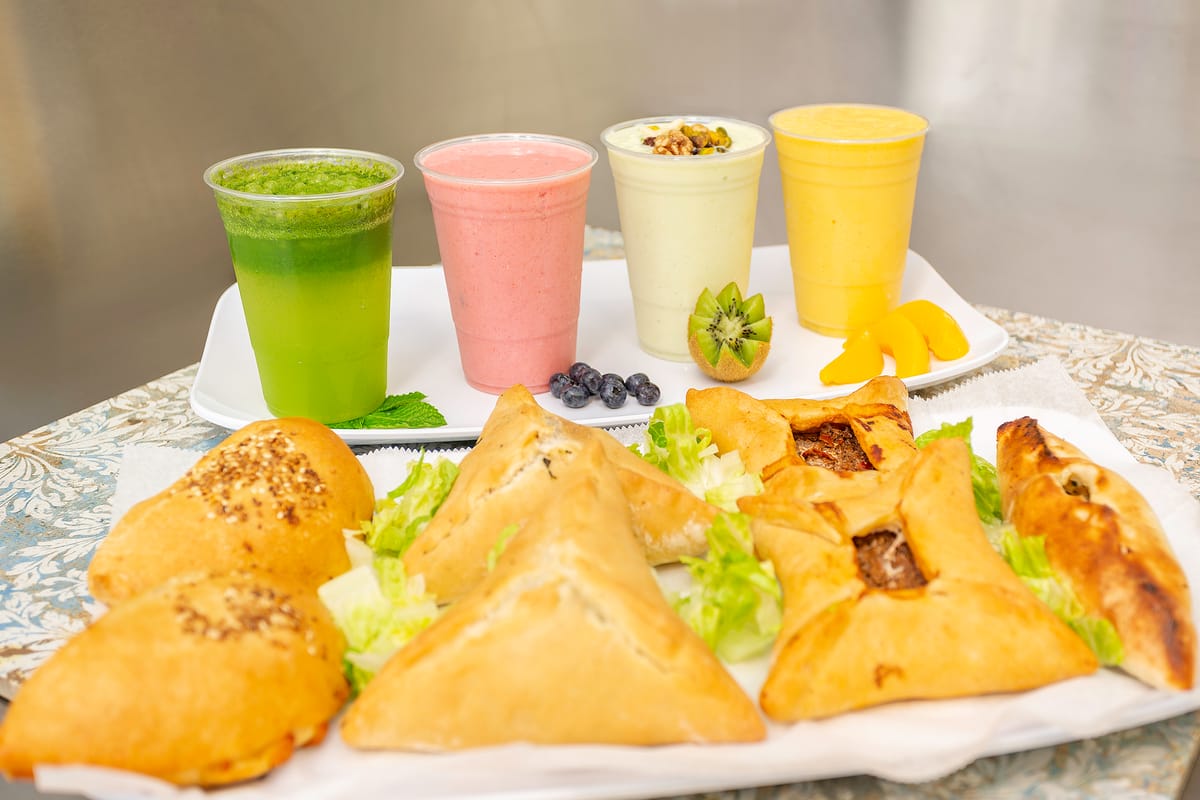
Falafel: 4 Pantry Ingredients
Dried chickpeas, fresh herbs, cumin, and coriander. That is the entire falafel ingredient list. The right pantry makes great food simple.
Fresh Staples: The Perishables Worth Keeping Stocked
Six fresh ingredients that bridge the pantry and the refrigerator. Buy them weekly and your Mediterranean cooking options multiply significantly.
Lemons
Fresh lemon juice appears in virtually every category of Mediterranean dish: dressings, dips, marinades, sauces, and drinks. Bottled lemon juice is an inadequate substitute -- the flavor is flat and lacks the volatile aromatic compounds that make fresh lemon distinctive. Buy a bag every week and squeeze freely.
Storage tip: Zest before juicing. Frozen lemon zest keeps for months.
Garlic
Fresh garlic is essential in hummus, toum (garlic sauce), marinades, dressings, and almost every cooked dish. Pre-minced jarred garlic works as a shortcut but lacks the sharp, pungent quality of freshly crushed garlic. For toum -- the creamy garlic sauce served with shawarma -- only fresh garlic will produce the right emulsion.
Storage tip: A whole head keeps 1-2 months at room temperature in a dry place.
Onions
Yellow onions are the base of nearly every cooked Mediterranean dish. Red onions are used raw in salads and thinly sliced as a condiment for shawarma and falafel. In Levantine cooking, onions are often caramelized deeply and used to top lentil dishes like mujaddara.
Storage tip: Store separately from potatoes. Keep at room temperature, not refrigerated.
Tomatoes
Fresh tomatoes go into Arabic salad, tabbouleh, shakshuka, and as a topping for nearly every sandwich and bowl. In season, use ripe summer tomatoes; off-season, cherry tomatoes often have more flavor than large beefsteak varieties. For cooked dishes, canned San Marzano tomatoes are a better choice than out-of-season fresh.
Storage tip: Never refrigerate fresh tomatoes -- cold destroys their texture and flavor.
Parsley
Flat-leaf (Italian) parsley -- not curly -- is the dominant fresh herb of Levantine cooking. Tabbouleh is essentially a parsley salad. It is also used in falafel batter, as a garnish, chopped into salads, and stirred into dips. Parsley is bright and slightly peppery, not neutral like curly parsley.
Storage tip: Keep stems in water in the refrigerator like flowers. Changes water daily.
Mint
Fresh spearmint (not peppermint) is the Mediterranean standard. It goes into tabbouleh, fattoush, yogurt sauces, fresh salads, and the Levantine lemon mint drink (limonana). Dried mint serves different purposes than fresh -- cooked dishes use dried mint while raw preparations use fresh. Do not substitute one for the other.
Storage tip: Grow mint in a pot -- it is invasive in a garden but easy to maintain in a container.
Preserved Items: Fermented, Pickled, and Aged Staples
Four preserved ingredients that add depth, tang, and texture that fresh ingredients simply cannot replicate.
Pickled Turnips
Pink
Perhaps the most distinctive condiment in Levantine cuisine. Turnips pickled in brine with a piece of beet for color, turning them a vivid hot pink. The flavor is sharp, tangy, and slightly earthy. Pickled turnips are served alongside falafel and shawarma as a standard condiment. They cut through the richness of tahini and meat, providing acidity that refreshes the palate between bites. Easy to make at home -- turnips, beet, salt, water, and two weeks of patience.
Olives
Green, black, and cured varieties
Table olives -- whole, cured, and seasoned -- are served as part of meze spreads, added to salads, baked on flatbreads, and eaten as snacks. The most common Levantine varieties are green Souri olives and cured black olives packed in olive oil with herbs. Unlike cooking olives, table olives are cured specifically for eating. A jar of good olives rounds out any meze spread and keeps for months in the refrigerator.
Labneh
Strained yogurt
Yogurt strained through cheesecloth until it reaches a thick, spreadable consistency -- somewhere between Greek yogurt and cream cheese. Labneh is tangy, rich, and probiotic. It is served drizzled with olive oil and dried mint, rolled into balls and stored in olive oil, or thinned back out with water to make a sauce. At Taza, our labneh is priced at $4.95 and served with pita as a side dip. It keeps refrigerated for 1-2 weeks.
Feta
Brined white cheese
Traditionally a Greek cheese made from sheep's or goat's milk, feta is now used broadly across Mediterranean cooking. It is crumbled into fattoush and Greek salad, baked in pastries, spread on flatbreads, and paired with olive oil and herbs as a meze item. Proper feta from brine has a complex, tangy flavor that is quite different from the pre-crumbled, drier American versions. Look for Greek PDO feta packed in brine.
Building Your First Mediterranean Pantry
A prioritized shopping list and budget tips for stocking up without overwhelming yourself on the first trip.
You do not need to buy everything at once. Start with the Tier 1 items below, cook with them for a few weeks, and then add Tier 2 as you grow more confident. Most of these items are available at Middle Eastern grocery stores in Northern Virginia and increasingly at mainstream supermarkets.
Start Here (Tier 1)
- Extra-virgin olive oil (good quality, 500ml bottle)
- Tahini (100% sesame, no additives)
- Canned chickpeas (or dried, for soaking)
- Red lentils (for quick soups)
- Cumin (ground and/or whole seeds)
- Coriander (ground)
- Sumac
- Zaatar blend
- Basmati rice
- Fresh lemons (always)
- Fresh garlic (always)
- Flat-leaf parsley
Expand Later (Tier 2)
- Bulgur (fine and coarse grain)
- Pomegranate molasses
- Allspice (ground)
- Turmeric
- Cardamom (ground)
- Aleppo pepper flakes
- Freekeh (cracked)
- Rose water
- Dried mint
- Pickled turnips (jarred)
- Good table olives (brined)
- Labneh or strained yogurt
Budget Tips
Buy dried chickpeas and lentils rather than canned -- they cost a fraction of the price and taste better.
Middle Eastern grocery stores typically sell spices, tahini, and olive oil at significantly lower prices than mainstream supermarkets.
A single bottle of good olive oil and a jar of tahini can last 2-3 months with regular cooking.
Whole spices stay fresh longer than ground. Buy whole cumin and coriander, toast briefly, and grind as needed.
Lemons and garlic are cheap and should always be fresh -- never substitute bottled versions.
Pomegranate molasses, zaatar, and sumac last a long time. The upfront cost is a one-time investment.
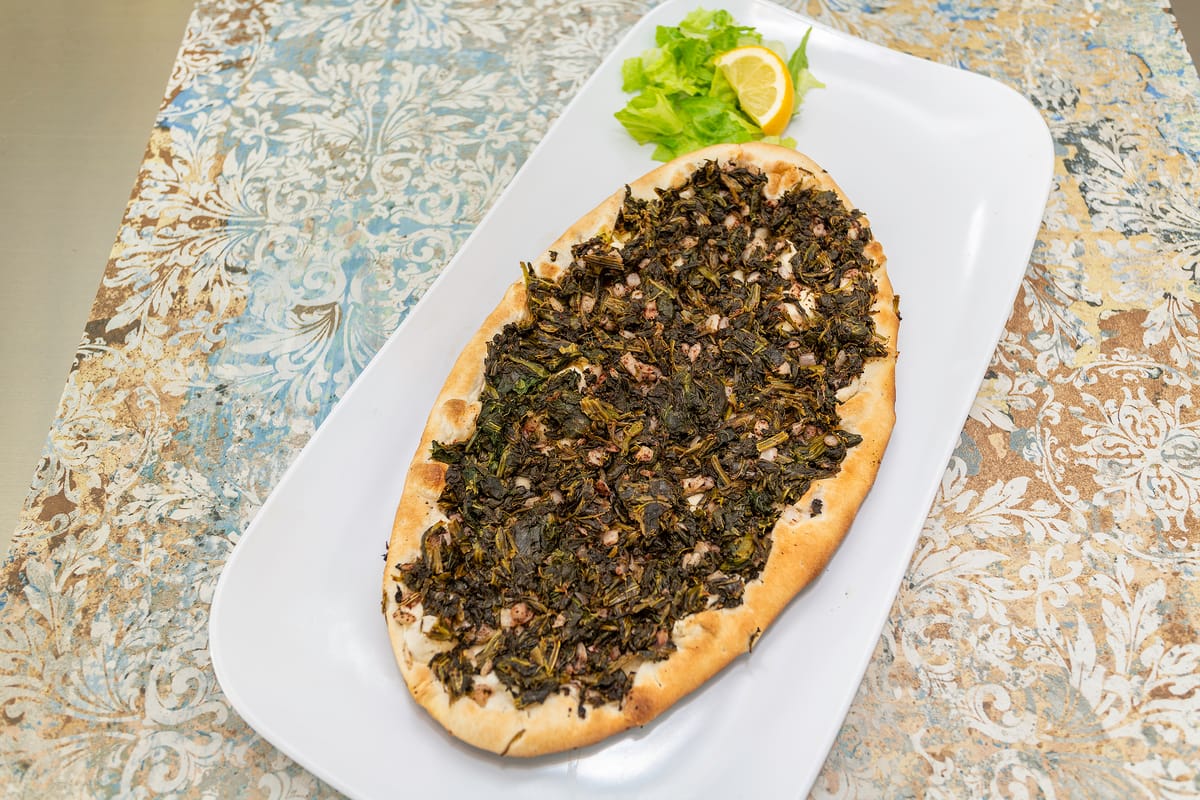
Fresh Every Day
At Taza, the ingredients behind the counter -- the garlic sauce, tahini, pickled turnips, and fresh herbs -- are prepared from scratch daily using the same pantry staples described here.
How Taza Uses Mediterranean Pantry Ingredients
Every dish on our menu connects directly to the pantry staples described above. Here is how the ingredients show up on your plate.
Hummus
$4.95Our hummus starts with properly cooked chickpeas blended with tahini, fresh lemon juice, garlic, and a finish of extra-virgin olive oil. The same four pantry items that go into every homemade version.
Falafel Pita
from $8.95Falafel batter is made from soaked (not cooked) dried chickpeas ground with fresh herbs and spices. The tahini sauce that accompanies it is tahini thinned with lemon and garlic.
Zaatar Manaeesh
$6.95The simplest possible application of pantry ingredients: zaatar mixed with olive oil and baked on fresh dough. Three ingredients, extraordinary results.
Chicken Shawarma Bowl
from $12.45Our shawarma marinade uses 12+ spices applied to halal chicken marinated overnight. Served over basmati rice seasoned with a cinnamon stick and finished with sumac.
Labneh
$4.95Our labneh is strained yogurt -- thick, tangy, and rich -- drizzled with olive oil and sprinkled with dried mint. Three pantry-adjacent ingredients, served with warm pita.
Rice Side
$2.95Levantine rice is not plain steamed rice. It is cooked with a touch of cinnamon, allspice, and browned vermicelli -- the pantry spices transform a simple side into something fragrant and complex.
Want to experience what a fully stocked Mediterranean pantry produces? Visit Taza Shawarma & Falafel at 5820 Seminary Rd Ste O, Falls Church, VA 22041. Everything on the menu is made fresh daily from the same pantry staples described in this guide.
Browse the Full MenuMediterranean Pantry: Frequently Asked Questions
Common questions about stocking, sourcing, and using Mediterranean pantry ingredients answered in detail.
The absolute core of a Mediterranean pantry comes down to five categories: a high-quality extra-virgin olive oil, tahini (sesame paste), dried chickpeas or canned chickpeas, a selection of spices (cumin, sumac, zaatar, coriander), and fresh or dried legumes like lentils and bulgur. Add fresh lemons, garlic, and parsley and you can make dozens of dishes from scratch. These seven items -- olive oil, tahini, chickpeas, lentils, bulgur, lemons, and garlic -- form the foundation of Levantine home cooking.
Tahini is a paste made from ground hulled sesame seeds, with a texture similar to natural peanut butter and a rich, nutty, slightly bitter flavor. It is one of the most versatile ingredients in Mediterranean cooking. Tahini is blended into hummus as a core ingredient (hummus literally means 'chickpeas' and is short for 'hummus bi tahini,' meaning chickpeas with tahini). It is also used as a sauce for falafel and shawarma, mixed with lemon and garlic as a dressing, stirred into baba ghanoush, and drizzled over grilled meats. At Taza Shawarma & Falafel, tahini is used across multiple menu items including our hummus ($4.95), falafel pita (from $8.95), and shawarma plates.
Zaatar refers to both a wild thyme-like herb that grows across the Levant and a spice blend made from that herb (or dried thyme), toasted sesame seeds, sumac, and salt. The herb itself is a variety of wild thyme with a slightly more intense, woodsy flavor than cultivated thyme. The spice blend is what you find sold in Middle Eastern grocery stores -- a greenish-gray powder with a herbal, nutty, tangy flavor. When mixed with olive oil, it becomes a spread for flatbread, the basis of zaatar manaeesh (priced at $6.95 at Taza). Both forms are used in Levantine cooking, but the blend is more common in home kitchens outside the region.
Sumac is a deep red-purple powder ground from dried berries of the sumac bush (Rhus coriaria). Its flavor is tart, slightly fruity, and lemony -- without the liquid of actual lemon juice. Sumac is used as a finishing spice on hummus, fattoush salad, grilled meats, and raw onion salads. There is no perfect substitute. In a pinch, a small amount of lemon zest with a little lemon juice can approximate the tartness, but you will miss the color and the fruity depth. Sumac is now widely available at Middle Eastern grocers and many mainstream supermarkets. Buy the whole dried berries and grind them yourself for the best flavor, or purchase a pre-ground version from a store with high turnover.
Pomegranate molasses is a thick, tart syrup made by reducing pomegranate juice until concentrated. The flavor is intensely sour-sweet with a deep berry complexity -- much more acidic than regular molasses and with a distinctive fruitiness. It is used in Levantine cooking as an acid component in dressings (especially for fattoush), as a glaze for grilled meats, stirred into dips, and drizzled on meze plates. A small amount -- just a teaspoon or two -- can transform a dressing or marinade. Look for it at Middle Eastern grocery stores; it keeps for months in the refrigerator.
Shelf life varies significantly by item. Whole spices (cumin seeds, coriander seeds, cardamom pods) last 1-3 years in airtight containers away from light and heat. Ground spices lose potency after 6-12 months. Extra-virgin olive oil is best used within 18 months of pressing; buy smaller bottles to ensure freshness. Dried lentils and chickpeas keep 2-3 years. Tahini keeps 6-12 months unopened and should be refrigerated after opening. Canned chickpeas last 2-5 years. Pomegranate molasses and preserved lemons can last 1-2 years refrigerated after opening. Buy in smaller quantities and replace regularly for the best flavor.
Northern Virginia has excellent resources for Mediterranean ingredients. The Route 7 corridor through Bailey's Crossroads, Seven Corners, and Annandale has multiple Middle Eastern grocery stores carrying authentic spices, tahini, pomegranate molasses, freekeh, bulgur, dried chickpeas, labneh, and imported olive oils. Middle Eastern bakeries in the area often sell fresh pita and flatbreads. For a taste of what a fully stocked Mediterranean pantry produces, visit Taza Shawarma & Falafel at 5820 Seminary Rd Ste O, Falls Church, VA 22041. We are open 11:00 AM - 12:00 AM, Open 7 Days a Week. Call us at (703) 340-1014 with any questions.
Freekeh (also spelled farik or freekeh) is green durum wheat that is harvested while young and then roasted or smoked over fire. The name comes from the Arabic word for 'rubbed,' referring to the process of rubbing the roasted grain. Freekeh has a nutty, slightly smoky flavor and a chewy texture. Nutritionally, it is higher in protein and fiber than white rice and has a lower glycemic index. It is used in pilafs, soups, and stuffings across the Levant and Egypt. Whole freekeh takes longer to cook (45-60 minutes) while cracked freekeh cooks in about 20 minutes. It can be used anywhere you would use rice or bulgur.
Address
5820 Seminary Rd Ste O, Falls Church, VA 22041
Hours
11:00 AM - 12:00 AM -- Open 7 Days a Week
Phone
More Mediterranean Food Guides
Explore individual ingredients and regional cooking traditions in more depth.
Ready to Taste the Mediterranean Pantry?
Visit Taza Shawarma & Falafel at 5820 Seminary Rd Ste O, Falls Church, VA 22041 — open 11:00 AM - 12:00 AM, Open 7 Days a Week. Order online or stop in. Every dish is made from the ingredients in this guide.