Fattoush vs Tabbouleh: The Complete Salad Showdown
One is a bread salad -- crispy pita, tangy sumac, juicy vegetables. The other is an herb salad -- a mountain of parsley, fine bulgur, bright lemon. Both are Levantine legends. Here's everything that sets them apart.
4.8 stars on Yelp (92 reviews) -- Open 11:00 AM - 12:00 AM
The Two Kings of Middle Eastern Salads
Every Levantine table has room for both -- but they could not be more different.
Walk into any Lebanese restaurant and you will find two salads on every menu: fattoush and tabbouleh. They share a homeland, they share a handful of overlapping ingredients -- tomatoes, cucumbers, lemon, olive oil -- and they share a reputation as the go-to starters of Levantine cuisine. But the similarities end there. These two salads are built on fundamentally different ideas about what a salad should be, and understanding that difference is the key to knowing which one to order and when.
Fattoush is a bread salad. The pita is not a garnish -- it is the structural backbone. Torn or cut into triangles, fried or toasted until golden and shatteringly crisp, then tossed with vegetables and drenched in a dressing built around sumac and pomegranate molasses. The result is a salad that crackles between your teeth, with a tangy sweetness that hits differently from anything in Western salad traditions. It is bold, textured, and satisfying enough to stand as a meal on its own.
Tabbouleh is an herb salad. Not a grain salad with some parsley tossed in -- that is the Americanized version and it misses the point entirely. Authentic tabbouleh is a dense mound of finely chopped flat-leaf parsley with a modest scattering of fine bulgur, diced tomatoes, mint, and a clean lemon-olive oil dressing. The parsley is the star, providing a green, grassy, almost peppery punch that cleanses the palate and pairs brilliantly with grilled meats and rich dips. At Taza Shawarma & Falafel in Falls Church, VA, both salads are made fresh daily using traditional Levantine recipes.
Two Salads, One Table
In Lebanon, fattoush and tabbouleh sit side by side at almost every gathering. Different salads, same tradition of eating fresh.
What Is Fattoush?
Fattoush is a Levantine bread salad built around pieces of fried or toasted pita that have been crisped until golden and tossed with a riot of fresh vegetables -- romaine lettuce, tomatoes, cucumbers, radishes, bell peppers, green onions, and sometimes purslane. The dressing is what sets fattoush apart from every other salad: a blend of extra-virgin olive oil, pomegranate molasses, ground sumac, lemon juice, and garlic. That dressing delivers a tangy, sweet-sour complexity that stains the pita chips a deep reddish-purple and makes every bite pop.
The word "fattoush" comes from the Arabic "fatt," meaning to crumble or break bread. The salad was originally a way to use stale flatbread -- soaking it in dressing to soften it or frying it to restore crunch. Today the pita is deliberately toasted or deep-fried and added just before serving so it arrives at the table shattering-crisp, not soggy. That crackle of hot pita against cool, juicy vegetables is the entire point.
Read our full fattoush guideWhat Is Tabbouleh?
Tabbouleh is a Levantine herb salad dominated by finely chopped flat-leaf parsley -- and by "dominated," we mean the parsley makes up at least three-quarters of the bowl. Bulgur wheat is added in small amounts, soaked briefly in lemon juice until tender, then folded through the parsley along with diced tomatoes, fresh mint, and finely sliced green onions. The dressing is direct and clean: fresh lemon juice, extra-virgin olive oil, salt, and sometimes a whisper of allspice.
The name comes from the Arabic verb "tabbala," meaning to season or to spice. In Lebanon, tabbouleh is eaten by scooping it with small romaine lettuce leaves or young vine leaves -- never with a fork. The parsley delivers a bright, almost peppery herbaceousness, the lemon adds acidity, and the bulgur contributes a gentle chew. Tabbouleh is lighter, denser, and more intensely green than fattoush. It is the palate cleanser you put next to rich, smoky grilled meats.
Read our full tabbouleh guideBread Salad vs Herb Salad: Why It Matters
The single distinction that explains everything else about these two dishes.
Strip both salads down to their essence and you get one clean distinction. Fattoush is a bread salad: the fried or toasted pita chips are the defining ingredient, the thing that makes fattoush fattoush. Remove the pita and you have a mixed vegetable salad with sumac dressing -- pleasant, but not the same dish. The bread absorbs the tangy dressing, provides structural crunch, and turns a simple plate of vegetables into something substantial enough to serve as a meal. The closest Western analog is Italian panzanella, where stale bread soaks up tomato juices and vinaigrette.
Tabbouleh is an herb salad: the finely chopped flat-leaf parsley is the defining ingredient, making up the vast majority of the bowl. The bulgur wheat plays a supporting role -- a textural accent, not the foundation. This is the part that trips up most people outside Lebanon. If your tabbouleh looks beige and grainy, it is bulgur-forward, which means it is not traditional tabbouleh. Proper tabbouleh is vibrantly, almost aggressively green. The parsley should be visible in every bite, delivering a grassy, peppery punch that no other ingredient can replicate.
This single difference -- bread versus herbs -- cascades into everything else. It determines the dressing (sumac-pomegranate for fattoush, lemon-olive oil for tabbouleh), the texture (crunchy versus dense), the calorie count (higher for fattoush because fried bread), and when you eat each one (fattoush as a standalone, tabbouleh as an accompaniment). At Taza in Falls Church, both salads are prepared traditionally so you can taste that difference firsthand.
What Goes Into Each Salad?
Overlap in the middle, divergence at the edges.
Fattoush Only
- Fried or toasted pita bread
- Romaine lettuce
- Radishes
- Bell peppers
- Purslane (when available)
- Sumac
- Pomegranate molasses
Shared Ingredients
- Tomatoes
- Cucumbers
- Fresh mint
- Green onions / scallions
- Extra-virgin olive oil
- Lemon juice
- Salt
Tabbouleh Only
- Flat-leaf parsley (bulk ingredient)
- Fine bulgur wheat
- Allspice (optional)
- Romaine leaves for scooping
The overlap is real -- tomatoes, cucumbers, lemon, olive oil, and mint appear in both salads. But the defining ingredients are exclusive: pita and sumac belong to fattoush, parsley and bulgur belong to tabbouleh. Those exclusives are what give each salad its identity.
Crunch Meets Green
Fattoush delivers the crackle of golden pita. Tabbouleh delivers the herbaceous punch of fresh parsley. Both belong on a Levantine table.
Fattoush vs Tabbouleh: Complete Comparison
Every important difference at a glance.
| Feature | Fattoush | Tabbouleh |
|---|---|---|
| Star Ingredient | Fried or toasted pita chips | Fresh flat-leaf parsley (bulk of the salad) |
| Grain Component | None (bread-based, not grain-based) | Fine bulgur wheat |
| Primary Herbs | Mint, parsley (garnish amounts) | Parsley (dominant), mint |
| Signature Spice | Sumac (tart, berry-like tang) | Allspice (warm, subtle, optional) |
| Dressing Base | Pomegranate molasses + olive oil + sumac | Fresh lemon juice + extra-virgin olive oil |
| Texture | Crunchy from pita, juicy from vegetables | Dense, herby, slightly chewy from bulgur |
| Flavor Profile | Tangy, crunchy, sweet-sour, bold | Fresh, bright, herbaceous, clean |
| Calories (per cup) | ~180-220 cal | ~120-150 cal |
| Fiber | Moderate (from vegetables and pita) | High (from bulgur and parsley) |
| Vitamin C | High (tomatoes, radishes, peppers) | Very high (parsley is a vitamin C powerhouse) |
| Iron | Moderate | High (parsley is iron-rich) |
| Gluten-Free | No (contains pita bread) | No (contains bulgur wheat) |
| Best Served As | Standalone light meal or large side | Side dish or accompaniment |
| Origin Region | Lebanon, Syria (Levant) | Lebanon, Syria (Levant) |
The table makes it clear: these are two completely different salads that happen to share a few vegetables. One is built for crunch and tang, the other for freshness and herbal depth. Ordering both is not redundant -- it is the traditional way.
How Do Fattoush and Tabbouleh Compare Nutritionally?
Both are loaded with vegetables, but the calorie math differs.
Fattoush (per cup)
Best for: Satisfying crunch, more filling as a standalone meal, wider vegetable variety.
Tabbouleh (per cup)
Best for: Lower calories, higher fiber, more iron and vitamin C, lighter side dish.
Tabbouleh wins on raw nutrition density thanks to parsley, which is packed with vitamin C, vitamin K, iron, and folate. Fattoush has more calories from the fried pita but delivers a wider range of vegetables and more overall volume. Neither salad is "unhealthy" -- both are built entirely from whole ingredients with olive oil as the primary fat. For more on Mediterranean food and weight loss, see our dedicated guide.
How Does Each Salad Actually Taste?
The eating experience is where these two salads diverge the most.
Fattoush: Tangy, Crunchy, Bold
The first thing you notice is the crunch. Fried pita chips shatter between your teeth, releasing a wave of warm, toasty wheat flavor. Immediately behind it comes the dressing -- sumac delivers a tart, berry-like tang while pomegranate molasses adds a dark, fruity sweetness that balances the acidity. Juicy tomatoes and cool cucumbers play against the warm crispness of the pita. Radishes add a sharp, peppery bite. Everything is coated in olive oil that carries the sumac across every surface.
The overall experience is textural contrast: crispy pita against juicy vegetables, warm bread against cool salad, tangy dressing against sweet tomatoes. Fattoush is loud and layered -- the kind of salad that demands attention on the plate.
Tabbouleh: Fresh, Herby, Clean
The first thing you notice is the green. A wall of chopped parsley hits your palate with a grassy, almost peppery intensity that no other salad ingredient can match. Fresh mint weaves through with a cooling sweetness. The lemon dressing is bright and sharp -- no pomegranate molasses, no sumac, just clean citrus acidity cutting through the herbaceousness. The bulgur adds a quiet, nutty chew in the background. Diced tomatoes provide small bursts of juiciness.
The overall experience is refreshing and cleansing. Tabbouleh is the salad you eat between bites of rich food -- between a forkful of crispy falafel and a swipe of hummus. It resets your palate rather than competing for attention. Where fattoush is a headliner, tabbouleh is the perfect supporting act.
When Should You Order Fattoush vs Tabbouleh?
Context matters. Here is a guide based on what you are looking for.
Light Meal on Its Own
Fattoush
The pita chips add substance and calories, making fattoush filling enough to serve as a standalone lunch. Add a side of hummus ($4.95) and pita ($0.95) and you have a complete vegetarian meal.
Side with Grilled Meats
Tabbouleh
Tabbouleh's bright lemon-parsley flavor cuts through the richness of chicken shawarma (from $9.95) or beef. It cleanses the palate between bites without competing with the main dish.
Maximum Crunch
Fattoush
Nothing in the salad world matches the textural contrast of fried pita chips against cool, juicy vegetables. Fattoush is the salad for people who think salads are boring because of their lack of texture.
Lowest Calories
Tabbouleh
At roughly 120-150 calories per cup versus 180-220 for fattoush, tabbouleh is the lighter option. The absence of fried bread and the herb-forward composition keeps the calorie count down.
Most Vitamins & Iron
Tabbouleh
Parsley is a nutritional powerhouse -- rich in vitamin C, vitamin K, iron, and folate. A generous serving of tabbouleh delivers more micronutrients per bite than almost any other salad. Read more about Mediterranean food's anti-inflammatory benefits.
Can't Decide?
Order Both!
This is the traditional Levantine move. Fattoush and tabbouleh serve different purposes on the same table. The crunchy, tangy fattoush contrasts with the fresh, herby tabbouleh. Together they cover all the texture and flavor bases.
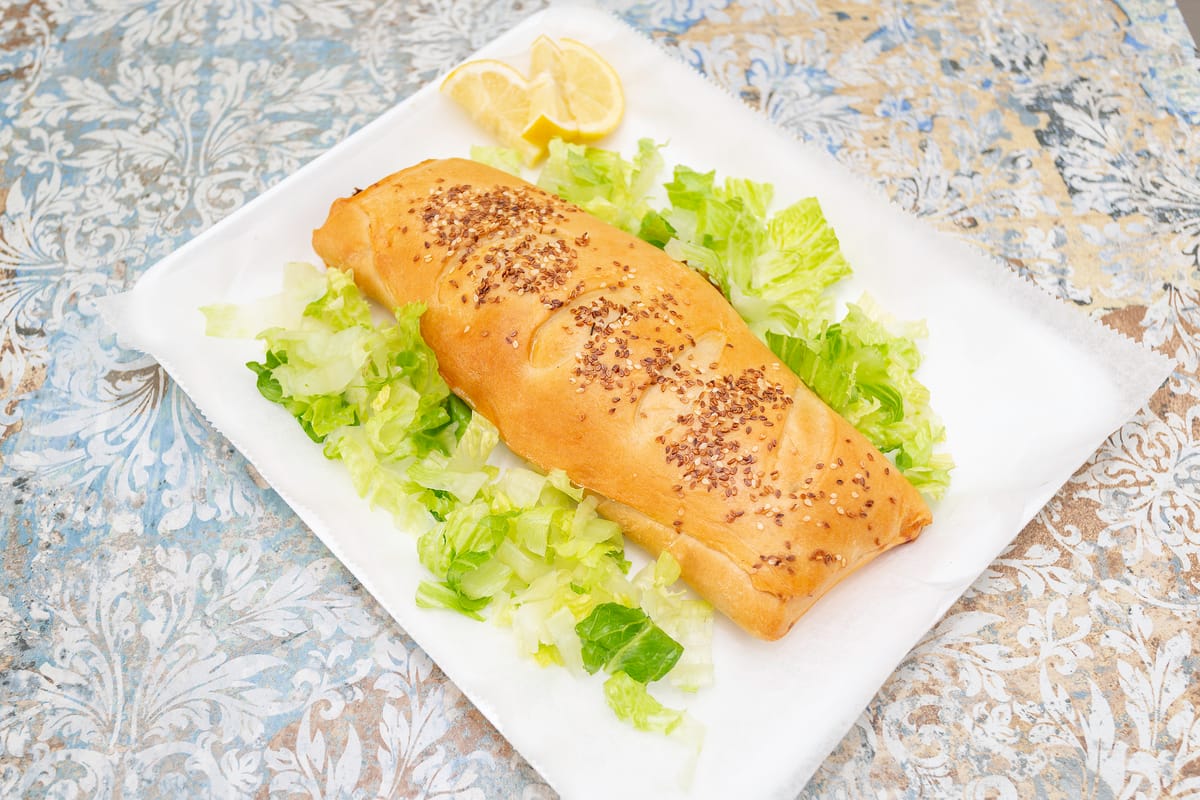
The Full Levantine Spread
Fattoush, tabbouleh, hummus, warm pita -- the foundation of a traditional Lebanese table, all made fresh at Taza.
Can You Combine Fattoush and Tabbouleh? Ordering at Taza
How to build the perfect meal around these two salads.
Ordering both fattoush and tabbouleh is not overkill -- it is standard practice across Lebanon, Syria, and Jordan. The two salads serve completely different roles at the table. Fattoush is the textural anchor: crunchy, tangy, and substantial enough to hold its own. Tabbouleh is the herbal palate cleanser: bright, green, and designed to cut through richer dishes. Putting them side by side gives you the full spectrum of Levantine salad tradition in two bowls.
At Taza, here is how regulars build a meal around these salads. For a vegetarian spread, pair fattoush with a falafel bowl (from $10.45), hummus ($4.95), and warm pita bread ($0.95). The falafel's crunch echoes the fattoush's pita, and the hummus ties everything together with creamy protein. For a meat-centered meal, order tabbouleh alongside chicken shawarma pita (from $9.95) or a chicken shawarma bowl (from $12.45). The tabbouleh's lemon-parsley brightness is the ideal counterpoint to smoky, spiced meat.
For the full experience, order both salads with a protein of your choice, a side of hummus or baba ghanoush ($4.95 / $4.95), and extra pita. Share everything family-style. This is how meals are eaten across the Levant: communal, colorful, and with more dishes on the table than any one person needs. At Taza in Falls Church, every ingredient is prepared fresh daily so each salad arrives at your table at peak flavor.
The Vegetarian Spread
Fattoush + Falafel Bowl + Hummus + Pita
Crunchy pita salad paired with crispy falafel and creamy hummus. All plant-based, all satisfying.
Learn moreThe Shawarma Companion
Tabbouleh + Chicken Shawarma Pita
The herbaceous brightness of tabbouleh cuts through rich, smoky chicken shawarma. The classic pairing.
Learn moreThe Full Table
Both Salads + Protein + Hummus + Pita
Order fattoush and tabbouleh together with shawarma, dips, and warm bread. Share everything. Eat like you are in Beirut.
Learn moreWhere Do Fattoush and Tabbouleh Come From?
Both salads share deep roots in the mountains and kitchens of the Levant.
Both fattoush and tabbouleh originate in the Levant -- the eastern Mediterranean region spanning modern-day Lebanon, Syria, and Jordan. Tabbouleh is closely associated with the mountains of Lebanon, where flat-leaf parsley grows in abundance and where the salad has been a fixture of village cooking for centuries. The tradition of eating tabbouleh with vine leaves or small romaine scoops (rather than utensils) is still practiced in rural Lebanese homes. In many families, the quality of a cook is measured by how finely they can chop parsley for tabbouleh.
Fattoush has humbler origins as a way to use day-old pita bread that had gone stale. Flatbread was too valuable to waste, so cooks would break it into pieces, revive it with oil and heat, and toss it with whatever vegetables were on hand. The addition of sumac and pomegranate molasses -- both native to the Levant -- elevated the dish from frugal leftover repurposing into a beloved salad in its own right. Today fattoush is served in fine restaurants across the Middle East, but its roots are in peasant kitchens making the most of what was available.
Both salads migrated to the Americas, Europe, and Australia with Lebanese and Syrian diaspora communities in the 20th century. In the United States, tabbouleh gained mainstream recognition first, though often in a bulgur-heavy adaptation that differs from the parsley-dominated original. Fattoush has become increasingly popular in recent years as sumac and pomegranate molasses have become more widely available. At Taza in Falls Church, both salads follow the traditional Levantine proportions -- parsley- forward tabbouleh and pita-forward fattoush, the way they were meant to be made.
Sumac-Pomegranate vs Lemon-Olive Oil: The Dressing Divide
The dressing is where the flavor personality of each salad lives.
Fattoush Dressing
The combination of sumac and pomegranate molasses gives fattoush a sweet-sour-tangy profile that is unique in the salad world. No Western vinaigrette comes close.
Tabbouleh Dressing
Tabbouleh's dressing is deliberately simple -- just lemon and olive oil -- because the parsley itself provides so much flavor that a complex dressing would compete rather than complement.
The dressings tell you everything about each salad's philosophy. Fattoush needs a bold, multi-layered dressing because the vegetables and pita are relatively neutral canvases. Tabbouleh needs a simple, transparent dressing because the parsley does the heavy lifting on its own.
Fattoush and Tabbouleh at Taza in Falls Church
Both salads made fresh daily at 5820 Seminary Rd Ste O, Falls Church, VA 22041. Traditional Levantine recipes.
At Taza Shawarma & Falafel, both fattoush and tabbouleh are prepared from scratch every day using traditional Levantine proportions. Our fattoush starts with pita fried until golden and shatteringly crisp, then tossed with romaine, tomatoes, cucumbers, radishes, and a house dressing built on sumac, pomegranate molasses, and extra-virgin olive oil. Our tabbouleh starts with bunches of fresh flat-leaf parsley chopped fine, mixed with soaked bulgur, diced tomatoes, fresh mint, and dressed with lemon juice and olive oil. The parsley dominates, the way it should.
Both salads pair naturally with everything else on our menu -- falafel pitas (from $8.95), chicken shawarma bowls (from $12.45), hummus ($4.95), baba ghanoush ($4.95), and warm pita bread ($0.95). Order online for pickup or delivery, or visit us at 5820 Seminary Rd Ste O, Falls Church, VA 22041. We are open 11:00 AM - 12:00 AM, open 7 days a week.
Frequently Asked Questions: Fattoush vs Tabbouleh
Fattoush is a bread salad built around fried or toasted pita chips mixed with fresh vegetables and a tangy sumac-pomegranate molasses dressing. Tabbouleh is an herb salad built around finely chopped flat-leaf parsley with bulgur wheat, tomatoes, and a lemon-olive oil dressing. The core distinction: fattoush stars the pita, tabbouleh stars the parsley. Everything else -- the dressing, the texture, the way each salad eats -- follows from that fundamental difference.
No, and this is the most common misconception about tabbouleh. Authentic Lebanese tabbouleh is a parsley salad with a small amount of bulgur, not a bulgur salad with some parsley. The ratio should be roughly 3 parts chopped parsley to 1 part bulgur. The parsley provides the body, the color, and the dominant flavor. The bulgur adds texture and a mild nuttiness but should never be the main event. If the bulgur dominates, you are eating a grain bowl that borrowed the name.
Both salads are nutritious, but they serve different goals. Tabbouleh is lower in calories (roughly 120-150 per cup versus 180-220 for fattoush) because parsley and bulgur are lighter than fried pita chips. Tabbouleh also delivers more iron and vitamin C per serving thanks to the massive quantity of fresh parsley. Fattoush provides more crunch and satiety from the pita and a wider range of vegetables. If you are counting calories, tabbouleh edges ahead. If you want a more filling salad that works as a standalone meal, fattoush is the stronger choice.
Neither salad is naturally gluten-free in its traditional form. Fattoush contains pita bread (wheat-based) and tabbouleh contains bulgur (cracked wheat). For a gluten-free fattoush, you could substitute baked corn tortilla chips or gluten-free crackers for the pita, though the flavor will differ. For gluten-free tabbouleh, quinoa is the most common substitute for bulgur -- it holds the lemon dressing well and adds protein. At Taza, our traditional recipes use standard pita and bulgur, so let us know about any wheat allergies when you order.
Sumac is a ground berry with a tangy, citrusy flavor often compared to lemon zest but earthier and more complex. It provides a tart, slightly fruity punch without the sharp acidity of fresh lemon juice. In fattoush, sumac appears both in the dressing and sprinkled directly over the salad. It stains everything it touches a beautiful reddish-purple and gives fattoush its signature tangy bite that distinguishes it from every other salad in Middle Eastern cuisine.
Fattoush gets soggy because the pita chips absorb moisture from the vegetables and dressing. This is the nature of a bread salad -- the pita is meant to soak up some of those juices, similar to Italian panzanella. The key is timing: the dressing and pita should be added just before serving, not in advance. At restaurants like Taza, fattoush is assembled to order so the pita arrives crisp. If you are making it at home, keep the pita, vegetables, and dressing separate until the moment you sit down to eat.
Yes. Both salads pair well with different meals. Tabbouleh is the classic side for grilled meats like chicken shawarma (from $9.95) because the herbaceous lemon dressing cuts through the richness. Fattoush works as a larger side or a light meal on its own because the pita chips make it more filling. Many regulars order tabbouleh alongside a shawarma plate and fattoush alongside a falafel bowl for a lighter, vegetable-forward lunch.
Beyond fattoush and tabbouleh, Taza serves hummus ($4.95), baba ghanoush ($4.95), and labneh ($4.95) -- all of which can function as salad-adjacent sides. For a full Levantine spread, order fattoush or tabbouleh alongside hummus, warm pita bread ($0.95), and a protein of your choice. The combination of fresh salad, creamy dip, and warm bread is the foundation of a traditional Lebanese table.
Try Both Salads at Taza in Falls Church
Open 11:00 AM - 12:00 AM, open 7 days a week at 5820 Seminary Rd Ste O, Falls Church, VA 22041.
Address
5820 Seminary Rd Ste O, Falls Church, VA 22041
Hours
11:00 AM - 12:00 AM -- Open 7 Days a Week
Phone
Order Fattoush and Tabbouleh at Taza
Both salads made fresh daily at 5820 Seminary Rd Ste O, Falls Church, VA 22041. Order online or call (703) 340-1014. Open 11:00 AM - 12:00 AM.