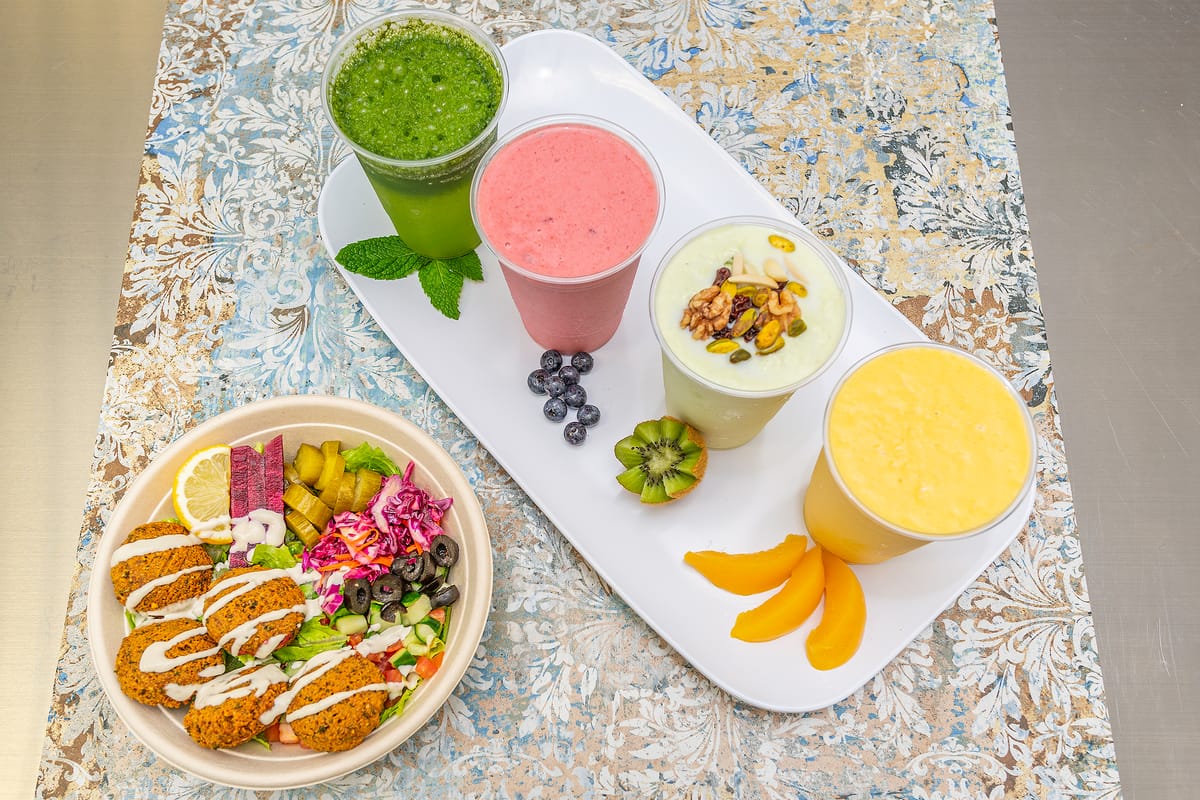
Foods That Make Your Skin Glow From Within
The Mediterranean diet provides every nutrient category your skin needs — zinc from chickpeas, polyphenols from olive oil, carotenoids from fresh vegetables, and probiotics from fermented dairy. The science behind clear, hydrated, age-resistant skin starts on your plate.
4.8 stars on Yelp (92 reviews) -- Open 11:00 AM - 12:00 AM
How What You Eat Directly Shapes Your Skin
Skin is not just a surface organ — it is an active metabolic tissue that reflects the quality of every nutrient it receives.
The average skin cell, a keratinocyte, lives for approximately 28 days before migrating from the basal layer to the surface and shedding. Every cell in that cycle is built from dietary materials: amino acids from protein become structural keratin, fatty acids from dietary fat form the lipid bilayer that determines membrane permeability and moisture retention, and micronutrients like zinc, vitamin C, and vitamin E serve as enzymatic cofactors in the processes of collagen synthesis, DNA repair, and antioxidant defense.
When the diet consistently provides these materials in adequate forms — as the Mediterranean diet does — each new generation of skin cells is structurally sound, inflammatory signaling stays low, and the dermis retains the collagen density and hydration that characterize healthy skin. When the diet is deficient or pro-inflammatory, each skin cell cycle produces incrementally weaker tissue with a higher oxidative debt.
The Mediterranean diet aligns with skin health through three independent mechanisms. First, its low glycemic load prevents the insulin and IGF-1 spikes that directly stimulate sebaceous gland activity and acne formation. Second, its high antioxidant density from olive oil, fresh vegetables, and legumes neutralizes the reactive oxygen species that degrade collagen and elastin in the dermis. Third, its fermented foods and prebiotic fiber support a diverse gut microbiome that suppresses the systemic inflammation driving acne, eczema, rosacea, and accelerated skin aging.
Levantine cuisine — the food tradition behind Taza's menu — is among the most skin-supportive dietary patterns available. The core ingredients of hummus, tahini, olive oil, fresh herbs, fermented labneh, and spice-marinated proteins happen to map almost perfectly onto the nutrient categories that skin cell biology requires.
Inflammatory Cascade Control
Mediterranean polyphenols and omega-9 fats inhibit NF-kB and COX-2, the primary drivers of skin inflammation in acne, eczema, and photoaging.
Antioxidant Defense System
Daily intake of carotenoids, vitamin E, polyphenols, and vitamin C from Mediterranean foods maintains the antioxidant pool that prevents collagen and elastin degradation.
Skin Barrier Reinforcement
Dietary squalene from olive oil, ceramide precursors from legumes, and structural fatty acids from tahini reinforce the stratum corneum's water-retention function.
Hormonal Signaling Modulation
Low glycemic load and plant protein reduce IGF-1 and insulin, the hormones that trigger sebum overproduction and the keratinocyte hyperproliferation that initiates acne.
Microbiome-Skin Axis Support
Prebiotic fibers from chickpeas and garlic, plus probiotics from labneh, maintain the gut microbiome diversity that inversely correlates with inflammatory skin conditions.
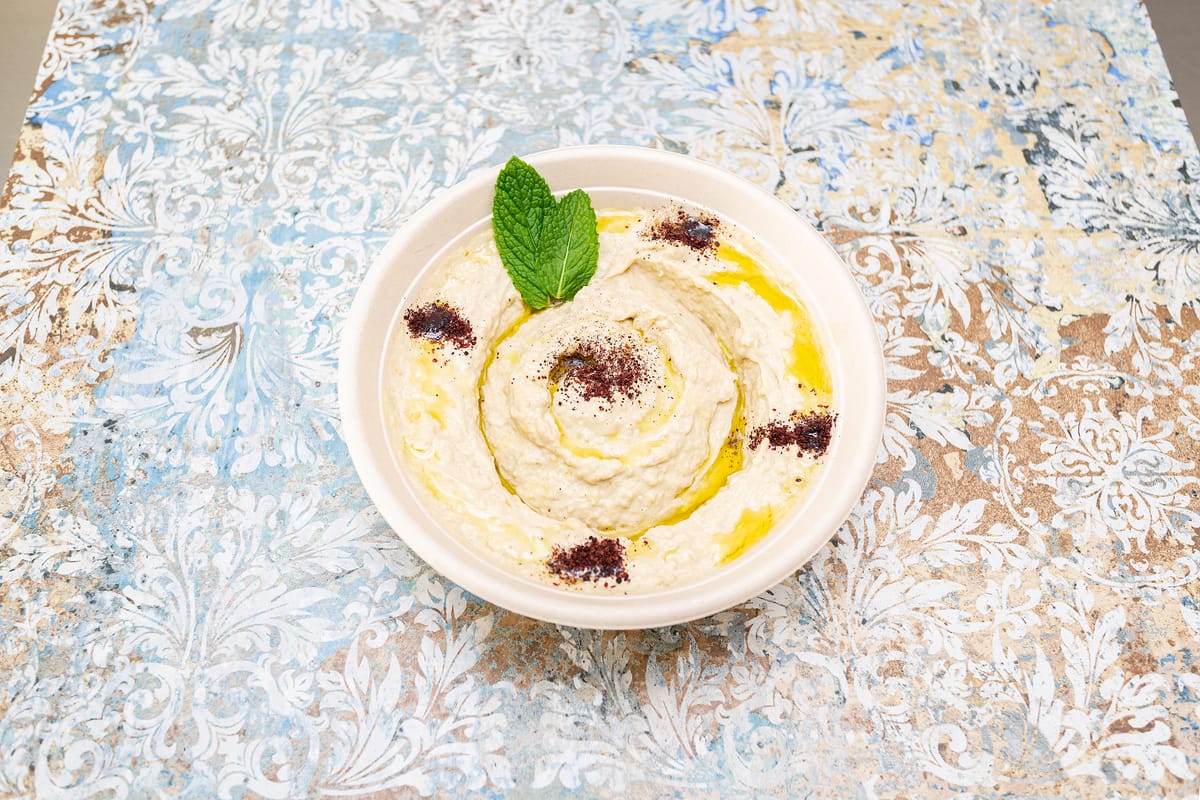
The Skin-Protective Power of Levantine Ingredients
Every compound your skin cells need to generate collagen, resist UV damage, and control inflammation is present in traditional Mediterranean cooking.
Six Mediterranean Compounds That Protect Your Skin
The research behind olive oil polyphenols, zinc from chickpeas, lycopene, sesamin, allicin, and vitamin C — and exactly where they appear at Taza.
Olive Oil Polyphenols
Oleocanthal, Hydroxytyrosol, Squalene, Oleic AcidExtra-virgin olive oil contains over 30 phenolic compounds, with hydroxytyrosol and oleuropein being the most studied for skin benefit. These polyphenols neutralize reactive oxygen species that break down collagen and elastin, the structural proteins responsible for skin firmness. Squalene, a natural hydrocarbon in olive oil, closely resembles the squalene produced by human sebaceous glands, which allows it to penetrate skin deeply and reinforce the lipid barrier. A 2012 study in PLOS ONE found that higher olive oil intake was associated with significantly lower rates of severe facial skin aging in adults over 45. The oleic acid in olive oil also modulates arachidonic acid metabolism, reducing the pro-inflammatory eicosanoids that drive acne, rosacea, and psoriasis.
Zinc from Chickpeas
Zinc, Selenium, Plant Protein, CopperZinc is the single most studied mineral for skin health and acne management. It functions as a cofactor for over 300 enzymes, including those responsible for collagen synthesis, DNA repair, and immune cell regulation. The sebaceous glands in the skin have the highest zinc concentration of any tissue in the body. A 2012 meta-analysis in Dermatology reviewed 17 randomized controlled trials and confirmed that zinc supplementation reduced inflammatory acne lesion counts by an average of 49 percent. Zinc deficiency accelerates collagen degradation by upregulating matrix metalloproteinases (MMPs), the enzymes that break down the extracellular matrix. Chickpeas provide 1.5 mg of zinc per 100 grams, and combined with tahini's zinc content, a bowl of hummus or falafel delivers a meaningful dose. Chickpeas also supply selenium, which protects keratinocytes from UV-induced oxidative damage.
Lycopene and Beta-Carotene
Lycopene (Tomatoes), Beta-Carotene (Peppers), Lutein (Greens)Carotenoids are among the most potent dietary antioxidants for skin photoprotection and anti-aging. Lycopene, the red pigment in tomatoes, absorbs UV wavelengths before they reach dermal cells and scavenges the singlet oxygen radicals that UV radiation generates. A landmark 2001 study in the Journal of Nutrition found that 40 grams of tomato paste daily for 10 weeks reduced sunburn intensity by 40 percent compared to controls. Lycopene also inhibits collagenase, an enzyme that cleaves collagen fibers, slowing the structural degradation that causes wrinkles. Beta-carotene in bell peppers and orange vegetables acts as a precursor to retinoic acid, the active form of vitamin A that regulates keratinocyte turnover and prevents pore blockage — the root cause of acne. Lutein from leafy greens accumulates in the skin and reduces lipid peroxidation by up to 51 percent, according to a 2006 study in Nutrition Research.
Tahini: Sesamin and Vitamin E
Sesamin, Sesamolin, Gamma-Tocopherol, PhytosterolsTahini is a concentrated source of sesame lignans and tocopherols with specific mechanisms that support skin health from multiple angles. Gamma-tocopherol (vitamin E) is a fat-soluble antioxidant that integrates into cell membranes and neutralizes lipid peroxidation radicals — the same radicals that degrade membrane integrity and accelerate cellular aging. A 2010 clinical trial published in Nutrition found that sesame supplementation for 5 weeks significantly reduced malondialdehyde (a marker of oxidative stress) and increased antioxidant enzyme activity in human subjects. Sesamin acts as a lignan phytoestrogen that modulates hormone-sensitive skin conditions. The phytosterols in tahini reduce transepidermal water loss (TEWL) by reinforcing the stratum corneum lipid bilayer, which is the mechanism behind persistently dry or sensitive skin.
Allicin and Sulfur Compounds
Allicin, Ajoene, S-Allyl Cysteine, Quercetin (from Onions)Garlic produces allicin when crushed, a reactive sulfur compound with potent antimicrobial activity against Cutibacterium acnes (formerly Propionibacterium acnes), the bacterium central to acne pathogenesis. A 2014 study demonstrated that ajoene from garlic reduced acne lesions by inhibiting bacterial adhesion and biofilm formation. Sulfur is also a structural component of keratin, the protein that forms the outer layer of skin, nails, and hair. The quercetin contributed by onions in Taza's Arabic salad inhibits histamine release from mast cells, making it particularly useful for reactive, allergy-prone skin types. Raw garlic in Taza's toum sauce preserves allicin at peak concentration, as cooking destroys the alliinase enzyme responsible for allicin synthesis.
Vitamin C from Fresh Peppers and Herbs
Ascorbic Acid, Hesperidin, Ferulic Acid (from Parsley and Peppers)Vitamin C is the obligate cofactor for prolyl hydroxylase and lysyl hydroxylase, the enzymes that hydroxylate proline and lysine residues during collagen synthesis. Without adequate vitamin C, collagen triple helices cannot form correctly, leading to fragile skin and delayed wound healing — the hallmark signs of scurvy in extreme deficiency, and accelerated aging in subclinical deficiency. Fresh parsley, which appears in tabbouleh-style salads and as a garnish in Levantine cooking, contains 133 mg of vitamin C per 100 grams, more than twice the concentration in oranges. Ferulic acid, a hydroxycinnamic acid present in parsley and sesame, doubles the photoprotective efficacy of vitamins C and E when combined, according to a 2005 study in the Journal of Investigative Dermatology. Red peppers in veggie pies and salad toppings provide up to 190 mg per 100 grams.
What to Order at Taza for Your Skin
Ranked by skin-protective compound density and clinical evidence strength — with the exact biochemical reason each meal supports skin health.
Falafel Bowl with Hummus Base
from $10.45Skin Score: 10/10The best skin-health meal at Taza brings together zinc from chickpeas, phytosterols from tahini, lycopene from fresh tomato toppings, and olive oil polyphenols from the hummus base in a single bowl. Zinc directly reduces inflammatory acne lesions and supports collagen crosslinking. Tahini provides gamma-tocopherol, which prevents lipid peroxidation in skin cell membranes. The olive oil finishing drizzle delivers hydroxytyrosol and squalene that reinforce the skin's moisture barrier. Request extra tahini sauce and load all available vegetable toppings to maximize antioxidant density.
Learn moreHummus + Baba Ghanouj with Pita
$4.95 / $4.95Skin Score: 9/10This pairing provides two distinct skin benefits in one appetizer. Hummus delivers the chickpea-tahini-olive oil triad: zinc, sesamin, and hydroxytyrosol. Baba ghanouj adds nasunin, an anthocyanin exclusive to eggplant that has been shown to protect cell membrane lipids from free radical damage. Nasunin also chelates iron ions in skin tissue, preventing iron-catalyzed hydroxyl radical generation — one of the most destructive free radical reactions in aging tissue. Together, these two dips address both inflammatory and oxidative drivers of skin aging.
Learn moreLabneh Side
$4.95Skin Score: 9/10Labneh is strained yogurt, concentrating probiotics and lactic acid that directly influence the gut-skin axis. A 2016 review in the Journal of Dermatology found that gut microbiome diversity inversely correlates with acne severity, eczema flares, and rosacea intensity. The lactic acid bacteria in labneh support growth of Lactobacillus and Bifidobacterium species that suppress inflammatory cytokines systemically. Labneh also delivers zinc, B vitamins, and calcium — all required for normal keratinocyte proliferation and differentiation. The probiotic benefit makes this a uniquely skin-supportive side dish at Taza.
Learn moreChicken Shawarma Bowl with Greens Base
from $12.45Skin Score: 8/10Chicken provides complete protein with a favorable amino acid profile for collagen synthesis, particularly glycine and proline. Spit-roasting delivers lean protein without the lipid oxidation products that form during deep-frying, which are linked to skin inflammation. The spice marinade (turmeric, cumin, coriander) adds curcumin and terpene antioxidants that modulate NF-kB, the master transcription factor controlling pro-inflammatory cytokine production in skin cells. A greens base adds dietary nitrates that improve dermal microcirculation. Request toum sauce for additional allicin and garlic's antimicrobial action against acne bacteria.
Learn moreZaatar Manaeesh
$6.95Skin Score: 7/10Zaatar combines thyme, oregano, sumac, and sesame. Thymol and carvacrol from thyme have demonstrated antimicrobial activity against skin pathogens including Staphylococcus aureus, which colonizes eczema lesions. Sumac's gallic acid and anthocyanins inhibit tyrosinase, the enzyme responsible for excess melanin production that causes post-inflammatory hyperpigmentation after acne. Sesame seeds add phytosterols that reduce transepidermal water loss. The olive oil drizzle provides the lipid-soluble delivery vehicle for these compounds to reach systemic circulation. Pair with labneh for a complete skin-supportive breakfast.
Learn more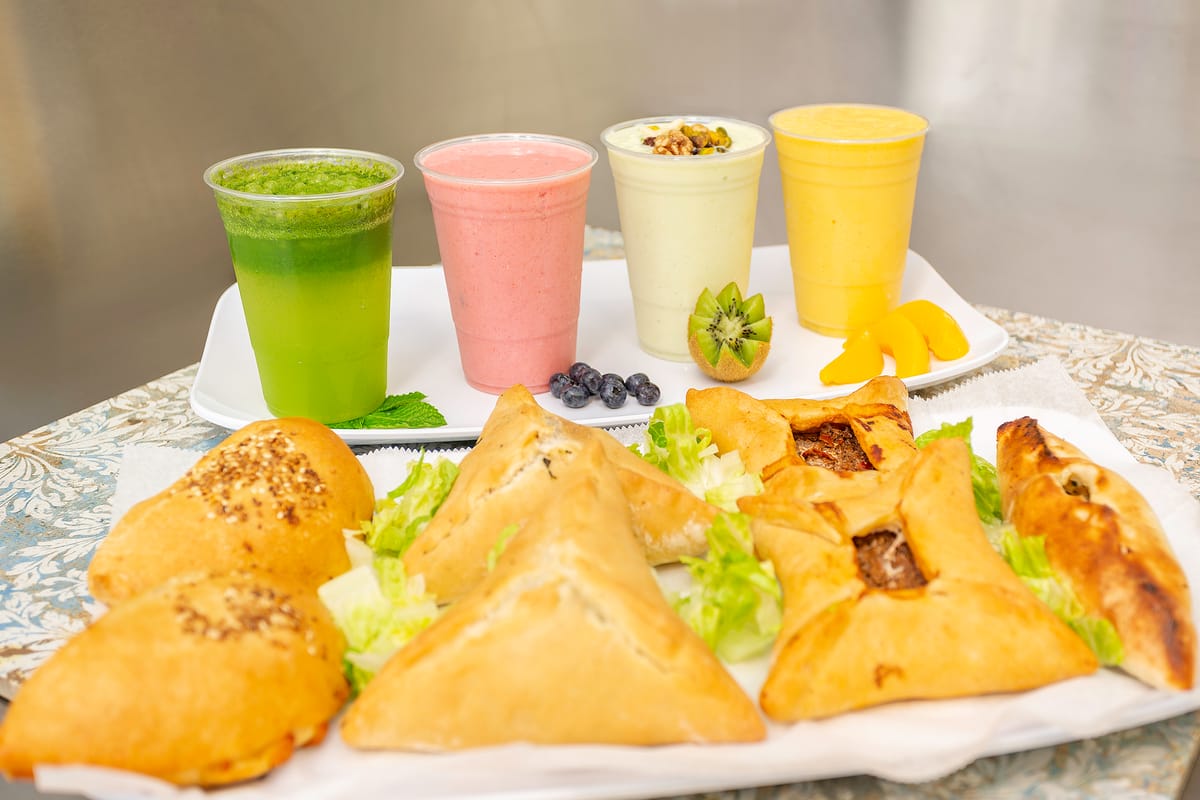
Low Glycemic. High Antioxidant. Every Meal.
The combination of fiber-rich legumes, olive oil, and fresh vegetables keeps insulin stable and antioxidant levels high — the two pillars of dietary acne prevention.
Mediterranean Diet vs Western Diet: Skin Impact
Eight categories where dietary pattern determines skin health outcomes — with the specific mechanisms behind each difference.
| Skin Health Factor | Mediterranean Diet | Western Diet |
|---|---|---|
| Dietary Antioxidants | High -- olive oil polyphenols, carotenoids, vitamins C and E, sesame lignans in every meal | Low -- ultra-processed foods stripped of antioxidants through refining and manufacturing |
| Glycemic Load | Low to moderate -- legumes, vegetables, and whole grains raise blood glucose slowly | Very high -- refined flour, sugar, and fructose corn syrup spike insulin and trigger IGF-1 acne pathway |
| Omega-3 to Omega-6 Ratio | Balanced (1:4) -- olive oil, fish, and vegetables maintain this healthy ratio | Severely imbalanced (1:20+) -- seed oils and processed snacks flood tissues with pro-inflammatory omega-6 |
| Zinc Intake | Adequate -- chickpeas, sesame, and lean meats provide 8-12 mg daily | Often deficient -- high-phytate refined grains bind zinc; processed food provides minimal |
| Saturated Fat Type | Minimal -- olive oil and lean proteins deliver unsaturated fats that do not activate sebaceous hyperplasia | High -- dairy fat and red meat elevate insulin-like growth factor 1 (IGF-1), directly stimulating sebum overproduction |
| Collagen Precursors | Rich -- vitamin C, glycine, proline from chickpeas, chicken, and fresh vegetables | Deficient -- fast food low in vitamin C, glycine, and collagen amino acids |
| Hydration Support | Strong -- water-rich vegetables (cucumbers, tomatoes) plus herb infusions and minimal dehydrating sugar | Poor -- high sodium, high sugar, and caffeine-laden beverages increase TEWL (transepidermal water loss) |
| Gut Microbiome Diversity | High -- fermented foods (labneh), fiber from legumes, and polyphenols feed beneficial bacteria | Low -- low fiber, antibiotics in industrial meat, and emulsifiers disrupt the microbiome-skin axis |
| Advanced Glycation End-Products | Low -- minimal high-heat frying; most proteins cooked at moderate temperatures | Very high -- grilled fast food, charred meat, and processed snacks are major AGE sources accelerating skin aging |
Research sources include the PREDIMED trial (2013), American Journal of Clinical Nutrition acne study (2007), Journal of Nutrition UV photoprotection study (2001), Dermatology zinc meta-analysis (2012), and multiple peer-reviewed reviews on the gut-skin axis.
Foods That Cause Skin Problems — And What to Eat Instead
Understanding the mechanisms behind dietary skin triggers makes it easier to choose Mediterranean alternatives that provide the same satisfaction without the skin cost.
High-Glycemic Refined Carbohydrates
Why It Affects Skin
White bread, sugary drinks, and refined snack foods cause rapid glucose spikes that elevate insulin and IGF-1. These hormones activate androgen receptors in sebaceous glands, increasing sebum production and keratinocyte proliferation — the two events that initiate comedone formation. A landmark 2007 study in the American Journal of Clinical Nutrition found that a low-glycemic diet reduced total acne lesion count by 22 percent in 12 weeks compared to a high-glycemic control diet.
The Mediterranean Alternative at Taza
Chickpea-based foods at Taza (hummus, falafel, lentil soups) have a glycemic index of 28-38, compared to 70-85 for white bread. Pita bread at Taza is denser and more slowly digested than standard sandwich bread, providing a lower glycemic response while satisfying bread cravings.
Conventional Dairy (High-Fat Milk and Cheese)
Why It Affects Skin
Bovine milk contains whey proteins that stimulate insulin secretion independent of carbohydrate content. Skim milk has a higher glycemic impact than whole milk due to altered protein fractions after fat removal. Dairy-derived IGF-1 also survives pasteurization at detectable levels and has been measured in human serum after consumption. Multiple epidemiological studies, including a 2005 Harvard cohort of 47,000 women, found that milk intake significantly predicted acne severity even after adjusting for caloric intake and other dietary factors.
The Mediterranean Alternative at Taza
Labneh at Taza is fermented strained yogurt in which most of the lactose and many bioactive proteins are transformed by bacterial fermentation. The fermentation process reduces IGF-1-stimulating fractions while concentrating probiotics. The fat content in labneh slows gastric emptying, further blunting any insulinogenic effect.
Industrial Seed Oils (Corn, Soybean, Canola)
Why It Affects Skin
Seed oils are disproportionately high in linoleic acid (an omega-6 fatty acid), which serves as the substrate for arachidonic acid, the precursor to pro-inflammatory prostaglandins and leukotrienes. When cellular membranes are enriched in omega-6 fats, the resulting inflammatory signaling is more intense and prolonged. Sebaceous glands convert arachidonic acid into interleukin-1 alpha, which triggers the follicular inflammation that turns a comedone into an inflammatory papule or cyst. The typical Western diet achieves an omega-6 to omega-3 ratio of 15:1 to 25:1, far exceeding the evolutionary ratio of approximately 4:1.
The Mediterranean Alternative at Taza
Taza uses olive oil, which is 73 percent oleic acid (omega-9), a monounsaturated fat that does not contribute to the arachidonic acid pool. Olive oil also contains oleocanthal, which inhibits the same COX-1 and COX-2 enzymes targeted by ibuprofen, providing a direct anti-inflammatory effect on skin.
Ultra-Processed Meat (Deli Meat, Bacon, Sausage)
Why It Affects Skin
Processed meats contain nitrites, advanced glycation end-products (AGEs) from high-heat manufacturing, and heterocyclic amines that generate oxidative stress systemically. AGEs cross-link with collagen and elastin in the dermis, forming structural abnormalities that appear as sagging and wrinkles. They also activate RAGE (receptor for advanced glycation end-products), a pattern recognition receptor that initiates inflammatory cascades in skin fibroblasts. A diet high in processed meat creates a chronic low-grade inflammatory state that impairs wound healing and accelerates photoaging.
The Mediterranean Alternative at Taza
Taza's chicken shawarma and beef shawarma are marinated and spit-roasted whole muscle meats without preservatives, nitrites, or manufacturing AGEs. The spice marinades include turmeric and sumac, both of which contain anti-glycation compounds that specifically inhibit AGE formation during cooking.
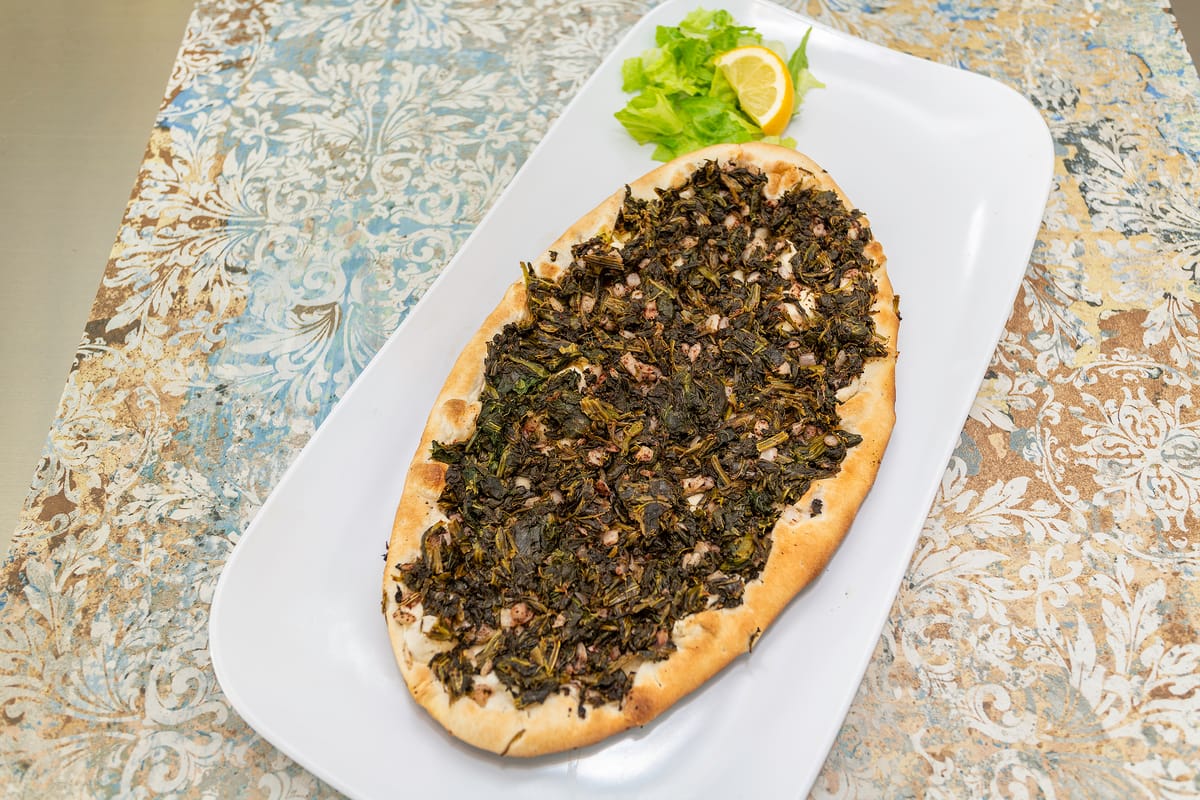
Hydration Starts in the Kitchen
Water-rich cucumbers, tomatoes, and herb-infused preparations contribute to the dermal hydration that no moisturizer alone can sustain.
How Mediterranean Foods Hydrate Skin from the Inside Out
Skin hydration is not just about water intake — it depends on dietary fats that reinforce the skin barrier, antioxidants that prevent moisture loss, and carotenoids that improve dermal circulation.
Water Content of Mediterranean Ingredients
The Mediterranean diet emphasizes ingredients with naturally high water content. Cucumbers are 96 percent water, tomatoes 94 percent, and lettuce 96 percent. At Taza, these form the vegetable base of every bowl and pita. Consuming water through food is more effective at sustaining skin hydration than drinking equivalent volumes of water, because food-borne water is absorbed more slowly and remains in circulation longer. A 2015 review in Skin Pharmacology and Physiology found that dietary carotenoid intake from vegetables, independent of water intake, positively correlated with skin hydration scores in adults.
Transepidermal Water Loss Prevention
The skin loses moisture constantly through the stratum corneum in a process called transepidermal water loss (TEWL). The rate of TEWL depends on the integrity of the stratum corneum's lipid bilayer, which is composed of ceramides, cholesterol, and free fatty acids. Dietary fats directly contribute to this barrier. The linoleic acid found in minimal amounts in sesame (tahini) is an essential component of ceramide-2, a skin ceramide critical for barrier function. Olive oil's squalene mimics the skin's natural surface lipids. Diets that replace these structural fats with trans fats and oxidized omega-6 oils produce a dysfunctional skin barrier with elevated TEWL and persistently dry, reactive skin.
Polyphenol-Enhanced Microcirculation
Adequate dermal blood flow delivers oxygen and nutrients to skin cells and removes metabolic waste including carbon dioxide and reactive oxygen species. Polyphenols from olive oil and fresh vegetables improve microcirculation by increasing nitric oxide bioavailability, which dilates small blood vessels. Improved blood flow manifests as the natural pink-to-golden complexion associated with skin health, sometimes described as a 'glow.' A 2012 study in Evolution and Human Behavior found that carotenoid pigmentation from fruit and vegetable consumption was rated as more attractive than sun-derived skin tone by independent observers, suggesting that dietary skin color signals health more reliably than UV-induced pigmentation.
Dietary Photoprotection
UV radiation is the primary extrinsic cause of skin aging, causing both direct DNA damage and oxidative degradation of collagen. The carotenoids lycopene and beta-carotene accumulate in skin tissue and absorb UV photons before they reach cellular DNA, acting as a natural sunscreen from within. This photoprotective effect is dose-dependent: higher dietary carotenoid intake corresponds to measurably higher skin carotenoid levels, which can be measured non-invasively using Raman spectroscopy. Polyphenols from olive oil, sesame, and fresh herbs further enhance photoprotection by neutralizing the reactive oxygen species generated when UV photons do reach skin cells.
Build the Most Hydrating Meal at Taza
For maximum skin hydration support, choose the falafel bowl with a greens base (high in water-rich leaves and dietary nitrates), load all available vegetable toppings (cucumber provides silica and potassium, tomato provides lycopene and water), add hummus for squalene and phospholipid-reinforcing olive oil, and drizzle tahini for gamma-tocopherol that reduces TEWL. Order labneh as a side for its probiotic content and the gut microbiome diversity that lowers systemic inflammation affecting skin hydration. This combination addresses every mechanism of dietary skin hydration in a single meal.
Skin-Healthy Eating Made Easy
You do not need supplements or specialty health food stores to eat for your skin. Taza's everyday menu provides the full nutrient spectrum skin biology requires.
Falafel Bowl
from $10.45Zinc + Sesamin + LycopeneThe zinc in chickpeas reduces inflammatory acne lesions. Tahini's sesamin provides vitamin E for collagen protection. Fresh tomato toppings deliver lycopene for UV photoprotection.
Hummus
$4.95Phytosterols + PolyphenolsChickpea-tahini-olive oil combination provides plant sterols that reduce TEWL, hydroxytyrosol that prevents collagen degradation, and garlic allicin that fights acne bacteria.
Labneh
$4.95Probiotics + B VitaminsFermented strained yogurt delivers Lactobacillus strains that improve gut microbiome diversity and reduce the systemic inflammatory load driving acne, eczema, and rosacea flares.
Baba Ghanouj
$4.95Nasunin + Chlorogenic AcidEggplant's unique nasunin anthocyanin protects cell membrane phospholipids from free radical damage. Fire-roasting concentrates antioxidant compounds relative to raw eggplant.
Beef Shawarma Bowl
from $12.45Complete Protein + IronBeef provides complete amino acids for collagen synthesis including glycine and proline. Spit-roasting avoids the AGEs produced by high-heat processing methods that accelerate skin aging.
Zaatar Manaeesh
$6.95Tyrosinase InhibitionSumac in zaatar contains gallic acid that inhibits tyrosinase, reducing post-inflammatory hyperpigmentation from acne. Thymol from thyme has antimicrobial activity against acne-associated pathogens.
Falafel Pita
from $8.95Fiber + Plant ZincChickpeas' soluble fiber feeds the gut bacteria that reduce the systemic inflammation affecting skin. Plant zinc from chickpeas plus non-heme iron work together on enzymatic antioxidant pathways in skin.
Chicken Shawarma Bowl
from $12.45Lean Protein + Curcumin MarinadeLean chicken reduces saturated fat intake that stimulates IGF-1. The turmeric in the marinade delivers curcumin, a potent NF-kB inhibitor that reduces the inflammatory cytokines driving acne and redness.
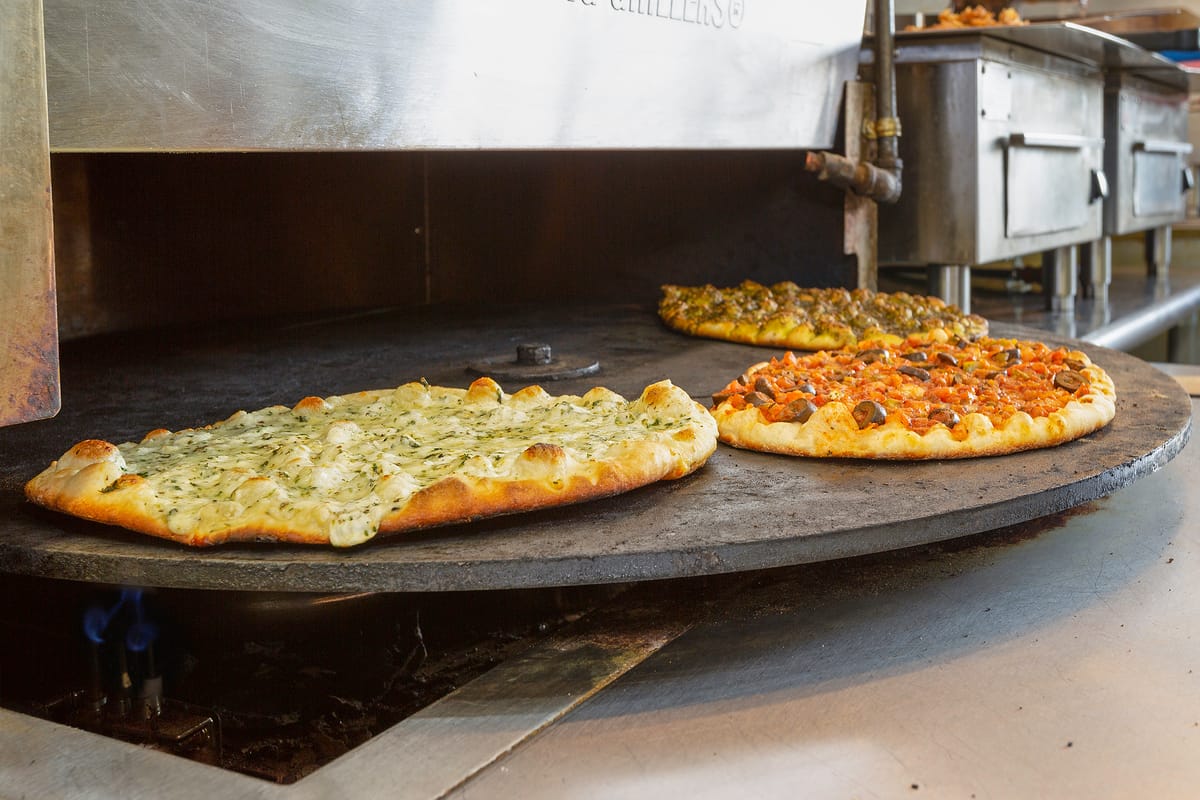
Clear Skin. Every Day. Falls Church VA.
Taza's menu gives you the zinc, polyphenols, carotenoids, and probiotics your skin cells need — no supplements required.
Find Your Skin-Healthy Meal in Falls Church
Taza Shawarma and Falafel is at 5769 Seminary Road, Falls Church, VA — a short drive from Arlington, Alexandria, and the DC Metro area.
Address
5820 Seminary Rd Ste O, Falls Church, VA 22041
Hours
11:00 AM - 12:00 AM -- Open 7 Days a Week
Phone
Mediterranean Diet and Skin Health: Your Questions Answered
Clinical evidence supports this. A 2007 randomized controlled trial in the American Journal of Clinical Nutrition found that 12 weeks on a low-glycemic, high-protein diet (consistent with Mediterranean principles) reduced inflammatory acne lesion counts by 22 percent and total lesion counts by 19 percent compared to a high-glycemic Western control diet. The mechanism centers on reduced insulin and IGF-1 signaling, which directly inhibits the androgen-driven sebum overproduction and keratinocyte hyperproliferation that cause acne. Mediterranean foods at Taza — chickpeas, olive oil, lean proteins, and vegetables — score consistently low on the glycemic index and do not trigger the insulin spikes that drive acne pathways.
Skin turnover (the replacement of keratinocytes from the basal layer to the surface) takes approximately 28 days in young adults and up to 45 days in older adults. Research on dietary interventions shows measurable changes in inflammatory markers within 2-4 weeks, while visible improvements in acne, texture, and hydration are typically reported at the 6-12 week mark. The PREDIMED trial tracked olive oil's cardiovascular effects over 5 years, but skin-specific studies using olive oil supplementation have shown measurable reductions in skin oxidative stress within 5-6 weeks. Consistency matters more than quantity: smaller daily servings of skin-healthy foods outperform occasional large doses.
Both routes are supported by evidence, but dietary olive oil provides systemic benefits that topical application cannot. When consumed, oleic acid and polyphenols are absorbed and distributed throughout the body, including the dermis, where they modulate inflammatory signaling, protect fibroblasts from oxidative damage, and contribute to membrane integrity in all skin cell types. Topical application, by contrast, primarily benefits the stratum corneum and cannot reach dermal fibroblasts. The PREDIMED trial participants who consumed the most olive oil showed measurably lower concentrations of oxidative stress markers in both blood and skin biopsy samples compared to the low-fat control group.
Yes, through several mechanisms. Tahini is one of the richest dietary sources of sesame lignans, including sesamin and sesamolin, which are potent antioxidants with documented effects on reducing skin oxidative stress. A 2010 clinical trial found that 5 weeks of sesame supplementation significantly reduced malondialdehyde (a lipid peroxidation marker) in human subjects. Tahini also delivers gamma-tocopherol (vitamin E), zinc, and plant sterols that collectively protect cell membranes, support collagen synthesis, and reduce TEWL from the skin surface. At Taza, tahini appears in hummus, baba ghanouj, falafel sauces, and as a bowl drizzle, making it easy to get meaningful daily amounts.
The evidence links conventional high-fat dairy and skim milk to acne through IGF-1 and insulin stimulation. Fermented dairy, like labneh, is a different case. The fermentation process that creates labneh transforms much of the lactose and alters many of the bioactive proteins found in milk. Fermented dairy products consistently show neutral to beneficial effects in acne research, likely because the bacteria convert the acne-promoting components into short-chain fatty acids and bioactive peptides that support rather than disrupt skin health. Labneh also contains probiotics that improve gut microbiome diversity, which correlates inversely with inflammatory skin conditions.
For anti-aging specifically, prioritize meals high in antioxidants and collagen precursors. The falafel bowl with hummus base is the top choice: zinc from chickpeas supports collagen crosslinking, tahini provides vitamin E to prevent lipid peroxidation, and olive oil polyphenols neutralize the free radicals that degrade elastin. Baba ghanouj adds nasunin, a unique eggplant anthocyanin that protects cell membrane phospholipids from oxidative damage. Chicken shawarma provides glycine and proline — the two amino acids most critical for collagen triple-helix formation. Pair any bowl with labneh for probiotics that reduce systemic inflammation, the primary driver of skin aging beyond UV exposure.
The gut-skin axis describes the bidirectional communication between intestinal bacteria and skin cells via immune mediators, short-chain fatty acids, and shared inflammatory pathways. An imbalanced gut microbiome increases intestinal permeability, allowing bacterial fragments called lipopolysaccharides (LPS) to enter circulation and trigger systemic inflammation that manifests in the skin as acne, eczema, or rosacea flares. Mediterranean foods feed the beneficial bacteria that maintain a balanced microbiome: soluble fiber from chickpeas, fructooligosaccharides from garlic and onions, and polyphenols from olive oil and herbs all act as prebiotics. Labneh adds live bacteria directly. Multiple studies link Mediterranean diet adherence with greater microbiome diversity, which consistently correlates with reduced inflammatory skin conditions.
Yes. Sumac, used in zaatar blends and as a Levantine spice, contains gallic acid and anthocyanins that inhibit tyrosinase, the enzyme that produces melanin. Tyrosinase inhibition is the same mechanism targeted by many prescription depigmentation creams. Vitamin C from fresh parsley and peppers also inhibits tyrosinase and is the gold standard for dietary support of hyperpigmentation. Lycopene from tomatoes reduces the melanin response to UV exposure, lowering the intensity of post-inflammatory hyperpigmentation that follows acne lesions. Regular consumption of these ingredients through meals like Taza's bowls with fresh toppings and zaatar manaeesh provides a cumulative dietary inhibition of excess pigmentation.
Explore More Mediterranean Health Topics
Your Skin Reflects What You Eat
Order the falafel bowl, hummus, labneh, or any skin-supportive meal at Taza — 5820 Seminary Rd Ste O, Falls Church, VA 22041. Fresh ingredients, real food, daily.