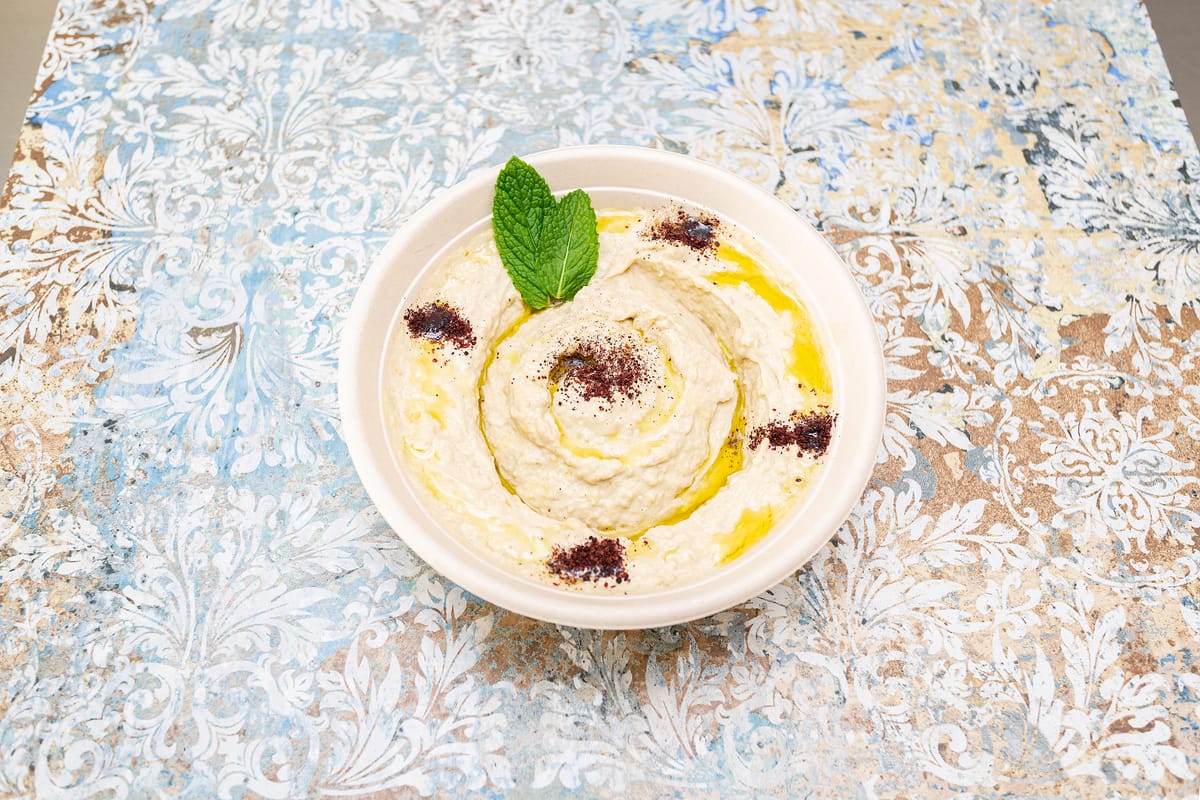
Mediterranean Diet & Brain Health
The MIND diet -- a Mediterranean-based eating pattern designed specifically for brain protection -- reduces Alzheimer's risk by up to 53 percent. Here is the science and exactly what to order at Taza.
4.8 stars on Yelp (92 reviews) -- Open 11:00 AM - 12:00 AM
Why Does the Mediterranean Diet Protect the Brain?
Decades of research converge on the same foods -- and they are all on the Taza menu.
Cognitive decline is not inevitable. A growing body of clinical and epidemiological evidence shows that what you eat over decades shapes the health of your neurons, the integrity of your cerebral blood vessels, and your susceptibility to neurodegenerative diseases including Alzheimer's and Parkinson's. Among all dietary patterns studied, the Mediterranean diet -- and its derivative, the MIND diet -- has the strongest and most consistent evidence base for protecting the brain.
The Mediterranean diet operates through multiple overlapping biological pathways to protect the brain: reducing neuroinflammation, neutralizing oxidative stress, improving cerebrovascular blood flow, stabilizing blood glucose, controlling homocysteine, and stimulating production of brain-derived neurotrophic factor (BDNF) -- the protein that promotes the growth of new neurons and synaptic connections. No pharmaceutical has yet demonstrated the ability to act on this many neuroprotective pathways simultaneously, and none has the safety profile of food.
Levantine cuisine -- the culinary tradition of the eastern Mediterranean practiced across Lebanon, Syria, Jordan, and the surrounding region -- is one of the oldest expressions of Mediterranean eating. The staple ingredients used at Taza Shawarma & Falafel in Falls Church, VA -- chickpeas, olive oil, garlic, tahini, sumac, zaatar, eggplant, fresh herbs, and lean proteins -- map closely to the foods most strongly associated with cognitive protection in research.
This guide covers the key research findings, the most important brain-protective nutrients in Levantine food, and how to build a brain-healthy meal at Taza.
Medical Disclaimer: The information on this page is for educational purposes only and does not constitute medical advice, diagnosis, or treatment. Dietary choices should be discussed with a qualified healthcare provider, particularly for individuals with existing neurological conditions, dementia diagnoses, or related health concerns. Research citations are summarized for general audiences; consult the original studies for full methodology and limitations.
What Is the MIND Diet -- and Why Does It Matter?
A targeted evolution of Mediterranean eating, designed specifically to protect the aging brain.
The MIND diet (Mediterranean-DASH Intervention for Neurodegenerative Delay) was developed by nutritional epidemiologist Martha Clare Morris and colleagues at Rush University Medical Center in Chicago. Published in 2015 in Alzheimer's & Dementia, the study followed 923 adults aged 58 to 98 over 4.5 years, scoring each participant's diet against 15 dietary components and measuring cognitive decline on a battery of tests.
The results were striking. Participants with the highest MIND diet scores showed a cognitive decline rate equivalent to being 7.5 years younger than participants with the lowest scores -- after adjusting for age, sex, education, exercise, smoking, and total caloric intake. Those in the highest adherence group had a 53 percent lower risk of Alzheimer's disease. Even those in the moderate adherence group -- who didn't follow every recommendation strictly -- had a 35 percent lower risk.
The MIND diet's power lies in its specificity. Rather than treating the Mediterranean diet as a monolith, Morris identified the particular food categories with the strongest evidence for neuroprotection: leafy greens, other vegetables, nuts, berries, legumes, whole grains, fish, poultry, olive oil, and wine in moderation. Taza's menu naturally fulfills most of these categories in every meal.
Leafy Greens
The MIND diet specifies at least six servings of leafy greens per week -- more than any other food category. Research from Rush University shows each additional daily serving of greens is associated with cognitive age being 11 years younger than peers. Taza's bowls include fresh lettuces, parsley from tabbouleh, and other greens.
Legumes
The MIND diet calls for legumes at least four times per week. Chickpeas -- the base of both falafel and hummus -- rank among the most cognitively beneficial legumes because of their combined folate, fiber, and polyphenol content. Three servings of hummus or falafel at Taza cover the weekly requirement.
Olive Oil as Primary Fat
The MIND diet names olive oil the primary cooking fat for good reason. The oleocanthal, oleic acid, and polyphenol content work synergistically to reduce amyloid-beta accumulation and support cerebrovascular health. Taza uses extra-virgin olive oil throughout its menu.
Poultry (Not Red Meat)
The MIND diet recommends poultry over red meat, citing red meat's saturated fat content as a driver of neuroinflammation. Chicken shawarma at Taza provides high-quality lean protein for neurotransmitter synthesis without the saturated fat load that suppresses BDNF.
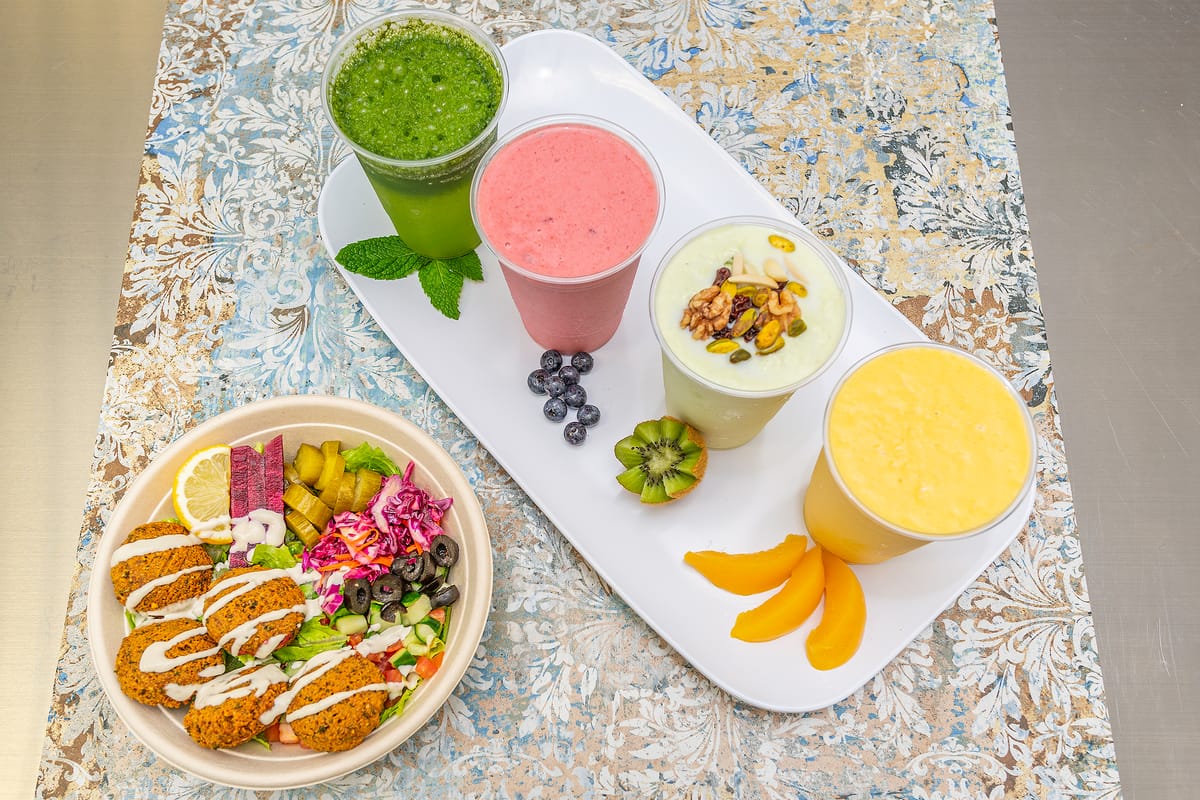
The PREDIMED-NAVARRA Study
54% lower risk of mild cognitive impairment in the olive oil group after 6.5 years.
PREDIMED-NAVARRA: The Landmark Cognitive Trial
The most rigorous randomized evidence connecting Mediterranean food to brain protection.
The PREDIMED (Prevención con Dieta Mediterránea) trial is the largest randomized controlled trial ever conducted on the Mediterranean diet, involving 7,447 participants across Spain at high cardiovascular risk. While the primary outcome was cardiovascular events, a nested sub-study (PREDIMED-NAVARRA) published in JAMA Internal Medicine by Martínez-Lapiscina and colleagues examined cognitive outcomes in 334 participants after 6.5 years of intervention.
Study Design and Findings
Participants were randomized to one of three groups: a Mediterranean diet supplemented with extra-virgin olive oil (1 liter per week for the household), a Mediterranean diet supplemented with mixed nuts (30 grams daily), or a low-fat control diet. At 6.5-year follow-up, both Mediterranean diet groups significantly outperformed the low-fat group on composite cognitive scores measuring memory, attention, executive function, and language fluency.
The olive oil group showed a 54 percent lower risk of mild cognitive impairment after multivariate adjustment. On the Clinical Dementia Rating Scale, 6.3 percent of the olive oil group had progressed to mild cognitive impairment, compared to 35 percent in the control group. The olive oil group performed significantly better on the Mini-Mental State Examination (MMSE), the Clock Drawing Test, and the Verbal Learning Test than the control group.
The authors attributed the protection primarily to oleocanthal and oleuropein in extra-virgin olive oil, citing their ability to enhance amyloid clearance, reduce neuroinflammation, and promote synaptic plasticity. The nut group also outperformed the control group, with walnut ALA (an omega-3 precursor) and polyphenol content cited as likely mechanisms.
A subsequent analysis of PREDIMED data by Valls-Pedret and colleagues (Journal of Nutrition, Health & Aging, 2012) found that higher polyphenol intake -- measured through urinary biomarkers -- was independently associated with better memory performance. Participants in the highest polyphenol quartile had cognitive scores comparable to being 11 years younger than those in the lowest quartile. Extra-virgin olive oil, red wine, and vegetables were the primary polyphenol contributors in the Mediterranean diet group.
The PREDIMED findings are consistent with a 2020 meta-analysis published in Nutritional Neuroscience that pooled data from nine prospective cohort studies (total n = 34,168) and found that Mediterranean diet adherence was associated with a 19 percent lower risk of cognitive decline and a 13 percent lower risk of Alzheimer's disease. The association was dose-dependent, with each two-point increase in Mediterranean diet score corresponding to a 9 percent reduction in dementia risk.
Six Brain-Protective Nutrients in Levantine Food
Each ingredient at Taza contributes to brain health through specific, researched mechanisms.
Oleocanthal in Extra-Virgin Olive Oil
The Alzheimer's-Fighting Polyphenol
Oleocanthal is a natural ibuprofen-like compound found exclusively in extra-virgin olive oil. A landmark 2013 study published in Chemical Neuroscience demonstrated that oleocanthal enhances the brain's ability to clear amyloid-beta plaques -- the protein aggregates associated with Alzheimer's disease -- by increasing production of two proteins that transport amyloid out of brain tissue. Oleocanthal also inhibits neuroinflammation by suppressing COX-1 and COX-2 enzyme activity, the same pathway targeted by NSAIDs. The key is using unfiltered, cold-pressed extra-virgin olive oil where oleocanthal concentration is highest. At Taza, olive oil is used in hummus, baba ghanouj, zaatar manaeesh, and as a finishing element on bowls.
Folate from Chickpeas and Leafy Greens
The Homocysteine Controller
Folate (vitamin B9) is critical for methylation reactions in the brain and for controlling homocysteine -- an amino acid that becomes neurotoxic at elevated concentrations. High homocysteine causes oxidative damage to neurons, promotes inflammation in cerebral blood vessels, and correlates with accelerated brain atrophy and increased Alzheimer's risk. Chickpeas provide approximately 71 micrograms of folate per half-cup serving, making them one of the most concentrated plant-based folate sources in the Levantine pantry. A 2018 paper in Nutrients concluded that Mediterranean diet adherence was independently associated with lower plasma homocysteine levels after controlling for supplementation. At Taza, the falafel bowl and hummus both deliver substantial folate.
Vitamin E in Tahini and Olive Oil
The Neural Membrane Protector
Vitamin E is a fat-soluble antioxidant that inserts into the phospholipid bilayers of neural membranes, protecting polyunsaturated fatty acids from oxidation. The brain is approximately 60 percent fat, making it uniquely vulnerable to lipid peroxidation. A 25-year follow-up study from the Finnish Mobile Clinic Health Examination Survey found that high dietary vitamin E intake was associated with a 67 percent reduction in dementia risk compared to the lowest intake group. Tahini delivers both alpha-tocopherol and gamma-tocopherol -- the latter being particularly effective at neutralizing nitrogen-based free radicals. Combined with the vitamin E in olive oil, Levantine cuisine is among the richest dietary sources of this neuroprotective nutrient.
Polyphenols from Sumac, Zaatar, and Chickpeas
Broad-Spectrum Neuroprotection
Polyphenols are plant compounds that cross the blood-brain barrier and exert direct neuroprotective effects by reducing oxidative stress, suppressing neuroinflammation, and stimulating production of brain-derived neurotrophic factor (BDNF). BDNF promotes the survival of existing neurons and encourages the growth of new synaptic connections -- a process called neuroplasticity. The PREDIMED-NAVARRA substudy published in JAMA Internal Medicine (2013) found that participants assigned to a Mediterranean diet supplemented with extra-virgin olive oil showed significant preservation of global cognition and memory compared to a low-fat control group over 6.5 years. Sumac alone contains 312 Trolox equivalents per gram of antioxidant capacity, exceeding blueberries by a significant margin.
Organosulfur Compounds in Garlic (Toum)
Cerebrovascular Protector
Garlic's organosulfur compounds -- particularly allicin, S-allyl cysteine, and diallyl disulfide -- support brain health through several mechanisms. They reduce platelet aggregation and improve blood flow through cerebral vessels, ensuring consistent oxygen and nutrient delivery to neurons. S-allyl cysteine has been shown in animal studies to prevent amyloid-beta toxicity and support cholinergic neurotransmission, which declines significantly in Alzheimer's disease. A 2019 review in Experimental and Therapeutic Medicine concluded that garlic preparations showed dose-dependent neuroprotection in multiple preclinical models. Toum, the Lebanese garlic sauce served at Taza on shawarma and bowls, uses raw garlic emulsified with oil, preserving allicin at higher concentrations than cooked preparations.
Anthocyanins from Sumac and Pickled Turnips
Memory and Learning Enhancers
Anthocyanins are a class of polyphenols responsible for deep red, purple, and blue pigments in plants. They cross the blood-brain barrier and concentrate in memory-related brain regions, particularly the hippocampus and prefrontal cortex. A randomized controlled trial published in the European Journal of Nutrition (2016) found that 12 weeks of anthocyanin supplementation significantly improved memory recall and processing speed in older adults with mild cognitive complaints. Sumac -- the deep-red berry ground and used throughout Levantine cooking -- is an exceptional anthocyanin source. Pickled red turnips, served alongside shawarma at Taza, derive their vivid color from the same class of compounds.
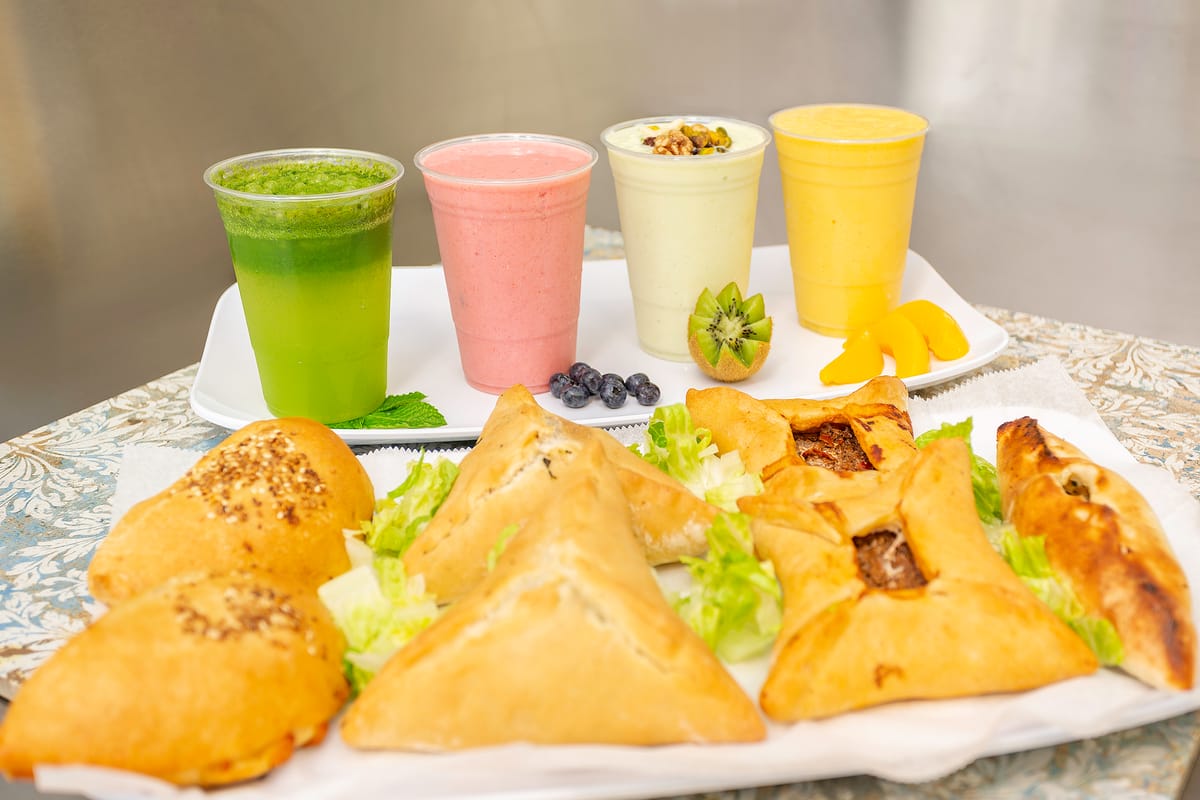
How Olive Oil Clears Amyloid Plaques
Oleocanthal boosts LRP1 and P-gp proteins that transport amyloid-beta out of the brain.
Mediterranean Diet vs. Western Diet: Brain Impact
A direct comparison of how each dietary pattern affects key markers of cognitive health.
| Factor | Mediterranean Diet | Western Diet |
|---|---|---|
| Cognitive Decline Rate | 7.5-year slower decline vs. Western diet (Rush University MIND study) | Accelerated decline linked to high saturated fat and refined carbohydrate intake |
| Dementia Risk | 53% lower risk of Alzheimer's with strict MIND diet adherence (Morris et al., 2015) | Elevated risk associated with ultra-processed food consumption |
| Primary Fat Source | Extra-virgin olive oil -- rich in oleocanthal and polyphenols that cross the blood-brain barrier | Refined seed oils and trans fats that promote neuroinflammation |
| Omega-3 Fatty Acids | Supplied by walnuts, legumes, leafy greens, and fatty fish -- supports myelin and synaptic membrane integrity | Severely deficient, with omega-6 to omega-3 ratios of 20:1 or higher |
| Polyphenol Exposure | Dozens of daily sources: olive oil, sumac, zaatar, chickpeas, tahini, vegetables | Minimal, limited to occasional fruit juice or processed tea drinks |
| Blood Sugar Stability | Low glycemic load prevents glucose spikes that damage hippocampal neurons | High refined carbohydrates drive hyperglycemia, which shrinks hippocampal volume over time |
| Brain-Derived Neurotrophic Factor (BDNF) | Raised by olive oil, curcumin, and polyphenols -- BDNF promotes new neuron growth | Suppressed by saturated fat and added sugar -- linked to reduced neurogenesis |
| Homocysteine Levels | Kept low by folate from chickpeas and leafy greens -- high homocysteine directly damages brain tissue | Elevated by low B-vitamin intake and excessive red meat consumption |
| Neuroinflammation Markers | Oleocanthal in olive oil inhibits COX enzymes; sesamin in tahini lowers IL-6 and TNF-alpha | CRP and IL-6 chronically elevated, accelerating amyloid plaque accumulation |
| Vitamin E Status | Abundant in tahini, olive oil, and leafy greens -- primary fat-soluble antioxidant protecting neural membranes | Below recommended levels in most Western diet patterns, leaving brain lipids unprotected |
Sources: Rush University MIND Study (2015), PREDIMED-NAVARRA (2013), Nutritional Neuroscience meta-analysis (2020), Journal of Nutrition Health & Aging (2012).
Best Brain-Healthy Orders at Taza
Every item below supports cognitive health through documented, ingredient-specific mechanisms.
Falafel Bowl
from $10.45
Chickpeas supply folate for homocysteine control, olive oil delivers oleocanthal, and fresh vegetables add polyphenols. The combination of fiber and protein keeps blood sugar stable, preventing the glucose spikes that damage hippocampal neurons over time.
Order NowChicken Shawarma Bowl
from $12.45
Lean chicken provides tyrosine and tryptophan for dopamine and serotonin synthesis. Toum (garlic sauce) adds organosulfur neuroprotective compounds. The rice base provides B vitamins for methylation pathways critical to neurological function.
Order NowHummus
$4.95
A single serving of Taza's hummus delivers chickpea folate, olive oil polyphenols, tahini vitamin E, and garlic organosulfur compounds simultaneously. It is arguably the single most brain-dense item on the menu.
Order NowFalafel Pita
from $8.95
The herb-green interior of Taza's falafel is rich in parsley (brain-protective apigenin and luteolin), dill, and cilantro -- leafy herbs that the MIND diet categorizes as beneficial greens. Paired with tahini for vitamin E and sesamin.
Order NowZaatar Manaeesh
$6.95
Zaatar is a concentrated source of carvacrol, thymol, sumac anthocyanins, and sesame lignans -- all in one topping. Research on thymol specifically shows inhibition of acetylcholinesterase, the enzyme that breaks down acetylcholine, the neurotransmitter most depleted in Alzheimer's disease.
Order NowBaba Ghanouj
$4.95
Roasted eggplant contains nasunin, a potent anthocyanin found in the purple skin that protects lipids in brain cell membranes from oxidative damage. Combined with olive oil and tahini, baba ghanouj delivers a multi-pathway neuroprotective effect.
Order NowLabneh
$4.95
Labneh is strained yogurt -- a fermented dairy food that populates the gut with Lactobacillus strains that produce GABA and serotonin precursors via the gut-brain axis. Its high protein content also provides tyrosine and tryptophan, direct precursors to the neurotransmitters dopamine and serotonin.
Order NowHow to Build a Maximum Brain-Health Meal at Taza
Start with hummus
A hummus starter adds chickpea folate, olive oil oleocanthal, tahini vitamin E, and garlic organosulfur compounds before your main dish.
Choose a bowl over a pita
Bowl format allows you to maximize greens and vegetable volume. Ask for extra lettuce, tomatoes, and tabbouleh for additional folate and polyphenols.
Add toum (garlic sauce)
Toum delivers raw allicin at higher concentrations than cooked garlic. S-allyl cysteine in toum has documented anti-amyloid activity in preclinical research.
Order baba ghanouj on the side
The eggplant skin's nasunin protects neural membrane lipids, and the olive oil dressing adds another oleocanthal dose.
Try zaatar manaeesh
The thymol in zaatar inhibits acetylcholinesterase -- the same enzyme targeted by Alzheimer's medications -- while sumac delivers anthocyanins that support hippocampal function.
Add pickled turnips
The deep red color signals anthocyanin content. Pickled vegetables also provide probiotics that support the gut-brain axis.
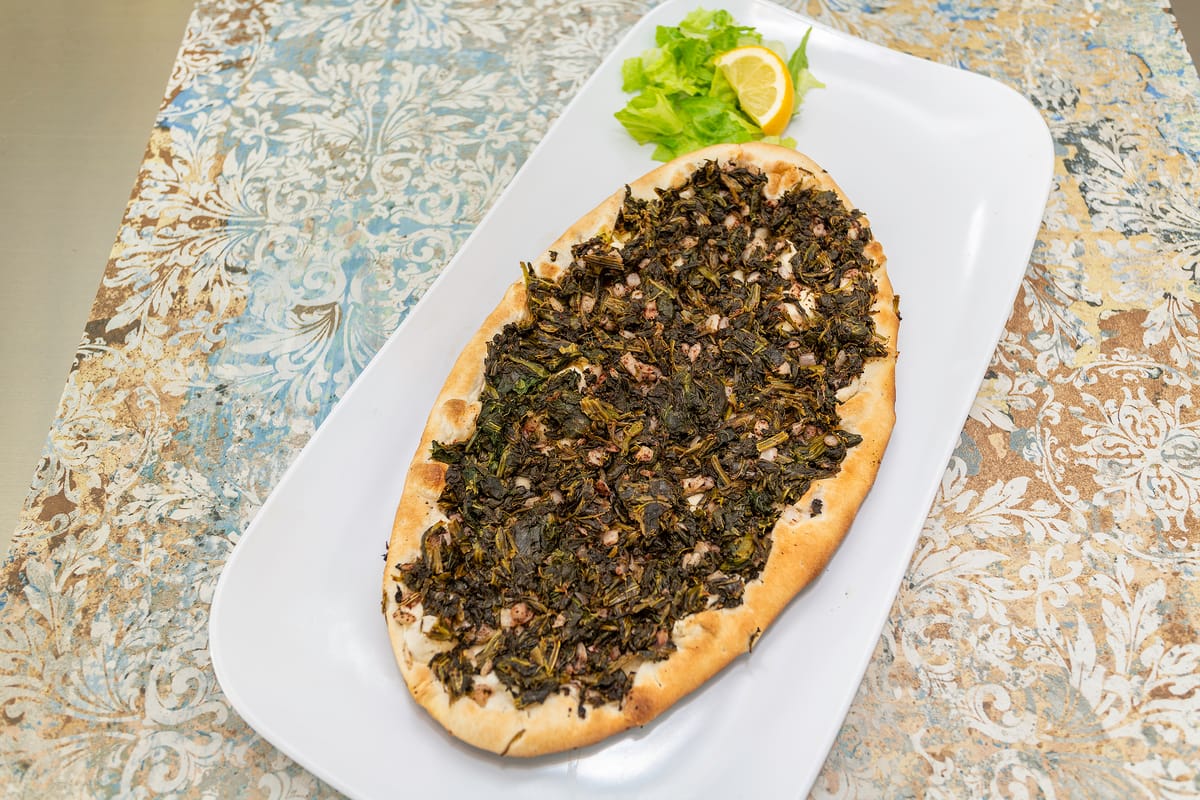
Foods to Moderate for Brain Health
The MIND diet identifies five food categories that accelerate cognitive decline.
What to Moderate for Better Cognitive Health
The MIND diet is as much about what to reduce as what to increase.
The MIND diet identified five food categories most strongly associated with accelerated cognitive decline. Limiting these while maintaining Mediterranean eating patterns accounts for the dose-response relationship observed in the Rush University study -- even moderate adherence reduced Alzheimer's risk by 35 percent because it involved both increasing protective foods and decreasing harmful ones.
Saturated fat in butter suppresses BDNF levels and promotes tau phosphorylation, a key step in Alzheimer's pathology. Replacing butter with olive oil is the single most impactful swap in the MIND diet.
High saturated fat content from cheese is associated with increased amyloid-beta production. The recommendation is not to eliminate cheese but to reserve it as an occasional food rather than a daily staple.
Red meat's heme iron and saturated fat combination promotes oxidative stress in neural tissue. Swapping beef for chicken shawarma or falafel at Taza achieves the MIND diet's poultry-over-red-meat priority.
Refined sugars drive glycation of brain proteins, trigger glucose spikes that damage hippocampal neurons, and suppress BDNF. This is the food category most strongly associated with accelerated cognitive decline in the MIND study.
Fried food combines saturated fat, acrylamide (a neurotoxin formed during high-heat cooking), and refined carbohydrates. The MIND study found this category had an independent negative effect on cognition beyond what was explained by saturated fat alone.
How Olive Oil Protects the Brain: Three Mechanisms
No other dietary fat has this density of neuroprotective research.
Amyloid Clearance
Oleocanthal stimulates production of LRP1 (low-density lipoprotein receptor-related protein 1) and P-gp (P-glycoprotein), two transport proteins embedded in the blood-brain barrier that export amyloid-beta from brain tissue into the bloodstream for disposal. A 2013 study in Chemical Neuroscience found oleocanthal increased these clearance proteins by 30 to 50 percent in hippocampal and brain microvascular endothelial cells. This mechanism is particularly significant because reduced amyloid clearance, rather than increased amyloid production, is believed to drive most late-onset Alzheimer's cases.
Neuroinflammation Reduction
Oleic acid (the primary monounsaturated fat in olive oil, constituting 55 to 83 percent by composition) reduces production of interleukin-6, interleukin-1-beta, and tumor necrosis factor-alpha -- three central mediators of neuroinflammation. Chronic low-grade neuroinflammation is now understood as a primary driver of synaptic loss and neurodegeneration, preceding cognitive symptoms by decades. A 2014 study in PLOS ONE showed that oleic acid directly suppressed microglial activation -- the brain's equivalent of a chronic inflammatory response -- in a dose-dependent manner.
Autophagy Stimulation
A landmark 2018 study published in Annals of Clinical and Translational Neurology by Lauretti, Iuliano, and Pratico at Temple University demonstrated that extra-virgin olive oil consumption in mice preserved memory function, reduced amyloid plaques and tau tangles, and crucially -- restored autophagy function in neurons. Autophagy is the cellular self-cleaning process by which damaged proteins and organelles are broken down and recycled. In Alzheimer's disease, autophagy is impaired, allowing damaged proteins to accumulate. The olive oil group showed autophagy junction proteins restored to near-normal levels.
Olive Oil at Taza: What to Look For
Oleocanthal concentration varies significantly by olive oil quality. Cold-pressed extra-virgin olive oil from freshly harvested olives contains the highest concentrations. Oleocanthal is the compound responsible for the characteristic throat-stinging sensation of high-quality olive oil -- the sharper the sting, the higher the oleocanthal content. Refined olive oil, light olive oil, and most pomace oils contain negligible oleocanthal.
At Taza, olive oil is incorporated into the hummus base, baba ghanouj, and zaatar manaeesh topping, and used as a finishing element on bowls. Combined with tahini's vitamin E and the folate in chickpeas, each of these dishes delivers a synergistic combination of neuroprotective compounds that no single nutrient could provide alone.
Frequently Asked Questions
Evidence-based answers to the most common questions about Mediterranean food and brain health.
Mediterranean Diet & Brain Health: Your Questions Answered
The MIND diet (Mediterranean-DASH Intervention for Neurodegenerative Delay) was developed by nutritional epidemiologist Martha Clare Morris at Rush University Medical Center. It is a hybrid of the Mediterranean and DASH diets, optimized specifically for brain health based on the nutrients most strongly associated with cognitive protection in research studies. The MIND diet emphasizes leafy greens, other vegetables, nuts, berries, legumes, whole grains, fish, poultry, olive oil, and wine -- while limiting red meat, butter, cheese, pastries, sweets, and fried food. Traditional Levantine cuisine, as served at Taza, aligns closely with MIND diet principles through its emphasis on chickpeas, olive oil, garlic, fresh vegetables, and lean proteins.
The PREDIMED-NAVARRA substudy, published in JAMA Internal Medicine in 2013, examined cognitive function in 334 participants from the larger PREDIMED trial after 6.5 years. Participants assigned to a Mediterranean diet supplemented with extra-virgin olive oil scored significantly higher on the Mini-Mental State Examination and the Clock Drawing Test compared to a low-fat control group. They also showed better performance on memory, attention, and executive function tasks. The olive oil group had a 54 percent lower risk of mild cognitive impairment after adjusting for cardiovascular risk factors, physical activity, and baseline cognitive function.
Extra-virgin olive oil contains oleocanthal, a polyphenol that enhances two proteins -- LRP1 and P-gp -- responsible for clearing amyloid-beta and tau proteins from the brain. Both amyloid plaques and tau tangles are hallmarks of Alzheimer's disease. Research from the University of Louisiana published in Chemical Neuroscience (2013) showed that oleocanthal increased these clearance proteins by 30 to 50 percent in vitro. Separately, oleic acid, the primary monounsaturated fat in olive oil, reduces neuroinflammation by suppressing interleukin-6 and tumor necrosis factor-alpha. The combination of these mechanisms makes extra-virgin olive oil uniquely neuroprotective compared to other fat sources.
Multiple longitudinal studies suggest yes. The Rush University MIND diet study (Morris et al., 2015) followed 923 adults aged 58 to 98 over 4.5 years and found that those with the highest MIND diet adherence had a cognitive decline rate equivalent to being 7.5 years younger than low-adherence participants. Even moderate adherence was associated with a 35 percent lower risk of Alzheimer's disease. The Nurses' Health Study found that women with the highest long-term Mediterranean diet adherence had cognitive scores equivalent to being 1.5 years younger at midlife. These observational findings are supported by mechanistic data on individual nutrients and shorter-term randomized trials.
Chickpeas -- the base of Taza's falafel and hummus -- provide several brain-critical nutrients. Each half-cup serving contains approximately 71 micrograms of folate (18 percent of the daily value), which controls homocysteine levels and supports methylation reactions required for neurotransmitter synthesis. Chickpeas also supply choline (a precursor to acetylcholine, the neurotransmitter most depleted in Alzheimer's disease), magnesium (required for 300+ enzymatic reactions including those producing ATP in neurons), manganese (a cofactor for superoxide dismutase, the brain's primary antioxidant enzyme), and substantial soluble fiber that feeds gut bacteria producing neuroactive short-chain fatty acids.
Yes -- research on the gut-brain axis has exploded over the past decade. The vagus nerve creates a bidirectional communication highway between the gut microbiome and the central nervous system. Mediterranean diet fiber (from chickpeas, vegetables, and whole grains) feeds beneficial Lactobacillus and Bifidobacterium strains that produce short-chain fatty acids and neurotransmitter precursors including GABA and serotonin. A 2019 study in Gut found that Mediterranean diet intervention significantly increased Prevotella and reduced Ruminococcus in the microbiome, with the compositional shift correlating with improved cognitive test performance. Taza's menu provides multiple fermented and fiber-rich items -- including labneh, pickled turnips, and chickpea-based dishes -- that support this gut-brain connection.
The MIND diet identifies five food categories to limit: red meat (no more than four servings per week), butter and margarine (less than one tablespoon daily), cheese (less than one serving per week), pastries and sweets (fewer than five servings per week), and fried or fast food (less than once per week). These foods share common mechanisms of harm: saturated and trans fats promote neuroinflammation and reduce BDNF; refined sugars drive glycation (the binding of sugar to brain proteins) and hippocampal shrinkage; and excessive sodium in processed foods impairs cerebrovascular health. At Taza, the menu's reliance on whole grains, legumes, vegetables, and lean proteins makes eating within MIND diet guidelines straightforward.
The Rush University MIND study found that even moderate adherence -- roughly five to seven MIND diet-compliant meals per week -- reduced Alzheimer's risk by 35 percent. Strict adherence (nine to ten compliant food categories) reduced risk by 53 percent. Given that Taza's menu aligns naturally with most MIND diet requirements, incorporating two to three meals per week from Taza alongside a generally plant-forward diet at home would place most people in the moderate-to-strict adherence range. The key is consistency over years, not perfection in any single meal. Every falafel bowl, plate of hummus, or zaatar manaeesh contributes to cumulative neuroprotective benefit.
Experience Brain-Healthy Levantine Food in Falls Church
Authentic Levantine food prepared fresh daily. Every ingredient chosen for flavor, quality, and nourishment.
The research is clear: consistent Mediterranean eating patterns, maintained over years, offer the strongest dietary protection against cognitive decline currently documented in science. At Taza Shawarma & Falafel in Falls Church, VA, the full depth of Levantine culinary tradition is available at every meal -- the chickpeas, olive oil, garlic, tahini, sumac, zaatar, and fresh vegetables that researchers identify as the most brain-protective ingredients on the planet.
You don't need to follow a strict protocol or count nutrient milligrams. Order a falafel bowl. Add hummus. Try the zaatar manaeesh. Ask for toum on your shawarma. The flavors of Levantine food and the science of brain health align so naturally that eating well here simply means eating the way this cuisine has always been prepared.
Address
5820 Seminary Rd Ste O, Falls Church, VA 22041
Hours
11:00 AM - 12:00 AM -- Open 7 Days a Week
Phone
Feed Your Brain at Taza Today
Experience the full neuroprotective depth of Levantine food at Taza Shawarma & Falafel in Falls Church, VA. Fresh daily. Halal. Ready for pickup or delivery.