Mediterranean Diet for Seniors
Decades of research confirm that the Mediterranean diet protects the aging brain, strengthens the heart, and extends healthspan. Here is what the science actually says — and how Taza's menu delivers it.
4.8 stars on Yelp (92 reviews) -- Open 11:00 AM - 12:00 AM
Medical Disclaimer: This content is for informational purposes only and is not medical advice. Consult your physician for personalized dietary guidance, especially if you are managing chronic conditions, taking prescription medications, or have specific nutritional requirements related to aging.
Why the Mediterranean Diet Is the Gold Standard for Healthy Aging
Blue Zones, longitudinal studies, and clinical trials all point toward the same conclusion: the way people eat in the Mediterranean region produces longer, healthier lives.
The term "Mediterranean diet" describes an eating pattern documented among populations in Greece, southern Italy, and Levantine coastal regions during the 1950s — before processed food became widespread. It centers on olive oil as the primary fat source, abundant vegetables and legumes, whole grains, moderate amounts of lean protein, and very limited processed foods and added sugars.
The scientific case for this diet in older adults is unusually strong. Unlike many dietary interventions tested only in young adults or over short periods, the Mediterranean diet has been studied in populations aged 55 to 80 through trials lasting three to seven years. The PREDIMED trial enrolled over 7,400 high-cardiovascular-risk adults. The MIND study tracked 960 older adults in Chicago. Both produced findings that no other diet has replicated at scale.
Researchers studying the Blue Zones — the five regions with the highest concentration of people living past 100 — found that two of them, Sardinia in Italy and Ikaria in Greece, follow dietary patterns almost identical to the Mediterranean diet. In both communities, daily meals include legumes, olive oil, whole grains, fresh vegetables, and fermented dairy. Meat appears rarely. Processed food barely exists. The result is not just longer life but longer healthy life, with cognitive function and physical mobility preserved well into advanced age.
Olive Oil
Primary fat source; contains oleocanthal with anti-inflammatory and neuroprotective properties
Chickpeas
High-fiber legume providing plant protein, calcium, and slow-release energy
Garlic & Herbs
Allicin reduces blood pressure; thymol and carvacrol in zaatar protect neurons
Fresh Vegetables
Daily servings of leafy greens supply vitamin K, folate, and polyphenols
Brain Health and Cognitive Function in Older Adults
The MIND diet, polyphenols, omega-3s, and olive oil — what the research shows about protecting your brain as you age.
The MIND Diet Connection
The MIND diet (Mediterranean-DASH Intervention for Neurodegenerative Delay) was developed by Dr. Martha Clare Morris at Rush University specifically to reduce dementia risk. It is a modified version of the Mediterranean diet that emphasizes leafy greens, berries, nuts, olive oil, whole grains, beans, poultry, and fish while limiting red meat, butter, cheese, fried food, and sweets. A 2015 study in Alzheimer's & Dementia found that strict MIND diet adherence slowed cognitive aging by the equivalent of 7.5 years. Even moderate adherence reduced Alzheimer's risk by 35 percent. The overlap with Levantine cuisine — chickpeas, olive oil, herbs, grilled poultry, whole grains — is substantial. A meal at Taza closely mirrors the MIND diet's highest-scoring food categories.
Polyphenols and Oxidative Stress
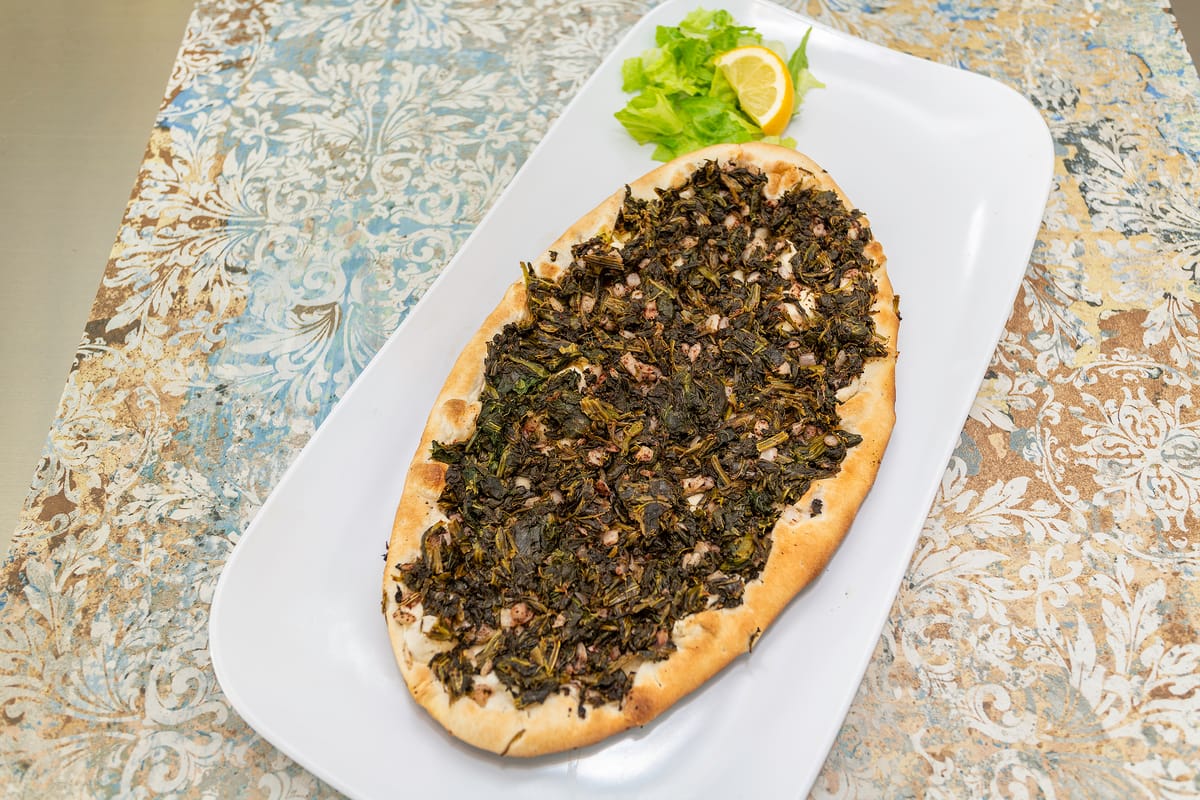
Oxidative stress — damage from free radicals accumulating in brain cells over time — is a primary mechanism of age-related cognitive decline. Polyphenols, plant compounds found in olive oil, herbs, vegetables, and spices, neutralize free radicals and reduce neuroinflammation. Extra-virgin olive oil specifically contains oleocanthal, which research from the University of Louisiana at Monroe showed accelerates the clearance of amyloid-beta plaques — the protein aggregates associated with Alzheimer's disease — from the brain. Sumac, used as a garnish at Taza, contains gallic acid and anthocyanins, two polyphenol classes with particularly strong antioxidant activity in neural tissue. Zaatar manaeesh delivers thymol and carvacrol from dried thyme alongside sesame lignans that further reduce oxidative damage.
Omega-3 Fatty Acids and Neural Integrity
Neuronal membranes are composed largely of phospholipids containing omega-3 fatty acids. As these fatty acids deplete with age — a process accelerated by diets high in omega-6 fats from processed vegetable oils — membrane fluidity decreases and synaptic transmission becomes less efficient. Mediterranean cuisine maintains omega-3 intake through sesame tahini (high in linoleic acid), walnuts, and the general absence of industrially processed oils. A 2022 systematic review in Nutrients found that higher omega-3 fatty acid status in adults over 65 correlated with larger hippocampal volume, slower cognitive decline, and reduced depressive symptoms. Falafel, made from chickpeas, provides magnesium and folate that support neurological function alongside its fiber and protein.
How a Taza Bowl Scores on the MIND Diet
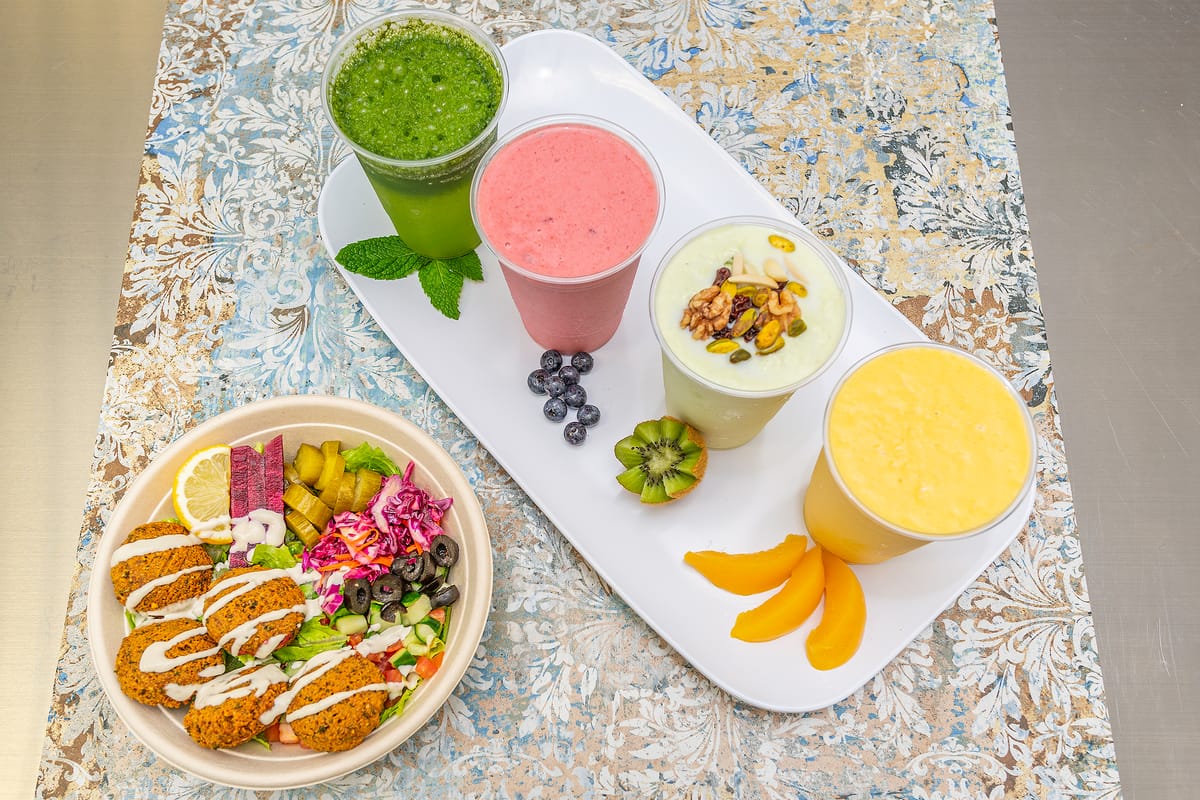
A falafel bowl at Taza — chickpeas, mixed greens, hummus, tahini, olive oil, fresh vegetables — hits four of the MIND diet's ten recommended food categories in a single meal: legumes, leafy greens, olive oil, and whole grains (pita on the side). Adding the lemon mint drink provides citrus polyphenols. The chicken shawarma bowl adds lean poultry, another MIND diet priority category.
Menu item: Falafel Bowl — from $10.45 | Chicken Shawarma Bowl — from $12.45
Food as Medicine for the Aging Body
Every component of a Mediterranean meal has a physiological function — not just calories, but active compounds that protect cells, reduce inflammation, and support organ function.
Heart Health: What Mediterranean Eating Does for the Aging Heart
Cardiovascular disease remains the leading cause of death among adults over 65 in the United States. The Mediterranean diet has more clinical evidence for cardiac protection than any other dietary pattern.
The PREDIMED Evidence
The PREDIMED (Prevención con Dieta Mediterránea) trial, published in the New England Journal of Medicine, enrolled 7,447 adults aged 55 to 80 with high cardiovascular risk. Participants assigned to a Mediterranean diet supplemented with extra-virgin olive oil experienced a 30 percent reduction in major cardiovascular events — heart attack, stroke, and cardiovascular death — over nearly five years. The trial was stopped early because the benefit was so clear that continuing the control group would have been unethical.
Blood Pressure Management
Hypertension affects over 70 percent of American adults aged 65 and older. The Mediterranean diet's naturally low sodium load — flavor comes from herbs, lemon, sumac, and olive oil rather than salt — combined with high potassium from vegetables and legumes, creates an environment where blood pressure tends to fall. Garlic, used heavily in Levantine cooking, contains allicin, which inhibits angiotensin-converting enzyme (ACE) and dilates blood vessels. A 2021 systematic review in Advances in Nutrition found a mean systolic blood pressure reduction of 2.5 mmHg from Mediterranean diet adherence — modest but clinically meaningful at the population level.
Cholesterol Profile Improvement
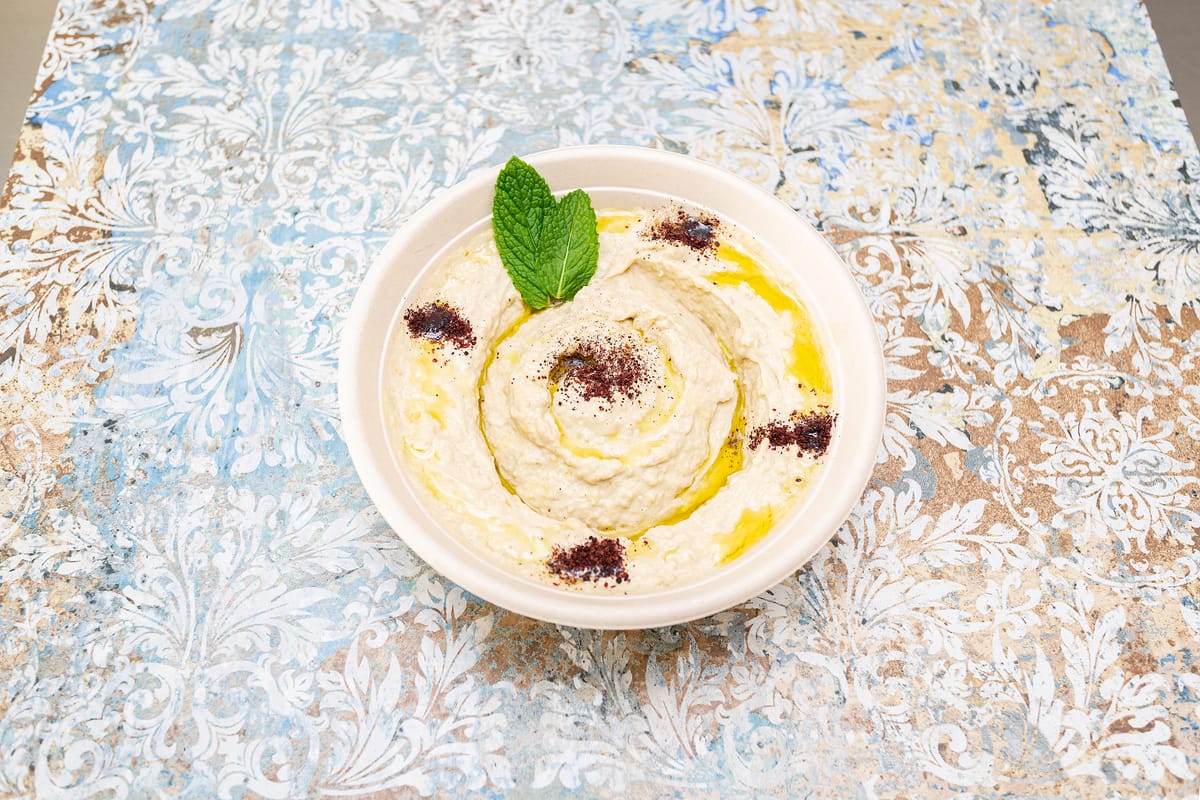
Olive oil and tahini both provide monounsaturated fatty acids (MUFAs), which reduce LDL cholesterol while preserving or increasing HDL cholesterol — the combination most protective against atherosclerosis. Chickpeas supply soluble fiber, specifically pectin and beta-glucan, that bind to bile acids in the intestine and remove them from the body, forcing the liver to convert more cholesterol into bile acids, thereby lowering serum LDL. A single serving of hummus contains approximately 6 grams of fiber, contributing meaningfully to the daily 25-30 grams associated with optimal cardiovascular outcomes.
Heart-Protective Items at Taza
Soluble fiber lowers LDL; olive oil provides MUFAs; chickpeas provide potassium for blood pressure
Roasted eggplant contains nasunin, an antioxidant that protects arterial walls from lipid oxidation
Lean protein without saturated fat; garlic sauce delivers allicin; vegetables provide potassium and magnesium
Spinach provides folate, which reduces homocysteine — an independent cardiovascular risk factor in seniors
Bone Health: Calcium, Vitamin K, and Anti-Inflammatory Benefits
Osteoporosis affects 10 million Americans over 50, and another 44 million have low bone density. Mediterranean cuisine delivers calcium from non-dairy sources and anti-inflammatory compounds that slow bone loss.
Bone density peaks around age 30 and gradually declines thereafter, accelerating sharply after menopause in women and more slowly in men. Preventing fractures in older adults requires not just adequate calcium but also the co-factors that regulate calcium metabolism: vitamin D, vitamin K2, magnesium, and systemic inflammation control.
Tahini is one of the most calcium-dense foods in the Mediterranean diet, providing approximately 128 milligrams of calcium per two-tablespoon serving — roughly the same as a glass of milk. Unlike dairy calcium, tahini calcium comes packaged with magnesium and zinc, which are also essential for bone mineralization. Labneh (strained yogurt) provides a different calcium source: 150-200 milligrams per serving, along with phosphorus, and probiotics that improve calcium absorption in the gut.
Vitamin K, abundant in spinach and parsley (both common garnishes and ingredients in Levantine cuisine), activates osteocalcin, a protein that binds calcium to bone tissue rather than depositing it in arterial walls. A 2018 analysis in JAMA Internal Medicine found that Mediterranean diet adherents had 20 percent fewer hip fractures than matched controls on standard Western diets. The protective effect held even after controlling for calcium supplement use, suggesting the diet's anti-inflammatory properties independently protect bone integrity.
Found in: Hummus, falafel tahini sauce, shawarma sauce
Packaged with magnesium and zinc for co-factor bone support
Found in: Labneh side dish at Taza
Probiotics improve calcium absorption; phosphorus supports bone matrix
Found in: Spinach pie and spinach manaeesh
Activates osteocalcin, directing calcium into bone tissue
Found in: Falafel, hummus, falafel bowl
Essential co-factor for bone mineralization and calcium regulation
Digestive Health: Fiber, Fermented Foods, and the Aging Gut
The gut microbiome changes significantly with age, often toward lower diversity and more pro-inflammatory species. The Mediterranean diet actively counters this trend.
Fiber from Chickpeas and Lentils
Chickpeas provide two types of fiber: soluble fiber (galactooligosaccharides) that feeds Bifidobacterium and Lactobacillus strains in the colon, and insoluble fiber that adds bulk and prevents constipation — a common problem in older adults. A serving of falafel (three pieces) delivers approximately 6 grams of fiber. Hummus adds another 3-4 grams. Combined, a falafel bowl with hummus provides half the daily fiber target that most older Americans fail to meet. Research published in Gut (2020) found that 12 months on a Mediterranean diet increased microbiome diversity in adults over 65, specifically increasing strains associated with reduced frailty and improved cognitive function.
Fermented Foods and Probiotic Support
Labneh — the thick strained yogurt served at Taza — is a traditional Levantine fermented dairy product containing live Lactobacillus and Streptococcus thermophilus cultures. These probiotics colonize the gut transiently, reducing pathogen overgrowth and producing short-chain fatty acids that feed colonocytes (the cells lining the colon). For seniors, who frequently experience antibiotic-associated diarrhea and C. difficile infection due to antibiotic use, regular probiotic intake from fermented foods provides meaningful protection. Pickled turnips and cucumbers, common accompaniments to shawarma and falafel, also deliver fermentation-derived beneficial bacteria when traditionally prepared.
Gut Microbiome and Systemic Health
The gut microbiome influences far more than digestion. Research from the Human Microbiome Project and subsequent studies has linked gut microbial diversity to cardiovascular health, immune function, mood regulation, and cognitive performance — all of particular relevance to aging adults. A Mediterranean diet pattern increases microbial production of butyrate, a short-chain fatty acid that maintains gut barrier integrity and reduces systemic inflammation. Lower gut permeability means fewer inflammatory compounds enter the bloodstream, reducing systemic inflammatory load across all organ systems. This may partly explain why Mediterranean diet adherents show lower rates of not just gastrointestinal disease but also heart disease and dementia.
Try Labneh at Taza — $4.95
Thick, strained yogurt dip with olive oil and dried mint. A probiotic-rich side dish that supports gut health, provides calcium, and pairs with any meal on the menu. One of the most functional foods in Levantine cuisine.
Mediterranean Diet vs. Typical Senior American Diet
Understanding what makes Mediterranean eating different from the standard patterns that drive chronic disease in older Americans.
| Dietary Factor | Mediterranean Diet (Taza-style) | Typical Senior American Diet |
|---|---|---|
| Primary Fats | Olive oil, tahini, nuts — monounsaturated and polyunsaturated | Butter, processed oils, fried food — high saturated fat |
| Protein Sources | Grilled chicken, chickpeas, labneh — lean and easy to digest | Processed deli meat, canned foods — high sodium, low nutrients |
| Sodium Load | Herbs, spices, sumac, zaatar — flavor without excess salt | Packaged foods, canned soups — often 800-1200mg per serving |
| Cognitive Support | Polyphenols, omega-3s from tahini and nuts, oleocanthal from olive oil | Minimal brain-protective compounds; pro-inflammatory processed fats |
| Bone-Strengthening Nutrients | Calcium from tahini and labneh, vitamin K from spinach and parsley | Low calcium intake; excess sodium accelerates calcium loss in urine |
| Digestive Comfort | High fiber from chickpeas, lentils, and vegetables; fermented labneh | Low fiber, frequent constipation risk; few probiotic or prebiotic foods |
| Blood Pressure Impact | DASH-aligned: potassium-rich vegetables reduce systolic pressure naturally | High sodium diet associated with hypertension in adults over 60 |
| Inflammation Markers | Anti-inflammatory: reduces CRP and IL-6 (PREDIMED and MIND study data) | Pro-inflammatory: refined sugars and trans fats elevate inflammatory markers |
| Texture and Chewability | Many soft options: hummus, labneh, slow-roasted chicken, rice, pita | Hard, crunchy, or tough textures often unsuitable for dental sensitivity |
Fresh. Nourishing. Exactly What the Research Recommends.
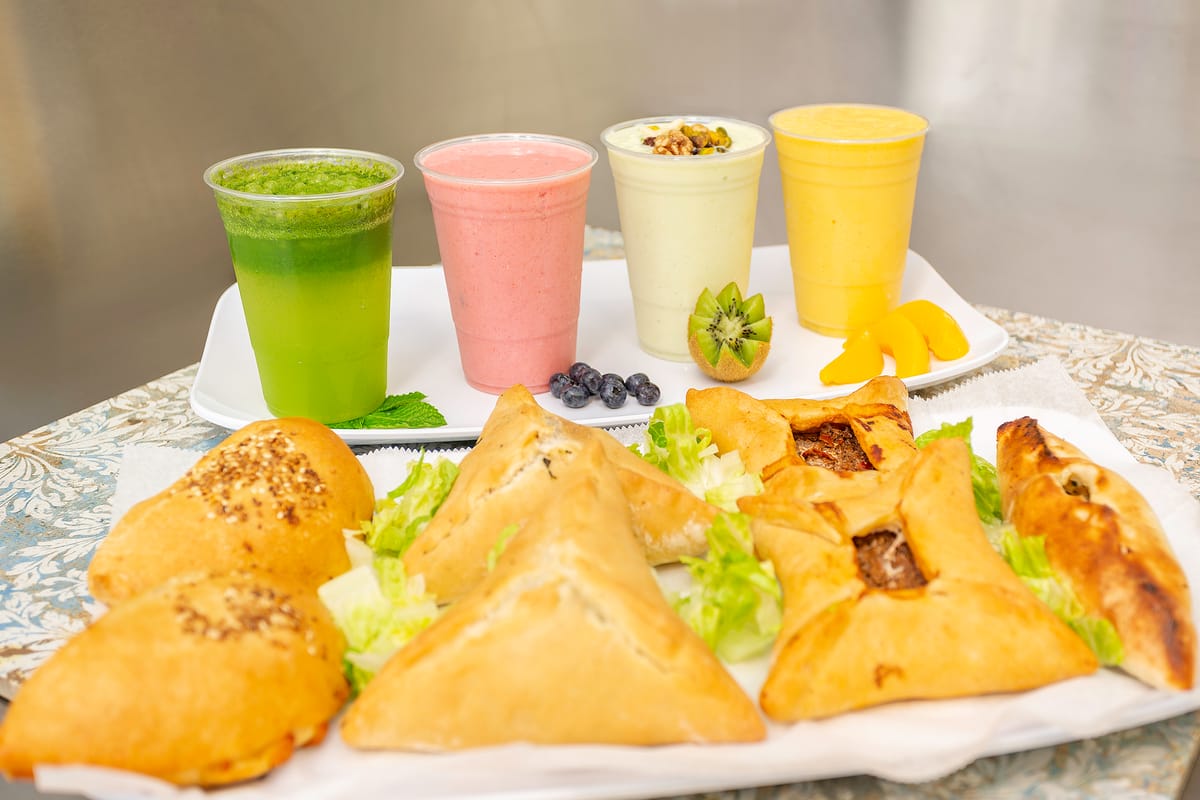
Falafel from chickpeas delivers fiber, plant protein, magnesium, and polyphenols — the combination that MIND and PREDIMED researchers identified as most protective.
Best Menu Items for Seniors at Taza
Soft textures, nutrient density, manageable portion sizes, and alignment with Mediterranean dietary principles — these items work well for older adults.
Hummus
$4.95Completely soft — no chewing required. High calcium from tahini. Serve with warm pita.
Labneh
$4.95Probiotic-rich fermented yogurt. Calcium and phosphorus for bone health. Ideal for sensitive digestion.
Falafel Bowl
from $10.45Over rice base, falafel interior is soft. Full MIND diet meal category coverage in one bowl.
Chicken Shawarma Bowl
from $12.45Slow-roasted chicken pulls apart easily. Garlic sauce provides allicin. Rich in vitamins from fresh toppings.
Spinach Pie
$2.95Soft pastry with cooked spinach interior. One of the best sources of vitamin K and folate on the menu.
Zaatar Manaeesh
$6.95Zaatar contains thymol and carvacrol shown to protect neurons. Olive oil brushed base provides oleocanthal.
Ordering Tips for Seniors at Taza
- 1Request extra tahini or garlic sauce to soften pita and falafel for easier chewing
- 2Bowls over rice provide a softer texture than pita-based sandwiches
- 3Order hummus and labneh as sides for maximum nutrient density without extra volume
- 4The falafel bowl without the crispy exterior (ask for fresh-cut pieces) suits dental sensitivity
- 5Spinach pie interior is always soft — the outer pastry can be left if too firm
- 6Lemon mint drink provides vitamin C and polyphenols without added sugar
- 7Half-portions are available — ask when ordering for smaller appetite accommodation
- 8Basmati rice sides provide easily digestible complex carbohydrates for sustained energy
Meal Frequency and Portion Guidance for Older Adults
Mediterranean eating patterns naturally align with the smaller, more frequent meals that support aging metabolism and digestion.
Older adults often experience reduced appetite, slower gastric emptying, and decreased thirst sensation — all of which change optimal eating patterns compared to younger adults. Eating three large meals becomes less practical and less effective than consuming smaller, nutrient-dense portions throughout the day.
Mediterranean cuisine lends itself naturally to this pattern. Small dishes — a side of hummus, a piece of spinach pie, a labneh with pita — deliver concentrated nutrition in modest volumes. The concept of meze (a spread of small dishes shared at the table) is fundamentally a Mediterranean eating pattern that maps well onto the smaller, more frequent meal approach recommended for seniors.
Protein distribution across meals deserves particular attention in older adults. Sarcopenia — the age-related loss of muscle mass — accelerates when protein intake is concentrated in one large meal rather than spread across the day. Mediterranean eating, with protein appearing at every meal through chickpeas, yogurt, grilled meat, and tahini, naturally distributes protein across the day in a pattern that better supports muscle protein synthesis in older muscle tissue.
Zaatar manaeesh or labneh with pita
Olive oil and thyme provide a gentle anti-inflammatory start; probiotics from labneh support morning digestion
Falafel bowl with hummus and fresh vegetables
Largest protein and fiber intake of the day; chickpeas provide sustained energy through the afternoon
Hummus with warm pita as a snack
Maintains protein distribution; fiber prevents afternoon energy slump; calcium from tahini supports bone health
Chicken shawarma bowl, smaller portion
Lean protein for overnight muscle maintenance; garlic sauce supports circulation; lighter than midday
A Menu Built for Nourishment at Every Age
From the toppings selection loaded with fresh herbs and vegetables to labneh and hummus sides, Taza's menu aligns with what research recommends for healthy aging.
Social Dining: Community, Family Meals, and Aging Well
The Mediterranean lifestyle is not just about what you eat — it is equally about how and with whom you eat. Social connection at meals is a documented contributor to longevity and mental health.
The Social Dimension of Longevity
Research from Blue Zones expert Dan Buettner and subsequent epidemiological work has consistently identified social connection as one of the strongest predictors of longevity and health in older adults — sometimes exceeding the effect size of dietary or exercise interventions. In Mediterranean culture, meals are communal events. Families eat together, portions are shared rather than individual, and the act of eating is embedded in social ritual. This is not incidental to longevity — it is part of its mechanism.
Isolation and Cognitive Decline
Social isolation in older adults elevates cortisol levels, increases systemic inflammation, and accelerates cognitive decline. A 2020 National Academies of Sciences report estimated that social isolation is associated with a 50 percent increased risk of dementia, 29 percent increased risk of heart disease, and 32 percent increased risk of stroke. Dining out with family or friends at a restaurant addresses isolation directly while simultaneously delivering the nutritional benefits of Mediterranean food. Two wellness interventions in one meal.
Dining as Wellness Practice
For many older adults, dining out provides more than nutrition. It maintains connection to cultural heritage, provides a routine structure that supports cognitive function, and creates regular opportunities for physical activity (traveling to and from the restaurant). At Taza in Falls Church, the communal nature of Levantine food culture — shared meze plates, shared bowls, conversation over warm bread — replicates the social dining environment that researchers have identified as a distinctive feature of the longest-lived Mediterranean communities.
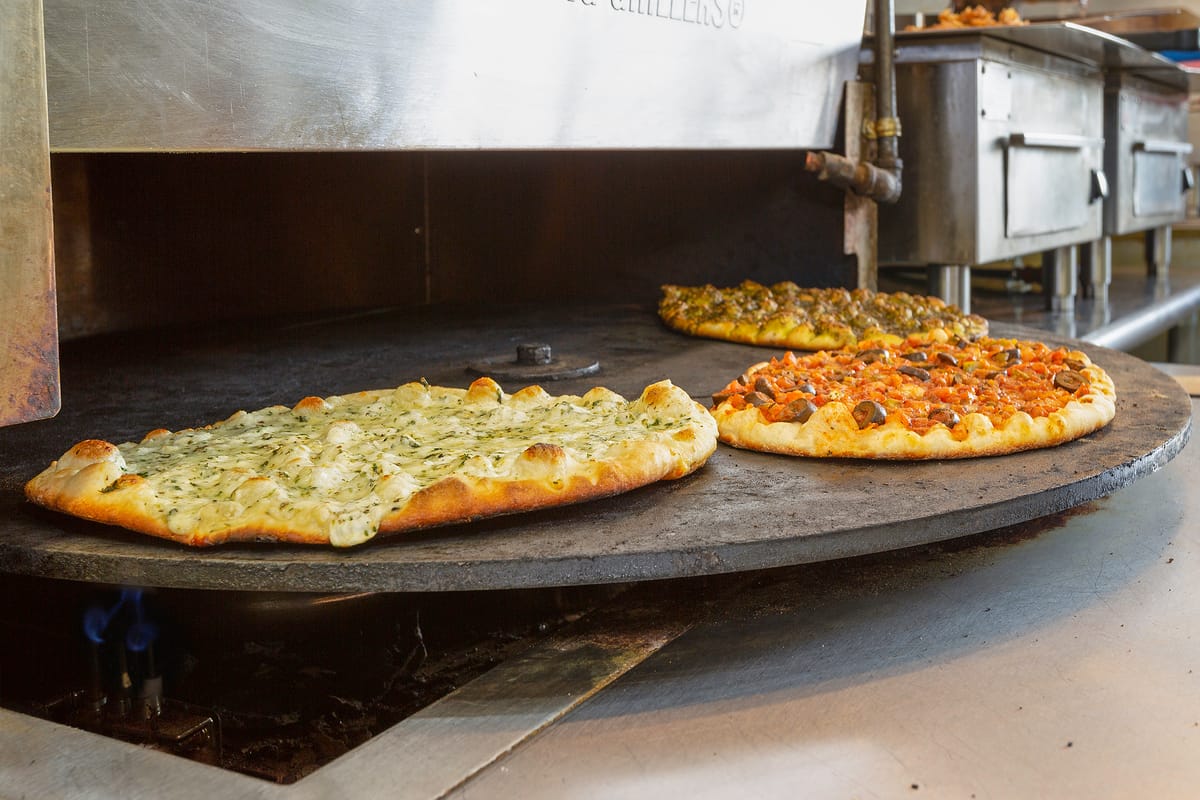
Taza in Falls Church
A place to gather, share, and eat well — exactly the Mediterranean lifestyle model that research links to longer, healthier lives.
Share a Spread at Taza
Order hummus, labneh, baba ghanouj, and pita to share at the table — the traditional Levantine meze style that turns a meal into a social experience.
Bring Multiple Generations
Taza's menu works for all ages. Grandparents, parents, and children all find familiar flavors. The act of multigenerational dining is itself a longevity practice.
Mediterranean Diet for Seniors: Common Questions Answered
The Mediterranean diet is among the most broadly studied dietary patterns in the world, and research supports its safety across a wide range of health conditions common in older adults, including heart disease, type 2 diabetes, hypertension, and mild cognitive impairment. The diet's emphasis on whole foods, healthy fats, lean proteins, and abundant vegetables means it avoids most triggers for adverse reactions. However, individuals on blood thinners should monitor vitamin K intake from leafy greens, and those with kidney disease may need to adjust protein and potassium levels. Always consult your physician before making significant dietary changes.
Research from the MIND study — a hybrid of the Mediterranean and DASH diets developed at Rush University — found that strict adherence slowed cognitive aging by the equivalent of 7.5 years. The mechanisms include oleocanthal in olive oil, which clears amyloid-beta proteins linked to Alzheimer's disease; omega-3 fatty acids from nuts and tahini, which support neuronal membrane integrity; and polyphenols from herbs, vegetables, and olive oil, which reduce oxidative stress in brain cells. Regular consumption of zaatar (thyme and sesame) also delivers carvacrol and thymol, compounds with documented neuroprotective properties.
Hummus is one of the most dental-friendly nutrient-dense foods available — creamy, smooth, and rich in protein and calcium. Labneh (strained yogurt) requires no chewing at all. Slow-roasted chicken shawarma is tender enough that it pulls apart easily. Falafel, when freshly made, has a soft interior beneath its crispy exterior. Basmati rice, baba ghanouj, and cooked spinach from pies are all soft options. At Taza, bowls and pita-based items can be ordered with extra sauce to soften components further. Nearly the entire menu works well for seniors with chewing limitations.
The landmark PREDIMED trial, published in the New England Journal of Medicine, found that a Mediterranean diet supplemented with extra-virgin olive oil or nuts reduced major cardiovascular events — including heart attack and stroke — by approximately 30 percent compared to a low-fat diet in high-risk patients. For secondary prevention (after a first cardiac event), multiple cardiology societies now recommend Mediterranean-style eating as a first-line dietary intervention. Key protective foods include olive oil, chickpeas, lean poultry, and abundant vegetables — all of which appear consistently on Taza's menu.
Studies supporting cardiovascular and cognitive benefits typically used 3 to 4 tablespoons of extra-virgin olive oil daily. That's roughly equivalent to what you'd receive across hummus, falafel, and a salad at a Mediterranean restaurant like Taza. Extra-virgin olive oil specifically — not refined olive oil — is the form with the highest concentration of oleocanthal and polyphenols. For seniors watching calorie intake, 2 tablespoons daily still provides meaningful anti-inflammatory and cardiovascular benefit. Tahini, used in hummus and shawarma sauce, is another excellent source of monounsaturated fats for seniors who prefer variety.
Multiple studies link Mediterranean diet adherence to reduced joint pain, lower systemic inflammation, and improved quality of life in patients with rheumatoid and osteoarthritis. The primary driver is anti-inflammatory compounds: oleocanthal in olive oil inhibits the same enzymes (COX-1 and COX-2) as ibuprofen, though at gentler levels. Omega-3 fatty acids from tahini, walnuts, and flaxseed reduce prostaglandin synthesis, which drives inflammatory pain. Garlic, used heavily in Levantine cuisine including Taza's garlic sauce, contains diallyl disulfide, a compound shown to limit cartilage-damaging enzymes. Reducing processed foods and refined sugars — which the Mediterranean diet naturally achieves — also lowers systemic inflammatory markers like C-reactive protein.
Yes — Taza offers multiple items that align directly with Mediterranean dietary principles: falafel from chickpeas, hummus with olive oil, labneh with probiotic cultures, grilled chicken shawarma with fresh vegetables, basmati rice, spinach pie, and zaatar manaeesh. Seniors can build a complete Mediterranean meal from the existing menu without any special modifications. Bowls are particularly convenient because they combine protein, complex carbohydrates, and vegetables in a single portion. For those eating smaller portions, half a pita with hummus and a side of labneh delivers meaningful nutrition without overeating. Dining at Taza with family also supports the social component of the Mediterranean lifestyle.
Two of the world's five Blue Zones — regions with the highest concentration of centenarians — are Mediterranean: Sardinia, Italy and Ikaria, Greece. A 2018 meta-analysis in the British Journal of Nutrition, analyzing over 12 prospective studies, found that high adherence to a Mediterranean diet reduced all-cause mortality by 8 percent. A 2020 Harvard study tracking nearly 26,000 women found that those with the highest Mediterranean diet scores had a 25 percent lower risk of dying during the follow-up period. The diet's combination of anti-inflammatory foods, healthy fats, lean protein, fiber, and polyphenols creates a protective effect that compounds over years of consistent adherence.
Find Taza Shawarma & Falafel in Falls Church, VA
Serving the Northern Virginia community with fresh, authentic Levantine cuisine since we opened. Located on Seminary Road — easy to reach from throughout the area.
Address
5820 Seminary Rd Ste O, Falls Church, VA 22041
Hours
11:00 AM - 12:00 AM -- Open 7 Days a Week
Phone
More Mediterranean Health Guides
Experience the Mediterranean Diet at Taza
Come see why Taza Shawarma & Falafel at 5820 Seminary Rd Ste O, Falls Church, VA 22041 is a favorite for health-conscious diners of all ages. Fresh ingredients, authentic Levantine recipes, and a menu built for both flavor and nourishment.