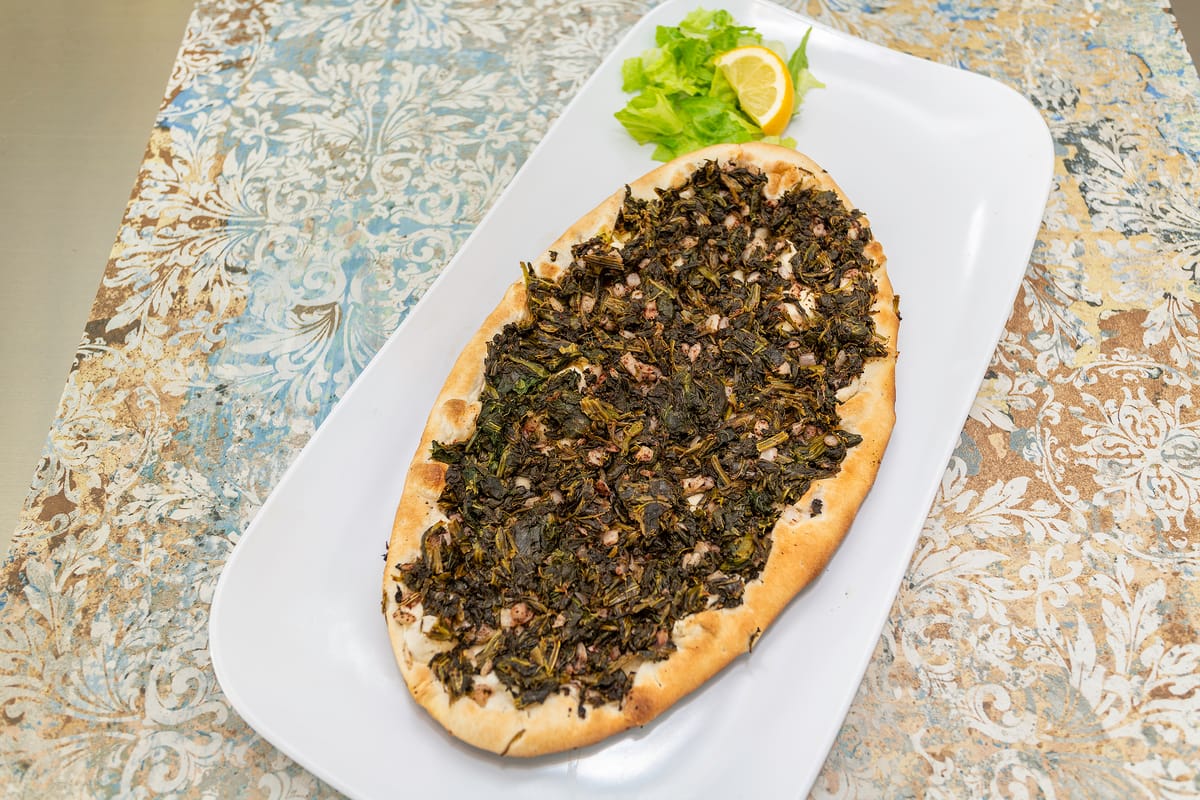
Mediterranean Food for Gut Health
Your microbiome thrives on fiber, fermented foods, and polyphenols. Mediterranean cuisine delivers all three in every meal. Here is how it works -- and what to order.
4.8 stars on Yelp (92 reviews) -- Open 11:00 AM - 12:00 AM
Why Does the Mediterranean Diet Support Gut Health?
The connection between Mediterranean eating and a healthier microbiome is one of the most well-documented findings in modern nutrition research.
Your gut contains roughly 100 trillion microorganisms -- bacteria, fungi, viruses, and archaea -- collectively called the microbiome. These organisms outnumber your human cells, produce vitamins your body cannot make on its own, train your immune system to distinguish threats from food, and communicate directly with your brain through the vagus nerve. When the microbiome is diverse and balanced, digestion runs smoothly, inflammation stays low, and your immune defenses hold strong. When it falls out of balance, the consequences range from bloating and constipation to chronic inflammation, autoimmune conditions, and mood disorders.
A 2020 study published in the journal Gut tracked 612 participants across five European countries over 12 months. Those who followed a Mediterranean diet showed significantly increased microbiome diversity, with growth in bacterial genera associated with reduced frailty, lower inflammation, and improved cognitive function. The bacteria that increased -- including Faecalibacterium, Roseburia, and Bacteroides -- are the same strains that researchers associate with healthy aging and metabolic resilience. The bacteria that decreased were linked to inflammatory markers, type 2 diabetes, and cardiovascular risk.
The mechanism is straightforward. Mediterranean food delivers three things your gut bacteria need to thrive: fiber (their primary fuel source), fermented foods (live bacteria that reinforce existing colonies), and polyphenols (plant compounds that selectively promote beneficial strains while suppressing harmful ones). Most processed food delivers none of these. The standard American diet, with its emphasis on refined flour, added sugar, and artificial additives, actively degrades the microbiome. Mediterranean eating actively builds it.
At Taza Shawarma & Falafel in Falls Church, VA, every menu item aligns with these principles. Falafel delivers chickpea fiber. Labneh provides live probiotic cultures. Toum supplies raw garlic prebiotics. Olive oil adds polyphenols. Pickled turnips contribute fermented bacteria. A single meal at Taza gives your microbiome fiber, probiotics, prebiotics, and polyphenols simultaneously -- a combination that processed food cannot replicate.
How Does Your Gut Microbiome Actually Work?
A brief, practical guide to the ecosystem living inside your digestive tract.
Fiber Is Fuel
Your gut bacteria cannot survive on the nutrients your body absorbs in the small intestine. They depend on dietary fiber -- the indigestible portion of plant foods -- that passes through to the large intestine intact. There, bacteria ferment this fiber into short-chain fatty acids like butyrate, propionate, and acetate. Butyrate is the primary energy source for the cells lining your colon. Without enough fiber, those cells weaken, the gut barrier becomes permeable, and bacterial toxins leak into the bloodstream. Chickpeas, bulgur, and vegetables -- the foundation of every Taza meal -- deliver this fiber in abundance.
Diversity Is Defense
A healthy microbiome contains hundreds of different bacterial species, each performing specialized functions. Some produce vitamins. Others break down specific fibers. Some train immune cells. Diversity matters because it creates redundancy: if one species declines, others can compensate. The American Gut Project found that people who eat 30 or more different plant types per week have significantly more diverse microbiomes than those eating fewer than 10. Mediterranean cuisine naturally achieves this diversity through its emphasis on varied herbs, vegetables, legumes, and grains in every meal.
The Gut-Brain Axis
Your gut produces roughly 95 percent of your body's serotonin and communicates with your brain through the vagus nerve. This gut-brain axis means that the composition of your microbiome directly influences mood, anxiety levels, sleep quality, and cognitive function. A 2019 study in Nature Microbiology found that people with depression had significantly lower levels of Coprococcus and Dialister bacteria, both of which are stimulated by high-fiber diets. Feeding your gut bacteria with Mediterranean food is, in a measurable sense, feeding your brain.
Short-Chain Fatty Acids
When gut bacteria ferment fiber, they produce short-chain fatty acids (SCFAs) -- butyrate, propionate, and acetate. These molecules reduce intestinal inflammation, strengthen the gut barrier, regulate blood sugar, signal satiety to the brain, and modulate the immune system. Butyrate alone has been shown to suppress colorectal cancer cell growth in laboratory studies. The more diverse fiber you consume, the more varied your SCFA production becomes. A meal combining chickpeas, bulgur, garlic, and raw vegetables at Taza generates multiple SCFA types simultaneously.
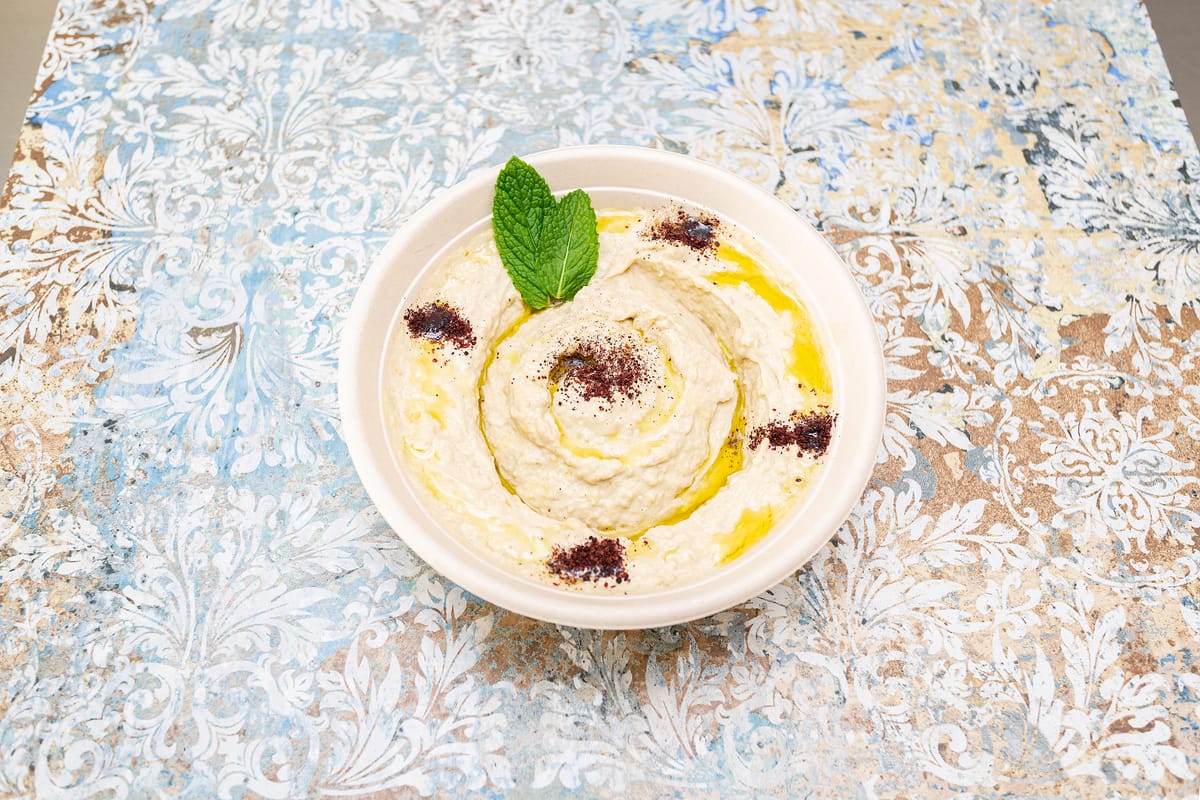
Every Ingredient Feeds Your Microbiome
Chickpeas, garlic, olive oil, labneh, and fresh vegetables -- the building blocks of gut health.
Which Mediterranean Foods Feed Beneficial Gut Bacteria?
These ingredients appear in nearly every Taza dish -- and each one plays a specific role in your microbiome.
Chickpeas (Falafel & Hummus)
Chickpeas are the most potent gut-health ingredient in Mediterranean cuisine. They contain raffinose, a prebiotic oligosaccharide that Bifidobacteria and Lactobacilli preferentially ferment into butyrate. They also develop resistant starch when cooked and cooled, which feeds bacteria in the distal colon that other fibers cannot reach. A single falafel pita at Taza contains roughly 12 grams of chickpea fiber -- nearly half the daily recommended intake. Hummus delivers the same benefits in a smoother, more digestible form. Both appear on virtually every Taza order.
Extra-Virgin Olive Oil
Olive oil is not just a healthy fat -- it is a concentrated source of polyphenols, including oleocanthal, hydroxytyrosol, and oleuropein. A 2019 study in Nutrients found that these polyphenols selectively promote the growth of Bifidobacterium and Lactobacillus while inhibiting pathogenic E. coli and Clostridium strains. Olive oil also strengthens the gut mucus layer, which serves as a physical barrier between bacteria and the intestinal wall. At Taza, olive oil is used in cooking, finishing, and dressing -- never replaced with processed seed oils.
Garlic (Toum Sauce)
Raw garlic contains fructooligosaccharides (FOS) and inulin, two of the most well-studied prebiotic fibers in existence. FOS selectively stimulates Bifidobacterium growth in the large intestine. Allicin, the compound responsible for garlic's pungent flavor, has antimicrobial properties that suppress pathogenic bacteria without harming beneficial strains. Taza's toum sauce is made from raw garlic emulsified with oil and lemon, preserving maximum prebiotic and antimicrobial activity. Learn more about this powerful condiment in our toum guide.
Labneh (Strained Yogurt)
Labneh delivers live probiotic bacteria directly to your gut. Unlike many commercial yogurts that are heat-treated after fermentation, traditional labneh retains its live cultures. The straining process concentrates Lactobacillus bulgaricus and Streptococcus thermophilus while reducing lactose content, making it tolerable for many people with mild lactose sensitivity. At Taza, labneh is served as a side dish with olive oil and warm pita, pairing probiotics with polyphenols and prebiotic fiber in one dish.
Fresh Vegetables & Herbs
Every vegetable type feeds different bacterial species. Lettuce provides inulin. Tomatoes supply lycopene, which bacteria metabolize into anti-inflammatory compounds. Cucumbers add water-soluble fiber that supports motility. Parsley delivers apigenin, a flavonoid that reduces NF-kB-mediated intestinal inflammation. Mint contains rosmarinic acid, which inhibits pathogenic bacteria. The vegetable toppings selection at Taza lets you load five or more different plant types onto every order, directly increasing your microbiome diversity.
Whole Grains (Bulgur & Pita)
Bulgur wheat, the base of tabbouleh, contains beta-glucan and arabinoxylan, two prebiotic fibers that feed Roseburia and Eubacterium rectale, bacteria that produce butyrate efficiently. Even Taza's pita bread contributes fiber -- whole wheat pita delivers 4 grams per piece. Rice, available as a bowl base, develops resistant starch when prepared and held at serving temperature. Together, these grains provide a slow-fermenting substrate that sustains bacterial activity for hours after eating.
Which Taza Menu Items Are Fiber Powerhouses?
These dishes deliver the most gut-feeding fiber per serving.
Falafel Pita
Ground chickpeas deliver both soluble and insoluble fiber that feeds Bifidobacterium and Lactobacillus colonies in your lower intestine.
Learn moreHummus
Blended chickpeas with tahini, lemon, and garlic. The tahini adds prebiotic sesame lignans that support microbial diversity.
Learn moreTabbouleh
Bulgur wheat provides resistant starch, while parsley delivers apigenin, a flavonoid that reduces intestinal inflammation.
Learn moreFattoush Salad
Raw vegetables with sumac dressing. Sumac contains gallic acid and quercetin, both shown to increase short-chain fatty acid production.
Learn moreWhich Fermented Foods Does Taza Serve?
Fermented foods deliver live bacteria that reinforce your existing gut colonies.
A 2021 Stanford University study published in Cell found that a diet high in fermented foods increased microbiome diversity more effectively than a high-fiber diet alone over a 10-week period. The fermented-food group showed decreased levels of 19 inflammatory proteins, including interleukin-6, a marker strongly associated with rheumatoid arthritis, type 2 diabetes, and chronic stress. The researchers concluded that fermented foods are a practical, accessible strategy for improving microbiome health. Mediterranean cuisine has been doing this for millennia.
At Taza, fermented foods appear throughout the menu -- not as specialty add-ons but as standard components of traditional dishes. Labneh is a staple side. Pickled turnips come with every shawarma plate. Pickled vegetables are available as toppings. These are not commercial products from a jar. They are prepared using traditional fermentation methods that preserve the live bacterial cultures your gut needs.
Labneh
Live Lactobacillus and Streptococcus thermophilus culturesLabneh is yogurt strained for 24 hours until thick and creamy. The straining concentrates live probiotic bacteria while removing most of the lactose. One serving delivers billions of colony-forming units of beneficial bacteria directly to your gut. At Taza, labneh is served with olive oil and eaten with warm pita.
Read the full guidePickled Turnips
Lactic acid fermentation produces Lactobacillus plantarumThe bright pink pickled turnips on every Taza shawarma plate are fermented in brine with beet juice. This lacto-fermentation process creates Lactobacillus plantarum, a bacterial strain shown to strengthen the intestinal barrier and reduce bloating. They also supply glucosinolates, sulfur compounds that feed beneficial microbes.
Pickled Vegetables
Mixed fermented vegetables with diverse bacterial strainsTraditional Middle Eastern pickles use salt-brine fermentation, not vinegar. This preserves live bacteria and produces lactic acid that lowers the pH of your intestinal environment, creating conditions that favor beneficial bacteria over harmful ones. Taza's pickle selection changes seasonally but always includes naturally fermented options.
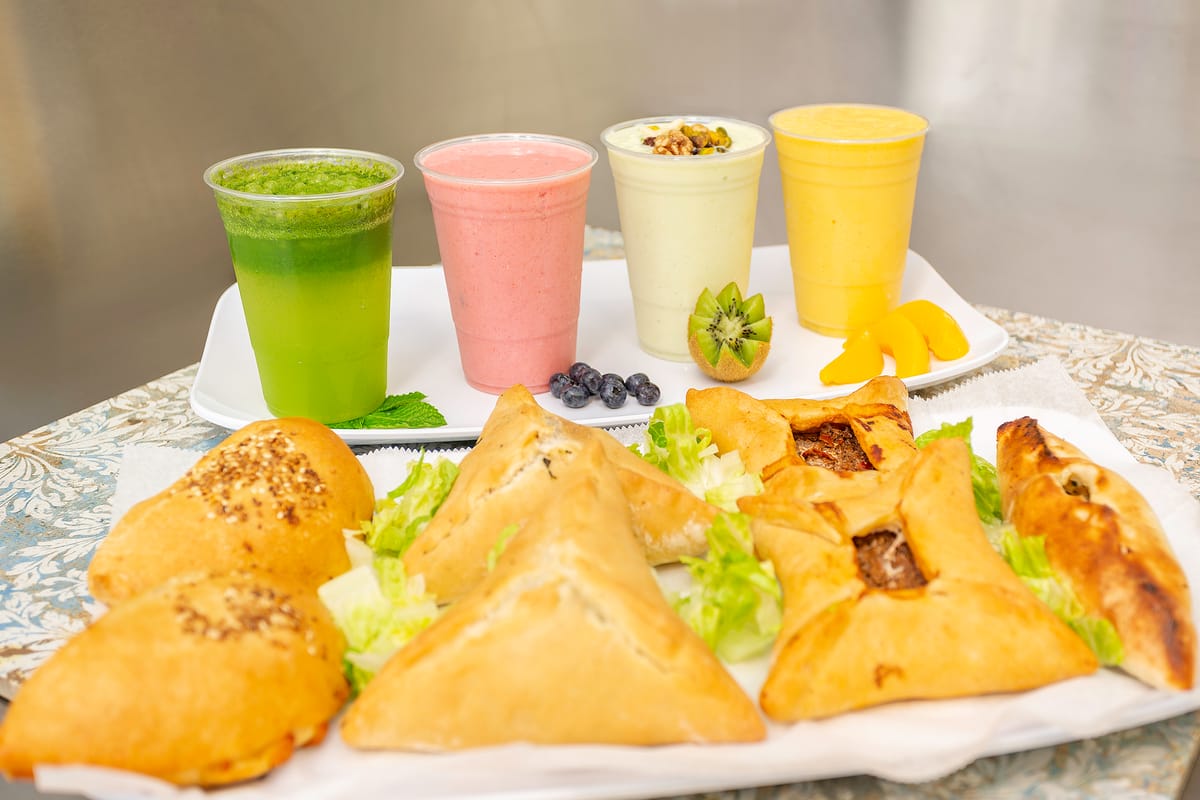
Fiber, Probiotics, and Prebiotics in One Plate
A single falafel plate delivers all three pillars of gut health.
What Prebiotic Foods Does Taza Use?
Prebiotics are the fuel your good bacteria need to grow. These ingredients feed the microbes that protect you.
Probiotics get the attention, but prebiotics do the heavy lifting. Without prebiotic fiber, the beneficial bacteria delivered by fermented foods cannot sustain themselves. They arrive, fail to find food, and die off within days. Prebiotics are the non-digestible fibers and compounds that pass through your stomach and small intestine intact, arriving in the large intestine where your gut bacteria ferment them into short-chain fatty acids. The three most potent prebiotic categories -- fructooligosaccharides, inulin, and resistant starch -- are all abundant in Mediterranean cuisine, particularly in the garlic, onions, and chickpeas that form the backbone of Taza's menu.
Garlic (Toum)
Fructooligosaccharides (FOS) + InulinToum is raw garlic emulsified with oil and lemon juice. Raw garlic contains the highest concentration of fructooligosaccharides, a prebiotic fiber that Bifidobacteria preferentially consume. Cooking reduces FOS content by up to 40 percent, which is why toum's raw preparation matters. One tablespoon of toum delivers the prebiotic equivalent of two whole garlic cloves.
Learn moreChickpeas (Hummus & Falafel)
Raffinose + Resistant StarchChickpeas contain raffinose, a prebiotic sugar that humans cannot digest but that gut bacteria ferment into butyrate, a short-chain fatty acid that nourishes the cells lining your colon. Cooked and cooled chickpeas also develop resistant starch, which resists digestion in the small intestine and feeds bacteria in the large intestine. Every falafel ball and spoonful of hummus at Taza delivers these prebiotics.
Learn moreOnions
Inulin + QuercetinRaw onions are one of the richest natural sources of inulin, a prebiotic fiber that stimulates the growth of Bifidobacterium in the large intestine. They also contain quercetin, a polyphenol that reduces intestinal permeability. Onions appear in nearly every Taza dish: diced in salads, layered in pitas, and caramelized on shawarma platters.
How Does Mediterranean Food Compare to Processed Food for Gut Health?
Side-by-side breakdown of gut health impact across nine categories.
| Factor | Mediterranean Food (Taza) | Processed / Fast Food |
|---|---|---|
| Dietary Fiber | High -- chickpeas, bulgur, vegetables in every meal | Low -- refined flour, minimal produce |
| Fermented Foods | Labneh, pickled turnips, pickled vegetables daily | Rarely included, pasteurized yogurt at best |
| Prebiotic Content | Garlic (toum), onions, chickpeas feed beneficial bacteria | Almost none -- garlic and onions stripped from recipes |
| Polyphenol Diversity | Olive oil, sumac, herbs, vegetables provide 20+ sources | Limited to occasional tea or coffee |
| Artificial Preservatives | Zero -- fresh ingredients prepared daily at Taza | Sodium benzoate, BHA, BHT in most packaged foods |
| Added Sugar | Minimal -- honey or dates when needed | 60+ grams per day in standard American diet |
| Healthy Fats | Olive oil and tahini support gut lining integrity | Processed seed oils promote intestinal inflammation |
| Microbiome Diversity | Increased by 7% after 12 months (Gut journal, 2020) | Decreased with each year of Western-pattern eating |
| Emulsifiers | None -- sauces made from whole ingredients | Carboxymethylcellulose, polysorbate-80 damage mucus layer |
What Are the Worst Foods for Gut Health?
These ingredients damage your microbiome -- and none of them appear on Taza's menu.
Artificial Emulsifiers
Carboxymethylcellulose (CMC) and polysorbate-80, found in ice cream, salad dressings, and processed sauces, erode the protective mucus layer of the intestine. A 2015 study in Nature showed these emulsifiers caused low-grade inflammation and metabolic syndrome in mice by allowing bacteria to penetrate the gut wall. Taza's sauces -- toum, tahini, hummus -- are made from whole ingredients without emulsifiers.
Excess Refined Sugar
The average American consumes 57 pounds of added sugar per year. Excess sugar feeds Candida yeast and Clostridioides bacteria while starving beneficial Bifidobacteria. The result is dysbiosis: an imbalance that promotes inflammation, bloating, and immune dysfunction. Taza uses no added sugar in savory dishes. Sweetness in our menu comes from naturally occurring sugars in vegetables, pickles, and fruit-based drinks.
Artificial Sweeteners
Sucralose, aspartame, and saccharin alter gut bacteria composition within days of consumption. A 2014 study in Nature found that artificial sweeteners induced glucose intolerance by changing the microbiome in both mice and humans. Even small amounts disrupted bacterial ratios. Taza does not use artificial sweeteners in any food or drink.
Processed Seed Oils
Soybean oil, corn oil, and canola oil are high in omega-6 fatty acids, which promote inflammation when consumed in excess. A 2020 study in Gut Microbes found that high omega-6 diets reduced microbial diversity and increased intestinal permeability. Taza cooks exclusively with olive oil and uses tahini as a fat source in sauces, both of which support gut lining integrity.
Artificial Preservatives
Sodium benzoate, BHA, and BHT extend shelf life by killing microorganisms -- including the beneficial ones in your gut. A 2021 review in Frontiers in Nutrition documented how common food preservatives suppress Lactobacillus and Bifidobacterium growth at concentrations found in processed foods. Taza prepares all food fresh daily. Nothing sits on a shelf. Nothing requires artificial preservation.
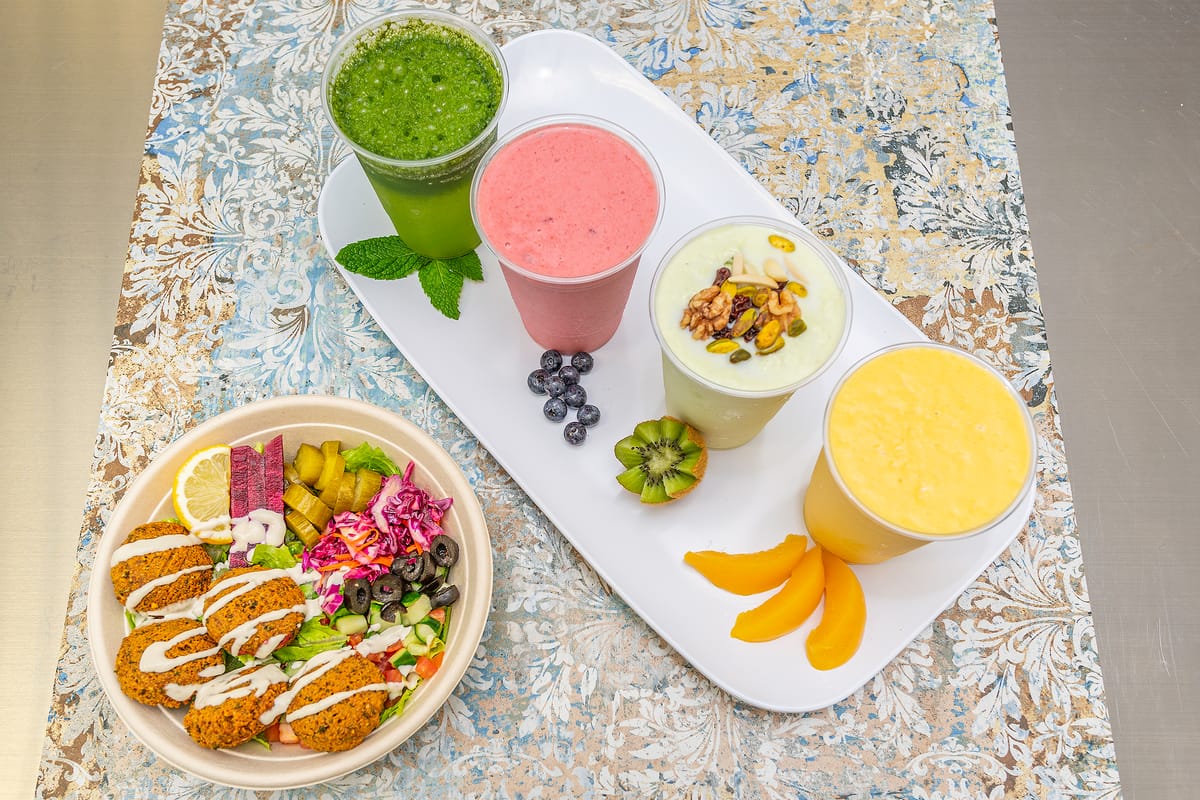
Build Your Gut-Friendly Meal
Five steps to maximize microbiome support from a single Taza order.
How Do You Build a Gut-Friendly Meal at Taza?
Follow these five steps to create a meal that delivers fiber, probiotics, prebiotics, and polyphenols.
Start with a Fiber-Rich Base
Choose a falafel bowl or falafel pita. Chickpea-based falafel provides 12 grams of prebiotic fiber per serving. If you prefer a bowl, the rice base adds resistant starch that feeds your lower-intestinal bacteria. The greens base adds raw vegetable fiber for your upper intestine.
Add a Fermented Side
Order labneh as a side. This strained yogurt delivers live probiotic cultures that colonize your gut alongside the prebiotics from your main dish. The combination of probiotics and prebiotics in a single meal creates what nutritionists call a synbiotic effect -- the bacteria and their food arriving together.
Load Up on Vegetables
Ask for extra lettuce, tomatoes, cucumbers, and pickled turnips. Each vegetable type feeds different bacterial strains. Diversity of plant intake is the single strongest predictor of microbiome diversity. Aim for five or more different vegetables in your order. At Taza, the standard toppings selection makes this easy.
Include Prebiotic Sauces
Add toum (garlic sauce) and hummus to your order. Toum delivers raw garlic FOS directly to your gut bacteria. Hummus adds another layer of chickpea fiber and tahini lignans. Both sauces are made fresh daily at Taza, preserving the prebiotic compounds that break down in shelf-stable commercial products.
Pair with Tabbouleh or Fattoush
Add a side salad. Tabbouleh brings bulgur wheat (resistant starch) and parsley (apigenin). Fattoush brings sumac (gallic acid) and raw vegetables. Both salads increase the total fiber and polyphenol content of your meal, giving your gut bacteria a wider range of substrates to ferment.
Sample Gut-Health Order
This single meal delivers approximately 30g of fiber, live probiotic cultures from two fermented sources, prebiotics from three different compounds, and polyphenols from olive oil, sumac, and fresh herbs.
Gut-Friendly Menu Items at Taza
Every item below delivers measurable benefits to your microbiome.
What Does the Research Say About Mediterranean Food and Gut Health?
Key findings from peer-reviewed studies connecting Mediterranean eating patterns to microbiome improvements.
The NU-AGE study, published in Gut in 2020, is the largest and most rigorous investigation of the Mediterranean diet's effect on the gut microbiome to date. Researchers enrolled 612 participants aged 65 to 79 across five European countries and randomized them to either a Mediterranean diet or their usual diet for 12 months. The Mediterranean group showed increased abundance of Faecalibacterium prausnitzii, a bacterium that produces butyrate and is consistently depleted in people with inflammatory bowel disease. They also showed increased Roseburia, a genus linked to improved insulin sensitivity, and decreased Ruminococcus torques, a species associated with intestinal permeability. These changes correlated with reduced markers of systemic inflammation and improved cognitive function.
The Stanford study on fermented foods, published in Cell in 2021, adds another dimension. Researchers found that participants eating six servings of fermented foods per day for 10 weeks had significantly increased microbiome diversity and decreased inflammatory markers compared to a high-fiber control group. The fermented-food group showed reductions in 19 inflammatory proteins. The researchers noted that the benefit was additive: participants who ate both fermented foods and high-fiber foods saw the greatest improvements. This is precisely what a meal at Taza delivers -- fermented labneh and pickles alongside high-fiber falafel and vegetables.
Research on specific Mediterranean ingredients reinforces these population-level findings. A 2019 study in Nutrients demonstrated that olive oil polyphenols increased Bifidobacterium populations by 12 percent in just three weeks. A 2018 study in the Journal of Functional Foods found that chickpea consumption increased Lactobacillus and reduced pathogenic Clostridium counts. A 2020 study in Food Chemistry showed that raw garlic prebiotics (fructooligosaccharides) were more effective at stimulating Bifidobacterium growth than commercial prebiotic supplements. These are not obscure superfoods. They are garlic, chickpeas, and olive oil -- ingredients in every single dish at Taza.
The practical implication is clear. You do not need probiotic supplements, prebiotic powders, or specialized gut-health products. You need food that delivers fiber, live bacteria, and polyphenols in their natural form. Mediterranean cuisine, built around chickpeas, olive oil, fermented dairy, garlic, and fresh vegetables, is the most effective dietary pattern for gut health ever studied. And it happens to taste far better than any supplement. Learn more about the broader health picture in our health benefits guide, or explore how these same foods reduce chronic inflammation and support blood sugar control.
Mediterranean Food & Gut Health: Frequently Asked Questions
Yes. A 2020 study published in the journal Gut followed 612 participants across five European countries and found that 12 months on a Mediterranean diet significantly increased microbiome diversity and beneficial bacteria associated with reduced inflammation. The key factors are high fiber intake from legumes and vegetables, fermented foods like labneh and pickles, prebiotic compounds from garlic and onions, and polyphenols from olive oil and herbs. These are all standard components of every meal at Taza Shawarma & Falafel in Falls Church, VA.
The best foods for gut bacteria are high-fiber legumes (chickpeas, lentils), fermented dairy (labneh, yogurt), prebiotic vegetables (garlic, onions, leeks), and polyphenol-rich foods (olive oil, sumac, herbs). Chickpeas are particularly powerful because they contain both raffinose, a prebiotic sugar, and resistant starch, which feed different bacterial populations in your large intestine. At Taza, our falafel and hummus are both chickpea-based, delivering these gut-feeding compounds in concentrated form.
Yes. Labneh is strained yogurt, and like yogurt, it contains live cultures of Lactobacillus bulgaricus and Streptococcus thermophilus. The straining process concentrates these bacteria while removing most of the whey and lactose. Some studies show that strained yogurt products like labneh contain higher concentrations of live bacteria per gram than regular yogurt. Taza serves labneh as a side dish drizzled with olive oil, which provides additional polyphenols that support the bacteria once they reach your gut.
Falafel is excellent for gut health. It is made from ground chickpeas, which contain approximately 12 grams of fiber per cup, including both soluble fiber that feeds Bifidobacteria and insoluble fiber that adds bulk and promotes regular bowel movements. Chickpeas also contain raffinose and resistant starch, prebiotic compounds that beneficial bacteria ferment into butyrate, a short-chain fatty acid that nourishes the cells lining your colon. At Taza, falafel is made fresh daily from raw chickpeas, preserving maximum fiber and nutrient content.
Artificial emulsifiers (carboxymethylcellulose, polysorbate-80) found in processed foods erode the protective mucus layer of the intestine, allowing bacteria to contact the gut wall and trigger inflammation. Artificial sweeteners like sucralose alter the composition of the microbiome within days. Excess refined sugar feeds harmful bacteria and yeast at the expense of beneficial strains. Processed meats contain nitrates that damage gut lining cells. Taza uses none of these ingredients -- all sauces, proteins, and sides are made from whole foods without artificial additives.
The American Gut Project, the largest microbiome study ever conducted, found that people who eat 30 or more different plant types per week have significantly more diverse gut microbiomes than those who eat 10 or fewer. The USDA recommends 25 to 38 grams of dietary fiber per day, but most Americans consume only 15 grams. A single meal at Taza that includes falafel (12g fiber), hummus (6g), tabbouleh (8g), and vegetable toppings (4g) delivers 30 grams of fiber, meeting the daily recommended intake in one sitting.
Research shows that a single high-fiber meal can increase beneficial bacterial activity within hours. A 2021 study from Stanford University found that participants who ate fermented foods daily for 10 weeks significantly increased their microbiome diversity. While lasting change requires consistent eating habits, every Mediterranean meal contributes. Ordering a falafel bowl with labneh, toum, and extra vegetables at Taza gives your gut prebiotics, probiotics, fiber, and polyphenols in one sitting.
Yes. Hummus is made from chickpeas, tahini, garlic, lemon juice, and olive oil. Chickpeas contain raffinose and resistant starch, both of which are prebiotic fibers that beneficial gut bacteria ferment into short-chain fatty acids. Garlic adds fructooligosaccharides (FOS), another prebiotic compound. Tahini contributes sesame lignans that support microbial diversity. A single serving of hummus at Taza ($4.95) delivers prebiotics from three different sources, making it one of the most gut-friendly foods you can eat.
Get Gut-Healthy Mediterranean Food in Falls Church
Fresh falafel, labneh, toum, and fermented pickles prepared daily at our Seminary Road location.
Address
5820 Seminary Rd Ste O, Falls Church, VA 22041
Hours
11:00 AM - 12:00 AM -- Open 7 Days a Week
Phone
Continue Learning About Mediterranean Nutrition
Your Microbiome Deserves Mediterranean Food
Fiber, probiotics, prebiotics, and polyphenols in every meal. Order from Taza and give your gut bacteria what they actually need.