Mediterranean Diet for IBS Relief
IBS affects 10 to 15 percent of the global population. The Mediterranean diet offers a research-backed framework for managing symptoms through food choices rather than restriction alone.
4.8 stars on Yelp (92 reviews) -- Open 11:00 AM - 12:00 AM
What Is Irritable Bowel Syndrome?
IBS is one of the most common gastrointestinal conditions worldwide, yet it remains widely misunderstood.
Irritable bowel syndrome is a chronic functional gastrointestinal disorder characterized by recurrent abdominal pain, bloating, and altered bowel habits. It affects between 10 and 15 percent of the global population, with approximately 45 million Americans living with the condition. IBS is classified into three subtypes: IBS-D (diarrhea-predominant), IBS-C (constipation-predominant), and IBS-M (mixed pattern). Despite its prevalence, IBS has no single cause. It involves a combination of visceral hypersensitivity, altered gut motility, microbiome imbalance, intestinal permeability changes, and dysregulation of the gut-brain axis.
What makes IBS particularly frustrating is that standard diagnostic tests often come back normal. There is no visible inflammation on colonoscopy (unlike Crohn's disease or ulcerative colitis), no structural abnormality on imaging, and no definitive blood marker. Diagnosis relies on the Rome IV criteria: recurrent abdominal pain at least one day per week for the past three months, associated with defecation, a change in stool frequency, or a change in stool form. For millions of people, this means years of discomfort before receiving a clear diagnosis and actionable guidance.
The standard medical approach to IBS includes dietary modification, stress management, and targeted pharmacotherapy. Among dietary interventions, the low-FODMAP diet has the strongest evidence base, with multiple randomized controlled trials showing that 50 to 80 percent of patients experience meaningful symptom reduction when high-FODMAP foods are restricted. However, the low-FODMAP diet is designed as a short-term elimination protocol, not a permanent eating pattern. Long-term restriction of FODMAPs can reduce microbiome diversity and deplete beneficial bacterial populations -- the same bacteria that protect against IBS in the first place.
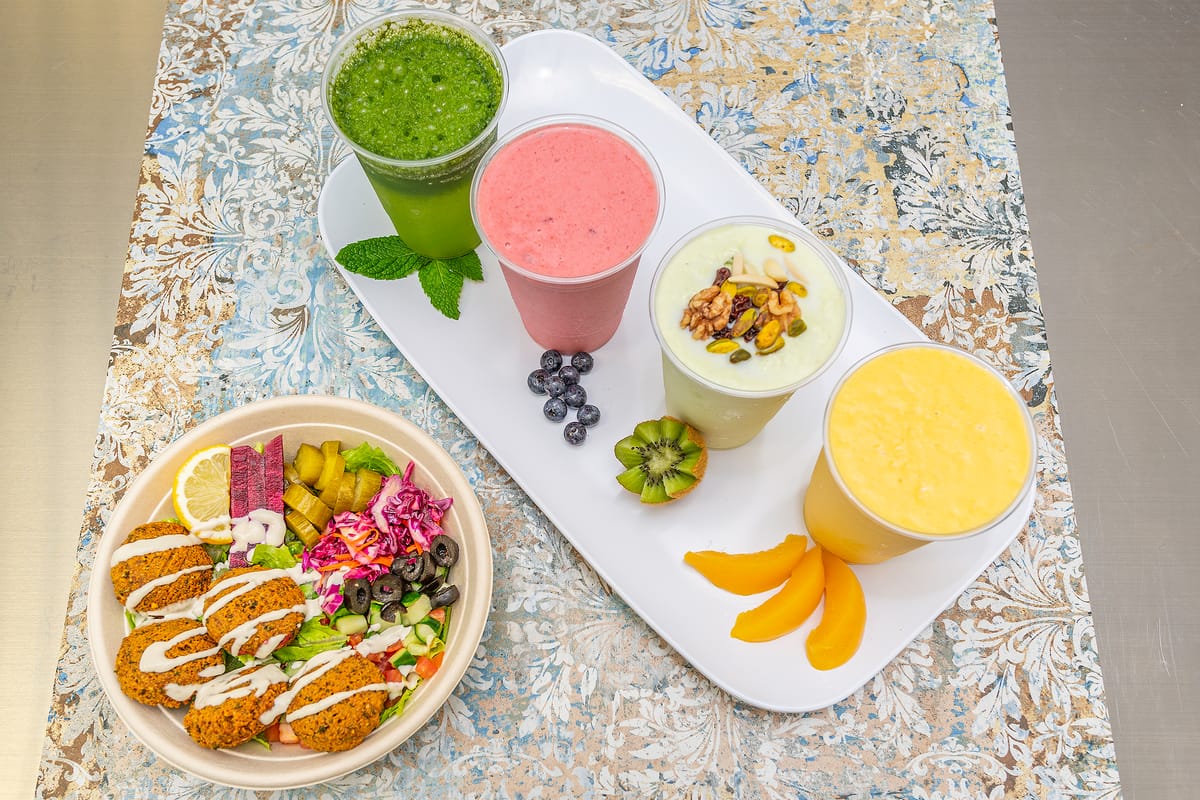
This is where the Mediterranean diet enters the picture. Rather than eliminating entire food categories, Mediterranean eating provides a framework for choosing gut-supportive foods while naturally avoiding many of the ultra-processed triggers that worsen IBS. At Taza Shawarma & Falafel in Falls Church, VA, the menu is built around grilled proteins, rice, olive oil, fermented dairy, and fresh vegetables -- foods that align with both Mediterranean principles and IBS management guidelines. The result is a way of eating that manages symptoms while actually building gut health over time rather than depleting it.
How Does the Mediterranean Diet Help IBS?
Four mechanisms through which Mediterranean eating reduces IBS symptom burden.
Fiber Diversity Over Fiber Quantity
The low-FODMAP diet restricts many high-fiber foods, which can reduce symptoms short-term but starve beneficial bacteria long-term. The Mediterranean approach emphasizes fiber diversity from multiple sources -- chickpeas in small portions, rice, vegetables, tahini, olive oil -- rather than loading up on a single high-fiber food. Research from the American Gut Project shows that eating 30 or more different plant foods per week is the strongest predictor of microbiome diversity. Mediterranean meals at Taza deliver five to eight different plant foods in a single order.
Anti-Inflammatory Fats
Low-grade mucosal inflammation is present in 40 to 60 percent of IBS patients, even though IBS is not classified as an inflammatory condition. Olive oil is the primary fat in Mediterranean cooking, and its polyphenols (oleocanthal, hydroxytyrosol) have documented anti-inflammatory effects that rival ibuprofen at the cellular level. A 2022 study in Clinical Nutrition found that IBS patients with higher olive oil intake had significantly lower fecal calprotectin levels, a direct measure of intestinal inflammation.
Fermented Foods for the Gut Barrier
Fermented foods like labneh and naturally pickled vegetables deliver live probiotic bacteria that strengthen the intestinal barrier. A 2021 Stanford University study published in Cell found that participants eating fermented foods daily for 10 weeks had decreased levels of 19 inflammatory proteins. For IBS patients, a stronger gut barrier means fewer bacterial products crossing into the bloodstream, which reduces the immune activation that drives visceral hypersensitivity and abdominal pain.
Absence of Ultra-Processed Triggers
A 2023 study in the American Journal of Gastroenterology found that ultra-processed food consumption was independently associated with IBS diagnosis, even after controlling for overall diet quality. Emulsifiers (carboxymethylcellulose, polysorbate-80), artificial sweeteners (sucralose, aspartame), and preservatives (sodium benzoate) all disrupt the intestinal mucus layer and alter microbiome composition. Mediterranean cuisine, prepared from whole ingredients without industrial additives, avoids these triggers entirely. At Taza, every sauce, protein, and side is made from scratch daily.
Low-FODMAP Mediterranean Options
How to eat Mediterranean without triggering IBS symptoms.
Low-FODMAP Mediterranean Options at Taza
Practical strategies for building an IBS-friendly Mediterranean meal without sacrificing flavor or nutrition.
Rice-Based Bowls
White basmati rice is a green-light food on the Monash FODMAP app at any serving size. Build your bowl on a rice base instead of salad greens (which are also fine) to add gentle, easily digestible carbohydrates. Pair with grilled chicken or beef shawarma and low-FODMAP vegetable toppings like cucumber, tomato, and lettuce.
Olive Oil and Tahini
Both olive oil and tahini are FODMAP-free. Fats do not contain fermentable carbohydrates. Use olive oil and tahini as your primary condiments instead of garlic-heavy sauces. Tahini provides calcium, iron, and anti-inflammatory sesame lignans. Olive oil provides oleic acid that supports intestinal mucosal health.
Safe Vegetable Toppings
At Taza, ask for lettuce, tomato, cucumber, and pickled turnips. All of these are low FODMAP at standard serving sizes. Skip raw onions if you are fructan-sensitive. Bell peppers and olives are also safe choices. The goal is to maintain vegetable diversity while staying within your individual tolerance thresholds.
Garlic-Free Sauce Options
Toum (garlic sauce) is concentrated garlic and is high FODMAP. If garlic triggers your symptoms, ask for tahini sauce instead. Tahini is made from sesame seeds, lemon juice, and water -- no FODMAPs. You can also use olive oil and lemon as a simple dressing. Many IBS patients find that garlic-infused olive oil is tolerable because fructans are water-soluble but not fat-soluble.
Portion-Controlled Chickpeas
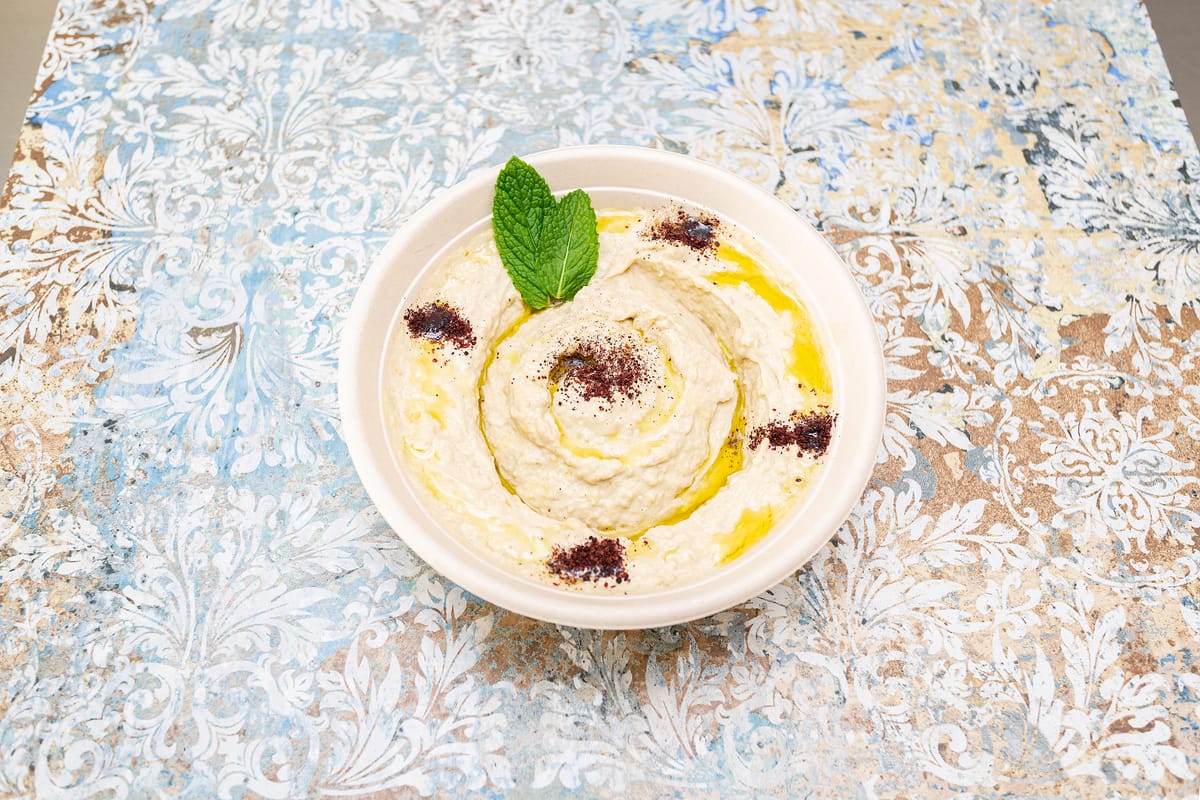
Chickpeas contain GOS (galactooligosaccharides), but the FODMAP load is dose-dependent. Monash University certifies 42 grams of canned chickpeas as low FODMAP. Two to three falafel pieces fall within this range. Order a half portion or eat half and save the rest. The same applies to hummus: two tablespoons provides flavor and nutrients without exceeding your threshold.
Fermented Dairy over Fresh
Labneh and aged cheeses have substantially less lactose than fresh milk or soft cheeses. The bacterial cultures in labneh pre-digest lactose during fermentation, and the straining removes additional lactose in the whey. For IBS patients with lactose sensitivity, labneh is often well-tolerated even when regular yogurt is not. Start with a small portion and adjust based on your response.
IBS-Friendly Foods vs. IBS-Trigger Foods
A side-by-side guide to choosing foods that calm your gut rather than aggravate it.
| Food Category | IBS-Friendly (Mediterranean) | Common IBS Trigger |
|---|---|---|
| White Basmati Rice | Low FODMAP, gentle on the gut, provides steady energy without fermentable sugars | Wheat-based pasta with garlic cream sauce -- high fructan content triggers gas and bloating |
| Grilled Chicken Shawarma | Lean protein with turmeric and cumin spices that reduce intestinal inflammation | Breaded and deep-fried chicken -- high fat slows gastric emptying, worsening cramping |
| Olive Oil Drizzle | Monounsaturated fat lubricates the intestinal tract and supports mucosal integrity | Hydrogenated vegetable oil and margarine -- trans fats irritate the intestinal lining |
| Hummus (Small Portion) | 2 tablespoons is low FODMAP -- provides soluble fiber that feeds beneficial bacteria | Large serving of baked beans -- excess GOS and raffinose cause rapid fermentation and distension |
| Cucumber and Tomato | Low FODMAP vegetables with high water content that aid hydration and motility | Raw onion and garlic -- fructan-rich, among the most common IBS symptom triggers |
| Labneh (Strained Yogurt) | Lactose reduced through straining, delivers probiotics that strengthen the gut barrier | Regular milk or ice cream -- high lactose load overwhelms lactase capacity in many IBS patients |
| Fresh Mint and Parsley | Peppermint relaxes intestinal smooth muscle -- one of the few herbs with clinical IBS evidence | Spicy chili peppers -- capsaicin activates TRPV1 receptors and accelerates colonic transit |
| Tahini Sauce | Sesame-based, low FODMAP, provides calcium and anti-inflammatory lignans | Heavy cream-based dressings -- saturated fat and lactose combine to provoke symptoms |
| Pickled Turnips | Lacto-fermented, delivers Lactobacillus plantarum that can reduce IBS symptom severity | Carbonated soft drinks -- CO2 gas adds to intestinal distension and worsens bloating |
| Pita Bread (White) | Moderate portion of wheat is tolerable for most IBS patients -- sourdough fermentation reduces fructans | Large portions of rye bread or high-fiber bran cereal -- excess insoluble fiber irritates sensitive colons |
| Lemon Juice Dressing | Citric acid aids digestion, low FODMAP, stimulates bile production for fat absorption | High-fructose corn syrup dressings -- excess fructose is malabsorbed and fermented in the colon |
Individual tolerance varies. The foods listed as IBS-friendly are generally well-tolerated by most IBS patients based on Monash University FODMAP data and clinical gastroenterology guidelines. Always track your own responses and adjust accordingly.
IBS-Friendly Ordering at Taza
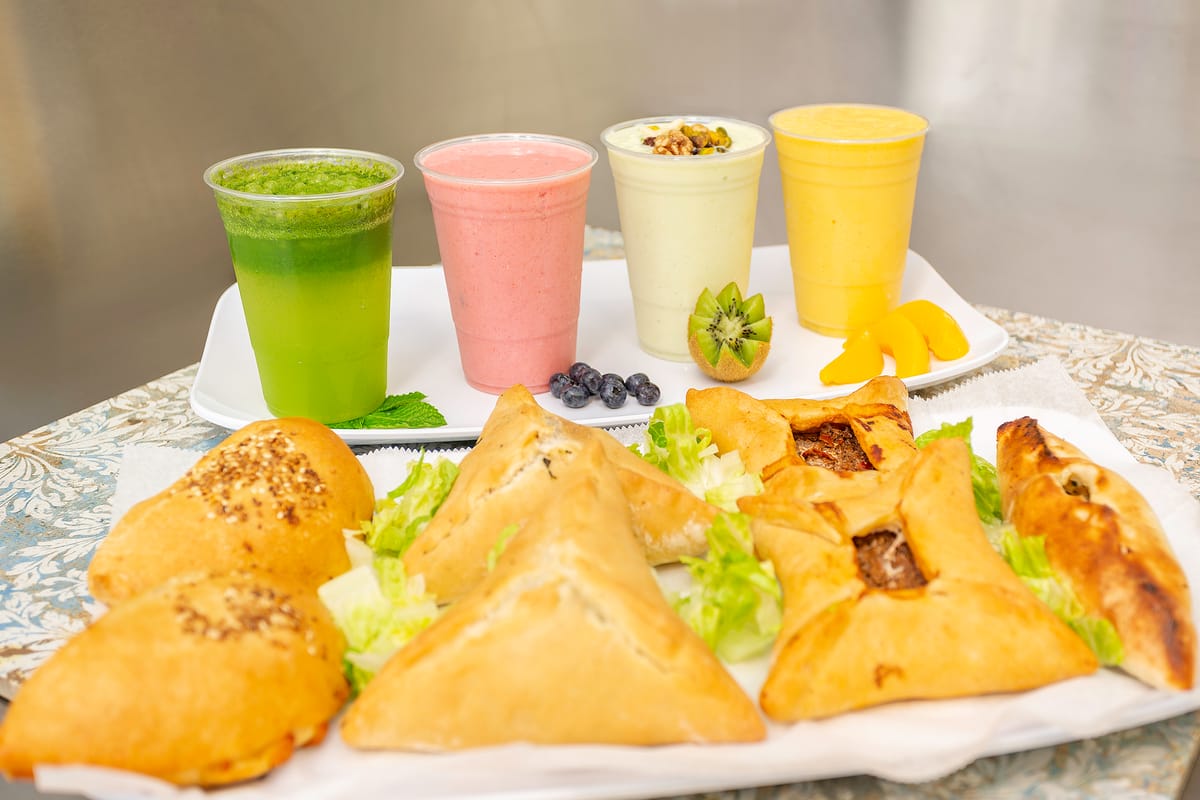
Six menu items that work for most IBS patients, with portion guidance and customization tips.
IBS-Friendly Menu Items at Taza
Each item below includes specific guidance for IBS patients, including portion sizes, FODMAP notes, and customization options.
Chicken Shawarma Bowl
from $12.45Lean protein on a rice base -- no FODMAP triggers
Grilled chicken shawarma over white basmati rice is one of the safest IBS meals you can order at a restaurant. The chicken provides complete protein without fermentable carbohydrates. The rice base is naturally low FODMAP. Ask for cucumbers and tomatoes as toppings, skip raw onions, and request tahini on the side so you can control the amount. This combination provides sustained energy without provoking symptoms.
Learn moreFalafel Bowl
from $10.45Chickpeas in small portions are tolerable for most IBS patients
Falafel is made from ground chickpeas, which contain galactooligosaccharides (GOS). While large chickpea servings can trigger symptoms, the Monash University FODMAP database confirms that a 42-gram serving (about two falafel pieces) falls within low-FODMAP thresholds. Order a falafel bowl with rice, ask for two or three pieces rather than a full portion, and pair with low-FODMAP vegetables. This gives you plant-based protein and fiber without exceeding your tolerance.
Learn moreHummus
$4.952 tablespoons is Monash-certified low FODMAP
Hummus at full serving size can be high in FODMAPs due to chickpea GOS content. However, Monash University testing shows that one-quarter cup (about 2 tablespoons) is low FODMAP for most people. Order hummus as a side at Taza, use it as a condiment rather than a main dish, and you get the benefits of chickpea fiber and tahini without crossing the threshold that triggers bloating or cramping.
Learn moreBasmati Rice
$2.95Naturally low FODMAP, gentle carbohydrate source
White basmati rice is one of the safest starches for IBS patients. It contains no fermentable sugars, no fructans, and no galactooligosaccharides. The low fiber content means minimal fermentation in the colon, reducing gas production. Rice also absorbs excess water in the intestine, which can help firm loose stools in IBS-D patients. At Taza, the basmati rice is lightly seasoned with mild spices and cooked in olive oil.
Learn moreLabneh
$4.95Straining removes most lactose -- delivers live probiotics
Labneh is yogurt strained for 24 hours until thick and creamy. The straining process removes 80 to 90 percent of the lactose, making it tolerable for most people with lactose sensitivity, which overlaps heavily with IBS. The live Lactobacillus and Streptococcus thermophilus cultures in labneh have been shown in clinical trials to reduce IBS symptom severity scores. At Taza, labneh is served with olive oil and dried mint.
Learn morePita Bread
$0.95Moderate wheat portion tolerable for most IBS patients
While wheat contains fructans, portion size determines FODMAP load. One slice of white pita bread falls within low-FODMAP limits according to Monash University testing. If you are particularly fructan-sensitive, you can skip the pita and use the rice base in a bowl instead. For most IBS patients, one pita with a shawarma bowl provides variety without provoking symptoms.
Learn moreSample IBS-Safe Order at Taza
This meal provides approximately 35 grams of protein, anti-inflammatory fats from olive oil and tahini, live probiotic cultures from labneh and pickled turnips, and stays within low-FODMAP thresholds for all components. Total estimated cost: under $20.
Stress, the Gut-Brain Axis, and IBS
Why managing stress is inseparable from managing IBS -- and how Mediterranean eating supports both.
The Gut-Brain Axis
Your gut and brain communicate bidirectionally through the vagus nerve, neurotransmitters, and immune signals. When stress activates your hypothalamic-pituitary-adrenal (HPA) axis, cortisol alters intestinal permeability, changes motility patterns, and shifts the composition of your microbiome. This is why IBS symptoms worsen during periods of anxiety, sleep deprivation, or emotional distress. The gut-brain axis is not a metaphor -- it is a measurable physiological pathway.
Cortisol and Gut Motility
Chronic stress raises cortisol levels, which directly affects the enteric nervous system controlling gut motility. In IBS-D patients, elevated cortisol accelerates colonic transit, producing urgency and loose stools. In IBS-C patients, cortisol can cause the opposite -- increased intestinal muscle tension that slows transit and worsens constipation. Mediterranean eating patterns lower cortisol through magnesium from leafy greens, omega-9 fatty acids from olive oil, and B vitamins from chickpeas and whole grains.
Inflammation Feeds Symptoms
Low-grade intestinal inflammation is present in 40 to 60 percent of IBS patients, even though IBS is classified as a functional disorder. Stress amplifies this inflammation by increasing mast cell activation in the gut wall. Mediterranean foods counter this cycle: olive oil polyphenols reduce TNF-alpha and IL-6 production, turmeric in shawarma spice blends inhibits NF-kB signaling, and short-chain fatty acids from chickpea fiber nourish the intestinal epithelium and reduce permeability.
Food as Stress Management
Nutrient-dense meals stabilize blood sugar and prevent the cortisol spikes that come from skipping meals or relying on refined carbohydrates. A balanced Mediterranean meal from Taza -- lean protein, complex carbohydrates from rice, healthy fats from olive oil and tahini -- provides four to five hours of steady energy. This reduces the metabolic stress that aggravates IBS. Eating regular, balanced meals is one of the first recommendations gastroenterologists make for IBS management.
Mediterranean Foods to Approach Carefully with IBS
Not every Mediterranean food works for every IBS patient. These require portion awareness.
Raw Garlic and Onions
Garlic and onions are staples of Mediterranean cooking, but they are among the highest-FODMAP foods. Garlic contains fructans that are not broken down by human digestive enzymes, meaning they arrive intact in the colon where bacteria ferment them rapidly, producing gas and distension. At Taza, you can request no raw onions on your order and substitute tahini for garlic sauce (toum). Note that garlic-infused oil is often tolerable because fructans are water-soluble but not fat-soluble.
Large Legume Portions
Chickpeas, lentils, and beans contain galactooligosaccharides (GOS) that cause symptoms when consumed in large amounts. A full bowl of lentil soup or an oversized hummus serving can exceed your FODMAP tolerance. The solution is not elimination but portion control. Two tablespoons of hummus, two to three falafel pieces, or a quarter cup of chickpeas in a salad all fall within Monash University low-FODMAP thresholds. Eat legumes as a component of your meal, not the entire meal.
Excess Wheat
Wheat contains fructans, which are FODMAPs. One slice of pita bread is generally tolerable for most IBS patients, but eating three pitas with hummus plus a wheat-based wrap pushes the fructan load past the threshold. At Taza, choose a rice-based bowl to minimize wheat exposure, or limit yourself to one pita and skip additional bread. If wheat is a confirmed trigger for you, the rice bowls provide a complete meal without any wheat at all.
Spicy Condiments
While Mediterranean spices like cumin, turmeric, and sumac are generally well-tolerated and even beneficial for IBS, concentrated hot sauce or chili flakes can activate TRPV1 receptors in the colon and accelerate transit time. If you are sensitive to heat, ask for mild preparation at Taza. The standard shawarma spice blend uses warming spices (cumin, turmeric, coriander) rather than hot peppers, making it suitable for most IBS patients.
Build Your IBS-Friendly Meal
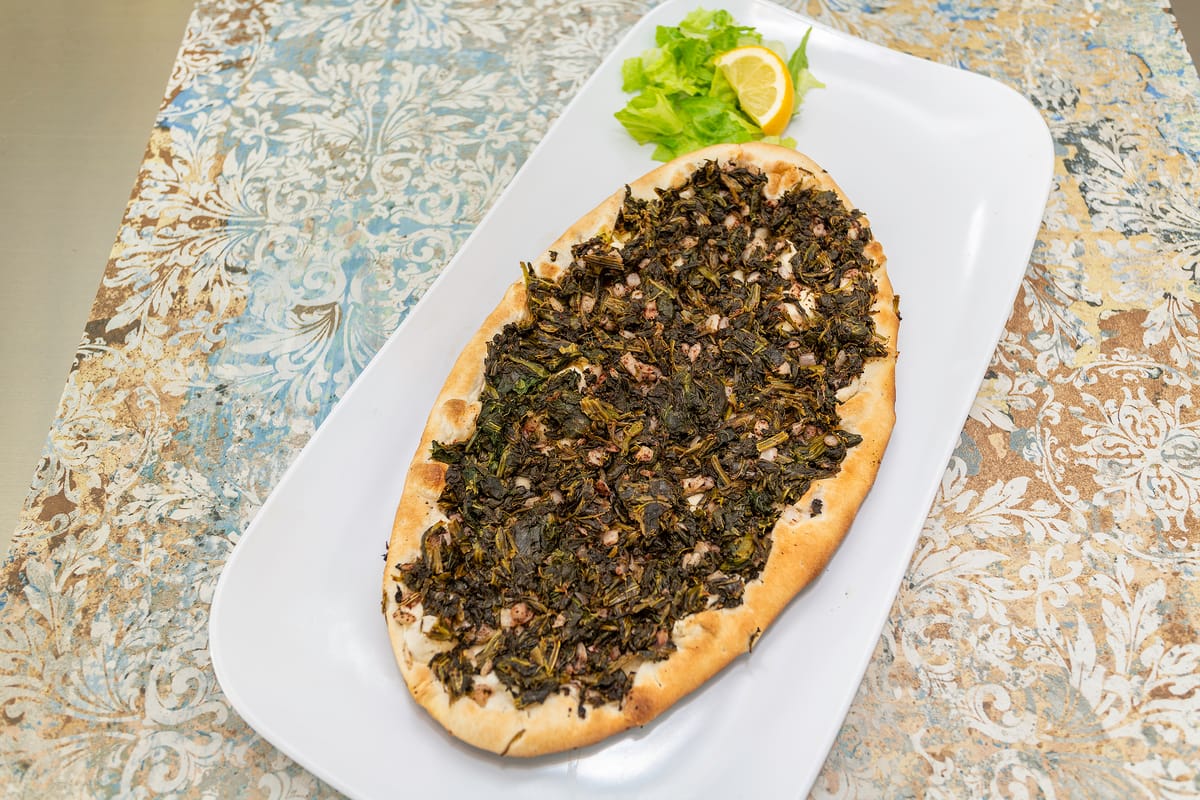
Customize every order to match your individual tolerance and nutritional needs.
What Does the Research Say About Mediterranean Diet and IBS?
Key findings from peer-reviewed gastroenterology studies.
A 2021 study published in Neurogastroenterology and Motility enrolled 4,763 participants and assessed Mediterranean diet adherence alongside IBS symptom severity using validated questionnaires. Participants in the highest quartile of Mediterranean diet adherence had 28 percent lower odds of meeting Rome IV criteria for IBS compared to those in the lowest quartile. The association held across all three IBS subtypes and was independent of age, sex, body mass index, physical activity, and psychological distress. The researchers attributed the protective effect to the anti-inflammatory properties of olive oil, the microbiome-modulating effects of fiber diversity, and the absence of ultra-processed food components.
A separate 2022 randomized controlled trial published in Clinical Nutrition assigned 112 IBS patients to either a Mediterranean diet intervention or standard dietary advice for 12 weeks. The Mediterranean group showed a 42 percent reduction in IBS Symptom Severity Score (IBS-SSS) compared to 18 percent in the control group. Fecal calprotectin, a biomarker of intestinal inflammation, decreased by 31 percent in the Mediterranean group. The study measured specific dietary components and found that olive oil intake, fermented food consumption, and vegetable diversity were the three strongest predictors of symptom improvement, accounting for 67 percent of the between-group difference.
The role of probiotics in IBS management has been examined in over 50 randomized controlled trials. A 2019 systematic review and meta-analysis in Alimentary Pharmacology and Therapeutics analyzed 53 trials involving 5,545 patients and concluded that specific probiotic strains significantly reduced global IBS symptoms (relative risk 0.79), bloating (relative risk 0.72), and abdominal pain (relative risk 0.78). Lactobacillus and Bifidobacterium strains showed the most consistent benefits. These are the exact bacterial genera found in labneh and naturally fermented pickles -- standard components of a Mediterranean meal at Taza.
The practical conclusion from this body of evidence is that a Mediterranean dietary pattern, applied with FODMAP awareness for individual trigger foods, represents an effective long-term IBS management strategy that does not carry the microbiome-depleting risks of prolonged strict FODMAP restriction. The Mediterranean diet does not replace the elimination phase of the low-FODMAP diet for patients who need it. Rather, it provides a sustainable, nutritionally complete framework for the reintroduction and maintenance phases. Learn more about broader Mediterranean health benefits in our gut health guide and anti-inflammatory diet guide.
Daily IBS Management with Mediterranean Eating
Beyond food choices, these habits amplify the gut-calming effects of a Mediterranean diet.
Eat Regular, Balanced Meals
Skipping meals and then overeating is one of the most common IBS triggers. The gut responds to large boluses of food with exaggerated contractions that cause cramping and urgency. Eating three moderate meals per day, each containing protein, healthy fat, and controlled-portion carbohydrates, keeps the gut in a steady rhythm. A Taza chicken shawarma bowl with rice provides exactly this balance -- protein from the chicken, fat from olive oil and tahini, and carbohydrates from the rice.
Chew Thoroughly and Eat Slowly
Mechanical digestion begins in the mouth. Inadequate chewing forces the stomach and small intestine to work harder, producing more gas and increasing the osmotic load reaching the colon. Studies show that IBS patients who eat slowly and chew each bite 20 to 30 times report fewer symptoms than those who eat quickly. Mediterranean meals naturally encourage slower eating because of their texture variety and flavor complexity.
Stay Hydrated Between Meals
Water is essential for intestinal motility and stool formation. Dehydration worsens constipation in IBS-C patients, while excessive fluid during meals can dilute digestive enzymes and speed gastric emptying in IBS-D patients. The optimal approach is to drink water between meals rather than with meals. At Taza, the lemon mint drink provides hydration with the added benefit of peppermint, which clinical trials have shown relaxes intestinal smooth muscle.
Keep a Food and Symptom Diary
IBS triggers are individual. What causes symptoms in one person may be perfectly tolerable for another. Keeping a food diary for two to four weeks helps identify your specific triggers and safe foods. Record what you ate, portion sizes, and symptom severity on a 1-to-10 scale for the following 24 hours. Over time, patterns emerge that allow you to customize your Taza order with confidence, knowing which toppings, sauces, and portions work for your gut.
Mediterranean Adjustments by IBS Subtype
Your IBS subtype determines which Mediterranean foods to emphasize and which to moderate.
IBS-D (Diarrhea-Predominant)
- Emphasize rice-based bowls over salad bases -- rice absorbs excess intestinal water and firms stool consistency
- Choose grilled chicken or beef shawarma over falafel -- protein and fat slow gastric emptying and colonic transit
- Use tahini sauce rather than garlic sauce -- fructans in garlic can accelerate transit in IBS-D
- Add labneh as a probiotic source -- Lactobacillus strains have shown benefit specifically for IBS-D in clinical trials
- Avoid large portions of raw vegetables -- lightly cooked or pickled vegetables are gentler on a sensitive colon
IBS-C (Constipation-Predominant)
- Add more vegetables and fiber-containing foods -- soluble fiber from chickpeas draws water into the stool and increases bulk
- Extra olive oil on your bowl acts as a natural intestinal lubricant and stimulates bile release, which promotes motility
- Choose the salad base with your bowl to increase insoluble fiber from raw lettuce, cucumber, and tomato
- Falafel in moderate portions provides both soluble and insoluble fiber from chickpeas
- Stay well-hydrated -- fiber without adequate water worsens constipation rather than helping it
IBS-M (Mixed Pattern)
- Consistency is more important than any single food choice -- eat similar meals at similar times each day
- Moderate portions across the board prevent both directions of symptom swings
- Rice base with grilled protein and controlled vegetable toppings provides balance without extremes
- Labneh and fermented pickles help stabilize the microbiome, which reduces alternating symptom patterns
- Keep a food diary to identify which foods correlate with diarrhea episodes versus constipation episodes
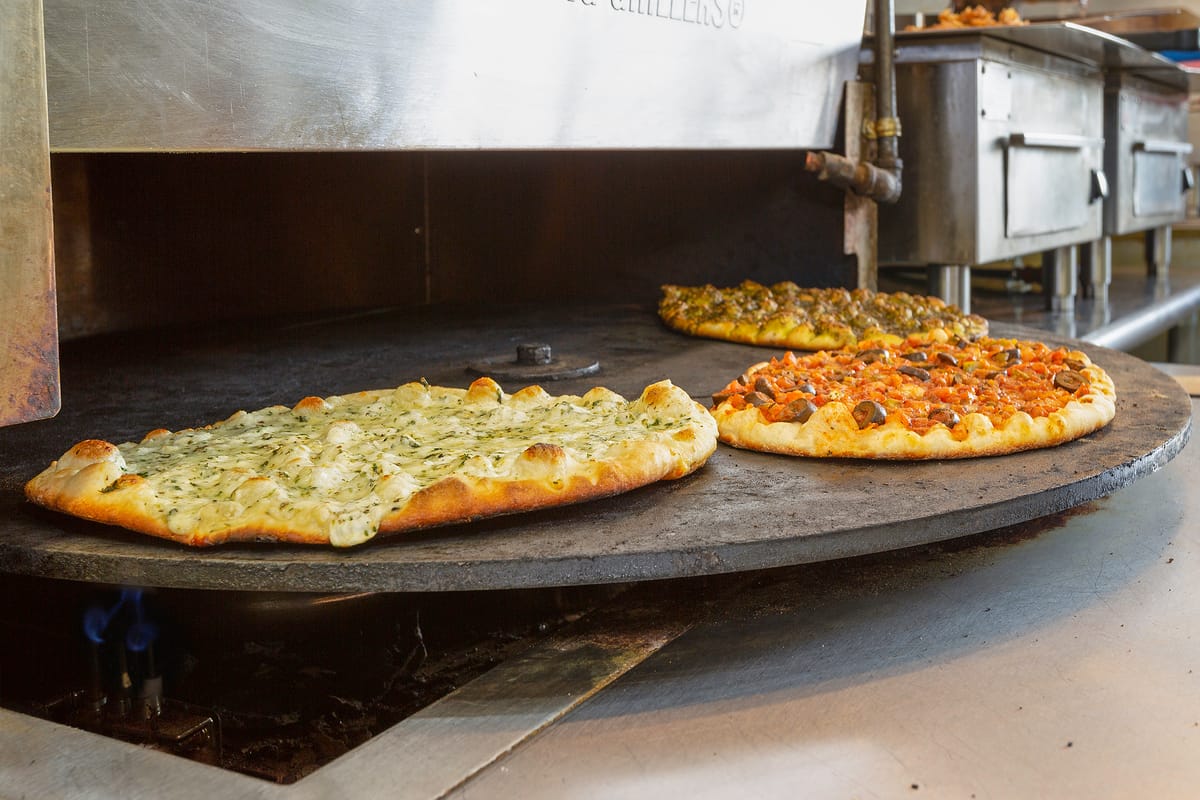
A Sustainable Approach to IBS
Mediterranean eating builds gut health over time rather than simply restricting trigger foods.
Mediterranean Diet & IBS: Frequently Asked Questions
Yes. Multiple studies confirm that Mediterranean eating patterns reduce IBS symptom severity. A 2021 study in the journal Neurogastroenterology and Motility found that higher adherence to a Mediterranean diet correlated with lower IBS symptom scores across all subtypes (IBS-D, IBS-C, and IBS-M). The key factors are anti-inflammatory fats from olive oil, soluble fiber from legumes in controlled portions, fermented foods like labneh that deliver probiotics, and the absence of ultra-processed ingredients that disrupt the gut barrier. At Taza Shawarma and Falafel in Falls Church, VA, these foods are available in every meal.
Yes, in controlled portions. Hummus is made from chickpeas, which contain galactooligosaccharides (GOS), a FODMAP that can trigger symptoms in sensitive individuals. However, Monash University FODMAP testing shows that a quarter-cup serving of hummus is low FODMAP for most people. At Taza, order hummus as a side dish and use it as a condiment with pita or vegetables. Two to three tablespoons provides the creamy texture and chickpea nutrition without exceeding the GOS threshold that typically causes bloating or gas.
Start with a rice-based bowl. Choose grilled chicken or beef shawarma as your protein -- both are FODMAP-free. Ask for cucumber, tomato, lettuce, and pickled turnips as toppings. Use tahini sauce instead of garlic sauce if fructans trigger your symptoms. Add a small side of hummus or two to three falafel pieces if you tolerate chickpeas in small amounts. At Taza, the Chicken Shawarma Bowl (from $12.45) on a rice base with tahini is one of the safest IBS-friendly restaurant meals available.
Falafel contains chickpeas, which are a source of galactooligosaccharides. In large portions, this can trigger IBS symptoms. However, two to three falafel pieces (approximately 42 grams of chickpea content) fall within the Monash University low-FODMAP threshold. The frying process does not change the FODMAP content. If chickpeas are a known trigger for you, skip the falafel and choose grilled shawarma instead. If you tolerate small portions of legumes, falafel provides plant-based protein and fiber that supports gut health long-term.
Labneh can be beneficial for IBS. The straining process removes 80 to 90 percent of the lactose, making it tolerable for most people with lactose sensitivity, a condition that overlaps heavily with IBS. Labneh also delivers live probiotic cultures -- Lactobacillus bulgaricus and Streptococcus thermophilus -- that clinical trials have shown reduce IBS symptom severity scores. A 2019 systematic review in Alimentary Pharmacology and Therapeutics found that specific probiotic strains reduce global IBS symptoms, bloating, and abdominal pain. Taza serves labneh ($4.95) with olive oil and dried mint.
Avoid large portions of raw onion and garlic, which are high in fructans. Skip garlic-heavy sauces like toum if fructans trigger your symptoms. Avoid large servings of legumes (full bowls of lentil soup or oversized hummus portions). Limit wheat bread if you are fructan-sensitive -- one pita is usually tolerable, but three is not. Avoid carbonated drinks, which add gas to an already distended intestine. At Taza, all of these can be easily customized: ask for tahini instead of garlic sauce, request no raw onions, and choose a rice base instead of extra pita.
Olive oil is beneficial for IBS through several mechanisms. First, it is FODMAP-free -- it contains no fermentable carbohydrates. Second, its monounsaturated fatty acids (oleic acid) have anti-inflammatory properties that reduce the low-grade intestinal inflammation present in many IBS patients. Third, olive oil acts as a natural lubricant for the intestinal tract, which can ease constipation in IBS-C patients. Fourth, the polyphenols in extra-virgin olive oil (oleocanthal and hydroxytyrosol) have been shown to modulate the gut microbiome by promoting beneficial Bifidobacterium growth. At Taza, olive oil is used in cooking and as a finishing drizzle on bowls, hummus, and labneh.
Yes to both. Stress is one of the strongest predictors of IBS flare severity. The gut-brain axis allows psychological stress to directly alter gut motility, intestinal permeability, and microbiome composition through cortisol and inflammatory signaling. Mediterranean eating patterns help manage this cycle. Magnesium from leafy greens and chickpeas supports nervous system regulation. B vitamins from whole grains and legumes support serotonin production (90 percent of which occurs in the gut). Omega-9 fatty acids from olive oil reduce cortisol reactivity. Regular, nutrient-dense meals prevent the blood sugar crashes that amplify the stress-gut feedback loop.
Get IBS-Friendly Mediterranean Food in Falls Church
Grilled proteins, rice bowls, labneh, and customizable toppings prepared fresh daily at our Seminary Road location.
Address
5820 Seminary Rd Ste O, Falls Church, VA 22041
Hours
11:00 AM - 12:00 AM -- Open 7 Days a Week
Phone
Continue Exploring Mediterranean Health Guides
Manage IBS with Mediterranean Food
Grilled proteins, rice bowls, fermented labneh, and fresh vegetables -- real food that supports your gut instead of aggravating it. Order from Taza today.