Mediterranean Diet for Diabetes
The American Diabetes Association endorses the Mediterranean diet for blood sugar management. Learn the science, discover the best low-glycemic foods, and order diabetes-friendly meals at Taza.
4.8 stars on Yelp (92 reviews) -- Open 11:00 AM - 12:00 AM
Why Is the Mediterranean Diet Recommended for Diabetes?
Every major diabetes organization now endorses this eating pattern. Here is the research behind the recommendation.
Type 2 diabetes affects over 37 million Americans and is the seventh leading cause of death in the United States. For decades, dietary advice for diabetics focused narrowly on carbohydrate counting and calorie restriction. But a growing body of randomized controlled trials and large-scale cohort studies has shifted the conversation toward overall dietary patterns -- and the Mediterranean diet consistently outperforms every other approach tested.
In 2019, the American Diabetes Association formally recognized the Mediterranean diet in its Standards of Medical Care in Diabetes as an eating pattern that can "improve glycemic control and reduce cardiovascular risk factors in individuals with Type 2 diabetes." This endorsement was based on decades of accumulated evidence, including the landmark PREDIMED trial (7,447 participants), which found that Mediterranean eating supplemented with extra-virgin olive oil reduced new Type 2 diabetes diagnoses by 40 percent -- without any calorie restriction.
The Mediterranean diet works through multiple overlapping mechanisms that address the root causes of insulin resistance and hyperglycemia simultaneously: monounsaturated fats from olive oil improve insulin receptor sensitivity; fiber from legumes and vegetables slows glucose absorption; polyphenols from olive oil, sumac, and zaatar activate cellular energy pathways that mirror the action of diabetes medications; and magnesium from tahini and leafy greens supports the enzymatic machinery required for insulin signaling. No single food or supplement can address all of these pathways -- but the Mediterranean dietary pattern does.
Levantine cuisine -- the culinary tradition of Lebanon, Syria, Jordan, and the surrounding eastern Mediterranean -- represents one of the oldest and most authentic expressions of this dietary pattern. The staple ingredients served at Taza Shawarma & Falafel in Falls Church, VA -- chickpeas, olive oil, tahini, garlic, fresh vegetables, and lean proteins -- are the same foods that clinical trials have consistently identified as the most protective against diabetes and its complications.
Medical Disclaimer: The information on this page is for educational purposes only and does not constitute medical advice, diagnosis, or treatment. Diabetes management requires individualized guidance from a qualified healthcare provider. Never discontinue or modify prescribed medications based on dietary information alone. Research citations are summarized for general audiences; consult the original studies for full methodology and limitations.
How the Mediterranean Diet Affects Blood Sugar
Three core mechanisms work together to keep glucose levels stable throughout the day.
Fiber Slows Absorption
The soluble fiber in chickpeas, vegetables, and whole grains forms a gel-like matrix in the small intestine that physically slows the rate at which glucose molecules cross the intestinal wall. This converts what would be a sharp glucose spike into a gradual, manageable rise. A single serving of hummus provides approximately 4 grams of fiber -- enough to measurably flatten the glucose curve of an entire meal.
Healthy Fats Improve Insulin
Monounsaturated fats from olive oil and tahini improve insulin sensitivity at the cellular level. Oleic acid integrates into cell membrane phospholipids, making insulin receptors more responsive to signaling. The PREDIMED trial demonstrated that 4+ tablespoons of olive oil daily reduced insulin resistance markers within months, even without weight loss or exercise changes.
Low Glycemic Load
The Mediterranean diet centers on foods that produce gradual glucose responses: chickpeas (GI 28), lentils (GI 29), most vegetables (GI below 15), and lean proteins (no glycemic impact). By building meals around these foundations rather than refined grains, the overall glycemic load of each meal remains low -- reducing the total insulin demand on the pancreas over time.
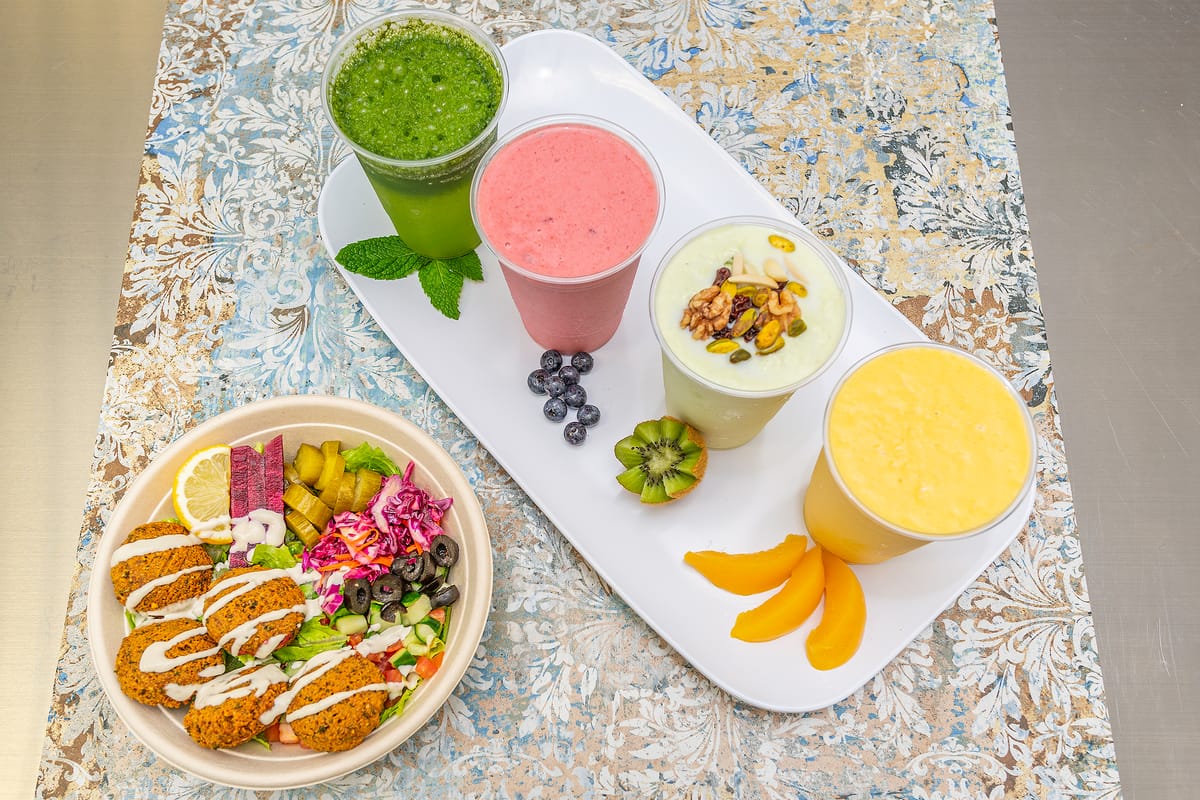
These three mechanisms operate simultaneously in every Mediterranean meal. When you eat a falafel bowl at Taza with tahini, olive oil, and fresh vegetables, the chickpea fiber is slowing glucose absorption while the olive oil is improving your cells' insulin response and the overall glycemic load of the meal remains low. This multi-pathway approach is why the Mediterranean diet produces HbA1c reductions comparable to some pharmaceutical interventions -- it addresses insulin resistance, glucose absorption rate, and total glycemic load at the same time.
A 2015 study published in Annals of Internal Medicine from Weill Cornell Medical College added another practical insight: the order in which you eat foods within a meal matters significantly. Eating protein and fat (like hummus or labneh) before carbohydrates (like rice or pita) reduced postprandial glucose by 37 percent compared to eating the carbohydrates first. This means even simple changes to eating behavior at a Mediterranean restaurant can produce clinically meaningful glucose improvements.
Chickpeas: Glycemic Index of 28
Among the lowest-GI foods available -- the foundation of falafel and hummus at Taza.
Key Mediterranean Foods for Blood Sugar Control
Each ingredient works through specific, researched mechanisms to improve glycemic management.
Extra-Virgin Olive Oil
The Insulin Sensitizer
Olive oil is the cornerstone fat of the Mediterranean diet, and its relationship to diabetes is well documented. A 2017 meta-analysis in Diabetes Care reviewed 29 randomized controlled trials and found that diets high in monounsaturated fat from olive oil reduced fasting blood glucose by an average of 6.5 mg/dL and improved HOMA-IR (a measure of insulin resistance) compared to high-carbohydrate diets. The mechanism is two-fold: oleic acid directly improves insulin receptor sensitivity in muscle and liver cells, while polyphenols (particularly oleuropein and hydroxytyrosol) activate AMP-activated protein kinase (AMPK) -- the same pathway targeted by metformin. The PREDIMED trial confirmed that participants consuming 4+ tablespoons of extra-virgin olive oil daily had a 40 percent lower incidence of new Type 2 diabetes diagnoses compared to the control group. At Taza, olive oil is used in hummus, baba ghanouj, bowl dressings, zaatar manaeesh, and as a finishing drizzle on nearly every dish.
Chickpeas (Falafel & Hummus)
The Low-Glycemic Powerhouse
Chickpeas have a glycemic index of 28 -- among the lowest of any common food. Their combination of plant protein, soluble fiber, and resistant starch creates a uniquely slow glucose absorption profile. A 2012 study in the British Journal of Nutrition found that a single serving of chickpeas reduced postprandial blood glucose by 21 percent compared to an equivalent serving of white bread. The soluble fiber forms a viscous gel in the small intestine that physically slows the rate at which glucose molecules cross the intestinal wall into the bloodstream. Meanwhile, resistant starch in chickpeas bypasses digestion entirely, reaching the colon where gut bacteria ferment it into short-chain fatty acids (particularly butyrate) that improve hepatic insulin sensitivity. A 2014 meta-analysis in the American Journal of Clinical Nutrition found that a daily serving of legumes reduced HbA1c by 0.27 percentage points in people with Type 2 diabetes. At Taza, chickpeas form the base of both falafel and hummus.
Tahini (Sesame Paste)
The Magnesium and Lignan Source
Tahini delivers two nutrients critically important for diabetics: magnesium and sesame lignans. Magnesium is required for insulin signaling at the cellular level -- it is a cofactor for the insulin receptor tyrosine kinase, the enzyme that initiates the entire downstream cascade of glucose uptake. A 2011 meta-analysis in the Journal of Internal Medicine found that each 100mg increase in daily magnesium intake was associated with a 15 percent lower risk of developing Type 2 diabetes. Two tablespoons of tahini provide approximately 50mg of magnesium. Separately, sesame lignans (sesamin and sesamolin) have been shown to reduce blood glucose in animal models by enhancing hepatic glycogen synthesis and inhibiting gluconeogenesis. A 2017 study in the European Journal of Clinical Nutrition found that 40 grams of sesame daily for 60 days reduced fasting blood glucose by 8 percent in adults with metabolic syndrome. Tahini appears throughout the Taza menu: in hummus, baba ghanouj, as a sauce on falafel, and as a drizzle on bowls.
Garlic (Toum Sauce)
The Glucose-Lowering Allium
Garlic's glucose-lowering properties are among the most extensively studied in the allium family. Allicin, the organosulfur compound released when garlic is crushed, increases insulin secretion from pancreatic beta cells and enhances insulin sensitivity in peripheral tissues. A 2020 systematic review in Food and Chemical Toxicology analyzed 33 clinical trials and concluded that garlic supplementation reduced fasting blood glucose by an average of 10 mg/dL and HbA1c by 0.24 percentage points. The mechanism involves allicin's ability to inhibit hepatic glucose production by suppressing the enzyme glucose-6-phosphatase, and its antioxidant effect on protecting pancreatic beta cells from oxidative damage caused by chronic hyperglycemia. Taza's toum (Lebanese garlic sauce) uses raw garlic whipped with oil, preserving allicin at higher concentrations than cooked preparations. It is served on shawarma, bowls, and pitas.
Fresh Vegetables and Leafy Greens
The Fiber and Micronutrient Foundation
Vegetables are the most consistently protective food category in diabetes research. A 2010 meta-analysis in the British Medical Journal reviewed six prospective studies involving 223,512 participants and found that each additional daily serving of green leafy vegetables reduced the risk of Type 2 diabetes by 14 percent. The mechanism is multifactorial: dietary fiber from vegetables slows gastric emptying and glucose absorption; potassium and magnesium from leafy greens support insulin sensitivity; and carotenoids and polyphenols from tomatoes, cucumbers, and peppers exert antioxidant effects that protect beta cells from the oxidative stress caused by chronically elevated glucose. Additionally, the volume of vegetables in a meal physically displaces refined carbohydrates, reducing overall glycemic load. Every bowl, pita, and wrap at Taza includes fresh lettuce, tomatoes, cucumbers, pickles, and onions -- contributing meaningful fiber and micronutrient density.
Labneh (Strained Yogurt)
The Probiotic Blood Sugar Regulator
Labneh is a concentrated source of probiotics, protein, and calcium -- all of which have independent glucose-regulating effects. A 2014 meta-analysis in BMC Medicine found that each daily serving of yogurt was associated with an 18 percent lower risk of developing Type 2 diabetes. The probiotic bacteria in fermented dairy (particularly Lactobacillus and Bifidobacterium strains) modulate glucose metabolism through the gut-brain axis by increasing production of GLP-1, a hormone that stimulates insulin release and suppresses appetite. The high protein content of labneh (approximately 10 grams per serving) also slows gastric emptying when consumed with carbohydrate-containing foods, flattening the postprandial glucose curve. Calcium itself plays a role in insulin secretion from beta cells. Taza serves labneh drizzled with olive oil and dried mint, adding polyphenol and magnesium benefits on top of the probiotic base.
HbA1c Reduction: 0.47%
The Mediterranean diet reduces HbA1c comparably to some glucose-lowering medications.
Mediterranean Diet vs. Standard American Diet for Diabetics
A direct comparison of how each dietary pattern affects the key factors in diabetes management.
| Factor | Mediterranean Diet | Standard American Diet |
|---|---|---|
| Primary Fat Source | Extra-virgin olive oil -- monounsaturated fat that improves insulin sensitivity and lowers fasting glucose | Refined seed oils, trans fats, and saturated fats from fried foods that worsen insulin resistance |
| Carbohydrate Quality | Low-glycemic legumes (chickpeas, lentils), whole grains, and fiber-rich vegetables that produce gradual glucose rises | Refined white bread, sugary cereals, white rice, and processed snacks that cause rapid blood sugar spikes |
| Fiber Intake | 30-40g daily from chickpeas, vegetables, and whole grains -- fiber slows glucose absorption and feeds beneficial gut bacteria | 12-15g daily on average, far below the 25-30g minimum recommended for glycemic management |
| HbA1c Impact | Reductions of 0.30-0.47% in meta-analyses -- equivalent to some glucose-lowering medications | High HbA1c levels driven by frequent blood sugar excursions from refined carbohydrates and added sugars |
| Protein Sources | Lean chicken shawarma, chickpeas, tahini, labneh -- plant-forward protein that does not spike blood sugar | Processed meats, hot dogs, fast food burgers -- associated with 19% higher Type 2 diabetes risk per daily serving |
| Polyphenol Content | Abundant in olive oil, sumac, zaatar, and tahini -- polyphenols activate AMPK pathways that mimic metformin's glucose-lowering effect | Minimal polyphenol exposure from highly processed food supply |
| Magnesium Status | Chickpeas, tahini, and leafy greens provide 400mg+ daily -- magnesium deficiency impairs insulin signaling in 50% of diabetics | Chronically low magnesium from depleted soils and processed food, worsening insulin resistance |
| Meal Composition | Balanced plates combining protein, healthy fat, and fiber at every meal to flatten postprandial glucose curves | Carbohydrate-heavy meals eaten alone (bagels, pasta, cereal) that cause sharp glucose spikes and crashes |
| Cardiovascular Risk | 30% reduction in major cardiovascular events (PREDIMED trial) -- critical because 70% of diabetics die from heart disease | Elevated LDL, triglycerides, and inflammatory markers that compound diabetes-related vascular damage |
| Long-Term Diabetes Risk | Up to 30% lower risk of developing Type 2 diabetes in prospective cohort studies with high adherence | Steadily increasing population-level rates of Type 2 diabetes, prediabetes, and metabolic syndrome |
Sources: PREDIMED Trial (2013), ADA Standards of Medical Care (2019-2024), Diabetes Care meta-analyses (2014-2020), PLOS Medicine (2020).
What to Eat at a Mediterranean Restaurant with Diabetes
A practical guide to building low-glycemic meals when dining out.
Step-by-Step Ordering Strategy
Start with a Protein-Rich Appetizer
Order hummus, baba ghanouj, or labneh before your main course arrives. Eating protein and fat first primes your digestive system and slows the absorption of any carbohydrates that follow. A 2015 Weill Cornell study showed this simple ordering change reduced postprandial glucose by 37 percent.
Choose a Bowl on Greens or Hummus Base
Skip the pita or wrap format and choose a bowl. Select greens or hummus as your base instead of rice. This eliminates the highest-glycemic component of the meal while keeping the protein, vegetables, and sauces intact.
Select Falafel or Chicken Shawarma as Protein
Falafel provides low-glycemic chickpea fiber and plant protein. Chicken shawarma provides lean animal protein with virtually zero glycemic impact. Both are strong choices. Avoid adding extra bread on the side unless you pair it with hummus or labneh.
Maximize Vegetables and Request Extra Sauces
Ask for extra lettuce, tomatoes, cucumbers, and pickles. Request tahini sauce and toum (garlic sauce) -- both contain active compounds shown to reduce blood glucose in clinical studies. Avoid sugary dressings or sweet sauces at other restaurants.
Choose Water, Sparkling Water, or Lemon Mint
Eliminate the single largest source of glucose spikes at any restaurant: sugary drinks. Water, Perrier, or unsweetened lemon mint are the best options. A fountain soda can contain 40-65 grams of sugar with zero fiber to slow absorption.
Diabetes-Friendly Menu Items at Taza
Every item below is rated for glycemic impact with specific recommendations for blood sugar management.
Falafel Bowl
The falafel bowl is the single most diabetes-friendly meal at Taza. Chickpea-based falafel has a glycemic index of 28, among the lowest of any protein source. Choosing a greens or hummus base instead of rice further reduces glycemic load. The combination of plant protein, healthy fat from tahini and olive oil, and fiber from fresh vegetables creates a meal that produces minimal blood sugar response. A study in the British Journal of Nutrition showed that chickpea-based meals reduced postprandial glucose by 21 percent compared to equivalent grain-based meals.
Order NowChicken Shawarma Bowl
Lean chicken protein has virtually no glycemic impact, and the garlic sauce (toum) adds allicin's glucose-lowering properties. Request a greens base instead of rice to keep the glycemic load low, or ask for half rice and half greens. The fresh vegetable toppings add fiber that slows any glucose absorption from the rice. This bowl provides approximately 35 grams of protein, which stabilizes blood sugar for hours after eating.
Order NowHummus
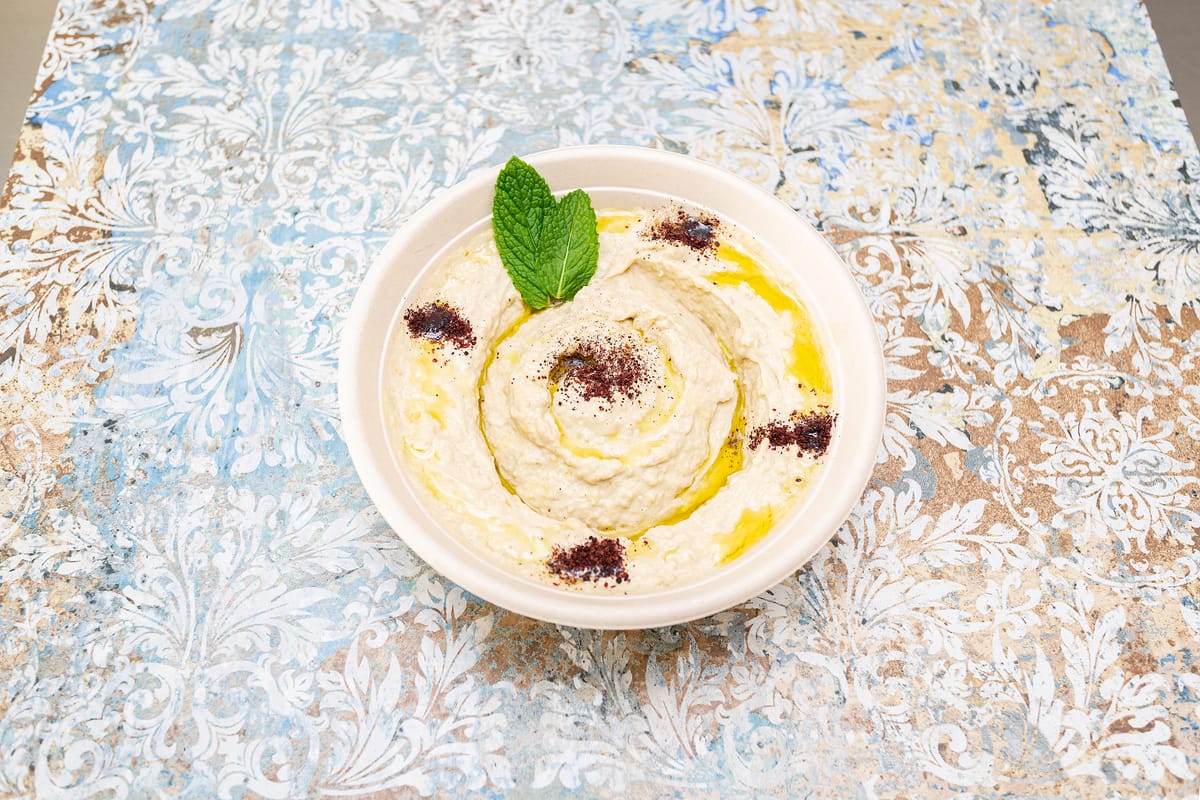
Hummus combines four diabetes-protective ingredients in a single dish: chickpeas (low-glycemic fiber and protein), tahini (magnesium and lignans), olive oil (monounsaturated fat and polyphenols), and garlic (allicin). A serving of hummus with vegetables instead of pita bread is one of the lowest-glycemic options available at any restaurant. Even when eaten with pita, the fat and protein in hummus substantially blunt the bread's glucose impact.
Order NowLabneh
Labneh is essentially pure protein and fat with minimal carbohydrate content, making its direct glycemic impact near zero. The probiotic bacteria support GLP-1 production for improved insulin response, and the olive oil drizzle adds polyphenols and monounsaturated fat. Use labneh as a dip with vegetables or small amounts of pita for a snack that will not raise blood sugar appreciably.
Order NowFalafel Pita
The pita bread does contribute some glycemic load, but the chickpea falafel inside significantly slows glucose absorption. The combination of protein, fiber, and healthy fat from tahini sauce creates a balanced glycemic profile. For tighter glucose management, consider the falafel bowl on greens instead, or eat the pita slowly alongside a side of hummus to further flatten the glucose curve.
Order NowChicken Shawarma Pita
Chicken shawarma in pita provides substantial lean protein that offsets the pita's carbohydrate content. Request extra vegetables and toum (garlic sauce) to maximize the blood-sugar-lowering compounds in your meal. The pickled turnips served alongside also provide prebiotic fiber. For the lowest glycemic impact, choose the chicken shawarma bowl on a greens base instead.
Order NowAdditional diabetes-friendly sides: Baba Ghanouj ($4.95) provides smoky roasted eggplant with olive oil and tahini at very low glycemic impact. Basmati Rice ($2.95) in half portions paired with protein is a reasonable option. Pita Bread ($0.95) should always be paired with hummus, labneh, or protein rather than eaten alone.
Every Meal Is an Opportunity
Small, consistent dietary choices compound into meaningful HbA1c improvements over weeks and months.
Meal Planning Tips for Diabetics at Taza
Simple strategies that make a measurable difference in your glucose response.
Choose Bowls Over Wraps and Pitas
Bowls on a greens or hummus base have the lowest glycemic load of any format at Taza. By replacing the pita or shrak bread with a greens foundation, you eliminate most of the refined carbohydrate while keeping the same protein, fat, and vegetable content. If you prefer the taste and texture of bread, choose a bowl on half rice, half greens as a compromise.
Start with Fat and Protein Before Carbs
Research from Weill Cornell Medical College (2015) found that eating protein and fat before carbohydrates reduced postprandial glucose by 37 percent compared to eating carbs first. At Taza, start your meal with hummus, baba ghanouj, or labneh before eating pita or rice. This simple sequencing strategy can make a measurable difference in your glucose response.
Practice Portion Awareness with Starches
Basmati rice has a glycemic index of approximately 55 -- moderate by grain standards, but still capable of raising blood sugar when consumed in large quantities. Request a smaller portion of rice, or ask for half rice and half greens. Pair every starch portion with a protein source and a fat source (tahini, olive oil, or toum) to slow its absorption.
Maximize Vegetable Volume at Every Meal
Request extra lettuce, tomatoes, cucumbers, and pickles on any bowl, pita, or wrap at no extra charge. The additional fiber and water content from vegetables physically slows gastric emptying and dilutes the glycemic impact of other foods. Aim for vegetables to cover at least half the surface area of every plate or bowl.
Request Extra Garlic Sauce (Toum)
Toum is raw garlic emulsified with oil -- a concentrated source of allicin, the organosulfur compound shown to reduce fasting blood glucose by 10 mg/dL on average in clinical trials. Request extra toum on any shawarma bowl or pita. Unlike many restaurant sauces, toum contains no added sugar.
Use Tahini Sauce Generously
Tahini provides magnesium (critical for insulin receptor function) and sesame lignans (shown to reduce fasting blood glucose by 8 percent in metabolic syndrome). Adding extra tahini to your bowl or pita not only improves flavor but adds meaningful glucose-lowering compounds to your meal. Ask for a side of tahini with any order.
Foods to Limit for Better Blood Sugar Control
These items are not forbidden, but understanding their glycemic impact helps you make informed choices.
Large Pita Portions Without Protein or Fat
Pita bread consumed alone has a glycemic index of approximately 68. When eaten without accompanying protein, fat, or fiber, it causes a rapid blood sugar spike. Always pair pita with hummus, baba ghanouj, labneh, or use it to scoop protein-rich fillings rather than eating it on its own.
Sugary Smoothies in Large Sizes
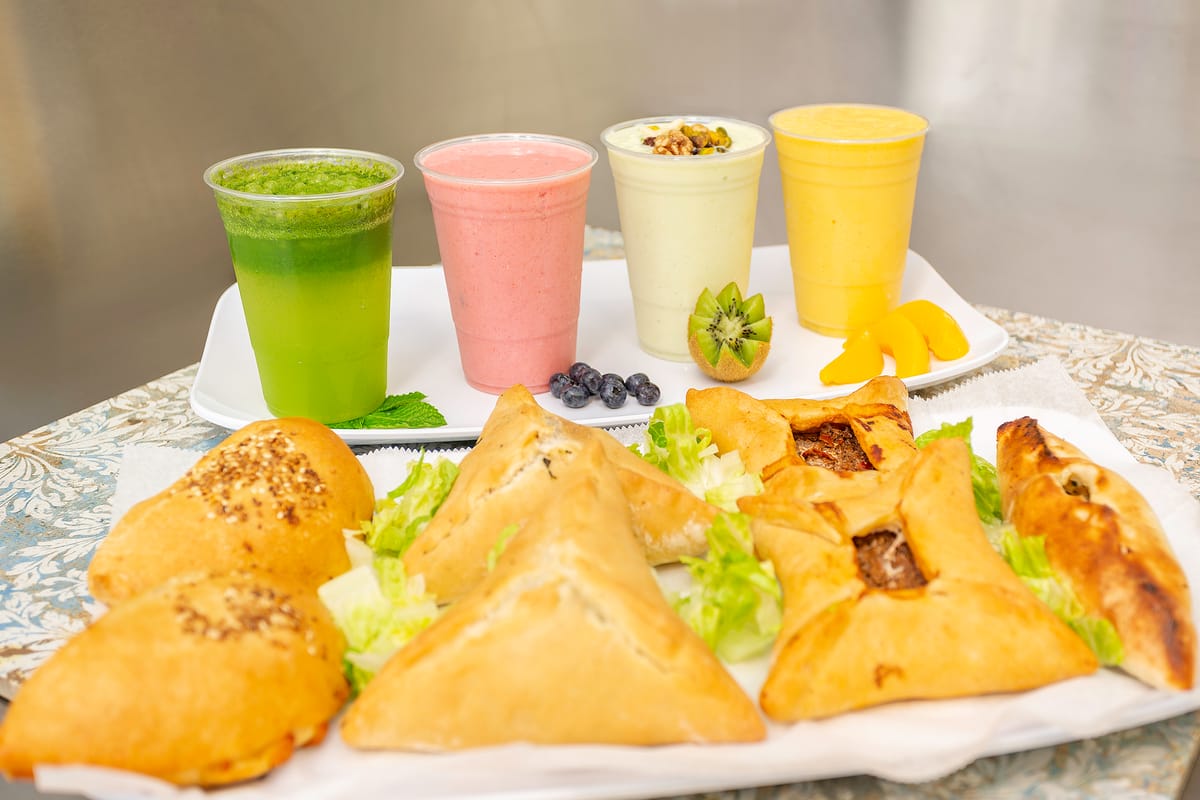
While Taza's smoothies contain real fruit, the natural sugars in a full-size fruit smoothie can raise blood sugar significantly. If you enjoy smoothies, request a smaller portion or choose the lemon mint, which has lower sugar content than fruit-based options. Pair any smoothie with a protein-rich food to slow sugar absorption.
Sugary Soft Drinks
A standard fountain soda contains 40-65 grams of added sugar with zero fiber, fat, or protein to slow absorption. This causes the most rapid blood sugar spike of any item on any restaurant menu. Choose water, sparkling water (Perrier), or lemon mint instead.
Large Rice Portions Without Vegetables
A full side of rice eaten alone provides a moderate glycemic load. For better glucose management, always pair rice with protein (shawarma or falafel), healthy fat (tahini or olive oil), and fiber (extra vegetables). Alternatively, request half rice and half greens as your bowl base.
Desserts After a Carb-Heavy Meal
Adding rice pudding, harissa cake, or other desserts to a meal that already included pita or a full rice portion compounds the total glycemic load. If you want dessert, plan to reduce the starch in your main meal (choose a greens-based bowl) to leave glycemic room. Sharing a dessert also helps manage portion size.
What the Science Shows: Key Studies
Decades of clinical trials and prospective studies support Mediterranean eating for diabetes.
PREDIMED Trial (2013)
7,447 participants randomized to Mediterranean diet vs. low-fat control. The olive oil group saw a 40% reduction in new Type 2 diabetes diagnoses over 4 years, and a 30% reduction in major cardiovascular events. This was the first large-scale RCT to demonstrate diabetes prevention through Mediterranean eating without calorie restriction.
European Journal of Clinical Nutrition Meta-Analysis (2014)
Pooled data from 9 RCTs involving 1,178 participants with Type 2 diabetes. The Mediterranean diet reduced HbA1c by 0.47 percentage points and fasting blood glucose by 7.7 mg/dL compared to control diets. This reduction is clinically significant and comparable to some oral glucose-lowering medications.
PLOS Medicine Meta-Analysis (2020)
Reviewed 25 prospective cohort studies with over 1 million total participants. Highest Mediterranean diet adherence was associated with 23% lower risk of developing Type 2 diabetes compared to lowest adherence. The association was dose-dependent and consistent across geographic regions.
Diabetes Care Review (2017)
Meta-analysis of 29 RCTs found that diets high in monounsaturated fat (primarily olive oil) reduced fasting blood glucose by 6.5 mg/dL and improved HOMA-IR insulin resistance scores compared to high-carbohydrate diets. The improvements were independent of weight loss.
SUN Cohort Study (University of Navarra)
Followed 13,380 university graduates for 4.4 years. Participants with the highest Mediterranean diet adherence had a 30% lower risk of developing Type 2 diabetes. Each two-point increase in the Mediterranean diet score was associated with a 17% risk reduction, demonstrating a dose-response relationship.
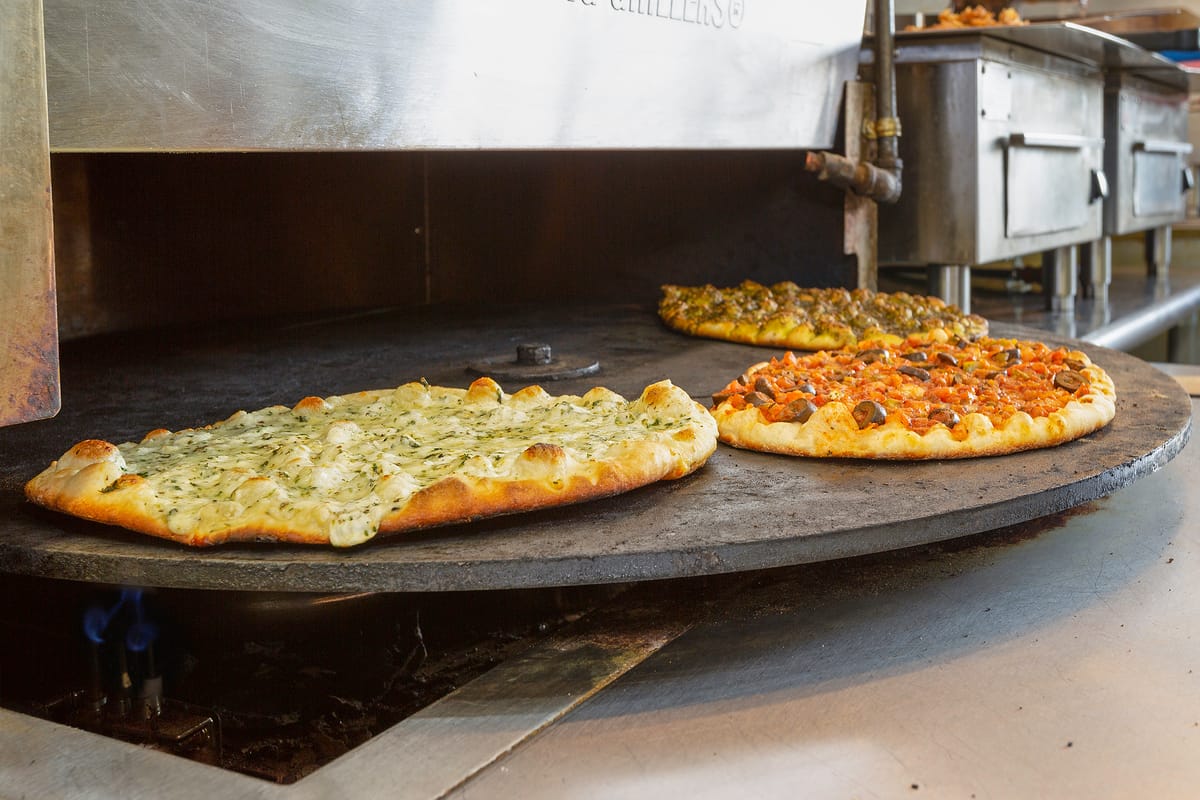
Food Is Medicine
The ADA recognizes Mediterranean eating as a proven approach to diabetes management.
Mediterranean Diet & Diabetes: Frequently Asked Questions
Yes. The American Diabetes Association (ADA) has recognized the Mediterranean diet as an effective eating pattern for both Type 2 diabetes prevention and management since 2019. In their Standards of Medical Care in Diabetes, the ADA states that the Mediterranean diet can improve glycemic control and reduce cardiovascular risk factors. The American Heart Association and the World Health Organization also endorse Mediterranean eating patterns for people with or at risk of diabetes. A 2020 umbrella review in the European Journal of Clinical Nutrition, which synthesized 56 meta-analyses, concluded that the Mediterranean diet had the strongest evidence base of any dietary pattern for reducing Type 2 diabetes incidence and improving glycemic markers in diagnosed diabetics.
Multiple meta-analyses report consistent HbA1c reductions. A 2014 meta-analysis in the European Journal of Clinical Nutrition pooled data from nine randomized controlled trials involving 1,178 participants with Type 2 diabetes and found that the Mediterranean diet reduced HbA1c by an average of 0.47 percentage points compared to control diets. A separate 2020 meta-analysis in Diabetes/Metabolism Research and Reviews found a 0.30 percentage point reduction. To put this in context, the glucose-lowering drug acarbose reduces HbA1c by approximately 0.50 to 0.80 percentage points, meaning the Mediterranean diet produces a pharmacologically meaningful effect through food alone. The greatest improvements are seen when individuals combine Mediterranean eating with regular physical activity and consistent meal timing.
Falafel is made primarily from chickpeas, which have a glycemic index of approximately 28 -- among the lowest of any common food. The frying process does not significantly increase the glycemic index because the primary carbohydrate source (chickpeas) retains its fiber and resistant starch structure. A serving of falafel provides approximately 13 grams of protein and 7 grams of fiber, both of which slow glucose absorption further. A 2012 study in the British Journal of Nutrition confirmed that chickpea-based meals reduced postprandial glucose by 21 percent compared to grain-based meals of equal caloric value. When falafel is consumed as part of a balanced meal with vegetables, tahini, and olive oil -- as served at Taza -- the glycemic response is even further attenuated. Falafel is considered a safe and beneficial protein choice for most diabetics.
For the lowest glycemic impact, yes. A bowl on a greens or hummus base eliminates most of the refined carbohydrate content found in pita bread (glycemic index approximately 68) or shrak bread. However, this does not mean pitas and wraps are off-limits for diabetics. The protein, fat, and fiber from falafel, shawarma, tahini, and vegetables inside a pita significantly reduce the bread's glycemic impact compared to eating bread alone. For diabetics who monitor their carbohydrate intake carefully, a bowl on greens is the optimal choice. For those with more moderate glycemic management goals, a pita sandwich with plenty of protein and vegetables is a reasonable option. The key is pairing any carbohydrate with protein and fat to slow absorption.
Hummus is a uniquely diabetes-friendly food because it combines four glucose-regulating ingredients in a single dish. Chickpeas provide soluble fiber that forms a viscous gel in the small intestine, physically slowing glucose absorption. Tahini adds magnesium (a critical cofactor for insulin receptor function) and sesame lignans that reduce fasting blood glucose. Extra-virgin olive oil contributes monounsaturated fat that improves insulin sensitivity and polyphenols that activate AMPK pathways. Garlic adds allicin, which has been shown to lower fasting glucose in clinical trials. A 2016 study in the Journal of Nutrition and Metabolism found that consuming hummus with a high-glycemic meal reduced the overall glucose response by 40 percent compared to eating the high-glycemic food alone. Hummus is both a beneficial food on its own and a powerful glycemic moderator when eaten alongside other dishes.
The evidence for prevention is strong. A 2020 meta-analysis in PLOS Medicine reviewed 25 prospective cohort studies involving over 1 million participants and found that the highest Mediterranean diet adherence was associated with a 23 percent lower risk of developing Type 2 diabetes compared to the lowest adherence. The PREDIMED trial, which randomized 7,447 high-risk adults, found that the Mediterranean diet supplemented with extra-virgin olive oil reduced new Type 2 diabetes diagnoses by 40 percent over 4 years compared to a low-fat control diet -- without any calorie restriction requirement. The SUN (Seguimiento Universidad de Navarra) cohort study found a 30 percent risk reduction with high Mediterranean diet adherence over 4.4 years. These findings are consistent across populations, ages, and baseline risk levels.
Start with a protein-and-fat appetizer like hummus, baba ghanouj, or labneh to slow gastric emptying before carbohydrates arrive. For the main course, choose a bowl on a greens or hummus base rather than a pita or wrap -- this eliminates most refined carbohydrate. Select falafel or chicken shawarma as your protein, request extra vegetables, and ask for tahini sauce and toum (garlic sauce) as your dressings, since both contain glucose-lowering compounds. Avoid sugary drinks entirely; choose water, sparkling water, or unsweetened tea. If you prefer a pita sandwich, eat it slowly and ensure it is filled with plenty of protein and vegetables. At Taza specifically, the Falafel Bowl on a greens base with extra tahini is the optimal diabetes-friendly order.
While olive oil should never be considered a replacement for prescribed diabetes medications, the comparison is scientifically grounded. The polyphenols in extra-virgin olive oil (particularly oleuropein and hydroxytyrosol) activate the AMPK pathway -- the same cellular energy-sensing mechanism targeted by the first-line diabetes drug metformin. A 2017 meta-analysis in Diabetes Care found that high-monounsaturated-fat diets centered on olive oil reduced fasting blood glucose by 6.5 mg/dL and improved insulin sensitivity markers compared to high-carbohydrate control diets. The PREDIMED trial found a 40 percent reduction in new diabetes diagnoses in the olive oil group. These effects are additive with medication, meaning olive oil enhances pharmaceutical treatment rather than competing with it. Diabetics should never discontinue medication based on dietary changes without consulting their healthcare provider.
Diabetes-Friendly Dining at Taza
Fresh, whole-food Mediterranean meals made to order -- every day, all day.
Address
5820 Seminary Rd Ste O, Falls Church, VA 22041
Hours
11:00 AM - 12:00 AM -- Open 7 Days a Week
Phone
Diabetes-Friendly Mediterranean Food, Made Fresh Daily
Every bowl, pita, and plate at Taza is built with whole-food ingredients that support blood sugar management. Order online or visit us at Seminary Road in Falls Church, VA.