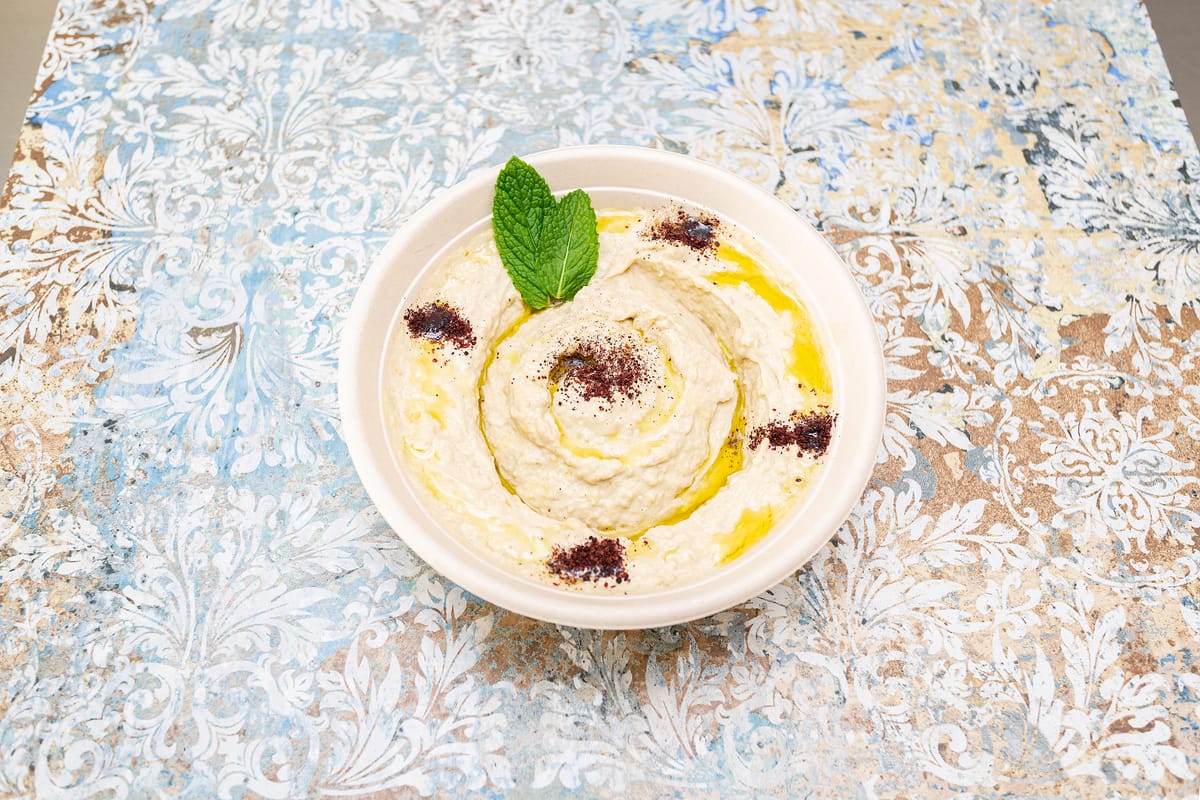
7-Day Mediterranean Diet Meal Plan
A complete week of Mediterranean eating: every breakfast, lunch, dinner, and snack mapped out. Three evenings use Taza for dinner, the rest cook at home. No guessing, no calorie counting.
4.8 stars on Yelp (92 reviews) -- Open 11:00 AM - 12:00 AM
How This 7-Day Mediterranean Meal Plan Works
A practical weekly guide built for real life in Northern Virginia -- not a recipe magazine.
The Mediterranean diet is the most researched eating pattern in nutritional science, consistently associated with reduced rates of heart disease, type 2 diabetes, cognitive decline, and all-cause mortality. But the research gap between what nutritionists recommend and what people actually eat for dinner on a Tuesday is significant. This plan closes that gap.
Each day in this guide gives you a specific breakfast, lunch, dinner, and snack. Meals are built from ingredients you can find at any grocery store in the Falls Church, Fairfax, or Arlington area. On three evenings -- Tuesday, Wednesday, and Saturday -- dinner is a Taza order. This is not a compromise; it is a feature. Taza's menu is built on the same Levantine pantry staples that form the foundation of Mediterranean eating: chickpeas, grilled chicken, olive oil, tahini, zaatar, and fresh vegetables.
This plan does not count calories, weigh portions, or require supplements. It replaces processed food with real food, refined fats with olive oil, and convenient snacks with nuts and fresh produce. Follow it for one week and the pattern becomes clear enough to repeat indefinitely.
Taza Dinner Nights
Tues, Wed, Sat
Plant-Protein Days
Mon, Tue, Fri
Cook-at-Home Nights
Mon, Thu, Fri, Sun
6 Rules That Define a Mediterranean Diet Week
These principles underpin every day of this meal plan. Understand them and you can improvise beyond the seven days.
Olive Oil as Primary Fat
Replace butter, margarine, and vegetable oil with extra-virgin olive oil in cooking, dressings, and as a condiment. Olive oil's monounsaturated fats reduce LDL cholesterol. Aim for two to four tablespoons daily. Drizzle it on hummus, tabbouleh, and roasted vegetables.
Legumes at Least Three Times Weekly
Chickpeas, lentils, white beans, and fava beans form the protein backbone of the Mediterranean diet. Hummus and falafel count. They deliver fiber, plant protein, iron, and B vitamins at a fraction of the cost of animal protein. One cup of chickpeas costs roughly 50 cents and provides 15 grams of protein.
Whole Grains Over Refined
Swap white bread and pasta for whole-grain pita, bulgur, basmati rice, and farro. Whole grains retain their fiber and micronutrients, which slow digestion, stabilize blood sugar, and sustain energy. Zaatar manaeesh on whole-grain flatbread is a practical, easy application of this principle.
Fish and Seafood Twice Weekly
Fatty fish like salmon, sardines, and mackerel supply omega-3 fatty acids that reduce inflammation, lower triglycerides, and support brain health. Grilled or baked fish prepared simply with lemon, olive oil, and herbs is the standard Mediterranean preparation.
Poultry Over Red Meat
The Mediterranean diet features chicken and turkey several times weekly, while red meat appears only once or twice. Grilled chicken shawarma, marinated in garlic, lemon, and spices, then slow-roasted on a vertical spit, is the practical embodiment of lean poultry done right.
Minimal Processed Food
If it comes in a bag or box with more than five ingredients, it likely has no place in a Mediterranean diet week. Cook from whole ingredients: vegetables, legumes, grains, proteins, and olive oil. A falafel pita from a quality kitchen is more Mediterranean than a packaged 'Mediterranean wrap' from a gas station.
Day-by-Day Mediterranean Meal Plan
Seven complete days of eating. Every meal is specific, not vague.
Zaatar manaeesh with olive oil and fresh tomato slices. A cup of black tea or mint tea. Half an orange.
Large chopped salad: romaine, cucumber, cherry tomatoes, red onion, parsley, dressed with olive oil and lemon. One serving of hummus with two pieces of whole-wheat pita. A handful of olives.
Grilled chicken over basmati rice with roasted eggplant. Side of baba ghanoush with pita. A glass of water with lemon.
A small bowl of walnuts and dried figs. One piece of fruit.
Labneh drizzled with olive oil and za'atar on whole-grain toast. Sliced cucumber and tomato on the side. Fresh-squeezed lemon water.
Falafel pita from Taza with lettuce, tomato, tahini, and pickled turnips. Side of hummus. Cold water or lemon mint drink.
Lentil soup with cumin and lemon. Fattoush salad with toasted pita croutons. A wedge of whole-grain bread drizzled with olive oil.
A handful of almonds and two dates.
Taza Tip: Lunch is Taza's Falafel Pita (from $8.95) with a side of Hummus ($4.95). Pure plant-based protein from chickpeas -- no cooking required.
Overnight oats with honey, cinnamon, and sliced banana. A handful of pistachios on top. Black coffee or tea.
Tabbouleh salad with bulgur, parsley, mint, tomato, and lemon. Grilled chicken strips over greens. One piece of whole-grain pita.
Chicken shawarma bowl from Taza over mixed greens with garlic sauce, pickled turnips, Arabic salad, and tahini. A glass of sparkling water.
Sliced bell pepper strips with hummus.
Taza Tip: Dinner is Taza's Chicken Shawarma Bowl (from $12.45) on a greens base. High-protein, gluten-free option with garlic sauce and fresh vegetables.
Two soft-boiled eggs with a zaatar-spiced tomato salad. Whole-grain toast with a thin layer of labneh. Fresh mint tea.
Warm bowl of white bean and vegetable stew with tomatoes, onion, and olive oil. A slice of crusty whole-grain bread. Small side salad.
Baked salmon with lemon, dill, and olive oil. Roasted asparagus and cherry tomatoes. Basmati rice with parsley.
Greek yogurt with honey and a sprinkle of walnuts.
Cheese manaeesh or zaatar manaeesh with a side of labneh and sliced tomatoes. Mint tea or black coffee.
Falafel bowl from Taza over rice with hummus base, Arabic salad, tahini drizzle, and fresh herbs. An avocado boost smoothie.
Grilled lamb chops marinated in olive oil, garlic, and sumac. Roasted potatoes with rosemary. Tabbouleh salad.
A small bowl of mixed nuts: almonds, cashews, and pistachios.
Taza Tip: Lunch is Taza's Falafel Bowl (from $10.45) with an Avocado Boost smoothie ($5.95). A complete plant-based meal with healthy fats from both avocado and tahini.
Shakshuka: eggs poached in spiced tomato sauce with bell peppers and onion. Warm pita for dipping. Fresh orange slices.
Large mezze spread: hummus, baba ghanoush, labneh, olives, sliced cucumber, cherry tomatoes, warm pita. Sparkling water with lemon.
Chicken shawarma shrak wrap from Taza with garlic sauce and pickled vegetables. Side salad. Lemon mint drink.
Fresh fruit platter: grapes, melon, and strawberries.
Taza Tip: Dinner is Taza's Chicken Shawarma Shrak (from $11.45). The thin shrak flatbread wraps the same slow-roasted chicken you'd marinate at home, no prep time required.
Avocado toast on whole-grain bread with a sprinkle of sumac and chili flakes. Two hard-boiled eggs on the side. Black coffee.
Leftover grains (rice or bulgur) tossed with roasted vegetables, olive oil, lemon, and herbs. A cup of labneh. A handful of olives.
Beef shawarma bowl from Taza over basmati rice with Arabic salad, tahini, and sumac. This is your meal-prep anchor -- no cooking on Sunday night.
Sliced apple with almond butter.
Taza Tip: Dinner is Taza's Beef Shawarma Bowl (from $12.45). Sunday dinner handled -- protein and vegetables in one order, no dishes.
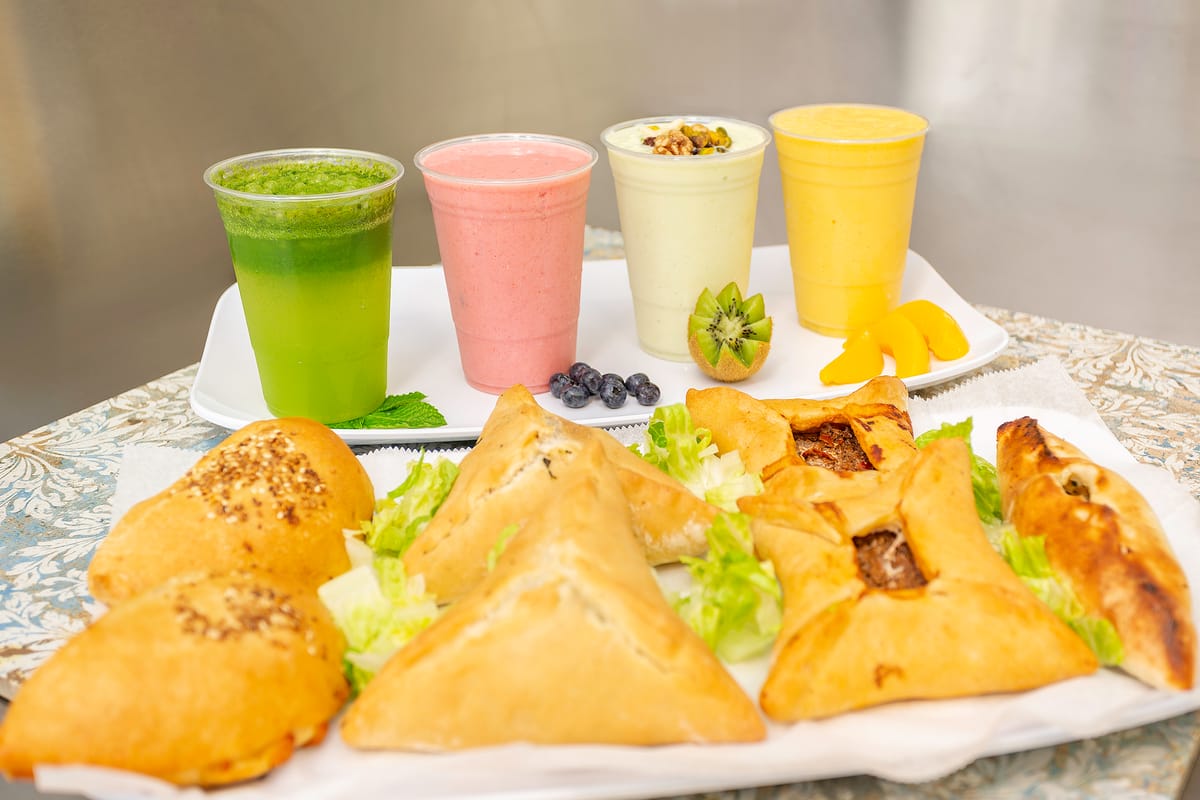
Three nights, no cooking.
Taza's falafel bowl, chicken shawarma bowl, and shrak wrap slot directly into this plan. Order online in under two minutes.
How to Begin the Mediterranean Diet This Week
Five steps that make the transition practical rather than theoretical.
Clear the shortcut foods
You do not need to throw everything away. Start by stopping the purchase of items you know are not Mediterranean: processed snacks, soda, sugared cereal, and margarine. As those run out, replace them with olives, nuts, yogurt, and whole-grain bread.
Set one Mediterranean dinner per night
Commit to Mediterranean food at dinner seven nights a week. Breakfast and lunch can transition at your own pace. A single daily Mediterranean dinner establishes the pattern, delivers most of the nutritional benefit, and limits the decision fatigue of overhauling every meal at once.
Identify your two Taza nights
This seven-day plan includes three Taza dinners because life does not always allow for cooking. Pick two weekday evenings when cooking is unlikely, and use those as your planned Taza pickup nights. A chicken shawarma bowl or falafel bowl costs less than most restaurant meals and fits the plan perfectly.
Learn three base salads
Tabbouleh, fattoush, and Arabic chopped salad use the same ingredients in different forms. Learn these three and you have a rotation of side dishes that require no recipe, take fifteen minutes to prepare, and provide fiber and micronutrients at every meal.
Replace one snack habit
Pick the one snack you eat most often that is not Mediterranean -- chips, crackers, candy -- and replace it with a small bowl of mixed nuts and two dates, or a cup of labneh with cucumber and olive oil. One replacement is enough to start. Build from there.
Mediterranean Diet Grocery List Basics
Stock these ingredients once per week and you can execute most of this meal plan and the next.
Pantry Staples
- Extra-virgin olive oil (one liter bottle)
- Dried chickpeas or two cans of cooked chickpeas
- Dried red lentils
- Basmati rice or bulgur
- Whole-grain pita bread
- Tahini paste
- Dried zaatar blend
- Sumac
- Cumin, coriander, turmeric
- Canned whole tomatoes
- Walnuts, almonds, pistachios
- Dried dates or figs
Produce
- Roma or cherry tomatoes
- English cucumbers
- Red onions and white onions
- Fresh parsley (two bunches)
- Fresh mint
- Lemons (six to eight)
- Garlic (one full head)
- Eggplant (for roasting or baba ghanoush)
- Baby spinach or romaine
- Bell peppers, mixed colors
- Seasonal fruit: oranges, grapes, apples
Refrigerated
- Plain whole-milk yogurt or labneh
- Eggs (one dozen)
- Feta or white cheese
- Salmon fillets (for fish nights)
- Chicken breast or thighs
- Kalamata olives
Where to shop nearby: The Mediterranean pantry staples on this list are available at Giant Food, Trader Joe's, and Whole Foods in the Falls Church and Seven Corners area. Sumac, dried zaatar blend, and tahini are also stocked at the international grocery stores along Columbia Pike in Arlington and on Lee Highway in Fairfax. If you need a Levantine pantry shortcut for one night, Taza at 5820 Seminary Rd, Falls Church is the fastest option.
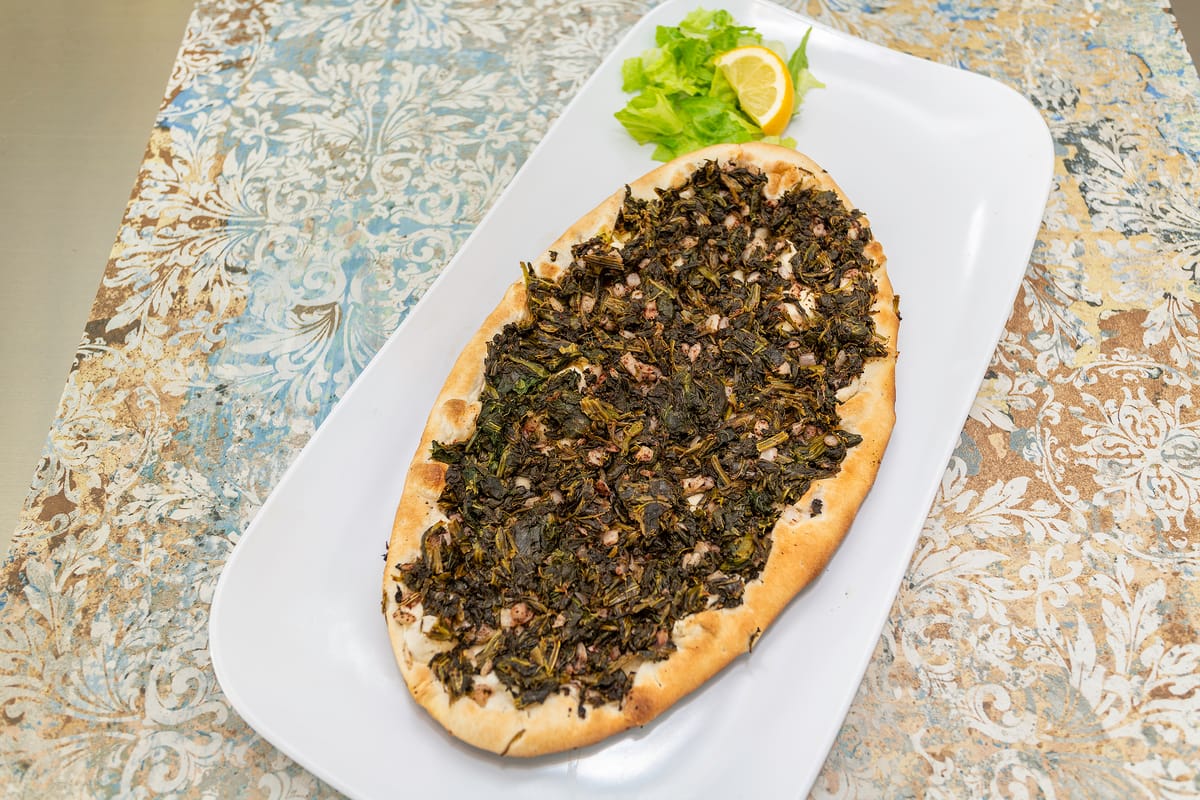
The toppings selection is the diet.
Every bowl and wrap at Taza starts with the same fresh vegetables, olive oil dressing, and herbs that anchor Mediterranean eating.
5 Ways to Eat Mediterranean Without Overspending
The Mediterranean diet is inexpensive when built correctly. Here is where the money goes and where it does not have to.
Buy dried legumes in bulk
A two-pound bag of dried chickpeas costs around $3 and yields six to eight cups of cooked chickpeas -- enough for a week of hummus, falafel, and salad additions. This is the single biggest cost-savings move in Mediterranean eating.
Use frozen fish
Frozen salmon and tilapia fillets cost half the price of fresh and retain nearly identical nutritional profiles. Defrost overnight in the fridge and prepare with olive oil and lemon. Your twice-weekly fish commitment costs $6-8 instead of $14-20.
Treat Taza as your protein shortcut
Marinating and slow-roasting chicken shawarma at home takes 24 hours minimum. Taza's chicken shawarma bowl delivers the same Levantine-spiced protein for from $12.45. On busy weeknights, outsourcing dinner to Taza is both time-efficient and diet-consistent.
Batch-cook grains on Sunday
Cook a large pot of basmati rice or bulgur on Sunday. Store it in the fridge in a covered container. It keeps for five days and becomes the base for bowls, stuffed vegetables, or a quick grain salad with olive oil, lemon, and herbs on any evening.
Olive oil: buy the liter
A one-liter bottle of decent extra-virgin olive oil costs $12-18 and lasts two to three weeks for a household of two. Per-use cost is under 50 cents. Buying smaller bottles at a higher per-ounce cost is one of the most common Mediterranean diet budget mistakes.
Mediterranean Meal Plan vs. Typical American Weekly Diet
The differences are structural, not just ingredient-level. This comparison shows where the gap is widest.
| Category | Mediterranean Meal Plan | Typical American Weekly Diet |
|---|---|---|
| Breakfast Base | Labneh, zaatar, whole-grain pita, olive oil, fresh tomato | Sugared cereal, white toast, processed orange juice, margarine |
| Lunch Protein | Chickpeas, grilled chicken, lentils, white beans | Deli turkey, processed lunch meat, fast food burger |
| Dinner Fat Source | Olive oil, tahini, nuts, avocado | Butter, vegetable shortening, frying oil |
| Daily Vegetable Servings | 6-8 servings, raw and cooked, diverse types | 1-2 servings, often fried or heavily processed |
| Weekly Red Meat | Once or twice, lean cuts with spices | Daily, often processed (hot dogs, burgers, deli meat) |
| Snack Pattern | Nuts, dates, fruit, labneh, hummus with vegetables | Chips, cookies, candy bars, crackers |
| Sugar Source | Honey, dates, fresh fruit, occasional baklava | Soda, sweetened coffee drinks, pastries, candy |
| Avg. Weekly Grocery Cost | $80-120 for two people (legumes, vegetables, olive oil) | $100-160 for two people (processed convenience food premium) |
| Meal Prep Time | 20-40 min most evenings; batch-cook legumes weekly | Variable, but often reliant on microwaveable packaged meals |
| Long-Term Health Outcome | 30% lower heart disease risk, reduced diabetes, slower aging | Elevated cardiovascular risk from saturated fat and sodium |
Mediterranean Staples Available at Taza Right Now
Every item below fits directly into this 7-day plan and the Mediterranean diet framework.
Chicken Shawarma Bowl
from $12.45Slow-roasted chicken, basmati rice, garlic sauce, Arabic salad. The highest-protein bowl on the menu.
Learn moreFalafel Pita
from $8.95Crispy chickpea falafel in fresh-baked pita with tahini and vegetables. Complete plant-based protein.
Learn moreFalafel Bowl
from $10.45Falafel over rice or greens with Arabic salad and tahini. High fiber, 25g plant protein.
Learn moreHummus
$4.95Creamy chickpea dip with tahini, lemon, and olive oil. Mediterranean diet in its simplest form.
Learn moreZaatar Manaeesh
$6.95Flatbread with thyme, sesame, and olive oil. Traditional Levantine breakfast, antioxidant-dense.
Learn moreLabneh
$4.95Strained yogurt with olive oil and dried mint. Live probiotic cultures for gut health.
Learn more5820 Seminary Rd Ste O, Falls Church, VA 22041 -- Open 11:00 AM - 12:00 AM
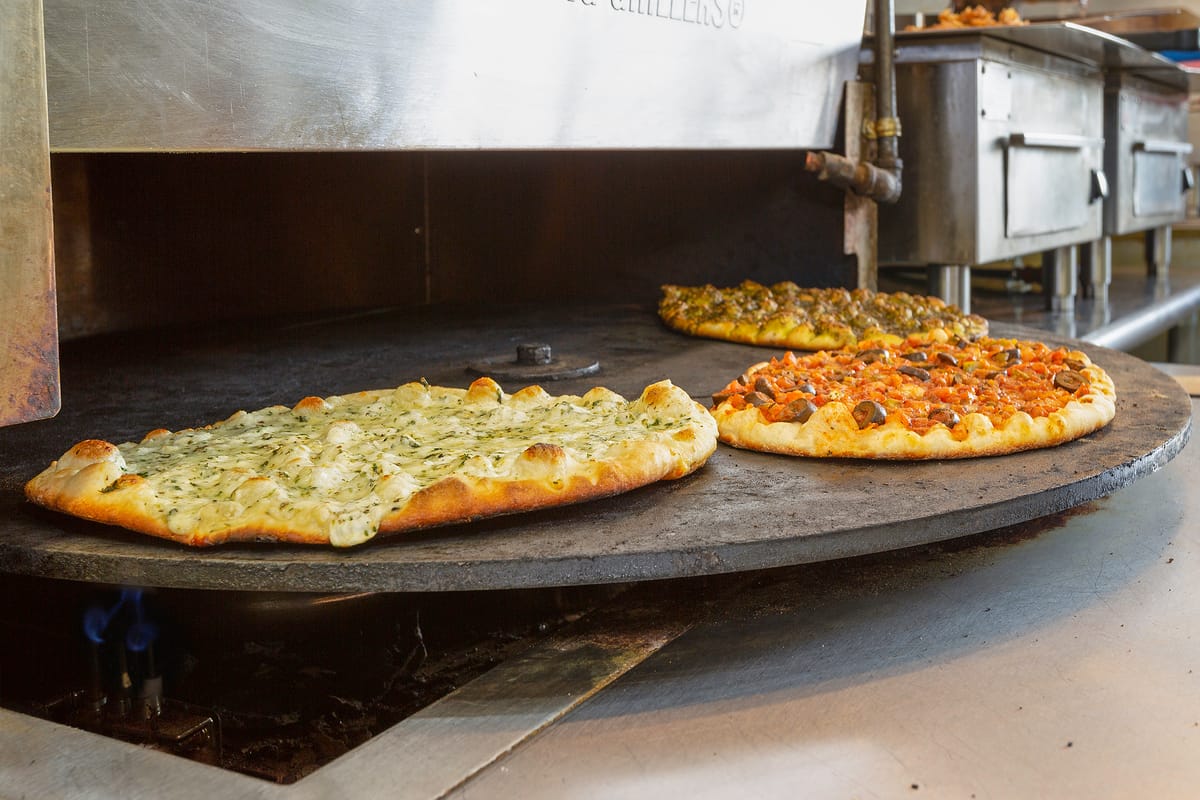
The spice rack is the medicine cabinet.
Zaatar, sumac, cumin, turmeric -- the spices on this meal plan are some of the most studied anti-inflammatory compounds in nutrition science.
Why This Weekly Pattern Works
The mechanisms behind the Mediterranean diet's outcomes are well understood.
Fiber From Two Sources Every Day
This plan delivers soluble fiber (from chickpeas, lentils, and oats) and insoluble fiber (from vegetables, whole-grain pita, and bulgur) at virtually every meal. Soluble fiber binds to cholesterol in the gut and removes it from circulation. Insoluble fiber feeds the gut microbiome and maintains bowel regularity. Together, they reduce LDL cholesterol, stabilize blood sugar, and support digestive health. The typical American diet delivers roughly 15 grams of fiber per day; this plan delivers 30-40 grams.
Anti-Inflammatory Compounds at Every Meal
Olive oil contains oleocanthal, which inhibits the same COX enzyme as ibuprofen. Cumin and turmeric contain curcumin, which reduces inflammatory cytokines. Garlic contains allicin, which reduces blood pressure and inflammatory markers. Sumac contains gallic acid, a polyphenol with antioxidant properties. Parsley and mint deliver luteolin and rosmarinic acid, both anti-inflammatory. Each of these compounds appears in multiple meals across this seven-day plan, creating cumulative anti-inflammatory exposure that researchers believe accounts for much of the diet's cardiovascular benefit.
Low Glycemic Load Despite Including Carbohydrates
Many people assume that avoiding carbohydrates is necessary for blood sugar control. The Mediterranean diet does not avoid carbohydrates -- it selects low-glycemic ones. Chickpeas have a glycemic index of 28, compared to 72 for white bread. Basmati rice (glycemic index 50-58) releases glucose more slowly than short-grain white rice (glycemic index 72-83). Whole-grain pita, lentils, and bulgur all sit in the 25-55 glycemic index range. Paired with olive oil and lean protein, these carbohydrates create stable blood glucose curves rather than spikes, which is why Mediterranean diet adherents report sustained energy rather than post-meal crashes.
Protein Distribution Across the Day
Research suggests that distributing protein intake across three meals is more effective for muscle maintenance and satiety than consuming most protein at dinner. This plan includes protein at breakfast (eggs, labneh, yogurt), lunch (chickpeas, falafel, grilled chicken), and dinner (shawarma, fish, chicken). A Taza chicken shawarma bowl provides 35+ grams of protein at dinner. A falafel pita provides 20+ grams of plant protein at lunch. Labneh or eggs at breakfast add 12-15 grams in the morning. The daily total of 80-100 grams of protein on this plan supports muscle maintenance and sustained satiety without protein powder or supplementation.
Red Meat Once Weekly
This plan includes beef shawarma on Sunday. One serving of lean beef shawarma provides iron, zinc, B12, and complete amino acids that plant foods do not supply in equal quantities. The Mediterranean diet does not eliminate red meat -- it limits it and selects lean, well-prepared cuts. Taza's beef shawarma is marinated and slow-roasted on a vertical spit, reducing fat content compared to pan-fried or processed beef. Eating red meat once weekly, as part of a diet otherwise high in plants, legumes, and olive oil, positions it as a nutrient-dense component rather than a cardiovascular liability.
Your Mediterranean Dinner Shortcut in Falls Church
On Taza nights, skip the prep. Order online or walk in.
Address
5820 Seminary Rd Ste O, Falls Church, VA 22041
Hours
11:00 AM - 12:00 AM -- Open 7 Days a Week
Phone
Mediterranean Meal Plan: Common Questions
Most people notice improved energy and digestion within the first two weeks. Blood markers like LDL cholesterol typically show measurable improvement within six to eight weeks. Research from the PREDIMED trial, which tracked over 7,000 participants, found statistically significant reductions in cardiovascular events within the first year. The Mediterranean diet is a long-term lifestyle, not a short-term protocol -- cumulative adherence over months and years produces the greatest documented benefits.
Yes. The Mediterranean diet is actually among the most cost-effective healthy eating patterns because its staples -- dried legumes, olive oil, grains, and vegetables -- are inexpensive. A week of Mediterranean meals for two people typically costs $80-120 in Northern Virginia grocery stores. The key is building meals around chickpeas, lentils, and vegetables as the primary components, with meat and fish as supporting players rather than the main event. Three nights per week at Taza (chicken shawarma bowl or falafel bowl) can replace home cooking without breaking the budget at from $12.45 per bowl.
The Mediterranean diet consistently outperforms low-fat diets and low-carb diets for sustainable weight loss in clinical trials. A 2018 study in the New England Journal of Medicine found that over 18 months, Mediterranean diet participants lost more weight and maintained that loss better than other diet groups. The mechanism is satiety rather than restriction: olive oil, chickpeas, and lean protein keep you full for longer, naturally reducing overall calorie intake without tracking. A falafel bowl at Taza provides approximately 25 grams of plant protein and 12 grams of fiber, both of which reduce hunger hormones for hours after eating.
Mediterranean breakfast centers on dairy, eggs, whole grains, and fresh produce rather than sugared cereals or pastries. Labneh (strained yogurt) with olive oil and zaatar on whole-grain toast, two soft-boiled eggs with tomato salad, or zaatar manaeesh from Taza with fresh vegetables are all practical options. Fruit, nuts, and a cup of black tea or coffee complement any of these. The morning meal should be satisfying enough to hold you until lunch without relying on refined carbohydrates.
The Mediterranean diet is most effective when followed seven days a week as your primary eating pattern. However, transitioning from a standard American diet does not happen overnight. A practical approach: commit to Mediterranean eating for five of seven weekday dinners first. Add lunches once dinner is consistent. Add breakfasts last. Most research tracks adherence on a scoring scale -- even medium-high adherence (5-6 days out of 7) produces measurable health improvements compared to standard Western diets.
Completely. Halal dietary guidelines -- avoiding pork and requiring proper slaughter of animals -- are entirely compatible with Mediterranean eating principles. In fact, much of the traditional Levantine, Turkish, and North African Mediterranean cuisine has always been halal. Taza Shawarma and Falafel in Falls Church serves entirely halal-certified meat and poultry, which means every item on the menu that contains chicken or beef aligns with both halal requirements and Mediterranean diet principles.
Yes, and research suggests children raised on Mediterranean eating patterns have better metabolic health outcomes than those raised on standard Western diets. The Mediterranean diet provides all nutrients children need: calcium from labneh and yogurt, iron from legumes and lean meat, zinc from nuts and whole grains, and vitamin C from fresh vegetables and fruit. At Taza, the falafel pita and hummus are favorites among children. The zaatar manaeesh is a popular alternative to pizza for kids who enjoy savory baked flatbreads.
The Mediterranean diet is a broad nutritional framework covering the eating patterns of over 20 countries bordering the Mediterranean Sea. The Levantine diet -- from the Eastern Mediterranean coastal region covering Lebanon, Syria, Jordan, and surrounding areas -- is a specific regional variant that sits squarely within Mediterranean diet guidelines. Levantine cuisine features heavily in this meal plan because it is what Taza specializes in: hummus, falafel, shawarma, zaatar, labneh, and flatbreads are all Levantine staples that align perfectly with Mediterranean nutrition science.
Your Mediterranean Week Starts With One Order
Pick up a chicken shawarma bowl or falafel bowl from Taza at 5820 Seminary Rd Ste O, Falls Church, VA 22041. Open 11:00 AM - 12:00 AM, seven days a week. The plan is ready -- dinner can be too.