The Mediterranean Breakfast
Guide
A meze-style morning spread of labneh, zaatar, hummus, fresh pita, olives, and vegetables — the Levantine breakfast tradition that fuels millions of people every day and stands as one of the healthiest ways to start a morning.
4.8 stars on Yelp (92 reviews) -- Open 11:00 AM - 12:00 AM
What Is a Traditional Mediterranean Breakfast?
The Levantine morning spread explained — meze-style, communal, and built on whole foods
A traditional Mediterranean breakfast — particularly the Levantine version eaten across Lebanon, Syria, Jordan, and the wider eastern Mediterranean — is not a single dish. It is a spread. The table is covered with small plates and bowls, each holding a different component: a dish of thick labneh drizzled with olive oil and dried mint, a bowl of creamy hummus, a plate of sliced tomatoes and cucumbers, a saucer of green and black olives, a small bowl of zaatar mixed with olive oil for dipping, and a basket of warm, fresh-baked pita bread at the center. Everyone eats from the same plates.
This meze-style format is the defining characteristic of a Mediterranean breakfast. There is no single entree, no main plate. Instead, the meal is assembled from components that balance flavor, texture, and nutrition naturally. The labneh provides tangy protein and probiotics. The hummus adds plant-based protein and fiber. The olive oil delivers monounsaturated fats. The vegetables contribute vitamins, hydration, and crunch. The pita serves as the utensil — you tear off a piece, scoop, wrap, and eat with your hands.
In the Levant, breakfast is rarely rushed. Families gather around the table on weekends for a spread that can last an hour or more. On weekday mornings, a simpler version might consist of just zaatar manaeesh (flatbread with thyme and olive oil) and a cup of Arabic coffee or mint tea. But the principles remain the same: whole foods, healthy fats, plant-forward dishes, and fresh bread baked that morning. No cereal boxes. No processed syrups. No granola bars. The Mediterranean breakfast is older than any of those industrial inventions by several thousand years.
What separates a Mediterranean breakfast from Western European or American morning meals is the near-total absence of added sugar. Honey might appear alongside labneh or drizzled into tea, but the spread itself is savory from start to finish. Tomatoes provide natural sweetness. Olives add brine. Zaatar contributes herbaceous, earthy warmth. The result is a meal that provides sustained energy without the blood sugar spike and crash that follows a syrup-drenched pancake breakfast or a bowl of sweetened cereal.
The roots of this breakfast tradition stretch back thousands of years. Archaeological evidence from the ancient Levant shows that olive oil, wild thyme, sesame, bread, and yogurt-based dairy products were dietary staples as early as 3000 BCE. The modern Levantine breakfast is, in many ways, the same meal that Phoenician merchants ate before setting out across the Mediterranean — whole grains, cured olives, strained dairy, and herbs gathered from the hillsides.
The Six Pillars of a Mediterranean Breakfast
Every Levantine morning spread is built from these foundational elements
Labneh
Thick strained yogurt with a tangy, creamy consistency. Drizzled with olive oil and sprinkled with dried mint, labneh is the cornerstone of any Levantine breakfast table. It supplies calcium, probiotics, and a clean acidity that wakes up the palate first thing in the morning. Traditionally left to strain overnight in cheesecloth, the result is denser than Greek yogurt and richer in flavor.
Zaatar & Olive Oil
A blend of dried wild thyme, sumac, and toasted sesame seeds mixed into extra-virgin olive oil. This mixture is spread on warm flatbread or scooped directly with torn pita. Zaatar contains carvacrol and thymol, both of which have antiseptic properties. In the Levant, mothers have told children for generations that eating zaatar in the morning sharpens the mind.
Olives & Olive Oil
Green and black cured olives appear on every Mediterranean breakfast table alongside a small dish of extra-virgin olive oil for dipping. Olives provide monounsaturated fats, vitamin E, and polyphenols. The oil serves double duty as both a condiment and a cooking fat for eggs, manaeesh, and sauteed vegetables.
Fresh Pita Bread
Soft, warm pita baked until it puffs into a hollow pocket is the primary utensil of a Mediterranean breakfast. Torn into pieces, pita replaces forks and spoons — you scoop hummus, wrap labneh, and mop up olive oil with it. Freshly baked pita has a mild, slightly sweet flavor and a tender chew that stales within hours, which is why bakeries in Beirut, Amman, and Damascus open before dawn.
Hummus & Dips
Chickpea-based hummus, smoky baba ghanouj, and muhammara (walnut-red pepper spread) are the dip trio that anchors a full breakfast spread. Hummus delivers plant protein and fiber, baba ghanouj contributes roasted eggplant depth, and muhammara adds a sweet-smoky heat. All three pair with pita, raw vegetables, or grilled flatbread.
Fresh Vegetables
Sliced tomatoes, cucumbers, radishes, and fresh mint are arranged on a plate with a drizzle of olive oil and a pinch of salt. These raw vegetables add crunch, hydration, and vitamins A and C. In Lebanon and Jordan, the tomato-cucumber plate is as mandatory at breakfast as coffee is in the West. The vegetables are always cut that morning, never from the previous day.
Breakfast the Way It Was Meant to Be
Shared plates, fresh bread, and flavors that have sustained families for generations across the Mediterranean.
The Levantine Breakfast Spread
How a proper morning table is assembled and served
Setting a Levantine breakfast table follows an unwritten architecture that every household understands. The center of the table holds the bread — a basket of warm pita, a stack of folded shrak (thin, dome-baked flatbread), or a round of freshly baked manaeesh. The bread is the hub; everything else orbits around it.
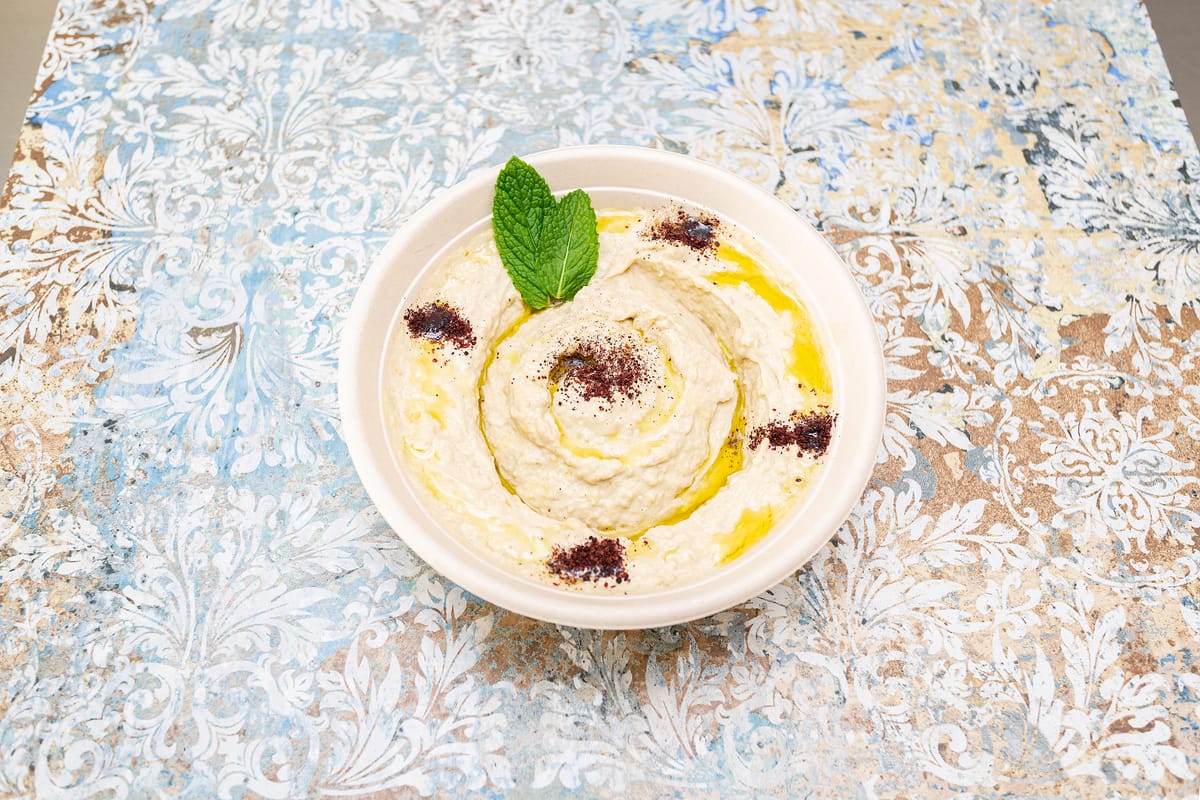
To one side sit the dips: a shallow bowl of hummus with a well of olive oil in its center, a plate of labneh shaped into a flat disc and streaked with green olive oil and red paprika, and — on more generous tables — a bowl of baba ghanouj with its charred, smoky aroma. These dips are never served in tall containers; they are spread flat so that pita can scoop them easily.
On the opposite side sit the fresh vegetables: tomatoes cut into wedges (never diced), Persian cucumbers sliced lengthwise, a small pile of radishes, springs of fresh mint, and sometimes a few green onions. A small dish of cured olives — Nabali, Kalamata, or cracked green — rounds out the vegetable section. A cruet of extra-virgin olive oil is always within reach.
A small bowl of zaatar mixed with olive oil sits at the table for dipping bread directly. In many households, a plate of white cheese — akkawi, nabulsi, or halloumi — completes the spread. Eggs, if served, are typically fried in olive oil with a crispy edge, or prepared as shakshuka. Tea and coffee are served in small glasses and cups, refilled often.
The meal is eaten communally. Everyone reaches for the same hummus, the same bread, the same vegetables. There are no individual portions. A child tears a piece of pita, scoops labneh, and wraps a slice of cucumber inside. An adult dips bread into the zaatar oil, then follows it with a bite of tomato. The rhythm is slow and conversational. A Levantine breakfast is as much a social ritual as it is a meal.
The size of the spread scales with the occasion. A solo weekday breakfast might be just labneh, pita, and tea. A Friday family gathering will cover every inch of the table with a dozen different plates. A holiday morning — Eid, Easter, or the end of Ramadan — adds fatteh (a layered dish of toasted pita, chickpeas, and yogurt sauce), knafeh (a sweet cheese pastry), and fresh fruit juices. But the foundation remains the same: labneh, bread, olive oil, vegetables, and zaatar.
Mediterranean Breakfast vs. American Breakfast
A side-by-side breakdown of ingredients, nutrition, and eating style
| Category | Mediterranean Breakfast | American Breakfast |
|---|---|---|
| Primary Protein | Labneh, hummus, eggs, falafel | Bacon, sausage links, scrambled eggs |
| Bread Type | Fresh pita, zaatar manaeesh, shrak | Toast, bagel, English muffin |
| Fat Source | Extra-virgin olive oil, tahini | Butter, margarine, vegetable oil |
| Vegetables | Tomatoes, cucumbers, olives, radishes | Hash browns, occasional fruit cup |
| Dairy | Labneh (strained yogurt), akkawi cheese | Milk, processed cheese, cream cheese |
| Sugar Content | Low — naturally savory spread | High — juice, syrup, jam, pastries |
| Fiber | High from chickpeas, vegetables, whole grains | Low unless oatmeal is added |
| Prep Style | Shared meze platters, communal | Individual plated portions |
| Typical Drink | Mint tea, Turkish coffee, lemon-mint | Orange juice, drip coffee |
| Calorie Range | 400-600 for a full spread | 700-1200 for a standard plate |
| Sodium Level | Moderate — from olives, pickles | High — from processed meats, cheese |
| Gut Health | Probiotic labneh, fiber-rich legumes | Limited probiotic sources |
The contrast is not about declaring one breakfast superior to another. It is about understanding the fundamental differences in ingredient philosophy. A Mediterranean breakfast prioritizes whole-food diversity — many small plates, each contributing a different nutrient — while a standard American breakfast tends to concentrate calories into a smaller number of larger, more processed items. The Mediterranean version is lower in total calories, higher in fiber, richer in monounsaturated fats, and almost entirely free of refined sugar. The American version is more calorie-dense, higher in saturated fat, and frequently built around processed meats and refined grains.
Manaeesh: The Breakfast Flatbread of the Levant
Zaatar, cheese, and spinach — three flatbreads that define the morning
If the communal spread is the weekend version of a Mediterranean breakfast, manaeesh is the weekday version. Across the Levant, manaeesh bakeries (called furns) open as early as 4:30 AM. Workers stop on their way to a job site. Students grab a rolled-up zaatar manaeesh before class. Taxi drivers double-park with the engine running to pick up a cheese manaeesh and a tea. The entire transaction takes ninety seconds.
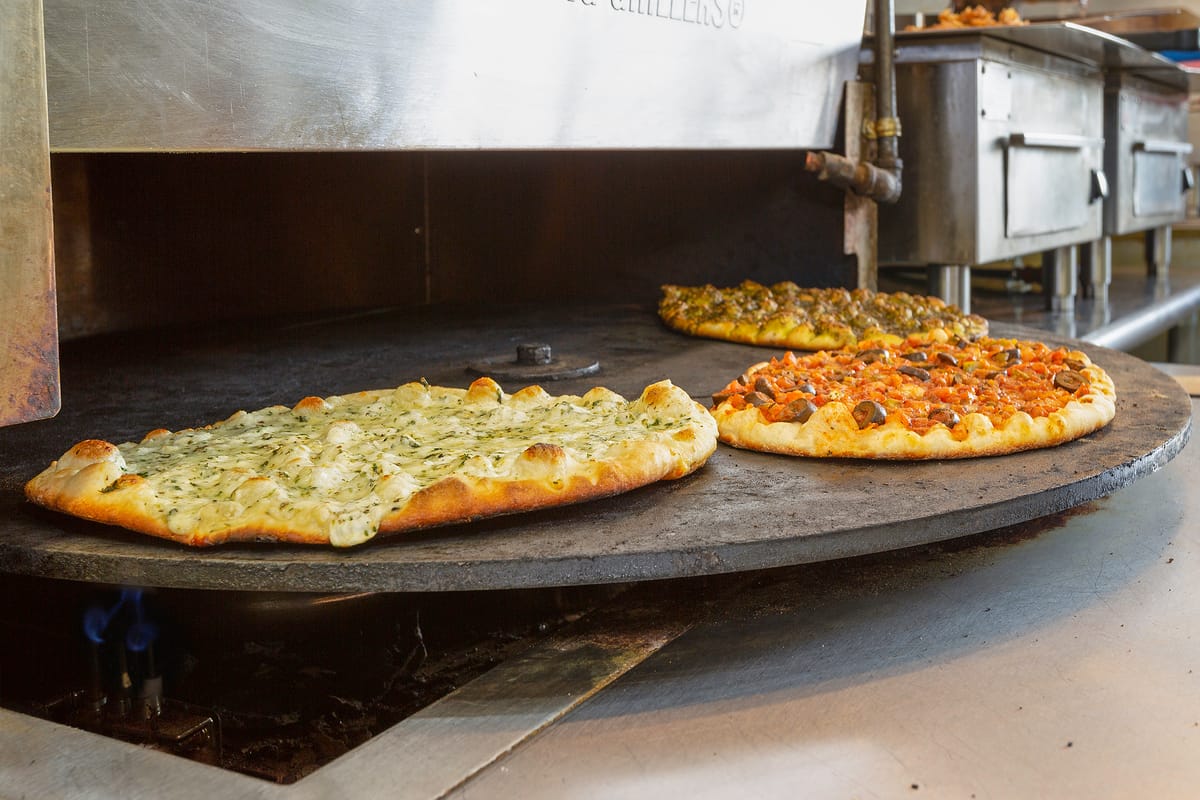
Manaeesh is baked in a stone oven at high heat — typically 450 to 500 degrees Fahrenheit — for just a few minutes. The dough puffs slightly, the topping caramelizes, and the base develops a thin, crisp bottom layer while the interior stays soft and chewy. A fresh manaeesh straight from the oven is one of the most satisfying single bites in all of Middle Eastern cuisine.
The three core varieties — zaatar, cheese, and spinach — each serve a different role at the breakfast table. Zaatar is the lightest and most aromatic, favored by those who want a quick bite and a burst of herbal energy. Cheese is richer and more filling, the choice when you need to sustain yourself through a long morning. Spinach is the nutrient powerhouse, packed with iron and folate. At Taza, we bake all three varieties fresh throughout the day, and each one pairs with a different set of condiments: zaatar manaeesh with fresh tomatoes and mint, cheese manaeesh with olives and tea, spinach manaeesh with a squeeze of lemon.
Zaatar Manaeesh — $6.95
The defining breakfast flatbread of the Levant. A large round of dough brushed with a thick layer of zaatar mixed into olive oil, then baked in a stone oven until the edges crisp and the center stays soft. Rolled up with tomatoes and mint for a portable morning meal, or eaten open-faced with a cup of tea. At Taza, our zaatar manaeesh uses a proprietary zaatar blend sourced from a single farm.
Cheese Manaeesh — $7.95
A large flatbread covered with a signature cheese blend and baked until the cheese bubbles and turns golden at the edges. The cheese used is a mix of akkawi and mozzarella, giving it both the salty tang of a traditional Levantine cheese and the stretchy pull of Italian-style mozzarella. Children across Lebanon grow up eating cheese manaeesh every school morning.
Spinach Manaeesh — $7.95
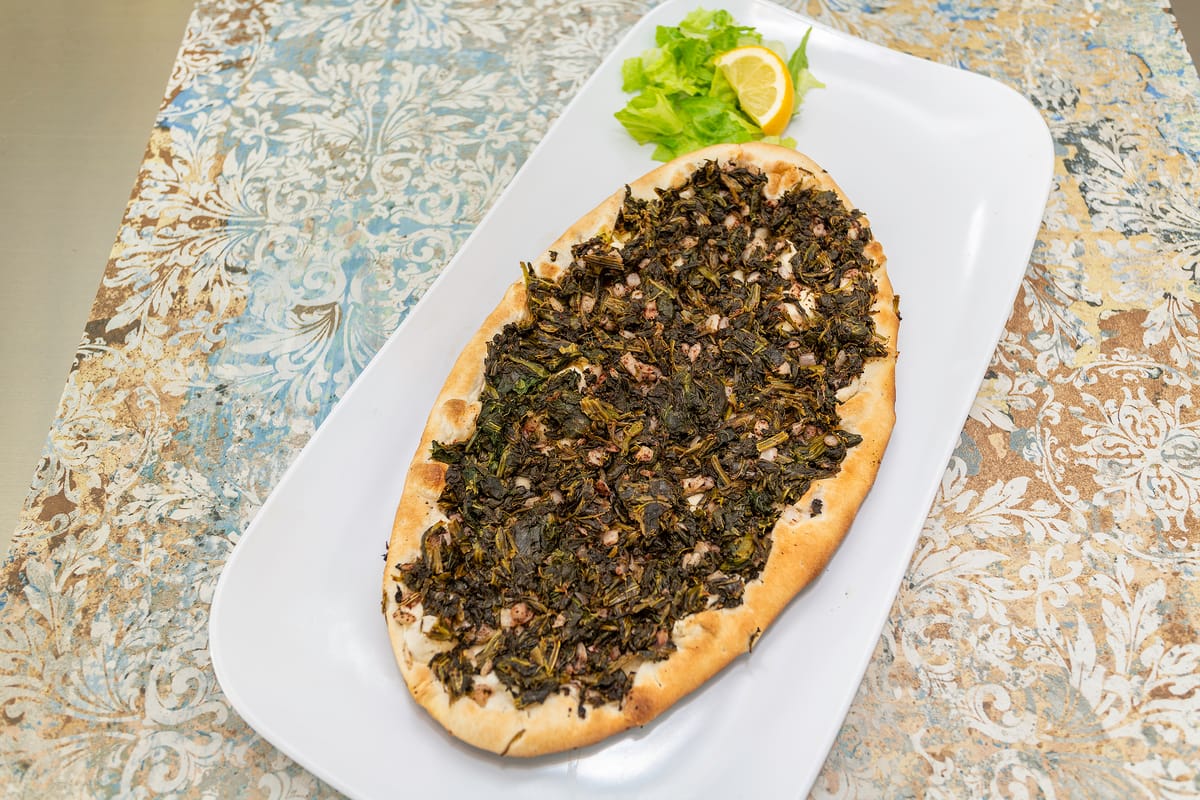
Fresh spinach sauteed with onion, sumac, and pine nuts, then spread over flatbread dough and baked. The result is earthy, savory, and nutrient-dense — spinach provides iron, folate, and vitamins A and K. A squeeze of lemon juice over the finished manaeesh brightens the flavor. This is the vegetarian manaeesh that converts skeptics.
Health Benefits of a Mediterranean Breakfast
What decades of nutrition research say about starting your day the Mediterranean way
The Mediterranean diet has been ranked the top overall diet by U.S. News & World Report for seven consecutive years, and the breakfast component is a major reason why. A morning meal built on olive oil, legumes, fermented dairy, whole grains, and fresh vegetables delivers a nutrient profile that processed-food-heavy breakfasts cannot match.
Blood sugar stability. The near-total absence of refined sugar and the high fiber content of hummus, vegetables, and whole-grain pita result in a low glycemic load. Blood sugar rises gradually after a Mediterranean breakfast rather than spiking and crashing. This matters for sustained morning energy, cognitive focus, and long-term diabetes prevention. A 2022 meta-analysis in Nutrients found that Mediterranean-pattern meals produced significantly lower postprandial glucose responses compared to Western-pattern meals of equivalent caloric content.
Sustained satiety. The combination of protein (from labneh, hummus, and eggs), healthy fat (from olive oil and tahini), and complex carbohydrates (from pita and vegetables) triggers satiety hormones — leptin and peptide YY — more effectively than a sugar-heavy breakfast. People who eat a Mediterranean-style breakfast report less mid-morning hunger and lower total calorie intake at lunch.
Gut Health & Probiotics
Labneh is a naturally fermented food containing Lactobacillus and Streptococcus thermophilus, both of which support healthy gut bacteria. Combined with the prebiotic fiber in chickpeas from hummus and raw vegetables, a Mediterranean breakfast feeds beneficial bacteria already in your gut and introduces new live cultures. A healthy gut microbiome is linked to improved immune function, better mood regulation, and reduced risk of chronic disease.
Heart-Healthy Fats
Extra-virgin olive oil — the primary fat in a Mediterranean breakfast — is rich in oleic acid and polyphenols that reduce LDL oxidation and arterial inflammation. The PREDIMED trial found that participants on a Mediterranean diet with olive oil had a 30 percent lower incidence of major cardiovascular events. Tahini from sesame seeds adds omega-6 fatty acids and vitamin E, while olives contribute oleocanthal, a natural anti-inflammatory compound.
Plant-Based Protein
Hummus provides 8 grams of protein per half cup from chickpeas and tahini. Falafel adds another 5 grams per patty. Labneh contributes 4 grams per serving. A full Mediterranean breakfast spread delivers 30 to 40 grams of protein from diverse sources — legumes, fermented dairy, and seeds — without any processed meat. This protein profile supports muscle maintenance, satiety, and stable blood sugar.
Anti-Inflammatory Compounds
Zaatar contains thymol and carvacrol, which have documented anti-inflammatory and antimicrobial properties. Olive oil polyphenols act as natural COX inhibitors. Tomatoes provide lycopene, a carotenoid that becomes more bioavailable when consumed with fat. Cucumbers supply cucurbitacins. The cumulative effect is a breakfast that actively reduces systemic inflammation rather than contributing to it.
From the Oven to Your Table
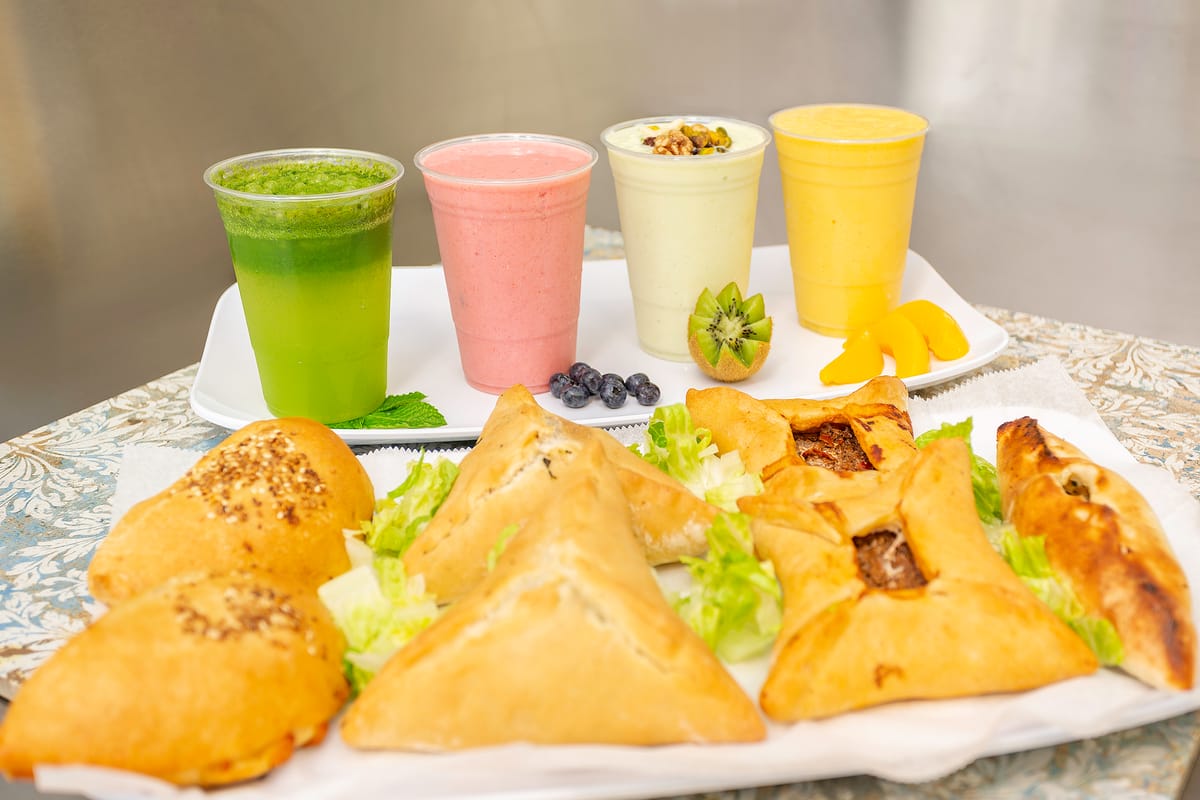
Every pita, every manaeesh, and every falafel at Taza is prepared fresh — the way a Mediterranean breakfast demands.
Mediterranean Breakfast at Taza
Authentic Levantine morning food at 5820 Seminary Rd Ste O, Falls Church, VA 22041
At Taza Shawarma & Falafel, we serve the core components of a Levantine breakfast throughout our operating hours. Whether you want a quick zaatar manaeesh on the way to work or a full spread of labneh, hummus, baba ghanouj, and fresh pita for a weekend gathering, our menu covers the tradition. Every dip is made from scratch. Every flatbread is baked in our stone oven. Every pita comes out of the oven fresh throughout the day.
Our most popular breakfast combination is a zaatar manaeesh with a side of labneh and a lemon-mint juice — a trio that delivers the full spectrum of a Mediterranean morning in under ten dollars. For a larger gathering, order hummus, baba ghanouj, labneh, and extra pita to create a communal spread that feeds four to six people. We also offer lahm bil ajin — a meat-topped flatbread with ground beef, onion, and parsley — for those who want a heartier start to the day.
Zaatar Manaeesh
$6.95The classic Lebanese breakfast flatbread — dried thyme, sesame, and olive oil on fresh-baked dough. Roll it up with tomatoes and mint.
Cheese Manaeesh
$7.95Signature cheese blend baked until bubbly and golden — a morning staple for all ages. Pairs with olives and hot tea.
Spinach Manaeesh
$7.95Fresh spinach, onion, and pine nuts on flatbread — nutrient-dense and deeply savory. Finish with a squeeze of fresh lemon.
Lahm Bi Ajin Manaeesh
$8.95Ground beef, onion, and parsley on flatbread — the heartier manaeesh for a filling breakfast that sustains all morning.
Hummus
$4.95Chickpeas, tahini, lemon, and olive oil — plant protein and fiber to anchor your morning spread.
Labneh
$4.95Thick strained yogurt with olive oil and mint — the probiotic cornerstone of a Levantine breakfast table.
Baba Ghanouj
$4.95Fire-roasted eggplant with tahini and garlic — smoky depth that rounds out any dip selection.
Pita Bread
$0.95Fresh-baked pita — the utensil, the vessel, and the foundation of every scoop and wrap.
Falafel Pita
from $8.95Crispy chickpea falafel in warm pita with tahini and vegetables — plant-powered breakfast protein.
Lemon Mint
$5.95Fresh lemon and mint juice — the traditional Middle Eastern breakfast drink, bright and refreshing.
Quick Weekday Mediterranean Breakfast Ideas
Six fast morning meals built on Mediterranean ingredients — each ready in five minutes or less
Zaatar Pita in 3 Minutes
Toast a fresh pita, brush with olive oil, and sprinkle with zaatar. Roll up with sliced tomatoes and cucumber for a meal that takes less time than brewing coffee. Add a side of labneh for protein. This is how millions of people across the Levant start every weekday — simple, savory, and sustaining.
Hummus Breakfast Bowl
Scoop hummus into a bowl, top with halved cherry tomatoes, diced cucumber, a drizzle of olive oil, and a sprinkle of sumac. Eat with torn pita or flatbread. Ready in two minutes if the hummus is pre-made. The protein from chickpeas and the fat from olive oil keep you full until lunch.
Labneh Toast
Spread thick labneh on toasted sourdough or pita. Top with sliced radishes, a drizzle of olive oil, and a pinch of zaatar. This is the Mediterranean answer to cream cheese on a bagel — tangier, lighter, and higher in protein. Add a handful of olives on the side for a complete meal.
Grab-and-Go Manaeesh
Order a zaatar or cheese manaeesh from Taza and eat it on the commute. Manaeesh is designed as portable food — it rolls up neatly, stays warm for twenty minutes, and does not drip or crumble. A single manaeesh and a lemon-mint juice make a full breakfast without any utensils.
Falafel Breakfast Pita
Crispy falafel in a warm pita pocket with tahini, pickled turnips, and fresh vegetables. Falafel provides plant protein from chickpeas and stays crispy long enough to survive a morning commute. Add hummus inside the pita for extra creaminess and fiber.
Mediterranean Smoothie Start
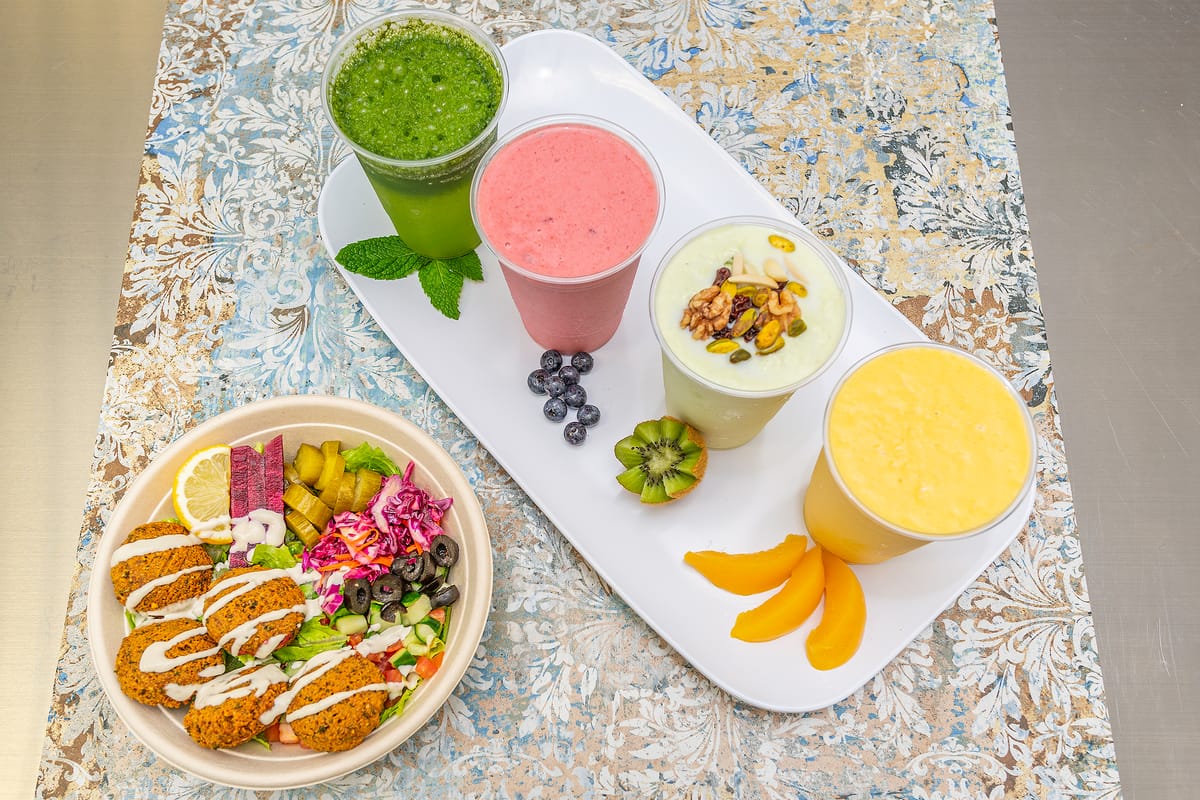
Pair a fresh lemon-mint juice or an avocado smoothie with a side of labneh and pita. The smoothie provides hydration and vitamins; the labneh and pita deliver sustained energy from protein and complex carbohydrates. This combination takes three minutes to assemble.
Each of these ideas can be built entirely from items on the Taza menu. Order a few sides — labneh, hummus, extra pita, and a lemon-mint juice — and you have the components for three to four quick Mediterranean breakfasts at home. The dips keep for several days in the refrigerator, and pita reheats in thirty seconds on a dry skillet or in a toaster. A Mediterranean breakfast does not require culinary skill; it requires good ingredients, and Taza provides those.
Fresh Every Morning
Our ingredients arrive daily. Our pita is baked on-site. Our dips are made from scratch. That is how a Mediterranean breakfast should work.
Building a Mediterranean Breakfast Spread at Home
A practical guide to assembling a Levantine morning table with store-bought and Taza-sourced ingredients
You do not need to live in Beirut to eat a Mediterranean breakfast every morning. The core ingredients are available at most grocery stores, and the preparation is minimal — this is a spread, not a cooked meal. Start with five foundation items: labneh (or thick Greek yogurt strained overnight through cheesecloth), hummus, pita bread, extra-virgin olive oil, and a zaatar spice blend. From that base, add sliced tomatoes, cucumbers, olives, and fresh mint when they are available.
The key to a good Mediterranean breakfast at home is quality olive oil and fresh bread. Olive oil should be extra-virgin, cold-pressed, and peppery enough that it tingles the back of your throat slightly. The bread should be fresh that day — stale pita is a different food entirely, flat and tough instead of pillowy and pliable. If you cannot get fresh pita daily, freeze it and reheat in a hot oven for three minutes before serving. Taza sells fresh pita by the piece for $0.95, and many of our customers pick up a few loaves on their way home to stock their kitchen for the week.
For the spread itself, use wide, shallow dishes rather than deep bowls. Hummus should be spread flat with a well in the center for olive oil. Labneh should be plated in a disc shape with a drizzle of oil and a sprinkle of dried mint or sumac. Vegetables should be cut large — wedges, not dice — so that they are easy to pick up with bread. Place the bread basket in the center, the dips on one side, the vegetables on the other, and a small bowl of zaatar-oil for dipping between them. That is the full layout. No special equipment. No cooking. Just assembly and good ingredients.
If you want to elevate the spread for a weekend brunch, add one or two cooked items: fried eggs with olive oil and a pinch of sumac, or an order of falafel from Taza reheated in a 400-degree oven for five minutes. A plate of halloumi cheese seared in a dry pan until golden on both sides takes three minutes and adds a salty, squeaky protein to the table. Fresh mint tea — brewed by steeping a handful of mint leaves in hot water with a spoonful of sugar — is the traditional drink pairing, though Turkish coffee and lemon-mint juice are equally fitting.
Mediterranean Breakfast: Frequently Asked Questions
A traditional Mediterranean breakfast is a meze-style spread of small dishes served communally. The core items are labneh (strained yogurt), hummus, fresh pita bread, zaatar with olive oil, olives, sliced tomatoes, cucumbers, and fresh mint. Eggs may be prepared as a fried egg with olive oil or as shakshuka. The emphasis is on whole foods, healthy fats from olive oil, plant-based protein from legumes, and fresh vegetables — with very little processed sugar or refined carbohydrates.
Research consistently supports the health benefits of a Mediterranean-style breakfast. It is lower in saturated fat, processed sugar, and sodium compared to a standard American breakfast of bacon, eggs, toast, and juice. The Mediterranean version provides more fiber from vegetables and legumes, more monounsaturated fat from olive oil, and more probiotics from labneh. A 2023 study in the European Journal of Clinical Nutrition found that adults who ate a Mediterranean-pattern breakfast had lower markers of systemic inflammation over a 12-week period.
Zaatar manaeesh is a large flatbread brushed with a mixture of dried thyme (zaatar), sesame seeds, sumac, and olive oil, then baked in a stone oven. It is the single most popular breakfast food in Lebanon, Syria, and Jordan. Bakeries open at 5 AM to serve fresh manaeesh to workers, students, and families. It is typically rolled up with tomatoes, mint, and cucumber, or eaten open-faced alongside tea or coffee. Taza bakes zaatar manaeesh fresh daily for $6.95.
Taza Shawarma & Falafel at 5820 Seminary Rd Ste O, Falls Church, VA 22041 serves a full range of Mediterranean breakfast items throughout our operating hours (11:00 AM - 12:00 AM). Our menu includes zaatar manaeesh ($6.95), cheese manaeesh ($7.95), spinach manaeesh ($7.95), labneh ($4.95), hummus ($4.95), baba ghanouj ($4.95), fresh pita bread ($0.95), falafel pita ($8.95), and fresh-squeezed lemon-mint juice ($5.95). You can order online or call (703) 340-1014.
Labneh is strained longer than Greek yogurt — typically 24 to 48 hours versus 4 to 6 hours for Greek yogurt. This extended straining removes more whey, resulting in a thicker, denser texture that is closer to cream cheese than to yogurt. Labneh has a tangier, more concentrated flavor and holds its shape on a plate. It is traditionally served as a savory dish with olive oil and dried mint, whereas Greek yogurt is more commonly sweetened. Nutritionally, labneh is higher in protein per ounce due to the additional concentration.
A Mediterranean breakfast is naturally vegetarian-friendly. Labneh, hummus, baba ghanouj, zaatar manaeesh, falafel, olives, and fresh vegetables are all vegetarian. For vegans, hummus, baba ghanouj, falafel, zaatar manaeesh (made without dairy), olives, and fresh vegetables are suitable. Labneh and cheese manaeesh contain dairy. At Taza, we label vegetarian items on our menu and can advise on vegan-friendly options.
A typical Mediterranean breakfast spread containing a serving of labneh, two pieces of pita bread, hummus, sliced vegetables, olives, and zaatar with olive oil totals approximately 450 to 600 calories. This is lower than a standard American breakfast (700 to 1,200 calories for pancakes, bacon, eggs, and juice) while providing more fiber, more micronutrients, and more sustained energy from complex carbohydrates and healthy fats. A single zaatar manaeesh with vegetables runs about 350 to 400 calories.
Traditional Mediterranean breakfast drinks include strong Turkish or Arabic coffee, fresh mint tea, and lemon-mint juice (a blend of fresh lemon, mint leaves, and a touch of sugar). At Taza, our fresh lemon-mint juice ($5.95) and avocado boost smoothie ($5.95) are popular breakfast pairings. Ayran — a salted yogurt drink — is another traditional option in Turkey and the eastern Mediterranean. Fruit juices are less common at a traditional Mediterranean breakfast than in the West.
Mediterranean Breakfast in Falls Church
Taza Shawarma & Falafel — 5820 Seminary Rd Ste O, Falls Church, VA 22041 — open 11:00 AM - 12:00 AM
Address
5820 Seminary Rd Ste O, Falls Church, VA 22041
Hours
11:00 AM - 12:00 AM -- Open 7 Days a Week
Phone
Explore More Mediterranean Food Guides
Order a Mediterranean Breakfast from Taza
Zaatar manaeesh, labneh, hummus, fresh pita, falafel, and lemon-mint juice — all made fresh at 5820 Seminary Rd Ste O, Falls Church, VA 22041. Order online for pickup or call (703) 340-1014.