7-Day Mediterranean Diet Meal Plan You Can Actually Follow
No abstract recipes. No ingredients you can't find. This is a real 7-day eating plan built entirely from Taza's menu -- with actual prices, actual portions, and food you can order today.
4.8 stars on Yelp (92 reviews) -- Open 11:00 AM - 12:00 AM
This meal plan uses real items from Taza Shawarma & Falafel's menu with current prices. No theoretical recipes, no hard-to-find ingredients. Just food you can actually order at 5820 Seminary Rd Ste O, Falls Church, VA 22041 or through online ordering.
What Is the Mediterranean Diet?
A way of eating rooted in the traditional food cultures of Greece, southern Italy, Lebanon, and the broader Levant region.
The Mediterranean diet is a pattern of eating based on the traditional foods of countries bordering the Mediterranean Sea. It emphasizes vegetables, fruits, whole grains, legumes, nuts, seeds, and olive oil as the primary fat source. Fish and poultry are eaten regularly; red meat is consumed in smaller amounts. Dairy comes mainly from yogurt and cheese rather than milk. The diet was first studied scientifically by Ancel Keys in the 1960s, who observed that people in Crete and southern Italy had dramatically lower rates of heart disease than Americans. Since then, the Mediterranean diet has been ranked the #1 overall diet by U.S. News & World Report for seven consecutive years (2018-2024). The World Health Organization recognizes it as a healthy and sustainable dietary pattern. It is not a fad, a cleanse, or a restriction plan. It is how millions of people across the Mediterranean region have eaten for centuries.
The key components of the Mediterranean diet are: daily consumption of vegetables, fruits, whole grains, and olive oil; weekly consumption of fish, poultry, beans, and eggs; moderate portions of dairy; and limited intake of red meat. The diet is also characterized by its social component -- meals are eaten slowly, at a table, often with family or friends. This is not incidental. Research published in the American Journal of Clinical Nutrition found that the communal, unhurried eating patterns of Mediterranean cultures contribute to better portion control and digestion.
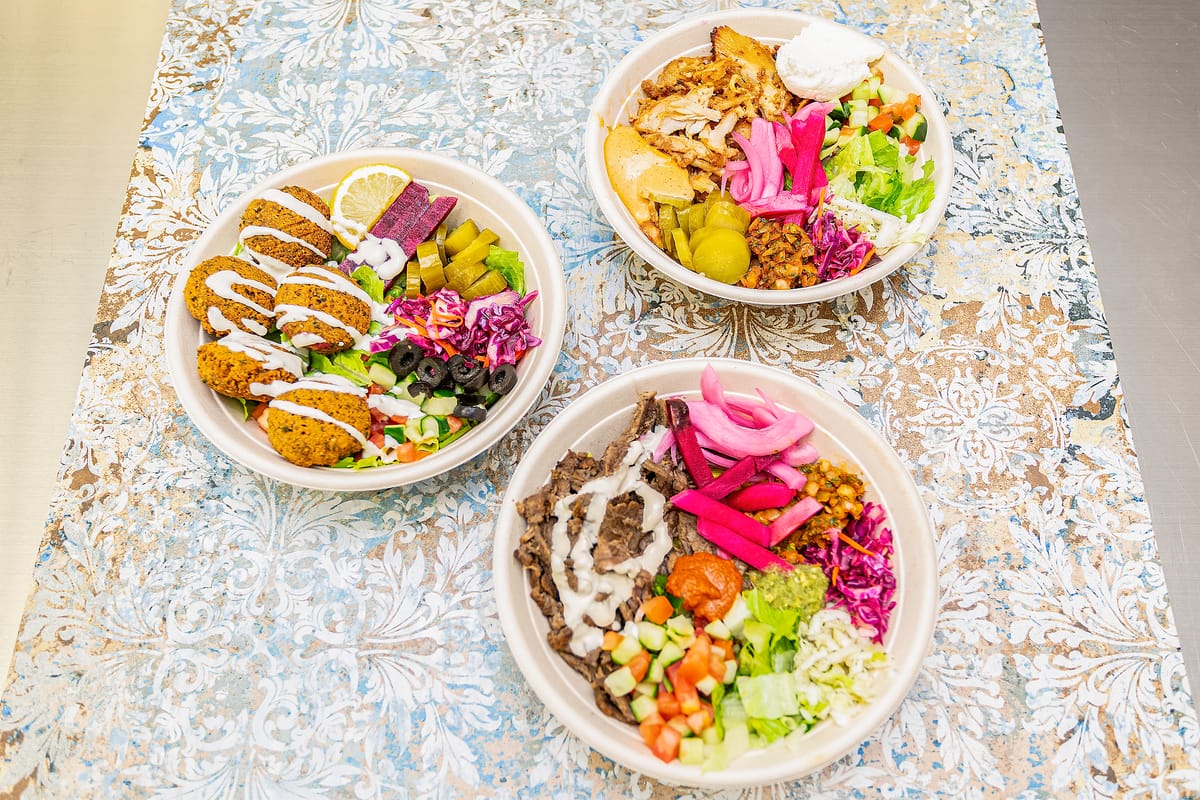
What makes the Mediterranean diet different from most "diets" is that it does not require you to count calories, eliminate food groups, or buy special products. The core principle is simple: eat whole, minimally processed food, cooked with olive oil, and sit down to enjoy it. At Taza Shawarma & Falafel in Falls Church, every item on the menu aligns with Mediterranean diet principles. Our chicken shawarma bowls (from $12.45), falafel pitas (from $8.95), and fresh-made hummus ($4.95) are not approximations of Mediterranean food -- they are the real thing.
Real Food, Real Prices
Every meal in this plan uses actual items from Taza's menu with current pricing.
Why the Mediterranean Diet Works
Three decades of clinical research back this up. Here are the headline numbers.
Heart Health
The PREDIMED trial -- one of the largest nutrition studies ever conducted -- followed 7,447 people over 5 years. Those on a Mediterranean diet had a 30% lower risk of major cardiovascular events (heart attack, stroke, cardiovascular death) compared to a low-fat control diet. The key factors: olive oil replaces saturated fats, lean proteins replace processed meats, and legumes like chickpeas provide soluble fiber that lowers LDL cholesterol. At Taza, every meal is cooked with olive oil, and our hummus and falafel are chickpea-based.
Weight Management
A 2020 meta-analysis in Advances in Nutrition reviewed 30 randomized trials and found Mediterranean diet participants lost an average of 8.7 pounds over 12 months -- without calorie counting. The mechanism is straightforward: high-fiber foods (chickpeas, lentils, whole grains) and healthy fats (olive oil, tahini, nuts) keep you full longer. A chicken shawarma bowl over greens at Taza is roughly 450-550 calories and has 35+ grams of protein. You are not hungry an hour later. Compare that to a fast-food combo meal at 1,200+ calories that leaves you sluggish and craving more.
Anti-Inflammatory
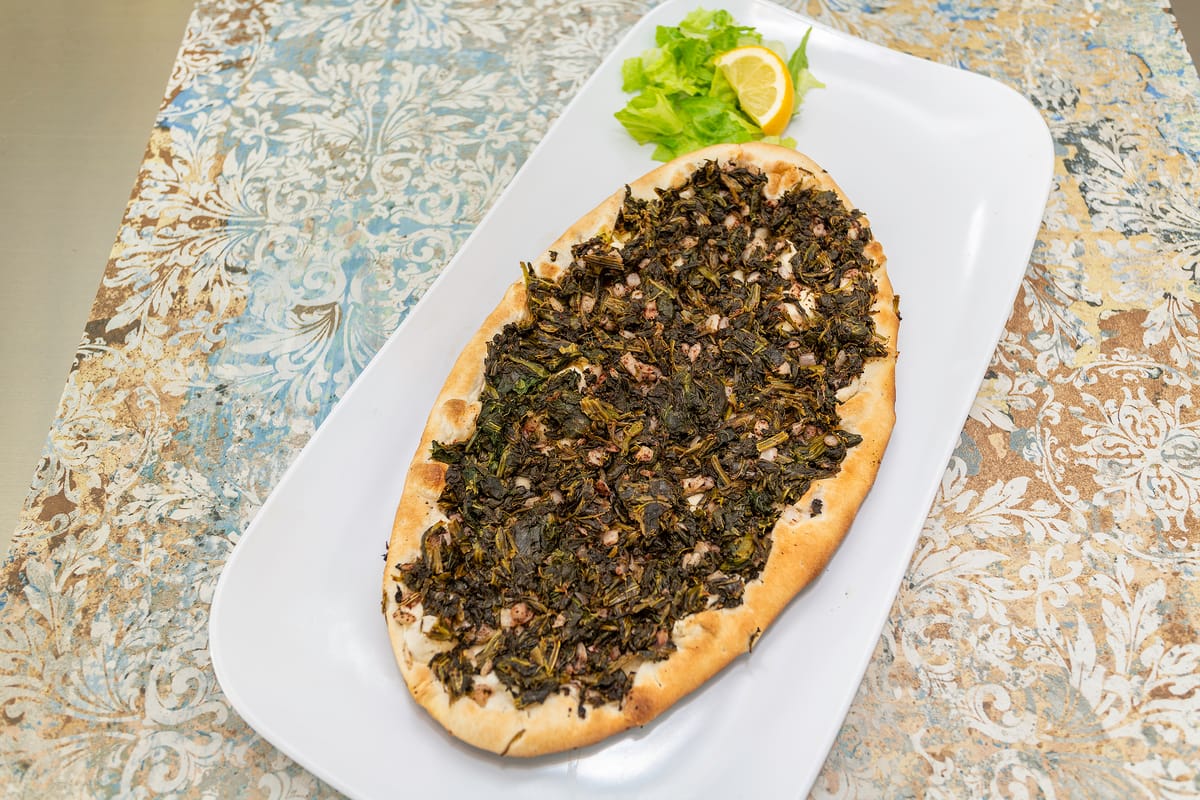
Chronic inflammation drives most modern diseases -- from Type 2 diabetes to Alzheimer's. A 2019 study in the journal Nutrients found the Mediterranean diet significantly reduced markers of systemic inflammation (C-reactive protein and IL-6) compared to Western diets. The anti-inflammatory power comes from polyphenols in olive oil, antioxidants in fresh vegetables, omega-3 fatty acids, and spices like turmeric and cumin used in shawarma marinades. Za'atar, the herb blend on our manaeesh ($6.95), contains thymol and carvacrol -- compounds with documented anti-inflammatory and antimicrobial properties.
The 7-Day Mediterranean Diet Meal Plan
Every meal below is a real menu item at Taza Shawarma & Falafel with current prices. Mix and match across days based on what you feel like eating.
Monday
With fresh mint tea. Za'atar is loaded with antioxidants and anti-inflammatory compounds.
Over mixed greens instead of rice. Add all the fresh vegetables from our toppings selection. High protein, low carb.
Chickpea-based protein from two sources. Pair with a side of hummus and warm pita for scooping.
Tuesday
Spinach, onion, and pine nuts on fresh flatbread. Iron and fiber to start the day.
Load it with lettuce, tomatoes, cucumbers, and pickled turnips. Tahini sauce instead of mayo.
Bowl over rice with roasted eggplant dip on the side. Two plant-based powerhouses in one meal.
Wednesday
Strained yogurt with olive oil and dried mint. Probiotic-rich and high in protein. Simple and filling.
Thin shrak bread with lean chicken, fresh vegetables, and garlic sauce. Bigger than a pita, more satisfying.
Over a hummus base instead of rice. Extra protein from the hummus, and the combination is rich without being heavy.
Thursday
Melted cheese on fresh flatbread. Calcium and protein. Quick, warm, and satisfying.
All-vegetarian lunch. Falafel for protein and fiber, labneh for probiotics. Tahini ties it together.
Over basmati rice this time. Ask for extra vegetables and a drizzle of olive oil dressing.
Friday
Lebanese flatbread with seasoned ground beef, onion, and parsley. A traditional Friday morning meal across the Levant.
Generous beef wrap with pickled vegetables and tahini. The shrak bread adds a chewy, satisfying texture.
End the week with a plant-based bowl. Over greens with hummus on the side. Clean, filling, and light.
Saturday
The classic Lebanese breakfast combo. Za'atar flatbread dipped in strained yogurt. Eaten across the Middle East for centuries.
The most popular item on Taza's menu for a reason. Lean chicken, fresh vegetables, garlic sauce.
Saturday dinner spread. Bowl over rice with smoky eggplant dip. Invite someone -- Mediterranean food is meant to be shared.
Sunday
Two spinach pies at $2.95 each plus hummus. Budget-friendly, iron-rich, and genuinely delicious.
Over a hummus base. Ask for extra pickled turnips. The probiotics from the pickles support gut health.
Close the week plant-based. Chickpea falafel in warm pita with smoky eggplant dip. Simple and excellent.
This plan averages roughly 1,800-2,200 calories per day depending on your bowl base, toppings, and portions. Adjust by adding or removing sides. Every item is available at Taza's full menu for dine-in, takeout, or delivery.
Mediterranean Diet vs Standard American Diet
The differences are not subtle. Here is what a typical week looks like for each approach.
| Category | Mediterranean Diet (Taza) | Standard American Diet |
|---|---|---|
| Whole Grains | Fresh-baked pita, basmati rice, za'atar flatbread daily | White bread, refined pasta, sugary cereals |
| Red Meat | Moderate portions, spit-roasted beef 2-3x per week | Daily burgers, processed deli meats, bacon |
| Olive Oil | Primary cooking fat in every dish | Vegetable oil, canola oil, margarine |
| Processed Food | Zero. Everything made from whole ingredients | Frozen meals, packaged snacks, fast food |
| Vegetables | 14 fresh toppings, salads, eggplant, legumes | Iceberg lettuce, canned vegetables, ketchup |
| Legumes | Daily: chickpeas (falafel, hummus), lentils | Rare. Maybe canned beans occasionally |
The Mediterranean approach is not about deprivation. It is about choosing better ingredients. At Taza, the default is olive oil instead of vegetable oil, fresh herbs instead of artificial seasoning, and spit-roasted protein instead of deep-fried everything.
14 Fresh Toppings, No Extra Charge
Lettuce, tomatoes, cucumbers, onions, mint, parsley, pickles, olives, and more -- all included with every order.
Mediterranean Diet Grocery List
Stock your kitchen with these staples. Every one of them shows up in Taza's cooking too.
Extra-Virgin Olive Oil
The backbone of Mediterranean cooking. Used for sauteing, dressings, and finishing. At Taza, every dish is prepared with olive oil -- never vegetable oil or canola.
Chickpeas
The most important legume in the Mediterranean diet. Ground into falafel, blended into hummus, tossed into salads. High in protein, fiber, and iron. Taza's falafel is made from dried chickpeas, never canned.
Tahini
Sesame seed paste. Used in hummus, baba ghanouj, as a sauce on shawarma and falafel. Rich in calcium, iron, and healthy fats. Taza drizzles tahini on nearly every sandwich and bowl.
Pita Bread
Fresh-baked, not from a plastic bag. Taza bakes pita daily. At home, look for bakery-fresh pita or make your own. It is the vessel for dips, wraps, and sandwiches across the Mediterranean.
Yogurt & Labneh
Full-fat, plain yogurt. Strained into labneh (thick yogurt dip), used in sauces, eaten with olive oil and za'atar. Taza's labneh at $4.95 is a probiotic-rich side or breakfast.
Fresh Vegetables
Tomatoes, cucumbers, onions, lettuce, parsley, mint. The toppings selection at Taza has 14 fresh options included free with every order. At home, these are the cheapest and most important part of your grocery list.
What About the Days You Do Not Want to Cook?
That is exactly what Taza is for. The Mediterranean diet is a lifestyle, not a homework assignment. Some nights you cook at home with olive oil, chickpeas, and fresh vegetables. Other nights you grab a chicken shawarma bowl (from $12.45) or a falafel pita (from $8.95) from Taza and you are still on plan. No guilt, no compromise. Open 11:00 AM - 12:00 AM, Open 7 Days a Week. Order online at Taza's online ordering.
How to Eat Out and Stay on a Mediterranean Diet
Six menu picks at Taza that keep you on plan without thinking about it.
Chicken Shawarma Bowl
Lean grilled chicken over greens or rice with fresh vegetables and tahini. from $12.45. The single best Mediterranean diet meal on the menu.
Falafel Shrak Wrap
Plant-based protein wrapped in thin flatbread with hummus and salad. from $9.95. High fiber, zero meat, all flavor.
Hummus + Pita
Chickpea dip with fresh-baked pita bread. $4.95 + $0.95. The quintessential Mediterranean starter. Protein, fiber, healthy fats.
Falafel Bowl over Greens
Skip the rice, go straight greens. Falafel bowl at from $10.45 with all 14 toppings. Under 500 calories and completely plant-based.
Baba Ghanouj
Smoky roasted eggplant dip at $4.95. Low calorie, rich in fiber and potassium. One of the most underrated sides on any Mediterranean menu.
Lemon Mint Drink
Fresh-squeezed lemon and mint at $5.95. Zero processed sugar, zero artificial ingredients. The traditional Mediterranean beverage.
Ordering Tips for Staying on Plan
- 1Choose bowls over wraps when watching carbs. A bowl over greens eliminates the bread entirely while keeping all the protein, vegetables, and sauce.
- 2Ask for tahini instead of garlic mayo. Tahini is pure sesame paste -- healthy fat, calcium, iron. Garlic mayo is still mayo.
- 3Load up on toppings. All 14 toppings at Taza are free. Pile on the lettuce, tomatoes, cucumbers, pickled turnips, and onions. More vegetables = more fiber = more fullness.
- 4Drink lemon mint ($5.95) instead of soda ($1.79). Fresh lemon and mint versus high-fructose corn syrup. Easy call.
4 Common Mediterranean Diet Mistakes
The diet is simple, but people still get tripped up by these.
Skipping Legumes
Chickpeas, lentils, and beans are not optional sides -- they are a core protein source. Many people try the Mediterranean diet and still rely solely on chicken or beef. The whole point is to eat more plant-based protein alongside your animal protein. At Taza, ordering hummus ($4.95) or falafel (from $8.95) with your meal adds legume-based protein to every sitting.
Too Much Bread
Pita and manaeesh are part of the Mediterranean diet, but they are not meant to be the centerpiece of every meal. If you eat a pita at breakfast, a wrap at lunch, and another pita at dinner, you are overdoing the grain component. Alternate between bread-based meals and bowls. The bowl format at Taza (from from $10.45) gives you all the protein and vegetables without the extra carbs. Save the manaeesh for breakfast, go bread-free at lunch.
Ignoring Portions
Olive oil is healthy, but it is still 120 calories per tablespoon. Hummus is nutritious, but eating an entire container in one sitting adds up. The Mediterranean diet works because portions are naturally moderate. A chicken shawarma pita (from $9.95) is a complete meal at roughly 500-600 calories. You do not need a pita plus a bowl plus three sides. One main, one dip, and a drink is a balanced Mediterranean meal.
Avoiding All Fat
The Mediterranean diet is not low-fat. It is the right fat. Olive oil, tahini, nuts, and avocado are all high in monounsaturated and polyunsaturated fats that actively lower LDL cholesterol and reduce inflammation. Skipping the tahini on your falafel bowl or asking for dressing on the side out of fat-phobia misses the point. The PREDIMED study specifically showed that the group eating more olive oil and nuts had better cardiovascular outcomes than the low-fat group. Eat the tahini. Use the olive oil dressing. These are protective, not harmful.
Mediterranean Diet on a Budget
One of the biggest myths about the Mediterranean diet is that it is expensive. Here is what it actually costs.
The Mediterranean diet is one of the most affordable eating patterns in the world. Its staples -- chickpeas, lentils, rice, olive oil, seasonal vegetables, eggs, yogurt -- are among the cheapest items in any grocery store. A pound of dried chickpeas costs about $1.50 and makes enough hummus and falafel for a week. A bag of basmati rice runs $5 and lasts two weeks. A bottle of decent olive oil is $8-$12 and lasts a month. Compare that to the standard American diet, where a single fast-food combo meal can run $12-$15 and delivers almost no nutritional value.
When eating at Taza, the budget math is equally favorable. Our specialty pies start at just $2.95 each -- you can buy four different flavors for under $12 and have a full, varied meal. A falafel pita at from $8.95 is a complete, protein-rich lunch. A zaatar manaeesh at $6.95 is a filling breakfast. Add a side of hummus ($4.95) to share and you are eating well for under $20 per person per meal.
Weekly Cost Estimate: Eating Mediterranean at Taza
Breakfasts (7 days)
Manaeesh, pies, labneh + pita
Lunches (5 weekdays)
Pitas, wraps, bowls
Dinners (7 days)
Bowls, wraps + sides
Sides & Drinks
Hummus, lemon mint, smoothies
Weekly Total (eating out daily)
~$170-$244Mix restaurant meals with home cooking to cut this in half. Cook Mediterranean at home 4 nights a week and eat at Taza the other 3. Weekly cost drops to $85-$120.
What a Mediterranean Diet Day Actually Looks Like
Not a hypothetical. Not a magazine recipe. A real day of eating with items you can order right now.
7:30 AM -- Breakfast. You stop at Taza on your way to work and grab a Zaatar Manaeesh ($6.95). It is a warm flatbread brushed with dried thyme, sesame seeds, sumac, and olive oil. You eat it in the car. It takes two minutes. Total so far: $6.95.
12:30 PM -- Lunch. You order a Chicken Shawarma Bowl (from $12.45) over mixed greens instead of rice. You load it with all 14 toppings -- lettuce, tomatoes, cucumbers, pickled turnips, onions, parsley, olives, tahini sauce. You add a Lemon Mint ($5.95) instead of a soda. The bowl has about 35 grams of protein, plenty of fiber from the vegetables, and healthy fats from the tahini and olive oil. Total so far: about $25.
3:00 PM -- Snack. You have a handful of almonds and an apple at your desk. No Taza trip needed -- this is the home-cooking part of the Mediterranean diet. Nuts are a core Mediterranean food. Total so far: still about $25.
7:00 PM -- Dinner. You order a Falafel Pita (from $8.95) and a side of Hummus ($4.95) to share. The falafel gives you plant-based protein from chickpeas. The hummus adds more chickpeas, tahini, and olive oil. You tear off pieces of the pita to scoop the hummus. Simple, filling, and genuinely good.
Daily total: roughly $38-$40. Three meals, all Mediterranean, all fresh, all made from whole ingredients. No calorie counting, no special groceries, no meal prep. That is what the Mediterranean diet looks like when you have a restaurant like Taza in your neighborhood.
Mediterranean Diet Meal Plan FAQ
Eating Mediterranean at Taza costs roughly $70-$100 per week for one person if you eat there daily for lunch and dinner. A chicken shawarma bowl is from $12.45, a falafel pita is from $8.95, and sides like hummus are $4.95. Manaeesh start at $6.95 for breakfast. Cooking Mediterranean at home is even cheaper -- chickpeas, olive oil, tahini, and vegetables are among the most affordable groceries. A week of Mediterranean groceries for one person runs about $50-$70, which is comparable to or less than the standard American diet when you factor out processed snacks and convenience meals.
Yes. Multiple clinical trials show the Mediterranean diet is effective for sustained weight loss. A 2020 meta-analysis in Advances in Nutrition found participants lost an average of 8.7 pounds over 12 months on a Mediterranean diet compared to control groups. The diet works because it is high in fiber (from legumes, vegetables, whole grains), healthy fats (olive oil, tahini, nuts), and lean protein (grilled chicken, falafel). These keep you full longer without calorie counting. At Taza, a chicken shawarma bowl over greens with fresh vegetables is roughly 450-550 calories -- a satisfying, complete meal that does not leave you hungry an hour later.
Absolutely. Shawarma is a core Mediterranean and Middle Eastern food. It is lean meat (chicken or beef) marinated in spices like cumin, turmeric, paprika, and garlic, then slow-roasted on a vertical spit. The cooking method uses no added oil -- the meat roasts in its own juices. At Taza, our chicken shawarma pita starts at from $9.95 and our chicken shawarma bowl at from $12.45. Paired with fresh vegetables, tahini sauce, and a base of rice or greens, shawarma is a textbook Mediterranean diet meal: lean protein, fresh produce, healthy fat from tahini, and whole grains from pita or rice.
Water is the primary beverage on a Mediterranean diet. Herbal teas (mint, chamomile, sage) are traditional across the region. Fresh lemon-mint juice is a Middle Eastern staple -- Taza's Lemon Mint drink ($5.95) is made with fresh-squeezed lemon and mint leaves. Coffee in moderation is fine, especially Turkish or Arabic-style. The Mediterranean diet traditionally includes moderate red wine with meals, but this is optional and many people in the region abstain entirely. Avoid sodas, energy drinks, and sugary juices. Taza also offers fresh smoothies blended with real fruit starting at $5.95 -- a much better choice than bottled juice with added sugar.
Hummus is one of the healthiest foods in the Mediterranean diet. It is made from chickpeas (high in protein, fiber, and folate), tahini (calcium, iron, healthy fats), lemon juice (vitamin C), garlic (allicin, a natural antimicrobial), and olive oil (monounsaturated fats). A typical serving has about 7 grams of protein and 4 grams of fiber. Taza's hummus at $4.95 is made fresh daily -- no preservatives, no seed oils, no stabilizers. Studies published in the Journal of Nutrition & Food Sciences found that regular hummus consumption is associated with better nutrient intake and diet quality across all age groups.
The Mediterranean diet includes animal products -- particularly fish, poultry, eggs, yogurt, and cheese. It limits red meat but does not eliminate it. A vegan diet excludes all animal products entirely. The Mediterranean diet emphasizes balance: meals center on vegetables, legumes, and whole grains, with animal protein as a complement rather than the main event. At Taza, both approaches are well-served. Vegans can eat falafel (pita from $8.95, bowl from $10.45), hummus ($4.95), baba ghanouj ($4.95), and zaatar manaeesh ($6.95). Mediterranean diet followers can add chicken or beef shawarma to any of those meals.
Start Your Mediterranean Diet at Taza
Open 11:00 AM - 12:00 AM, Open 7 Days a Week. Walk-in, takeout, or delivery.
Address
5820 Seminary Rd Ste O, Falls Church, VA 22041
Hours
11:00 AM - 12:00 AM -- Open 7 Days a Week
Phone
Order Your First Mediterranean Diet Meal
Pick any item from the 7-day plan above and order it right now. Chicken shawarma bowl, falafel wrap, hummus platter -- whatever sounds good. No prep, no shopping, no cooking required.