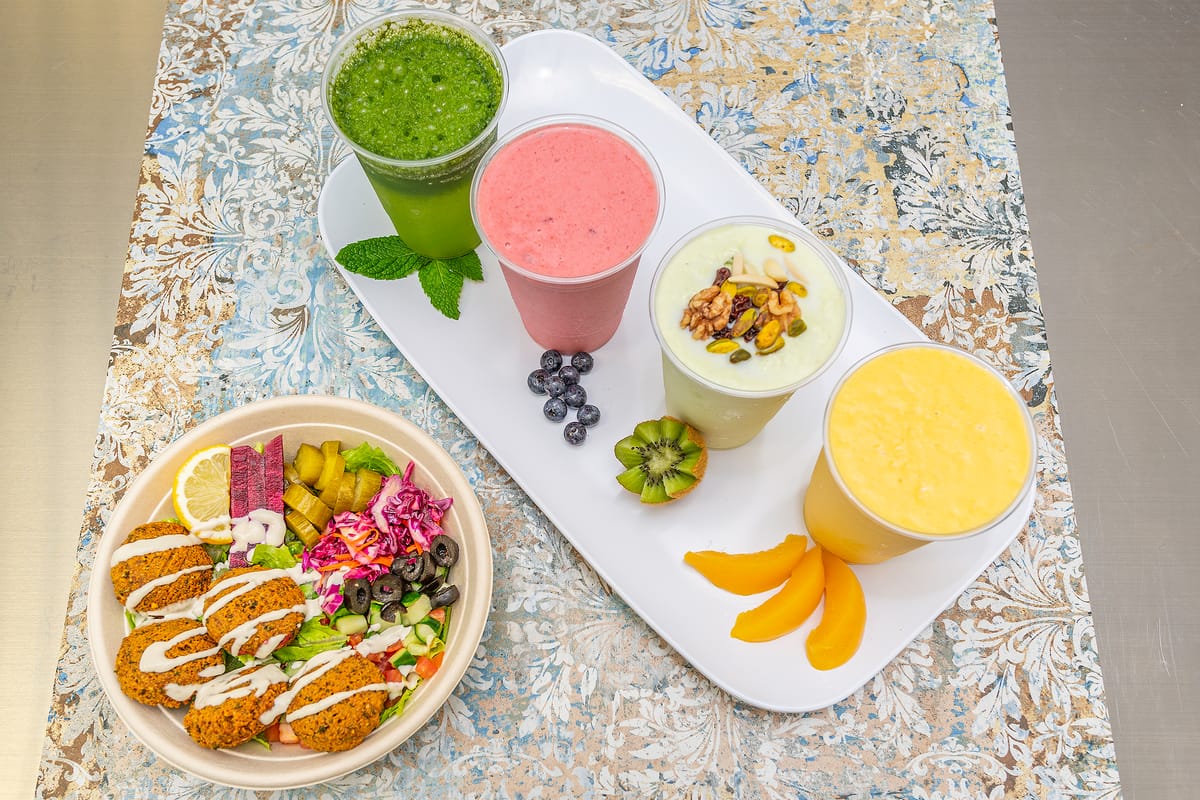
Mediterranean Anti-Inflammatory Diet
Chronic inflammation drives heart disease, diabetes, arthritis, and dozens of other conditions. The Mediterranean diet is the most studied dietary intervention for reducing it. Here is exactly how it works and what to eat.
4.8 stars on Yelp (92 reviews) -- Open 11:00 AM - 12:00 AM
What Is Chronic Inflammation?
Understanding why your immune system stays activated and how it drives disease.
Inflammation is the immune system's first response to injury or infection. When you cut your finger, the redness and swelling you observe are signs of acute inflammation: your body dispatching white blood cells and signaling molecules to the damaged area. This process is essential for survival. It resolves within hours or days once the threat has been neutralized, and the tissue returns to normal function. Without acute inflammation, a simple scratch could become a dangerous infection.
Chronic inflammation is a fundamentally different process. It occurs when the immune system stays activated for weeks, months, or years without a clear external threat. Instead of responding to an injury, the body attacks its own tissues. The triggers are often dietary: excess sugar drives insulin resistance that activates inflammatory cytokines, industrial seed oils provide the raw materials for pro-inflammatory prostaglandins, and processed food additives disrupt the gut barrier, allowing bacterial endotoxins (lipopolysaccharide) into the bloodstream. The result is a low-grade, systemic inflammatory state measured by biomarkers including C-reactive protein (CRP), interleukin-6 (IL-6), and tumor necrosis factor-alpha (TNF-alpha).
The clinical consequences are severe. Research published in Nature Medicine in 2019 identified chronic inflammation as the root driver of heart disease, type 2 diabetes, Alzheimer's disease, rheumatoid arthritis, inflammatory bowel disease, and several cancers. The authors estimated that chronic inflammatory diseases account for more than 50 percent of all deaths worldwide. The standard American diet, built on refined carbohydrates, seed oils, and processed meat, directly promotes this inflammatory state.
The Mediterranean diet is the most studied dietary intervention for reversing chronic inflammation. A 2018 systematic review in the journal Nutrients analyzed 17 randomized controlled trials and concluded that Mediterranean diet adherence significantly reduced CRP, IL-6, and TNF-alpha across diverse populations. The effect comes not from a single ingredient but from the cumulative action of dozens of anti-inflammatory compounds working through different biochemical pathways at the same time. At Taza Shawarma & Falafel in Falls Church, every meal delivers these compounds in clinically relevant forms and concentrations.
How the Mediterranean Diet Reduces Inflammation
Three primary pathways explain why this dietary pattern outperforms every other approach.
Polyphenols & Antioxidants
Olive oil, sumac, zaatar, and fresh vegetables provide polyphenols that neutralize reactive oxygen species (ROS) before they can activate NF-kB inflammatory signaling. Oleocanthal in olive oil directly inhibits COX-1 and COX-2 enzymes, the same targets as ibuprofen. Quercetin from onions and greens stabilizes mast cells and reduces histamine release. These compounds work within minutes of absorption, providing acute anti-inflammatory protection after every meal.
Omega-3 & Healthy Fats
The Mediterranean diet replaces omega-6-heavy seed oils with extra-virgin olive oil, reducing the arachidonic acid available for pro-inflammatory prostaglandin synthesis. Sesame (tahini) provides gamma-tocopherol, the form of vitamin E that specifically neutralizes nitrogen-based free radicals. Walnuts and certain greens contribute alpha-linolenic acid, an omega-3 precursor that the body converts to EPA and DHA, which directly compete with omega-6 for inflammatory enzyme binding sites.
Fiber & Gut Health
Chickpeas, lentils, and whole grains provide soluble fiber that ferments in the colon to produce short-chain fatty acids, especially butyrate. Butyrate strengthens tight junctions between intestinal epithelial cells, preventing bacterial endotoxins (lipopolysaccharide) from crossing into the bloodstream. A 2020 study in the journal Gut confirmed that 12 months of Mediterranean diet adherence increased beneficial Faecalibacterium and Roseburia species while reducing pro-inflammatory bacteria.
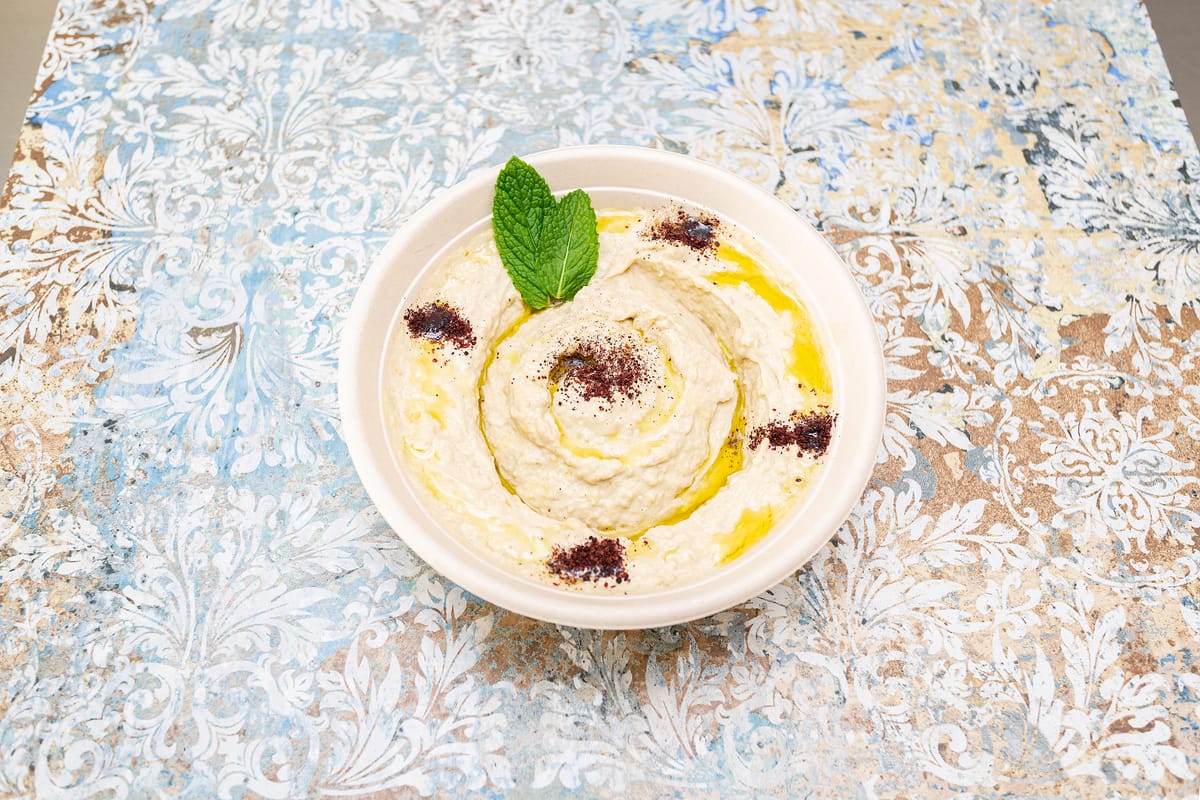
Every Ingredient Fights Inflammation
Olive oil, garlic, chickpeas, tahini, za'atar, fresh vegetables -- each one targets a different inflammatory pathway.
Top Anti-Inflammatory Mediterranean Foods
Each food contains specific compounds with documented mechanisms for reducing inflammation.
Extra-Virgin Olive Oil
Key Compounds: Oleocanthal, Oleic Acid
Oleocanthal in extra-virgin olive oil inhibits the same COX-1 and COX-2 enzymes targeted by ibuprofen. A 2011 study in the Journal of Nutritional Biochemistry found that 50 milliliters of extra-virgin olive oil per day reduced CRP levels by 38 percent over 12 weeks. Oleic acid, the primary monounsaturated fat, lowers interleukin-6 and tumor necrosis factor-alpha. At Taza, olive oil is drizzled on bowls, hummus, baba ghanouj, and zaatar manaeesh.
Garlic (Toum)
Key Compounds: Allicin, Diallyl Disulfide
Crushing garlic releases allicin, a sulfur compound that inhibits NF-kB, the master switch for inflammatory gene expression. A 2020 meta-analysis in Food Science and Nutrition reviewed 17 clinical trials and confirmed that garlic supplementation reduced CRP, TNF-alpha, and IL-6 in participants with elevated inflammatory markers. Taza's toum (Lebanese garlic sauce) uses raw garlic whipped with oil, preserving allicin at concentrations far higher than cooked preparations.
Leafy Greens & Tomatoes
Key Compounds: Quercetin, Lycopene, Vitamin C
Leafy greens provide quercetin, which stabilizes mast cells and reduces histamine release. Tomatoes supply lycopene, a carotenoid shown to lower IL-6 and CRP in multiple clinical trials. A 2021 meta-analysis in Advances in Nutrition found that each additional daily serving of raw vegetables reduced CRP by 6 percent. At Taza, fresh vegetables fill every bowl, pita, and wrap.
Chickpeas (Falafel & Hummus)
Key Compounds: Saponins, Butyrate (via fiber)
Chickpeas are among the richest dietary sources of saponins, compounds that directly inhibit inflammatory signaling pathways. A 2016 study in the Annals of Nutrition and Metabolism found that regular chickpea consumption reduced IL-6 by 18 percent compared to wheat-based diets. Soluble fiber from chickpeas ferments in the gut to produce butyrate, a short-chain fatty acid that strengthens the intestinal barrier and blocks endotoxins from triggering systemic inflammation.
Tahini (Sesame)
Key Compounds: Sesamin, Sesamolin, Gamma-tocopherol
Sesame seeds contain sesamin and sesamolin, two lignans with documented anti-inflammatory and antioxidant activity. A 2017 study in the International Journal of Preventive Medicine found that 40 grams of sesame daily for two months reduced malondialdehyde (an oxidative stress marker) by 26 percent and increased glutathione peroxidase by 41 percent. Tahini appears in hummus, baba ghanouj, falafel dressing, and bowls at Taza.
Nuts & Seeds
Key Compounds: Alpha-linolenic Acid, Vitamin E, Magnesium
Walnuts, almonds, and pine nuts deliver alpha-linolenic acid (an omega-3 precursor), vitamin E (a membrane-bound antioxidant), and magnesium (a mineral required for over 300 enzymatic reactions). A 2020 study in the American Journal of Clinical Nutrition found that consuming 30 grams of mixed nuts daily reduced CRP by 12 percent and IL-6 by 16 percent over 12 weeks. Pine nuts appear in spinach manaeesh and pies at Taza.
Legumes & Lentils
Key Compounds: Resistant Starch, Polyphenols, Folate
Legumes provide resistant starch that passes undigested to the colon, feeding beneficial bacteria that produce anti-inflammatory short-chain fatty acids. The polyphenols in legume seed coats inhibit lipoxygenase enzymes responsible for leukotriene production. Folate from legumes reduces homocysteine, an amino acid that damages blood vessel walls and triggers inflammatory cascades when elevated.
Garlic & Onions (Allium Family)
Key Compounds: Quercetin, Allicin, Kaempferol
Onions are the richest dietary source of quercetin, a flavonoid that inhibits mast cell degranulation, reduces histamine release, and suppresses COX-2 expression. Combined with garlic's allicin, the allium family provides dual anti-inflammatory coverage through both the lipoxygenase and cyclooxygenase pathways. At Taza, raw onions appear in Arabic salad, while garlic is the base of toum sauce.
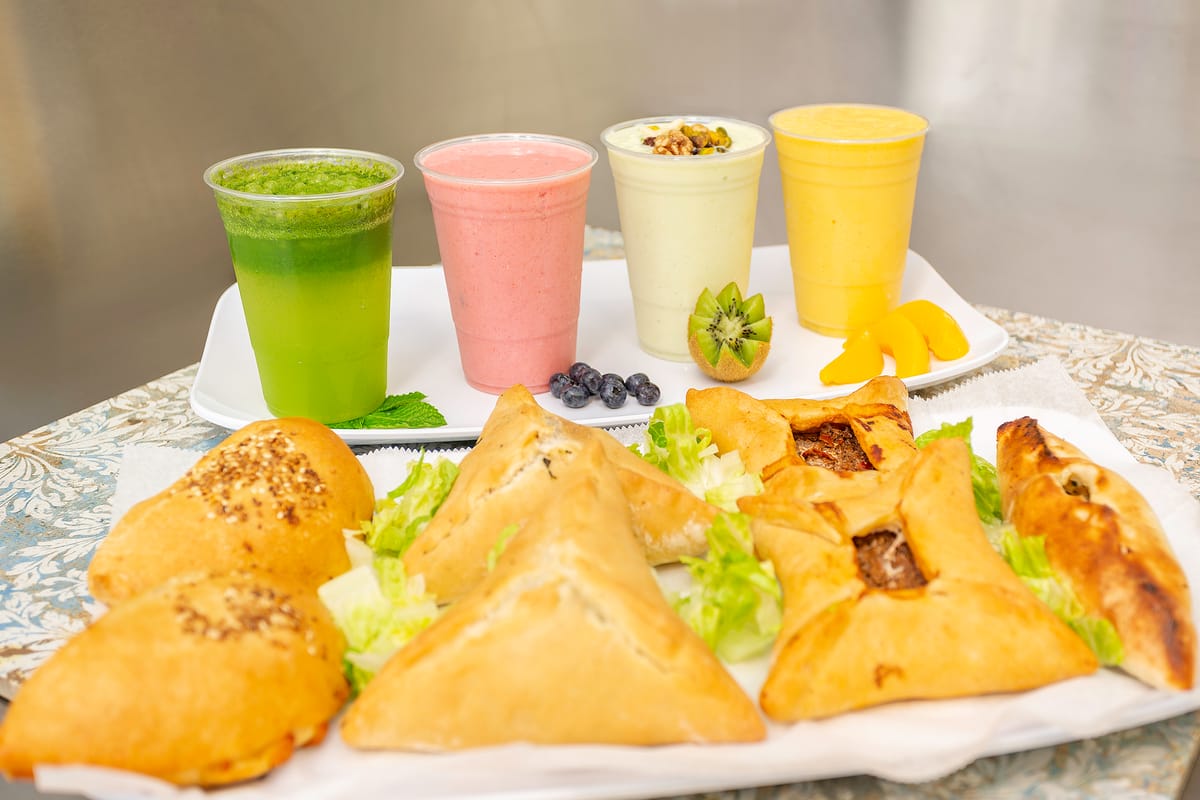
Chickpeas: The Anti-Inflammatory Powerhouse
Falafel and hummus deliver saponins, fiber-derived butyrate, and concentrated polyphenols in every serving.
Anti-Inflammatory vs. Pro-Inflammatory Foods
How Mediterranean eating compares to the standard American diet across every food category.
| Category | Anti-Inflammatory (Mediterranean) | Pro-Inflammatory (Standard American) |
|---|---|---|
| Cooking Fat | Extra-virgin olive oil (oleocanthal, anti-inflammatory) | Soybean/canola oil (omega-6 heavy, pro-inflammatory) |
| Protein Source | Spit-roasted chicken/beef, chickpea falafel | Deep-fried nuggets, processed deli meat |
| Condiments | Tahini, toum, olive oil (polyphenols, allicin) | Ketchup, ranch, mayo (sugar, seed oils, additives) |
| Legume Intake | Daily: hummus, falafel, lentils (saponins, fiber) | Rare: occasional canned beans (minimal bioactives) |
| Spice Profile | Cumin, turmeric, sumac, za'atar (curcumin, thymol) | Salt, sugar, artificial flavoring (no anti-inflammatory value) |
| Sugar Content | Minimal: honey, dates, fruit (low glycemic load) | High: soda, sauces, bread (chronic insulin spikes) |
| Vegetable Servings / Meal | 3-5 servings raw + cooked (high polyphenol retention) | 0-1 serving, often fried (nutrient-depleted) |
| Dairy | Labneh, yogurt (live probiotics, anti-inflammatory) | Processed cheese, whipped cream (casein, additives) |
| Grain Type | Whole-grain pita, bulgur (fiber, B-vitamins) | White bread, refined pasta (blood sugar spikes) |
| Net Inflammatory Effect | Strongly anti-inflammatory (reduces CRP, IL-6, TNF-alpha) | Pro-inflammatory (elevates all major markers) |
Every meal at Taza falls on the anti-inflammatory side of this table. Olive oil instead of seed oils. Fresh vegetables instead of fried sides. Spice-roasted proteins instead of processed meat. Tahini and toum instead of sugar-laden condiments.
Anti-Inflammatory Spices in Mediterranean Cooking
The spice rack is the pharmacy of the Mediterranean kitchen.
Turmeric (Curcumin)
Curcumin is one of the most studied anti-inflammatory compounds in nutrition science, with over 12,000 published papers. It inhibits NF-kB, COX-2, and multiple MAP kinase pathways simultaneously. A 2016 meta-analysis in the Journal of Medicinal Food found that curcumin supplementation significantly reduced CRP, IL-6, and TNF-alpha across 8 randomized controlled trials. At Taza, turmeric appears in shawarma spice blends and rice seasoning. The fat from olive oil and tahini increases curcumin absorption by up to 2,000 percent.
Cinnamon (Cinnamaldehyde)
Cinnamaldehyde inhibits NF-kB and reduces nitric oxide production in activated macrophages. A 2019 systematic review in Clinical Nutrition found that cinnamon supplementation reduced CRP and fasting blood glucose across 12 trials involving over 900 participants. Cinnamon also enhances insulin receptor sensitivity, which reduces the chronic hyperinsulinemia that fuels low-grade inflammation. At Taza, cinnamon appears in select spice blends for meat preparations and desserts.
Ginger (Gingerols & Shogaols)
Gingerols and shogaols suppress prostaglandin synthesis by inhibiting cyclooxygenase and lipoxygenase enzymes. A 2019 meta-analysis in Food and Function reviewed 16 randomized controlled trials and concluded that ginger supplementation reduced CRP by 17 percent and TNF-alpha by 14 percent. Ginger also accelerates gastric emptying, which reduces the gut fermentation of undigested carbohydrates that can produce inflammatory endotoxins.
Sumac (Gallic Acid & Anthocyanins)
Sumac berries have an ORAC value of 312,400 micromoles of Trolox equivalents per 100 grams, placing them among the highest-antioxidant spices ever measured. Gallic acid, sumac's primary phenolic compound, scavenges superoxide and hydroxyl radicals that drive tissue damage. A 2014 study in the Journal of Research in Medical Sciences found that 3 grams of sumac daily reduced fasting blood sugar by 13 percent in type 2 diabetic patients. Sumac is sprinkled on shawarma and used in zaatar blend at Taza.
Za'atar Blend (Thymol, Carvacrol)
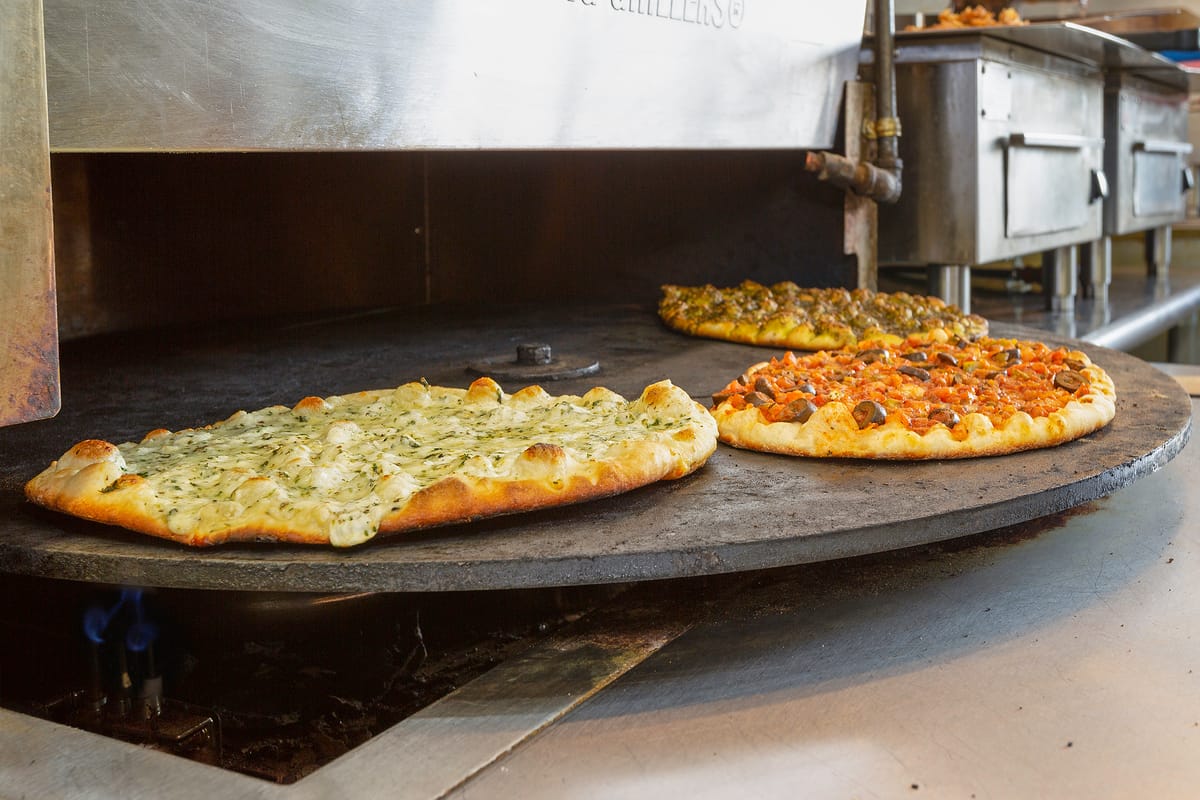
Za'atar combines dried thyme, oregano, sumac, and sesame seeds. Thymol and carvacrol from thyme suppress COX-2 expression and reduce prostaglandin E2 production. A single serving of zaatar manaeesh at Taza ($6.95) provides more antioxidant capacity than a standard multivitamin, based on ORAC measurements of its combined ingredients.
Building Anti-Inflammatory Meals at Taza
Ranked by anti-inflammatory compound density and pathway coverage.
Falafel Bowl (Hummus Base)
from $10.45Score: 10/10The highest-scoring anti-inflammatory meal at Taza. Chickpea falafel delivers saponins and fiber-derived butyrate. The hummus base adds a second dose of chickpea compounds plus tahini lignans. Olive oil drizzle provides oleocanthal. Fresh vegetable toppings contribute polyphenols and vitamin C. Request extra tahini for additional sesamin. This bowl covers every major anti-inflammatory pathway in one order.
Chicken Shawarma Bowl (Greens Base)
from $12.45Score: 9/10Grilled chicken provides lean protein without the advanced glycation end-products (AGEs) formed during frying. Toum delivers raw allicin at therapeutic concentrations. Choosing a greens base over rice increases polyphenol density. The spice marinade on the chicken contains turmeric and cumin, both documented inflammation fighters. Add extra vegetables for maximum polyphenol coverage.
Hummus + Baba Ghanouj Combo
$4.95 / $4.95 eachScore: 9/10Two of the most anti-inflammatory dips in Mediterranean cuisine, served together. Hummus contributes chickpea saponins, tahini lignans, and garlic allicin. Baba ghanouj adds eggplant nasunin (a potent anthocyanin), more tahini, and fire-roasted compounds. Pair with pita bread ($0.95) for a complete anti-inflammatory appetizer.
Labneh + Falafel Pita
$4.95 / from $8.95Score: 8/10Labneh provides live probiotic cultures that reduce gut-mediated inflammation and strengthen the intestinal barrier. Paired with a falafel pita loaded with fresh vegetables, this combination addresses inflammation through the microbiome (probiotics), the gut wall (butyrate from chickpea fiber), and the bloodstream (olive oil oleocanthal and tahini sesamin).
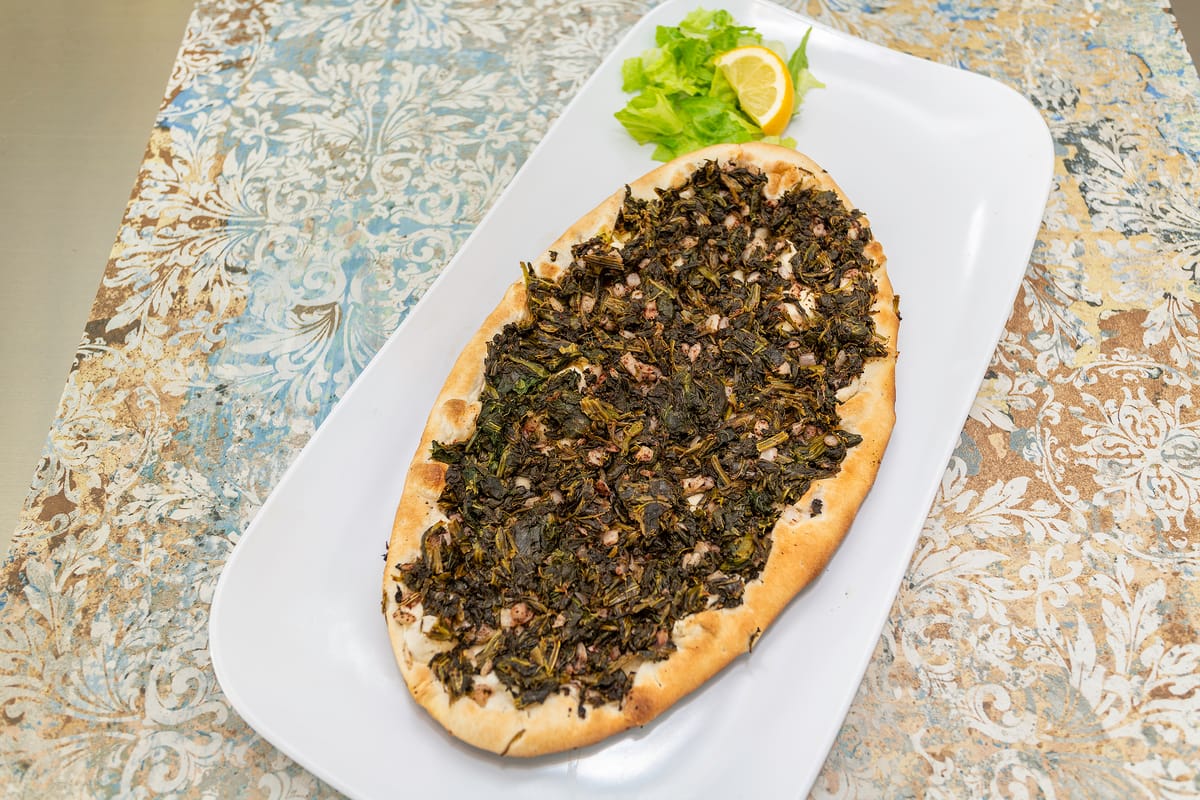
Food as Medicine, Served Fresh Daily
At Taza in Falls Church, anti-inflammatory eating is the default, not a special request.
Sample Anti-Inflammatory Day at Taza
A full day of anti-inflammatory eating using the Taza menu, with the specific compounds each meal delivers.
Morning
Zaatar Manaeesh with labneh
Thymol and carvacrol from zaatar suppress COX-2 enzymes. Probiotics from labneh restore gut bacteria. Olive oil provides oleocanthal for systemic COX inhibition.
Lemon-mint water
Vitamin C from lemon regenerates glutathione, the body's master antioxidant. Menthol from mint calms intestinal smooth muscle.
Midday
Falafel Bowl with hummus base, all vegetables, extra tahini
Chickpea saponins from falafel and hummus. Sesamin from tahini. Quercetin from raw onions. Lycopene from tomatoes. Butyrate production from soluble fiber.
Side of baba ghanouj with pita
Eggplant nasunin (anthocyanin) plus additional tahini lignans and garlic allicin from the recipe.
Evening
Chicken Shawarma Bowl with greens base and toum
Lean protein with turmeric/cumin spice blend. Raw garlic allicin from toum at therapeutic concentration. Polyphenols from greens base and vegetable toppings.
Hummus with extra olive oil drizzle
Third dose of chickpea saponins. Additional oleocanthal from the extra olive oil. Garlic allicin from hummus recipe.
This single-day plan delivers anti-inflammatory compounds through at least 8 different biochemical pathways. Each meal includes olive oil (oleocanthal), garlic (allicin), chickpeas (saponins), tahini (sesamin), fresh vegetables (polyphenols), and Mediterranean spices (curcumin, thymol). Repeat this pattern 3-5 days per week for sustained anti-inflammatory protection.
Pro-Inflammatory Foods to Minimize
These foods directly promote the chronic inflammation that the Mediterranean diet reverses.
Refined Sugar & High-Fructose Corn Syrup
Examples: Soda, candy, flavored yogurt, bottled sauces
Excess fructose overwhelms liver metabolism, generating uric acid and advanced glycation end-products (AGEs). Both directly activate NF-kB signaling and inflammatory gene expression. A single 12-ounce soda contains enough fructose to measurably increase CRP within two hours.
Processed & Ultra-Processed Meats
Examples: Hot dogs, deli meat, bacon, frozen patties
Processing creates nitrosamines and polycyclic aromatic hydrocarbons that damage gut epithelial cells and trigger immune responses. The World Health Organization classifies processed meat as a Group 1 carcinogen based on its inflammatory and mutagenic properties.
Trans Fats & Partially Hydrogenated Oils
Examples: Margarine, microwave popcorn, fast food fryers
Trans fats integrate into cell membranes and disrupt normal receptor function, increasing IL-6, TNF-alpha, and CRP. Even small amounts (2 percent of total calories) measurably elevate inflammatory markers within days of regular consumption.
Industrial Seed Oils (Excess Omega-6)
Examples: Soybean oil, corn oil, cottonseed oil, sunflower oil
These oils contain high concentrations of omega-6 linoleic acid, which the body converts to arachidonic acid, the direct precursor for pro-inflammatory prostaglandins and leukotrienes. The modern Western diet provides 10-20 times more omega-6 than omega-3, driving chronic inflammatory signaling.
Refined Carbohydrates
Examples: White bread, bagels, pastries, sugary cereals
Refined grains spike blood glucose rapidly, triggering insulin surges that activate inflammatory cytokine production. They also lack the fiber and polyphenols found in whole grains that buffer the glycemic response.
Excessive Alcohol
Examples: More than 1-2 drinks per day on a regular basis
Chronic alcohol intake damages the gut lining, increasing intestinal permeability and allowing bacterial endotoxins (lipopolysaccharide) to enter the bloodstream. This endotoxemia triggers TLR4 receptors on immune cells, producing a sustained inflammatory cascade that affects the liver, brain, and cardiovascular system.
The Mediterranean Alternative
Every food on the "avoid" list has a Mediterranean replacement that actively fights inflammation. Replace seed oils with olive oil. Replace processed meat with spit-roasted shawarma. Replace sugary sauces with tahini and toum. Replace refined carbohydrates with whole-grain pita and chickpea-based dishes. At Taza, these replacements are the menu itself -- no special modifications needed.
How Anti-Inflammatory Eating Changes Your Body
Research-backed timeline of what happens when you consistently eat anti-inflammatory Mediterranean food.
1-2
Gut Microbiome Begins Shifting
Fiber from chickpeas, polyphenols from olive oil, and probiotics from labneh begin altering gut bacterial composition. Beneficial Faecalibacterium and Roseburia populations increase, producing more butyrate and strengthening the intestinal barrier. Many people report improved digestion and steady energy during this phase. The anti-inflammatory effect is primarily localized to the gut but will become systemic as the microbiome stabilizes.
3-6
CRP and IL-6 Levels Decline
By week three, consistent Mediterranean eating produces measurable reductions in C-reactive protein, the primary clinical inflammatory marker. The 2018 Nutrients meta-analysis found statistically significant CRP reductions across 17 trials at this timepoint. IL-6, a cytokine that drives inflammatory cascades throughout the body, also decreases. Joint stiffness, skin conditions driven by inflammation, and digestive discomfort typically improve during this window.
6-12
Systemic Inflammation Resolves
After two to three months, TNF-alpha levels normalize, insulin sensitivity improves, and oxidative stress markers like malondialdehyde decrease significantly. The gut barrier is now substantially strengthened, reducing endotoxin translocation. A 2020 study in Gut confirmed these changes with objective biomarker data after 12 weeks of Mediterranean diet adherence. The anti-inflammatory effect becomes self-reinforcing: a healthier gut produces more anti-inflammatory compounds, which further heals the gut.
3-12+
Long-Term Protection Builds
Sustained Mediterranean eating provides cumulative protection that individual meals cannot achieve. The PREDIMED trial demonstrated significant cardiovascular event reduction after 4.8 years. Longitudinal cohort studies show progressively lower rates of type 2 diabetes, cognitive decline, and certain cancers with each year of adherence. The anti-inflammatory compounds build a protective buffer that absorbs occasional dietary deviations without losing the overall benefit.
The Spice Rack Is the Medicine Cabinet
Turmeric, sumac, cinnamon, ginger, za'atar -- every spice at Taza contains documented anti-inflammatory compounds.
Anti-Inflammatory Items on the Taza Menu
Quick reference guide to anti-inflammatory options organized by menu category.
Falafel
Chickpea saponins
Hummus & Dips
Tahini lignans
Bowls
Complete meals
Fresh Salads
Polyphenols
Za'atar Bread
Thymol + sumac
Rice Sides
Turmeric-seasoned
Tahini Sauce
Sesamin
Toum (Garlic)
Allicin
Olive Oil
Oleocanthal
Labneh
Probiotics
Mediterranean Anti-Inflammatory Diet: FAQ
An anti-inflammatory Mediterranean diet centers on whole foods that contain documented compounds for reducing chronic inflammation. The core foods include extra-virgin olive oil (oleocanthal), garlic (allicin), chickpeas (saponins), tahini (sesamin), fresh vegetables (quercetin, lycopene), nuts (alpha-linolenic acid), and spices like turmeric (curcumin) and sumac (gallic acid). These compounds work through different biochemical pathways, so a single Mediterranean meal can reduce inflammation through multiple mechanisms simultaneously. At Taza in Falls Church, VA, these ingredients appear in nearly every dish.
The most anti-inflammatory foods backed by clinical research are extra-virgin olive oil (reduces CRP by up to 38 percent via oleocanthal), fatty fish like salmon (omega-3 EPA/DHA), leafy greens (quercetin, sulforaphane), turmeric (curcumin), garlic (allicin), berries (anthocyanins), walnuts (alpha-linolenic acid), and chickpeas (saponins and fiber-derived butyrate). Among restaurant foods, the falafel bowl at Taza (from $10.45) combines chickpeas, olive oil, tahini, garlic, and fresh vegetables into the most concentrated anti-inflammatory meal available.
Yes. Joint pain driven by chronic inflammation responds well to consistent anti-inflammatory eating. A 2018 study in Clinical Nutrition found that 16 weeks of Mediterranean diet adherence significantly reduced pain severity and improved physical function in rheumatoid arthritis patients. The key compounds are oleocanthal from olive oil (which directly inhibits COX enzymes causing joint inflammation), curcumin from turmeric in spice blends, and omega-3 precursors from sesame and leafy greens. Eating Mediterranean food 3-5 times per week provides a sustained, low-dose anti-inflammatory effect that accumulates over time.
Measurable changes in inflammatory biomarkers appear within 3-6 weeks of consistent Mediterranean eating. A 2020 study in the journal Gut found significant changes in inflammatory markers and gut microbiome composition after just 12 weeks. CRP levels typically drop first, followed by IL-6 and TNF-alpha. Subjective improvements such as reduced joint stiffness, better digestion, and increased energy often appear within 2-4 weeks. The effect is dose-dependent: the more frequently you eat anti-inflammatory food, the faster the results.
Hummus is one of the most effective anti-inflammatory foods available at any restaurant. Chickpeas contain saponins that inhibit inflammatory enzymes. Tahini adds sesamin and sesamolin lignans, shown to reduce oxidative stress by 26 percent in clinical trials. Garlic provides allicin that suppresses NF-kB. Olive oil delivers oleocanthal, which mimics ibuprofen's mechanism. Lemon juice contributes vitamin C. A single serving of hummus at Taza ($4.95) attacks inflammation through at least five distinct biochemical pathways.
The primary foods to avoid are refined sugar and high-fructose corn syrup (trigger AGE formation and NF-kB activation), industrial seed oils like soybean and corn oil (provide excess omega-6 that converts to pro-inflammatory arachidonic acid), processed meats (contain nitrosamines and PAHs), trans fats (disrupt cell membranes), refined carbohydrates (spike blood glucose and insulin), and excessive alcohol (damages gut lining). Replacing these with Mediterranean alternatives such as olive oil, fresh vegetables, chickpeas, and grilled proteins is the most effective dietary strategy for reducing inflammation.
Mediterranean food outperforms most anti-inflammatory supplements because of bioavailability and compound synergy. Curcumin supplements have poor absorption alone, but the fats in olive oil and tahini increase curcumin absorption by up to 2,000 percent. Fish oil capsules provide omega-3s in isolation, while a Mediterranean meal delivers omega-3 precursors alongside polyphenols, lignans, and fiber that amplify each other. Clinical trials consistently show that dietary patterns produce larger reductions in inflammatory markers than individual supplements. A meal at Taza provides these compounds in the forms your body absorbs most effectively.
Every meal at Taza Shawarma & Falafel delivers documented anti-inflammatory compounds. The falafel bowl with hummus base (from $10.45) is the highest-rated anti-inflammatory order, combining chickpea saponins, tahini lignans, olive oil oleocanthal, and vegetable polyphenols. The chicken shawarma bowl (from $12.45) with toum provides raw garlic allicin plus turmeric and cumin from the marinade. Hummus ($4.95) and baba ghanouj ($4.95) are available as sides. Taza is located at 5820 Seminary Rd Ste O, Falls Church, VA 22041, open 11:00 AM - 12:00 AM, 7 days a week.
Get Anti-Inflammatory Mediterranean Food in Falls Church, VA
Located on Seminary Road, open 7 days a week. Order online for pickup or dine in.
Address
5820 Seminary Rd Ste O, Falls Church, VA 22041
Hours
11:00 AM - 12:00 AM -- Open 7 Days a Week
Phone
Order Anti-Inflammatory Mediterranean Food Now
Every dish at Taza delivers documented anti-inflammatory compounds. Falafel bowls, hummus, shawarma, za'atar manaeesh -- real food that fights chronic inflammation at the molecular level. Order online for pickup at our Falls Church, VA location.