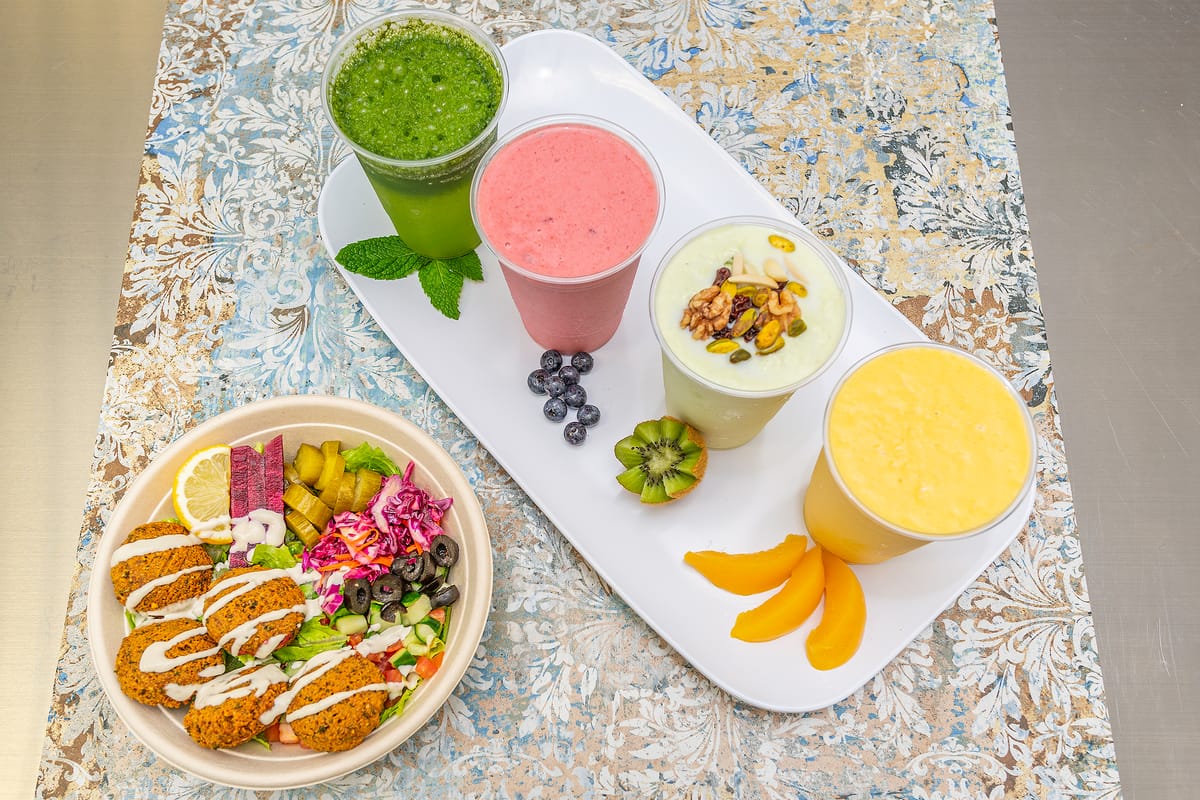
Mediterranean Diet
During Pregnancy
Evidence-based guide to eating Mediterranean during pregnancy — covering safe foods, trimester-by-trimester nutrition, and what to order at Taza Shawarma & Falafel for a genuinely nourishing pregnancy meal.
4.8 stars on Yelp (92 reviews) -- Open 11:00 AM - 12:00 AM
Medical Disclaimer
This content is for informational purposes only and is not medical advice. Consult your OB-GYN or healthcare provider for personalized dietary guidance during pregnancy. Individual nutritional needs vary based on pre-existing conditions, weight, activity level, and other health factors. The research references cited throughout this guide represent general population findings and do not substitute for clinical evaluation.
Why the Mediterranean Diet Supports a Healthy Pregnancy
A growing body of clinical evidence identifies the Mediterranean diet as one of the most beneficial dietary patterns for pregnant women and developing fetuses.
The Mediterranean diet is characterized by abundant vegetables, legumes, whole grains, olive oil, lean proteins, and moderate dairy. These food categories align almost perfectly with evidence-based pregnancy nutrition recommendations. Unlike restrictive or processed-food-heavy dietary patterns, the Mediterranean approach is naturally high in the specific nutrients most critical during gestation.
A 2018 study published in PLOS Medicine following over 3,000 pregnant women found that those with high Mediterranean diet adherence had a 32% lower risk of developing gestational diabetes and a 22% lower risk of preeclampsia. These are two of the most serious pregnancy complications, and their prevention through diet represents a major public health opportunity.
A separate analysis in Nutrients (2020) found that Mediterranean diet adherence in the first trimester was associated with better fetal growth parameters and reduced risk of preterm birth. The researchers identified folate from legumes, anti-inflammatory omega-3s from olive oil, and complete protein from lean meats as the primary drivers of these outcomes.
Perhaps most compelling for practical dietary planning: the Mediterranean diet is not a restrictive protocol but a flexible, culturally rich way of eating centered on foods that happen to be available in abundance at Levantine restaurants like Taza. Following evidence-based pregnancy nutrition guidance does not require sacrifice when the Levantine kitchen is your source.
Cardiovascular Health
Mediterranean eating reduces maternal hypertension and preeclampsia risk through polyphenols in olive oil, magnesium from greens, and anti-inflammatory omega-3 fatty acids.
Gestational Diabetes Prevention
Low glycemic foods from chickpeas, lentils, and vegetables stabilize blood sugar and improve insulin sensitivity — the core mechanisms behind the 32% risk reduction seen in clinical trials.
Fetal Brain Development
DHA precursors from olive oil and tahini, folate from chickpeas, and choline from eggs and meats collectively support neural tube closure and ongoing fetal brain development.
Gut Health & Digestion
High fiber from legumes and vegetables supports gut microbiome diversity. Probiotic labneh adds beneficial bacteria linked to reduced pregnancy complications and improved newborn immune function.
Appropriate Weight Gain
Nutrient-dense, high-satiety foods support appropriate gestational weight gain without excessive caloric surplus. The Mediterranean diet's emphasis on protein and fiber regulates appetite naturally.
Key Nutrients for Pregnancy in Mediterranean Foods
Six nutrients drive the majority of pregnancy nutrition outcomes. The Mediterranean diet provides all of them through whole, minimally processed foods.
Folate (Vitamin B9)
600 mcg/day recommendedFolate is the single most critical nutrient in the first trimester. It supports neural tube development and helps prevent spina bifida and anencephaly. Chickpeas — the foundation of both falafel and hummus — provide roughly 172 mcg per half-cup, or about 43% of the daily target. Tahini adds additional B vitamins and healthy fats that improve folate absorption.
At Taza: Falafel, hummus, fresh herb garnishes
Protein
71 g/day recommendedProtein demand increases substantially during pregnancy to support fetal tissue growth, placental development, and expanding maternal blood volume. Spit-roasted chicken shawarma delivers 35-40 grams of lean protein per bowl. Plant-based protein from chickpea falafel and hummus contributes an additional 10-15 grams per serving. The combination of animal and plant proteins ensures a complete amino acid profile.
At Taza: Chicken shawarma bowl, falafel bowl, labneh
Iron
27 mg/day recommendedIron needs nearly double during pregnancy because the body produces 50% more blood. Iron deficiency anemia is the most common nutritional problem in pregnancy and can cause preterm birth and low birth weight. Chicken shawarma provides heme iron, which is absorbed at 2-3 times the rate of plant iron. Chickpeas and tahini add non-heme iron. Pairing iron-rich foods with vitamin C from fresh tomatoes and lemon-dressed salads maximizes absorption.
At Taza: Chicken shawarma, falafel, spinach dishes
Calcium
1,000 mg/day recommendedCalcium builds fetal bone and tooth structure during the second and third trimesters. If dietary calcium is insufficient, the body withdraws calcium from maternal bones, increasing osteoporosis risk. Labneh (strained yogurt) provides 200-300 mg of calcium per serving alongside probiotics that support digestive health during pregnancy. Tahini contains 130 mg of calcium per tablespoon — comparable to a glass of milk.
At Taza: Labneh, tahini sauce on all dishes
Omega-3 Fatty Acids
200-300 mg DHA/dayOmega-3 fatty acids — particularly DHA — support fetal brain and retinal development throughout pregnancy. The Mediterranean diet is uniquely high in plant-based omega-3 precursors from olive oil, tahini, and leafy greens. While fish provides direct DHA, plant-based ALA from these foods converts to DHA at a meaningful rate when consumed consistently. Research links higher omega-3 intake with better cognitive outcomes in children.
At Taza: Olive oil drizzle, tahini, pita with hummus
Complex Carbohydrates & Fiber
28 g fiber/day recommendedConstipation affects up to 40% of pregnant women due to hormonal changes and iron supplements. Adequate fiber from legumes, grains, and vegetables addresses this directly. Basmati rice provides slow-release energy without blood sugar spikes. Chickpeas deliver both soluble and insoluble fiber, supporting gut health and reducing gestational diabetes risk. Fiber also helps with the nausea management common in the first trimester.
At Taza: Falafel bowl with basmati rice, pita bread, hummus
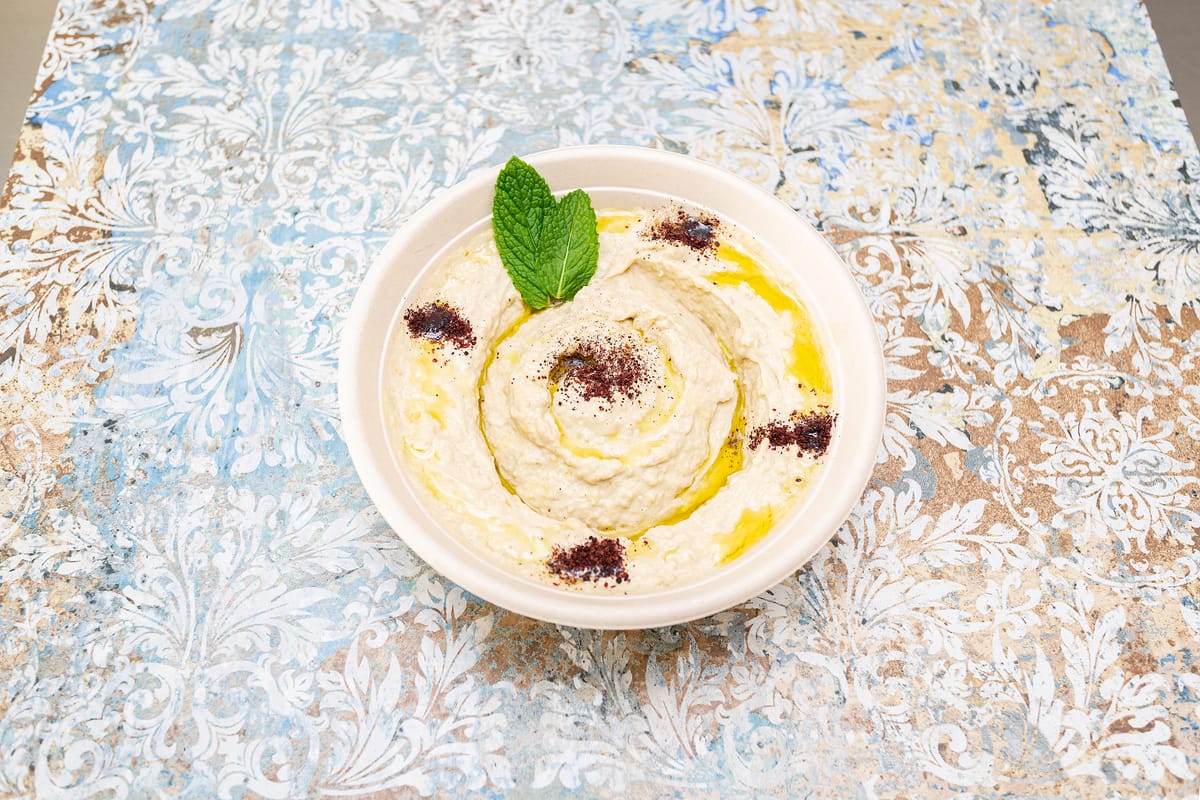
Nourishment at Every Stage
The Mediterranean kitchen provides folate, iron, calcium, and protein through whole foods that have supported healthy pregnancies for thousands of years.
Best Mediterranean Foods for Each Trimester
Nutritional priorities shift at each stage of pregnancy. Here is how to align your Mediterranean food choices with your body's changing needs.
First Trimester
Weeks 1-13Focus: Folate, Vitamin B6, Managing Nausea
Best Foods This Trimester
- Hummus — rich in folate, easy on the stomach
- Pita bread — bland, digestible, provides B vitamins
- Labneh — probiotics may reduce morning sickness
- Lemon mint drink — ginger-free but refreshing
- Falafel — chickpea protein without strong aromas
Key consideration: Many pregnant women experience nausea during the first trimester. Small, frequent portions of bland Mediterranean foods like hummus, pita, and labneh are often better tolerated than large, heavily spiced meals. Avoid undercooked proteins and unpasteurized cheeses during this period.
Nutrition Priority
400-600 mcg folate daily from chickpeas and leafy greens reduces neural tube defect risk by up to 70%. This is the most time-sensitive nutritional window of the entire pregnancy.
Order at Taza
Hummus side + fresh pita + labneh
Second Trimester
Weeks 14-27Focus: Iron, Calcium, Protein, Energy
Best Foods This Trimester
- Chicken shawarma bowl — iron-rich lean protein
- Falafel with greens — plant iron + folate
- Labneh — calcium for fetal bone development
- Hummus with tahini — calcium, healthy fats
- Fresh vegetable toppings — vitamin C boosts iron absorption
Key consideration: The second trimester is typically when appetite returns and energy needs increase. This is the ideal window to build iron stores ahead of birth. Pair iron-rich chicken or falafel with vitamin C foods (tomatoes, lemon, peppers) at every meal to maximize absorption.
Nutrition Priority
Iron needs increase 50% during the second trimester. Pairing heme iron from chicken shawarma with non-heme iron from chickpeas and fresh vegetables creates a synergistic absorption effect that meets pregnancy needs efficiently.
Order at Taza
Chicken shawarma bowl + hummus + fresh vegetables
Third Trimester
Weeks 28-40Focus: Protein, Energy, Omega-3, Preparing for Birth
Best Foods This Trimester
- Chicken or beef shawarma bowl — high protein for fetal muscle
- Basmati rice bowl — sustained energy for the final stretch
- Hummus — omega-3 precursors from olive oil
- Fresh salad toppings — fiber reduces third-trimester constipation
- Smoothies — hydration and nutrients in easy-to-digest form
Key consideration: The growing baby crowds the stomach during the third trimester, making large meals uncomfortable. Bowl-style meals that can be eaten in smaller portions across multiple sittings work well. The high fiber content of Mediterranean foods helps with constipation, which is nearly universal in this stage.
Nutrition Priority
Protein intake is most critical in weeks 28-36 when fetal muscle tissue develops rapidly. Aiming for 25-30 grams of protein per meal helps meet the 71g daily requirement without large single-serving loads.
Order at Taza
Beef or chicken shawarma bowl — half portion, save the rest
What to Order at Taza While Pregnant
Five evidence-based meal choices with nutrition context for each trimester — all available for online ordering or pickup at 5820 Seminary Rd, Falls Church, VA.
Falafel Bowl on Greens
from $10.45
Protein
18g
Folate
High
Iron
Moderate
Calcium
Moderate (with tahini)
This is the most nutritionally complete pregnancy meal at Taza. The greens base provides folate and fiber. Falafel delivers plant protein, iron, and B vitamins from chickpeas. Tahini sauce adds calcium, healthy fats, and additional protein. Fresh vegetable toppings — tomatoes, cucumbers, pickles — provide vitamin C that directly boosts iron absorption from the chickpeas. A full falafel bowl covers approximately 25% of daily folate and 15% of daily iron needs in one sitting.
Chicken Shawarma Bowl
from $12.45
Protein
38g
Folate
Moderate
Iron
High (heme iron)
Calcium
Moderate
Spit-roasted chicken shawarma provides the most bioavailable iron of any item on the menu. Heme iron from chicken absorbs at 15-35% efficiency compared to 2-20% for plant iron — a critical distinction when iron needs are nearly double normal requirements. With 38 grams of protein per bowl, this meal alone covers more than half the daily pregnancy protein target. Order on a mixed greens base with all fresh toppings to add vitamin C for maximum iron absorption.
Hummus with Pita & Vegetables
$4.95
Protein
8g
Folate
High
Iron
Moderate
Calcium
High (tahini content)
For women in the first trimester managing nausea, hummus with pita is one of the most manageable high-nutrient options available. The bland, familiar texture is easy on a sensitive stomach. One serving of hummus provides 172 mcg of folate from chickpeas — 43% of the daily pregnancy target. Tahini provides 130 mg of calcium per tablespoon and healthy fats that support early fetal brain development. Add cucumber and tomato slices for vitamin C and hydration.
Chicken Shawarma Pita
from $9.95
Protein
32g
Folate
Moderate
Iron
High
Calcium
Moderate
When you need a nutritious meal on the go, the chicken shawarma pita provides 32 grams of protein with heme iron in a convenient, manageable portion. The garlic sauce adds healthy fats. Pickled turnips provide vitamin C. Fresh vegetables add fiber and additional micronutrients. During later pregnancy when eating out is more frequent and convenience matters, this is a genuinely nutrient-dense choice that requires no compromise.
Labneh Side with Fresh Pita
$4.95
Protein
6g
Folate
Low
Iron
Low
Calcium
Very High
Labneh (strained yogurt) is one of the best calcium sources available at any restaurant and particularly valuable during the second and third trimesters when fetal bones are actively mineralizing. A single serving provides 200-300 mg of calcium — 20-30% of the daily pregnancy target. The probiotics in labneh support gut health and may reduce the severity of constipation, a near-universal complaint in later pregnancy. The live cultures also contribute to a healthy vaginal microbiome.
Mediterranean Diet vs Standard American Diet for Pregnancy
A side-by-side look at how these two dietary patterns affect key pregnancy outcomes, nutrients, and health markers.
| Nutrition Factor | Mediterranean Diet | Standard American Diet |
|---|---|---|
| Folate Content | High — chickpeas provide 172 mcg per serving (43% DV) | Low — processed foods deplete B vitamins during manufacturing |
| Iron Quality | Both heme iron (chicken) and non-heme iron (chickpeas, greens) | Processed red meat with saturated fat; minimal plant iron sources |
| Primary Fat Type | Monounsaturated fats from olive oil and tahini — supports brain development | Saturated and trans fats from fried foods — associated with gestational complications |
| Fiber Content | High — legumes, vegetables, whole grains prevent constipation | Low — refined grains and minimal vegetables contribute to constipation |
| Blood Sugar Impact | Low to moderate glycemic index — reduces gestational diabetes risk by 32% | High glycemic load from refined carbs and added sugars |
| Sodium Levels | Moderate — natural sodium from olives, pickles; controllable portions | High — ultra-processed foods contain 1,500-3,000+ mg sodium per meal |
| Calcium Sources | Tahini, labneh, leafy greens — bioavailable across multiple sources | Dairy-heavy but often paired with phosphoric acid (soda) that blocks absorption |
| Inflammatory Markers | Anti-inflammatory — olive oil, omega-3s lower CRP and interleukin-6 | Pro-inflammatory — processed meats and refined oils raise inflammatory markers |
| Preeclampsia Risk | Studies show 22% lower preeclampsia risk with Mediterranean diet adherence | Western dietary patterns associated with elevated preeclampsia incidence |
| Gestational Weight Gain | Nutrient-dense, high satiety — supports appropriate gestational weight gain | Calorie-dense with low nutrient density — associated with excessive gestational gain |
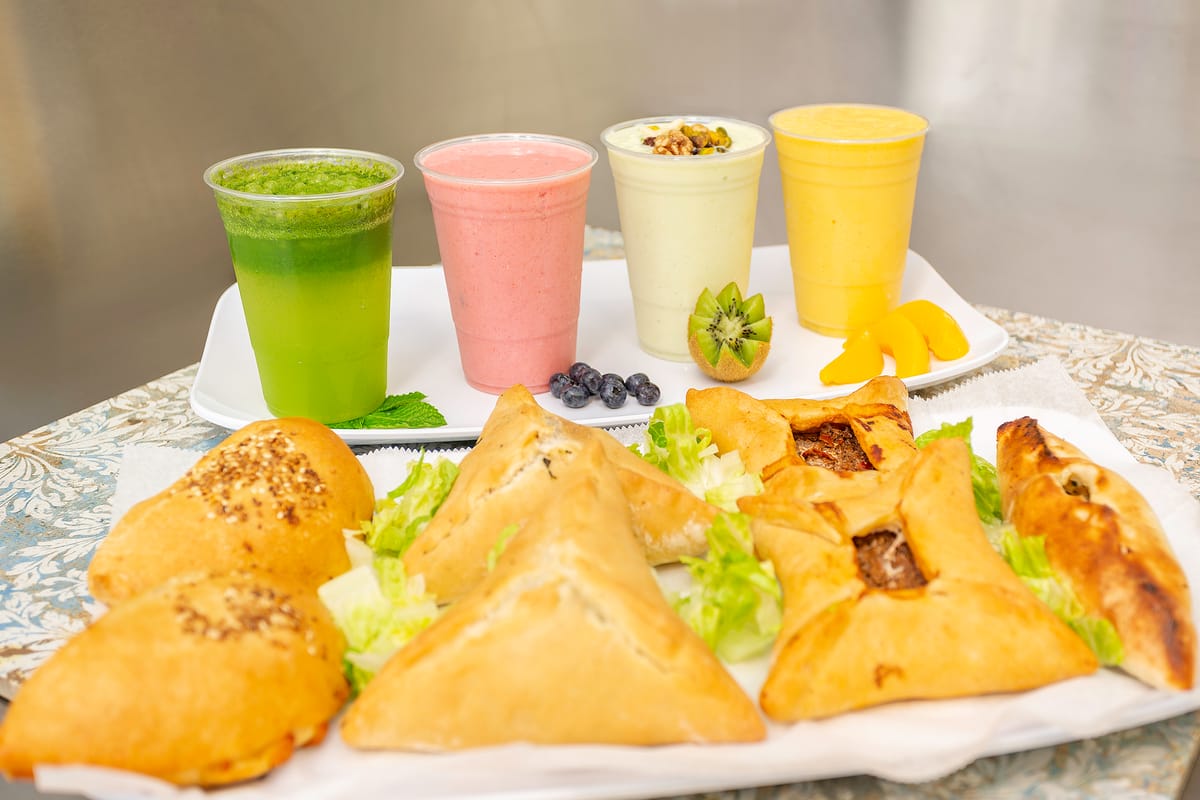
Falafel: The Pregnancy Superfood
172 mcg of folate per serving. Plant protein. Iron. Fiber. Chickpeas are one of the most complete pregnancy foods available.
Foods to Be Mindful About at Mediterranean Restaurants
Most Levantine foods are safe during pregnancy. A few specific considerations help you make the most informed choices.
Sodium in Pickled Items
Pickled turnips and other pickled vegetables are high in sodium due to the brine. Pregnant women managing blood pressure or edema may want to request lighter pickle portions. The rest of a Taza bowl meal is moderate in sodium. Pickles themselves are safe — just be mindful of portions if you are watching sodium intake closely during your third trimester.
Raw Herbs and Garnishes
Fresh parsley, mint, and other herbs used as garnishes are safe and nutritious during pregnancy when properly washed. The standard food safety guideline for all raw produce applies: ensure it has been washed before preparation. At a food-safe restaurant environment like Taza, this is standard practice. Raw sprouts are the one raw item generally recommended to avoid during pregnancy, but Taza does not use them.
Spice Levels and Heartburn
Mediterranean spices including cumin, coriander, sumac, and zaatar are safe during pregnancy. However, garlic sauce and some spiced preparations may aggravate heartburn, which is common from the second trimester onward as the uterus presses on the stomach. If heartburn is a concern, request light garlic sauce or substitute with tahini, which is typically gentler on the digestive system.
Portion Size and Nausea
During the first trimester, smaller portions of any food are often better tolerated due to morning sickness and heightened smell sensitivity. A half-portion of hummus with pita, or a small falafel bowl, may be more manageable than a full meal. There is no nutritional downside to splitting a bowl across two sittings — Mediterranean food holds its nutritional quality whether eaten in one sitting or two.
Cheese Varieties
Cheese manaeesh and cheese pies at Taza use pasteurized cheese blends, which are safe during pregnancy. The pregnancy precaution around cheese applies to soft, unpasteurized varieties like certain brie, camembert, and artisan fresh cheeses made with raw milk. Pasteurized mozzarella and similar blended cheeses used in Middle Eastern baking are not in this category and carry no special listeria risk during pregnancy.
Caffeine in Beverages
Pregnancy guidelines from ACOG generally recommend limiting caffeine to under 200 mg per day. Taza's smoothie and juice options are naturally caffeine-free. The lemon mint drink and fresh fruit smoothies are excellent pregnancy beverage choices. If you are ordering a soda, be aware of caffeine content in cola-based drinks and opt for caffeine-free options or sparkling water during pregnancy.
Gestational Diabetes and the Mediterranean Diet
Gestational diabetes affects 6-9% of pregnancies in the United States. The Mediterranean diet is one of the most studied dietary interventions for its prevention.
The 32% Risk Reduction Finding
The most-cited study on Mediterranean diet and gestational diabetes — published in PLOS Medicine in 2018 — followed 3,583 pregnant women through their second trimester. Women with high Mediterranean diet adherence had a 32% lower risk of gestational diabetes compared to low-adherence women, after controlling for pre-pregnancy BMI, age, and physical activity. This effect size is clinically meaningful — larger than the effect seen with most pharmaceutical interventions in gestational diabetes prevention.
How It Works: The Three Mechanisms
Glycemic Load Reduction
Chickpeas (GI ~35), lentils, and whole grains have dramatically lower glycemic indices than the refined carbohydrates that dominate the standard American diet. Lower glycemic load means less demand on pancreatic insulin production during pregnancy, when insulin sensitivity is already physiologically reduced.
Insulin Sensitivity via Healthy Fats
Monounsaturated fats from olive oil and tahini improve cellular insulin receptor sensitivity. Multiple randomized trials have shown that replacing saturated fat with olive oil reduces fasting insulin levels. During pregnancy, when insulin resistance naturally increases, this fat-quality difference has amplified impact.
Anti-Inflammatory Effect
Chronic low-grade inflammation is a key driver of insulin resistance. Mediterranean foods — particularly olive oil polyphenols, omega-3 precursors in tahini, and antioxidants in fresh vegetables — reduce circulating inflammatory markers including CRP and interleukin-6. Lower inflammation correlates directly with improved insulin sensitivity.
Taza's Lowest Glycemic Options
GI values are approximate. Pairing higher-GI foods with protein, fat, and fiber substantially lowers the combined glycemic response.
If You Have Been Diagnosed With Gestational Diabetes
Work directly with your OB-GYN or a registered dietitian for a personalized gestational diabetes meal plan. The Mediterranean diet is a strong foundation, but carbohydrate counting and specific glycemic targets require individualized clinical guidance. This guide is educational, not clinical advice.
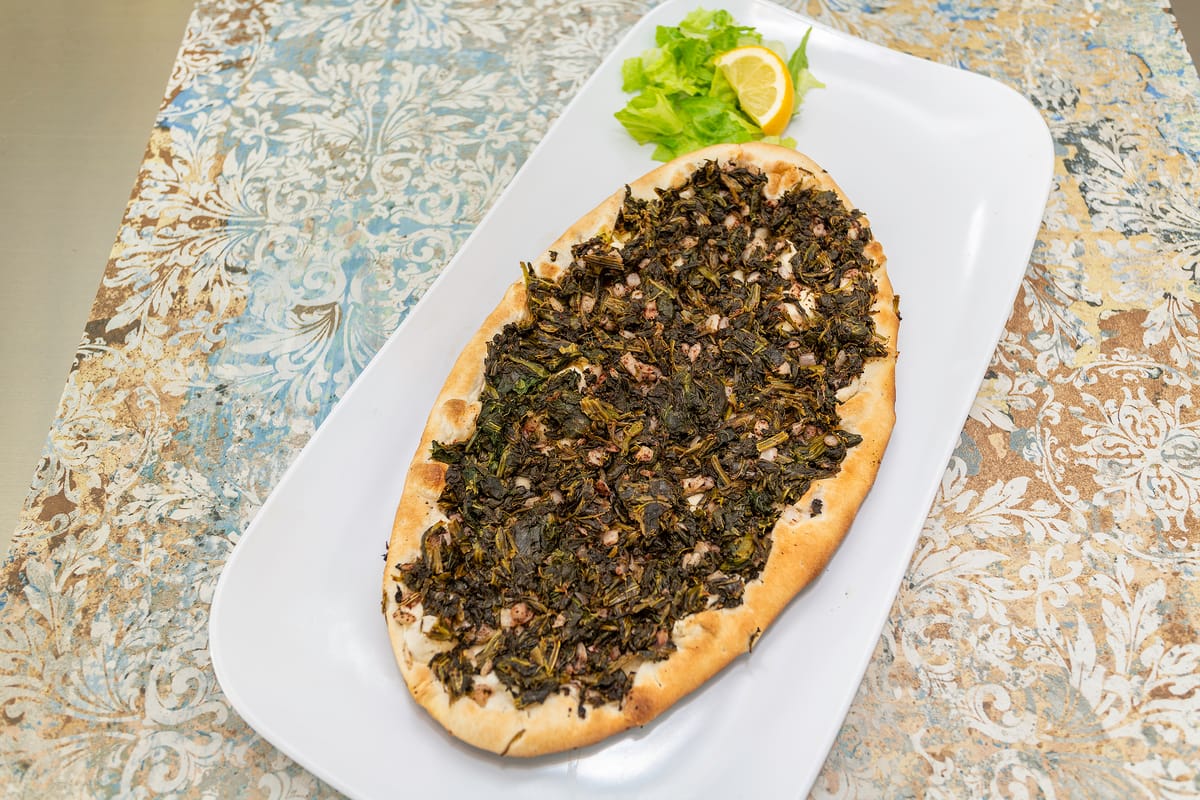
14 Fresh Toppings, Every Meal
Load up on vitamin C, fiber, and micronutrients from our toppings selection. It's the easiest way to maximize the nutritional value of any Taza meal during pregnancy.
Mediterranean Meal Planning Tips for Pregnancy
Practical strategies for integrating Mediterranean eating into your pregnancy diet — at restaurants and at home.
Eat Every 3-4 Hours
Consistent meal timing prevents blood sugar swings and reduces nausea in the first trimester. Small, nutrient-dense Mediterranean meals every 3-4 hours — a hummus portion with pita, a small falafel portion, or a labneh side — keep energy stable without overwhelming the digestive system. This frequency also helps manage the heartburn that becomes common from the second trimester onward.
Hydration First
Pregnant women need 8-10 cups of water per day, increasing to 10+ cups in the third trimester. Many perceived hunger signals during pregnancy are actually thirst. Before any meal at Taza, start with a glass of water or a lemon mint juice. The high water content of fresh vegetable toppings — cucumbers, tomatoes, lettuce — also contributes meaningfully to daily fluid intake.
Pair Iron With Vitamin C
Non-heme iron from chickpeas, tahini, and spinach absorbs at only 2-20% efficiency on its own. Vitamin C — from tomatoes, lemon juice, fresh peppers — increases non-heme iron absorption by up to 300%. At Taza, always request fresh tomatoes and ask for a lemon wedge alongside your falafel or hummus. This pairing is free and dramatically improves the nutritional value of plant-based iron foods.
Use Smoothies for Difficult Days
First trimester nausea makes solid food challenging on many days. A fresh smoothie from Taza — avocado boost, classic banana-strawberry, or tropical blend — provides meaningful calories, vitamins, and hydration in an easy-to-consume form. The avocado boost is particularly valuable, delivering healthy fats, potassium, and folate from the avocado alongside protein from milk. Smoothies are an effective nutritional bridge when solid food is not tolerated.
Add Tahini Generously
Tahini is among the most nutrient-dense condiments available, providing calcium, monounsaturated fat, protein, zinc, and copper in each tablespoon. During pregnancy, requesting extra tahini on bowls and sandwiches is one of the simplest nutritional upgrades available. Its rich, mild flavor is generally well-tolerated even during first-trimester sensitivity. Tahini fat also improves the absorption of fat-soluble vitamins A, D, E, and K from accompanying vegetables.
Choose Greens Over Rice When Possible
Substituting a greens base for rice in any Taza bowl reduces glycemic impact while adding folate, iron, vitamin K, and fiber. This substitution is particularly valuable for women monitoring blood sugar or managing gestational diabetes. It also creates more room for a greater quantity of falafel or shawarma protein, improving the protein-to-carbohydrate ratio of the meal. Both bases are available at no additional charge.
Sample Mediterranean Pregnancy Day — Taza Edition
Breakfast / Morning
- •Zaatar manaeesh
- •Labneh side
- •Fresh tomato and cucumber
B vitamins, calcium, probiotics
Lunch
- •Chicken shawarma bowl on greens
- •Extra tahini
- •All fresh toppings
Protein, iron, folate
Afternoon Snack
- •Hummus side
- •Pita (1 piece)
- •Lemon mint drink
Folate, calcium, hydration
Dinner / Evening
- •Falafel bowl with basmati rice
- •Labneh drizzle
- •Extra vegetable toppings
Plant protein, fiber, omega-3 precursors
Pregnancy & Mediterranean Food: Frequently Asked Questions
Yes, hummus is not only safe during pregnancy but one of the most beneficial foods you can eat. Made from chickpeas, tahini, olive oil, and lemon juice, hummus provides folate, iron, calcium, protein, and healthy fats — all critical pregnancy nutrients. One key caveat: opt for commercially prepared or restaurant-made hummus that has been prepared fresh in a food-safe environment rather than store-bought hummus that has been opened and stored for several days, which carries a small listeria risk. At Taza, hummus is made fresh and served immediately.
Falafel is generally very safe during pregnancy. It is made from cooked chickpeas, herbs, and spices that are fried at high temperatures — cooking eliminates foodborne pathogens. Falafel is an excellent source of folate, plant protein, and iron. The main consideration is the deep-frying method: fried foods consumed in large quantities can contribute to heartburn and excessive caloric intake, which affects some pregnant women more than others. Eating falafel as part of a bowl with greens and vegetables balances the nutritional profile and limits the impact of the frying oil.
Tahini is safe and highly beneficial during pregnancy. Made from ground sesame seeds, tahini is one of the richest plant-based sources of calcium available, providing approximately 130 mg per tablespoon — comparable to a glass of milk. It also provides healthy monounsaturated fats, plant protein, and zinc. Tahini has not been linked to listeria or other foodborne illness risks that concern pregnant women. It is a staple sauce on virtually every dish at Taza and contributes meaningfully to daily calcium and healthy fat targets.
Chicken and beef shawarma at Taza is safe during pregnancy because it is cooked thoroughly on a vertical rotisserie at high internal temperatures. The key principle for meat safety during pregnancy is internal temperature: chicken must reach 165°F and beef 160°F to eliminate listeria, salmonella, and E. coli. Spit-roasted shawarma consistently reaches these temperatures throughout cooking. The main thing to avoid during pregnancy is deli-style cold-sliced meats or reheated meats, which is not how shawarma is served here — it is carved fresh and hot from the spit at each order.
The top pregnancy-friendly orders at Taza are: (1) Falafel Bowl on Greens for folate, plant protein, and fiber; (2) Chicken Shawarma Bowl for high-quality heme iron and 38g of protein; (3) Hummus with pita and fresh vegetables for folate and calcium, particularly good in the first trimester; (4) Labneh as a calcium-rich probiotic side; (5) Chicken Shawarma Pita for a portable, iron-rich meal. All of these options pair well with the 14 fresh vegetable toppings available from our toppings selection, which add vitamin C, fiber, and hydration.
Research strongly supports the Mediterranean diet as protective against gestational diabetes. A major 2018 study published in PLOS Medicine found that women following a Mediterranean dietary pattern had a 32% lower risk of developing gestational diabetes compared to those eating a standard Western diet. The mechanisms include: (1) low glycemic index foods from legumes and whole grains prevent blood sugar spikes; (2) monounsaturated fats from olive oil and tahini improve insulin sensitivity; (3) high dietary fiber slows glucose absorption; (4) anti-inflammatory compounds from polyphenols reduce systemic inflammation, which is a driver of insulin resistance. Taza's menu is built around precisely these food categories.
Sodium intake during pregnancy should generally stay below 2,300 mg per day, though individual guidance varies. A typical Taza bowl meal contains 800-1,200 mg of sodium depending on toppings and portion size. The higher-sodium components include pickled turnips, pickles, and tahini sauce. You can reduce sodium by requesting light pickles or skipping them, asking for tahini on the side, and choosing a greens base instead of seasoned rice. Fresh vegetable toppings like lettuce, tomatoes, and cucumbers add negligible sodium. Compared to a typical fast food meal (2,000-3,500 mg sodium), a Taza bowl is significantly lower.
Labneh served at Taza is safe during pregnancy. It is made from pasteurized yogurt, which eliminates the listeria concern associated with unpasteurized dairy products. Pasteurized labneh is actually one of the best pregnancy foods available: it provides 200-300 mg of calcium per serving, significant protein, and live probiotic cultures that support gut health and may reduce the discomfort of constipation. The main precaution with dairy during pregnancy is to avoid soft, unpasteurized cheeses like certain brie, camembert, or artisan fresh cheeses — labneh at Taza does not fall into this category.
Reminder: This content is for informational purposes only and is not medical advice. Consult your OB-GYN or healthcare provider for personalized dietary guidance during pregnancy.
Order Pregnancy-Friendly Mediterranean Food at Taza Shawarma & Falafel
We are located at 5820 Seminary Rd Ste O, Falls Church, VA 22041 — open seven days a week from 11:00 AM - 12:00 AM. Online ordering available.
Address
5820 Seminary Rd Ste O, Falls Church, VA 22041
Hours
11:00 AM - 12:00 AM -- Open 7 Days a Week
Phone
Nourish Your Pregnancy With Fresh Mediterranean Food
Taza Shawarma & Falafel in Falls Church, VA serves the folate-rich, iron-packed, anti-inflammatory meals that support a healthy pregnancy. Open daily 11:00 AM - 12:00 AM — order online for pickup in minutes.