Hummus vs Tzatziki: What Is the Difference?
One is a chickpea dip from the Levant. The other is a yogurt-cucumber sauce from Greece. Both appear on Mediterranean menus everywhere -- but they are not interchangeable. Here is how they compare.
4.8 stars on Yelp (92 reviews) -- Open 11:00 AM - 12:00 AM
What Is the Difference Between Hummus and Tzatziki?
Different base ingredients, different cuisines, different nutritional profiles.
Hummus is a thick, creamy dip made from cooked chickpeas blended with tahini, lemon juice, garlic, and olive oil. It originated in the Levant region -- modern-day Lebanon, Syria, and Jordan -- and has been a cornerstone of Eastern Mediterranean cuisine for centuries. The word "hummus" simply means "chickpeas" in Arabic. Tzatziki is a cool, tangy sauce made from strained Greek yogurt mixed with grated cucumber, garlic, olive oil, and sometimes dill or mint. It originated in Greece and is a defining element of Greek taverna culture. The two share garlic and olive oil as ingredients, but their base components -- chickpeas versus yogurt and cucumber -- create fundamentally different eating experiences.
Hummus is dense, earthy, protein-rich, and filling. It contains roughly 7.9 grams of protein and 6 grams of fiber per 100-gram serving, making it one of the most nutritious dips available. It works as a dip, spread, bowl base, and sandwich filler. Tzatziki is thin, cool, refreshing, and very low in calories. At just 56 calories per 100 grams, it functions more as a sauce or condiment than a standalone food. It is traditionally drizzled over grilled meats, gyros, and fried foods to provide a cooling contrast. The nutritional difference is dramatic: hummus has nearly three times the calories but also four times the protein and twelve times the fiber of tzatziki.
At Taza Shawarma & Falafel in Falls Church, VA, our hummus is made fresh daily from dried chickpeas soaked overnight, cooked until very soft, and blended with quality tahini, fresh lemon juice, and raw garlic. It is served with warm pita bread for $4.95 per order. Hummus is included as a standard component in many of our bowls and wraps, from the falafel pita (from $8.95) to the chicken shawarma bowl (from $12.45). It is the foundation of our Levantine menu and the single most-ordered side at our restaurant.
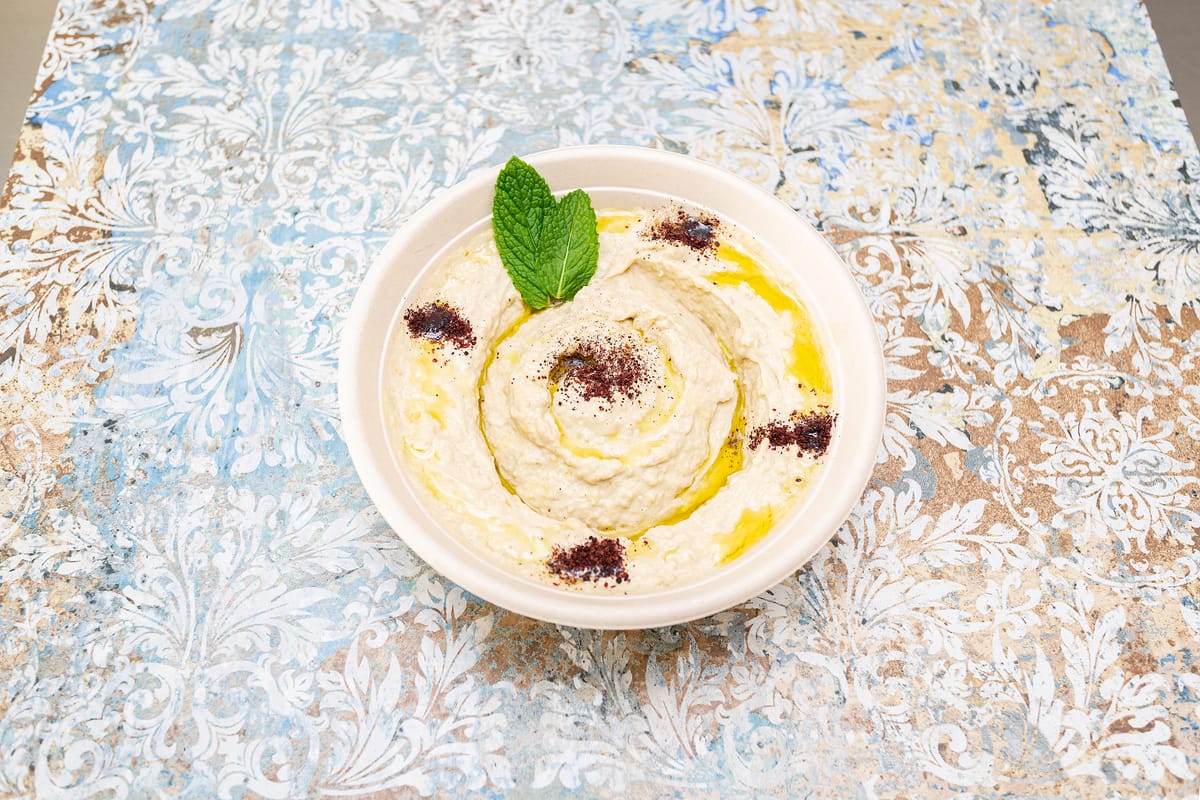
Two Traditions, One Table
Hummus from the Levant and tzatziki from Greece share the Mediterranean table but come from entirely different culinary traditions.
What Is Hummus?
$4.95 at Taza
Hummus is a thick, creamy dip made from cooked chickpeas blended with tahini (ground sesame paste), fresh lemon juice, raw garlic, and extra-virgin olive oil. The word "hummus" literally means "chickpeas" in Arabic. It is the most widely consumed dip in the Eastern Mediterranean and has become one of the fastest-growing health foods in the United States, with the domestic market exceeding $800 million annually. Hummus has deep roots in Levantine cooking, with the earliest written recipes appearing in 13th-century Arabic cookbooks from Damascus and Cairo.
The texture is smooth, dense, and spreadable. The flavor is earthy and nutty from the chickpeas, with a subtle tang from the lemon and a sharp bite from the raw garlic. Hummus is high in plant-based protein (7.9g per 100g), high in dietary fiber (6g per 100g), and naturally rich in iron, folate, and B vitamins. It is completely vegan and naturally gluten-free.
Read our full hummus guideWhat Is Tzatziki?
Greek yogurt-cucumber sauce
Tzatziki is a cool, tangy sauce made from thick strained Greek yogurt mixed with finely grated or diced cucumber, minced raw garlic, extra-virgin olive oil, and a splash of lemon juice or white wine vinegar. Fresh dill is the most common herb addition in Greek versions, while mint appears in some Turkish and Cypriot variations. The name comes from the Turkish "cacik," a similar yogurt-based preparation. Tzatziki is a fundamental part of Greek and Eastern Mediterranean cuisine, served alongside grilled meats, gyros, souvlaki, and as a meze appetizer.
The texture is thin, cool, and slightly chunky from the cucumber pieces. The flavor is tangy and refreshing, with the sourness of the yogurt balanced by the cool wateriness of the cucumber and the sharp punch of raw garlic. Tzatziki is very low in calories (56 per 100g) and low in fat (3.2g per 100g), but it is also low in protein (1.7g) and contains almost no fiber (0.5g). It is not vegan because it contains dairy.
Where Do Hummus and Tzatziki Come From?
Two different regions, two different culinary lineages, one shared Mediterranean coastline.
Hummus: The Levant
Hummus traces its origins to the Levant, the eastern shore of the Mediterranean encompassing modern-day Lebanon, Syria, and Jordan. Chickpeas have been cultivated in this region since at least 7,500 BCE, making them one of the oldest domesticated crops in human history. The earliest known hummus-like preparations appear in 13th-century Arabic cookbooks, though the tradition of mashing chickpeas with tahini likely predates written records by centuries. Every household across the Levant has its own hummus recipe, and debates about who makes the best version are a beloved part of the regional food culture.
Tahini, the essential binding ingredient, has been produced in the Levant for over three thousand years. The combination of tahini with chickpeas creates a complete amino acid profile, which is one reason hummus became such an important food source in a region where meat was historically expensive. Hummus remains the most consumed dip across Lebanon, Syria, Jordan, Egypt, and the broader Eastern Mediterranean today.
Tzatziki: Greece
Tzatziki is a Greek creation that evolved from the broader tradition of yogurt-based sauces across the Eastern Mediterranean and Anatolia. The name derives from the Turkish word "cacik," which describes a similar yogurt-cucumber dish served across Turkey. Greek cooks refined the recipe into the thicker, garlic-forward version recognized worldwide today. Strained yogurt -- which Greeks have produced for millennia -- provides the heavy, sour base, while local cucumbers add the characteristic cool crunch that defines the sauce.
Tzatziki became internationally famous through Greek diaspora restaurants, particularly gyro shops in the United States, Australia, and Western Europe. It is almost always served as a condiment rather than a standalone dip: drizzled over gyros, spooned onto souvlaki platters, or served alongside fried calamari and grilled lamb. Its role is to cool and brighten rich, grilled, or fried foods rather than to serve as a protein or calorie source on its own.
Chickpeas vs Yogurt
The base ingredient defines everything: texture, nutrition, flavor, and how each one is used in the kitchen.
Hummus vs Tzatziki: Nutritional Showdown
How the two compare per 100-gram serving.
Hummus (per 100g)
Best for: Higher protein, more fiber, sustained energy, plant-based diets, muscle recovery.
Tzatziki (per 100g)
Best for: Low-calorie condiment, cooling grilled meats, light saucing, calcium from dairy.
Hummus has nearly three times the calories of tzatziki but also delivers four times the protein and twelve times the fiber. If you need a filling, nutrient-dense food that doubles as a meal component, hummus is the clear winner. If you need a light, low-calorie sauce to drizzle over richer foods, tzatziki is the better fit.
Protein and Fiber Powerhouse
Hummus delivers 7.9g protein and 6g fiber per 100g -- making it far more nutritious per serving than tzatziki.
Hummus vs Tzatziki: Complete Comparison Table
Every important difference at a glance.
| Feature | Hummus | Tzatziki |
|---|---|---|
| Base Ingredient | Chickpeas (garbanzo beans) | Strained yogurt + cucumber |
| Origin Region | Levant (Lebanon, Syria, Jordan) | Greece and Eastern Mediterranean |
| Texture | Thick, smooth, creamy, spreadable | Thin, cool, slightly chunky, pourable |
| Protein (per 100g) | 7.9g (from chickpeas) | 1.7g (from yogurt) |
| Calories (per 100g) | 166 cal | 56 cal |
| Total Fat (per 100g) | 9.6g | 3.2g |
| Fiber (per 100g) | 6g (high fiber from chickpeas) | 0.5g (minimal fiber) |
| Serving Temperature | Room temperature or slightly chilled | Always served cold |
| Best Pairings | Pita, falafel, wraps, raw vegetables, bowls | Gyros, grilled meats, fried foods, salads |
| Shelf Life | 5-7 days refrigerated | 2-3 days refrigerated (cucumbers release water) |
| Vegan-Friendly | Yes -- entirely plant-based | No -- contains dairy (yogurt) |
| Common Allergens | Sesame (tahini), legumes (chickpeas) | Dairy (yogurt) |
The single biggest difference is the base: chickpeas and tahini (hummus) versus yogurt and cucumber (tzatziki). This one distinction drives every other difference in nutrition, texture, flavor, and culinary application.
Which Is Better for Dipping, Spreading, and Drizzling?
Hummus and tzatziki excel at different culinary tasks.
Dipping with Pita
Hummus
Hummus is thick enough to cling to pita bread without dripping. Its dense texture provides a satisfying scoop that holds its shape. Tzatziki is too thin for effective pita dipping and tends to drip off the bread. At Taza, our hummus ($4.95) is served with warm pita specifically for this purpose. The falafel pita (from $8.95) also includes hummus as a built-in spread inside the sandwich.
Spreading in Wraps
Hummus
Hummus works as a binding agent inside wraps and pita sandwiches. Its thick consistency holds other ingredients in place and adds creaminess without making the bread soggy. Tzatziki would soak through the bread within minutes. Every Taza pita and shrak wrap can include hummus as a spread. Try it in the beef shawarma pita (from $9.95) or the chicken shawarma pita (from $9.95).
Drizzling Over Meats
Tzatziki
Tzatziki's thin, pourable consistency makes it ideal for drizzling over gyros, grilled lamb, and kebabs. The cool yogurt and cucumber contrast the heat and richness of grilled meats. Hummus is too thick to drizzle effectively. At Taza, our garlic sauce serves a similar cooling role on our chicken shawarma bowl (from $12.45) and other protein-heavy dishes.
Is Hummus or Tzatziki Better for Vegan Diets?
One is fully plant-based. The other contains dairy.
Hummus is completely vegan. Every ingredient in traditional hummus -- cooked chickpeas, tahini (ground sesame seeds), lemon juice, garlic, and olive oil -- is plant-based. There are no dairy products, no eggs, and no animal-derived components. This makes hummus one of the most accessible and nutritious foods for vegans, vegetarians, and anyone reducing animal product consumption. At Taza in Falls Church, our hummus is fully vegan and pairs beautifully with our falafel pita (from $8.95), which is also entirely plant-based, or our falafel bowl (from $10.45) served over rice or greens with Mediterranean toppings.
Tzatziki is not vegan. The primary ingredient is Greek yogurt, which is a dairy product made from cow's milk (or sometimes sheep or goat milk). Some modern restaurants and home cooks create vegan tzatziki using coconut yogurt, cashew yogurt, or soy yogurt as a base, but these versions are not traditional and differ noticeably in flavor and texture. If you follow a strict vegan diet, traditional tzatziki is off the table. This is one of the most significant practical differences between the two foods: hummus is naturally inclusive of plant-based diets while tzatziki requires modification to be vegan-friendly.
For dairy-free diners, the Taza menu offers several excellent dip options beyond hummus. Our baba ghanouj ($4.95) is also fully vegan -- made from roasted eggplant, tahini, lemon, and garlic. You can build an entirely plant-based meze plate with hummus and baba ghanouj, served with warm pita bread and a side of rice ($2.95). For a heartier vegan meal, the falafel bowl (from $10.45) provides chickpea-based protein over a bed of greens with all the Mediterranean toppings included.
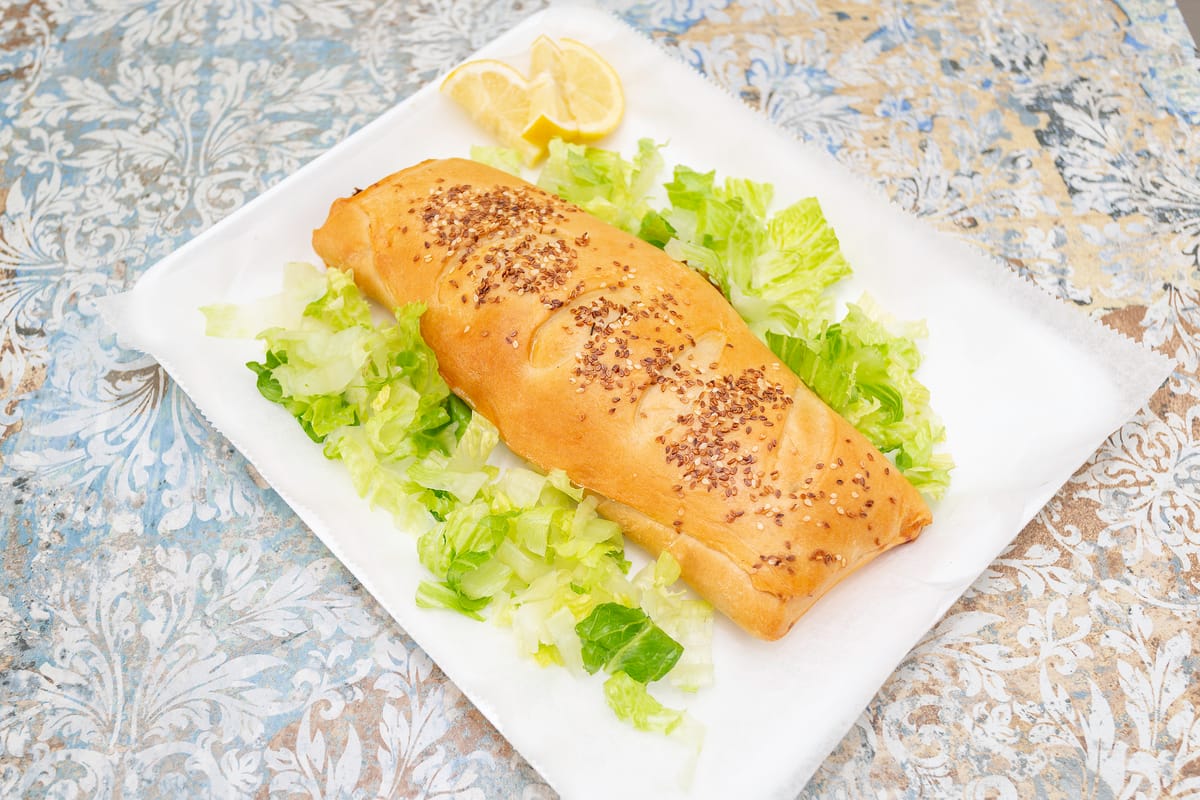
Fully Vegan, Fully Delicious
Hummus is naturally vegan and provides complete plant-based protein when paired with pita or falafel.
How Do Hummus and Tzatziki Compare on Protein and Fiber?
The chickpea advantage is substantial.
Hummus delivers approximately 7.9 grams of protein per 100-gram serving, primarily from the chickpeas but also from the tahini. Chickpeas are one of the most protein-dense legumes available, and tahini (ground sesame seeds) contributes additional protein along with healthy monounsaturated and polyunsaturated fats. When you pair hummus with pita bread or falafel, the combination creates a complete amino acid profile, meaning you get all nine essential amino acids your body needs. This is why hummus has been a dietary cornerstone in the Levant for centuries -- it provides affordable, shelf-stable, plant-based protein that rivals many animal sources in nutritional value.
Tzatziki contains roughly 1.7 grams of protein per 100 grams, which comes entirely from the yogurt component. While Greek yogurt on its own is a decent protein source (about 10g per 100g), the addition of cucumber, olive oil, and garlic dilutes the protein concentration significantly. The cucumber is mostly water, contributing volume and freshness but virtually no protein or fiber. As a result, tzatziki functions nutritionally as a condiment rather than a protein source. You would need to eat nearly five times as much tzatziki to match the protein in a single serving of hummus, which would also require consuming a large volume of dairy.
The fiber comparison is even more dramatic. Hummus provides roughly 6 grams of dietary fiber per 100-gram serving, all from the chickpeas. Fiber is essential for digestive health, blood sugar regulation, and sustained satiety. Tzatziki contains only 0.5 grams of fiber per 100 grams -- nearly twelve times less. If you are looking for a food that keeps you full between meals, supports gut health, and provides lasting energy without a blood sugar spike, hummus is categorically the better option. A Taza falafel bowl (from $10.45) with extra hummus maximizes both protein and fiber in a single plant-based meal.
How Does Taza Use Hummus on the Menu?
Fresh-made daily at 5820 Seminary Rd Ste O, Falls Church, VA 22041 using traditional Levantine recipes.
At Taza Shawarma & Falafel, hummus is not just a side dish -- it is a foundational ingredient that appears across the entire menu. Our hummus starts with dried chickpeas soaked overnight in cold water, then cooked until extremely soft. We blend the warm chickpeas with premium tahini, fresh-squeezed lemon juice, raw garlic, and a pinch of salt until the mixture is silky smooth. The result is a thick, creamy hummus with a rich, earthy flavor and a texture that holds its shape when scooped with pita bread. We make fresh batches every morning before the restaurant opens, ensuring every order is as fresh as possible.
You can order hummus as a standalone side ($4.95) with warm pita bread, or find it integrated into many of our most popular items. It serves as a spread inside our falafel pita (from $8.95), chicken shawarma pita (from $9.95), and beef shawarma pita (from $9.95). It appears as a base layer in our bowls, adding creaminess and protein underneath the main protein and toppings. For a complete Levantine spread, order hummus alongside our baba ghanouj ($4.95) and labneh ($4.95) -- a traditional strained yogurt dip with olive oil and dried mint that offers a dairy-based contrast to the plant-based hummus.
Hummus
$4.95
Creamy chickpea dip with tahini, lemon, garlic, and olive oil. Served with warm pita.
Learn moreFalafel Pita
from $8.95
Crispy chickpea falafel in fresh pita with hummus, veggies, and tahini. Fully vegan.
Learn moreChicken Shawarma Bowl
from $12.45
Tender chicken shawarma over rice or greens with hummus, toppings, and garlic sauce.
Learn moreBaba Ghanouj
$4.95
Smoky roasted eggplant dip with tahini, lemon, and garlic. Vegan and gluten-free.
Learn moreLabneh
$4.95
Thick strained yogurt with olive oil and dried mint. The dairy counterpart to hummus.
Learn moreFalafel Bowl
from $10.45
Crispy falafel over rice or greens with hummus, Mediterranean toppings, and tahini.
Learn moreHow Do Hummus and Tzatziki Taste Different?
The flavor gap is as wide as the nutritional gap.
Hummus has an earthy, nutty, and subtly savory flavor profile. The cooked chickpeas provide a warm, bean-like earthiness that forms the backbone of the taste. Tahini adds a distinct sesame nuttiness and a slight bitterness that deepens the overall flavor. Fresh lemon juice cuts through the richness with a bright, tangy note, while raw garlic delivers a sharp, pungent bite that lingers on the palate. The olive oil finishing drizzle adds a fruity, peppery top note. Overall, hummus tastes warm, grounding, and satisfying -- it is a food you can eat in large quantities without flavor fatigue because the flavors are balanced rather than aggressive.
Tzatziki tastes cool, tangy, and sharply refreshing. The strained Greek yogurt provides a sour, creamy base that dominates the flavor. Grated cucumber adds a watery, vegetal freshness and a subtle sweetness. Raw garlic adds the same pungent bite found in hummus, but in tzatziki it reads as sharper because the cool yogurt amplifies the garlic's raw edge. Dill -- the most common herb addition in Greek versions -- contributes an anise-like, grassy note that is unmistakable. The overall effect is bright, acidic, and palate-cleansing, which explains why tzatziki is traditionally paired with heavy, rich, or fried foods.
The two flavors complement each other if served together on a meze platter. Hummus provides the warm, grounding, protein-rich anchor, while tzatziki provides the cool, tangy, refreshing counterpoint. At Taza, we achieve a similar contrast by pairing hummus with our garlic sauce and pickled turnips on shawarma plates. Our labneh ($4.95) -- thick strained yogurt with olive oil and dried mint -- occupies a middle ground between hummus and tzatziki in both flavor and texture, offering dairy-based creaminess with Levantine seasonings rather than Greek herbs.
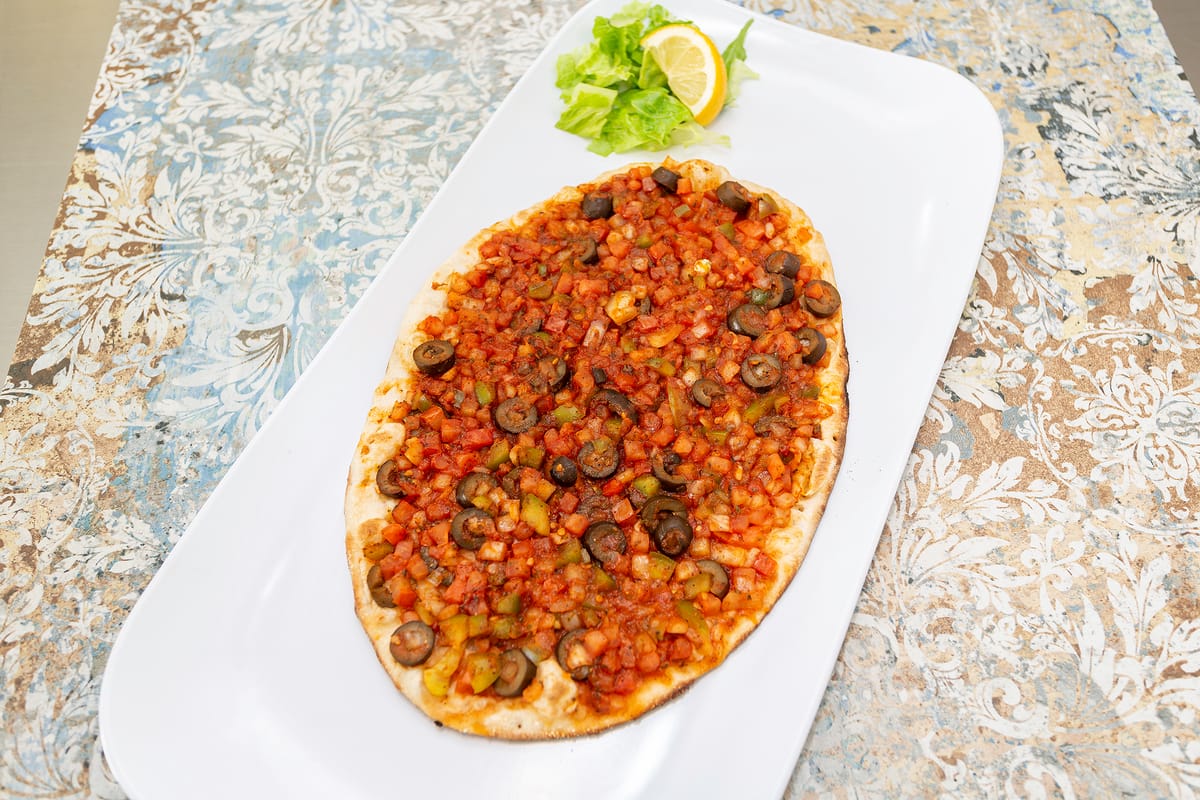
Made Fresh Every Morning
Taza's hummus is prepared from scratch daily -- dried chickpeas soaked overnight, cooked, and blended with quality tahini.
What Pairs Best with Hummus vs Tzatziki?
Each one excels with different foods.
Best with Hummus
Warm pita bread
The classic pairing. Tear and scoop for the most traditional experience.
Falafel
Double chickpea power. Crispy-outside falafel dipped in creamy hummus is iconic Levantine street food.
Raw vegetables
Carrots, celery, bell peppers, and cucumbers. Hummus is thick enough to cling to each piece.
Shawarma wraps
A layer of hummus inside a wrap binds ingredients together and adds protein.
Rice bowls
Hummus as a bowl base adds creaminess and protein under your choice of protein and toppings.
Best with Tzatziki
Gyros and souvlaki
The defining Greek pairing. Cool tzatziki contrasts the hot, fatty grilled meat.
Grilled lamb
The tangy yogurt and garlic cut through the richness of lamb perfectly.
Fried foods
Fried calamari, zucchini fritters, and other fried items benefit from the cooling contrast.
Salads
Used as a dressing alternative, tzatziki adds creaminess without heavy oils.
Grilled vegetables
A drizzle of tzatziki brightens charred eggplant, peppers, and zucchini.
How Long Do Hummus and Tzatziki Last?
Shelf life differs significantly between the two.
Homemade hummus lasts five to seven days in the refrigerator when stored in an airtight container. The chickpeas, tahini, and lemon juice create a relatively stable mixture that maintains its texture and flavor well over several days. A thin layer of olive oil on top helps prevent oxidation and keeps the surface from drying out. Store-bought hummus with preservatives can last significantly longer, but fresh-made hummus from restaurants like Taza should be consumed within a week for the best flavor. Hummus also freezes well for up to four months -- simply thaw in the refrigerator overnight and stir before serving to restore the creamy texture.
Tzatziki has a shorter shelf life of two to three days in the refrigerator. The grated cucumber continuously releases water over time, which dilutes the yogurt and thins the sauce. After two days, most homemade tzatziki becomes noticeably watery at the bottom of the container and loses its thick, scoopable texture. You can extend the life slightly by salting and squeezing excess water from the cucumber before mixing, but tzatziki is fundamentally a fresh preparation best eaten the same day it is made. This shorter shelf life is another practical advantage of hummus: it stays fresh longer, stores better, and can even be frozen for later use.
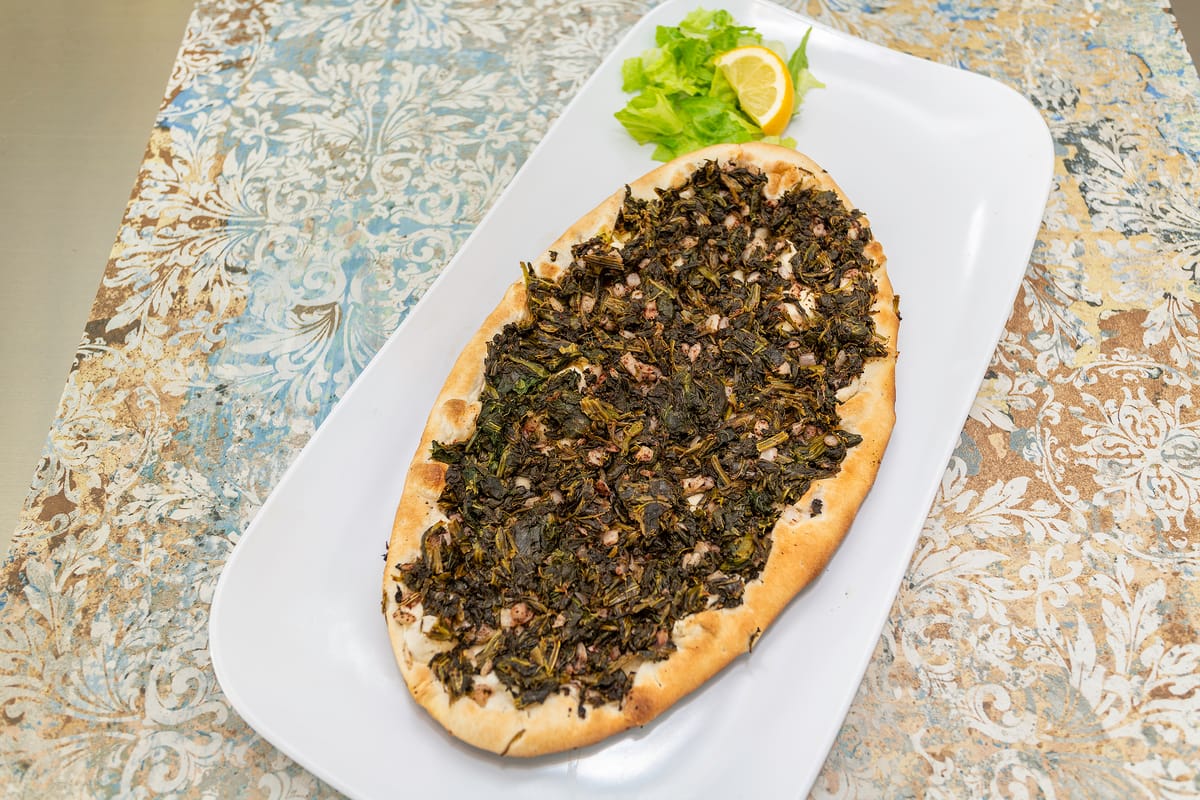
Order the Full Spread
Hummus, baba ghanouj, and labneh -- all three Taza dips made fresh daily at 5820 Seminary Rd Ste O, Falls Church, VA 22041.
Should You Choose Hummus or Tzatziki?
A quick guide based on what matters most to you.
More Protein
Hummus
7.9g vs 1.7g per 100g. Hummus has nearly five times the protein of tzatziki. Pair with falafel (from $8.95) for a high-protein plant-based meal.
Fewer Calories
Tzatziki
56 vs 166 calories per 100g. Tzatziki has nearly three times fewer calories. Best used as a condiment in small quantities alongside heavier dishes.
Vegan Diet
Hummus
Hummus is 100% plant-based. Tzatziki contains dairy. For a full vegan meal at Taza, try the falafel bowl (from $10.45) with extra hummus.
Cooling Sauce
Tzatziki
Tzatziki's cold, tangy yogurt and cucumber create a refreshing contrast to hot grilled or fried foods. It is designed to cool the palate.
Longer Shelf Life
Hummus
5-7 days vs 2-3 days. Hummus stays fresh longer and can be frozen for up to 4 months. Tzatziki becomes watery after 2 days.
Both on the Table
Get Both!
The classic Mediterranean approach. Hummus and tzatziki complement each other perfectly -- warm and cool, thick and thin, earthy and tangy. At Taza, pair hummus ($4.95) with labneh ($4.95) for a similar contrast.
What Allergens Are in Hummus and Tzatziki?
Each one contains different potential allergens.
Hummus contains two common allergens: sesame (from the tahini) and legumes (from the chickpeas). Sesame was added to the FDA's list of major food allergens in 2023 under the FASTER Act, making it the ninth recognized allergen in the United States. If you have a sesame allergy, traditional hummus is not safe to consume because tahini is a core ingredient that cannot be removed without fundamentally changing the recipe. Chickpea allergies are less common but do exist, particularly among people who are allergic to other legumes such as peanuts, lentils, or soybeans. Hummus is naturally free of dairy, eggs, wheat, tree nuts, fish, and shellfish -- the other six major FDA-recognized allergens.
Tzatziki contains dairy as its primary allergen, since the base is Greek yogurt made from cow's milk (or sometimes sheep or goat milk). Dairy allergy affects approximately 2 to 3 percent of children under three and about 0.5 percent of adults. Lactose intolerance is far more common, affecting roughly 65 percent of the global population to some degree. Greek yogurt is lower in lactose than regular milk because the straining process removes much of the whey, but it still contains enough lactose to cause symptoms in highly sensitive individuals. Tzatziki is naturally free of sesame, legumes, wheat, eggs, tree nuts, fish, and shellfish. If you need to avoid dairy entirely, hummus is the allergen-safer choice between the two.
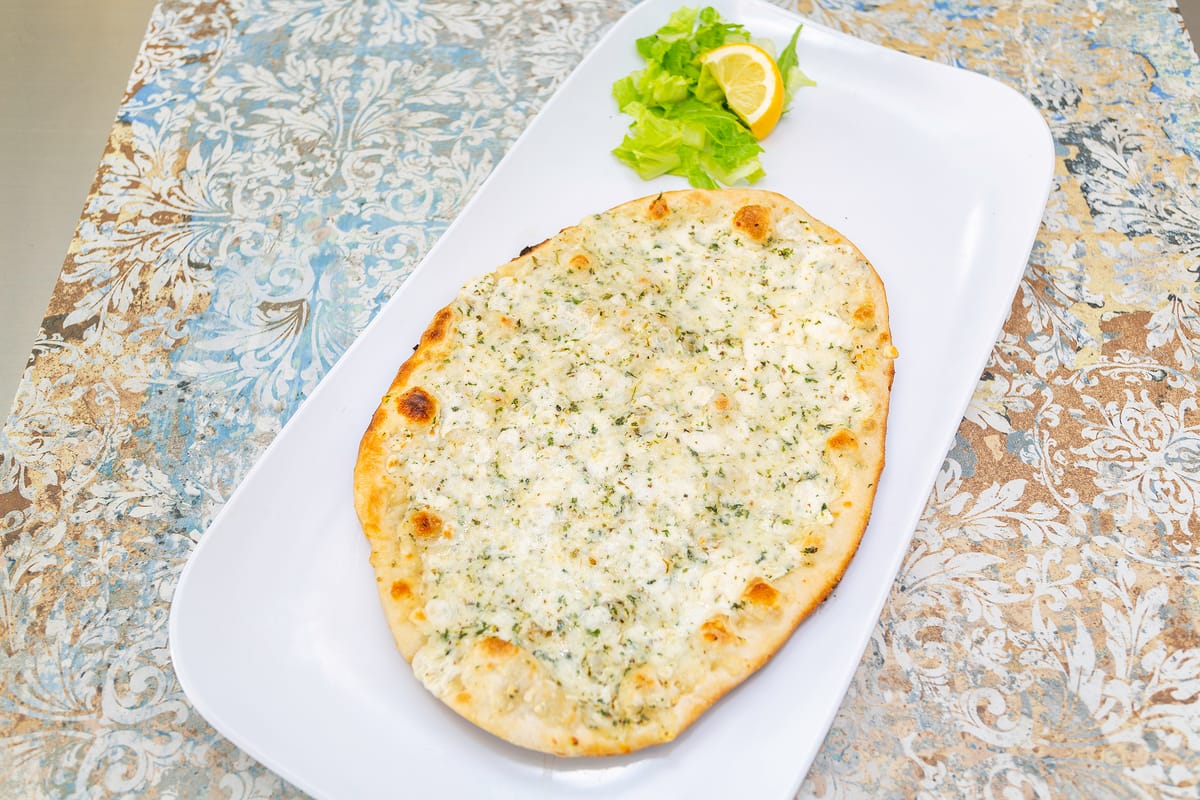
Try the Full Taza Menu
Hummus, baba ghanouj, falafel, shawarma, and more. Open 11:00 AM - 12:00 AM at 5820 Seminary Rd Ste O, Falls Church, VA 22041.
Frequently Asked Questions: Hummus vs Tzatziki
Both are healthy, but they serve different nutritional roles. Hummus is higher in protein (7.9g vs 1.7g per 100g) and fiber (6g vs 0.5g), making it more filling and better for sustained energy. Tzatziki is significantly lower in calories (56 vs 166 per 100g) and lower in fat (3.2g vs 9.6g), making it the lighter option. If you want a protein-rich snack or meal component that keeps you full, hummus is superior. If you want a low-calorie condiment to add freshness without adding many calories, tzatziki is the better choice. At Taza in Falls Church, our hummus is $4.95 per order and pairs perfectly with falafel or pita bread.
You can, but the result will be noticeably different. Hummus is thick, earthy, and warm-flavored. Tzatziki is thin, tangy, and cooling. They are not interchangeable in most recipes without changing the character of the dish. For example, hummus on a gyro would make it denser and nuttier, while tzatziki on falafel would make it lighter and more acidic. At Taza Shawarma & Falafel, we use hummus as a base inside pita sandwiches and bowls because its thick texture holds the other ingredients together. Tzatziki would be too thin for that application.
No, traditional tzatziki is not vegan. It is made with Greek yogurt, which is a dairy product. Some modern recipes use coconut yogurt or cashew-based yogurt as a substitute, but these are not traditional. Hummus, by contrast, is entirely plant-based -- chickpeas, tahini (sesame paste), lemon juice, garlic, and olive oil. If you follow a vegan diet, hummus is the clear choice. At Taza, our hummus is fully vegan and served with warm pita bread for $4.95.
Tzatziki tastes cool, tangy, garlicky, and refreshing. The Greek yogurt provides a sour, creamy base, the cucumber adds crunch and water content, and the garlic and dill add aromatic sharpness. Hummus tastes earthy, nutty, and subtly tangy from the lemon. The chickpeas provide a dense, savory body, and the tahini adds a rich sesame flavor. Tzatziki is a palate cleanser. Hummus is a meal component. The two complement each other if served on the same plate, but they provide entirely different eating experiences.
Hummus has significantly more protein per serving. A 100-gram portion of hummus contains roughly 7.9 grams of protein, compared to about 1.7 grams in the same amount of tzatziki. The difference comes from the base ingredient: chickpeas are a protein-dense legume, while yogurt (after straining and diluting with cucumber) contains relatively little protein per volume. Pairing Taza's hummus with a falafel pita (from $8.95) creates an especially high-protein plant-based meal, since falafel is also made from chickpeas.
Absolutely. Hummus and tzatziki are frequently served together on Middle Eastern and Mediterranean meze platters. The combination works because hummus is thick, warm-flavored, and filling, while tzatziki is thin, cool, and refreshing. They balance each other on the palate. At Taza in Falls Church, you can build a Mediterranean spread with our hummus ($4.95), baba ghanouj ($4.95), and labneh ($4.95) served alongside warm pita bread.
Hummus is higher in calories because chickpeas and tahini are both calorie-dense foods. Chickpeas contain protein, fiber, carbohydrates, and fat, while tahini (ground sesame seeds) adds a significant amount of healthy unsaturated fat. Together, a 100-gram serving reaches about 166 calories. Tzatziki, on the other hand, is mostly yogurt and water-rich cucumber, which dilutes the calorie density to about 56 calories per 100 grams. The tradeoff is that hummus keeps you fuller for much longer due to its protein and fiber content.
Taza Shawarma & Falafel at 5820 Seminary Rd Ste O, Falls Church, VA 22041 serves fresh-made hummus daily using traditional Levantine recipes. Our hummus starts with dried chickpeas soaked overnight, cooked until very soft, then blended with quality tahini, fresh lemon juice, and raw garlic. It is served with warm pita bread for $4.95 per order. You can also add hummus as a base in any bowl or as a spread inside any pita or shrak wrap. Open 11:00 AM - 12:00 AM. Order online or call (703) 340-1014.
Order Hummus and More at Taza
Fresh-made hummus $4.95, served with warm pita bread. Made from scratch daily at 5820 Seminary Rd Ste O, Falls Church, VA 22041. Order online or call (703) 340-1014.
Find Taza Shawarma & Falafel in Falls Church
Open 11:00 AM - 12:00 AM, 7 days a week at 5820 Seminary Rd Ste O, Falls Church, VA 22041.
Address
5820 Seminary Rd Ste O, Falls Church, VA 22041
Hours
11:00 AM - 12:00 AM -- Open 7 Days a Week
Phone