The Complete Halloumi Guide
The squeaky, golden-crusted grilling cheese from Cyprus that holds its shape over open flame. This guide covers halloumi's origins, the science behind its high melting point, four ways to cook it, and where to taste Mediterranean cheese dishes on Seminary Road in Falls Church.
4.8 stars on Yelp (92 reviews) -- Open 11:00 AM - 12:00 AM
What Is Halloumi Cheese?
The firm, brined grilling cheese that has anchored Cypriot tables for centuries.
Halloumi is a semi-hard, brined cheese that originated on the island of Cyprus in the Eastern Mediterranean. It is traditionally made from a blend of sheep and goat milk, though modern commercial versions sometimes incorporate cow milk to reduce cost and increase yield. The cheese has a firm, springy texture that squeaks against the teeth when chewed -- a tactile signature that halloumi lovers recognize instantly and newcomers find either charming or startling. That squeak comes from the tightly woven protein structure created during the unique production process, which involves heating the curds to a temperature high enough to reorganize the proteins into long, aligned strands. The result is a cheese that resists melting in ways that nearly every other cheese cannot match.
The defining quality of halloumi is its high melting point. Where most cheeses soften and flow when exposed to the heat of a grill or a hot pan, halloumi holds its shape, developing a golden-brown crust on the outside while the interior turns soft and creamy without collapsing. This property makes it one of the very few cheeses in the world that you can place directly on a grill grate or into a searing skillet and cook like a piece of protein. The exterior caramelizes through the Maillard reaction, creating a nutty, savory crust that contrasts with the mild, salty interior. It is this behavior that earned halloumi its common nickname: the grilling cheese.
Halloumi has been produced in Cyprus for at least several hundred years, with some food historians tracing references to similar cheeses in the Eastern Mediterranean back much further. Cypriot shepherds developed it as a practical solution to preserving dairy in a warm climate. The combination of high-heat curd processing and heavy brining created a cheese that lasted longer than fresh varieties without refrigeration. In 2021, the European Union granted halloumi a protected designation of origin (PDO), meaning that within EU markets, only cheese produced on Cyprus using traditional methods can carry the halloumi name. Halloumi-style cheeses produced elsewhere must use different labels, though they follow similar production techniques.
In Falls Church and across Northern Virginia, halloumi has become a staple of Mediterranean grocery stores and restaurant menus. The cheese appears on mezze platters, in breakfast spreads, grilled alongside kebabs, and layered into wraps and flatbreads. At Taza Shawarma & Falafel on Seminary Road, our cheese-forward dishes -- including our Cheese Manaeesh and Cheese Pie -- showcase the Mediterranean tradition of treating cheese as a centerpiece ingredient rather than a mere topping. Whether you are a longtime halloumi enthusiast or encountering it for the first time, this guide will give you the knowledge to appreciate and cook this remarkable cheese with confidence.
From Cyprus to Seminary Road
Halloumi's journey from a Cypriot pastoral cheese to a global Mediterranean staple -- now available in Falls Church.
How Is Halloumi Made?
A centuries-old process involving high-heat curd cooking, brining, and folding with mint.
Halloumi production begins with fresh milk -- traditionally a blend of sheep and goat milk in roughly equal proportions, though Cypriot regulations now allow up to a certain percentage of cow milk. The milk is gently warmed and rennet is added to initiate coagulation, forming a soft curd within 30 to 45 minutes. The curd is then cut into small pieces and left to settle in the whey. What happens next is the step that distinguishes halloumi from nearly every other cheese: the curds are not simply pressed and drained. Instead, they are cooked in the hot whey at temperatures reaching 90 to 95 degrees Celsius for 30 to 40 minutes. This intense heating step denatures and reorganizes the casein proteins, creating the dense, elastic matrix that gives halloumi its extraordinary heat resistance and its signature squeaky texture.
After the whey cooking, the curds are scooped out, pressed into rectangular or half-moon shapes, and allowed to cool briefly. While still warm and pliable, the cheese is folded in half -- a traditional technique that creates the layered cross-section visible when you slice through a block of halloumi. During this folding step, dried mint leaves are scattered across the interior surface before the cheese is pressed closed. The mint serves a dual purpose: it adds a subtle herbal fragrance that develops over time, and historically it acted as a mild natural preservative. The folding itself is a mark of artisanal production, and the visible mint leaves inside the cheese are a sign of traditionally made halloumi.
The shaped cheeses are then submerged in a heavy brine solution -- water saturated with salt -- where they cure for anywhere from a few days to several weeks depending on the producer and the intended flavor profile. The brine seasons the cheese throughout, gives it the salty tang that halloumi is known for, and extends its shelf life significantly. Some producers age halloumi in brine for extended periods, which results in a drier, firmer cheese with a more pronounced flavor. Fresh halloumi, eaten within days of production, is softer, milder, and more milky in taste -- the version preferred for grilling because of its moisture content and pliability.
The entire process -- from raw milk to finished cheese -- takes roughly two days, not counting the brining period. It requires no artificial additives, no stabilizers, and no coloring. The ingredient list for traditional halloumi is simply milk, rennet, salt, and dried mint. This simplicity is part of its appeal and part of the reason halloumi has survived unchanged for centuries in Cypriot kitchens. Every block of properly made halloumi carries the same fundamental character that Cypriot shepherds would recognize from generations past: firm, salty, squeaky, and built to withstand heat.
Why Doesn't Halloumi Melt?
The protein science behind halloumi's remarkable heat resistance.
The reason halloumi holds its shape on a grill while cheddar, mozzarella, and brie turn to liquid comes down to what happens to the casein proteins during that high-temperature whey cooking step. In most cheeses, the casein proteins form a loose, web-like network that traps fat and moisture. When heat is applied, the proteins loosen further, the fat liquefies, and the whole structure collapses into a flowing mass -- that is melting. In halloumi, cooking the curds at near-boiling temperatures causes the casein proteins to bond more tightly and align into dense, parallel strands. This reorganized protein matrix is far more resistant to heat-induced flow because the bonds between protein molecules are stronger and more numerous.
Think of it like the difference between a loose knit sweater and a tightly woven canvas. The sweater (regular cheese) stretches and deforms easily under stress. The canvas (halloumi) holds its shape because the fibers are packed so closely together that they reinforce each other. The high pH of halloumi -- it is less acidic than most cheeses -- also plays a role. At higher pH levels, the calcium bridges between casein molecules remain intact at higher temperatures, adding structural integrity that lower-pH cheeses lack. The combination of dense protein alignment and strong calcium bridging creates a cheese that can withstand grill temperatures of 230 degrees Celsius or more without losing its form.
The squeak that halloumi makes against your teeth is a direct consequence of this same protein structure. Those tightly aligned protein strands rub against the enamel of your teeth as you chew, creating friction that produces an audible squeak. The sound is most pronounced when the cheese is fresh and warm. As halloumi ages or dries out, the squeak diminishes because the protein matrix dehydrates and becomes less elastic. This is why freshly made halloumi, still warm from the whey, squeaks the loudest -- and why many Cypriots consider the intensity of the squeak a marker of quality and freshness.
Understanding this science explains why halloumi behaves the way it does in the kitchen. You can slice it thick, place it on the hottest part of a grill, and walk away for two minutes without worrying that it will drip through the grate. You can cube it and thread it onto skewers alongside vegetables for a vegetarian kebab that holds together throughout the cooking process. You can pan-fry it in a scorching cast-iron skillet until both sides are deeply caramelized, knowing the interior will soften but never liquefy. No other common cheese offers this versatility, and it is the reason halloumi has become a go-to protein for vegetarian grilling across the Mediterranean and beyond.
The Grilling Cheese
Golden crust on the outside, soft and creamy on the inside -- halloumi transforms with heat like no other cheese.
How to Cook Halloumi
Four methods for preparing halloumi at home, from open-flame grilling to eating it raw.
Grilling Over Open Flame
Grilling is the most traditional and popular method for cooking halloumi. Cut the block into slices roughly a centimeter thick, brush both sides lightly with olive oil, and place them on a hot grill or grill pan preheated to medium-high heat. Grill for two to three minutes per side until each surface develops deep golden-brown grill marks and a thin, caramelized crust. The interior stays soft and yielding while the outside turns slightly chewy with a smoky char. Grilled halloumi needs no seasoning beyond a squeeze of fresh lemon and a scattering of dried mint, though a drizzle of pomegranate molasses or a pinch of Aleppo pepper works well for those who want added complexity.
Pan-Frying in a Skillet
Pan-frying delivers a golden crust without the need for an outdoor grill. Heat a non-stick or cast-iron skillet over medium-high heat with a thin film of olive oil. Place halloumi slices in a single layer and cook undisturbed for two minutes until the bottom turns a deep golden color. Flip once and repeat on the other side. The key is patience -- resist the urge to move the slices around. The Maillard reaction needs steady contact with the hot pan to develop that rich, nutty crust. Pan-fried halloumi is excellent served alongside eggs for breakfast, layered into a pita with fresh vegetables, or placed on top of a grain bowl as a warm, salty protein.
Baking in the Oven
Baking halloumi is the most hands-off approach and works well when you are cooking for a group. Preheat your oven to 200 degrees Celsius (about 400 Fahrenheit). Cut the halloumi into cubes or thick slices, toss with olive oil and any desired seasonings -- dried oregano, black pepper, and cherry tomatoes are a classic combination -- and spread them on a parchment-lined baking sheet. Bake for 15 to 20 minutes, flipping halfway, until the surfaces are golden and the edges are slightly puffed. Baked halloumi cubes are ideal for topping salads, mixing into roasted vegetable dishes, or serving as part of a mezze spread alongside hummus, olives, and warm bread.
Eating Raw or Uncooked
Halloumi does not require cooking. Straight from the package, it has a firm, springy texture with a mild saltiness that works well in cold applications. Slice it thin and layer it into sandwiches, dice it into cubes for grain salads, or shave it over flatbreads as a finishing element. Uncooked halloumi is chewier and squeakier than its cooked counterpart, with a pronounced briny tang that comes from the brine it was stored in. To reduce the saltiness of raw halloumi, soak the slices in cold water for 30 minutes before eating. Raw halloumi pairs particularly well with watermelon, fresh mint, and a light vinaigrette -- a combination served at summer tables across Cyprus and the Eastern Mediterranean.
Halloumi Nutrition and Health Profile
High protein, rich in calcium, and compatible with multiple dietary patterns.
Halloumi packs a substantial nutritional punch for a food that many people think of as an indulgence. A 100-gram serving delivers approximately 22 grams of protein -- comparable to a similar weight of chicken breast and significantly higher than most other cheeses. That protein content makes halloumi a valuable option for vegetarians seeking dense, complete protein sources that provide all essential amino acids. The same serving contains roughly 320 calories, 25 grams of fat (about 16 grams saturated), and negligible carbohydrates, which places halloumi firmly in the category of high-protein, high-fat, low-carb foods suitable for ketogenic and low-carbohydrate dietary approaches.
Calcium is where halloumi truly stands out among cheeses. A 100-gram serving provides roughly 700 milligrams of calcium -- about 70 percent of the daily recommended intake for adults. That concentration comes from the sheep and goat milk base, which is naturally higher in calcium than cow milk, combined with the production process that retains minerals in the final product. For anyone concerned about bone health, osteoporosis prevention, or meeting daily calcium targets without relying on supplements, halloumi offers one of the most calcium-dense food sources available in the average grocery store. Phosphorus levels are also high, supporting the calcium-to-phosphorus ratio that bones need for proper mineralization.
The primary nutritional consideration with halloumi is sodium. Because the cheese is cured in a concentrated brine, a typical 100-gram serving contains between 1,200 and 1,500 milligrams of sodium, representing a significant portion of the daily recommended limit. For people monitoring salt intake due to blood pressure concerns, this is worth noting. The simplest mitigation is portion control -- a standard serving of two to three slices weighs roughly 50 to 75 grams, which halves the sodium load. Soaking halloumi in fresh water for 30 minutes before cooking also draws out a meaningful amount of salt without affecting the texture or cooking properties.
Within the framework of a Mediterranean diet -- the eating pattern consistently ranked among the healthiest by nutritional research -- halloumi fits comfortably when consumed in moderation alongside abundant vegetables, olive oil, whole grains, and legumes. It provides the protein and calcium that support an active lifestyle while the accompanying foods supply fiber, antioxidants, and healthy fats. At Taza, our cheese dishes pair naturally with vegetable-rich sides like hummus and fresh salads, creating balanced meals that align with Mediterranean nutritional principles.
Halloumi vs Feta: Side-by-Side
Two iconic Eastern Mediterranean cheeses with very different personalities.
| Feature | Halloumi | Feta |
|---|---|---|
| Origin | Cyprus (Eastern Mediterranean) | Greece (Southeastern Europe) |
| Milk Source | Sheep and goat milk (sometimes cow) | Sheep milk (sometimes sheep/goat blend) |
| Texture | Firm, rubbery, squeaky when fresh | Crumbly, soft, sometimes creamy |
| Melting Point | Very high -- holds shape on a grill | Low -- softens and spreads when heated |
| Calories (per 100g) | ~320 kcal | ~264 kcal |
| Protein (per 100g) | ~22g | ~14g |
| Fat (per 100g) | ~25g | ~21g |
| Sodium | High (brined) | High (brined) |
| Best Cooking Method | Grilling, pan-frying, baking | Crumbling over salads, baking in pastry |
| Taste Profile | Mild, salty, milky, slightly tangy | Sharp, tangy, briny, pungent |
The table above makes the structural differences clear, but the real contrast between halloumi and feta emerges in how they behave on the plate. Feta crumbles. You break it apart with a fork, scatter it over a salad, or mash it into a paste for dips and spreads. Its sharp, briny tang punches through other flavors, asserting itself in every bite. Halloumi, by contrast, holds together. You slice it, grill it, and serve it in intact pieces that you eat with a knife and fork or tucked into bread. Its flavor is quieter -- mild, milky, with a gentle salinity that supports rather than dominates the surrounding ingredients. In a mixed Mediterranean spread, feta provides the sharp accent while halloumi provides the warm, substantial protein.
Neither cheese replaces the other. They serve different roles in the kitchen and on the table. If you need a cheese that can handle direct heat and maintain its shape, halloumi is the only practical choice among common Mediterranean cheeses. If you need a cheese that crumbles into a salad dressing or melts into a phyllo pastry with sharp, tangy flavor, feta is unmatched. The ideal Mediterranean pantry contains both, and the ideal mezze table at a restaurant like Taza features dishes that showcase each cheese's strengths.
Cheese in Mediterranean Cooking
From Cypriot grills to Lebanese flatbreads, cheese has been a cornerstone of Eastern Mediterranean cuisine for millennia.
Halloumi vs Mozzarella
Two mild, milky cheeses with opposite reactions to heat.
Halloumi and mozzarella share a mild, milky flavor profile, but their behavior under heat is opposite. Mozzarella stretches, flows, and forms the bubbly golden topping that defines pizza and baked pasta. Halloumi resists melting, holding firm on a grill or in a pan while developing a caramelized crust. Nutritionally they are close -- both provide roughly 22 grams of protein per 100 grams -- but mozzarella is lower in calories (about 280 versus 320) and sodium because it is stored in a lighter brine or fresh whey. Halloumi delivers more calcium per serving thanks to its sheep and goat milk base. In the kitchen, mozzarella belongs wherever you need melting and stretching; halloumi belongs wherever you need structure and sear.
At Taza, our cheese manaeesh uses a signature cheese blend baked onto flatbread until bubbly and golden -- a preparation that relies on the melting qualities of softer cheeses to create that satisfying pull when you tear a piece away. Mediterranean cuisine understands that different cheeses serve different purposes, and the best cooks choose the right cheese for each application rather than defaulting to one variety for everything.
Halloumi in Mediterranean Cuisine
Traditional uses, modern adaptations, and why this cheese appears on tables from Cyprus to Falls Church.
In Cyprus, halloumi is not a specialty item or an occasional treat. It is a daily staple that appears at breakfast, lunch, and dinner in forms that range from simple slices alongside fresh tomatoes and olives to elaborate preparations involving grilling, frying, and baking. A traditional Cypriot breakfast might include thick slices of halloumi pan-fried until golden, served with bread, cucumber, and strong coffee. For lunch, grilled halloumi is tucked into warm pita with salad and a drizzle of olive oil. At dinner, it accompanies grilled meats and vegetables as a protein-rich side that balances the plate. The cheese is so central to Cypriot identity that it features in the country's cultural exports, diplomatic gifts, and national food narratives alongside Commandaria wine and Cypriot olive oil.
Beyond Cyprus, halloumi has spread across the Levantine and broader Eastern Mediterranean regions, where it integrates into local culinary traditions under various names and preparations. In Lebanon and Syria, similar high-melting-point cheeses appear in breakfast spreads and are grilled alongside kebabs. In Turkey, a cheese called hellim follows nearly identical production methods and serves the same culinary role. Across the Eastern Mediterranean, the concept of a firm, grillable cheese is a shared heritage that predates modern national borders, rooted in the pastoral traditions of shepherds who needed a dairy product tough enough to withstand the summer heat.
Modern chefs globally have embraced halloumi as a versatile ingredient that bridges traditional and contemporary cooking. It appears in grain bowls, on avocado toast, in vegetarian burgers, and as a protein substitute in dishes that traditionally feature meat. The combination of halloumi with watermelon, fresh mint, and a light citrus dressing has become a modern classic, served at restaurants from London to Los Angeles. Halloumi fries -- thick sticks of cheese breaded and deep-fried -- have become a popular appetizer in casual dining establishments. These modern applications work because halloumi's fundamental properties -- its ability to hold shape, its mild flavor that absorbs seasonings, and its satisfying texture -- translate across cuisines and cooking styles.
In the Northern Virginia food scene, halloumi has followed the broader Mediterranean food wave that has made hummus, falafel, and shawarma household names. Mediterranean grocery stores in Falls Church, Arlington, and along Columbia Pike carry multiple brands of halloumi imported from Cyprus and produced domestically. Restaurants across the region feature grilled halloumi on mezze platters and in composed salads. At Taza on Seminary Road, our menu builds on the Mediterranean cheese tradition through dishes like our manaeesh and specialty pies, where cheese meets oven-baked flatbread in combinations that have fueled the Eastern Mediterranean for generations.
Halloumi and Cheese Dishes at Taza
Mediterranean cheese traditions served fresh on Seminary Road in Falls Church.
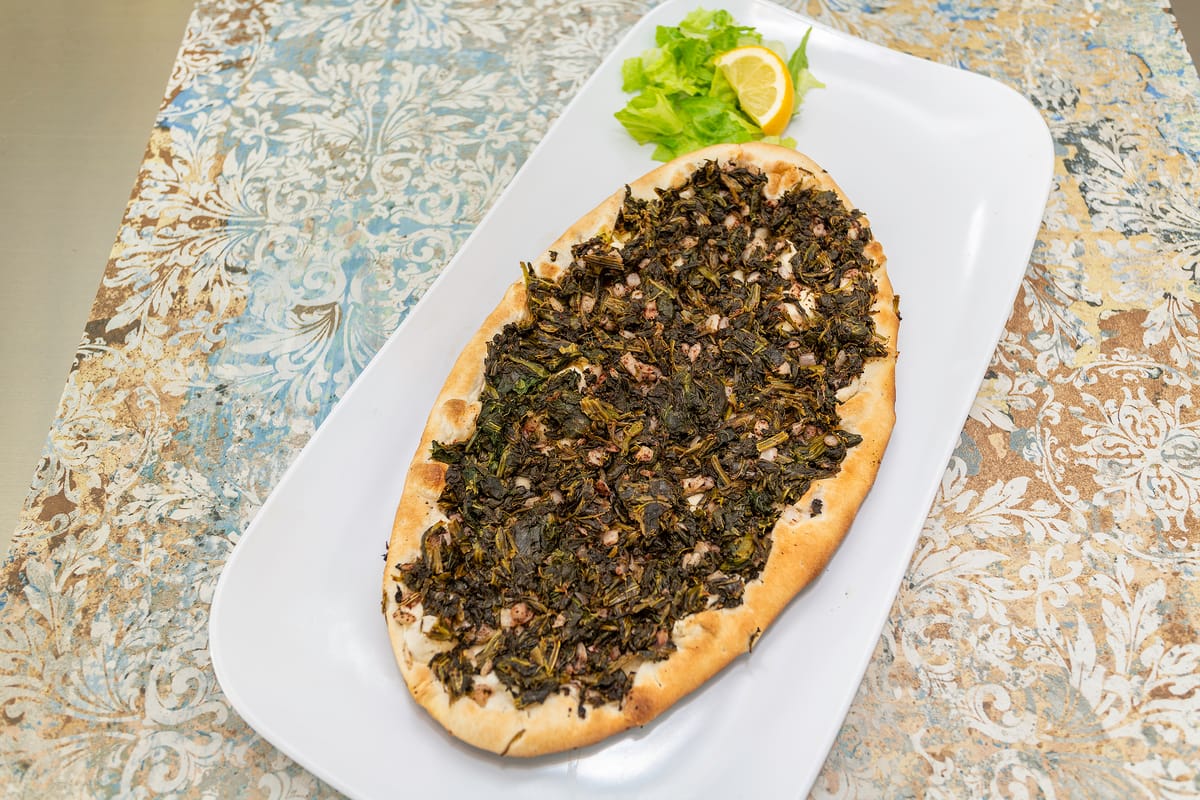
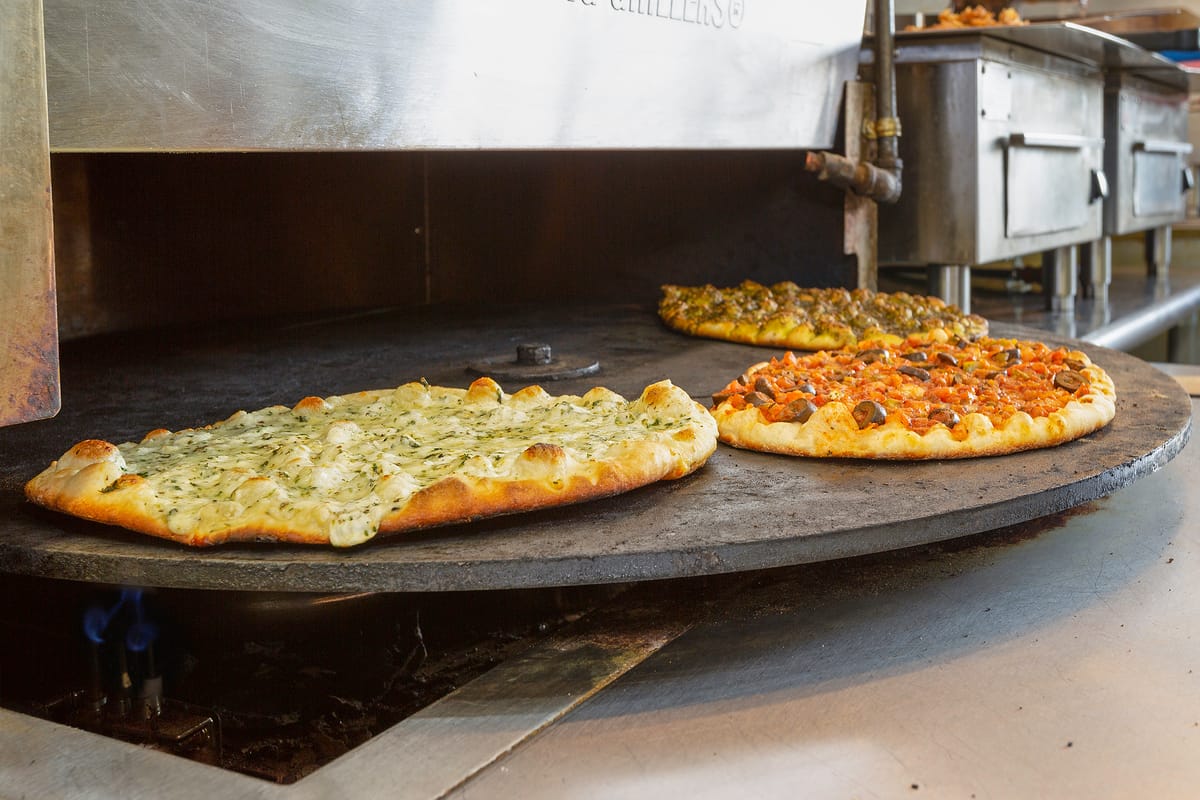
At Taza Shawarma & Falafel, cheese is a central player in several of our most popular dishes. Our Cheese Manaeesh at $7.95 takes a large Mediterranean flatbread and tops it with our signature cheese blend, then bakes it in our stone oven until the cheese is bubbly, golden, and pulling away in satisfying strings. The flatbread underneath crisps at the edges while staying soft in the center, creating a textural contrast that makes every bite different from the last. It is our take on the cheese flatbreads that fuel mornings and afternoons across Lebanon, Syria, and the broader Levant.
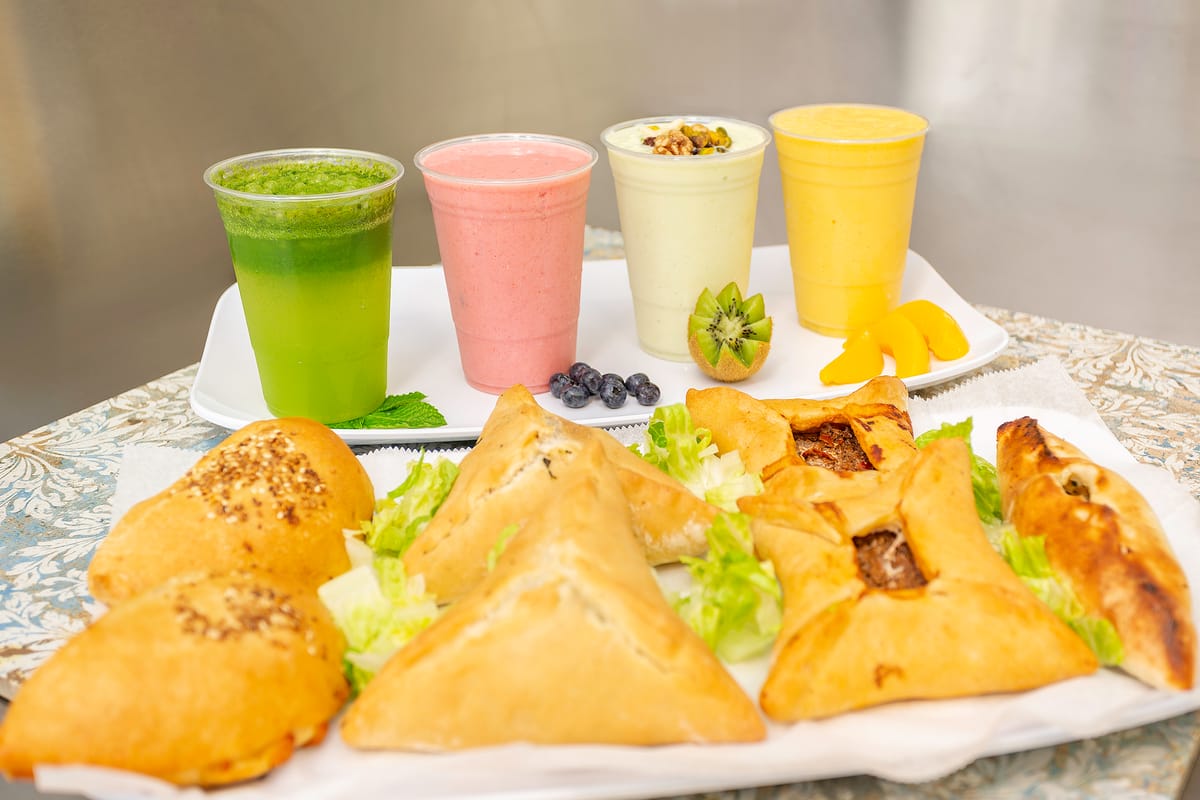
Our Cheese Pie at $2.95 wraps that same signature cheese blend inside golden pastry dough, creating a handheld package where the cheese melts into a gooey, warm center surrounded by a flaky, buttery shell. Cheese pies are a staple of Levantine bakeries, served as breakfast items, afternoon snacks, and quick lunch options. At Taza, we bake them fresh throughout the day, so the pastry is always crisp and the cheese inside is always hot. Pair a cheese pie with a side of hummus at $4.95 for a satisfying vegetarian meal that covers protein from the cheese and the chickpeas.
For guests who want to build a complete Mediterranean spread, our sides menu offers the full range of traditional accompaniments that pair with cheese dishes. Order labneh at $4.95 for a cool, tangy contrast to warm cheese, or add falafel starting at from $8.95 for a crispy protein element alongside your cheese manaeesh. Our fresh-baked pita bread at $0.95 is the ideal vehicle for scooping up any cheese or dip on the table.
Taza is located at 5820 Seminary Rd Ste O, Falls Church, VA 22041, open 11:00 AM - 12:00 AM, Open 7 Days a Week. Whether you are stopping in for a quick cheese pie on your lunch break, ordering cheese manaeesh for a weekend breakfast, or building a full mezze spread for a group dinner, our cheese dishes bring the Mediterranean tradition of honest, well-made dairy food to Seminary Road. Order online for pickup or delivery, or call ahead at (703) 340-1014 to place your order.
Cheese Manaeesh
$7.95
Signature cheese blend baked on fresh flatbread until bubbly and golden. A Mediterranean breakfast and lunch staple.
Cheese Pie
$2.95
Flaky pastry dough wrapping melted cheese in a warm, handheld package. Baked fresh throughout the day.
Falafel Pita
from $8.95
Crispy chickpea falafel in fresh pita with tahini -- a perfect vegetarian companion to any cheese dish.
Hummus
$4.95
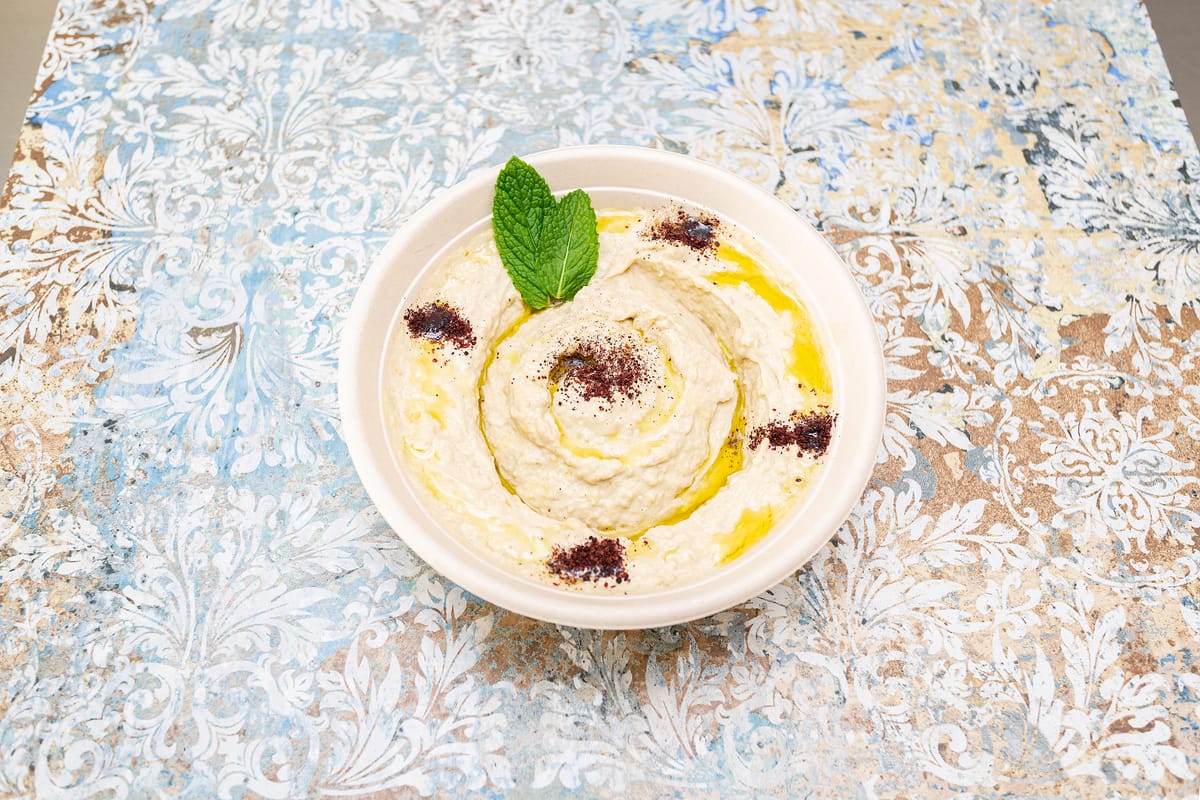
Creamy chickpea dip with tahini, lemon, and olive oil. An essential mezze component alongside cheese.
How to Buy and Store Halloumi
What to look for at the store and how to keep halloumi fresh at home.
When shopping for halloumi, the first thing to check is the milk source listed on the ingredient label. Traditional halloumi made from sheep and goat milk has a richer, more complex flavor than versions made primarily from cow milk. The PDO-certified halloumi from Cyprus is the gold standard, and several brands are widely available at Mediterranean grocery stores in Falls Church, along Columbia Pike in Arlington, and at specialty food retailers across Northern Virginia. Look for packaging that lists sheep milk and goat milk as the primary ingredients, with cow milk either absent or listed as a minor component. Avoid brands that list only cow milk, as the flavor and texture will be noticeably different from traditional halloumi.
The presence of dried mint in the ingredient list is another marker of traditionally made halloumi. Mint has been folded into halloumi during the shaping process for centuries, and its inclusion indicates that the producer is following the classic Cypriot method. Some modern producers skip the mint for cost reasons or to appeal to consumers who prefer a plain flavor, but purists consider it an essential element. When you slice through a block of mint-containing halloumi, you should be able to see small flecks of dried leaf scattered along the interior fold line -- a visual confirmation of traditional production.
Unopened, vacuum-sealed halloumi lasts several months in the refrigerator. Check the expiration date on the package and store it in the coldest part of the fridge, typically the back of a lower shelf. Once opened, transfer any remaining halloumi to an airtight container and cover it with the brine from the package. If the original brine is insufficient, make a simple replacement by dissolving one tablespoon of salt in two cups of water. Stored this way, opened halloumi stays fresh for about two weeks. Without brine, exposed halloumi dries out quickly, becoming tough and overly salty on the surface.
Halloumi also freezes well. Wrap individual portions tightly in plastic wrap, then place them in a freezer bag with as much air removed as possible. Frozen halloumi keeps for up to six months. Thaw it overnight in the refrigerator before using. The texture after freezing may be slightly drier than fresh, but the cooking properties remain intact -- it still grills beautifully and develops a golden crust in the pan. For households that use halloumi regularly, buying in bulk and freezing portions is a practical strategy that ensures you always have a block on hand for weeknight meals and spontaneous grilling sessions.
Visit Taza in Falls Church
Mediterranean cheese dishes, fresh-baked flatbreads, and authentic Levantine cuisine -- all at 5820 Seminary Road.
Frequently Asked Questions About Halloumi
Halloumi has a mild, salty, and milky flavor with a subtle tang from the brine it is stored in. When eaten raw, the taste is clean and lactic, similar to a fresh mozzarella but firmer and saltier. When grilled or pan-fried, the exterior develops a rich, caramelized nuttiness from the Maillard reaction while the interior becomes soft and creamy. The traditional Cypriot preparation folds dried mint leaves into the cheese during production, which adds a faint herbal note that becomes more apparent when the cheese is warmed. People who enjoy fresh, mild cheeses tend to take to halloumi immediately, while those who prefer stronger aged cheeses may find it subtle until they taste it grilled with a squeeze of lemon.
Halloumi earned the nickname because it holds its shape at temperatures that would turn most cheeses into a puddle. Its high melting point comes from the way it is produced: the curds are heated to a high temperature during production, which restructures the protein matrix and raises the threshold at which the cheese begins to flow. Where mozzarella melts at around 60 degrees Celsius and cheddar at roughly 65, halloumi can withstand temperatures well above 100 degrees Celsius without losing its form. This means you can place a slab directly on a grill grate, in a scorching skillet, or under a broiler, and it will develop a golden crust while maintaining its solid interior structure.
Halloumi provides a dense source of protein and calcium, with roughly 22 grams of protein and 70 percent of the daily recommended calcium per 100-gram serving. Those numbers make it one of the more protein-rich cheeses available. The trade-off is that halloumi is also high in saturated fat (about 16 grams per 100g) and sodium due to the brining process. Eaten in moderation as part of a balanced Mediterranean diet -- alongside vegetables, whole grains, and olive oil -- halloumi contributes valuable nutrients without excessive caloric load. A typical serving of two to three slices provides roughly 160 to 240 calories, which fits comfortably into most dietary plans.
Yes. Halloumi is perfectly safe to eat straight from the package without any cooking. It is a semi-hard cheese that has already been heated during production and then stored in brine, so there is no food safety concern with eating it cold. The texture when uncooked is firm and springy with a characteristic squeak against the teeth. Many people slice it thin and add it to salads, sandwiches, and grain bowls without applying any heat. To reduce its saltiness when eating it raw, soak the slices in cold water or milk for 20 to 30 minutes before serving.
Halloumi and feta are both brined cheeses from the Eastern Mediterranean, but they differ in almost every other way. Feta is crumbly, sharp, and pungent, with a soft texture that breaks apart when pressed. Halloumi is firm, mild, and springy, with a texture that resists heat and holds its shape on a grill. Feta is aged in brine for at least two months, which develops its strong flavor, while halloumi is eaten fresh or after a shorter brining period. In the kitchen, feta is best crumbled over salads, baked into pastry, or stirred into grain dishes, while halloumi is best grilled, fried, or eaten in thick slices. They come from different culinary traditions -- feta is a cornerstone of Greek cooking, halloumi of Cypriot cooking -- and serve different roles on the plate.
Taza Shawarma & Falafel in Falls Church uses a signature cheese blend in several menu items that highlights the Mediterranean cheese tradition. Our cheese manaeesh at $7.95 features a generous layer of melted cheese on freshly baked flatbread, and our cheese pie at $2.95 wraps that same blend in golden pastry dough. While our menu focuses on shawarma, falafel, and traditional Levantine dishes, cheese plays a central role in our manaeesh and pie offerings. Pair any cheese item with a side of hummus or labneh for a satisfying vegetarian meal.
Unopened halloumi in its original vacuum-sealed package keeps in the refrigerator for several months -- check the expiration date on the packaging. Once opened, transfer the cheese to an airtight container and cover it with the brine from the package. If there is not enough brine, make your own by dissolving a tablespoon of salt in two cups of water. Stored in brine in the refrigerator, opened halloumi lasts about two weeks. You can also freeze halloumi for up to six months. Wrap it tightly in plastic wrap, then place it in a freezer bag. Thaw in the refrigerator overnight before using. The texture may become slightly drier after freezing but it still grills and fries well.
Halloumi originated on the island of Cyprus in the Eastern Mediterranean, where it has been produced for at least several hundred years and likely much longer. The cheese is deeply tied to Cypriot pastoral culture, where shepherds made it from the milk of their sheep and goats as a way to preserve dairy in the warm climate. Today, Cyprus holds a protected designation of origin (PDO) for halloumi within the European Union, meaning that only cheese produced on the island following traditional methods can legally be labeled halloumi in EU markets. However, halloumi-style cheeses are now produced in many countries, and variations appear across the Levantine and Eastern Mediterranean regions under different local names.
Try Mediterranean Cheese Dishes at Taza
5820 Seminary Rd Ste O, Falls Church, VA 22041 -- Open 11:00 AM - 12:00 AM, Open 7 Days a Week
Address
5820 Seminary Rd Ste O, Falls Church, VA 22041
Hours
11:00 AM - 12:00 AM -- Open 7 Days a Week
Phone
Mediterranean Cheese Dishes, Made Fresh Daily
From bubbly cheese manaeesh at $7.95 to warm cheese pies at $2.95, Taza Shawarma & Falafel brings the Eastern Mediterranean cheese tradition to Falls Church. Open 7 days a week on Seminary Road.