What Is Akkawi Cheese? The Levant's Essential White Brine Cheese
Akkawi is the mild, semi-hard white cheese behind knafeh, manaeesh, and cheese pies across the Levant -- named after the ancient Mediterranean city of Akka (Acre) and brined for a smooth, melting texture unlike any other.
4.8 stars on Yelp (92 reviews) -- Open 11:00 AM - 12:00 AM
What Is Akkawi Cheese?
A white brine cheese from the eastern Mediterranean, mild enough for desserts and firm enough for pastries.
Akkawi -- also spelled ackawi, akawi, or akkawi -- is a white, semi-hard cheese made from cow, goat, or sheep milk and stored in a salt-brine solution. It takes its name from Akka, the Levantine coastal city known in English as Acre, which served as a major trading hub on the eastern Mediterranean. The cheese is characterized by a smooth, compact texture that slices cleanly without crumbling and melts into a stretchy, creamy consistency when heated. It is mild and milky in flavor with a moderate saltiness that can be adjusted by soaking the cheese in fresh water before use.
Across Lebanon, Syria, Jordan, and the broader Levantine diaspora, akkawi occupies the same culinary role that mozzarella plays in Italy: it is the everyday, all-purpose melting cheese found in bakeries, home kitchens, breakfast spreads, and street-food vendors. Its most iconic application is knafeh -- the semolina and cheese dessert soaked in fragrant sugar syrup -- where akkawi provides the hot, stretchy cheese layer beneath the golden crust. It is also the standard filling for cheese manaeesh (oven-baked flatbreads), cheese pies, and fatayer pastries.
At Taza Shawarma & Falafel in Falls Church, VA, cheese is central to several of our most popular baked items. Our cheese manaeesh ($7.95) is topped with our signature cheese blend and baked until bubbly and golden -- the same principle as using akkawi on traditional Lebanese flatbread. Our cheese pie ($2.95) carries the same spirit: pastry dough and melted cheese, served fresh from the oven. If you have never tasted Levantine cheese cookery, these dishes are the place to start.
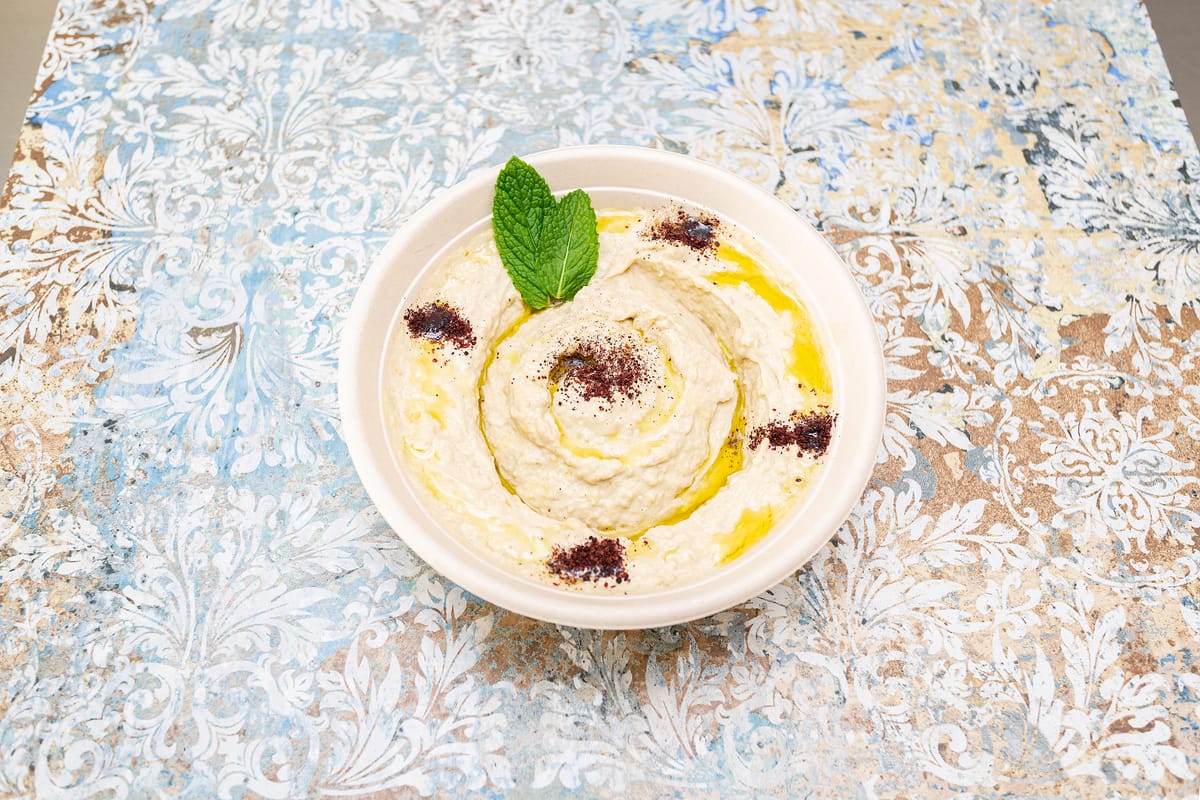
Named After a City, Made for a Culture
Akkawi's origins trace back to the ancient Levantine port city of Akka (Acre) -- a crossroads of Mediterranean trade for over a thousand years.
Where Does Akkawi Cheese Come From?
A cheese named after one of the Levant's oldest cities.
Akka -- the city that gave akkawi its name -- is one of the oldest continuously inhabited cities in the world, situated on a peninsula on the northern tip of the Bay of Haifa along the eastern Mediterranean coast. For centuries, it was a major port for Levantine trade in goods ranging from spices and textiles to agricultural products including dairy. The cheese that came to bear its name was not invented at a single moment but developed gradually as part of the region's rich dairy culture, shaped by the goat and sheep herding traditions of the inland Levantine hills and the coastal trade networks that carried goods across the region.
Brine-preservation of white cheese is a technique common across the entire eastern Mediterranean and predates modern refrigeration by centuries. Storing fresh curd cheese in salt water extended its shelf life in the warm Levantine climate, made it transportable by caravan and boat, and concentrated its flavor over time. Akkawi fits within this broader tradition alongside Greek feta, Bulgarian sirene, Turkish beyaz peynir, and Cypriot halloumi -- all white brine cheeses from overlapping cultural zones of the eastern Mediterranean world.
What distinguishes akkawi within this family of cheeses is its particular balance of properties: mild enough to use in sweet pastries like knafeh without overwhelming the sugar syrup, firm enough to slice for a breakfast plate, and with a melting behavior well-suited to the flatbread and pie traditions of Levantine cookery. These practical qualities made akkawi the dominant fresh cheese of the Levantine kitchen for generations.
Today, akkawi is produced commercially at industrial scale across Lebanon, Syria, Jordan, Egypt, and the Gulf states, as well as in countries with large Arab diaspora communities including the United States, Brazil, and Australia. In specialty Middle Eastern grocery stores throughout Northern Virginia and the Washington DC area, you can find akkawi sold in brine-filled containers or vacuum-sealed blocks. Its availability in the United States has grown substantially as Lebanese and Levantine food culture has expanded well beyond its original communities.
How Is Akkawi Cheese Made?
Six steps from fresh milk to the brine-cured block used in Levantine kitchens.
1. Milk Selection and Pasteurization
Traditional akkawi is made from cow, goat, or a blend of both. Goat milk produces a slightly tangier, more complex cheese; cow milk yields a milder, creamier result. Commercial production uses pasteurized cow milk almost exclusively. The milk is heated to pasteurization temperature (around 72°C for 15 seconds in the HTST method) and then cooled to setting temperature before the coagulation stage.
2. Coagulation with Rennet
A small amount of rennet -- a coagulant enzyme traditionally derived from the stomach lining of ruminant animals, though microbial and vegetable rennets are now common -- is added to the warm milk along with a starter culture of lactic acid bacteria. The milk sets into a soft, gel-like curd over approximately 30 to 60 minutes. The starter culture contributes mild lactic acid that influences the final flavor.
3. Cutting and Draining the Curd
The set curd is cut into pieces using a curd knife or wire harp. Smaller cuts produce a firmer cheese; larger cuts retain more moisture for a softer result. Akkawi is typically cut to produce a semi-firm texture. The cut curds are gently stirred and allowed to expel whey for 20 to 40 minutes. The whey is drained away, leaving the curds ready for pressing.
4. Pressing and Molding
The drained curds are ladled into rectangular or cylindrical molds lined with cheesecloth. Weight is applied on top to press the curds together and expel remaining whey. Pressing continues for several hours at progressively increasing weights. The result is a cohesive, compact block of white cheese that holds its shape when unmolded. The block is smooth on the exterior and uniform in texture throughout.
5. Brining
The pressed cheese block is submerged in a brine solution (salted water) with a concentration typically between 10 and 20 percent salt by weight. The brine performs three functions: it preserves the cheese by creating an inhospitable environment for spoilage organisms, it firms the texture slightly through osmotic action, and it imparts the characteristic moderate saltiness of akkawi. Brining duration ranges from a few days for a milder product to several weeks for a saltier, more pronounced flavor.
6. Packaging and Storage
After brining, akkawi is either sold floating in brine inside sealed containers or vacuum-packed as a block without brine. Brine-packed akkawi stays fresher longer and is the traditional format. Vacuum-packed versions are more convenient for retail and have a longer shelf life sealed, but require careful storage once opened. Both formats should be refrigerated at 2 to 6°C and consumed within three to four weeks of opening.
What Does Akkawi Taste Like?
Mild, milky, and moderately salty -- a cheese that enhances rather than dominates.
Akkawi occupies a deliberate middle ground in the spectrum of cheese flavor. It is noticeably milder than feta and less pungent than aged cheeses, with a clean, milky character that makes it versatile across sweet and savory applications. When eaten at room temperature or chilled, it tastes fresh and lactic -- similar to fresh mozzarella but slightly firmer and with a more pronounced salt note. The brine-curing gives it a gentle tang without the aggressive acidity of feta or the sharp barnyard notes found in some goat cheeses.
The texture reinforces the mild flavor impression. Akkawi is smooth and compact -- it yields to a knife or bite without the crumbliness of feta or the rubbery resistance of halloumi. There is a slight elasticity to it, particularly when the cheese is very fresh, that gives it a pleasant mouthfeel. This texture contributes to its popularity in baked goods: it does not disintegrate into the dough and it melts into an even, cohesive layer rather than pooling and separating.
When akkawi is heated -- whether in a cheese manaeesh, inside a pastry, or layered in knafeh -- it undergoes a notable transformation. The salt mellows as the fat emulsifies and the protein stretches. The result is a soft, pulling cheese layer similar to low-moisture mozzarella on pizza but with a more complex lactic flavor underneath the melt. Experienced Levantine cooks distinguish the quality of a knafeh primarily by the quality and preparation of the akkawi used in it: too salty and it overwhelms the syrup; not desalted enough and the sweetness feels wrong. The balance is the craft.
Salt level in commercial akkawi varies between producers. If you find the cheese too salty for your intended use, soak it in cold fresh water for 20 to 45 minutes before cooking. Change the water once during soaking. This technique -- standard in Levantine home cooking -- reduces the surface and internal salt concentration without compromising the texture or melting behavior of the cheese.

Mild by Design, Versatile by Nature
Akkawi's moderate salt and smooth texture make it equally at home in sweet knafeh, savory pies, and a simple breakfast spread.
How Akkawi Is Used in Levantine Cooking
From the dessert table to the breakfast spread -- the cheese behind Levantine food culture.
Knafeh
The most iconic use of akkawi. Knafeh is a Levantine dessert consisting of a layer of shredded wheat dough (kataifi) or fine semolina, a thick center layer of melted cheese, and a syrup made from sugar, rose water, and orange blossom water. The cheese layer is made from akkawi that has been desalted through soaking, sliced thin, and layered into the baking pan. When heated, the akkawi melts into a smooth, stretchy mass that pulls apart when the finished knafeh is served hot. The sweet syrup and salty-milky cheese contrast is the signature of a well-made knafeh.
Cheese Manaeesh
Manaeesh (singular: manqoushe) are Lebanese flatbreads baked in a stone or deck oven. Cheese manaeesh use akkawi -- sometimes blended with nabulsi or mozzarella -- spread generously across raw dough and baked until the cheese is melted, bubbling, and beginning to brown at the edges. The bread underneath develops a slightly crispy exterior while the interior stays soft and doughy. Cheese manaeesh are central to Lebanese breakfast culture and are eaten plain, folded, or served with fresh vegetables and olives on the side.
Cheese Pies and Fatayer
Akkawi is the standard filling cheese for Lebanese specialty pies and fatayer. Cheese pie (jibneh) uses soft dough shaped into squares, rounds, or triangles filled with akkawi -- sometimes combined with egg or herbs -- and baked until golden. The cheese melts inside the sealed pastry dough, creating a pocket of warm, stretchy filling. At Taza, this tradition translates directly into our cheese pie, beef and cheese pie, and chicken and cheese pie, all baked fresh to order.
Breakfast Spreads
A traditional Lebanese or Levantine breakfast (iftour) includes a spread of dishes arranged across the table: hummus, labneh, olives, tomatoes, cucumbers, fresh herbs, and sliced white cheese. Akkawi is the standard white cheese on this table, sliced thin and eaten with pita or khoubz bread. Its mild flavor does not compete with the strong flavors of olives and zaatar, and its firm texture holds up to being picked up and eaten by hand without crumbling into the dish.
Salads and Cold Plates
Cubed or crumbled akkawi can substitute for feta in Levantine salads, though it holds its shape better and contributes less acidity. In fattoush and tomato-cucumber salads, akkawi adds a creamy, salty contrast to the acidic dressing without overpowering the fresh vegetables. Some Lebanese restaurants serve akkawi salads with olive oil, dried mint, and sliced tomatoes -- a simple preparation that highlights the cheese's clean, milky flavor without any cooking.
Spinach Pies and Vegetable Pastries
Akkawi pairs well with cooked spinach, chard, and herb fillings in vegetable pastries. The cheese contributes fat and protein to what would otherwise be an all-vegetable filling, binding the ingredients and adding richness. In spinach and cheese fatayer, the akkawi is typically crumbled or sliced and layered with sauteed spinach, onion, and a squeeze of lemon inside the pastry dough. The cheese melts and integrates with the spinach during baking, creating a cohesive, savory filling.
Akkawi vs Feta, Halloumi, and Mozzarella
How the Levant's signature white brine cheese stands against the other major white cheeses of the Mediterranean.
| Attribute | Akkawi | Feta / Halloumi / Mozzarella |
|---|---|---|
| Origin | Named after the Levantine city of Akka (Acre) on the eastern Mediterranean coast | Feta: Greek; Halloumi: Cypriot; Mozzarella: Italian (Campania region) |
| Milk Source | Traditionally cow or goat milk; modern commercial versions use pasteurized cow milk | Feta: sheep/goat mix; Halloumi: sheep/goat mix; Mozzarella: cow or buffalo milk |
| Texture | Semi-hard, smooth, slightly elastic; slices cleanly without crumbling | Feta: crumbly, grainy; Halloumi: firm, rubbery; Mozzarella: soft, stretchy, wet |
| Salt Level | Moderately salty -- can be desalted by soaking in fresh water for 30 minutes | Feta: very salty; Halloumi: quite salty; Mozzarella: mild, low salt |
| Flavor Profile | Mild, milky, slightly tangy; subtler than feta, creamier than halloumi | Feta: sharp, acidic; Halloumi: savory, grassy; Mozzarella: sweet, creamy, neutral |
| Melting Behavior | Melts smoothly into pastries and flatbreads; becomes creamy and stretchy when heated | Feta: softens but doesn't melt fully; Halloumi: browns but holds shape; Mozzarella: melts very freely |
| Aging | Fresh or lightly aged; stored in brine; shelf life of several weeks refrigerated | Feta: aged in brine weeks to months; Halloumi: brief brining; Mozzarella: fresh (days) |
| Best Uses | Knafeh, manaeesh, cheese pies, pastries, salads, breakfast spreads | Feta: salads, spanakopita; Halloumi: grilling, pan-frying; Mozzarella: pizza, caprese, pasta |
| Fat Content | Approximately 18-22% fat; lower than many aged cheeses | Feta: 21% fat; Halloumi: 25% fat; Fresh mozzarella: 17-22% fat |
For baking and pastry applications in Levantine cuisine, akkawi is the correct choice. For grilling, use halloumi. For raw salads with strong acid dressings, feta works well. For pizza-style melting, low-moisture mozzarella is the standard.
Cheese in Taza's Menu
How Levantine cheese traditions show up in our Falls Church kitchen.
Cheese Manaeesh
$7.95
Our large Mediterranean flatbread is generously topped with our signature cheese blend and baked in the oven until bubbly, golden, and slightly charred at the edges. The cheese melts into a smooth, cohesive layer across the dough -- the same visual and textural result as a well-made akkawi manaeesh in a Beirut bakery.
Cheese Pie
$2.95
Pastry dough baked with our cheese blend inside. The dough puffs and crisps while the cheese melts into the center, creating the classic pocket of warm, stretchy filling that characterizes Lebanese cheese pastries. Available on its own or as part of a combination with beef shawarma or chicken.
Lahm Bi Ajin Manaeesh
$8.95
Our lahm bil ajin manaeesh -- ground beef, onion, and parsley on large flatbread -- shows the same baked flatbread tradition that cheese manaeesh belongs to. When ordered alongside our cheese manaeesh, you get the full range of Levantine manaeesh tradition at one table.
Labneh
$4.95
Labneh is strained yogurt -- another Levantine dairy staple in the same family as akkawi. Where akkawi provides the melting, stretchy element in cooked dishes, labneh provides the cool, tangy contrast in dips and breakfast spreads. Our labneh is made with olive oil and dried mint, exactly as it appears on a traditional Lebanese breakfast table alongside white cheese.
Hummus
$4.95
Hummus and akkawi are fixtures on the same table in Levantine dining. The creamy chickpea dip and the milky white cheese provide contrasting textures and complementary flavors for dipping with pita. Our hummus is made with tahini, lemon, and olive oil -- a preparation that pairs naturally with a slice of fresh white cheese.
Pita Bread
$0.95
Fresh pita bread is the delivery vehicle for akkawi in the Lebanese breakfast tradition: tear a piece of warm pita, wrap it around a slice of white cheese with a few olives and fresh mint, and you have the foundation of the Levantine morning meal. Our pita is baked fresh and served warm.
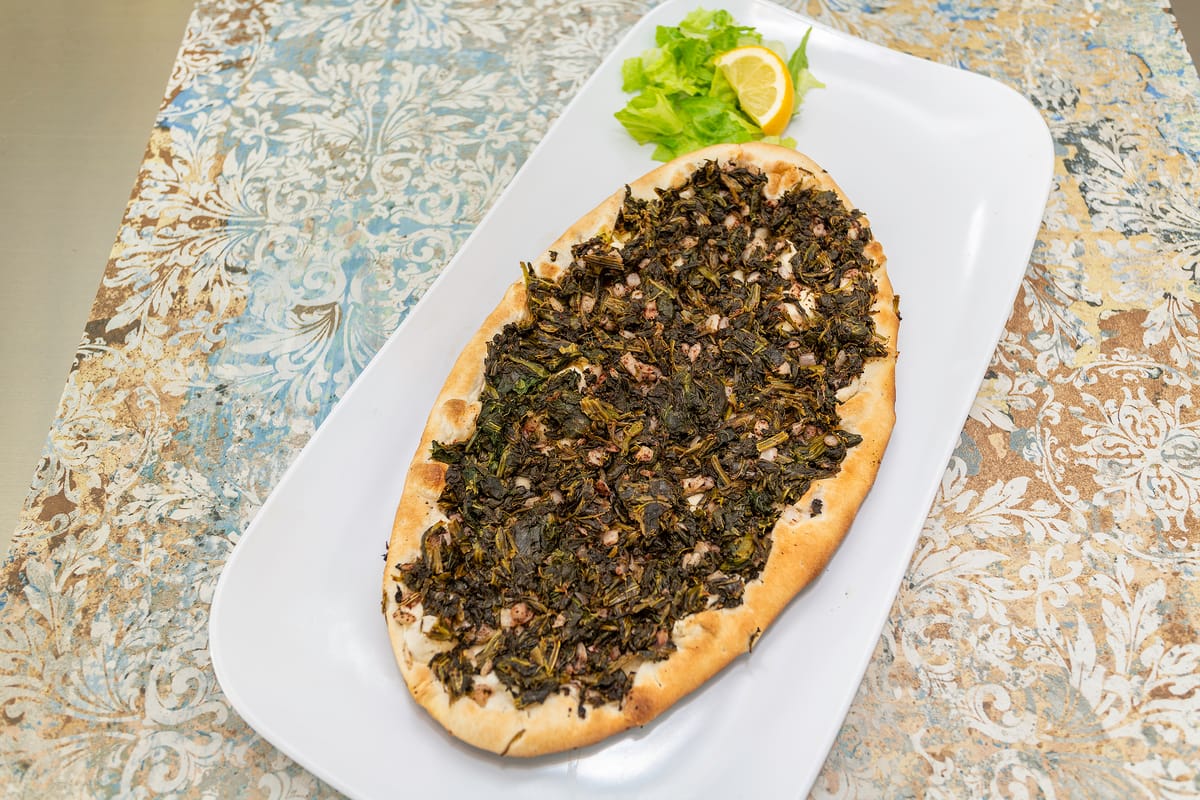
From the Oven, Every Day
At Taza, cheese pastries and manaeesh are baked fresh throughout the day -- no heat lamp, no reheating.
Akkawi Cheese Nutrition
A moderate-fat, high-protein dairy food with a lower sodium profile than many assume.
A 30-gram serving of akkawi cheese (roughly one thin slice or a few cubes) provides approximately 70 to 90 calories, 5 to 7 grams of protein, 5 to 7 grams of fat, and negligible carbohydrates. It is a good source of calcium, phosphorus, and riboflavin (vitamin B2). The sodium content varies by producer and brine concentration but typically runs 200 to 350 milligrams per 30-gram serving -- moderate compared to feta (which can reach 300 to 400 mg per 30 g) but higher than fresh mozzarella (around 175 mg per 30 g).
The fat content of akkawi is lower than many aged cheeses. At approximately 18 to 22 percent fat by weight, it contains less fat than cheddar (around 33 percent), parmesan (around 29 percent), or halloumi (around 25 percent). The moderate fat level contributes to akkawi's clean, milky flavor profile: high-fat cheeses tend to develop more complex flavors during aging, while lower-fat fresh cheeses remain mild and lactic. For people monitoring fat intake while wanting to include cheese in their diet, akkawi sits in a reasonable middle range.
Desalting akkawi before cooking -- by soaking sliced cheese in cold water for 20 to 45 minutes -- noticeably reduces the sodium content per serving. If you are using akkawi in a knafeh or pastry where the cheese will be one component among others, desalting makes the sodium contribution of the cheese a minor factor in the finished dish. In the context of a Levantine breakfast plate that also includes olives, pickles, and cheese, akkawi's moderate salt level is balanced by the other components on the table.
Akkawi provides no dietary fiber and contains no significant carbohydrate (less than 1 gram per serving). It is naturally gluten-free. The protein in akkawi is complete -- it contains all nine essential amino acids from the milk proteins (casein and whey) used in its production. As with all dairy products, it is not suitable for vegans and contains lactose, though the lactose content is lower in brine-cured cheeses than in fresh milk because fermentation during cheesemaking converts much of the lactose to lactic acid.
75-85
kcal
per 30g serving
5-7g
protein
complete amino acids
18-22%
fat
lower than aged cheeses
200-350mg
sodium
reducible by soaking
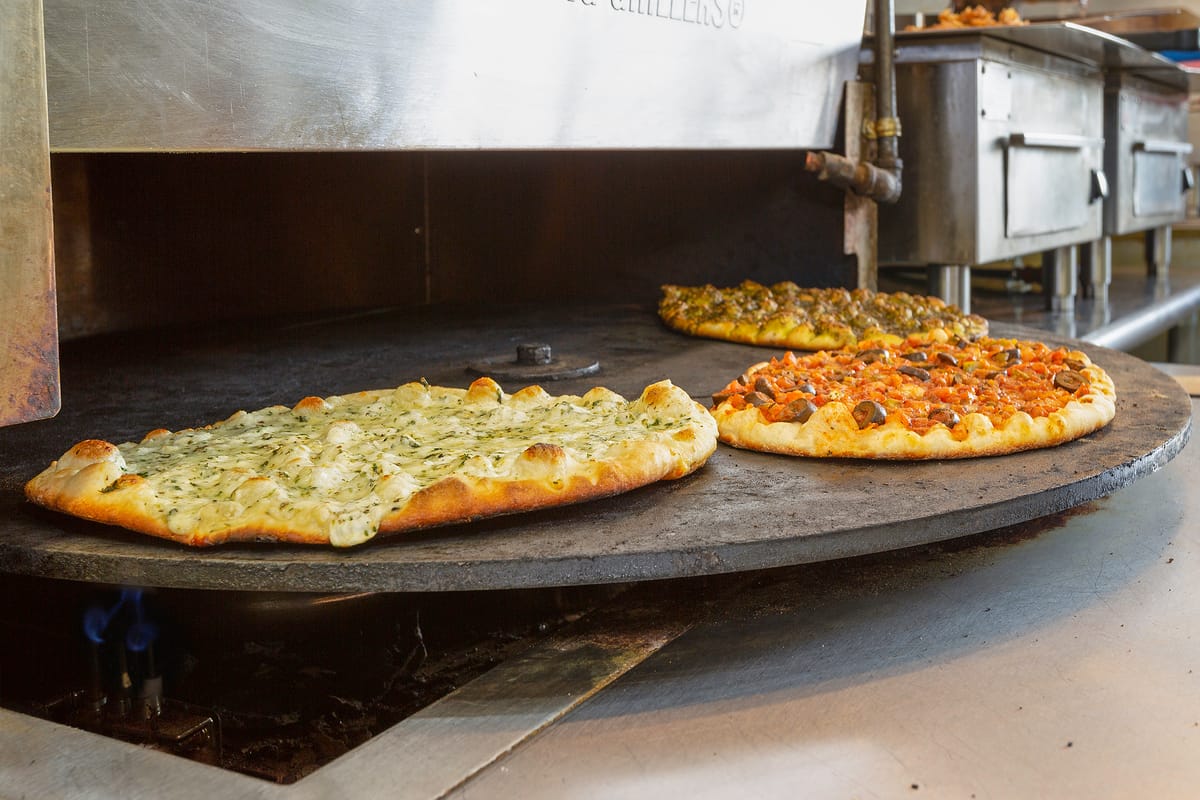
Levantine Cheese Culture in Northern Virginia
Taza serves the traditions of Levantine cooking -- from cheese-topped flatbreads to hand-folded pies -- at Seminary Road in Falls Church.
Where to Buy and How to Store Akkawi
Finding and keeping Levantine white brine cheese in the United States.
In Northern Virginia and the Washington DC metro area, akkawi is available at Middle Eastern grocery stores and international supermarkets. Look for it in the specialty cheese or international dairy section. Common brands include Karoun Dairies, Alwadi, Sannine, and President (in the US market). It may be labeled as "ackawi cheese," "akawi," "white brine cheese," or simply "Lebanese white cheese." The packaging is usually a vacuum-sealed block or a container with brine liquid.
When selecting akkawi at a store, look for a package with a firm, uniform white block without cracks, yellowing, or signs of excessive separation from the brine. A slight off-white or very pale yellow tint is normal; deep yellowing suggests age or improper storage. The brine should be clear or very lightly cloudy -- murky or discolored brine may indicate quality issues.
For storage at home, keep akkawi refrigerated at all times. If it came in brine, keep it submerged in that brine in a sealed container. If it was vacuum-packed, transfer opened cheese to a container with a light brine solution you make yourself (about 2 teaspoons of salt dissolved in 1 cup of water). Properly stored, akkawi will keep for 3 to 4 weeks in the refrigerator. Do not freeze akkawi -- the ice crystals that form during freezing rupture the protein matrix of the cheese, producing a grainy, crumbly texture after thawing that cannot be reversed.
For most cooking applications, desalt akkawi before use. Slice the cheese into pieces no thicker than 1 centimeter and submerge in cold fresh water for 20 to 45 minutes, changing the water once. For knafeh, some cooks prefer an overnight soak in the refrigerator for maximum desalting. After soaking, pat the cheese dry with paper towels before adding to your recipe. The desalted akkawi will still have a pleasant mild saltiness from residual brine but will not overwhelm the dish.
Find Cheese Manaeesh and Lebanese Food Near Falls Church
Taza serves the Levantine cheese traditions of manaeesh and pastries at our Falls Church location.
Address
5820 Seminary Rd Ste O, Falls Church, VA 22041
Hours
11:00 AM - 12:00 AM -- Open 7 Days a Week
Phone
Akkawi Cheese: Frequently Asked Questions
Akkawi (also spelled ackawi, akawi, or akkawi) is a white, semi-hard brine cheese originating from the Levantine city of Akka -- known historically in English as Acre -- on the eastern Mediterranean coast. It is produced from cow, goat, or sheep milk, and stored in a salt-brine solution that preserves it and contributes to its mild, slightly salty flavor. The cheese has a smooth, compact texture that slices cleanly without crumbling, and melts into a stretchy, creamy consistency when heated. It is one of the most widely used cheeses across Lebanese, Syrian, Jordanian, and broader Levantine cooking, appearing in breakfast spreads, pastries, flatbreads, and the iconic dessert knafeh.
Akkawi has a mild, milky flavor with a gentle tang from the brine. The salt level is moderate -- noticeably salty but not sharp in the way feta or aged cheeses can be. When eaten fresh and cold, it has a clean, slightly buttery character with no strong animal notes. When heated, the salt mellows slightly and the cheese becomes creamy and stretchy with a rich, comforting dairy flavor. It is often compared to a milder version of feta or a firmer version of fresh mozzarella. If you want to reduce the saltiness further before cooking, soak sliced akkawi in cold water for 20-30 minutes and change the water once.
Akkawi is one of the most versatile cheeses in Levantine cooking. Its most celebrated use is in knafeh -- the honey-soaked semolina dessert where akkawi provides the stretchy, melted cheese layer beneath the golden crust. It is also the standard cheese for manaeesh (Lebanese flatbreads), cheese pies, and fatayer pastries. In a traditional Lebanese breakfast, thinly sliced akkawi is served alongside olives, labneh, tomatoes, cucumbers, zaatar, and fresh pita. It can be cubed into salads, layered into spinach pies, or used wherever a mild, melting cheese is called for. Its ability to hold shape when cold and melt smoothly when heated makes it suitable for both raw and cooked applications.
No. Akkawi and halloumi are two distinct cheeses that are often confused because both are white brine cheeses from the eastern Mediterranean. Halloumi originates from Cyprus and is made from a blend of sheep and goat milk. Its defining characteristic is a very high melting point -- halloumi can be grilled or pan-fried directly without melting, and it develops a golden, slightly charred exterior while the interior becomes soft and chewy. Akkawi, by contrast, melts readily when heated, making it ideal for baked goods and pastries like knafeh and cheese manaeesh. Akkawi is also milder and smoother in texture, while halloumi has a distinctly rubbery, squeaky bite when eaten fresh. For pastry and baking applications, akkawi is the correct choice; for grilling, halloumi is the standard.
Akkawi is the preferred cheese for knafeh because of two key properties: it melts into a smooth, stretchy layer when heated, and its mild flavor provides a neutral, creamy base that complements the sweetness of the sugar syrup without competing with it. The brine-cured saltiness of akkawi also creates a deliberate sweet-salty contrast that is central to the appeal of knafeh. Before use in knafeh, the cheese is typically desalted by slicing thinly and soaking in cold water for several hours or overnight. This removes excess salt while preserving the cheese's texture and melting quality. Some recipes blend akkawi with a small amount of ricotta or mozzarella to adjust the stretch and creaminess, but traditional recipes use akkawi exclusively.
Akkawi takes its name directly from Akka -- a coastal Levantine city on the eastern Mediterranean known in English as Acre -- which has been a trading center for centuries. The cheese likely developed in and around this port city, where dairy production and trade routes made it widely accessible across the Levant. Today, akkawi is produced commercially across Lebanon, Syria, Jordan, and in diaspora communities worldwide. It is also manufactured on a large scale in Egypt, the Gulf states, and in countries with significant Arab immigrant populations, including the United States and Brazil. The spelling of the name varies by region and transliteration style: akkawi, ackawi, akawi, and akawi are all the same cheese.
Akkawi is made through a standard soft-to-semi-hard cheesemaking process. Fresh milk -- traditionally cow or goat -- is pasteurized and then combined with rennet (a coagulant) and a small amount of starter culture. The milk sets into a gel-like curd over 30-60 minutes. The curd is then cut into pieces, which encourages whey to drain. The curds are transferred to molds lined with cheesecloth and pressed for several hours to consolidate them into a firm block. The resulting block is then submerged in a brine solution (salted water) where it cures for anywhere from several days to several weeks. The brine concentration determines the final salt level. Commercial akkawi is typically produced with mild to moderate brine concentration and sold in vacuum-sealed blocks or in brine-filled containers.
Taza Shawarma & Falafel at 5820 Seminary Rd Ste O, Falls Church, VA 22041 serves a range of cheese-based Levantine dishes. Our cheese manaeesh ($7.95) is a large oven-baked Lebanese flatbread topped with our signature cheese blend baked until bubbly and golden. We also offer cheese pie ($2.95), beef and cheese pie ($3.95), and chicken & cheese pie ($3.95). Our menu also features hummus ($4.95), labneh ($4.95), and fresh pita bread ($0.95) -- all central to a traditional Levantine cheese and dip spread. We are open 11:00 AM - 12:00 AM, Open 7 Days a Week. Call (703) 340-1014 or order online.
Akkawi cheese should be stored in the refrigerator, ideally submerged in or wrapped tightly with the brine liquid it comes in. The brine acts as a natural preservative that prevents surface drying and mold growth. If you purchase a vacuum-sealed block without brine, keep it tightly wrapped in plastic wrap or in an airtight container once opened. Properly stored in brine, akkawi will stay fresh for three to four weeks in the refrigerator. Avoid freezing akkawi -- freezing causes the moisture in the cheese to crystallize and damages its smooth texture, making it grainy and crumbly after thawing. If your akkawi has become too salty over time as it sits in brine, soak it in fresh cold water for 15-20 minutes before serving.
Try Lebanese Cheese Dishes at Taza
Experience cheese manaeesh, cheese pies, and the full Levantine spread at Taza Shawarma & Falafel -- 5820 Seminary Rd Ste O, Falls Church, VA 22041. Open 11:00 AM - 12:00 AM, Open 7 Days a Week.