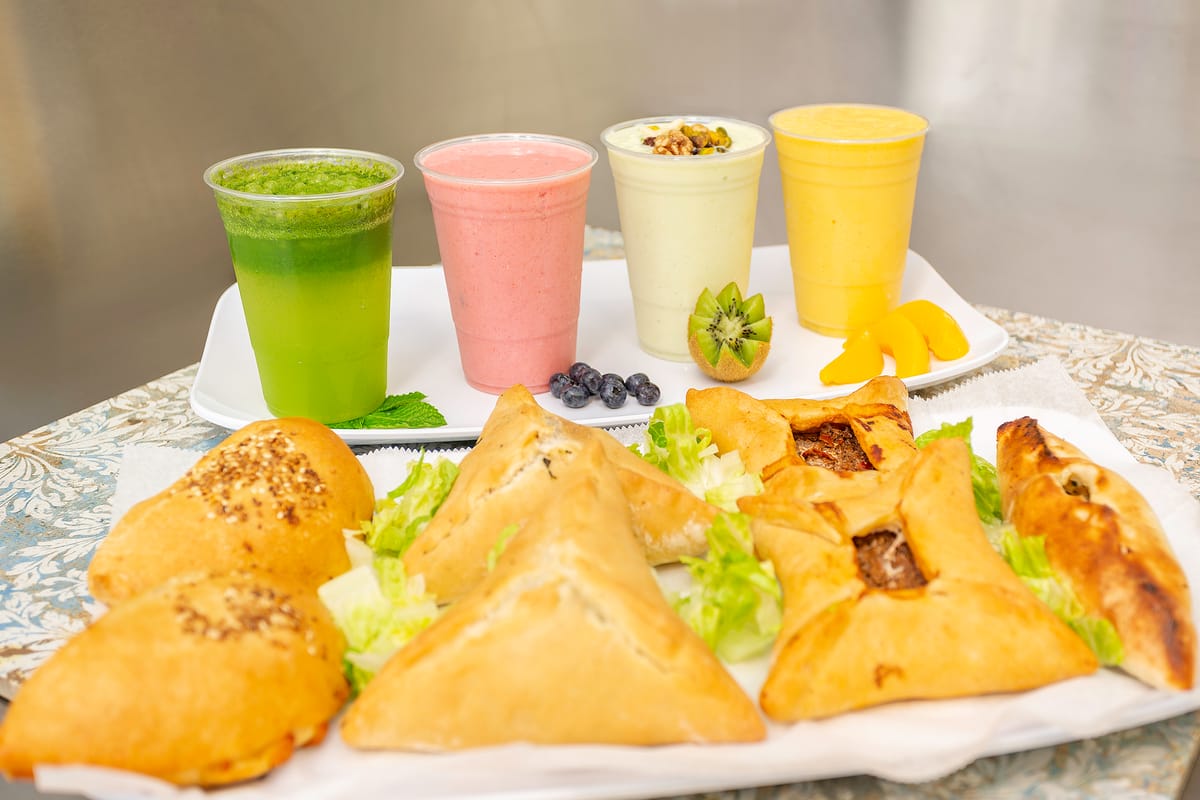
Mediterranean Food for College Students
Budget meals under $10, brain-boosting nutrients for exam season, and open until midnight. Here is why Mediterranean food outperforms ramen, pizza, and fast food on every metric that matters to a student.
4.8 stars on Yelp (92 reviews) -- Open 11:00 AM - 12:00 AM
Why Mediterranean Food Fits the Student Lifestyle
Affordable, fast, filling, and genuinely good for the brain — not a marketing slogan.
The average college student faces three food problems simultaneously: money is limited, time is short, and the body is under sustained cognitive and physical stress. The standard college food response — instant ramen, campus pizza, and fast food drive-throughs — solves the cost and time problems at the expense of the third. You save $4 on ramen and spend it in lost focus, afternoon fatigue, and the particular brain fog that comes from eating refined carbohydrates and nothing else for a week before finals.
Mediterranean food solves all three problems at once. A falafel pita at Taza Shawarma & Falafel costs from $8.95. You can eat it in five minutes. And it provides 15-18g of protein, 10-12g of dietary fiber, meaningful iron and B vitamin content, and complex carbohydrates that sustain energy for three to four hours rather than ninety minutes. Zaatar manaeesh costs $6.95 and contains thyme compounds with documented effects on memory-related neurotransmitter activity. Hummus with pita costs under $6 and delivers more nutrition per dollar than any vending machine option on any campus in America.
The Levantine food tradition — the cuisine that shawarma, falafel, hummus, and zaatar come from — was developed by and for people who worked long, physical days and needed sustained energy from affordable ingredients. Chickpeas, sesame, olive oil, and whole flatbread were the staples. These are not trendy health food ingredients; they are the original functional foods that civilizations were built on. The fact that they also happen to be exactly what modern nutritional science recommends for cognitive performance is not a coincidence.
Taza is open until midnight every day and located at 5820 Seminary Rd Ste O, Falls Church, VA 22041 — within reach of George Mason University, Marymount University, GWU, and Northern Virginia Community College. This guide covers the specific meals, nutrients, and ordering strategies that make Mediterranean food the most rational food choice for students in Northern Virginia.
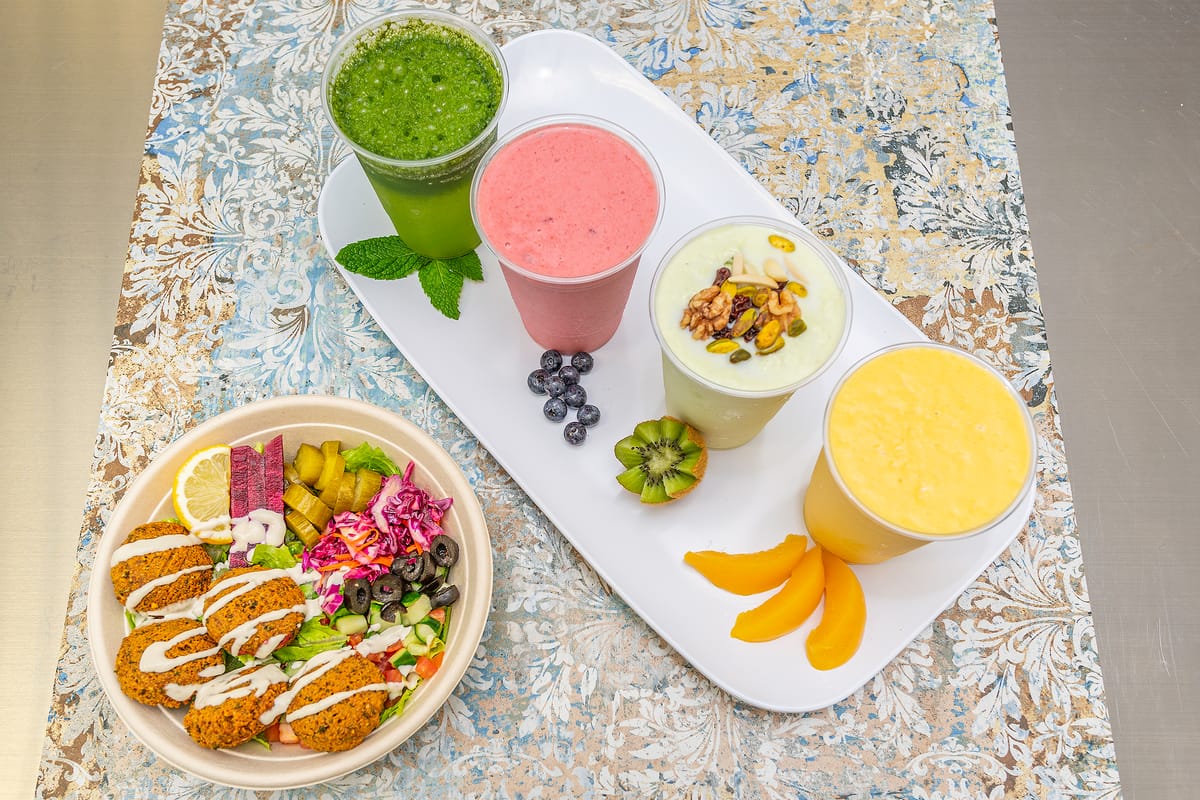
Real Ingredients. Real Energy.
Every item at Taza is made from whole ingredients. No frozen proteins, no microwaved sides, no synthetic additives.
Budget Mediterranean Meals Under $10 at Taza
Six menu items with prices and the nutritional case for each one.
Falafel Pita
from $8.95The single best value on the menu for students. A full pita stuffed with chickpea falafel, tahini, fresh vegetables, and pickles. Provides 15-18g of plant protein and enough dietary fiber to keep you full through a three-hour lecture. The chickpeas are the same ingredient used in hummus, carrying B vitamins, iron, and folate — three nutrients college students routinely run low on.
Zaatar Manaeesh
$6.95At $6.95, zaatar manaeesh is the most affordable item on the Taza menu. Flatbread brushed with thyme, sesame, and olive oil, baked until golden. Zaatar contains thymol and carvacrol, compounds that inhibit acetylcholinesterase — the same enzyme targeted by many memory-support supplements. This is the traditional breakfast students in Lebanon eat before exams. It works.
Hummus + Pita Bread
$4.95 + $0.95Order hummus ($4.95) with a side of pita ($0.95) for a high-protein, high-fiber snack or light meal that costs less than most campus vending machine combinations. Chickpea-based hummus delivers steady energy from complex carbohydrates, avoiding the spike-and-crash cycle from sugary snacks. Split between two students studying together, it costs under $3 per person.
Falafel Bowl
from $10.45A bowl with rice, crispy falafel, Arabic salad, and tahini is the most complete meal in the under-$12 range. This exceeds a Chipotle burrito bowl in protein quality, fiber content, and micronutrient density at a comparable price point. The combination of basmati rice and chickpea falafel creates a complete amino acid profile — important for students eating limited animal protein.
Falafel Shrak Wrap
from $9.95Thin shrak flatbread wrapped around falafel, hummus, Arabic salad, and tahini. Easier to eat while walking between classes than a bowl, and just as filling. The shrak bread is lower in refined carbs than standard wrap tortillas. At from $9.95, it is still under $10 and provides a more substantial meal than a fast-food sandwich.
Chicken Shawarma Pita
from $9.95For students who eat meat, chicken shawarma pita at from $9.95 delivers approximately 28g of lean protein from spit-roasted chicken. Protein at lunch directly reduces afternoon cognitive fatigue by stabilizing blood glucose and providing tyrosine — an amino acid required to synthesize dopamine and norepinephrine, both essential for sustained attention.
Brain Food: What Mediterranean Ingredients Actually Do
The nutritional science behind why chickpeas, tahini, olive oil, and zaatar support cognitive performance.
Choline (from chickpeas and sesame)
Choline is the precursor to acetylcholine, the neurotransmitter most directly associated with learning and memory formation. Most American diets are chronically deficient in choline. A serving of hummus or falafel contains meaningful choline from chickpeas. Sesame seeds in tahini and zaatar add more. Adequate choline intake during intense study periods measurably improves episodic memory recall — the kind you need for exams.
Iron (from legumes and beef)
Iron deficiency is the most prevalent nutritional deficiency among college-age women and is significantly correlated with reduced cognitive performance, poor concentration, and fatigue. Chickpeas provide non-heme iron; beef shawarma provides heme iron, the more bioavailable form. Vitamin C from fresh tomatoes and lemon in tahini dressing enhances non-heme iron absorption by up to 300%.
Omega-3 fatty acids (from olive oil and walnuts in dressings)
The brain is approximately 60% fat by dry weight, with omega-3 fatty acids forming the structural backbone of neural membranes. Higher omega-3 intake is associated with faster information processing speed, better working memory, and reduced test anxiety. Mediterranean cuisine uses olive oil as the primary fat — rich in oleocanthal, a compound with the same anti-inflammatory mechanism as ibuprofen but without the side effects.
B vitamins (folate, B6, B12)
B vitamins are required for every energy-producing reaction in the body and play a direct role in neurotransmitter synthesis. Folate from chickpeas and leafy greens supports DNA repair and myelin synthesis — the insulating sheath around nerve fibers that determines nerve signal speed. Students under stress deplete B vitamins rapidly. Eating chickpea-based foods daily replenishes them without supplementation.
Magnesium (from sesame and chickpeas)
Magnesium regulates over 300 enzymatic reactions, including those involved in ATP production and neuromuscular signaling. Stress and caffeine — both abundant in student life — deplete magnesium rapidly. Low magnesium is associated with insomnia, anxiety, and cognitive fog. Tahini made from sesame seeds is one of the most concentrated dietary sources of magnesium available. Two tablespoons contain approximately 25mg.
Complex carbohydrates (from basmati rice and whole pita)
The brain runs almost exclusively on glucose. The quality of carbohydrate determines whether that glucose arrives as a smooth, sustained supply or as a sharp spike followed by a crash. Basmati rice has a lower glycemic index than white rice, pasta, or ramen. Whole pita bread digests more slowly than white sandwich bread. Students who eat Mediterranean carbohydrates report less afternoon fatigue than those eating refined starches.
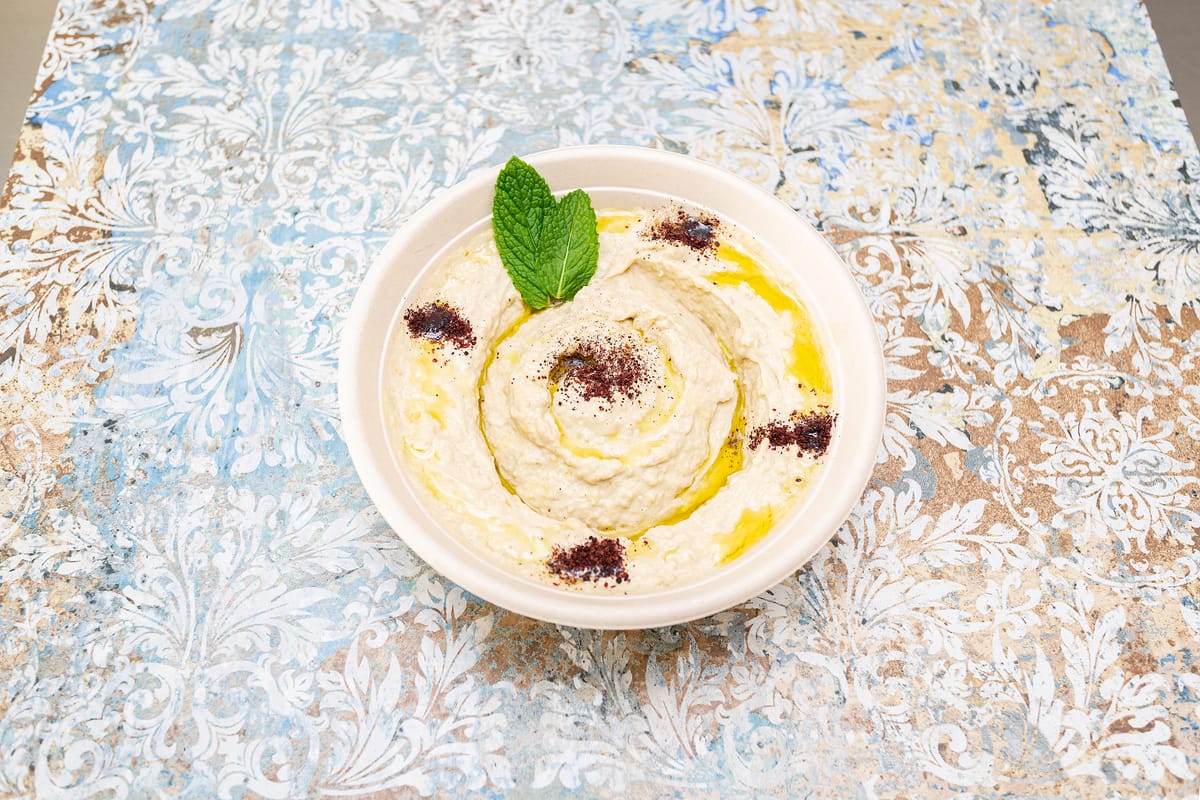
Open Until Midnight
When the library closes and you still have hours of studying left — Taza Shawarma & Falafel is still open.
Late-Night Study Fuel at Taza
Open until midnight, seven days a week. Real food when the vending machines are the only other option.
Chicken Shawarma Shrak
When you need something substantial at 11 PM before a morning exam, this wrap delivers real calories from actual food — not a bag of chips or energy drink combination. The chicken provides tryptophan, which converts to serotonin and then melatonin, potentially helping you sleep after studying.
Beef Shawarma Bowl
A full bowl with rice and beef shawarma consumed two to three hours before sleep provides slow-digesting complex carbs that stabilize blood glucose overnight. Students who eat a balanced late meal report better sleep quality than those who fast or eat processed snacks before bed.
Falafel Bowl
Plant-based and easily digestible, a falafel bowl at 10 PM is less likely to cause sleep disruption than a heavy meat-based meal. The chickpeas provide tryptophan (the same compound in turkey associated with post-Thanksgiving drowsiness) — useful if you want to wind down after a long study session.
Avocado Boost Smoothie
Avocado, milk, honey, and mixed nuts blended together. A calorie-dense smoothie that provides sustained energy for a late study session without the adrenal stress of a third coffee. Avocado provides monounsaturated fats that support prefrontal cortex function — the brain region responsible for planning, decision-making, and problem-solving.
Mediterranean Meals vs. Typical College Food
Comparing falafel pitas and bowls against ramen, pizza, and fast food on the metrics that matter.
| Factor | Mediterranean at Taza | Typical College Food |
|---|---|---|
| Cost per meal | Falafel pita from $8.95, zaatar manaeesh $6.95 | Ramen: $1-3 / Pizza slice: $4-7 / Fast food combo: $10-14 |
| Protein content | 15-28g from whole chickpeas or spit-roasted meat | Ramen: 5-8g / Pizza: 12-15g / Fast food: 15-20g (processed) |
| Fiber content | 8-14g per meal from chickpeas, whole pita, and fresh vegetables | Ramen: 1-2g / Pizza: 2-3g / Fast food: 1-3g |
| Iron (cognitive function) | High from chickpeas, beef shawarma; vitamin C enhances absorption | Ramen: minimal / Pizza: low / Fast food: variable, low bioavailability |
| Glycemic load (energy stability) | Low-medium from complex carbs; steady energy for 3-4 hours | Ramen: high spike then crash / Pizza: high / Fast food: very high |
| Brain nutrients (choline, B vitamins, magnesium) | Present in chickpeas, sesame (tahini/zaatar), and olive oil | Ramen: very low / Pizza: low / Fast food: negligible |
| Sodium source | Natural spices, herbs, and tahini with controlled seasoning | Ramen: 800-1,500mg processed sodium / Fast food: 1,000-2,000mg |
| Satiety (hours before hunger returns) | 3-5 hours from fiber and protein combination | Ramen: 1-2 hours / Pizza: 2-3 hours / Fast food: 1-2 hours |
| Late-night availability | Open until midnight every day — real cooked food at 11 PM | Ramen always available / Pizza delivery 45-60 min wait / Fast food varies |
| Halal certification | All meats fully halal certified at Taza | Ramen: usually not halal / Pizza: varies / Fast food: rarely halal |
Mediterranean Meal Prep for the Week
How to turn one Taza order into multiple study-ready meals.
What travels well from Taza
Hummus ($4.95) keeps in a sealed container in a dorm mini-fridge for three to four days. Pita bread ($0.95 each) stays soft in a zip-lock bag for two days. Rice ($2.95) reheats in a microwave in two minutes. Labneh ($4.95) keeps for five days refrigerated and doubles as a high-protein dip, spread, or side. Order these on Sunday and use them through midweek without any additional cooking.
Hummus with pita in the morning is a complete, protein-rich breakfast in under three minutes. Labneh drizzled with olive oil alongside leftover rice is a filling lunch that takes no preparation. These are not recipes — they are just Mediterranean food used the way it was designed to be used: simply, efficiently, and at any time of day.
The optimal study week food strategy
Monday and Thursday: pick up a falafel pita (from $8.95) on the way home from class. Tuesday and Friday: zaatar manaeesh ($6.95) for breakfast before morning classes or exams. Wednesday: a chicken shawarma bowl (from $12.45) for dinner before a late study session — enough protein and complex carbs to sustain four to five hours of focused work. Saturday or Sunday: a group order with study partners at or below $10 per person.
This schedule costs approximately $50-60 per week and delivers more complete nutrition than most campus meal plans at comparable or lower cost. The consistency matters: students who eat the same high-quality foods regularly report more stable energy and better sleep than those who eat sporadically between processed snacks.
Pre-exam nutrition timing
Three hours before an exam: a full falafel or chicken shawarma bowl. This provides enough protein and complex carbohydrates to sustain blood glucose throughout a two-hour exam without a mid-test energy dip. One hour before: zaatar manaeesh or a falafel pita — small enough to digest quickly, with thyme compounds that support neurotransmitter activity.
What to avoid in the two hours before an exam: sugary energy drinks (cause a spike and crash that lands during the exam), high- sodium fast food (causes water retention and sluggishness), and heavy fried foods (divert blood flow to digestion). Mediterranean food is naturally aligned with pre-exam nutritional requirements because it combines protein, complex carbs, and healthy fats without excessive sodium or refined sugars.
Group Study Session Orders at Taza
Three ready-made order combinations for study groups, each under $10 per person.
Study Group of 3 (Under $30)
- 2 Falafel Pitas$17.90
- 1 Chicken Shawarma Pitafrom $9.95
- 1 Hummus + Pita$4.95 + $0.95
Each person gets a main, shared hummus goes in the center. Under $10 per person.
Study Group of 4 (Sharing Bowls)
- 2 Falafel Bowls$20.90
- 1 Chicken Shawarma Bowlfrom $12.45
- 1 Hummus$4.95
- 2 Pita Bread$1.90
Bowls are filling enough to split two ways. Under $10 per person with tax.
Late-Night Exam Cram (2 Students)
- 1 Falafel Pitafrom $8.95
- 1 Chicken Shawarma Pitafrom $9.95
- 1 Avocado Boost Smoothie$5.95
Order separately or split. Both sandwiches are portable for the study table.
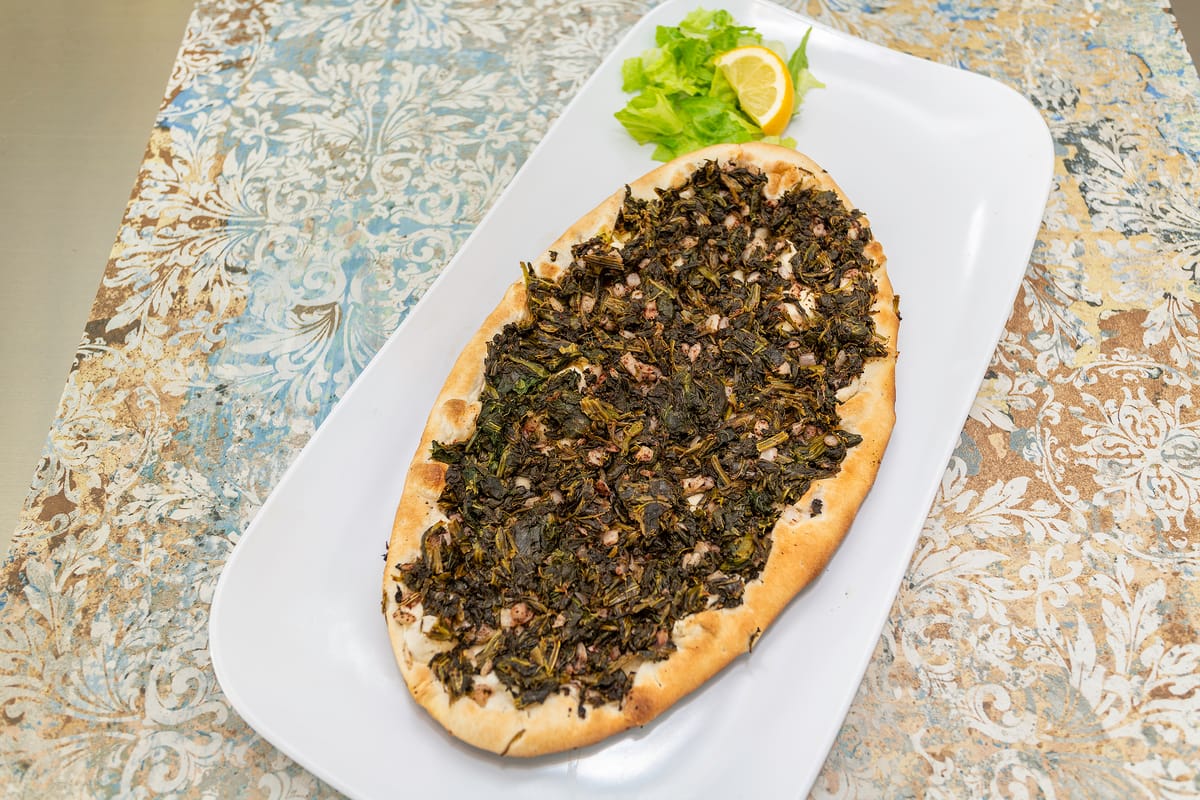
14 Fresh Toppings Every Day
Build your meal exactly how you want it. No predetermined combinations, no missing ingredients.
Universities Near Taza in Falls Church
Distance and commute information for students from GMU, Marymount, GWU, and NOVA.
George Mason University
GMU students commuting via I-495 or Route 7 pass directly through the Seminary Road corridor. Taza is 15-20 minutes from the Fairfax campus by car. Many students make it a weekly stop after evening classes, ordering falafel pitas and smoothies to take back to campus housing.
Marymount University
Marymount's Arlington campus is among the closest universities to Taza. Students walking or biking along the Four Mile Run trail or catching the 22A/22B Metro Bus arrive at Seminary Road quickly. Several Marymount professors have mentioned Taza to students as a post-seminar dinner option.
George Washington University
GWU Foggy Bottom students traveling to Northern Virginia via Metro (Orange or Silver line to West Falls Church, then local bus or rideshare) find Taza a short trip from the West Falls Church station. International students familiar with Levantine cuisine have made it one of the more shared recommendations in GWU student forums.
Northern Virginia Community College
NOVA Community College's Annandale campus is two miles from Taza, making it one of the closest university populations. NOVA students benefit most from Taza's budget-friendly pricing — the falafel pita at from $8.95 costs less than most campus cafeteria options and provides substantially more nutritional value.
Student-Friendly Ordering Tips for Taza
Six things worth knowing before you order.
Order online to skip the line
Taza accepts online orders at https://www.clover.com/online-ordering/taza--falls-church. Place your order from the library or between classes and pick it up warm. No waiting in line during the lunch rush.
The falafel pita is the best nutritional value on the menu
At from $8.95, the falafel pita delivers more protein, fiber, iron, and B vitamins per dollar than any other item. If you are eating on a strict budget, this is the item to order most often.
Zaatar manaeesh is your pre-exam breakfast
At $6.95, it is the most affordable item on the menu. Eat it 30-45 minutes before an exam for sustained energy and the cognitive boost from thyme compounds. No coffee crash to worry about.
Hummus is the most efficient snack
A container of hummus ($4.95) provides protein, fiber, and healthy fats. Split between two students it costs under $3 per person and travels well in a backpack for dorm study sessions.
Open until midnight — real food before the library closes
Taza is open 11 AM to midnight, seven days a week. Most campus food options close by 9 PM. Taza gives students a real, cooked meal option during those late hours when the alternative is vending machines or delivery pizza with a 45-minute wait.
Bring your student group for shared platters
For study groups of five or more, order multiple items family-style and share. You spend less per person, eat more variety, and the communal format actually reduces stress during high-pressure exam weeks. Taza can also accommodate group catering orders for study sessions at (703) 340-1014.
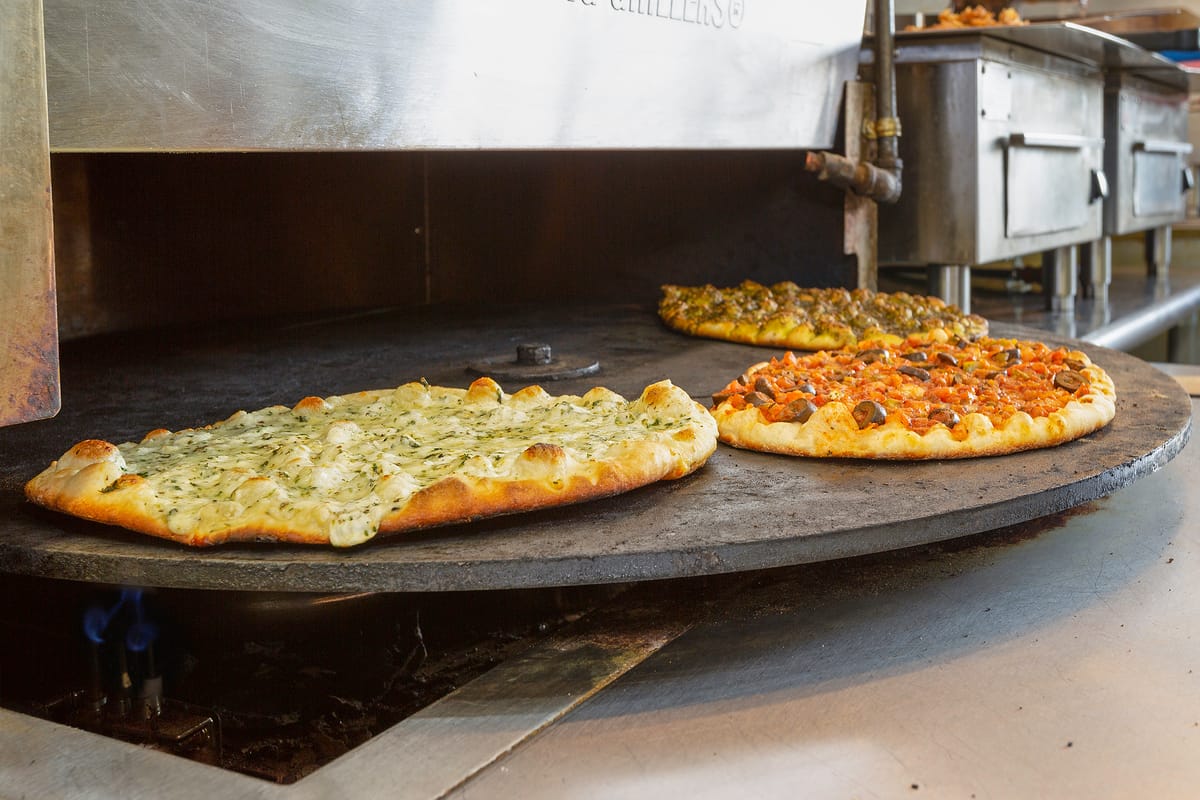
Mediterranean Ingredients. Student Prices.
Zaatar, tahini, chickpeas, and olive oil — the original brain food, at a price point that actually works on a student budget.
Mediterranean Food for Students: Common Questions
Answers about budget ordering, brain nutrients, halal options, and late-night availability.
Frequently Asked Questions
Mediterranean food directly supports the cognitive demands of studying. The chickpeas in falafel and hummus provide choline (required for acetylcholine synthesis and memory formation), iron (prevents cognitive fatigue), B vitamins (support neurotransmitter production), and complex carbohydrates that deliver steady glucose to the brain without a spike-and-crash cycle. The olive oil and tahini in every Taza dish provide monounsaturated fats that support neural membrane integrity. Students who eat Mediterranean food before studying tend to sustain focus longer than those who eat refined carbohydrates or skip meals entirely.
Zaatar manaeesh at $6.95 is the most affordable item on the menu. For a complete meal, the falafel pita at from $8.95 provides the best nutritional value per dollar: approximately 15-18g of plant protein, 10-12g of fiber, and meaningful amounts of iron, B vitamins, and choline. Hummus with pita bread ($4.95 + $0.95 = $5.90) works as a snack or light meal. All of these options are available for under $10.
For direct cognitive support: zaatar (thyme compound thymol inhibits acetylcholinesterase, protecting the neurotransmitter used in memory), chickpeas (choline for acetylcholine synthesis, iron for oxygenation, folate for DNA repair), tahini (magnesium, calcium, and B vitamins), and olive oil (oleocanthal for neuroinflammation reduction). At Taza, zaatar manaeesh ($6.95), any falafel item, and hummus with tahini provide the highest concentration of these compounds. These are not marketing claims — they are established nutritional science.
Yes. Taza Shawarma & Falafel at 5820 Seminary Rd Ste O, Falls Church, VA 22041 is open until midnight, seven days a week (11 AM to 12 AM). This makes it one of the few Falls Church restaurants offering a full cooked menu during late study hours. Students from George Mason, Marymount, GWU, and NOVA can get a real meal after evening classes or late library sessions without relying on vending machines or delivery services with long wait times.
Most students spend $8-12 for a full meal at Taza. The falafel pita is from $8.95. Chicken shawarma pita is from $9.95. Zaatar manaeesh is $6.95. Hummus with pita is under $6. For a study group of four students splitting multiple dishes, per-person cost regularly falls below $10. This is competitive with campus cafeteria pricing while delivering substantially better nutritional value.
Yes. Taza accommodates group orders for study sessions, both in-restaurant and for pick-up. Online ordering is available at https://www.clover.com/online-ordering/taza--falls-church — place the order between classes and pick it up warm. For larger groups (10+) or catering delivery to a study space, call (703) 340-1014 to arrange. Popular group study orders include hummus with pita for the table, multiple falafel pitas, and a mix of chicken and falafel bowls. Per-person cost for a group of four typically falls below $10.
Zaatar manaeesh eaten 45-60 minutes before an exam provides thyme compounds that support memory-related neurotransmitter activity and sustained energy from complex carbohydrates without a glycemic spike. A falafel pita eaten 1-2 hours before an exam delivers protein and fiber that stabilize blood glucose throughout a test session. Avoid the avocado boost smoothie immediately before an exam — the healthy fats take longer to digest. The smoothie works better as an evening study fuel than a pre-exam breakfast.
Yes. All meats at Taza Shawarma & Falafel are halal certified, sourced from halal-certified suppliers. This includes chicken shawarma, beef shawarma, and all meat-filled pies. Falafel, hummus, labneh, rice, and all vegetable dishes are naturally halal. Taza serves the halal student community at GMU, Marymount, GWU, and throughout Northern Virginia. Muslim students can order any item on the menu with full confidence in halal compliance.
Address
5820 Seminary Rd Ste O, Falls Church, VA 22041
Hours
11:00 AM - 12:00 AM -- Open 7 Days a Week
Phone
Eat Well. Study Better. Open Until Midnight.
Affordable Mediterranean meals, brain-boosting ingredients, and real food when you need it most. Taza Shawarma & Falafel at 5820 Seminary Rd Ste O, Falls Church, VA 22041 — 11:00 AM - 12:00 AM, Open 7 Days a Week.