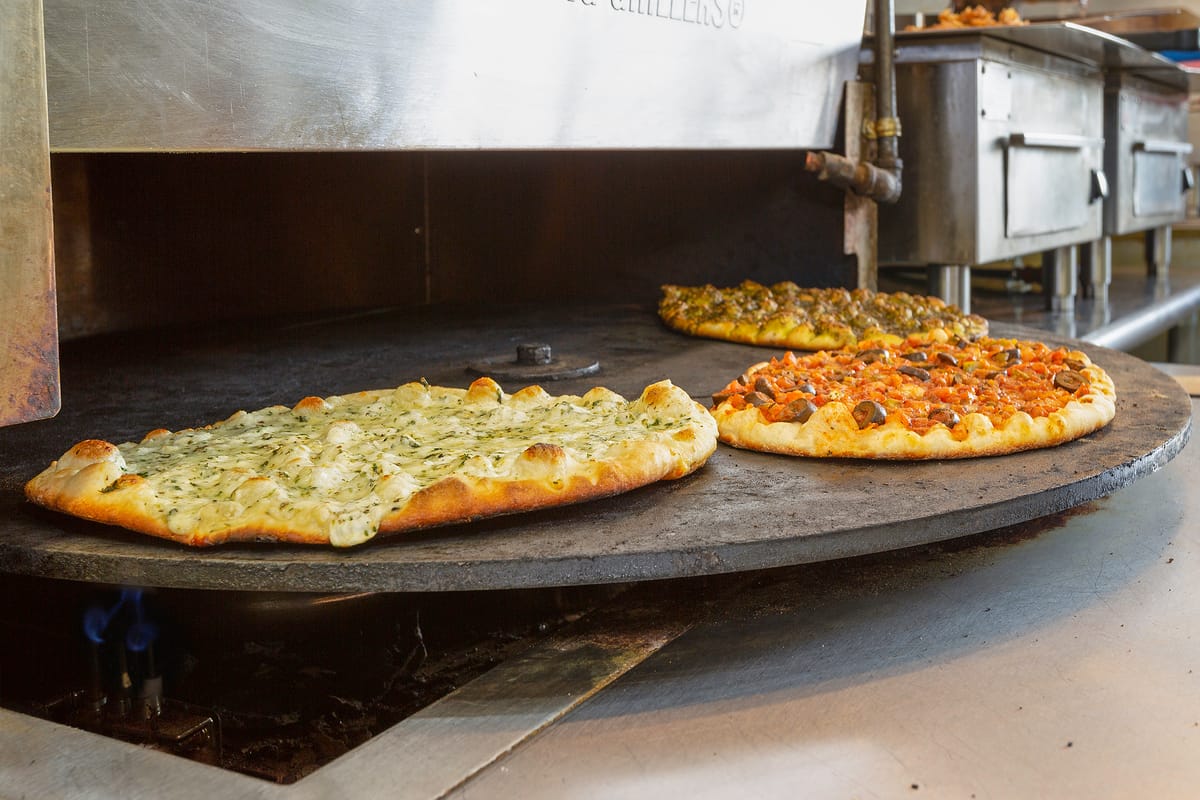
What Is Baharat? The Seven Spice Blend of the Levant
Seven spices, ground together, used in every kitchen from Beirut to Amman. Baharat is the backbone of Levantine seasoning -- and it flavors the shawarma, meat pies, and rice at Taza every day.
4.8 stars on Yelp (92 reviews) -- Open 11:00 AM - 12:00 AM
What Is Baharat?
The Arabic word for 'spices' -- and the name of the most important spice blend in Levantine cooking.
Baharat is a ground spice blend composed of seven aromatic spices: allspice, black pepper, cinnamon, cloves, coriander, cumin, and nutmeg. The word "baharat" translates directly from Arabic as "spices," and in Levantine kitchens -- from Lebanon and Syria through Jordan -- it functions as the default seasoning for meat, rice, stews, and baked goods. If a Lebanese recipe calls for "spices" without further specification, it means baharat.
The blend is also known as "seven spice" (sab'a baharat), a name that reflects the traditional composition. Each of the seven ingredients contributes a distinct quality -- warmth from cinnamon and cloves, earthiness from cumin and coriander, peppery bite from black pepper, floral depth from allspice, and a faint sweetness from nutmeg. Ground together, they produce an aroma that is immediately recognizable to anyone who has walked through a Levantine spice market or eaten at a traditional Lebanese restaurant.
Baharat predates modern national borders. Historical trade routes brought cinnamon from Southeast Asia, cloves from the Moluccas, and allspice from the Caribbean into the eastern Mediterranean, where local cooks blended them with the cumin and coriander already grown across the Levant. The result was a blend that captured the breadth of the spice trade in a single jar. Families passed their ratios down through generations, and spice merchants built reputations on the quality of their particular mix.
At Taza Shawarma & Falafel in Falls Church, VA, baharat is central to our cooking. It seasons our chicken shawarma marinade (from $12.45 bowl), our beef shawarma (from $12.45 bowl), our lahm bi ajin ($8.95), and our sfiha meat pies ($2.95). If you want to taste what baharat does to food, order any of these and pay attention to the warm, peppery aroma that hits before the first bite.
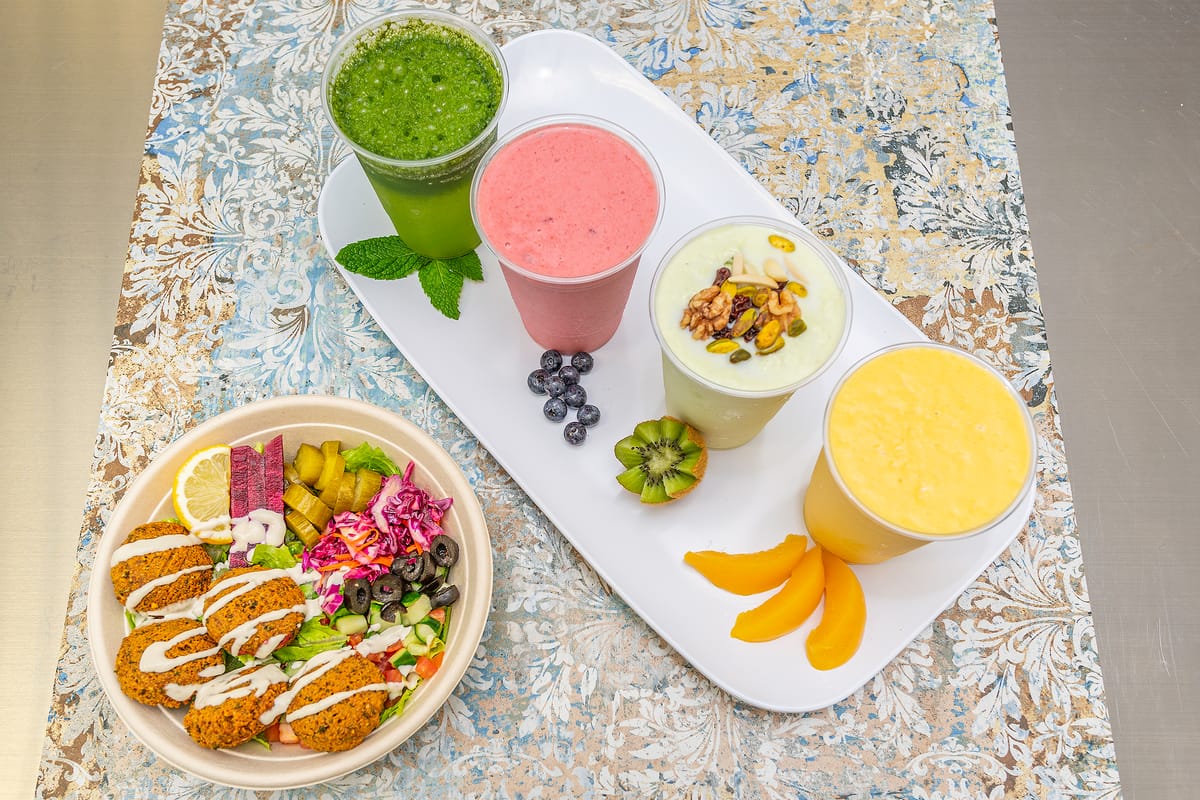
Baharat on the Spit
Every layer of shawarma meat at Taza is rubbed with baharat before stacking on the vertical rotisserie. The spice blend caramelizes as the meat turns.
The Seven Spices in Baharat
Each spice has a role. Together they create the warm, aromatic backbone of Levantine cooking.
Allspice (Pimenta dioica)
The Anchor
The most distinctive spice in baharat. A single dried berry from a tropical tree, allspice tastes like cinnamon, cloves, and nutmeg combined -- which is how it got its English name. In Levantine cooking, allspice is used more heavily than in almost any other world cuisine. It provides baharat with its foundational warm, slightly sweet, peppery quality. Without allspice, baharat would lose its identity.
Black Pepper (Piper nigrum)
The Heat
Black pepper contributes the only real heat in baharat. The bite is mild compared to chili peppers -- it is a sharp, clean pungency that wakes up the palate without burning it. Freshly ground peppercorns release piperine, the compound responsible for that familiar tingle. In baharat, pepper balances the sweeter spices and keeps the blend from tasting like a dessert seasoning.
Cinnamon (Cinnamomum verum)
The Warmth
Cinnamon gives baharat its most immediately recognizable aroma. The Levantine preference is for true cinnamon (Ceylon cinnamon) rather than the more common cassia -- it is thinner-barked, sweeter, and less sharp. Cinnamon in a savory context may surprise Western palates, but in Levantine cooking, cinnamon in meat dishes is standard. It adds a gentle warmth that rounds out the pepper and cumin.
Cloves (Syzygium aromaticum)
The Intensity
Cloves are the most potent spice in baharat by weight. A little goes a long way. They contribute a sharp, almost medicinal aromatic quality that is instantly recognizable -- the same note you smell in mulled wine or certain toothpastes. In baharat, cloves are used sparingly to add depth without overwhelming the other six spices. They work with cinnamon to create that warm, 'baked goods' undertone.
Coriander (Coriandrum sativum)
The Brightness
Ground coriander seeds add a citrusy, slightly floral brightness to baharat. Coriander lightens the blend, preventing the heavier spices (cloves, allspice) from making it too dense or heavy. The seeds taste nothing like cilantro leaves -- they are warm, lemony, and faintly sweet. Coriander also acts as a bridge between the warm spices and the earthy cumin.
Cumin (Cuminum cyminum)
The Earth
Cumin is the most widely used spice on Earth, and it anchors the earthy side of baharat. It has a smoky, slightly bitter, deeply savory flavor that grounds the sweeter aromatics. Cumin is native to the eastern Mediterranean and has been cultivated in the Levant for thousands of years. In baharat, it provides the 'base note' -- the flavor that lingers longest on the palate after tasting.
Nutmeg (Myristica fragrans)
The Whisper
Nutmeg is used in the smallest quantity of all seven spices, but its impact is significant. It adds a faint, sweet, almost musky warmth that fills in the gaps between the other flavors. Freshly grated nutmeg is far more aromatic than pre-ground, which is why Levantine cooks grate it at the last moment before blending. Nutmeg ties the top notes (cinnamon, cloves) to the base notes (cumin, coriander).
Regional Variations of Baharat
The same word, different blends. How baharat changes as you move across the Eastern Mediterranean and beyond.
Levantine Baharat
Lebanon, Syria, Jordan
The version used at Taza and across the Levant. Allspice is the dominant note, supported equally by cinnamon and black pepper. Cloves and nutmeg are used sparingly. The blend is finely ground and rubbed into meat as a marinade, stirred into rice cooking water, or mixed into the filling of meat pies like sfiha and kibbeh. Levantine baharat is the most balanced version -- no single spice overwhelms the others.
Signature: Allspice-forward, balanced, used as a base seasoning for almost everything savory
Gulf Baharat
Saudi Arabia, UAE, Kuwait, Bahrain, Qatar, Oman
Gulf baharat adds dried lime (loomi) and sometimes cardamom to the standard seven. Dried lime contributes a sharp, tangy, slightly bitter citrus note that is absent from Levantine blends. The resulting flavor is more complex and slightly sour. Gulf baharat is used heavily in machboos (spiced rice with meat), saloona stews, and grilled kebabs. Some Gulf blends also include saffron or turmeric, giving them a golden color.
Signature: Dried lime and cardamom additions, tangier and more complex, golden tint from turmeric
Turkish Baharat (Yedi Bahar)
Turkey
Turkish baharat -- called yedi bahar, meaning 'seven spices' -- tilts toward paprika and sometimes includes mint. The result is slightly sweeter and less peppery than the Levantine version. Turkish cooks use it in kofte (meatballs), pide fillings, stuffed vegetables, and lamb stews. Some Turkish blends include a trace of Aleppo pepper (pul biber) for gentle heat, which no Levantine baharat would contain.
Signature: Paprika and sometimes mint added, sweeter profile, occasionally includes mild pepper flakes
North African Baharat
Tunisia, Libya
North African versions overlap with ras el hanout but tend to be simpler. Tunisian baharat often includes rose petals or rose water, giving it a floral quality absent from Levantine blends. It may also contain a small amount of cayenne or harissa powder for heat. The blend is used in tagine-adjacent stews, couscous seasoning, and lamb preparations. The line between baharat and ras el hanout blurs in this region.
Signature: Rose petal additions, occasional heat from cayenne, overlaps with ras el hanout tradition
Baharat vs Ras el Hanout vs Garam Masala
Three of the world's great spice blends. They share ingredients but serve different culinary traditions.
Baharat, ras el hanout, and garam masala are often compared because they share several ingredients -- cinnamon, cloves, cumin, coriander, and black pepper appear in all three. But their origins, compositions, and culinary roles are distinct. Baharat is the Levantine blend anchored by allspice. Ras el hanout is the North African blend defined by its complexity and merchant-specific variation. Garam masala is the Indian blend built around cardamom. The tables below break down the differences.
Baharat vs Ras el Hanout
| Feature | Baharat | Ras el Hanout |
|---|---|---|
| Origin | Levantine (Lebanon, Syria, Jordan) and broader Eastern Mediterranean | Morocco and the Maghreb region of North Africa |
| Number of Spices | Typically 7 core spices, hence the name 'seven spice' | 12 to 30+ spices; recipes vary wildly by spice merchant |
| Core Spices | Allspice, black pepper, cinnamon, cloves, coriander, cumin, nutmeg | Cumin, coriander, turmeric, ginger, cinnamon, black pepper, cardamom, cloves, nutmeg, paprika, plus rose petals or lavender |
| Flavor Profile | Warm, peppery, aromatic with strong cinnamon-allspice backbone | Complex, floral, earthy with turmeric warmth and rose-petal sweetness |
| Heat Level | Mild to moderate; black pepper provides the only real warmth | Mild to moderate; some blends include cayenne or long pepper for subtle heat |
| Color | Deep brown to reddish-brown | Golden-yellow to deep ochre from turmeric |
| Primary Uses | Shawarma marinade, meat pies, kafta, rice dishes, lamb stews | Tagines, couscous, harira soup, lamb roasts, grilled vegetables |
| Name Meaning | 'Baharat' simply means 'spices' in Arabic | 'Head of the shop' -- the best blend the merchant has to offer |
| Consistency | Standardized around 7 spices; ratios vary by family but ingredients stay consistent | Highly variable; no two merchants produce the same blend |
Baharat vs Garam Masala
| Feature | Baharat | Garam Masala |
|---|---|---|
| Origin | Levantine and Eastern Mediterranean cooking traditions | Indian subcontinent, primarily North India and Pakistan |
| Core Spices | Allspice, black pepper, cinnamon, cloves, coriander, cumin, nutmeg | Cumin, coriander, cardamom, cinnamon, cloves, black pepper, bay leaf, nutmeg |
| Shared Spices | Black pepper, cinnamon, cloves, coriander, cumin, nutmeg | Same six spices, but cardamom replaces allspice as the defining ingredient |
| Defining Difference | Allspice is the backbone -- a single berry that tastes like cinnamon, cloves, and nutmeg combined | Green or black cardamom is the backbone -- floral, menthol, intensely aromatic |
| Flavor Profile | Warm, peppery, and direct; cinnamon and allspice dominate | Warm, floral, and layered; cardamom and clove dominate with more complexity |
| When Added | Used as a marinade rub or added early in cooking to build depth | Often added at the end of cooking or sprinkled as a finishing spice |
| Primary Cuisine | Lebanese, Syrian, Jordanian, and broader Levantine dishes | North Indian curries, biryanis, dals, and tandoori preparations |
| Typical Dishes | Shawarma, kafta, stuffed grape leaves, kibbeh, meat pies | Butter chicken, rogan josh, biryani, chana masala, dal makhani |
| Aroma | Warm, peppery, reminiscent of mulled cider or baked goods | Intensely floral and resinous from cardamom, more perfumed |
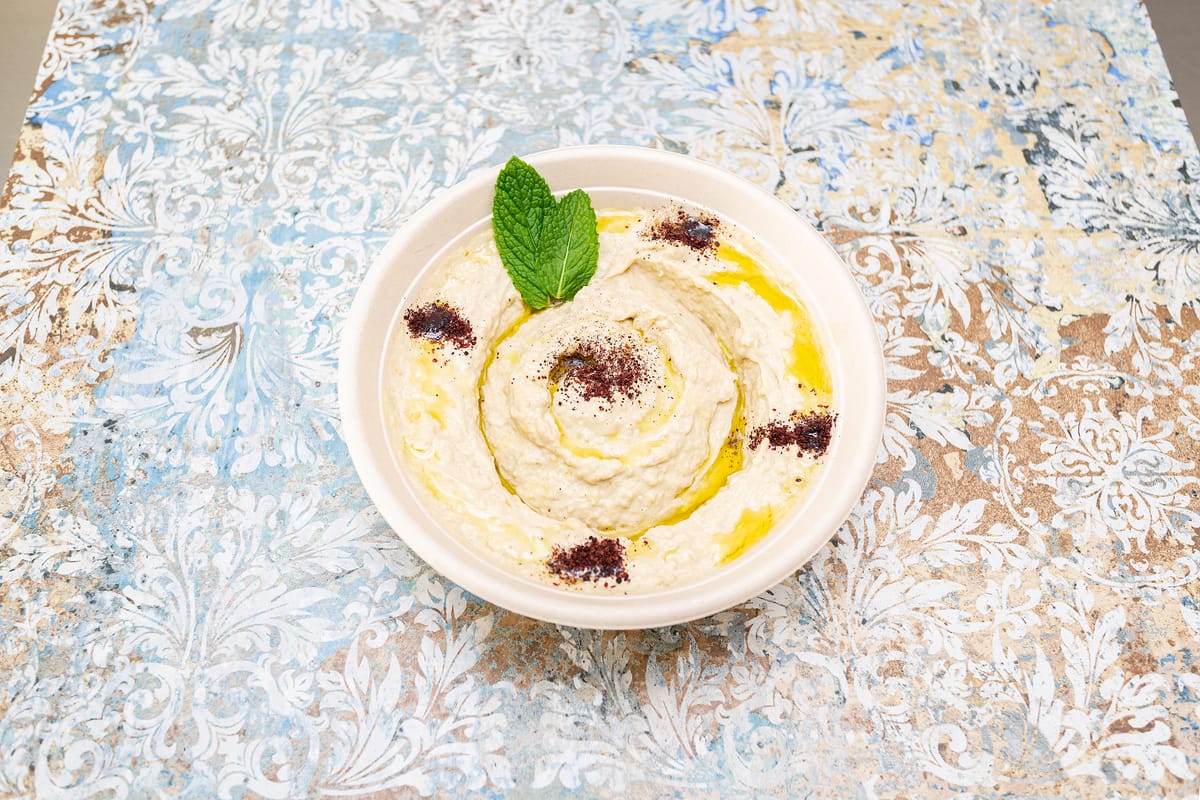
From Spice Jar to Plate
Baharat does its best work in marinades, slow-cooked stews, and baked meat pies. At Taza, it seasons everything from shawarma to rice.
How Baharat Is Used in Cooking
Baharat is not a finishing spice. It goes into the food at the beginning, building flavor from the inside out.
Marinades and Dry Rubs
The most common use of baharat is as a meat marinade. Chicken, beef, or lamb is rubbed with baharat, olive oil, garlic, lemon juice, and salt, then left to absorb the spices for several hours or overnight. The volatile oils in the spices penetrate the protein, and when the meat cooks, the baharat caramelizes on the surface, creating a deeply aromatic crust. This is exactly how shawarma is prepared -- layers of marinated meat are stacked on a vertical spit and slow-roasted, with the baharat concentrating as the fat renders and the exterior chars.
Rice and Grain Dishes
In Levantine cooking, baharat is toasted in oil or butter before adding rice and water. This technique, called "blooming," releases the fat-soluble flavor compounds in the spices, infusing the cooking liquid with aroma. The resulting rice has a golden tint and a warm, savory fragrance. Baharat rice is served alongside grilled meats, stews, and vegetables across the Levant. It is also the base of stuffed-vegetable dishes like kousa mahshi (stuffed zucchini) and warak enab (stuffed grape leaves), where baharat-seasoned rice is packed inside the vegetable or leaf before cooking.
Stews and Braises
Long-cooked dishes benefit from baharat's ability to deepen over time. In Lebanese fasolia (white bean stew), daoud basha (meatball stew), and bamia (okra stew), baharat is added at the start of cooking along with onions and garlic. As the stew simmers for an hour or more, the spice compounds meld with the braising liquid, creating a complex, layered flavor that you cannot achieve by adding spices at the end. The cinnamon and allspice become mellow, the cumin turns smoky, and the cloves soften into the background.
Meat Pies and Pastries
Baharat is mixed directly into the raw meat filling of Levantine pies. Sfiha, lahm bi ajin, and kibbeh all depend on baharat to season the ground meat before baking or frying. The heat of the oven concentrates the spice flavors, and the enclosed pastry traps the aromatic steam. When you bite into a fresh sfiha pie at Taza, the first thing you smell is baharat released from the hot filling. The blend also appears in the meat layer of kibbeh -- ground lamb mixed with onion, pine nuts, and baharat, then encased in a bulgur wheat shell.
Kafta and Ground Meat
Any Levantine dish made with ground meat uses baharat. Kafta (ground beef or lamb mixed with parsley, onion, and baharat) is shaped into logs and grilled, baked, or simmered in tomato sauce. The baharat distinguishes Levantine kafta from other grilled meat preparations around the world. The allspice and cinnamon in the blend give kafta its characteristic warm, slightly sweet aroma that is unique to the eastern Mediterranean.
Baharat at Taza Shawarma & Falafel
Six dishes where you can taste baharat in its intended role -- seasoning shawarma, meat pies, and rice.
Chicken Shawarma Bowl -- from $12.45
Our chicken shawarma marinade begins with baharat. The seven-spice blend coats each layer of chicken before it goes on the vertical spit, building deep flavor that intensifies as the meat slowly roasts and caramelizes. Every slice carries the warmth of cinnamon, the bite of black pepper, and the floral note of allspice.
Beef Shawarma Bowl -- from $12.45
Beef and baharat are natural partners. The peppery warmth of the blend cuts through the richness of the beef, while the cinnamon and cloves add an aromatic sweetness that balances the char from the rotisserie. Our beef shawarma is marinated overnight with baharat, garlic, and olive oil before slow-roasting.
Lahm Bi Ajin -- $8.95
This Lebanese flatbread topped with seasoned ground beef, onion, and parsley relies on baharat for its signature warmth. The spice blend is mixed directly into the meat topping before spreading it across the dough and baking in our stone oven until the edges blister and the meat browns.
Sfiha Pie -- $2.95
Our hand-folded meat pies use baharat-seasoned ground beef as the filling. The pastry dough wraps around a mix of beef, tomato, onion, and seven-spice, then bakes until golden. At $2.95 per pie, this is one of the most affordable ways to taste baharat in a traditional preparation.
Spiced Basmati Rice -- $2.95
A side of our basmati rice carries a subtle baharat fragrance. The spice blend is toasted briefly in oil before the rice and water are added, which blooms the volatile compounds in the cinnamon, cumin, and coriander. The result is rice that smells like a Levantine kitchen.
Hummus -- $4.95
While hummus is not traditionally a baharat dish, a light dusting of the blend over finished hummus adds a warm, aromatic dimension that pairs with the tahini and lemon. Ask for baharat-dusted hummus at Taza for a twist on the classic.
How to Make, Buy, and Store Baharat
Whether you grind your own or buy a jar, here is what you need to know.
Making Baharat from Scratch
Start with whole spices for the best flavor. Toast 2 tablespoons of allspice berries, 2 tablespoons of black peppercorns, 1 tablespoon of cumin seeds, 1 tablespoon of coriander seeds, and 1 teaspoon of whole cloves in a dry skillet over medium heat for two to three minutes. Stir constantly to prevent burning. The spices are ready when they smell strongly aromatic and just begin to smoke.
Let the toasted spices cool completely, then grind them in a spice grinder, coffee grinder, or mortar and pestle until you have a fine, uniform powder. Add 1 tablespoon of ground Ceylon cinnamon and 1 teaspoon of freshly grated nutmeg. Mix thoroughly. The blend should be a deep, reddish-brown color and smell intensely warm and aromatic.
This recipe yields about half a cup of baharat. Adjust the ratios to your taste: more allspice for a sweeter, rounder blend; more black pepper for a sharper, more pungent one; more cumin for a smokier, earthier profile. There is no single correct ratio -- every Levantine family has its own version.
Buying Baharat
Look for baharat at Middle Eastern grocery stores, specialty spice shops, and well-stocked international aisles. In Northern Virginia, the international markets along the Falls Church and Arlington corridors carry multiple brands. Online, Kalustyan's, Burlap & Barrel, and Penzeys all sell high-quality versions. Amazon carries dozens of options, but read the ingredient list carefully -- avoid blends with excessive salt, fillers, or anti-caking agents.
The label may say "baharat," "seven spice," "Lebanese seven spice," "Arabic spice blend," or "Middle Eastern spice mix." They all refer to the same family of blends. The best store-bought baharat lists whole spices as its first ingredients (allspice, pepper, cinnamon, etc.) rather than "spices" as a generic term. A good blend should smell strongly aromatic when you open the jar -- if it smells like cardboard, it is too old.
Storing Baharat
Store ground baharat in an airtight glass or metal container, away from direct light, heat, and moisture. A kitchen cabinet away from the stove is ideal. Avoid keeping spices on a shelf above the stove -- the heat and steam degrade the volatile oils faster.
Ground baharat retains its full potency for about six months. After that, the aromatic compounds begin to fade, and the blend tastes progressively flatter. It does not become unsafe -- it just becomes less flavorful. Whole-spice baharat (unground) lasts up to two years because the intact seeds and berries protect the internal oils from oxidation. If you use baharat infrequently, consider buying whole spices and grinding small batches as needed.
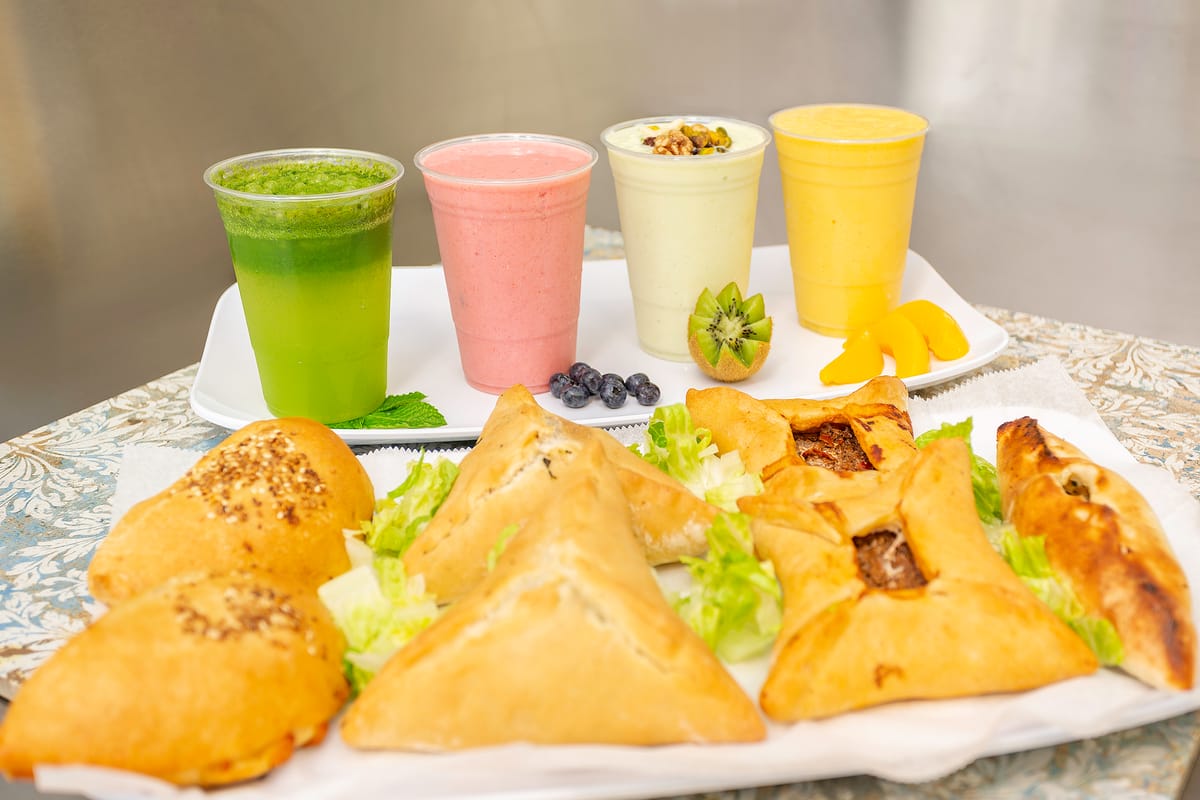
Taste the Seven Spices
From shawarma marinades to sfiha filling, baharat shapes the flavor of Levantine cooking at Taza.
Baharat and the Spice Trade
How seven spices from four continents ended up in one Levantine jar.
The seven spices in baharat originate from four different continents. Allspice comes from the Caribbean and Central America. Cinnamon comes from Sri Lanka and Southeast Asia. Cloves come from the Molucca Islands of present-day Indonesia. Nutmeg comes from the Banda Islands, also in Indonesia. Black pepper comes from southern India. Cumin and coriander are the only two that are native to the Mediterranean and Middle East, where they have been cultivated for at least four thousand years.
The fact that these seven spices converged in a single blend reflects the extraordinary reach of ancient and medieval trade networks. The eastern Mediterranean sat at the crossroads of the Silk Road, the maritime spice routes from Southeast Asia, and the overland caravan routes from Africa and Arabia. Levantine port cities like Beirut, Tripoli, and Sidon received spices from across the known world, and local cooks experimented with combining them.
By the medieval period, spice blends resembling modern baharat were documented in Arabic cookbooks. The 13th-century Kitab al-Tabikh (Book of Cooking), compiled in Baghdad and Damascus, describes spice mixtures for meat and rice that include the same seven ingredients in similar proportions. The Ottoman Empire later standardized many cooking practices across its territories, further spreading the baharat tradition from the Levant into Turkey, North Africa, and the Arabian Peninsula.
Today, baharat remains a living tradition. Spice merchants in Beirut, Damascus, and Amman still grind custom blends for their customers. Families pass down their preferred ratios across generations. At Taza in Falls Church, VA, we carry that tradition forward -- our baharat blend seasons the same dishes that have been cooked with these seven spices for centuries, from shawarma on the rotisserie to sfiha from the oven.
Why Baharat Tastes Different from Western Spice Blends
The key distinction: allspice and cinnamon in savory dishes.
If you grew up eating Western food, baharat may taste surprising on first encounter. The reason is cinnamon and allspice in a savory context. In American and European cooking, cinnamon and allspice are dessert spices -- they go in apple pie, pumpkin spice, and holiday cookies. In Levantine cooking, they go on lamb, beef, chicken, and rice. The combination of warm-sweet aromatics with savory, meaty flavors is the defining characteristic of baharat-seasoned food.
Western spice blends like Italian seasoning (oregano, basil, rosemary, thyme), herbes de Provence (thyme, rosemary, lavender, savory), and Old Bay (celery salt, paprika, mustard) are herb-forward. They rely on dried leaves and seeds from plants in the mint and daisy families. Baharat, by contrast, is bark-and-berry forward -- it relies on tree bark (cinnamon), dried berries (allspice, black pepper), flower buds (cloves), and seeds (cumin, coriander, nutmeg). The aromatic compounds in these ingredients are fundamentally different from those in herbs, which is why baharat smells more like a spice market than a garden.
Once you understand this distinction, baharat makes intuitive sense. The warm, sweet spices soften the gaminess of lamb, balance the richness of beef, and add aromatic depth to chicken that herbs alone cannot provide. If you have ever eaten a dish seasoned with baharat and thought "I cannot identify this flavor, but I like it," the answer is probably allspice -- the one spice in baharat that has no equivalent in Western cooking.
Five Ways to Use Baharat at Home
Simple starting points for cooking with baharat if you have never used it before.
Baharat Chicken Thighs
Toss bone-in, skin-on chicken thighs with 2 tablespoons of baharat, 3 tablespoons of olive oil, 4 minced garlic cloves, juice of one lemon, and a teaspoon of salt. Marinate for at least two hours, then roast at 425 degrees Fahrenheit for 35 to 40 minutes until the skin is crispy and the internal temperature reaches 165 degrees. Serve over baharat rice with a side of hummus.
Baharat-Spiced Rice
Heat 2 tablespoons of butter in a pot over medium heat. Add 1 teaspoon of baharat and stir for 30 seconds until fragrant. Add 1.5 cups of rinsed basmati rice and stir to coat. Add 3 cups of chicken or vegetable broth, bring to a boil, then reduce heat to low, cover, and cook for 18 minutes. The rice will absorb the baharat flavor and turn a light golden color with an aroma reminiscent of the rice served at Taza.
Quick Kafta
Mix 1 pound of ground beef or lamb with 1 small grated onion, a handful of chopped flat-leaf parsley, 1.5 teaspoons of baharat, and salt to taste. Shape into logs around flat metal skewers or into patties. Grill over high heat for 3 to 4 minutes per side. Serve in pita with tahini, sliced tomatoes, and pickled turnips for a homemade version of a Levantine classic.
Baharat Roasted Vegetables
Cut cauliflower, eggplant, and bell peppers into large pieces. Toss with olive oil, 1 tablespoon of baharat, salt, and a squeeze of lemon juice. Spread on a sheet pan and roast at 400 degrees Fahrenheit for 30 to 35 minutes, tossing halfway through. The baharat caramelizes on the vegetable surfaces, adding a warmth and depth that plain roasted vegetables lack.
Lentil and Baharat Soup
Saute diced onion, carrot, and celery in olive oil. Add 2 minced garlic cloves and 1 tablespoon of baharat, stirring for one minute. Add 1.5 cups of red lentils, 6 cups of broth, a can of diced tomatoes, and salt. Simmer for 25 minutes until the lentils dissolve. Finish with lemon juice and a drizzle of olive oil. This is a staple Levantine soup that relies on baharat for its warmth.
Frequently Asked Questions About Baharat
Baharat is the Arabic word for 'spices.' In Arabic-speaking countries, saying 'baharat' is like saying 'spice blend' -- it is the generic term. When used in the context of cooking or at a spice shop, it specifically refers to the seven-spice blend of allspice, black pepper, cinnamon, cloves, coriander, cumin, and nutmeg that forms the backbone of Levantine and broader Eastern Mediterranean seasoning. The word has the same root as the Hindi word 'bahar,' which also means spice, reflecting ancient trade routes that connected the two regions.
Yes. Baharat and seven spice (sab'a baharat in Arabic) refer to the same blend. The number seven is not always exact -- some regional versions include six or eight spices -- but the core combination of allspice, black pepper, cinnamon, cloves, coriander, cumin, and nutmeg is consistent across most Levantine kitchens. In grocery stores, you may see it labeled as 'Lebanese seven spice,' 'Arabic seven spice,' or simply 'baharat.' They are all the same family of blends with minor ratio differences.
Baharat is warm but not hot. The warmth comes from cinnamon, allspice, and cloves rather than from chili peppers. Black pepper provides a mild peppery bite, but it is nowhere near the heat level of cayenne, harissa, or chili flakes. Children eat baharat-seasoned food regularly across the Levant. If you can handle the warmth of cinnamon toast or mulled cider, you can handle baharat. The overall sensation is aromatic warmth, not burning heat.
Allspice is a single spice -- the dried, unripe berry of the Pimenta dioica tree, native to the Caribbean and Central America. It is called allspice because it tastes like a combination of cinnamon, cloves, and nutmeg in one berry. Baharat is a blend of seven spices that includes allspice as one of its ingredients. Allspice is a component of baharat, not a synonym for it. In Levantine cooking, allspice is often the most prominent note in baharat, which is why some people confuse the two, but baharat also contains cumin, coriander, black pepper, and actual cinnamon and cloves.
Yes. Toast whole spices (cumin seeds, coriander seeds, black peppercorns, cloves, allspice berries) in a dry skillet over medium heat for two to three minutes until fragrant. Let them cool, then grind in a spice grinder or mortar and pestle. Add ground cinnamon and freshly grated nutmeg. A standard ratio is: 2 tablespoons each of allspice and black pepper, 1 tablespoon each of cinnamon, cumin, and coriander, and 1 teaspoon each of cloves and nutmeg. Store in an airtight jar away from light and heat. Homemade baharat will taste noticeably more vibrant than pre-ground versions because the volatile oils are freshly released.
Ground baharat keeps its full potency for about six months when stored in an airtight container in a cool, dark place. After six months, the volatile oils that give the spices their aroma begin to fade, and the blend will taste flatter. It does not spoil or become unsafe -- it just loses intensity. Whole-spice baharat (unground) lasts up to two years. To test if your baharat is still good, rub a pinch between your fingers and smell it. If it smells strongly aromatic, it is fine. If you barely smell anything, replace it.
Several Middle Eastern and international grocery stores in the Falls Church and Arlington corridors carry baharat. Look for it in the spice aisle, often labeled as 'seven spice' or 'Lebanese spice blend.' Whole Foods and specialty stores may stock it under the name 'baharat.' Online retailers like Kalustyan's, Burlap & Barrel, and Amazon also carry high-quality versions. Or skip the jar entirely and taste baharat in its intended form -- seasoning shawarma, meat pies, and rice -- at Taza Shawarma & Falafel on Seminary Road in Falls Church.
Pure baharat made from ground spices is naturally gluten-free. The seven ingredients -- allspice, black pepper, cinnamon, cloves, coriander, cumin, and nutmeg -- are all single-ingredient spices with no gluten. However, some commercial blends may be processed in facilities that also handle wheat, so check the label if you have celiac disease or a serious sensitivity. When used in dishes at Taza, the baharat itself is gluten-free, but the dish it seasons may contain gluten (for example, pita bread or pie dough). Our rice and shawarma bowls are served without bread and are naturally gluten-free.
Taste Baharat at Taza in Falls Church
Every dish on our menu that contains meat or rice is seasoned with our baharat blend. Walk in, order, and taste the seven spices.
Address
5820 Seminary Rd Ste O, Falls Church, VA 22041
Hours
11:00 AM - 12:00 AM -- Open 7 Days a Week
Phone
Taste the Seven Spice Blend
Baharat-seasoned shawarma, meat pies, and rice -- made fresh daily at Taza Shawarma & Falafel in Falls Church, VA. Order online for pickup or delivery.